
Gas Quality System Costs: What Shapes Total Project Spending in 2026


Planning a gas quality system in 2026 requires more than comparing equipment prices. Total project spending is influenced by analyzer technology, sampling design, installation effort, compliance scope, software integration, calibration strategy, and lifecycle service. Early visibility into these factors helps reduce budget surprises, protect measurement integrity, and support scalable decisions across industrial, energy, environmental, laboratory, and automation applications.
Why a structured review matters for gas quality system budgeting
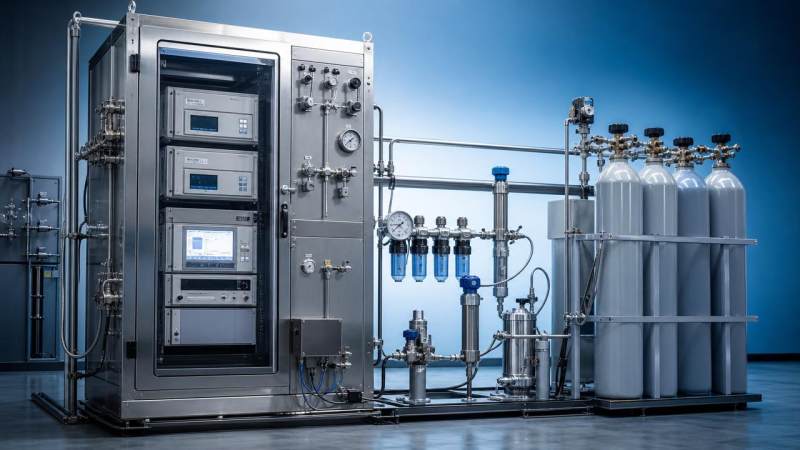
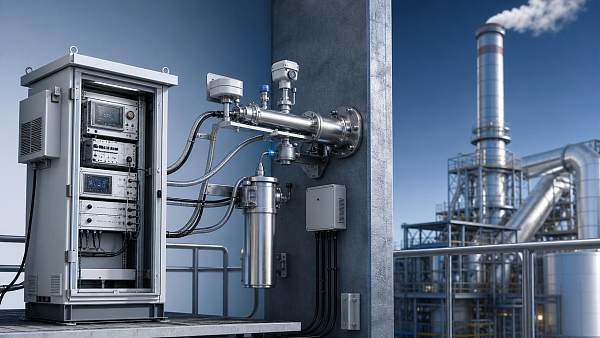
A gas quality system often combines instruments, enclosures, tubing, sample conditioning, controls, communication, documentation, and service. The visible analyzer price may represent only one part of total project spending.
In 2026, tighter data expectations and digital integration demands can increase cost variance. A structured review helps compare options fairly and identify which specifications truly drive project value.
This approach is especially useful in the instrumentation industry, where measurement reliability, compliance, and maintainability directly affect operating efficiency, reporting quality, and long-term upgrade flexibility.
Core points that shape gas quality system costs in 2026
- Confirm which gas components, detection limits, and response times are required, because analyzer technology selection strongly affects capital cost, accuracy, maintenance interval, and spare parts planning.
- Define whether the gas quality system needs continuous online monitoring, periodic validation, or laboratory correlation, since monitoring mode changes hardware quantity, sampling architecture, and software scope.
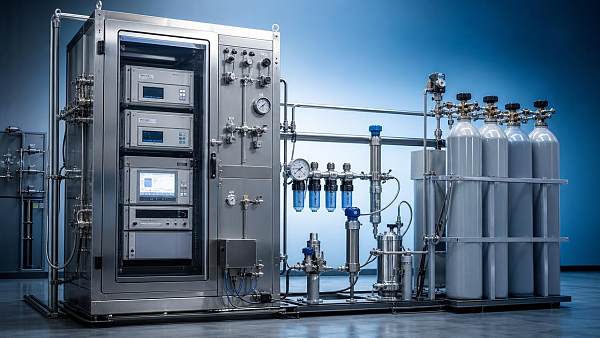
- Review sample conditioning needs early, including filtration, pressure reduction, moisture handling, temperature control, and flow management, because these items often add substantial hidden engineering costs.
- Check installation environment carefully, including hazardous area rating, ambient temperature, dust, vibration, weather exposure, and utility access, as these factors influence enclosure design and field labor.
- Assess compliance requirements such as industry standards, local codes, validation documents, and audit trails, because certification and documentation can significantly expand total project spending.
- Map integration requirements with PLC, DCS, SCADA, historian, or cloud platforms, since protocol conversion, cybersecurity measures, and software customization frequently increase implementation time.
- Estimate calibration frequency, reference gas consumption, and maintenance access needs, because a low upfront analyzer price may create much higher annual ownership cost.
- Include commissioning, training, and performance verification in the budget, as a gas quality system delivers value only when configured correctly and supported by documented startup procedures.
- Review redundancy expectations for critical applications, because backup analyzers, bypass lines, and fail-safe control logic improve uptime but materially increase project scope.
- Plan for future expansion, data standardization, and modular upgrades, since scalable architecture can reduce later retrofit costs even if initial project spending is slightly higher.
How equipment selection changes the final budget
The gas quality system cost profile depends heavily on whether the application uses chromatography, spectroscopy, electrochemical sensing, thermal conductivity, or multi-parameter platforms. Each method has different performance and service implications.
Higher sensitivity usually means more demanding sample preparation, stronger environmental control, and stricter calibration routines. Those supporting elements can exceed the analyzer cost in complex projects.
Why installation scope matters as much as instrument price
A gas quality system installed in a clean indoor utility room is very different from one deployed on a remote skid, process line, or outdoor energy site. Labor, civil support, wiring, and protection requirements vary widely.
Small layout changes can also alter tubing length, response time, and sample integrity. Good front-end design prevents rework and avoids costly modifications during commissioning.
Application factors that change gas quality system spending
Industrial manufacturing and process control
In manufacturing, the gas quality system often supports combustion efficiency, protective atmospheres, or process consistency. Fast response and stable outputs may matter more than ultra-low detection limits.
Key cost checks include process tie-in complexity, purge requirements, environmental protection, and communication compatibility with automation control systems.
Energy, power, and gas infrastructure
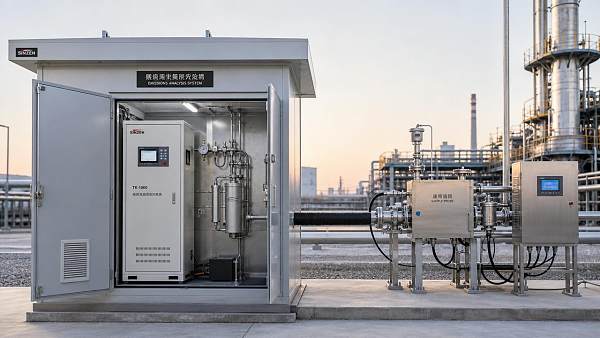
For energy applications, the gas quality system may support fuel verification, emissions monitoring, custody-related measurements, or equipment protection. Reliability and traceability usually carry strong budget weight.
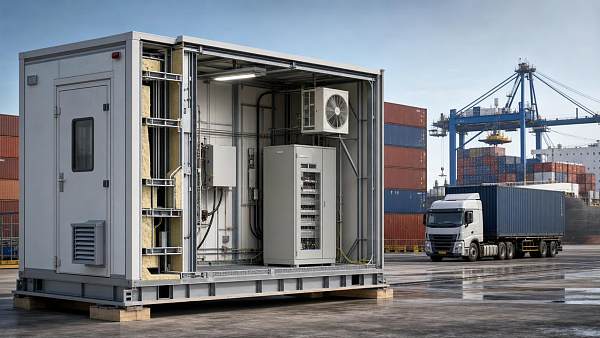
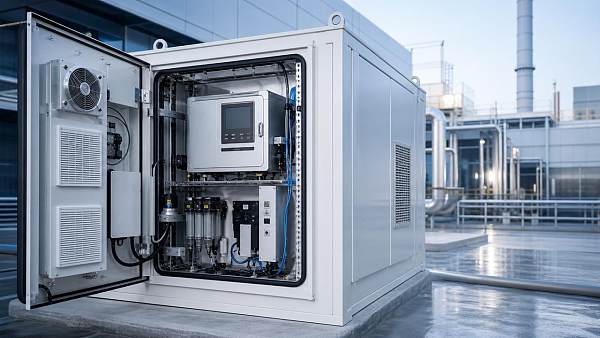
Important checks include hazardous area design, shelter or analyzer house needs, remote diagnostics, redundant channels, and compliance documentation for inspections.
Environmental monitoring and emissions programs
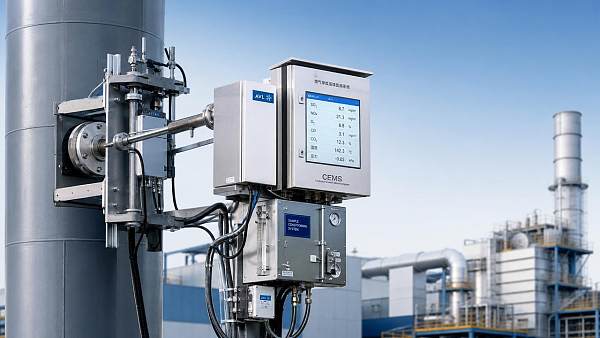
An environmental gas quality system may require validated data handling, zero and span routines, and strict recordkeeping. Software and reporting functions can become a major project cost layer.
Sampling integrity is also critical. Heated lines, moisture control, and maintenance access must be reviewed before budget approval.
Laboratory and medical testing environments
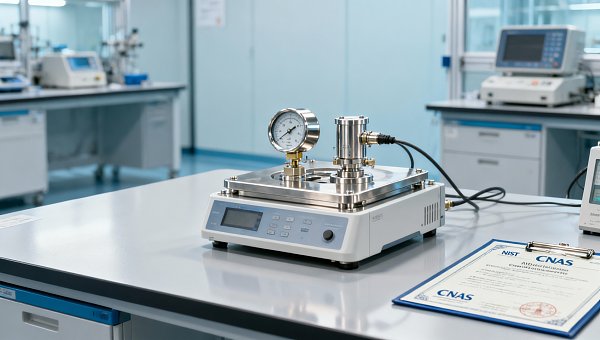
In laboratory or medical-related settings, the gas quality system may need tighter analytical accuracy, cleaner sample paths, and stronger traceability. Controlled environments can reduce field labor but increase validation effort.
Critical checks include calibration certificate requirements, operator workflow, data export format, and service response expectations for uptime-sensitive analysis.
Frequently overlooked cost drivers and project risks
Underestimating sample system engineering
Many budgets focus on the analyzer but overlook regulators, filters, valves, flow devices, heat tracing, condensate handling, and panel assembly. These details strongly shape gas quality system performance and cost.
Ignoring calibration gas logistics
Calibration cylinders, changeout frequency, storage conditions, transport limitations, and traceable certification all affect lifecycle expense. This is especially important for remote or highly regulated sites.
Assuming integration is simple
A gas quality system may need alarms, trending, historian links, remote access, permissions, and cybersecurity controls. Interface work can become a major source of delay and budget growth.
Leaving maintenance access unresolved
Poor layout increases service time and safety exposure. If technicians cannot reach filters, fittings, or calibration ports easily, annual maintenance costs rise and analyzer downtime often increases.
Choosing minimum scope without expansion planning
A low-cost gas quality system can become expensive when later additions require new panels, communication modules, or enclosure redesign. Modular planning usually lowers long-term total project spending.
Practical steps to control gas quality system spending
- Create a written measurement scope before requesting quotations, covering analytes, range, accuracy, update speed, site conditions, utilities, and reporting needs.
- Ask suppliers to separate analyzer cost, sample system cost, installation materials, software scope, commissioning, and annual service into visible budget lines.
- Use lifecycle comparison instead of purchase price alone, including calibration gas use, consumables, preventive maintenance, training, and expected service intervals.
- Review whether the gas quality system needs redundancy, then justify it by downtime impact rather than adding backup hardware by default.
- Reserve budget for startup optimization, because sampling and integration adjustments are common even when core equipment selection is correct.
Common questions about gas quality system costs
Is the analyzer always the biggest cost item?
No. In many projects, the gas quality system analyzer is only part of the budget. Sample conditioning, enclosure design, field installation, integration, and compliance work may together cost more.
Why do similar gas quality system quotes vary so much?
Quotes often differ because vendors include different assumptions for calibration hardware, hazardous area protection, software functions, documentation depth, commissioning support, and future expansion capacity.
How can lifecycle cost be reduced without harming accuracy?
Match technology to the real measurement objective, simplify sample paths, improve maintenance access, standardize communication, and select a gas quality system architecture that supports efficient calibration.
Final thoughts and next actions
A 2026 gas quality system budget should be built around total project scope, not equipment price alone. Analyzer choice, installation conditions, compliance burden, integration depth, and service strategy all shape final spending.
The most effective next step is to define measurement goals, site constraints, and lifecycle expectations in one document. That makes gas quality system quotations easier to compare and far more useful.
With a structured review, projects can protect analytical performance while controlling risk, improving cost transparency, and supporting practical expansion across modern instrumentation environments.
Recommended for You
 SAMR to Finalize 1,800+ Standards by 2026, Including EV Battery RecyclingSAMR to finalize 1,800+ standards by 2026—including EV battery recycling, hazardous chemical packaging & EMC immunity. Stay ahead of mandatory GB shifts and global export compliance.
 China's Largest Single-Line Large-Tow Carbon Fiber Line Starts OperationChina's largest single-line large-tow carbon fiber line is live—30,000 tons/year capacity, ASME-certified, 22% cheaper & 6-week lead time. Boost your industrial instrumentation supply chain now.
 China Mobile Unveils National Integrated Computing Power NetworkChina Mobile's National Integrated Computing Power Network accelerates AI quality inspection for global manufacturers—cutting model training time by 68% and enabling cross-border industrial AI development.
 World's First Humanoid Robot Industrial Calibration White Paper ReleasedWorld's First Humanoid Robot Industrial Calibration White Paper released—setting new global benchmarks for dynamic sensor calibration in robotics. Discover how ABB, Yaskawa & metrology leaders are reshaping industry trust.
 Red Sea Crisis Escalates: Aden Gulf Ban Extended to June 15Red Sea Crisis escalates: Aden Gulf ban extended to June 15 — disrupting industrial instrumentation trade between China and the Middle East with 452% air freight spikes and 7–12 day delays.
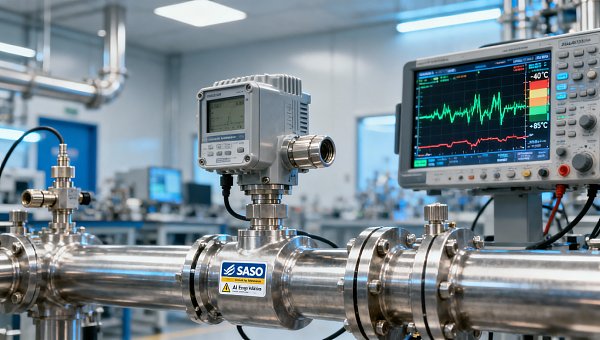
 Saudi SASO Introduces AI-Based Energy Validation for Industrial TransmittersAI-based energy validation for industrial transmitters is now mandatory in Saudi Arabia—learn how SASO’s new AI regulation impacts global exporters, compliance timelines, and supply chains.
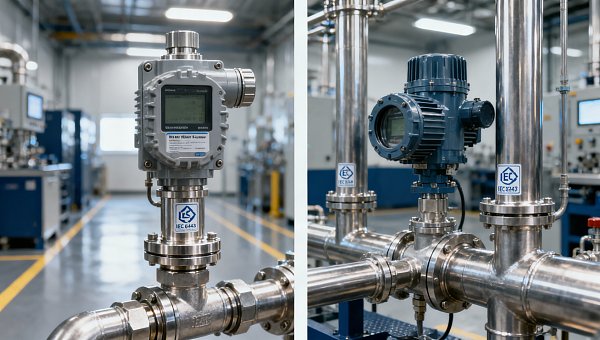
 IEC TC65 Releases Cybersecurity Validation Guide for Industrial InstrumentsIEC TC65’s new Cybersecurity Validation Guide for Industrial Instruments mandates SDL certification & firmware signing—key for EU/US market access. Act now to align with GB/T 42278-2026 and avoid export delays.
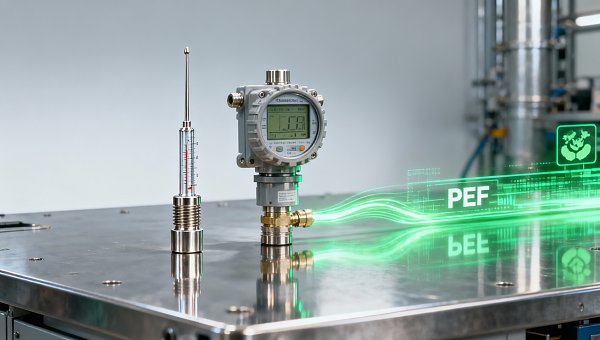
 EU PEF Carbon Footprint Database Mandatory Access for Industrial InstrumentsEU PEF Carbon Footprint Database mandatory access starts June 2026 for industrial instruments—pressure, temperature & flow meters. Ensure compliance now to avoid EU customs delays and market exclusion.
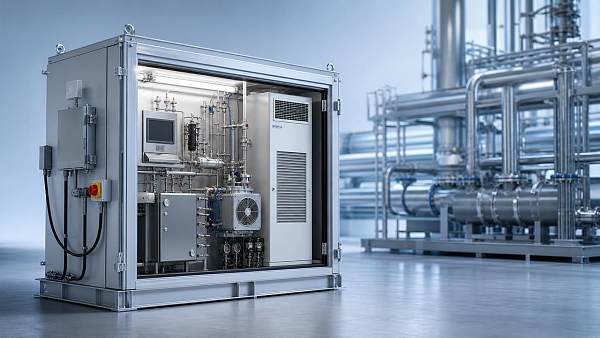
 Gas Quality Analyzer Shelter Price Trends and Specification Gaps to WatchGas quality analyzer shelter price trends vary with materials, HVAC, safety, integration, and compliance. See key specification gaps before shortlisting suppliers or approving budget.
 Process Measurement Equipment: Key Accuracy Risks in Harsh EnvironmentsProcess measurement equipment in harsh environments can drift before failing. Discover key accuracy risks, warning signs, and practical controls to protect quality, safety, and compliance.
 Industrial Analyzer Shelter Export Factors Affecting Lead Times This YearIndustrial analyzer shelter export lead times vary with sourcing, engineering, compliance, packing, and logistics. Learn the key factors to quote smarter and deliver with confidence.
 What to Check Before Buying a Process Analyzer ShelterProcess analyzer shelter buying guide: learn what to check before purchase, from compliance and HVAC to utilities, durability, and maintenance access.
 Process Monitoring Equipment Trends Shaping Plant Upgrades in 2026Process monitoring equipment trends for 2026 reveal how smarter plant upgrades can cut downtime, improve compliance, boost efficiency, and deliver faster ROI.
 Flue Gas Analyzer Shelter Maintenance Issues That Shorten Service LifeFlue gas analyzer shelter maintenance issues can quietly shorten equipment life. Learn the key risks, warning signs, and practical checks to reduce downtime and protect accuracy.
 Emission Analyzer Shelter vs Outdoor Mounting: Which Reduces DowntimeEmission analyzer shelter vs outdoor mounting: discover which setup cuts downtime, improves analyzer reliability, and lowers lifecycle risk in harsh or compliance-critical environments.
 Common Gas Quality Equipment Selection Mistakes in Industrial ProjectsGas quality equipment selection mistakes can delay industrial projects and raise compliance risks. Learn how to choose the right solution for accuracy, safety, integration, and faster commissioning.
 Gas Quality System Costs: What Shapes Total Project Spending in 2026Gas quality system costs in 2026 depend on more than analyzer price. Discover the key budget drivers, hidden expenses, and smart planning steps to control total project spending.
 How to Choose Emission Measurement Equipment for Reliable Compliance DataEmission measurement equipment selection affects compliance accuracy, uptime, and audit readiness. Learn how to compare systems, reduce risk, and choose a solution built for reliable data.
 First Global White Paper on Dynamic Calibration for Humanoid Robot Sensors ReleasedFirst global white paper on dynamic calibration for humanoid robot sensors—key for pressure & 6-axis force/torque accuracy in smart manufacturing and collaborative robotics.
 FDA Updates IVD Import Guidelines: CNAS/NIST Calibration Chain RequiredFDA mandates CNAS/NIST calibration chain for IVD pressure & temperature sensors—key for Chinese exporters. Act now to meet July 2026 deadline.
 EU PEF Carbon Database Mandatory Access for Chinese Industrial InstrumentsEU PEF Carbon Database mandatory for Chinese industrial instruments—meet June 15, 2026 deadline to keep CE marking & win EU tenders.
 IEC TC65 Releases Cybersecurity Validation Guide for Industrial InstrumentsIEC TC65 releases cybersecurity validation guide for industrial instruments—key for firmware signing, OT encryption & remote audit compliance. Act now.
 SASO Introduces AI-Based Energy Efficiency Verification for Industrial TransmittersSASO AI energy efficiency verification now mandatory for industrial transmitters in Saudi Arabia—ensure compliance before June 1, 2026 to avoid customs delays.
 ASEAN Green Customs Corridor Fully LaunchedASEAN Green Customs Corridor now live: AI-verified CNAS calibration reports slash ASEAN-China customs clearance to under 4 hours — boost precision equipment trade today.
 Process Control Equipment Price Trends Under Energy Cost PressureProcess control equipment price trends are shifting under energy cost pressure. Discover key cost drivers, total ownership factors, and smart sourcing tips to reduce risk and improve ROI.
 Multi Gas Analysis in Safety-Critical Areas: What to Check FirstMulti gas analysis starts with risk, not just instruments. Learn what to check first in safety-critical areas to improve compliance, reduce downtime, and protect people and assets.
 Industrial Analyzer Equipment: Common Failures and Maintenance TipsIndustrial analyzer equipment failures can disrupt uptime, compliance, and data accuracy. Discover common faults and practical maintenance tips to improve reliability fast.
 Industrial Measurement System Import Trends and Supply RisksIndustrial measurement system import trends and supply risks explained: learn how distributors can protect margins, reduce delays, and build stronger sourcing resilience.
 Emission Control Equipment Rules Reshaping Industrial DemandEmission control equipment is reshaping industrial investment as stricter rules drive demand for smarter monitoring, lower risk, and compliance-ready systems. Explore what buyers must evaluate now.
 Emission Measurement System Costs in 2026: What Shapes PricingEmission measurement system costs in 2026 depend on accuracy, compliance, installation, integration, and service. Learn what shapes pricing and plan a smarter investment.
 Process Measurement System Upgrades: When Do They Pay Off?Process measurement system upgrades pay off when they cut downtime, improve accuracy, and support compliance. Learn the key signals, ROI factors, and smart upgrade strategies.
 Paramagnetic Gas Measurement: Where It Performs Best in IndustryParamagnetic gas measurement delivers fast, stable oxygen analysis for combustion, emissions, and process control. Discover where it performs best and how it improves efficiency, compliance, and reliability.






Search Categories
Search Categories
Latest Article
- SAMR to Finalize 1,800+ Standards by 2026, Including EV Battery RecyclingSAMR to finalize 1,800+ standards by 2026—including EV battery recycling, hazardous chemical packaging & EMC immunity. Stay ahead of mandatory GB shifts and global export compliance.Posted by:
- China's Largest Single-Line Large-Tow Carbon Fiber Line Starts OperationChina's largest single-line large-tow carbon fiber line is live—30,000 tons/year capacity, ASME-certified, 22% cheaper & 6-week lead time. Boost your industrial instrumentation supply chain now.Posted by:
- China Mobile Unveils National Integrated Computing Power NetworkChina Mobile's National Integrated Computing Power Network accelerates AI quality inspection for global manufacturers—cutting model training time by 68% and enabling cross-border industrial AI development.Posted by:
Please give us a message
