
Emission Analyzer Shelter vs Outdoor Mounting: Which Reduces Downtime


For business decision-makers weighing reliability, compliance, and lifecycle cost, the choice between an emission analyzer shelter and outdoor mounting can directly affect downtime and maintenance efficiency.
In demanding industrial environments, installation strategy shapes equipment protection, data stability, and service access. This article compares both options to help identify which approach better supports continuous operation and lower risk.
When site conditions are harsh, does an emission analyzer shelter reduce downtime more effectively?
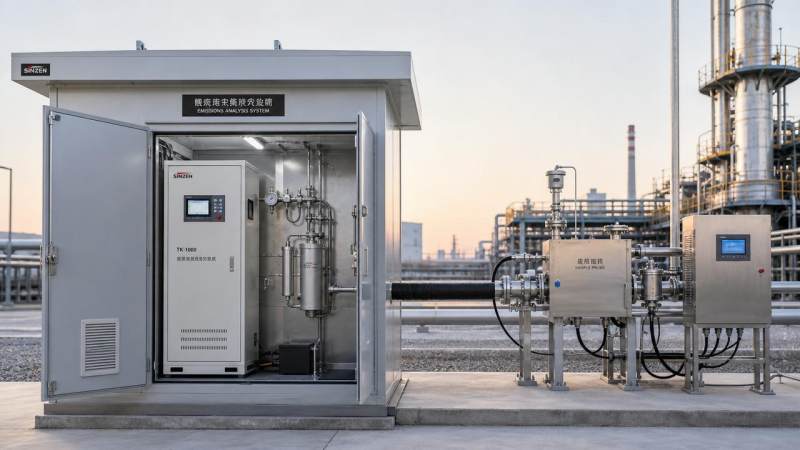
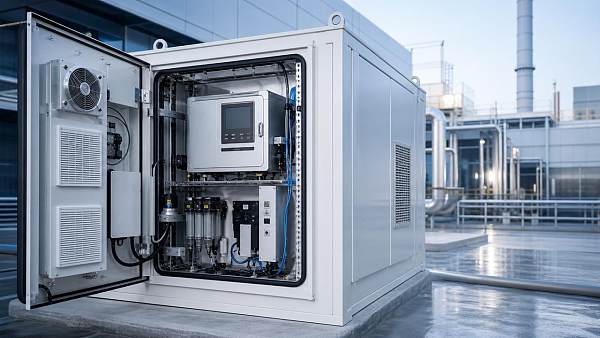
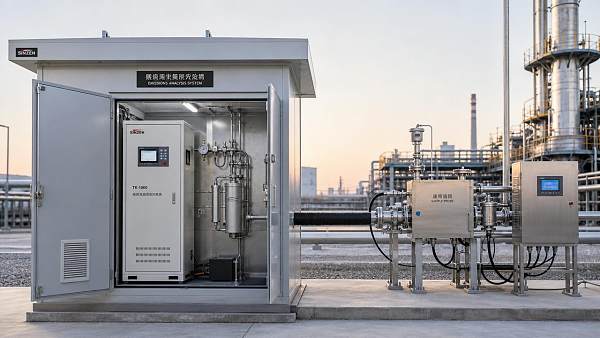
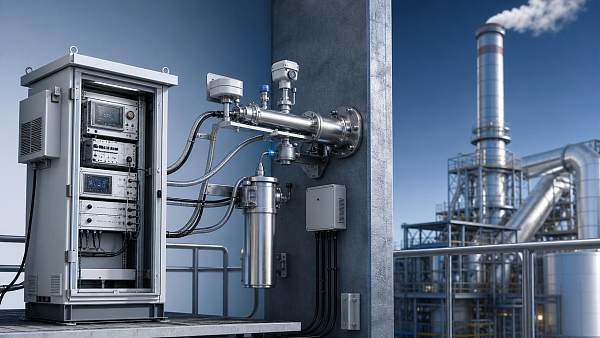
An emission analyzer shelter is designed to create a stable operating environment around sensitive monitoring equipment. That stability often translates into fewer failures, fewer recalibrations, and less unplanned shutdown time.
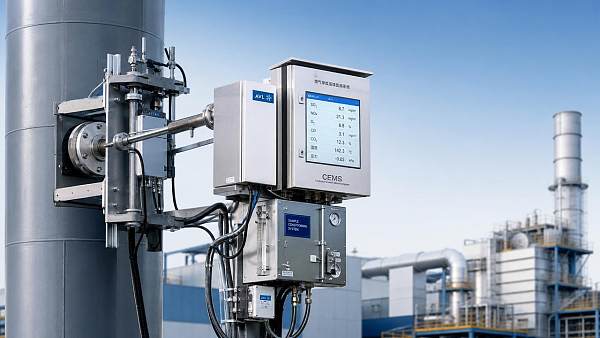
Outdoor mounting removes the shelter enclosure and places analyzers closer to the process. This can reduce installation complexity, but it exposes instruments to temperature swings, dust, rain, vibration, and corrosive gases.
In the instrumentation industry, uptime depends on both measurement quality and maintainability. The installation method affects sample conditioning, electronics life, sensor drift, and technician safety during service work.
Where climate, contamination, or access are challenging, an emission analyzer shelter usually reduces downtime because it controls environmental variables that commonly trigger instrument faults.
Why do different operating scenarios lead to different mounting decisions?
No single installation method fits every emissions monitoring application. The better option depends on ambient weather, process criticality, maintenance frequency, utility availability, and target compliance performance.
A compact plant with mild weather may accept outdoor mounting without major downtime penalties. A remote power station, waste incinerator, or petrochemical unit often needs stronger protection and easier service conditions.
The core question is not simply shelter versus no shelter. It is whether the installation environment supports stable analyzer operation over years, not just during commissioning.
Scenario 1: Remote or unmanned facilities usually benefit from an emission analyzer shelter
Remote facilities face longer response times when alarms occur. Every analyzer trip can mean delayed troubleshooting, higher travel cost, and prolonged compliance exposure.
In these settings, an emission analyzer shelter lowers downtime by protecting analyzers, sample lines, and control components from ambient stress. It also centralizes service tools and spare parts.
If technicians cannot arrive quickly, maintaining analyzer temperature and humidity within limits becomes a practical uptime strategy, not an optional upgrade.
Key judgment points
- Large ambient temperature variation across day and night
- Limited maintenance staffing or restricted site access
- High cost of compliance deviation or data gaps
- Frequent need for calibration gas handling and analyzer checks
Scenario 2: Mild environments may justify outdoor mounting with strict design controls
Outdoor mounting can work well where climate is moderate, airborne contamination is limited, and process analyzers are ruggedized for exposed service.
This approach may reduce capital cost, shorten installation time, and place the analyzer closer to the sampling point. Shorter paths can improve response time in some applications.
However, lower upfront cost does not automatically mean lower lifecycle cost. If weather protection, heated enclosures, sunshades, purge systems, and safe access platforms are added later, savings can narrow quickly.
Key judgment points
- Stable weather and low humidity risk
- Minimal dust, salt, and corrosive exposure
- Easy technician access in all seasons
- Analyzer models specifically rated for outdoor service
Scenario 3: High-dust, corrosive, or high-vibration sites favor an emission analyzer shelter
Cement plants, mining operations, marine terminals, and some chemical units present aggressive conditions. Dust infiltration, salt spray, acid gas exposure, and equipment vibration can shorten analyzer life dramatically.
In these conditions, an emission analyzer shelter often delivers the strongest downtime reduction. It creates a controlled barrier between precision instruments and the site environment.
The benefit extends beyond analyzers. Sample conditioning systems, pumps, filters, and electronics also perform more consistently when enclosed and climate controlled.
Scenario 4: Space-constrained retrofits require balanced evaluation
Retrofit projects often have limited plot space, legacy ducts, and difficult cable routing. Outdoor mounting may appear easier because it avoids placing a larger structure near existing assets.
Still, a compact emission analyzer shelter can simplify long-term maintenance by consolidating analyzers, panels, utilities, and calibration systems in one accessible location.
The right answer depends on whether the retrofit seeks the lowest initial disruption or the lowest long-term interruption.
How do downtime drivers differ between an emission analyzer shelter and outdoor mounting?
Which installation fits your scenario better?
Use the following practical guide when comparing an emission analyzer shelter with outdoor mounting.
- Choose an emission analyzer shelter when environmental stress is high.
- Choose an emission analyzer shelter when compliance uptime is mission critical.
- Choose an emission analyzer shelter when maintenance access is difficult.
- Consider outdoor mounting when weather is mild and service access is easy.
- Consider outdoor mounting when analyzer equipment is outdoor rated and protected locally.
- Compare total downtime cost, not only purchase and installation cost.
What are the most common misjudgments in shelter versus outdoor decisions?
One common mistake is focusing only on analyzer price. The real financial impact often comes from lost production, noncompliance exposure, emergency service, and repeated recalibration.
Another mistake is underestimating local weather extremes. A site may seem moderate annually, yet brief heat waves, storms, or winter freezes can cause recurring analyzer outages.
A third mistake is ignoring maintenance ergonomics. If technicians work in rain, poor lighting, or hazardous access conditions, service time grows and downtime follows.
It is also risky to assume all analyzers respond equally. Some technologies tolerate exposure better than others, but sample handling components often remain vulnerable.
Final decision: which option usually reduces downtime?
In most harsh, remote, or compliance-sensitive applications, an emission analyzer shelter is more likely to reduce downtime. Its value comes from environmental control, safer maintenance, and more predictable analyzer performance.
Outdoor mounting can still be the right choice in clean, accessible, and moderate environments. The key is disciplined evaluation of exposure risk, maintenance burden, and long-term reliability.
Before finalizing the installation, review climate data, service frequency, analyzer technology, utility support, and compliance consequences. That scenario-based approach leads to a more resilient emission monitoring system.
If the goal is fewer interruptions over the full asset life, an emission analyzer shelter often provides the stronger foundation for stable operation and lower unplanned downtime.
Recommended for You
 Gas Quality Analyzer Shelter Price Trends and Specification Gaps to WatchGas quality analyzer shelter price trends vary with materials, HVAC, safety, integration, and compliance. See key specification gaps before shortlisting suppliers or approving budget.
 Process Measurement Equipment: Key Accuracy Risks in Harsh EnvironmentsProcess measurement equipment in harsh environments can drift before failing. Discover key accuracy risks, warning signs, and practical controls to protect quality, safety, and compliance.
 Industrial Analyzer Shelter Export Factors Affecting Lead Times This YearIndustrial analyzer shelter export lead times vary with sourcing, engineering, compliance, packing, and logistics. Learn the key factors to quote smarter and deliver with confidence.
 What to Check Before Buying a Process Analyzer ShelterProcess analyzer shelter buying guide: learn what to check before purchase, from compliance and HVAC to utilities, durability, and maintenance access.
 Process Monitoring Equipment Trends Shaping Plant Upgrades in 2026Process monitoring equipment trends for 2026 reveal how smarter plant upgrades can cut downtime, improve compliance, boost efficiency, and deliver faster ROI.
 Flue Gas Analyzer Shelter Maintenance Issues That Shorten Service LifeFlue gas analyzer shelter maintenance issues can quietly shorten equipment life. Learn the key risks, warning signs, and practical checks to reduce downtime and protect accuracy.
 Emission Analyzer Shelter vs Outdoor Mounting: Which Reduces DowntimeEmission analyzer shelter vs outdoor mounting: discover which setup cuts downtime, improves analyzer reliability, and lowers lifecycle risk in harsh or compliance-critical environments.
 Common Gas Quality Equipment Selection Mistakes in Industrial ProjectsGas quality equipment selection mistakes can delay industrial projects and raise compliance risks. Learn how to choose the right solution for accuracy, safety, integration, and faster commissioning.
 Gas Quality System Costs: What Shapes Total Project Spending in 2026Gas quality system costs in 2026 depend on more than analyzer price. Discover the key budget drivers, hidden expenses, and smart planning steps to control total project spending.
 How to Choose Emission Measurement Equipment for Reliable Compliance DataEmission measurement equipment selection affects compliance accuracy, uptime, and audit readiness. Learn how to compare systems, reduce risk, and choose a solution built for reliable data.
 First Global White Paper on Dynamic Calibration for Humanoid Robot Sensors ReleasedFirst global white paper on dynamic calibration for humanoid robot sensors—key for pressure & 6-axis force/torque accuracy in smart manufacturing and collaborative robotics.
 FDA Updates IVD Import Guidelines: CNAS/NIST Calibration Chain RequiredFDA mandates CNAS/NIST calibration chain for IVD pressure & temperature sensors—key for Chinese exporters. Act now to meet July 2026 deadline.
 EU PEF Carbon Database Mandatory Access for Chinese Industrial InstrumentsEU PEF Carbon Database mandatory for Chinese industrial instruments—meet June 15, 2026 deadline to keep CE marking & win EU tenders.
 IEC TC65 Releases Cybersecurity Validation Guide for Industrial InstrumentsIEC TC65 releases cybersecurity validation guide for industrial instruments—key for firmware signing, OT encryption & remote audit compliance. Act now.
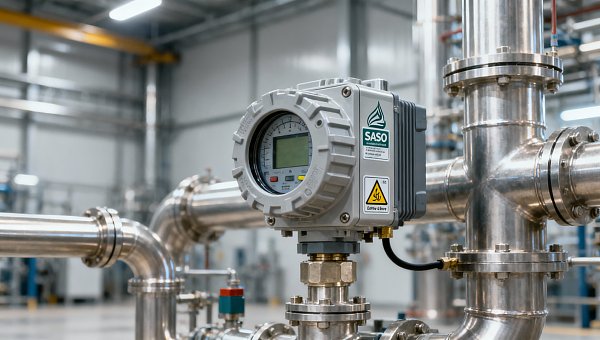
 SASO Introduces AI-Based Energy Efficiency Verification for Industrial TransmittersSASO AI energy efficiency verification now mandatory for industrial transmitters in Saudi Arabia—ensure compliance before June 1, 2026 to avoid customs delays.
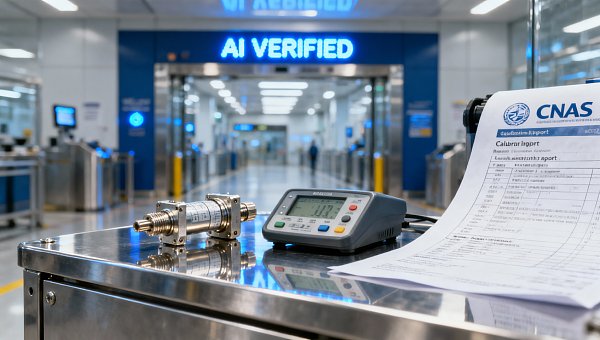
 ASEAN Green Customs Corridor Fully LaunchedASEAN Green Customs Corridor now live: AI-verified CNAS calibration reports slash ASEAN-China customs clearance to under 4 hours — boost precision equipment trade today.
 Process Control Equipment Price Trends Under Energy Cost PressureProcess control equipment price trends are shifting under energy cost pressure. Discover key cost drivers, total ownership factors, and smart sourcing tips to reduce risk and improve ROI.
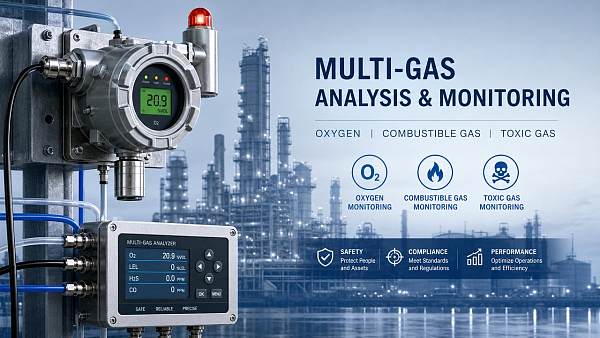
 Multi Gas Analysis in Safety-Critical Areas: What to Check FirstMulti gas analysis starts with risk, not just instruments. Learn what to check first in safety-critical areas to improve compliance, reduce downtime, and protect people and assets.
 Industrial Analyzer Equipment: Common Failures and Maintenance TipsIndustrial analyzer equipment failures can disrupt uptime, compliance, and data accuracy. Discover common faults and practical maintenance tips to improve reliability fast.
 Industrial Measurement System Import Trends and Supply RisksIndustrial measurement system import trends and supply risks explained: learn how distributors can protect margins, reduce delays, and build stronger sourcing resilience.
 Emission Control Equipment Rules Reshaping Industrial DemandEmission control equipment is reshaping industrial investment as stricter rules drive demand for smarter monitoring, lower risk, and compliance-ready systems. Explore what buyers must evaluate now.
 Emission Measurement System Costs in 2026: What Shapes PricingEmission measurement system costs in 2026 depend on accuracy, compliance, installation, integration, and service. Learn what shapes pricing and plan a smarter investment.
 Process Measurement System Upgrades: When Do They Pay Off?Process measurement system upgrades pay off when they cut downtime, improve accuracy, and support compliance. Learn the key signals, ROI factors, and smart upgrade strategies.
 Paramagnetic Gas Measurement: Where It Performs Best in IndustryParamagnetic gas measurement delivers fast, stable oxygen analysis for combustion, emissions, and process control. Discover where it performs best and how it improves efficiency, compliance, and reliability.
 Gas Quality Analyzer Selection: Key Specs That Affect ResultsGas quality analyzer selection starts with the specs that truly impact results. Learn how accuracy, drift, response time, and durability affect safety, compliance, and process performance.
 How to Compare Custom Gas Analysis Options for Complex Process StreamsCustom gas analysis for complex process streams: learn how to compare technologies, sample conditioning, compliance, and maintenance to choose a reliable, application-fit solution.
 First Global White Paper on Humanoid Robot Industrial Calibration ReleasedHumanoid robot industrial calibration: First global white paper released—key for sensor makers, integrators & metrology labs. Learn impact & action steps.
 FDA Updates IVD Import Guidance: CNAS Calibration Chain RequiredFDA mandates CNAS calibration chain with NIST traceability for IVD instruments from China—act now to avoid U.S. import rejection starting July 1, 2026.
 IEC TC65 Releases Cybersecurity Validation Guidance for Industrial InstrumentsIEC TC65 releases cybersecurity validation guidance for industrial instruments—key for exporters, OEMs & integrators targeting EU/NA markets. Act now.
 ASEAN Green Corridor for Measuring Instruments Fully LaunchedASEAN Green Corridor for Measuring Instruments is live—unlock 3.8-hour customs clearance for CNAS-calibrated instruments across all 10 ASEAN nations. Act now!
 PTB Opens Direct VDA/ISO 17025 Report Portal for CNAS LabsPTB opens direct VDA/ISO 17025 report portal for CNAS labs — enabling dual-compliant calibration reports in <72h. Boost automotive audit readiness now!
 Vietnam Enforces Dual CNAS + Vietnamese Language Requirement for Industrial InstrumentsVietnam enforces dual CNAS + Vietnamese language requirement for industrial instruments (HS 9026/9027/9030) — avoid customs rejection. Act now!




Search Categories
Search Categories
Latest Article
- Gas Quality Analyzer Shelter Price Trends and Specification Gaps to WatchGas quality analyzer shelter price trends vary with materials, HVAC, safety, integration, and compliance. See key specification gaps before shortlisting suppliers or approving budget.Posted by:
- Process Measurement Equipment: Key Accuracy Risks in Harsh EnvironmentsProcess measurement equipment in harsh environments can drift before failing. Discover key accuracy risks, warning signs, and practical controls to protect quality, safety, and compliance.Posted by:
- Industrial Analyzer Shelter Export Factors Affecting Lead Times This YearIndustrial analyzer shelter export lead times vary with sourcing, engineering, compliance, packing, and logistics. Learn the key factors to quote smarter and deliver with confidence.Posted by:
Please give us a message
