
Common Gas Quality Equipment Selection Mistakes in Industrial Projects


Choosing gas quality equipment for industrial projects often looks simple at first. Real problems appear when operating conditions, compliance rules, and system integration needs are reviewed too late.
In the instrumentation industry, gas quality equipment supports reliable measurement, analysis, control, and safety across manufacturing, energy, environmental systems, laboratories, and automated facilities.
Poor selection can trigger inaccurate readings, shutdown risks, rework, and long commissioning cycles. Better results come from matching each scenario with the right analyzer, sensor, sampling design, and maintenance strategy.
Why project context changes gas quality equipment decisions
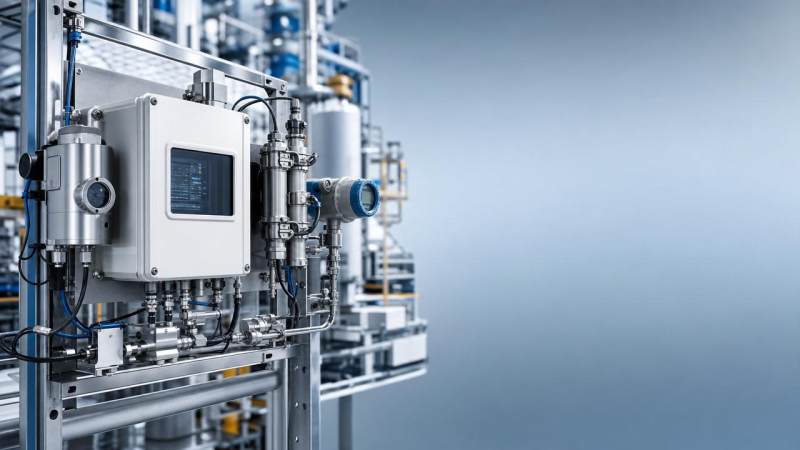
Gas quality equipment is never selected in a vacuum. The right choice depends on gas composition, pressure range, moisture, contaminants, response speed, site hazards, and data integration requirements.
A unit that works well in a clean laboratory can fail in a dusty process plant. Equipment for continuous emissions monitoring may not suit fuel gas conditioning or compressed air verification.
This is why scenario-based selection matters. Industrial projects need gas quality equipment that aligns with process risk, operating variability, calibration practice, and long-term service conditions.
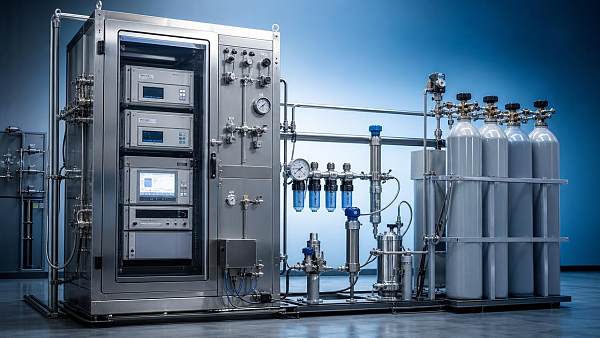
Scenario 1: Fuel gas and energy systems often need more than basic composition data
In energy and power applications, gas quality equipment is often chosen around composition measurement alone. That is a frequent mistake.
Fuel gas systems also depend on dew point, pressure stability, contaminants, and heating value. Ignoring these factors can affect burner efficiency, turbine performance, and emissions compliance.
Key judgment points
- Check whether calorific value, Wobbe index, or methane number is required.
- Confirm if moisture and sulfur compounds can damage downstream equipment.
- Verify analyzer response time during load changes and startup events.
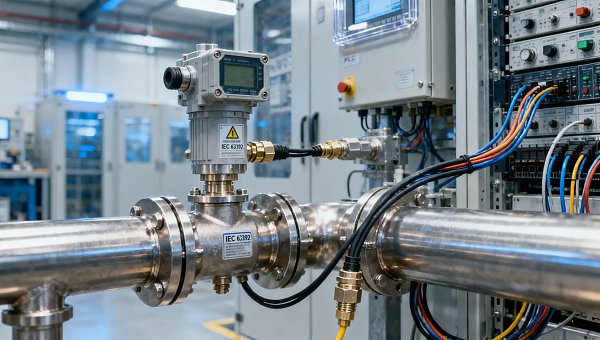
- Review hazardous area ratings and enclosure protection.
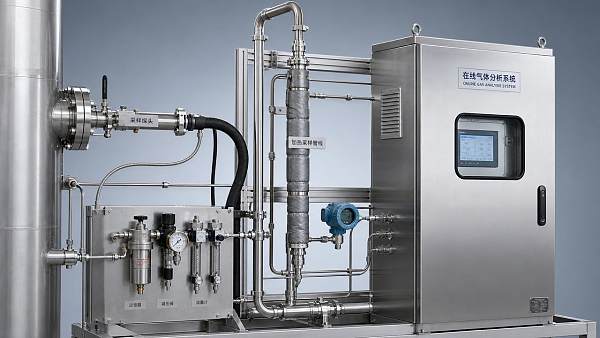
Projects often specify gas quality equipment with acceptable lab accuracy but poor field survivability. Sampling systems then become unstable, causing drift, condensation, and misleading data.
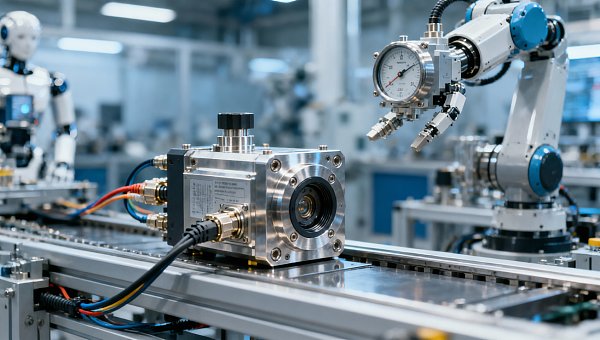
Scenario 2: Manufacturing lines require gas quality equipment that supports process consistency
In industrial manufacturing, gas quality equipment may monitor nitrogen, oxygen, compressed air, shielding gas, or specialty gases used in production lines.
A common mistake is selecting instruments by catalog range only. Real process performance depends on stability, repeatability, contamination tolerance, and communication with control systems.
Core selection checks
- Match sensor technology to gas purity and interference risks.
- Evaluate maintenance intervals against production uptime targets.
- Confirm signal compatibility with PLC, DCS, or SCADA platforms.
- Review alarm logic for off-spec gas events.
When gas quality equipment is not integrated correctly, process operators may receive delayed or unusable information. That weakens quality control and increases product variation across batches.
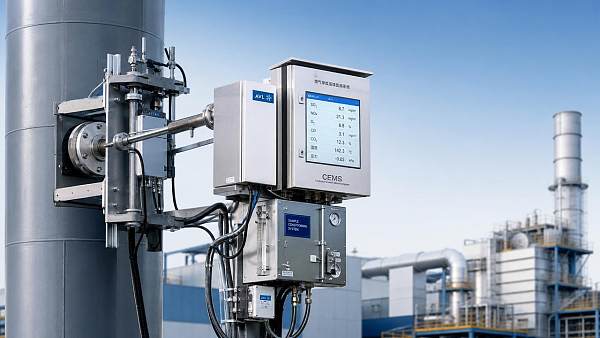
Scenario 3: Environmental and emissions projects fail when compliance details are assumed
Environmental monitoring projects frequently require gas quality equipment for continuous emissions, stack gas verification, or air quality analysis.
One of the biggest errors is assuming any analyzer with similar measurement capability will satisfy compliance requirements. In practice, certification, audit trail, and validation procedures matter equally.
Compliance-focused checks
- Confirm applicable standards, reporting rules, and approval requirements.
- Review zero and span calibration routines.
- Assess sample conditioning for wet, hot, or corrosive gases.
- Check data logging, redundancy, and audit traceability.
The wrong gas quality equipment can still measure gas components correctly in theory. Yet if it fails documentation or certification needs, the project can still miss acceptance.
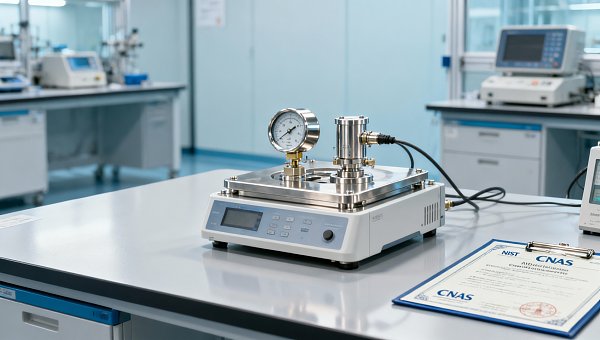
Scenario 4: Laboratory and test systems need precision, but also operational realism
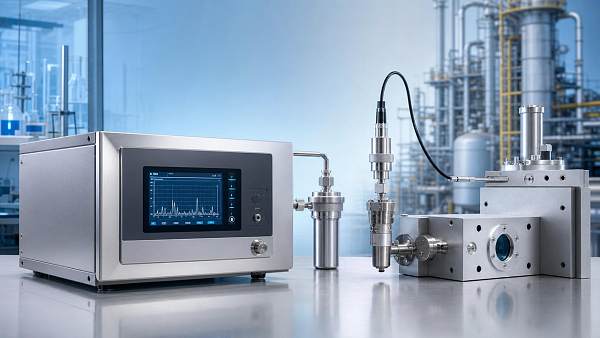
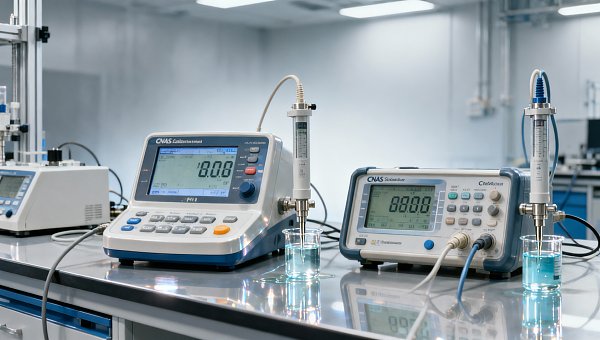
Laboratory analysis and test benches use gas quality equipment for research, calibration, method validation, and product verification.
The typical mistake here is over-prioritizing maximum accuracy while ignoring calibration gas availability, user workflow, and long-term reproducibility under daily use.
High-end gas quality equipment may be technically impressive but operationally inefficient. If setup is too complex, routine testing becomes slower, more expensive, and less consistent.
How scenario requirements differ across industrial gas quality equipment applications
Practical gas quality equipment selection advice for better scenario fit
Better gas quality equipment decisions usually come from a structured review before specification freeze. The following actions reduce mismatches and hidden engineering costs.
- Define the gas matrix, expected variability, and contamination profile.
- Separate must-have measurements from useful but optional values.
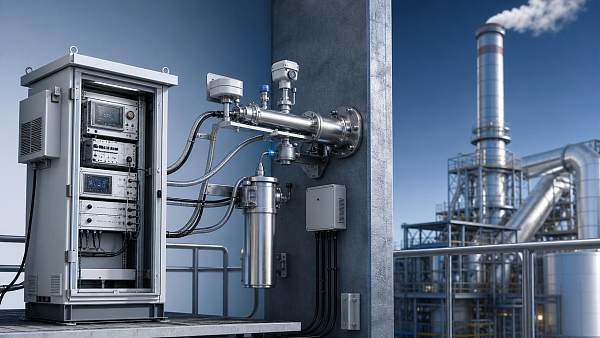
- Review where the analyzer, sensor, and sample system will actually be installed.
- Check calibration gas supply, service access, and spare parts planning.
- Confirm digital communication, alarm strategy, and historical data needs.
- Validate standards, certifications, and safety approvals before procurement.
This process helps align gas quality equipment with industrial automation, digital monitoring, and lifecycle reliability goals across different project environments.
Common misjudgments that delay industrial gas quality equipment projects
Assuming the analyzer alone defines performance
Gas quality equipment performance also depends on probes, filters, regulators, tubing materials, heated lines, flow control, and drainage design.
Treating all gases as clean and stable
Real industrial gases may contain particles, condensable vapors, corrosive compounds, or unexpected composition swings. These conditions change sensor life and measurement reliability.
Ignoring maintenance burden during design
If gas quality equipment requires frequent manual intervention in hard-to-access areas, actual availability will fall below design expectations.
Missing data integration requirements
Gas quality equipment should support the plant’s control and reporting architecture. Late interface changes often trigger expensive rewiring or software revisions.
Confusing specification compliance with operational suitability
A device may meet the written specification yet still perform poorly in the actual process scenario. Site realities must guide final selection.
Next steps for selecting gas quality equipment with fewer risks
Start with the application scenario, not the product list. Map gas properties, environmental conditions, compliance duties, and automation needs before comparing models.
Then build a short selection checklist covering measurement targets, sample handling, safety approvals, calibration routines, service access, and communication protocols.
Well-chosen gas quality equipment supports safer operation, more stable output, and faster commissioning. In industrial projects, better early judgment usually costs less than late correction.
For complex applications, review each scenario with instrumentation, process, and compliance inputs together. That simple step prevents many of the most common gas quality equipment selection mistakes.
Recommended for You
 Gas Quality Analyzer Shelter Price Trends and Specification Gaps to WatchGas quality analyzer shelter price trends vary with materials, HVAC, safety, integration, and compliance. See key specification gaps before shortlisting suppliers or approving budget.
 Process Measurement Equipment: Key Accuracy Risks in Harsh EnvironmentsProcess measurement equipment in harsh environments can drift before failing. Discover key accuracy risks, warning signs, and practical controls to protect quality, safety, and compliance.
 Industrial Analyzer Shelter Export Factors Affecting Lead Times This YearIndustrial analyzer shelter export lead times vary with sourcing, engineering, compliance, packing, and logistics. Learn the key factors to quote smarter and deliver with confidence.
 What to Check Before Buying a Process Analyzer ShelterProcess analyzer shelter buying guide: learn what to check before purchase, from compliance and HVAC to utilities, durability, and maintenance access.
 Process Monitoring Equipment Trends Shaping Plant Upgrades in 2026Process monitoring equipment trends for 2026 reveal how smarter plant upgrades can cut downtime, improve compliance, boost efficiency, and deliver faster ROI.
 Flue Gas Analyzer Shelter Maintenance Issues That Shorten Service LifeFlue gas analyzer shelter maintenance issues can quietly shorten equipment life. Learn the key risks, warning signs, and practical checks to reduce downtime and protect accuracy.
 Emission Analyzer Shelter vs Outdoor Mounting: Which Reduces DowntimeEmission analyzer shelter vs outdoor mounting: discover which setup cuts downtime, improves analyzer reliability, and lowers lifecycle risk in harsh or compliance-critical environments.
 Common Gas Quality Equipment Selection Mistakes in Industrial ProjectsGas quality equipment selection mistakes can delay industrial projects and raise compliance risks. Learn how to choose the right solution for accuracy, safety, integration, and faster commissioning.
 Gas Quality System Costs: What Shapes Total Project Spending in 2026Gas quality system costs in 2026 depend on more than analyzer price. Discover the key budget drivers, hidden expenses, and smart planning steps to control total project spending.
 How to Choose Emission Measurement Equipment for Reliable Compliance DataEmission measurement equipment selection affects compliance accuracy, uptime, and audit readiness. Learn how to compare systems, reduce risk, and choose a solution built for reliable data.
 First Global White Paper on Dynamic Calibration for Humanoid Robot Sensors ReleasedFirst global white paper on dynamic calibration for humanoid robot sensors—key for pressure & 6-axis force/torque accuracy in smart manufacturing and collaborative robotics.
 FDA Updates IVD Import Guidelines: CNAS/NIST Calibration Chain RequiredFDA mandates CNAS/NIST calibration chain for IVD pressure & temperature sensors—key for Chinese exporters. Act now to meet July 2026 deadline.
 EU PEF Carbon Database Mandatory Access for Chinese Industrial InstrumentsEU PEF Carbon Database mandatory for Chinese industrial instruments—meet June 15, 2026 deadline to keep CE marking & win EU tenders.
 IEC TC65 Releases Cybersecurity Validation Guide for Industrial InstrumentsIEC TC65 releases cybersecurity validation guide for industrial instruments—key for firmware signing, OT encryption & remote audit compliance. Act now.
 SASO Introduces AI-Based Energy Efficiency Verification for Industrial TransmittersSASO AI energy efficiency verification now mandatory for industrial transmitters in Saudi Arabia—ensure compliance before June 1, 2026 to avoid customs delays.
 ASEAN Green Customs Corridor Fully LaunchedASEAN Green Customs Corridor now live: AI-verified CNAS calibration reports slash ASEAN-China customs clearance to under 4 hours — boost precision equipment trade today.
 Process Control Equipment Price Trends Under Energy Cost PressureProcess control equipment price trends are shifting under energy cost pressure. Discover key cost drivers, total ownership factors, and smart sourcing tips to reduce risk and improve ROI.
 Multi Gas Analysis in Safety-Critical Areas: What to Check FirstMulti gas analysis starts with risk, not just instruments. Learn what to check first in safety-critical areas to improve compliance, reduce downtime, and protect people and assets.
 Industrial Analyzer Equipment: Common Failures and Maintenance TipsIndustrial analyzer equipment failures can disrupt uptime, compliance, and data accuracy. Discover common faults and practical maintenance tips to improve reliability fast.
 Industrial Measurement System Import Trends and Supply RisksIndustrial measurement system import trends and supply risks explained: learn how distributors can protect margins, reduce delays, and build stronger sourcing resilience.
 Emission Control Equipment Rules Reshaping Industrial DemandEmission control equipment is reshaping industrial investment as stricter rules drive demand for smarter monitoring, lower risk, and compliance-ready systems. Explore what buyers must evaluate now.
 Emission Measurement System Costs in 2026: What Shapes PricingEmission measurement system costs in 2026 depend on accuracy, compliance, installation, integration, and service. Learn what shapes pricing and plan a smarter investment.
 Process Measurement System Upgrades: When Do They Pay Off?Process measurement system upgrades pay off when they cut downtime, improve accuracy, and support compliance. Learn the key signals, ROI factors, and smart upgrade strategies.
 Paramagnetic Gas Measurement: Where It Performs Best in IndustryParamagnetic gas measurement delivers fast, stable oxygen analysis for combustion, emissions, and process control. Discover where it performs best and how it improves efficiency, compliance, and reliability.
 Gas Quality Analyzer Selection: Key Specs That Affect ResultsGas quality analyzer selection starts with the specs that truly impact results. Learn how accuracy, drift, response time, and durability affect safety, compliance, and process performance.
 How to Compare Custom Gas Analysis Options for Complex Process StreamsCustom gas analysis for complex process streams: learn how to compare technologies, sample conditioning, compliance, and maintenance to choose a reliable, application-fit solution.
 First Global White Paper on Humanoid Robot Industrial Calibration ReleasedHumanoid robot industrial calibration: First global white paper released—key for sensor makers, integrators & metrology labs. Learn impact & action steps.
 FDA Updates IVD Import Guidance: CNAS Calibration Chain RequiredFDA mandates CNAS calibration chain with NIST traceability for IVD instruments from China—act now to avoid U.S. import rejection starting July 1, 2026.
 IEC TC65 Releases Cybersecurity Validation Guidance for Industrial InstrumentsIEC TC65 releases cybersecurity validation guidance for industrial instruments—key for exporters, OEMs & integrators targeting EU/NA markets. Act now.
 ASEAN Green Corridor for Measuring Instruments Fully LaunchedASEAN Green Corridor for Measuring Instruments is live—unlock 3.8-hour customs clearance for CNAS-calibrated instruments across all 10 ASEAN nations. Act now!
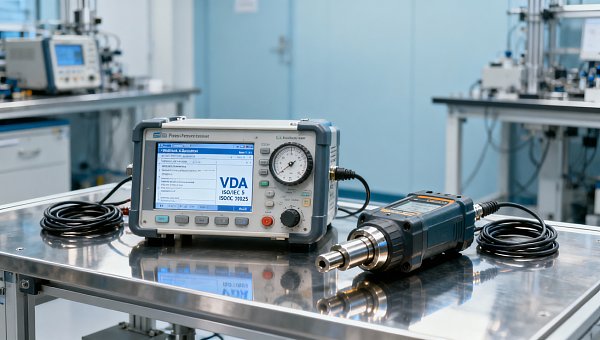
 PTB Opens Direct VDA/ISO 17025 Report Portal for CNAS LabsPTB opens direct VDA/ISO 17025 report portal for CNAS labs — enabling dual-compliant calibration reports in <72h. Boost automotive audit readiness now!
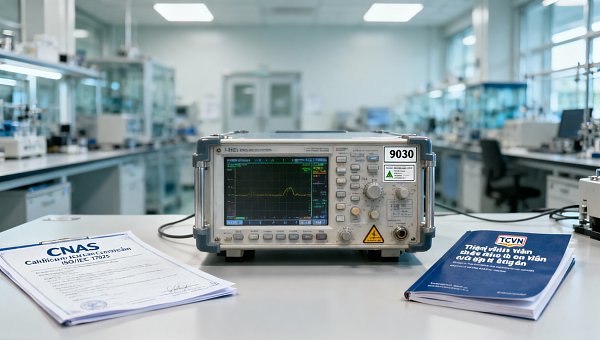
 Vietnam Enforces Dual CNAS + Vietnamese Language Requirement for Industrial InstrumentsVietnam enforces dual CNAS + Vietnamese language requirement for industrial instruments (HS 9026/9027/9030) — avoid customs rejection. Act now!



Search Categories
Search Categories
Latest Article
- Gas Quality Analyzer Shelter Price Trends and Specification Gaps to WatchGas quality analyzer shelter price trends vary with materials, HVAC, safety, integration, and compliance. See key specification gaps before shortlisting suppliers or approving budget.Posted by:
- Process Measurement Equipment: Key Accuracy Risks in Harsh EnvironmentsProcess measurement equipment in harsh environments can drift before failing. Discover key accuracy risks, warning signs, and practical controls to protect quality, safety, and compliance.Posted by:
- Industrial Analyzer Shelter Export Factors Affecting Lead Times This YearIndustrial analyzer shelter export lead times vary with sourcing, engineering, compliance, packing, and logistics. Learn the key factors to quote smarter and deliver with confidence.Posted by:
Please give us a message
