
Flue Gas Analyzer Shelter Maintenance Issues That Shorten Service Life


For after-sales maintenance teams, small defects inside a flue gas analyzer shelter rarely stay small for long.
Poor sealing, unstable temperature, blocked airflow, and neglected wiring often trigger corrosion, drift, and shutdowns.
Across industrial manufacturing, energy, and environmental monitoring, service expectations are rising at the same time operating conditions are becoming harsher.
That shift makes flue gas analyzer shelter maintenance a life-cycle issue, not a simple repair task.
Understanding which maintenance issues shorten service life helps protect measurement accuracy, safety compliance, and long-term asset value.
Why service-life risks in a flue gas analyzer shelter are becoming more visible
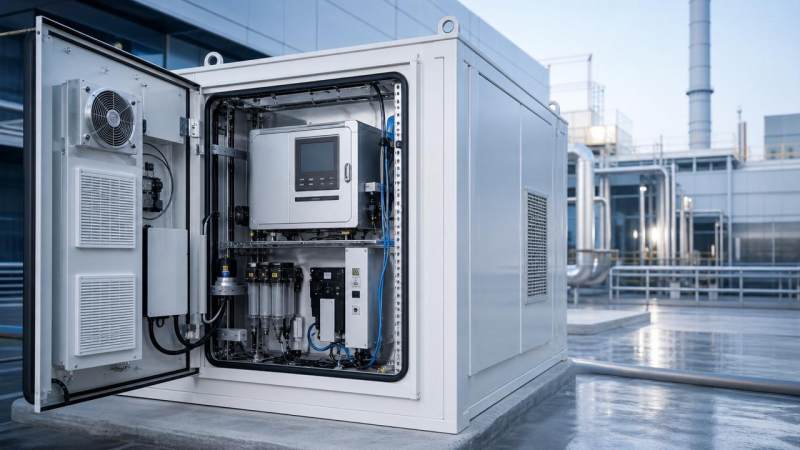
Industrial sites now expect continuous emissions data, tighter uptime, and faster troubleshooting.
As a result, the flue gas analyzer shelter is no longer treated as a passive enclosure.
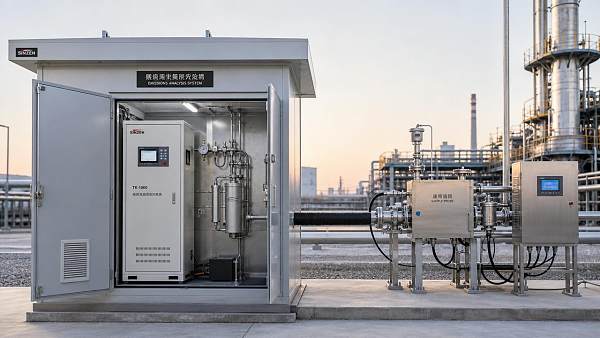
It functions as a controlled environment for analyzers, sample systems, calibration devices, power distribution, and communication hardware.
When shelter maintenance falls behind, every internal subsystem is affected.
This trend is especially clear in plants facing high dust, humidity, corrosive gases, and outdoor temperature swings.
In these conditions, minor neglect often becomes cumulative damage.
The result is shorter component life, unstable readings, and higher total maintenance cost.
The maintenance signals that now matter most in flue gas analyzer shelter operation
Several warning signs appear before major failures, but they are often underestimated.
A flue gas analyzer shelter usually degrades through environmental stress first, then electrical or analytical failure second.
1. Ventilation and temperature control are no longer optional details
Heat buildup shortens the life of analyzers, PLCs, power supplies, displays, and networking devices.
If fans are clogged or air conditioners lose capacity, internal temperatures drift beyond design limits.
That causes sensor drift, condensation cycles, and premature electronic aging.
2. Sealing failure quietly drives corrosion and contamination
A compromised door gasket or cable entry allows moist air, dust, and corrosive vapors into the shelter.
This is a common flue gas analyzer shelter problem in coastal, chemical, and high-humidity environments.
Once internal contamination begins, terminals, boards, and tubing degrade faster than expected.
3. Wiring stress often appears before electrical failure
Loose terminals, aging insulation, and poor cable routing can create intermittent faults that are hard to diagnose.
Repeated vibration, heat, and moisture make these defects worse over time.
A neglected flue gas analyzer shelter may show communication errors long before a full trip occurs.
4. Housekeeping affects analyzer accuracy more than many expect
Dust on filters, sample lines, and cooling paths changes internal conditions and increases maintenance frequency.
Poor housekeeping also hides leaks, rust spots, and abnormal wear.
What is driving these flue gas analyzer shelter maintenance problems
The current pattern is not random.
Several operational and technical forces are increasing the maintenance burden on every flue gas analyzer shelter.
How these issues affect different operational links
The impact of flue gas analyzer shelter neglect extends far beyond the enclosure itself.
It disrupts the measurement chain, maintenance planning, spare usage, and compliance confidence.
- Analyzer performance: unstable internal conditions increase drift, calibration frequency, and false alarms.
- Electrical reliability: moisture and loose connections cause trips, noise, and communication interruptions.
- Maintenance efficiency: hidden corrosion and poor layout make troubleshooting slower and more expensive.
- Asset life: repeated overheating and contamination shorten the lifespan of key shelter components.
- Data trust: unreliable shelter conditions weaken confidence in emissions monitoring results.
In the instrumentation industry, this matters because measurement systems are expected to support automation, traceability, and stable operations.
A poorly maintained flue gas analyzer shelter undermines those broader digital and control objectives.
The priority checks that deserve more attention now
The most effective response is not more repairs.
It is better inspection discipline around the failure points that typically shorten flue gas analyzer shelter service life.
- Verify door seals, panel gaskets, hinges, and cable glands for leaks or compression loss.
- Check air conditioners, heaters, fans, and filters for capacity, cleanliness, and control response.
- Inspect internal temperature and humidity trends instead of relying on occasional spot readings.
- Tighten terminals and review cable routing near hot surfaces or vibration sources.
- Look for early corrosion on terminals, grounding points, enclosures, and support structures.
- Confirm condensate drainage remains clear and does not reintroduce moisture into the shelter.
- Clean dust from ventilation paths, cabinets, and instrument surfaces before buildup becomes insulation.
- Compare repeated faults to identify chronic shelter conditions rather than isolated device problems.
A practical judging framework for future flue gas analyzer shelter maintenance
Maintenance planning should shift from checklist completion to condition-based judgment.
That makes each flue gas analyzer shelter easier to manage over a longer operating life.
What to do next to extend flue gas analyzer shelter service life
The next step is to treat the flue gas analyzer shelter as a monitored asset with its own health indicators.
Set inspection intervals by site severity, not by habit alone.
Track internal temperature, humidity, seal condition, and corrosion findings in one maintenance record.
When failures repeat, investigate the shelter environment before replacing more components.
This approach reduces downtime, protects analyzer reliability, and supports longer equipment service life.
In demanding industrial settings, the most durable flue gas analyzer shelter is usually the one maintained with earlier judgment and tighter environmental control.
Recommended for You
 SAMR to Finalize 1,800+ Standards by 2026, Including EV Battery RecyclingSAMR to finalize 1,800+ standards by 2026—including EV battery recycling, hazardous chemical packaging & EMC immunity. Stay ahead of mandatory GB shifts and global export compliance.
 China's Largest Single-Line Large-Tow Carbon Fiber Line Starts OperationChina's largest single-line large-tow carbon fiber line is live—30,000 tons/year capacity, ASME-certified, 22% cheaper & 6-week lead time. Boost your industrial instrumentation supply chain now.
 China Mobile Unveils National Integrated Computing Power NetworkChina Mobile's National Integrated Computing Power Network accelerates AI quality inspection for global manufacturers—cutting model training time by 68% and enabling cross-border industrial AI development.
 World's First Humanoid Robot Industrial Calibration White Paper ReleasedWorld's First Humanoid Robot Industrial Calibration White Paper released—setting new global benchmarks for dynamic sensor calibration in robotics. Discover how ABB, Yaskawa & metrology leaders are reshaping industry trust.
 Red Sea Crisis Escalates: Aden Gulf Ban Extended to June 15Red Sea Crisis escalates: Aden Gulf ban extended to June 15 — disrupting industrial instrumentation trade between China and the Middle East with 452% air freight spikes and 7–12 day delays.
 Saudi SASO Introduces AI-Based Energy Validation for Industrial TransmittersAI-based energy validation for industrial transmitters is now mandatory in Saudi Arabia—learn how SASO’s new AI regulation impacts global exporters, compliance timelines, and supply chains.
 IEC TC65 Releases Cybersecurity Validation Guide for Industrial InstrumentsIEC TC65’s new Cybersecurity Validation Guide for Industrial Instruments mandates SDL certification & firmware signing—key for EU/US market access. Act now to align with GB/T 42278-2026 and avoid export delays.
 EU PEF Carbon Footprint Database Mandatory Access for Industrial InstrumentsEU PEF Carbon Footprint Database mandatory access starts June 2026 for industrial instruments—pressure, temperature & flow meters. Ensure compliance now to avoid EU customs delays and market exclusion.
 Gas Quality Analyzer Shelter Price Trends and Specification Gaps to WatchGas quality analyzer shelter price trends vary with materials, HVAC, safety, integration, and compliance. See key specification gaps before shortlisting suppliers or approving budget.
 Process Measurement Equipment: Key Accuracy Risks in Harsh EnvironmentsProcess measurement equipment in harsh environments can drift before failing. Discover key accuracy risks, warning signs, and practical controls to protect quality, safety, and compliance.
 Industrial Analyzer Shelter Export Factors Affecting Lead Times This YearIndustrial analyzer shelter export lead times vary with sourcing, engineering, compliance, packing, and logistics. Learn the key factors to quote smarter and deliver with confidence.
 What to Check Before Buying a Process Analyzer ShelterProcess analyzer shelter buying guide: learn what to check before purchase, from compliance and HVAC to utilities, durability, and maintenance access.
 Process Monitoring Equipment Trends Shaping Plant Upgrades in 2026Process monitoring equipment trends for 2026 reveal how smarter plant upgrades can cut downtime, improve compliance, boost efficiency, and deliver faster ROI.
 Flue Gas Analyzer Shelter Maintenance Issues That Shorten Service LifeFlue gas analyzer shelter maintenance issues can quietly shorten equipment life. Learn the key risks, warning signs, and practical checks to reduce downtime and protect accuracy.
 Emission Analyzer Shelter vs Outdoor Mounting: Which Reduces DowntimeEmission analyzer shelter vs outdoor mounting: discover which setup cuts downtime, improves analyzer reliability, and lowers lifecycle risk in harsh or compliance-critical environments.
 Common Gas Quality Equipment Selection Mistakes in Industrial ProjectsGas quality equipment selection mistakes can delay industrial projects and raise compliance risks. Learn how to choose the right solution for accuracy, safety, integration, and faster commissioning.
 Gas Quality System Costs: What Shapes Total Project Spending in 2026Gas quality system costs in 2026 depend on more than analyzer price. Discover the key budget drivers, hidden expenses, and smart planning steps to control total project spending.
 How to Choose Emission Measurement Equipment for Reliable Compliance DataEmission measurement equipment selection affects compliance accuracy, uptime, and audit readiness. Learn how to compare systems, reduce risk, and choose a solution built for reliable data.
 First Global White Paper on Dynamic Calibration for Humanoid Robot Sensors ReleasedFirst global white paper on dynamic calibration for humanoid robot sensors—key for pressure & 6-axis force/torque accuracy in smart manufacturing and collaborative robotics.
 FDA Updates IVD Import Guidelines: CNAS/NIST Calibration Chain RequiredFDA mandates CNAS/NIST calibration chain for IVD pressure & temperature sensors—key for Chinese exporters. Act now to meet July 2026 deadline.
 EU PEF Carbon Database Mandatory Access for Chinese Industrial InstrumentsEU PEF Carbon Database mandatory for Chinese industrial instruments—meet June 15, 2026 deadline to keep CE marking & win EU tenders.
 IEC TC65 Releases Cybersecurity Validation Guide for Industrial InstrumentsIEC TC65 releases cybersecurity validation guide for industrial instruments—key for firmware signing, OT encryption & remote audit compliance. Act now.
 SASO Introduces AI-Based Energy Efficiency Verification for Industrial TransmittersSASO AI energy efficiency verification now mandatory for industrial transmitters in Saudi Arabia—ensure compliance before June 1, 2026 to avoid customs delays.
 ASEAN Green Customs Corridor Fully LaunchedASEAN Green Customs Corridor now live: AI-verified CNAS calibration reports slash ASEAN-China customs clearance to under 4 hours — boost precision equipment trade today.
 Process Control Equipment Price Trends Under Energy Cost PressureProcess control equipment price trends are shifting under energy cost pressure. Discover key cost drivers, total ownership factors, and smart sourcing tips to reduce risk and improve ROI.
 Multi Gas Analysis in Safety-Critical Areas: What to Check FirstMulti gas analysis starts with risk, not just instruments. Learn what to check first in safety-critical areas to improve compliance, reduce downtime, and protect people and assets.
 Industrial Analyzer Equipment: Common Failures and Maintenance TipsIndustrial analyzer equipment failures can disrupt uptime, compliance, and data accuracy. Discover common faults and practical maintenance tips to improve reliability fast.
 Industrial Measurement System Import Trends and Supply RisksIndustrial measurement system import trends and supply risks explained: learn how distributors can protect margins, reduce delays, and build stronger sourcing resilience.
 Emission Control Equipment Rules Reshaping Industrial DemandEmission control equipment is reshaping industrial investment as stricter rules drive demand for smarter monitoring, lower risk, and compliance-ready systems. Explore what buyers must evaluate now.
 Emission Measurement System Costs in 2026: What Shapes PricingEmission measurement system costs in 2026 depend on accuracy, compliance, installation, integration, and service. Learn what shapes pricing and plan a smarter investment.
 Process Measurement System Upgrades: When Do They Pay Off?Process measurement system upgrades pay off when they cut downtime, improve accuracy, and support compliance. Learn the key signals, ROI factors, and smart upgrade strategies.
 Paramagnetic Gas Measurement: Where It Performs Best in IndustryParamagnetic gas measurement delivers fast, stable oxygen analysis for combustion, emissions, and process control. Discover where it performs best and how it improves efficiency, compliance, and reliability.














Search Categories
Search Categories
Latest Article
- SAMR to Finalize 1,800+ Standards by 2026, Including EV Battery RecyclingSAMR to finalize 1,800+ standards by 2026—including EV battery recycling, hazardous chemical packaging & EMC immunity. Stay ahead of mandatory GB shifts and global export compliance.Posted by:
- China's Largest Single-Line Large-Tow Carbon Fiber Line Starts OperationChina's largest single-line large-tow carbon fiber line is live—30,000 tons/year capacity, ASME-certified, 22% cheaper & 6-week lead time. Boost your industrial instrumentation supply chain now.Posted by:
- China Mobile Unveils National Integrated Computing Power NetworkChina Mobile's National Integrated Computing Power Network accelerates AI quality inspection for global manufacturers—cutting model training time by 68% and enabling cross-border industrial AI development.Posted by:
Please give us a message
