
Multi Gas Analysis in Safety-Critical Areas: What to Check First


In safety-critical environments, multi gas analysis is often the first line of defense against hidden operational risks. For project managers and engineering leads, knowing what to check first can reduce downtime, support compliance, and protect both personnel and assets. This article outlines the key inspection priorities, helping you make faster, better-informed decisions in complex industrial settings.
What should you check first in multi gas analysis?
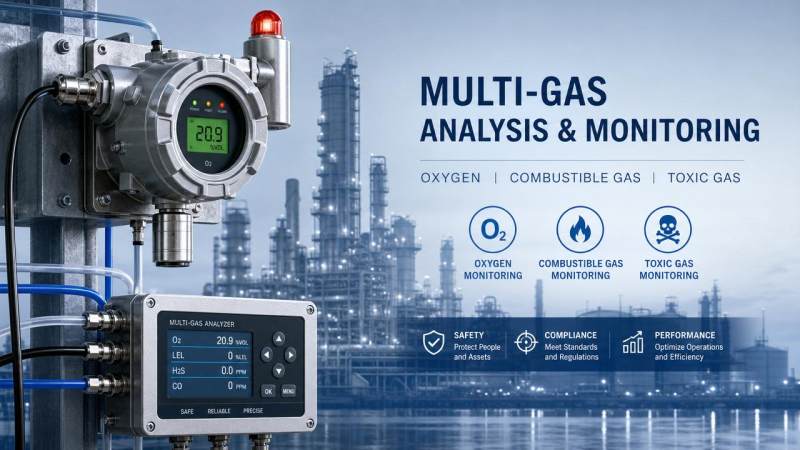
When teams deploy multi gas analysis in refineries, power plants, treatment facilities, laboratories, tunnels, or confined process areas, the first mistake is often starting with the instrument instead of the risk profile. The correct starting point is the atmosphere, the process, and the consequence of failure.
For project managers, that means defining which gases can realistically appear, how quickly conditions can change, and which measurement points affect safety, permit-to-work decisions, shutdown logic, or environmental reporting. A detector with strong specifications still fails operationally if it monitors the wrong target gas or is installed in the wrong location.
The first inspection priorities
- Identify the primary hazard category first: oxygen deficiency or enrichment, flammable gases, toxic gases, or corrosive vapors. Each category drives different alarm thresholds, sensor technology, and response plans.
- Confirm the expected gas mix under normal, upset, startup, shutdown, and maintenance conditions. Many incidents occur not during steady production, but during transition states.
- Check whether cross-sensitivity can distort readings. In mixed industrial atmospheres, one sensor may respond to more than one gas, creating false confidence or false alarms.
- Review sampling path integrity, including filters, tubing length, condensation risk, and pump performance for extractive systems. A good analyzer can only report what actually reaches it.
- Verify calibration strategy, bump test frequency, and maintenance access before procurement approval. A technically suitable analyzer that is difficult to maintain often becomes a lifecycle problem.
This sequence matters because multi gas analysis is not only a measurement task. It is a project risk-control tool that supports instrumentation reliability, process continuity, and compliance across highly regulated and operationally demanding sites.
Which gases matter most in safety-critical areas?
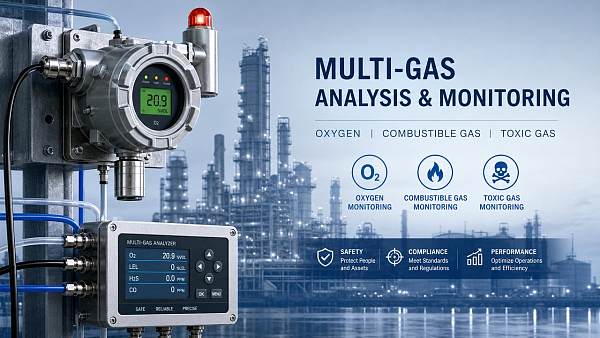
The answer depends on the process, but most engineering teams begin with four groups: oxygen, combustible gases, toxic gases, and process-specific contaminants. In many industrial applications, these categories cover the majority of urgent exposure and ignition risks.
The table below helps frame early multi gas analysis priorities by linking gas type to operational concern, common settings, and why project teams should not delay verification.
For engineering leads, the practical lesson is simple: do not apply a generic four-gas mindset to every facility. Multi gas analysis should reflect real process chemistry, ventilation conditions, and failure scenarios, not only standard purchasing habits.
How do application scenarios change your inspection priorities?
The instrumentation industry serves diverse settings, from industrial manufacturing and energy systems to environmental monitoring and laboratory operations. Because of that, the same multi gas analysis strategy rarely fits every project. Site conditions shape what to inspect first, how fast readings must respond, and what service model is realistic.
High-risk scenarios that require different emphasis
- Confined space entry: prioritize oxygen, toxic gas accumulation, and pre-entry verification. Portable units may be more critical than fixed systems during maintenance windows.
- Continuous process zones: prioritize fixed-point monitoring, alarm integration, and analyzer stability under temperature variation, vibration, and contamination load.
- Environmental compliance points: prioritize low-level sensitivity, response traceability, data logging, and calibration records that support audit review.
- Laboratory and testing environments: prioritize gas selectivity, background interference control, and repeatability when multiple compounds may coexist in smaller volumes.
- Construction and temporary commissioning areas: prioritize deployment speed, portability, battery endurance, and straightforward alarm communication for mixed contractor teams.
Project managers often balance permanent infrastructure with short-cycle milestones. In that context, multi gas analysis is not only about ideal technical coverage. It is also about matching risk control to schedule pressure, workforce movement, and installation constraints.
What technical parameters deserve the closest attention?
A common purchasing error is focusing on detection range alone. In practice, parameter review should extend to response time, sensor drift, environmental durability, sampling design, cross-sensitivity behavior, and data integration. These factors determine whether readings remain actionable after commissioning.
The next table highlights technical checkpoints that should appear in any multi gas analysis review, especially when the system supports safety decisions, shutdown interlocks, or regulated documentation.
For complex projects, these parameters should be reviewed together rather than one by one. A fast response sensor may lose value if the sample line is too long. A broad detection range may be less useful than strong selectivity in a mixed gas environment.
How should project managers compare system options?
Multi gas analysis can be delivered through portable detectors, fixed-point transmitters, extractive analyzers, or integrated monitoring networks. Choosing between them depends on exposure duration, mobility, maintenance resources, and whether the output needs to feed control systems or only local alarms.
Before procurement, compare not only unit price but also installation effort, calibration workflow, signal integration, and operational ownership across the full project lifecycle.
A practical comparison framework
- Define whether the monitoring goal is personal safety, area safety, process control, emissions oversight, or a combination of these.
- Map each monitoring point to accessibility, ambient conditions, and power or communication availability.
- Estimate the maintenance burden over one to three years, including calibration gas, spare sensors, labor hours, and downtime windows.
- Check how alarms, logs, and diagnostics will be reviewed by operations, EHS teams, and management during audits or incident investigations.
In instrumentation-heavy industries, the best solution often combines technologies. A fixed system may protect a process unit continuously, while portable multi gas analysis supports permit checks, shutdown work, and contractor entry control.
What procurement and compliance issues are often missed?
Under tight schedules, teams sometimes approve a gas detection package before reviewing installation standards, hazardous area suitability, or documentation needs. That creates late-stage redesign, delayed FAT or SAT activities, and budget leakage through change orders.
A stronger approach is to treat multi gas analysis as part of the broader instrumentation and automation architecture. It should align with signal interfaces, alarm philosophy, maintenance procedures, and site safety governance from the start.
Key checks before purchase approval
- Verify whether the installation area requires hazardous location suitability and whether enclosure, wiring, and accessories are compatible with site practice.
- Confirm expected documentation, such as calibration procedures, manuals, drawings, test records, and commissioning support materials.
- Review applicable standards in a general sense, such as IEC-oriented electrical safety practices, gas detection guidance, and internal plant specifications.
- Check service response expectations, especially if the project spans multiple sites or requires regional spare support.
- Ask whether the supplier can support parameter confirmation, point-by-point selection, lead-time planning, and integration with control or monitoring platforms.
This is where instrumentation expertise becomes commercially important. Suppliers who understand measurement, analysis, control integration, and field operating realities can reduce engineering friction well before commissioning starts.
Common mistakes in multi gas analysis projects
Many problems are not caused by poor equipment quality. They are caused by incomplete scope definition, misplaced sensors, unrealistic maintenance assumptions, or confusion between portable safety checks and fixed continuous monitoring.
Frequent misconceptions
- Assuming one standard gas list fits all sites. Real hazards vary by chemistry, ventilation, raw material, and maintenance activity.
- Buying for specification sheets alone. Site contamination, humidity, and access conditions can change performance more than headline numbers suggest.
- Ignoring sample conditioning in extractive systems. Condensation or particulate loading can compromise readings before gas reaches the analyzer.
- Treating calibration as a secondary issue. In practice, calibration planning is central to dependable multi gas analysis and audit readiness.
- Separating gas monitoring from automation planning. If alarms, trends, and diagnostics are not visible to the right teams, response quality suffers.
For project leaders, avoiding these errors can protect both capital efficiency and operational credibility. A well-matched system usually costs less over time than a cheaper but poorly integrated package.
FAQ: practical questions from project and engineering teams
How do I choose between portable and fixed multi gas analysis?
Use portable devices for mobile personnel protection, pre-entry checks, temporary works, and commissioning phases. Use fixed systems for continuous area monitoring, automated alarms, and integration with plant operations. Many projects need both, especially where maintenance activity overlaps with permanent process risk.
Which areas need the fastest response time?
Areas with flammable gas release potential, poor ventilation, or rapid occupancy changes generally need the fastest effective response. Remember to include transport delay in sample lines. The sensor may react quickly, but the whole multi gas analysis chain may not.
What should I ask a supplier before requesting a quote?
Ask about gas list confirmation, sensor technology options, cross-sensitivity, environmental limitations, calibration frequency, installation requirements, documentation package, delivery schedule, spare parts, and after-sales support. For larger projects, also ask how the solution fits into your control, alarm, and data management architecture.
How does multi gas analysis support digital transformation?
When connected properly, gas monitoring data improves trend visibility, maintenance planning, alarm review, and site-wide risk awareness. In modern instrumentation environments, that means multi gas analysis can support not only safety but also smarter asset management and more consistent operational decision-making.
Why work with an instrumentation-focused partner?
Projects in industrial manufacturing, energy, environmental monitoring, laboratory analysis, construction engineering, and automation control rarely succeed with isolated product selection. They succeed when measurement, testing, monitoring, analysis, and control are considered as one connected system.
An instrumentation-focused partner can help you review multi gas analysis requirements from several angles at once: sensing method, operating environment, control integration, maintenance workload, documentation, and lifecycle cost. That reduces rework and improves decision speed for project managers handling tight timelines and high accountability.
What you can discuss with us
- Parameter confirmation for oxygen, combustible, toxic, and process-specific gas monitoring points
- Product selection based on application scenario, installation conditions, and target response requirements
- Lead-time review for project schedules, shutdown windows, or phased deployments
- Customized solution discussion for fixed, portable, or integrated multi gas analysis systems
- General support on documentation expectations, certification considerations, and commissioning preparation
- Sample support and quotation communication for evaluation, budgeting, or tender comparison
If you are planning a new project or upgrading an existing safety monitoring strategy, contact us to review your gas list, point layout, parameter priorities, and delivery expectations. A focused discussion early in the project can make multi gas analysis more accurate, more maintainable, and easier to justify internally.
Recommended for You
 First Global White Paper on Dynamic Calibration for Humanoid Robot Sensors ReleasedFirst global white paper on dynamic calibration for humanoid robot sensors—key for pressure & 6-axis force/torque accuracy in smart manufacturing and collaborative robotics.
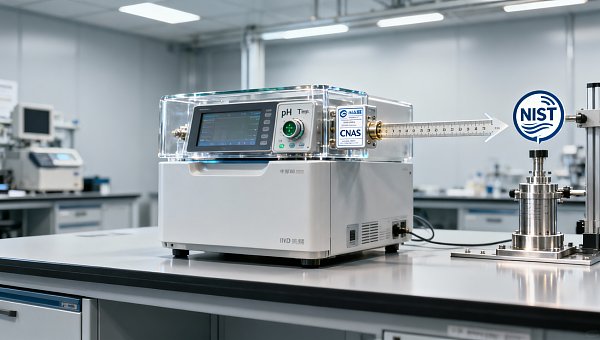
 FDA Updates IVD Import Guidelines: CNAS/NIST Calibration Chain RequiredFDA mandates CNAS/NIST calibration chain for IVD pressure & temperature sensors—key for Chinese exporters. Act now to meet July 2026 deadline.
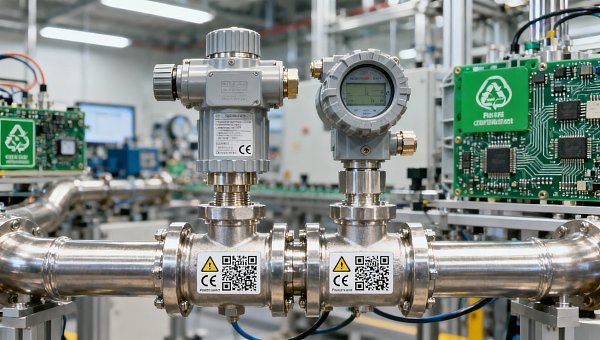
 EU PEF Carbon Database Mandatory Access for Chinese Industrial InstrumentsEU PEF Carbon Database mandatory for Chinese industrial instruments—meet June 15, 2026 deadline to keep CE marking & win EU tenders.
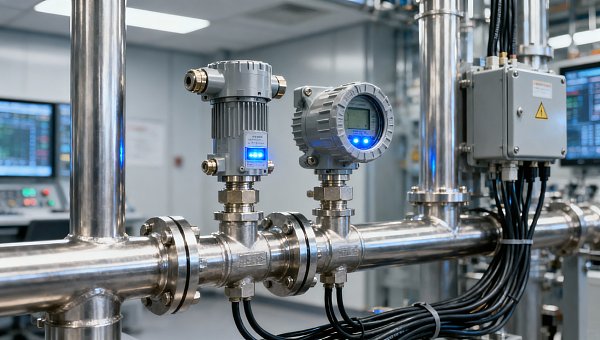
 IEC TC65 Releases Cybersecurity Validation Guide for Industrial InstrumentsIEC TC65 releases cybersecurity validation guide for industrial instruments—key for firmware signing, OT encryption & remote audit compliance. Act now.
 SASO Introduces AI-Based Energy Efficiency Verification for Industrial TransmittersSASO AI energy efficiency verification now mandatory for industrial transmitters in Saudi Arabia—ensure compliance before June 1, 2026 to avoid customs delays.
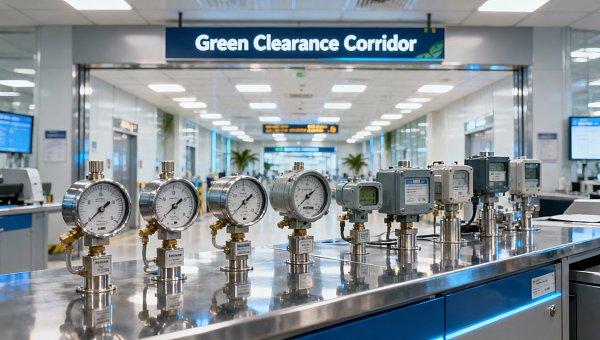
 ASEAN Green Customs Corridor Fully LaunchedASEAN Green Customs Corridor now live: AI-verified CNAS calibration reports slash ASEAN-China customs clearance to under 4 hours — boost precision equipment trade today.
 Red Sea Crisis Escalates: Gulf of Aden No-Sail Zone Extended to June 15, 2026Red Sea Crisis escalates: Gulf of Aden no-sail zone extended to June 15, 2026 — triggering 450% air cargo premiums for industrial instrumentation shipments from China to the Middle East.
 Process Control Equipment Price Trends Under Energy Cost PressureProcess control equipment price trends are shifting under energy cost pressure. Discover key cost drivers, total ownership factors, and smart sourcing tips to reduce risk and improve ROI.
 Multi Gas Analysis in Safety-Critical Areas: What to Check FirstMulti gas analysis starts with risk, not just instruments. Learn what to check first in safety-critical areas to improve compliance, reduce downtime, and protect people and assets.
 Industrial Analyzer Equipment: Common Failures and Maintenance TipsIndustrial analyzer equipment failures can disrupt uptime, compliance, and data accuracy. Discover common faults and practical maintenance tips to improve reliability fast.
 Industrial Measurement System Import Trends and Supply RisksIndustrial measurement system import trends and supply risks explained: learn how distributors can protect margins, reduce delays, and build stronger sourcing resilience.
 Emission Control Equipment Rules Reshaping Industrial DemandEmission control equipment is reshaping industrial investment as stricter rules drive demand for smarter monitoring, lower risk, and compliance-ready systems. Explore what buyers must evaluate now.
 Emission Measurement System Costs in 2026: What Shapes PricingEmission measurement system costs in 2026 depend on accuracy, compliance, installation, integration, and service. Learn what shapes pricing and plan a smarter investment.
 Process Measurement System Upgrades: When Do They Pay Off?Process measurement system upgrades pay off when they cut downtime, improve accuracy, and support compliance. Learn the key signals, ROI factors, and smart upgrade strategies.
 Paramagnetic Gas Measurement: Where It Performs Best in IndustryParamagnetic gas measurement delivers fast, stable oxygen analysis for combustion, emissions, and process control. Discover where it performs best and how it improves efficiency, compliance, and reliability.
 Gas Quality Analyzer Selection: Key Specs That Affect ResultsGas quality analyzer selection starts with the specs that truly impact results. Learn how accuracy, drift, response time, and durability affect safety, compliance, and process performance.
 How to Compare Custom Gas Analysis Options for Complex Process StreamsCustom gas analysis for complex process streams: learn how to compare technologies, sample conditioning, compliance, and maintenance to choose a reliable, application-fit solution.
 First Global White Paper on Humanoid Robot Industrial Calibration ReleasedHumanoid robot industrial calibration: First global white paper released—key for sensor makers, integrators & metrology labs. Learn impact & action steps.
 FDA Updates IVD Import Guidance: CNAS Calibration Chain RequiredFDA mandates CNAS calibration chain with NIST traceability for IVD instruments from China—act now to avoid U.S. import rejection starting July 1, 2026.
 IEC TC65 Releases Cybersecurity Validation Guidance for Industrial InstrumentsIEC TC65 releases cybersecurity validation guidance for industrial instruments—key for exporters, OEMs & integrators targeting EU/NA markets. Act now.
 ASEAN Green Corridor for Measuring Instruments Fully LaunchedASEAN Green Corridor for Measuring Instruments is live—unlock 3.8-hour customs clearance for CNAS-calibrated instruments across all 10 ASEAN nations. Act now!
 PTB Opens Direct VDA/ISO 17025 Report Portal for CNAS LabsPTB opens direct VDA/ISO 17025 report portal for CNAS labs — enabling dual-compliant calibration reports in <72h. Boost automotive audit readiness now!
 Vietnam Enforces Dual CNAS + Vietnamese Language Requirement for Industrial InstrumentsVietnam enforces dual CNAS + Vietnamese language requirement for industrial instruments (HS 9026/9027/9030) — avoid customs rejection. Act now!
 Red Sea Crisis Escalates: Gulf of Aden No-Sail Zone Extended to June 15, 2026Red Sea Crisis escalates: Gulf of Aden no-sail zone extended to June 15, 2026 — impacting industrial instrumentation trade, airfreight costs (+452%), and supply chain resilience between China and the Middle East.
 SASO Mandates AI-Driven Energy Simulation for Industrial Transmitters from June 2026SASO mandates AI-driven energy simulation for industrial transmitters from June 2026 — ensure compliance with NAIEC-certified testing now to avoid delays & rejections.
 BIS Adds 3 High-Precision Process Calibrators to EAR Supplement No. 4BIS Adds 3 High-Precision Process Calibrators to EAR Supplement No. 4—urgent compliance insights for semiconductor, nuclear, and calibration service providers operating with China.
 EU PEF Carbon Footprint Database Mandatory Integration CountdownEU PEF Carbon Footprint Database integration is mandatory for industrial instrument exporters by Jan 2027—act now to secure market access, customs clearance & B2B tenders.
 FDA Updates IVD Import Guidance: CNAS Calibration Traceability to NIST Required for Chinese ManufacturersFDA now requires CNAS calibration traceability to NIST for Chinese IVD manufacturers — critical for 510(k)/De Novo submissions. Act now to avoid RTA delays!
 ASEAN's Green Clearance Corridor Fully LaunchedGreen Clearance Corridor now live: CNAS calibration reports auto-verified for ASEAN customs clearance in under 4 hours — boost your China–ASEAN trade efficiency today!
 First Global Cybersecurity Verification Guide for Industrial Instruments ReleasedFirst global cybersecurity verification guide for industrial instruments launched—featuring a 5-level maturity model & standardized pentest library. Essential for exporters, OEMs, and critical infrastructure suppliers.
 SASO Shortens Energy Labeling for Industrial Transmitters to 7 Days, Adds AI Power Simulation RequirementSASO energy labeling for industrial transmitters now takes just 7 days — but requires AI power simulation. Learn how to comply fast and avoid delays.
 PTB Launches AI Calibration Cloud Platform 2.0PTB AI Calibration Cloud Platform 2.0 launches with CNAS-VDA 5/ISO/IEC 17025 dual-compliance reporting — streamline cross-border calibration for auto suppliers, labs & equipment makers.







Search Categories
Search Categories
Latest Article
- First Global White Paper on Dynamic Calibration for Humanoid Robot Sensors ReleasedFirst global white paper on dynamic calibration for humanoid robot sensors—key for pressure & 6-axis force/torque accuracy in smart manufacturing and collaborative robotics.Posted by:
- FDA Updates IVD Import Guidelines: CNAS/NIST Calibration Chain RequiredFDA mandates CNAS/NIST calibration chain for IVD pressure & temperature sensors—key for Chinese exporters. Act now to meet July 2026 deadline.Posted by:
- EU PEF Carbon Database Mandatory Access for Chinese Industrial InstrumentsEU PEF Carbon Database mandatory for Chinese industrial instruments—meet June 15, 2026 deadline to keep CE marking & win EU tenders.Posted by:
Please give us a message
