
Emission Control Equipment Rules Reshaping Industrial Demand


As environmental regulations tighten worldwide, emission control equipment is becoming a decisive factor in industrial procurement and investment planning. For business evaluation, this shift affects compliance, capital budgeting, automation upgrades, and supplier screening. It also expands demand across the instrumentation industry, where monitoring, analysis, calibration, and control systems support every stage of emissions management.
What is driving demand for emission control equipment today?
The strongest driver is regulation. Governments are updating limits for particulate matter, NOx, SOx, VOCs, greenhouse gases, and hazardous air pollutants across energy, manufacturing, mining, chemicals, and transport-linked facilities.
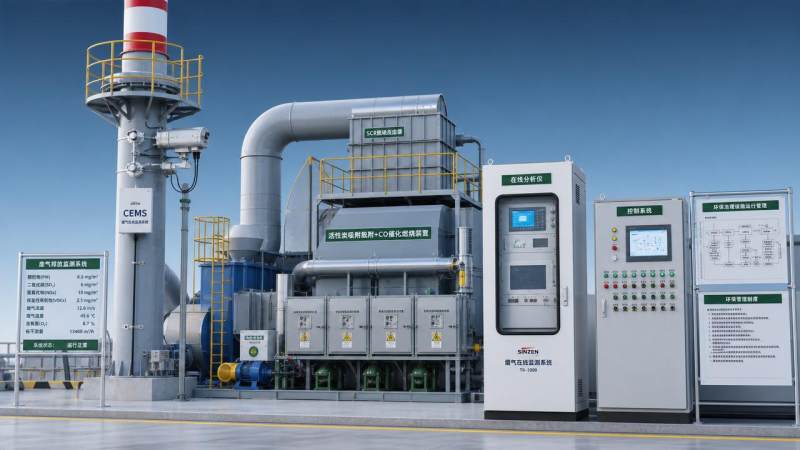
Emission control equipment now sits closer to production planning than before. It is no longer only an end-of-pipe purchase. It influences process design, fuel choice, maintenance schedules, and digital reporting readiness.
Another driver is enforcement quality. Real-time inspections, remote data submission, and stricter penalties make delayed upgrades far riskier. Facilities need both treatment systems and reliable instrumentation to prove ongoing compliance.
Financial pressure also matters. Lenders, insurers, and major customers increasingly review environmental performance. In this context, emission control equipment supports not only legal compliance, but also contract access and financing credibility.
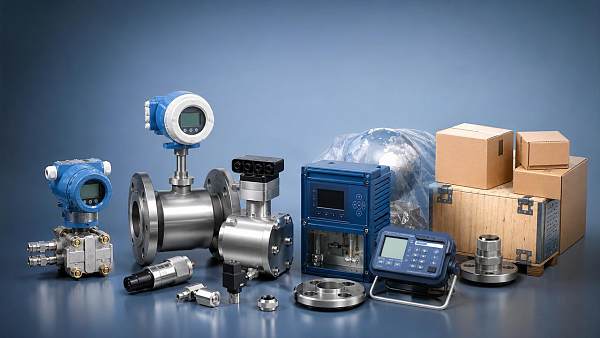
The instrumentation industry benefits because every control solution depends on accurate measurement. Sensors, analyzers, flow meters, pressure instruments, temperature transmitters, and industrial online monitoring systems form the data backbone.
Which industries are seeing the biggest impact from new emission rules?
Heavy industry remains the most visible segment. Power generation, cement, steel, petrochemicals, refining, waste treatment, pulp and paper, and glass production face direct pressure to modernize emission control equipment.
However, the impact is now broader. Food processing, pharmaceuticals, electronics, building materials, and industrial coating lines also face tighter VOC, combustion, and dust emission standards.
Construction engineering and utilities are affected through mobile generators, asphalt plants, boilers, and district heating systems. Even smaller installations may need continuous monitoring or periodic certified testing.
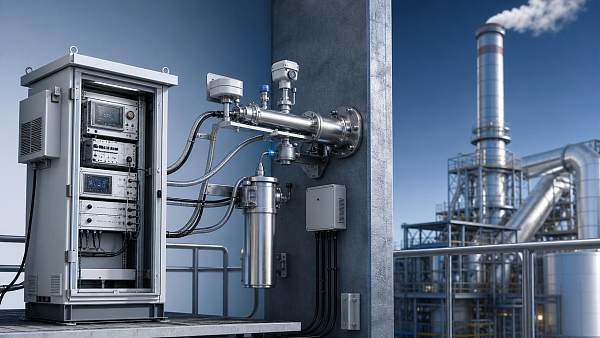
This matters for the comprehensive instrumentation sector. Demand rises not only for scrubbers, filters, catalytic systems, and oxidation units, but also for stack analyzers, CEMS platforms, calibration tools, and control software.
A practical way to view the market is by emissions source type:
- Combustion sources: boilers, turbines, furnaces, kilns
- Process sources: reactors, dryers, mixers, solvent lines
- Material handling: crushing, conveying, storage, loading
- Waste streams: incineration, wastewater off-gas, sludge treatment
Each source category creates different requirements for emission control equipment, measurement range, response speed, durability, and data traceability.
How do new rules change equipment selection and evaluation criteria?
Selection is shifting from basic removal efficiency toward whole-system performance. Buyers now compare compliance stability, monitoring integration, lifecycle cost, redundancy planning, and maintenance predictability.
Emission control equipment must be matched to gas composition, temperature, pressure, moisture, particulate loading, and process fluctuations. A strong design on paper can still fail under unstable field conditions.
That is why instrumentation compatibility matters. Poor sensor placement, weak calibration routines, or unreliable data logging can undermine the value of otherwise capable treatment equipment.
Key evaluation points now used more often
- Can the system meet current and likely future emission limits?
- Does it support continuous emissions monitoring and automated reporting?
- How stable is performance during load changes and shutdown cycles?
- Are spare parts, service access, and calibration support available locally?
- What is the energy penalty or reagent consumption over time?
More projects also require cross-functional validation. Process control, environmental monitoring, laboratory analysis, and automation teams must align early, because compliance data increasingly feeds enterprise systems.
What common mistakes create risk when planning emission control equipment?
One common mistake is focusing only on the main treatment unit. Emission control equipment performs best when upstream measurement, flow balancing, and temperature management are designed together.
Another mistake is underestimating monitoring requirements. Some projects install control hardware first, then discover that analyzers, sampling systems, and certified calibration routines add extra time and cost.
Short-term budget thinking is another risk. A lower purchase price may lead to higher reagent use, downtime, manual intervention, and reporting failure. Total cost of ownership is the better comparison method.
There is also a frequent misunderstanding around standards. Meeting one regional rule does not guarantee acceptance elsewhere. Emission control equipment often needs adaptation for local testing methods and reporting formats.
Risk reminder checklist
- Do not size systems using average loads only
- Do not ignore startup, upset, and low-load conditions
- Do not separate treatment decisions from instrumentation design
- Do not overlook calibration, validation, and data retention rules
- Do not assume maintenance skills are already available onsite
How do cost, implementation cycle, and digital monitoring influence decisions?
Cost decisions are becoming more strategic. Capital expense still matters, but operating cost, emission fees, energy consumption, and future retrofit risk often have greater long-term impact.
Implementation cycles vary widely. A modular dust collection upgrade may move quickly, while a full VOC treatment line with CEMS integration, DCS updates, and permit revision can take much longer.
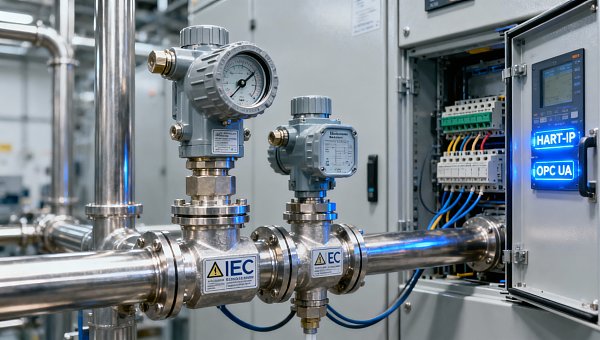
Digital monitoring is now central to many projects. Emission control equipment increasingly connects with PLC, SCADA, historian, cloud dashboards, and compliance reporting platforms.
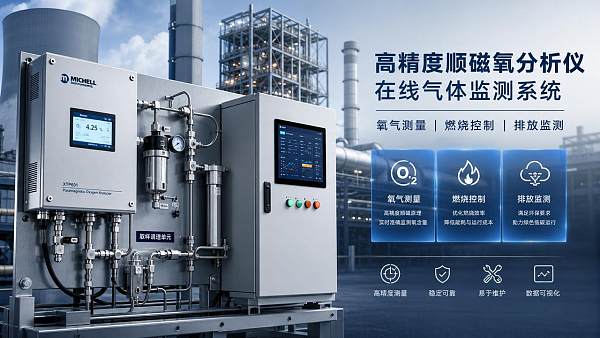
This creates direct opportunity for instrumentation providers. Gas analyzers, automated sampling, calibration benches, industrial communication modules, and smart diagnostics improve transparency and reduce compliance uncertainty.
What does this trend mean for the broader instrumentation value chain?
The trend expands beyond environmental hardware. Every emission control equipment project requires coordinated sensing, testing, calibration, automation, and analysis capabilities.
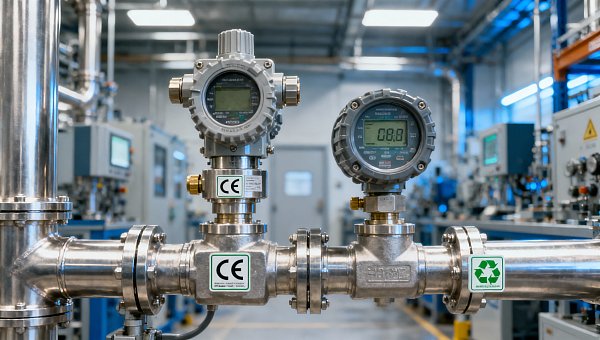
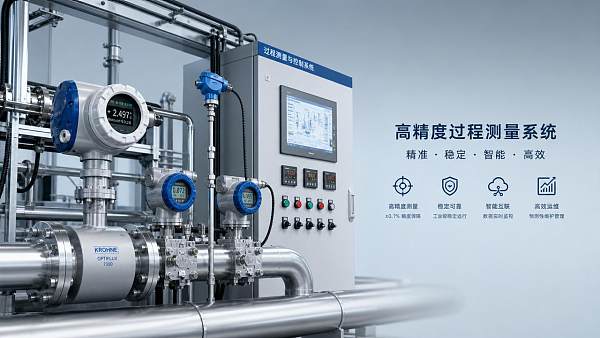
Pressure and flow instruments help maintain process balance. Temperature instruments protect catalysts and filter media. Composition analysis verifies removal performance. Control systems optimize response to varying loads.
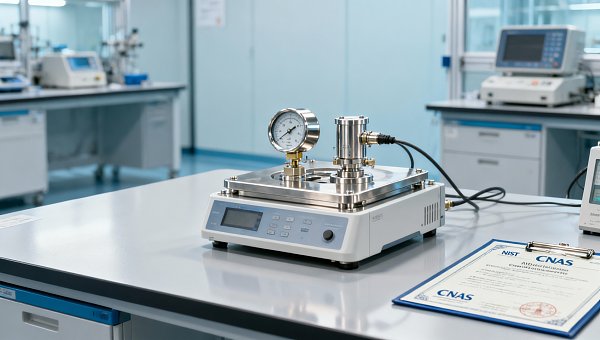
Laboratory instruments also remain relevant. Periodic verification, sample analysis, method confirmation, and quality control strengthen field data credibility. This links industrial online monitoring with offline analytical capability.
As industrial automation and digital transformation advance, emission control equipment becomes part of a wider intelligent operations framework. Predictive maintenance, remote diagnostics, and compliance analytics are growing decision factors.
For market evaluation, the most resilient suppliers are those able to connect equipment, instrumentation, and service support into one practical compliance architecture.
Practical next-step guide
- Map current emission sources and rule exposure by site
- Review existing emission control equipment performance data
- Check analyzer accuracy, calibration history, and reporting gaps
- Model lifecycle cost, not purchase price alone
- Prioritize suppliers with integrated instrumentation capability
In summary, tighter rules are reshaping industrial demand by making emission control equipment a core investment decision rather than a peripheral compliance item. The strongest opportunities now sit where treatment technology, monitoring accuracy, automation control, and service readiness work together. A structured review of equipment fit, digital visibility, and compliance resilience is the most effective next move.
Recommended for You
 First Global White Paper on Dynamic Calibration for Humanoid Robot Sensors ReleasedFirst global white paper on dynamic calibration for humanoid robot sensors—key for pressure & 6-axis force/torque accuracy in smart manufacturing and collaborative robotics.
 FDA Updates IVD Import Guidelines: CNAS/NIST Calibration Chain RequiredFDA mandates CNAS/NIST calibration chain for IVD pressure & temperature sensors—key for Chinese exporters. Act now to meet July 2026 deadline.
 EU PEF Carbon Database Mandatory Access for Chinese Industrial InstrumentsEU PEF Carbon Database mandatory for Chinese industrial instruments—meet June 15, 2026 deadline to keep CE marking & win EU tenders.
 IEC TC65 Releases Cybersecurity Validation Guide for Industrial InstrumentsIEC TC65 releases cybersecurity validation guide for industrial instruments—key for firmware signing, OT encryption & remote audit compliance. Act now.
 SASO Introduces AI-Based Energy Efficiency Verification for Industrial TransmittersSASO AI energy efficiency verification now mandatory for industrial transmitters in Saudi Arabia—ensure compliance before June 1, 2026 to avoid customs delays.
 ASEAN Green Customs Corridor Fully LaunchedASEAN Green Customs Corridor now live: AI-verified CNAS calibration reports slash ASEAN-China customs clearance to under 4 hours — boost precision equipment trade today.
 Red Sea Crisis Escalates: Gulf of Aden No-Sail Zone Extended to June 15, 2026Red Sea Crisis escalates: Gulf of Aden no-sail zone extended to June 15, 2026 — triggering 450% air cargo premiums for industrial instrumentation shipments from China to the Middle East.
 Process Control Equipment Price Trends Under Energy Cost PressureProcess control equipment price trends are shifting under energy cost pressure. Discover key cost drivers, total ownership factors, and smart sourcing tips to reduce risk and improve ROI.
 Multi Gas Analysis in Safety-Critical Areas: What to Check FirstMulti gas analysis starts with risk, not just instruments. Learn what to check first in safety-critical areas to improve compliance, reduce downtime, and protect people and assets.
 Industrial Analyzer Equipment: Common Failures and Maintenance TipsIndustrial analyzer equipment failures can disrupt uptime, compliance, and data accuracy. Discover common faults and practical maintenance tips to improve reliability fast.
 Industrial Measurement System Import Trends and Supply RisksIndustrial measurement system import trends and supply risks explained: learn how distributors can protect margins, reduce delays, and build stronger sourcing resilience.
 Emission Control Equipment Rules Reshaping Industrial DemandEmission control equipment is reshaping industrial investment as stricter rules drive demand for smarter monitoring, lower risk, and compliance-ready systems. Explore what buyers must evaluate now.
 Emission Measurement System Costs in 2026: What Shapes PricingEmission measurement system costs in 2026 depend on accuracy, compliance, installation, integration, and service. Learn what shapes pricing and plan a smarter investment.
 Process Measurement System Upgrades: When Do They Pay Off?Process measurement system upgrades pay off when they cut downtime, improve accuracy, and support compliance. Learn the key signals, ROI factors, and smart upgrade strategies.
 Paramagnetic Gas Measurement: Where It Performs Best in IndustryParamagnetic gas measurement delivers fast, stable oxygen analysis for combustion, emissions, and process control. Discover where it performs best and how it improves efficiency, compliance, and reliability.
 Gas Quality Analyzer Selection: Key Specs That Affect ResultsGas quality analyzer selection starts with the specs that truly impact results. Learn how accuracy, drift, response time, and durability affect safety, compliance, and process performance.
 How to Compare Custom Gas Analysis Options for Complex Process StreamsCustom gas analysis for complex process streams: learn how to compare technologies, sample conditioning, compliance, and maintenance to choose a reliable, application-fit solution.
 First Global White Paper on Humanoid Robot Industrial Calibration ReleasedHumanoid robot industrial calibration: First global white paper released—key for sensor makers, integrators & metrology labs. Learn impact & action steps.
 FDA Updates IVD Import Guidance: CNAS Calibration Chain RequiredFDA mandates CNAS calibration chain with NIST traceability for IVD instruments from China—act now to avoid U.S. import rejection starting July 1, 2026.
 IEC TC65 Releases Cybersecurity Validation Guidance for Industrial InstrumentsIEC TC65 releases cybersecurity validation guidance for industrial instruments—key for exporters, OEMs & integrators targeting EU/NA markets. Act now.
 ASEAN Green Corridor for Measuring Instruments Fully LaunchedASEAN Green Corridor for Measuring Instruments is live—unlock 3.8-hour customs clearance for CNAS-calibrated instruments across all 10 ASEAN nations. Act now!
 PTB Opens Direct VDA/ISO 17025 Report Portal for CNAS LabsPTB opens direct VDA/ISO 17025 report portal for CNAS labs — enabling dual-compliant calibration reports in <72h. Boost automotive audit readiness now!
 Vietnam Enforces Dual CNAS + Vietnamese Language Requirement for Industrial InstrumentsVietnam enforces dual CNAS + Vietnamese language requirement for industrial instruments (HS 9026/9027/9030) — avoid customs rejection. Act now!
 Red Sea Crisis Escalates: Gulf of Aden No-Sail Zone Extended to June 15, 2026Red Sea Crisis escalates: Gulf of Aden no-sail zone extended to June 15, 2026 — impacting industrial instrumentation trade, airfreight costs (+452%), and supply chain resilience between China and the Middle East.
 SASO Mandates AI-Driven Energy Simulation for Industrial Transmitters from June 2026SASO mandates AI-driven energy simulation for industrial transmitters from June 2026 — ensure compliance with NAIEC-certified testing now to avoid delays & rejections.
 BIS Adds 3 High-Precision Process Calibrators to EAR Supplement No. 4BIS Adds 3 High-Precision Process Calibrators to EAR Supplement No. 4—urgent compliance insights for semiconductor, nuclear, and calibration service providers operating with China.
 EU PEF Carbon Footprint Database Mandatory Integration CountdownEU PEF Carbon Footprint Database integration is mandatory for industrial instrument exporters by Jan 2027—act now to secure market access, customs clearance & B2B tenders.
 FDA Updates IVD Import Guidance: CNAS Calibration Traceability to NIST Required for Chinese ManufacturersFDA now requires CNAS calibration traceability to NIST for Chinese IVD manufacturers — critical for 510(k)/De Novo submissions. Act now to avoid RTA delays!
 ASEAN's Green Clearance Corridor Fully LaunchedGreen Clearance Corridor now live: CNAS calibration reports auto-verified for ASEAN customs clearance in under 4 hours — boost your China–ASEAN trade efficiency today!
 First Global Cybersecurity Verification Guide for Industrial Instruments ReleasedFirst global cybersecurity verification guide for industrial instruments launched—featuring a 5-level maturity model & standardized pentest library. Essential for exporters, OEMs, and critical infrastructure suppliers.
 SASO Shortens Energy Labeling for Industrial Transmitters to 7 Days, Adds AI Power Simulation RequirementSASO energy labeling for industrial transmitters now takes just 7 days — but requires AI power simulation. Learn how to comply fast and avoid delays.
 PTB Launches AI Calibration Cloud Platform 2.0PTB AI Calibration Cloud Platform 2.0 launches with CNAS-VDA 5/ISO/IEC 17025 dual-compliance reporting — streamline cross-border calibration for auto suppliers, labs & equipment makers.







Search Categories
Search Categories
Latest Article
- First Global White Paper on Dynamic Calibration for Humanoid Robot Sensors ReleasedFirst global white paper on dynamic calibration for humanoid robot sensors—key for pressure & 6-axis force/torque accuracy in smart manufacturing and collaborative robotics.Posted by:
- FDA Updates IVD Import Guidelines: CNAS/NIST Calibration Chain RequiredFDA mandates CNAS/NIST calibration chain for IVD pressure & temperature sensors—key for Chinese exporters. Act now to meet July 2026 deadline.Posted by:
- EU PEF Carbon Database Mandatory Access for Chinese Industrial InstrumentsEU PEF Carbon Database mandatory for Chinese industrial instruments—meet June 15, 2026 deadline to keep CE marking & win EU tenders.Posted by:
Please give us a message
