
Process Measurement Equipment: Key Accuracy Risks in Harsh Environments


In harsh industrial settings, process measurement equipment faces constant threats from vibration, temperature extremes, corrosion, dust, and electromagnetic interference.
For quality control and safety managers, even small accuracy shifts can trigger compliance issues, unstable operations, or costly failures.
Understanding where measurement risks emerge is the first step toward protecting reliability, product quality, and safe plant performance.
Why Accuracy Risk Matters More Than Device Survival

When plants discuss harsh environments, the first concern is often whether an instrument can keep running. For quality and safety teams, that is only half the issue.
A transmitter may remain powered and still deliver biased readings. That hidden drift is often more dangerous than a complete failure because operators continue trusting bad data.
In practice, process measurement equipment supports control loops, alarms, batch records, emissions reporting, maintenance planning, and incident prevention. Accuracy errors can therefore spread far beyond one device.
A small flow measurement bias can distort material balance. A pressure sensor offset can hide abnormal conditions. A temperature deviation can quietly damage product consistency or sterilization performance.
For safety managers, the key question is not simply, “Will this instrument survive?” It is, “Will it remain reliable enough for operational and compliance decisions under stress?”
That distinction changes procurement, installation, verification, and maintenance priorities. It also explains why harsh-environment risk must be assessed as a measurement integrity issue, not only an equipment durability issue.
What Quality and Safety Managers Usually Need to Know First
Most target readers are not looking for broad definitions. They want to know where measurement errors actually come from, how to spot them early, and which risks deserve immediate action.
They also need practical ways to judge whether current instruments are fit for service conditions, especially when audits, incident reviews, or recurring deviations suggest a deeper measurement problem.
Three concerns usually dominate. First, can measurement drift cause nonconforming product or unstable process control? Second, can it weaken safeguards or regulatory reporting? Third, what is the most efficient mitigation plan?
That is why the most useful discussion focuses on failure modes, warning signs, environmental stress factors, selection criteria, verification intervals, and risk-based maintenance decisions.
General descriptions of instrumentation technology are less helpful here. Readers benefit more from a structured view of how harsh conditions degrade accuracy over time and how to respond before failure escalates.
The Main Environmental Factors That Distort Process Measurement Equipment
Harsh environments affect different technologies in different ways, but several stressors repeatedly appear across manufacturing, power, chemical processing, water treatment, mining, and heavy industrial facilities.
Temperature extremes are among the most common causes of error. Sensors, electronics, seals, and signal conditioning components all respond to heat or cold.
Even when a device is technically rated for the ambient condition, rapid thermal cycling can create expansion mismatch, condensation, seal fatigue, and long-term calibration instability.
Vibration is another major threat, especially near compressors, pumps, rotating equipment, mobile skids, and heavy structural machinery. It can loosen connections, fatigue sensing elements, and generate intermittent signal noise.
Vibration problems are often underestimated because they may not produce obvious failure at first. Instead, they create drifting outputs, mounting stress, or sporadic false alarms that are difficult to reproduce.
Corrosive media and corrosive atmospheres attack wetted parts, diaphragms, housings, cable glands, and junction points. Even minor material incompatibility can gradually shift response characteristics before leakage becomes visible.
Dust, sludge, scaling, and particulate contamination interfere with level devices, flow sensors, optical analyzers, and pressure impulse lines. Build-up can reduce sensitivity, slow response, or create systematic measurement bias.
Humidity and water ingress affect insulation resistance, connectors, electronics, and enclosures. In outdoor or washdown settings, ingress issues often appear as unstable readings long before total device failure.
Electromagnetic interference remains a frequent source of hidden error in modern plants with variable frequency drives, high-current equipment, wireless systems, and dense control infrastructure.
EMI may create noisy outputs, communication faults, frozen values, or unexplained fluctuations. These problems are especially serious when digital diagnostics are limited or not routinely reviewed.
Pressure pulsation and hydraulic shock can distort pressure and flow signals, shorten sensor life, and confuse trend interpretation. In fast-changing systems, the issue is not just wear but measurement representativeness.
Where the Highest Accuracy Risks Usually Appear in Real Operations
Not all instruments face equal business risk. Quality and safety managers should focus first on measurement points that directly affect release decisions, critical limits, protective actions, and regulated records.
Start with instruments tied to product quality attributes such as batch temperature, mixing flow rate, pressure during forming or filtration, moisture, pH, conductivity, or composition analysis.
If these readings drift, plants may produce out-of-spec material without noticing until final inspection, customer complaint, or process capability decline reveals the underlying issue.
Next, review measurements linked to safety layers. These include pressure monitoring near relief systems, level measurement in storage or reaction vessels, gas detection, combustion parameters, and temperature limits in hazardous processes.
Even when a safety system has redundancy, common environmental stress can affect multiple channels in similar ways. That makes location-specific risk review essential.
Another high-risk area is emissions, wastewater, and environmental compliance monitoring. Errors here can become both operational and legal issues, especially if data are used for external reporting.
Finally, pay close attention to devices in remote, hard-to-access, or maintenance-deferred areas. These points often combine harsh exposure with long verification intervals, increasing the chance of undetected inaccuracy.
Early Warning Signs That Accuracy Is Degrading
Measurement risk rarely appears without clues. The problem is that many clues are dismissed as isolated nuisance events rather than symptoms of environmental stress affecting process measurement equipment.
One common sign is growing mismatch between related measurements. For example, mass balance, energy balance, or redundant sensor comparison starts showing recurring unexplained deviation.
Another warning sign is increased control loop instability. If tuning suddenly seems less effective, or operators frequently switch loops to manual mode, the true issue may be poor input quality rather than controller performance.
Frequent recalibration findings are also important. If the same instrument family repeatedly returns with similar offsets, that pattern points to application or environmental mismatch, not random drift.
Watch for intermittent alarms, noisy trends, delayed response, frozen values, communication dropouts, or maintenance records showing repeated connector, cable, or enclosure issues.
Product quality variation can also be a measurement symptom. When process capability weakens without obvious raw material or operator change, suspect instrument accuracy before assuming the process itself has become unstable.
Safety teams should additionally review near misses and abnormal events for instrumentation contribution. An incident may involve a process upset, but the root cause may include inaccurate sensing under harsh conditions.
How to Assess Whether an Instrument Is Truly Fit for Harsh Service
Selection should not stop at range, output, and purchase price. A device that meets basic specification on paper may still be unsuitable for long-term measurement integrity in real plant conditions.
First, compare the full environmental profile, not only the process medium. Ambient heat, washdown frequency, corrosive vapors, vibration source, cable route, electrical noise, access limits, and seasonal variation all matter.
Second, evaluate material compatibility carefully. Wetted parts, seals, gaskets, protective windows, and enclosure materials must all be matched to actual chemical exposure, including cleaning agents and atmospheric contaminants.
Third, check whether the published accuracy applies across the real operating temperature range and under installed conditions. Laboratory accuracy claims may not reflect field-mounted performance.
Fourth, review ingress protection, mechanical mounting design, surge protection, and shielding requirements. Installation weaknesses often become the real source of error, even when the sensor itself is well designed.
Fifth, consider diagnostics and verification features. Smart instruments with drift alerts, signal quality indicators, internal checks, or remote condition monitoring can reduce undetected error exposure.
Finally, classify the measurement by consequence. A low-impact utility reading can tolerate more uncertainty than a critical control point, safety-relevant alarm, or regulated reporting instrument.
Practical Controls That Reduce Accuracy Risk
The best risk reduction strategy usually combines equipment selection, installation discipline, verification planning, and data review. No single action is enough in a harsh environment.
Use a risk-based criticality ranking for all important process measurement equipment. This helps allocate calibration effort, spare strategy, inspection frequency, and engineering attention where consequences are highest.
Improve installation quality by addressing impulse line routing, vibration isolation, environmental shielding, grounding, cable segregation, and enclosure sealing. Many persistent accuracy issues begin with poor field execution.
Shorten verification intervals where drift patterns are known, but do not rely on calendar-based calibration alone. Condition trends, failure history, and exposure severity should influence the interval.
Where feasible, add cross-checks through redundancy, independent indication, analytical confirmation, or process reconciliation. These methods help detect hidden bias before it affects quality or safety outcomes.
Train operators and technicians to recognize weak signals such as slow response, trend noise, and repeated adjustment needs. Early reporting can prevent long periods of undetected measurement error.
For high-consequence services, document acceptable uncertainty, not just nominal accuracy. This creates a clearer link between technical performance and business or compliance impact.
How Better Measurement Integrity Supports Quality, Safety, and Cost Control
Investing in robust process measurement equipment is not only a maintenance decision. It directly supports product consistency, process stability, incident prevention, and efficient use of labor and materials.
Accurate instruments reduce false troubleshooting, unnecessary shutdowns, overcorrection by operators, and waste caused by process variability. They also strengthen confidence in root cause analysis.
For quality teams, reliable measurement means fewer hidden deviations, stronger traceability, and better evidence during customer audits or internal investigations.
For safety managers, it means more dependable alarms, more credible monitoring of hazardous conditions, and less risk that a critical decision is made using distorted data.
In financial terms, the benefit often appears through avoided loss rather than visible gain. Prevented off-spec production, fewer incidents, lower rework, and reduced compliance exposure usually outweigh the added upfront investment.
Conclusion: Focus on Measurement Integrity, Not Just Equipment Presence
In harsh environments, process measurement equipment can appear operational while silently losing accuracy. For quality control and safety managers, that hidden gap is where the real risk begins.
The most effective response is to identify critical measurement points, understand the environmental stressors affecting them, and apply risk-based controls to selection, installation, verification, and maintenance.
When organizations treat measurement integrity as a core operational safeguard, they improve product quality, strengthen compliance, and reduce the chance that bad data will drive bad decisions.
In other words, protecting accuracy is not a technical detail. It is a practical requirement for safe, stable, and accountable industrial performance.
Recommended for You
 Gas Quality Analyzer Shelter Price Trends and Specification Gaps to WatchGas quality analyzer shelter price trends vary with materials, HVAC, safety, integration, and compliance. See key specification gaps before shortlisting suppliers or approving budget.
 Process Measurement Equipment: Key Accuracy Risks in Harsh EnvironmentsProcess measurement equipment in harsh environments can drift before failing. Discover key accuracy risks, warning signs, and practical controls to protect quality, safety, and compliance.
 Industrial Analyzer Shelter Export Factors Affecting Lead Times This YearIndustrial analyzer shelter export lead times vary with sourcing, engineering, compliance, packing, and logistics. Learn the key factors to quote smarter and deliver with confidence.
 What to Check Before Buying a Process Analyzer ShelterProcess analyzer shelter buying guide: learn what to check before purchase, from compliance and HVAC to utilities, durability, and maintenance access.
 Process Monitoring Equipment Trends Shaping Plant Upgrades in 2026Process monitoring equipment trends for 2026 reveal how smarter plant upgrades can cut downtime, improve compliance, boost efficiency, and deliver faster ROI.
 Flue Gas Analyzer Shelter Maintenance Issues That Shorten Service LifeFlue gas analyzer shelter maintenance issues can quietly shorten equipment life. Learn the key risks, warning signs, and practical checks to reduce downtime and protect accuracy.
 Emission Analyzer Shelter vs Outdoor Mounting: Which Reduces DowntimeEmission analyzer shelter vs outdoor mounting: discover which setup cuts downtime, improves analyzer reliability, and lowers lifecycle risk in harsh or compliance-critical environments.
 Common Gas Quality Equipment Selection Mistakes in Industrial ProjectsGas quality equipment selection mistakes can delay industrial projects and raise compliance risks. Learn how to choose the right solution for accuracy, safety, integration, and faster commissioning.
 Gas Quality System Costs: What Shapes Total Project Spending in 2026Gas quality system costs in 2026 depend on more than analyzer price. Discover the key budget drivers, hidden expenses, and smart planning steps to control total project spending.
 How to Choose Emission Measurement Equipment for Reliable Compliance DataEmission measurement equipment selection affects compliance accuracy, uptime, and audit readiness. Learn how to compare systems, reduce risk, and choose a solution built for reliable data.
 First Global White Paper on Dynamic Calibration for Humanoid Robot Sensors ReleasedFirst global white paper on dynamic calibration for humanoid robot sensors—key for pressure & 6-axis force/torque accuracy in smart manufacturing and collaborative robotics.
 FDA Updates IVD Import Guidelines: CNAS/NIST Calibration Chain RequiredFDA mandates CNAS/NIST calibration chain for IVD pressure & temperature sensors—key for Chinese exporters. Act now to meet July 2026 deadline.
 EU PEF Carbon Database Mandatory Access for Chinese Industrial InstrumentsEU PEF Carbon Database mandatory for Chinese industrial instruments—meet June 15, 2026 deadline to keep CE marking & win EU tenders.
 IEC TC65 Releases Cybersecurity Validation Guide for Industrial InstrumentsIEC TC65 releases cybersecurity validation guide for industrial instruments—key for firmware signing, OT encryption & remote audit compliance. Act now.
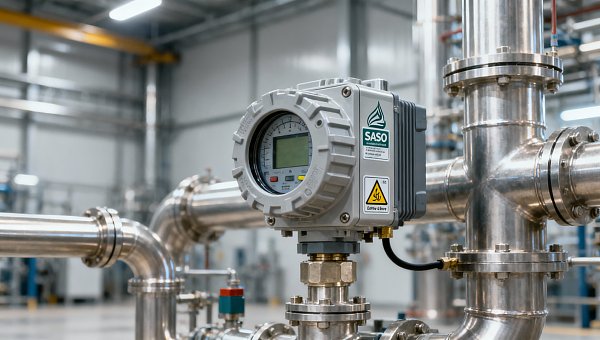
 SASO Introduces AI-Based Energy Efficiency Verification for Industrial TransmittersSASO AI energy efficiency verification now mandatory for industrial transmitters in Saudi Arabia—ensure compliance before June 1, 2026 to avoid customs delays.
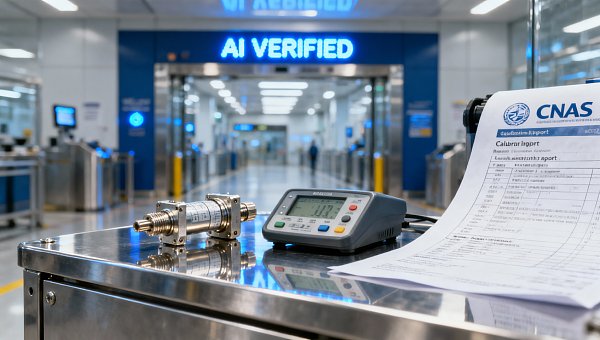
 ASEAN Green Customs Corridor Fully LaunchedASEAN Green Customs Corridor now live: AI-verified CNAS calibration reports slash ASEAN-China customs clearance to under 4 hours — boost precision equipment trade today.
 Process Control Equipment Price Trends Under Energy Cost PressureProcess control equipment price trends are shifting under energy cost pressure. Discover key cost drivers, total ownership factors, and smart sourcing tips to reduce risk and improve ROI.
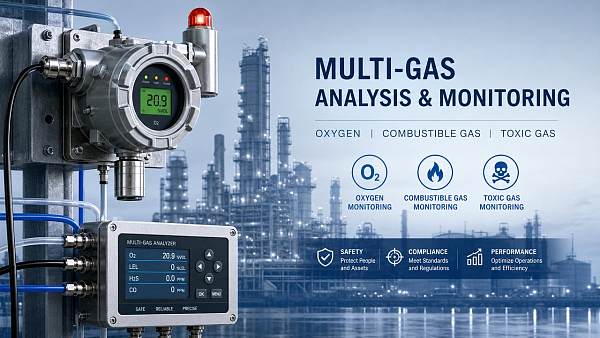
 Multi Gas Analysis in Safety-Critical Areas: What to Check FirstMulti gas analysis starts with risk, not just instruments. Learn what to check first in safety-critical areas to improve compliance, reduce downtime, and protect people and assets.
 Industrial Analyzer Equipment: Common Failures and Maintenance TipsIndustrial analyzer equipment failures can disrupt uptime, compliance, and data accuracy. Discover common faults and practical maintenance tips to improve reliability fast.
 Industrial Measurement System Import Trends and Supply RisksIndustrial measurement system import trends and supply risks explained: learn how distributors can protect margins, reduce delays, and build stronger sourcing resilience.
 Emission Control Equipment Rules Reshaping Industrial DemandEmission control equipment is reshaping industrial investment as stricter rules drive demand for smarter monitoring, lower risk, and compliance-ready systems. Explore what buyers must evaluate now.
 Emission Measurement System Costs in 2026: What Shapes PricingEmission measurement system costs in 2026 depend on accuracy, compliance, installation, integration, and service. Learn what shapes pricing and plan a smarter investment.
 Process Measurement System Upgrades: When Do They Pay Off?Process measurement system upgrades pay off when they cut downtime, improve accuracy, and support compliance. Learn the key signals, ROI factors, and smart upgrade strategies.
 Paramagnetic Gas Measurement: Where It Performs Best in IndustryParamagnetic gas measurement delivers fast, stable oxygen analysis for combustion, emissions, and process control. Discover where it performs best and how it improves efficiency, compliance, and reliability.
 Gas Quality Analyzer Selection: Key Specs That Affect ResultsGas quality analyzer selection starts with the specs that truly impact results. Learn how accuracy, drift, response time, and durability affect safety, compliance, and process performance.
 How to Compare Custom Gas Analysis Options for Complex Process StreamsCustom gas analysis for complex process streams: learn how to compare technologies, sample conditioning, compliance, and maintenance to choose a reliable, application-fit solution.
 First Global White Paper on Humanoid Robot Industrial Calibration ReleasedHumanoid robot industrial calibration: First global white paper released—key for sensor makers, integrators & metrology labs. Learn impact & action steps.
 FDA Updates IVD Import Guidance: CNAS Calibration Chain RequiredFDA mandates CNAS calibration chain with NIST traceability for IVD instruments from China—act now to avoid U.S. import rejection starting July 1, 2026.
 IEC TC65 Releases Cybersecurity Validation Guidance for Industrial InstrumentsIEC TC65 releases cybersecurity validation guidance for industrial instruments—key for exporters, OEMs & integrators targeting EU/NA markets. Act now.
 ASEAN Green Corridor for Measuring Instruments Fully LaunchedASEAN Green Corridor for Measuring Instruments is live—unlock 3.8-hour customs clearance for CNAS-calibrated instruments across all 10 ASEAN nations. Act now!
 PTB Opens Direct VDA/ISO 17025 Report Portal for CNAS LabsPTB opens direct VDA/ISO 17025 report portal for CNAS labs — enabling dual-compliant calibration reports in <72h. Boost automotive audit readiness now!
 Vietnam Enforces Dual CNAS + Vietnamese Language Requirement for Industrial InstrumentsVietnam enforces dual CNAS + Vietnamese language requirement for industrial instruments (HS 9026/9027/9030) — avoid customs rejection. Act now!









Search Categories
Search Categories
Latest Article
- Gas Quality Analyzer Shelter Price Trends and Specification Gaps to WatchGas quality analyzer shelter price trends vary with materials, HVAC, safety, integration, and compliance. See key specification gaps before shortlisting suppliers or approving budget.Posted by:
- Process Measurement Equipment: Key Accuracy Risks in Harsh EnvironmentsProcess measurement equipment in harsh environments can drift before failing. Discover key accuracy risks, warning signs, and practical controls to protect quality, safety, and compliance.Posted by:
- Industrial Analyzer Shelter Export Factors Affecting Lead Times This YearIndustrial analyzer shelter export lead times vary with sourcing, engineering, compliance, packing, and logistics. Learn the key factors to quote smarter and deliver with confidence.Posted by:
Please give us a message
