
When Flue Gas Monitoring Equipment Pays Off


For operators, engineers, buyers, and decision-makers, flue gas monitoring equipment pays off when compliance, uptime, and cost control matter at the same time. From an emission control shelter and flue gas analyzer shelter to gas quality monitoring equipment and broader process monitoring equipment, the right setup helps reduce risk, improve data accuracy, and support smarter investment decisions across industrial operations.
When does flue gas monitoring equipment deliver real value?
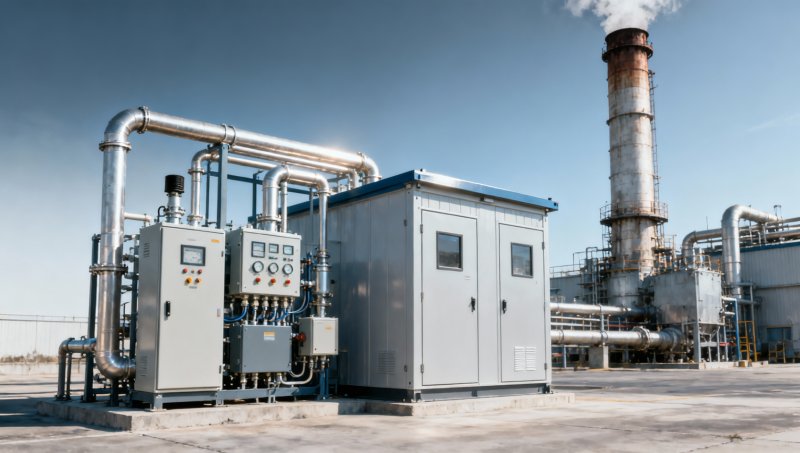
In the instrumentation industry, flue gas monitoring equipment becomes financially and operationally valuable when a plant must balance three priorities at once: emission compliance, stable production, and disciplined maintenance spending. The payback point is rarely defined by the instrument price alone. It is usually driven by avoided penalties, fewer emergency shutdowns, more reliable combustion control, and better process visibility across 24/7 operations.
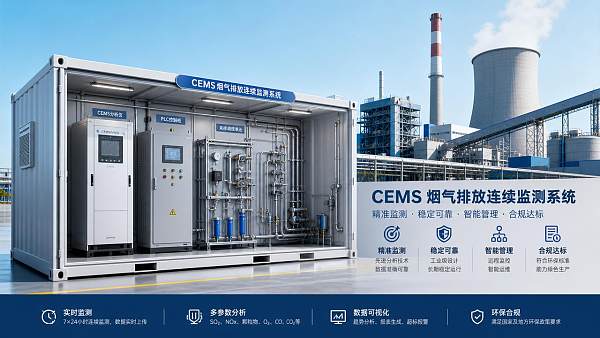
For operators, the benefit appears in daily work. A dependable flue gas analyzer shelter or emission control shelter reduces exposure to weather, contamination, and unstable sampling conditions. That helps improve analyzer uptime and reduces the frequency of manual intervention. In many industrial sites, the practical difference is clear within 3 to 6 months: fewer alarm investigations, fewer drift-related recalibrations, and less uncertainty during shift handover.
For technical evaluators and quality or safety managers, the return is tied to data integrity. A monitoring system that maintains sample temperature, controls moisture, and supports calibration routines can provide more stable readings for O2, CO, CO2, SO2, NOx, and other process-related parameters. Better data means better root-cause analysis, more defensible environmental records, and stronger confidence during audits or internal review cycles performed monthly or quarterly.
For procurement teams, finance approvers, and project managers, the payoff usually depends on lifecycle cost rather than the initial quotation. A lower-cost package may look attractive at the purchase stage, yet if it leads to high spare part consumption, difficult maintenance access, or 2 to 4 times more unplanned service visits, the total cost of ownership quickly rises. This is why flue gas monitoring equipment should be assessed as part of a complete instrumentation solution, not as an isolated device.
Common signals that the investment is justified
- Your facility must document emissions continuously or at defined intervals, and manual spot checks no longer support compliance expectations.
- The process is sensitive to combustion balance, fuel variation, or gas composition changes, making stable online monitoring more useful than delayed laboratory review.
- Analyzer downtime causes operating blind spots, forcing conservative process settings that increase fuel consumption or reduce throughput.
- Maintenance teams spend too much time on moisture issues, line blockages, or environmental protection workarounds because the shelter and sampling design are inadequate.
These signals are especially relevant across energy, industrial manufacturing, environmental projects, and automated process industries where instrumentation supports modernization, digital transformation, and safety management. In such settings, flue gas monitoring equipment pays off not just by measuring emissions, but by supporting reliable control decisions throughout the entire operation chain.
Which industrial scenarios benefit most from an analyzer shelter and process monitoring setup?
Not every site needs the same configuration. The strongest return on flue gas monitoring equipment appears in environments with harsh weather, dust, vibration, corrosive gas streams, variable fuel quality, or strict audit requirements. In these conditions, an emission control shelter and flue gas analyzer shelter do more than protect instruments. They stabilize the sampling environment and reduce avoidable measurement error across long operating cycles.
Power and energy facilities are a classic case. Boilers, turbines, incineration systems, and waste-to-energy lines often run continuously for long periods, sometimes 8,000 hours per year or more. In this context, reliable gas quality monitoring equipment helps maintain combustion efficiency, supports environmental reporting, and gives operators early warning before a minor deviation becomes a shutdown event.
Process manufacturing also benefits. Cement, metallurgy, glass, chemicals, and thermal treatment lines often deal with fluctuating process loads and elevated particulate content. Here, process monitoring equipment linked to sampling conditioning, temperature control, and shelter protection improves data continuity. The result is more confident process tuning, fewer manual cross-checks, and lower stress for production teams during peak output periods.
For engineering contractors and project managers, shelters create implementation advantages. Instead of installing multiple vulnerable components separately in exposed areas, the project can centralize analyzer systems, utilities, and service access in a controlled space. That can simplify commissioning over a 2 to 6 week site integration window and improve maintainability after handover.
Application scenarios and what matters most
The table below shows where flue gas monitoring equipment typically creates the strongest business value and what each buyer group should focus on during evaluation.
This comparison matters because the best flue gas monitoring equipment is not the one with the longest brochure feature list. It is the one that fits the gas characteristics, environmental conditions, maintenance resources, and reporting needs of the actual site. A well-matched solution often outperforms a higher-spec but poorly integrated system.
Why shelters matter in difficult environments
Environmental protection
Shelters help control temperature, dust ingress, moisture exposure, and service conditions. In climates with ambient swings from below 5°C to above 35°C, enclosure design can significantly affect analyzer stability and component life.
Maintenance efficiency
A flue gas analyzer shelter can consolidate instrument racks, sample conditioning, calibration gas lines, and power distribution into one accessible area. That can reduce service time per visit and improve preventive maintenance planning on monthly or quarterly intervals.
Project consistency
For integrators, distributors, and EPC teams, a shelter-based package also improves scope definition. Interfaces for electrical supply, control signals, HVAC, and gas sampling become easier to document, inspect, and approve during FAT or SAT preparation.
How should buyers compare flue gas monitoring equipment instead of choosing by price alone?
One of the most common procurement mistakes is comparing quotations line by line without comparing use conditions, maintenance burden, and data reliability. In B2B instrumentation projects, a lower upfront price can lead to a higher operating cost if the system needs frequent filter changes, unstable heating control, or repeated calibration correction. Buyers should compare flue gas monitoring equipment across at least 5 dimensions: measurement fit, sampling design, shelter quality, serviceability, and integration readiness.
Technical evaluators often focus on analyzers, while procurement teams focus on budget, and finance teams focus on total spend. The strongest decision process combines these views. A complete review should ask whether the system can operate continuously, whether spare parts are standard or difficult to source, whether maintenance can be done safely within the shelter, and whether outputs match the site control architecture.
Decision-makers should also separate “essential” from “optional.” For some sites, a basic gas quality monitoring equipment package is enough. For others, especially where weather exposure, corrosive conditions, or audit pressure are high, an integrated emission control shelter becomes the better long-term choice. This is where comparison analysis prevents expensive under-specification.
A practical evaluation period for serious projects is usually 1 to 3 weeks, depending on how many interfaces must be confirmed. Rushing the comparison often creates downstream change orders, unclear responsibilities, and acceptance delays.
Evaluation matrix for technical teams, procurement, and finance
Use the following matrix to compare flue gas monitoring equipment options with a clearer view of lifecycle impact.
This kind of comparison helps each stakeholder make a better decision. Operators want fewer disruptions. Engineers want trustworthy data. Procurement wants a clear scope. Finance wants a predictable total cost over 3 to 5 years. A strong supplier should be able to discuss all four perspectives without reducing the conversation to unit price.
A practical 4-step selection method
- Define the gas stream: identify target components, process temperature, dust level, moisture behavior, and whether continuous or interval monitoring is required.
- Confirm the installation environment: indoor or outdoor, ambient climate, hazardous restrictions if applicable, and maintenance access conditions.
- Review lifecycle support: check calibration method, spare part logic, routine maintenance interval, and expected service burden over 12 months.
- Align documentation and handover: define drawings, interface lists, acceptance tests, and required operator training before purchase approval.
If a supplier cannot provide clear answers through these four steps, the investment case is weaker. Good flue gas monitoring equipment should make operation simpler, not more dependent on undocumented assumptions.
What costs should you calculate before approving the budget?
Budget approval for flue gas monitoring equipment often becomes difficult because different teams estimate value in different ways. Procurement may focus on quotation gaps of 10% to 20%, while operations may worry more about emergency downtime, and finance may ask how soon the system pays back. The answer comes from a structured lifecycle view, not from a single equipment number.
At minimum, cost analysis should include six items: base equipment, shelter or cabinet configuration, installation and commissioning, calibration and consumables, routine maintenance labor, and downtime or non-compliance exposure. In many industrial projects, these indirect costs can exceed the apparent savings gained from buying a minimal package that lacks proper conditioning or environmental protection.
There is also an alternative question: what happens if the plant delays the investment? In facilities with unstable combustion, rising environmental oversight, or poor analyzer availability, postponement can create hidden losses through excess fuel use, repeated troubleshooting, manual sampling labor, or slower process response. The cost of “doing nothing” is often spread across departments, which is why it is underestimated.
For distributors and project leaders, a robust shelter-based design can also reduce post-installation support burden. Fewer site complaints, fewer ad hoc modifications, and clearer acceptance boundaries improve profitability after delivery, especially in multi-site programs or repeat industrial projects.
Typical cost drivers and lower-cost alternatives
The table below helps budget owners compare common configuration paths and understand where savings are reasonable and where they may create risk.
A useful budgeting rule is simple: if the process is harsh, continuous, or compliance-sensitive, cutting shelter, conditioning, or maintainability too aggressively usually shifts cost from capital expense to operating expense. That is not real savings. It is only delayed spending with added risk.
Questions finance approvers should ask
- How many maintenance interventions are expected per quarter, and what labor or production interruption do they create?
- What 3 to 5 year consumable and spare part plan is realistic for the selected gas quality monitoring equipment?
- Does the chosen package reduce compliance exposure or manual reporting effort in a measurable way?
- Are installation, commissioning, training, and acceptance clearly included, or likely to appear later as additional cost?
These questions often turn a difficult approval discussion into a practical investment decision. A credible supplier should help quantify the operational difference between a bare-minimum package and a well-designed monitoring solution.
What standards, implementation steps, and common mistakes should teams review?
Compliance and implementation are where many projects either secure their return or lose it. Flue gas monitoring equipment must work not only in theory but also under site-specific operating conditions. Depending on the region and application, buyers may need to align with environmental reporting rules, plant instrumentation practices, electrical safety expectations, calibration procedures, and project acceptance protocols. Even when no specific certification has been pre-defined, the system should still be documented and engineered to accepted industrial norms.
A disciplined implementation path usually has 4 stages: application review, technical proposal confirmation, factory integration and inspection, then site commissioning and training. For medium-complexity projects, the total lead and implementation window often ranges from 4 to 10 weeks, depending on shelter fabrication, analyzer scope, and site readiness. Clear milestones reduce disputes between the end user, integrator, and supplier.
Teams should also prepare for routine checks after startup. Typical reviews include calibration response, sample line condition, drain and filter status, environmental control performance inside the shelter, signal integrity to the DCS or PLC, and alarm logic verification. A 6-point acceptance and maintenance checklist is often more useful than a long general specification because it keeps attention on practical operating reliability.
The most expensive mistakes are usually simple. Underestimating moisture behavior. Ignoring maintenance access. Treating the analyzer as separate from the sampling system. Failing to define FAT or SAT scope. Or purchasing process monitoring equipment without confirming how operations, EHS, engineering, and procurement will use the data after commissioning.
A practical implementation checklist
- Confirm gas composition, temperature, pressure behavior, and whether condensation risks require heated lines or specific conditioning steps.
- Review shelter requirements, including ambient temperature range, ventilation or HVAC, corrosion resistance, and service clearance.
- Define analyzer outputs, signal mapping, and integration with plant automation or environmental reporting systems.
- Agree on FAT, SAT, commissioning support, operator training, spare parts, and documents required for final acceptance.
FAQ for buyers, engineers, and operations teams
How do I know whether I need a full flue gas analyzer shelter?
If the installation is outdoors, exposed to dust, moisture, large ambient variation, or difficult maintenance access, a shelter often makes sense. It is also a strong option when calibration stability and service efficiency matter more than minimizing initial cost.
What is a realistic delivery and commissioning timeframe?
For common industrial projects, a practical range is often 4 to 10 weeks from confirmed specification to site commissioning. Simpler cabinet-based systems may move faster, while shelter-based packages with integrated utilities and documentation may need longer.
What should procurement focus on beyond the quotation?
Check scope clarity, spare parts logic, calibration method, maintenance access, interface documentation, and acceptance criteria. These points often determine whether the quoted package remains cost-effective after 12 months of operation.
Can process monitoring equipment and emission monitoring share the same project logic?
Yes, but the purpose must be clear. Process monitoring usually supports combustion control and operational optimization, while emission monitoring supports reporting and compliance. Many sites benefit when the system is designed to serve both needs without confusing their acceptance criteria.
Why choose us for flue gas monitoring equipment planning and project support?
In instrumentation-driven industries, the real challenge is not simply buying a monitor. It is selecting a practical configuration that matches process conditions, compliance expectations, maintenance resources, and project timing. We support this decision with an engineering-centered approach that connects flue gas monitoring equipment, gas quality monitoring equipment, analyzer shelter design, and broader process monitoring equipment into one coherent solution path.
If you are an operator or technical evaluator, we can help review gas conditions, sampling method, shelter necessity, and maintenance logic. If you are in procurement or finance, we can help compare lifecycle cost, identify scope gaps, and clarify which options are essential versus optional. If you are a project manager, distributor, or EPC team, we can support interface confirmation, delivery planning, and implementation checkpoints across a 4-step project process.
You can contact us for specific discussions on parameter confirmation, analyzer and shelter selection, delivery lead time, integration with automation systems, documentation for technical review, spare parts planning, sample or proposal support, and quotation alignment for different project budgets. This makes the conversation more useful than a generic product inquiry and helps move the project forward faster.
When flue gas monitoring equipment pays off, it does so because the system is correctly matched to the plant, not because it was purchased quickly. If you are evaluating an emission control shelter, flue gas analyzer shelter, or a complete monitoring package, send your process conditions, target gas components, installation environment, and project timeline. That is the fastest way to receive a practical recommendation with clear next steps.
Recommended for You
 Stack Gas Analyzers: When Maintenance Delays Start Raising RiskStack gas analyzers can look normal while hidden drift raises compliance, efficiency, and reliability risks. Learn the warning signs and smart maintenance checks before delays become costly.
 Industrial Measurement Systems in Export Projects: Key Compliance ChecksIndustrial measurement systems for export projects: learn the key compliance checks for certifications, calibration, safety, and documents to avoid delays and ensure smooth delivery.
 Pharmaceutical Instrumentation Upgrades: What to Evaluate FirstPharmaceutical instrumentation upgrades start with compliance, data integrity, uptime, and ROI. Learn what to evaluate first to reduce risk and make smarter buying decisions.
 Food Processing Analyzers for Compliance and Batch ConsistencyFood processing analyzers help manufacturers improve compliance, reduce batch variation, and verify quality from raw materials to final release with faster, traceable decisions.
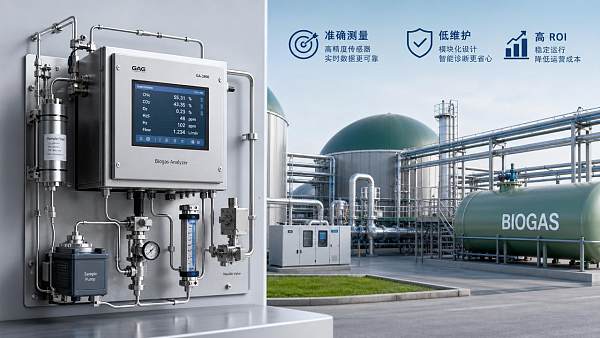
 Biogas Analyzers Market Trends: Accuracy, Maintenance, and ROIBiogas analyzers market trends: explore how accuracy, lower maintenance, and stronger ROI help energy and industrial buyers improve gas quality, uptime, and compliance.
 Safety Monitoring Systems: Common Setup Mistakes to AvoidSafety monitoring systems fail fast when setup is wrong. Discover common installation, calibration, and alarm mistakes to avoid for safer operations and more reliable monitoring.
 Industrial Testing Equipment Costs in 2026: What Drives Pricing?Industrial testing equipment costs in 2026 depend on accuracy, compliance, automation, and lifecycle service. Learn what drives pricing and how to reduce total ownership cost.
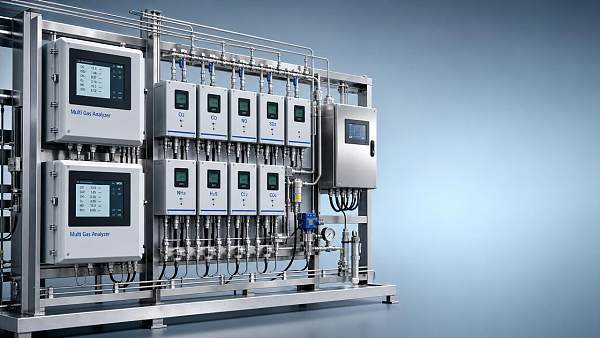
 Multi-Component Analyzers vs Single-Gas Units: Which Fits Better?Multi-component analyzers vs single-gas units: compare lifecycle cost, compliance, maintenance, and scalability to choose the best fit for safer, smarter industrial projects.
 Petrochemical Analyzers: Key Specs That Affect Safety and UptimePetrochemical analyzers directly affect safety and uptime. Learn which specs—accuracy, response time, compatibility, and maintenance—matter most for reliable plant performance.
 How to Choose Process Monitoring Instruments for Stable Plant PerformanceProcess monitoring instruments are key to stable plant performance. Learn how to choose the right devices for accuracy, compatibility, lower risk, and better efficiency.
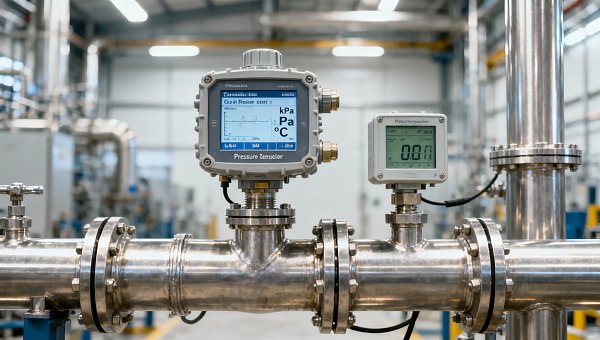
 Brazil INMETRO to Require Portuguese UI and Local Units for Industrial Instruments by 2026Brazil INMETRO mandates Portuguese UI & local units (mbar, kPa, °C) for industrial instruments by Dec 2026—key for exporters, integrators & service providers.
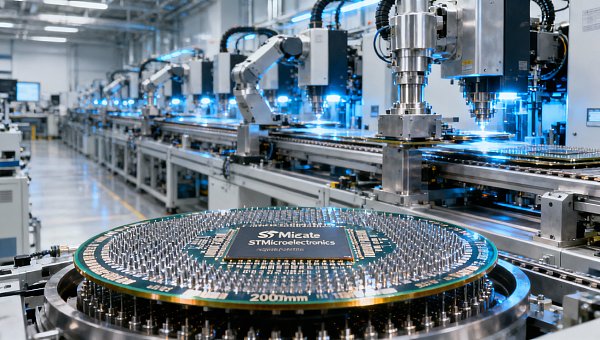
 STMicroelectronics 200mm Line Eases Industrial Sensor Chip ShortageSTMicroelectronics 200mm line eases industrial sensor chip shortage — MCUs & signal-conditioning ICs now ship in 12 weeks. Secure allocation today.
 Southeast Asia Manufacturing Re-shoring Accelerates: Vietnam/Indonesia Industrial Instrument Imports Up 37% YoYSoutheast Asia manufacturing re-shoring accelerates: Vietnam & Indonesia industrial instrument imports up 37% YoY — key insights for suppliers, OEMs & procurement teams.
 First Global White Paper on Humanoid Robot Sensor Calibration ReleasedHumanoid robot sensor calibration: First global white paper released—key for ISO/IEC JWG 23 compliance, export readiness & dynamic torque accuracy. Act now.
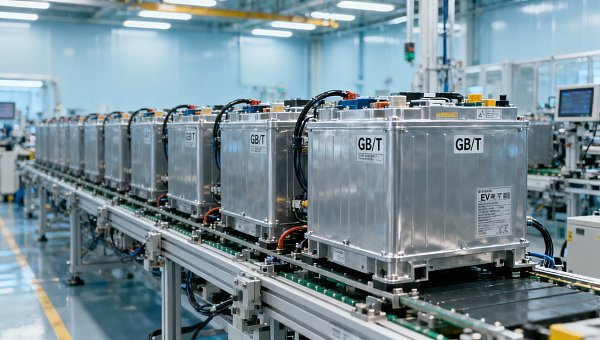
 SAMR to Upgrade EV Battery Recycling Standard to MandatorySAMR to upgrade EV battery recycling standard GB/T 34015—202X to mandatory by Dec 2026 — critical for exporters, BMS makers & cert labs.
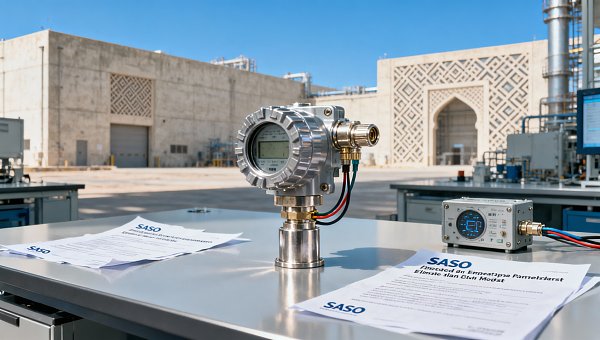
 Saudi SASO Accelerates AI Energy Efficiency Rules for TransmittersSASO AI energy efficiency rules for transmitters take effect 1 June 2026 — mandatory AI simulation, Saudi climate data, and authorized lab validation required. Act now to avoid export delays.
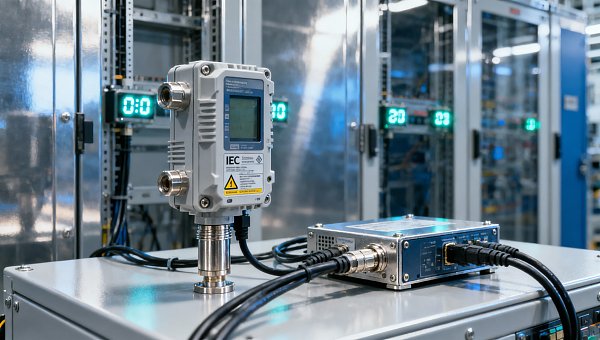
 IEC 63278:2026 Released for Industrial Instrument CybersecurityIEC 63278:2026 is live — the first global standard mandating cybersecurity verification for industrial instruments. Discover compliance impacts, deadlines, and actionable steps for OT/IT convergence.
 Red Sea Crisis Escalates: Gulf of Aden Navigation Ban Extended to June 15, 2026Red Sea Crisis escalates: Gulf of Aden navigation ban extended to June 15, 2026—disrupting industrial instrumentation shipments to the Middle East with 458% air freight spikes and 12–18 day delays.
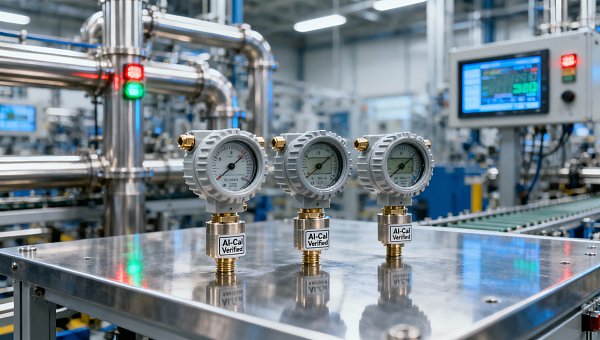
 US DOE Updates Efficiency Rules for Industrial SensorsUS DOE updates industrial sensor efficiency rules: AI-driven dynamic calibration required by Sept 2026. Ensure AI-Cal Verified compliance now.
 EU Mandates PEF Carbon Footprint Module for Industrial Instruments from June 2026EU mandates PEF carbon footprint module for industrial instruments from June 2026—key for exporters, OEMs & certifiers. Act now to ensure compliance.
 Explosion-Proof Instruments: Compliance Risks Before You OrderExplosion-proof instruments can trigger delays, failed inspections, and safety risks if compliance is overlooked. Learn what to verify before ordering and make safer, smarter purchasing decisions.
 Gas Quality Monitoring Equipment Import Rules to Watch in 2026Gas quality monitoring equipment import rules for 2026 are tightening. Learn the key compliance, certification, and customs risks distributors must manage to avoid delays and protect margins.
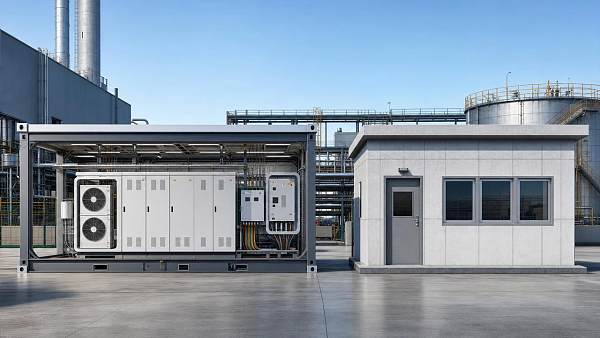
 Emission Control Shelter Demand Shifts Across Industrial ProjectsEmission control shelter demand is rising across industrial projects as buyers seek faster deployment, reliable monitoring, and compliance-ready designs. Explore key evaluation factors.
 Temperature Measurement Instruments: Selection Mistakes That Raise DowntimeTemperature measurement instruments selection mistakes can drive downtime, unstable control, and higher costs. Discover 5 common errors and practical fixes to improve reliability.
 Thermal Conductivity Analyzers: When Are They the Right Choice?Thermal conductivity analyzers are ideal for binary and high-contrast gas mixtures. Learn when they deliver reliable, low-maintenance online monitoring and smarter project value.
 Level Measurement Instruments for Tanks: What Affects ReliabilityLevel measurement instruments reliability depends on media, installation, and diagnostics. Discover what causes tank reading failures and how to improve safety, uptime, and control.
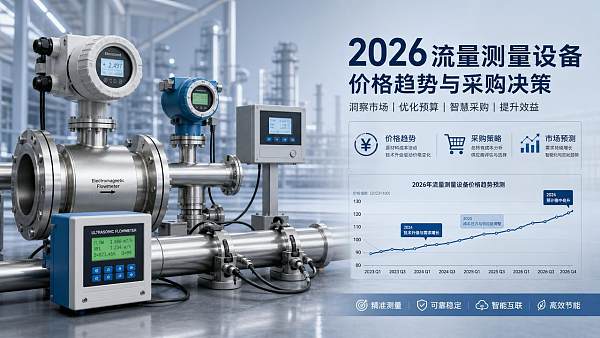
 Flow Measurement Equipment Price Trends in 2026Flow measurement equipment price trends in 2026: learn key cost drivers, budgeting risks, and smart buying strategies to improve ROI and make better procurement decisions.
 Flue Gas Monitoring Equipment: Common Accuracy Issues and FixesFlue gas monitoring equipment accuracy issues can lead to drift, false readings, and compliance risks. Discover common causes, practical fixes, and smarter maintenance tips.
 Process Control Shelter vs Control Room: Key Cost and Deployment DifferencesProcess control shelter vs control room: compare cost, deployment speed, integration, and lifecycle value to choose the smarter solution for industrial automation projects.
 How to Select an Industrial Control Shelter for Harsh Site ConditionsIndustrial control shelter selection for harsh sites: learn how to compare materials, HVAC, safety, and lifecycle cost to protect equipment, reduce downtime, and improve reliability.
 SAMR to Finalize 1,800+ Standards by 2026, Including EV Battery RecyclingSAMR to finalize 1,800+ standards by 2026—including EV battery recycling, hazardous chemical packaging & EMC immunity. Stay ahead of mandatory GB shifts and global export compliance.
 China's Largest Single-Line Large-Tow Carbon Fiber Line Starts OperationChina's largest single-line large-tow carbon fiber line is live—30,000 tons/year capacity, ASME-certified, 22% cheaper & 6-week lead time. Boost your industrial instrumentation supply chain now.







Search Categories
Search Categories
Latest Article
- Stack Gas Analyzers: When Maintenance Delays Start Raising RiskStack gas analyzers can look normal while hidden drift raises compliance, efficiency, and reliability risks. Learn the warning signs and smart maintenance checks before delays become costly.Posted by:
- Industrial Measurement Systems in Export Projects: Key Compliance ChecksIndustrial measurement systems for export projects: learn the key compliance checks for certifications, calibration, safety, and documents to avoid delays and ensure smooth delivery.Posted by:
- Pharmaceutical Instrumentation Upgrades: What to Evaluate FirstPharmaceutical instrumentation upgrades start with compliance, data integrity, uptime, and ROI. Learn what to evaluate first to reduce risk and make smarter buying decisions.Posted by:
Please give us a message
