
Which Industrial Equipment Lasts


From industrial equipment and process equipment to emission equipment and stack equipment, long service life depends on design, operating conditions, and maintenance strategy. For buyers, engineers, and operators comparing an industrial sensor, process sensor, emission sensor, or gas sensor, understanding what truly lasts is key to reducing downtime, improving compliance, and protecting long-term investment in demanding applications.
In the instrumentation industry, service life is not determined by one label or one specification sheet. A pressure transmitter installed in a clean indoor utility line may run reliably for 8–12 years, while a gas sensor exposed to corrosive flue gas, vibration, and temperature cycling may need replacement elements within 12–36 months. The real question is not simply which industrial equipment lasts longest, but which equipment lasts longest in a specific process environment.
This matters to researchers, plant operators, technical evaluators, procurement teams, quality managers, project leaders, and distributors alike. A longer-lasting instrument can reduce emergency callouts, improve data stability, support audit readiness, and lower total cost of ownership. However, selecting durable equipment requires a practical view of materials, sealing, sensor technology, maintenance access, calibration needs, and spare-part strategy.
The sections below explain what drives equipment life across industrial monitoring and control applications, how to compare different instrument categories, what warning signs shorten life expectancy, and how to build a procurement and maintenance plan that protects performance over 3, 5, or even 10 years of operation.
What “Lasts” Really Means in Industrial Instrumentation
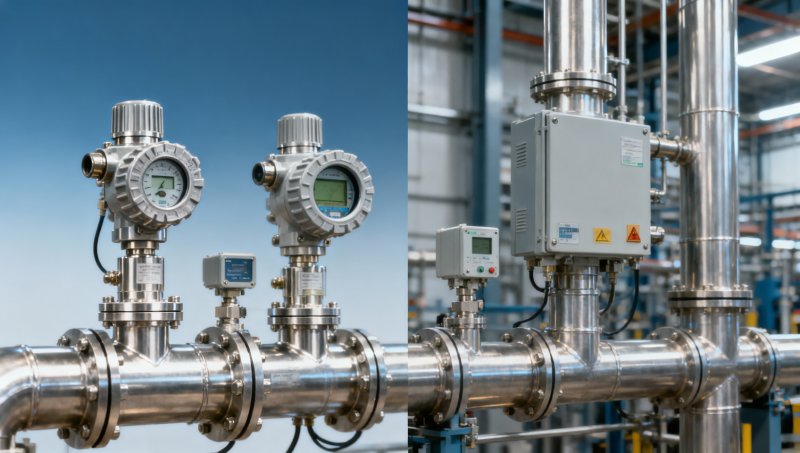
In industrial environments, durability is broader than mechanical survival. A device may still power on after 7 years, yet fail to deliver stable measurements, response speed, or compliance-grade accuracy. For instrumentation buyers, useful life should be defined by four dimensions: measurement integrity, environmental resistance, maintainability, and lifecycle support.
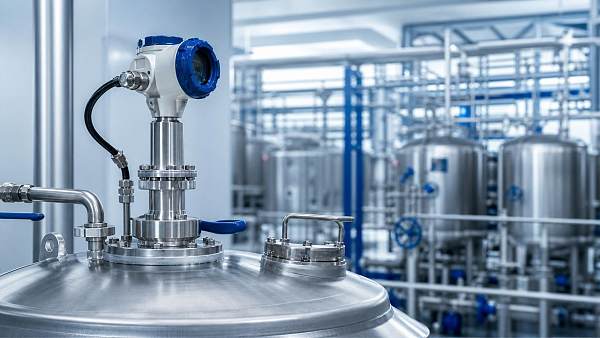
For example, a level transmitter in a water treatment plant may remain physically intact for 10 years, but if drift exceeds process tolerance after 24 months and recalibration becomes frequent, the practical service life is shorter than expected. In contrast, a well-matched industrial sensor installed within its rated pressure, temperature, and chemical compatibility window often outperforms a lower-cost alternative by 2–3 times.
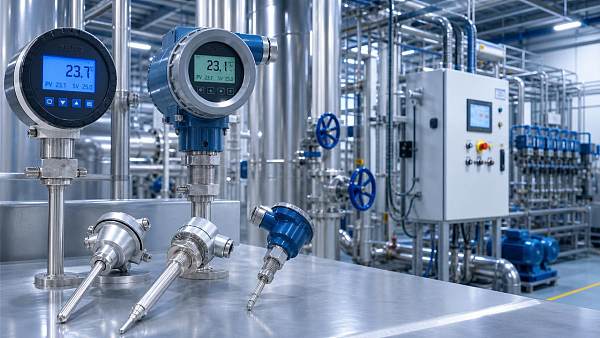
Different equipment types also age in different ways. Process equipment such as pressure, flow, and temperature instruments often fail through seal degradation, diaphragm damage, impulse line blockage, or electronics aging. Emission equipment and stack equipment face harsher risks, including condensation, acidic gas exposure, particulate loading, and thermal shock. Gas sensor life is especially sensitive to poison exposure, humidity, and calibration discipline.
Core factors that define long service life
- Correct technology selection: electrochemical, infrared, catalytic, ultrasonic, radar, and differential pressure devices each perform differently across duty cycles.
- Environmental fit: enclosure rating, wetted materials, temperature range, and vibration tolerance must match site conditions, not just the process medium.
- Maintenance accessibility: instruments requiring 15-minute routine checks often receive better upkeep than units needing 2-hour shutdown procedures.
- Support availability: replacement probes, filters, membranes, and calibration accessories should remain available for at least 5–7 years.
A practical way to assess durability is to compare expected wear mechanisms before purchase. The table below shows how common industrial instrumentation categories typically age and what users should monitor.
The key takeaway is that equipment longevity depends less on product category alone and more on fit-for-duty selection. In many projects, the most durable instrument is not the most expensive one, but the one whose sensor principle, materials, and service plan match the actual operating profile.
Which Industrial Equipment Usually Lasts Longer by Application
When teams ask which industrial equipment lasts, the answer changes by application. In stable process loops, non-contact or low-wear technologies often deliver longer lifecycles. In dirty, high-temperature, or chemically aggressive systems, rugged construction and serviceable components matter more than nominal accuracy on day one.
For level measurement, radar-based instruments often outlast mechanical floats in dusty silos, high humidity tanks, and wastewater basins because there are fewer moving parts. For flow measurement, clamp-on ultrasonic systems may avoid wear seen in intrusive meters, especially where scaling or solids are common. For temperature, mineral-insulated assemblies with suitable sheath materials usually perform better under repeated thermal stress than lower-grade probes.
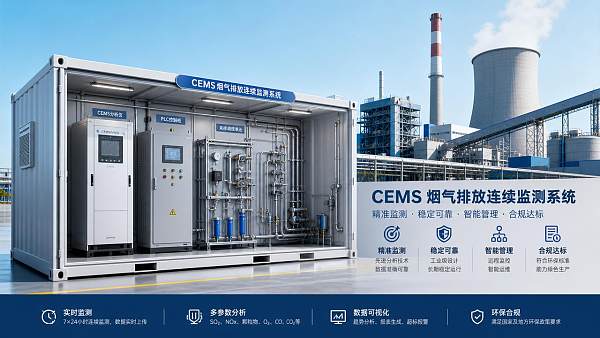
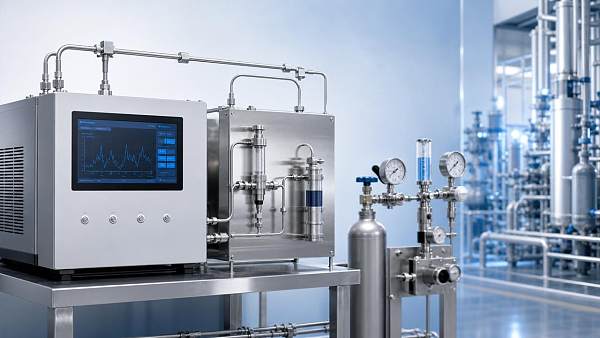
Emission sensor and stack equipment selection is more specialized. Here, not only the analyzer but also the sample probe, heated line, filters, and conditioning unit determine service life. A well-designed CEMS-related setup can hold stable performance for 4–8 years with scheduled consumable changes, while neglected systems may show reliability problems in less than 18 months.
Application-based durability comparison
The following comparison helps buyers align equipment type with expected operating stress, maintenance burden, and lifecycle value.
For procurement teams, the table highlights a useful principle: equipment with fewer moving parts, better environmental isolation, and serviceable modules usually holds value longer. Still, no design is maintenance-free. In difficult applications, a replaceable wear component is often an advantage because it extends the life of the larger system and reduces full-unit replacement costs.
Three common durability mistakes
- Choosing based on initial purchase price only, without comparing 3-year and 5-year maintenance cost.
- Using a general-purpose industrial sensor in corrosive or hazardous zones without checking enclosure, material, and certification fit.
- Assuming the analyzer determines lifetime alone, while ignoring filters, probes, cable glands, connectors, and sample conditioning parts.
In practice, the longest-lasting equipment is the system designed around the process, not just the instrument ordered from a catalog.
Design, Environment, and Maintenance: The Three Drivers of Service Life
If one industrial sensor fails in 14 months and another lasts 9 years in a similar plant, the difference usually traces back to three areas: design margin, exposure severity, and maintenance quality. A device rated to 80°C but operated at 78°C continuously has little thermal margin. A gas sensor exposed to repeated concentration spikes above its recommended range will age rapidly even if calibration records look acceptable.
Design margin includes enclosure protection, electronics separation, diaphragm or probe construction, corrosion resistance, vibration handling, and surge tolerance. In outdoor facilities, IP65 or IP67 protection may be necessary, but ingress rating alone is not enough. UV exposure, salt-laden air, freeze-thaw cycles, and cable entry sealing often decide whether field instruments remain stable after 2–5 rainy seasons.
Environment-related damage is especially common in stack equipment and emission equipment. Heated sample lines typically need steady temperature control, often around 120–180°C depending on gas composition and moisture risk. If heating is uneven, condensate forms, particulates agglomerate, and analyzers begin to drift or fail. In these cases, the shortest-lived component is often not the analyzer cell but the neglected support hardware.
Maintenance strategy that extends equipment life
- Perform visual inspection monthly for cable damage, corrosion signs, blocked ports, loose glands, and vibration-related wear.
- Schedule calibration or verification at intervals suited to process criticality, such as every 3, 6, or 12 months rather than a one-size-fits-all cycle.
- Replace consumables proactively, including filters, desiccants, membranes, electrolyte cells, and sample tubing where applicable.
- Record drift trends and alarm frequency so replacement can be planned before failure causes unplanned shutdown.
A maintenance plan should be built into project design from the start. If access requires scaffolding, confined-space permits, or shutdown coordination, missed maintenance becomes more likely. That is why service access should be treated as a lifecycle feature, not just an installation issue.
Field conditions that shorten life fastest
Across industrial manufacturing, energy, environmental monitoring, and automation projects, the fastest life-reduction factors are usually overtemperature, chemical incompatibility, moisture ingress, high particulate loading, vibration, and operator neglect. Even a robust process sensor can fail early if impulse lines are not purged, thermowells resonate, or analyzer shelters lack temperature control during summer peaks above 40°C.
For project managers and safety teams, this means durability should be reviewed during FAT, commissioning, and the first 90 days of operation. Early trend checks often reveal hidden problems such as poor grounding, pulsation, or installation geometry that could otherwise cut service life in half.
How Buyers and Engineers Should Evaluate Long-Life Equipment
A good purchasing decision balances capital cost, durability, calibration burden, spare availability, and process risk. Instead of asking only for product lifetime, buyers should request application-specific lifetime expectations. For instance, a supplier should be able to explain whether a gas sensor is expected to last 18 months, 24 months, or 36 months under the stated concentration range, humidity profile, and exposure pattern.
Technical evaluators should also separate device life from component life. In many systems, the enclosure, display, communications board, and power module may remain functional for 5–10 years, while the sensing element or sample filter is replaced periodically. This modularity can significantly improve total asset life and reduce spare inventory cost for distributors and end users.
Five evaluation dimensions before purchase
- Process fit: pressure, temperature, chemical exposure, dust, humidity, and vibration should all be documented before model selection.
- Lifecycle cost: compare initial price with annual calibration cost, consumables, downtime risk, and expected replacement frequency over 3–5 years.
- Maintainability: check whether one technician can service the unit within 15–30 minutes or whether shutdown and special tools are required.
- Integration stability: assess signal type, communication protocol, diagnostic capability, and alarm output for long-term automation compatibility.
- Service support: confirm lead times for spare parts, typical repair cycle of 7–21 days, and local or regional technical support availability.
The table below can help procurement teams score industrial equipment beyond headline specifications.
The strongest purchasing decisions come from cross-functional review. Operators understand field realities, engineers know process limits, quality teams know compliance expectations, and procurement tracks cost. When these groups align before ordering, equipment life and project performance usually improve together.
Implementation, Common Mistakes, and Lifecycle Planning
Even high-quality industrial equipment can underperform if installation and lifecycle planning are weak. A common problem is treating commissioning as the finish line. In reality, the first 30, 60, and 180 days are critical for validating signal stability, checking drift, and correcting installation issues before they become chronic failures.
For new projects, a durable implementation plan should cover specification review, mounting verification, wiring inspection, baseline calibration, operator training, and preventive maintenance scheduling. In large plants, it is wise to separate critical instruments into A, B, and C classes so maintenance frequency and spare strategy match risk level. A-class devices tied to safety, emissions, or product quality often justify closer monitoring and redundant configuration.
A practical 6-step lifecycle approach
- Define process conditions clearly, including normal range, upset range, cleaning method, and ambient exposure.
- Choose sensor technology and materials with operating margin rather than selecting at the exact process limit.
- Verify installation geometry, grounding, cable routing, sample line temperature, and maintenance access before startup.
- Set baseline data during commissioning, including zero, span, response time, and alarm status.
- Review performance after 30–90 days to detect drift, fouling, vibration effects, or abnormal alarms.
- Build a 12-month maintenance calendar with consumables, calibration windows, and spare-part reorder points.
Distributors and project leaders should also consider delivery and support timing. Typical lead times for standard instruments may range from 2–6 weeks, while specialized emission equipment, sample systems, or hazardous-area assemblies may require 6–12 weeks. If spare parts have similar lead times, keeping one critical spare for every 10–20 installed units can reduce shutdown risk.
FAQ: questions buyers and users often ask
How long should a gas sensor last in industrial use?
It depends on sensor type and exposure conditions. Electrochemical cells often serve for about 1–3 years, while some infrared sensors may last 3–5 years or more in stable environments. High humidity, poison gases, or repeated over-range exposure can shorten those numbers significantly.
Do more expensive instruments always last longer?
Not always. A premium unit installed in the wrong application can fail faster than a mid-range unit with the right materials and service access. Cost should be evaluated against lifecycle fit, not price alone.
What is the biggest mistake in emission equipment projects?
Many teams focus on the analyzer and under-specify the sample handling system. Probe blockage, poor heating control, and delayed filter changes are among the most common reasons emission equipment loses reliability before the analyzer itself reaches end of life.
How can operators extend the life of process sensors?
Keep instruments within rated range, inspect them monthly, calibrate on a realistic schedule, replace consumables before failure, and investigate small drift trends early. Preventive action taken 2–3 weeks before failure is usually far cheaper than emergency replacement during downtime.
The industrial equipment that lasts longest is the equipment selected for the real process, installed with proper margins, and maintained with discipline. In instrumentation, long service life is rarely accidental. It comes from matching sensor technology to operating conditions, protecting equipment from avoidable stress, and planning service activities over the full asset lifecycle.
Whether you are comparing an industrial sensor, process sensor, emission sensor, gas sensor, or complete stack equipment package, a strong decision should consider useful life, measurement stability, maintenance workload, spare continuity, and compliance risk together. That approach supports better uptime, safer operations, and lower total ownership cost over 3–10 years.
If you are evaluating long-life instrumentation for manufacturing, energy, environmental monitoring, laboratory, construction, or automation projects, now is the right time to review your application details and lifecycle needs. Contact us to discuss product specifics, request a tailored solution, or explore more durable monitoring and control options for your next project.
Recommended for You
 Stack Gas Analyzers: When Maintenance Delays Start Raising RiskStack gas analyzers can look normal while hidden drift raises compliance, efficiency, and reliability risks. Learn the warning signs and smart maintenance checks before delays become costly.
 Industrial Measurement Systems in Export Projects: Key Compliance ChecksIndustrial measurement systems for export projects: learn the key compliance checks for certifications, calibration, safety, and documents to avoid delays and ensure smooth delivery.
 Pharmaceutical Instrumentation Upgrades: What to Evaluate FirstPharmaceutical instrumentation upgrades start with compliance, data integrity, uptime, and ROI. Learn what to evaluate first to reduce risk and make smarter buying decisions.
 Food Processing Analyzers for Compliance and Batch ConsistencyFood processing analyzers help manufacturers improve compliance, reduce batch variation, and verify quality from raw materials to final release with faster, traceable decisions.
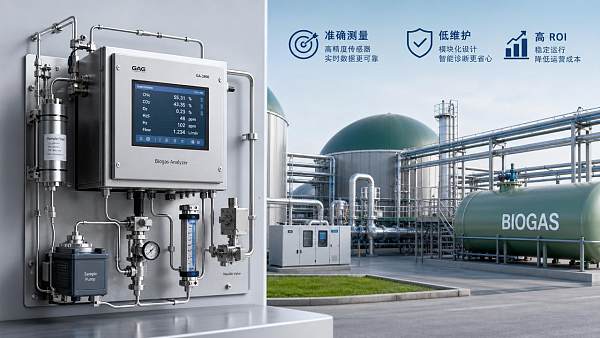
 Biogas Analyzers Market Trends: Accuracy, Maintenance, and ROIBiogas analyzers market trends: explore how accuracy, lower maintenance, and stronger ROI help energy and industrial buyers improve gas quality, uptime, and compliance.
 Safety Monitoring Systems: Common Setup Mistakes to AvoidSafety monitoring systems fail fast when setup is wrong. Discover common installation, calibration, and alarm mistakes to avoid for safer operations and more reliable monitoring.
 Industrial Testing Equipment Costs in 2026: What Drives Pricing?Industrial testing equipment costs in 2026 depend on accuracy, compliance, automation, and lifecycle service. Learn what drives pricing and how to reduce total ownership cost.
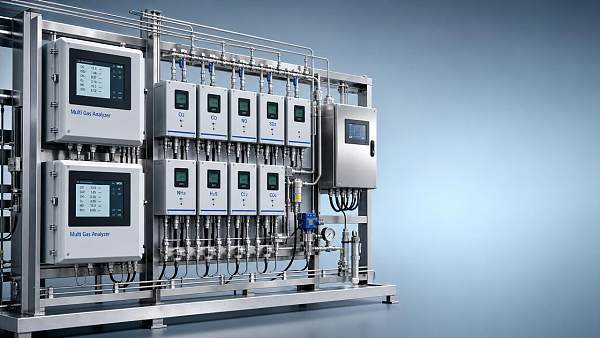
 Multi-Component Analyzers vs Single-Gas Units: Which Fits Better?Multi-component analyzers vs single-gas units: compare lifecycle cost, compliance, maintenance, and scalability to choose the best fit for safer, smarter industrial projects.
 Petrochemical Analyzers: Key Specs That Affect Safety and UptimePetrochemical analyzers directly affect safety and uptime. Learn which specs—accuracy, response time, compatibility, and maintenance—matter most for reliable plant performance.
 How to Choose Process Monitoring Instruments for Stable Plant PerformanceProcess monitoring instruments are key to stable plant performance. Learn how to choose the right devices for accuracy, compatibility, lower risk, and better efficiency.
 Brazil INMETRO to Require Portuguese UI and Local Units for Industrial Instruments by 2026Brazil INMETRO mandates Portuguese UI & local units (mbar, kPa, °C) for industrial instruments by Dec 2026—key for exporters, integrators & service providers.
 STMicroelectronics 200mm Line Eases Industrial Sensor Chip ShortageSTMicroelectronics 200mm line eases industrial sensor chip shortage — MCUs & signal-conditioning ICs now ship in 12 weeks. Secure allocation today.
 Southeast Asia Manufacturing Re-shoring Accelerates: Vietnam/Indonesia Industrial Instrument Imports Up 37% YoYSoutheast Asia manufacturing re-shoring accelerates: Vietnam & Indonesia industrial instrument imports up 37% YoY — key insights for suppliers, OEMs & procurement teams.
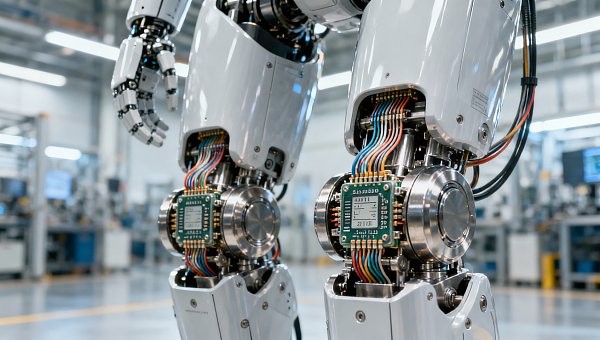
 First Global White Paper on Humanoid Robot Sensor Calibration ReleasedHumanoid robot sensor calibration: First global white paper released—key for ISO/IEC JWG 23 compliance, export readiness & dynamic torque accuracy. Act now.
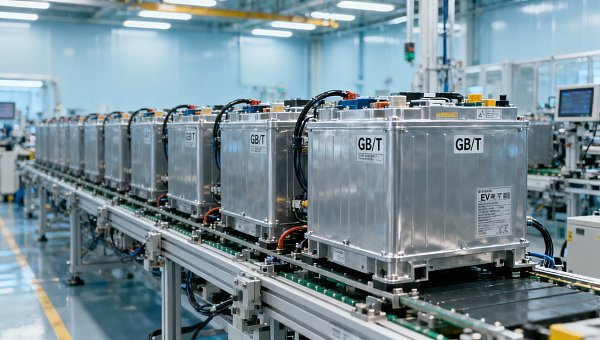
 SAMR to Upgrade EV Battery Recycling Standard to MandatorySAMR to upgrade EV battery recycling standard GB/T 34015—202X to mandatory by Dec 2026 — critical for exporters, BMS makers & cert labs.
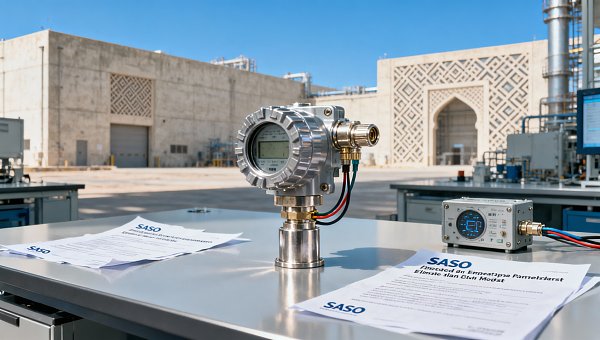
 Saudi SASO Accelerates AI Energy Efficiency Rules for TransmittersSASO AI energy efficiency rules for transmitters take effect 1 June 2026 — mandatory AI simulation, Saudi climate data, and authorized lab validation required. Act now to avoid export delays.
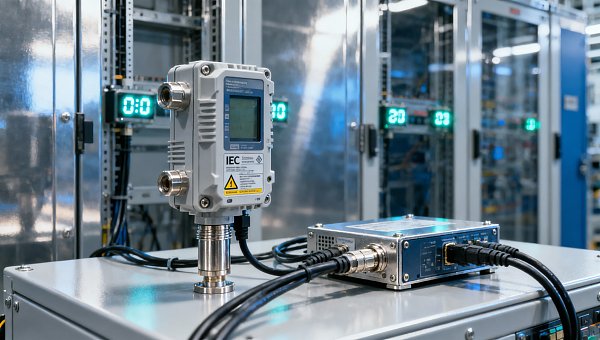
 IEC 63278:2026 Released for Industrial Instrument CybersecurityIEC 63278:2026 is live — the first global standard mandating cybersecurity verification for industrial instruments. Discover compliance impacts, deadlines, and actionable steps for OT/IT convergence.
 Red Sea Crisis Escalates: Gulf of Aden Navigation Ban Extended to June 15, 2026Red Sea Crisis escalates: Gulf of Aden navigation ban extended to June 15, 2026—disrupting industrial instrumentation shipments to the Middle East with 458% air freight spikes and 12–18 day delays.
 US DOE Updates Efficiency Rules for Industrial SensorsUS DOE updates industrial sensor efficiency rules: AI-driven dynamic calibration required by Sept 2026. Ensure AI-Cal Verified compliance now.
 EU Mandates PEF Carbon Footprint Module for Industrial Instruments from June 2026EU mandates PEF carbon footprint module for industrial instruments from June 2026—key for exporters, OEMs & certifiers. Act now to ensure compliance.
 Explosion-Proof Instruments: Compliance Risks Before You OrderExplosion-proof instruments can trigger delays, failed inspections, and safety risks if compliance is overlooked. Learn what to verify before ordering and make safer, smarter purchasing decisions.
 Gas Quality Monitoring Equipment Import Rules to Watch in 2026Gas quality monitoring equipment import rules for 2026 are tightening. Learn the key compliance, certification, and customs risks distributors must manage to avoid delays and protect margins.
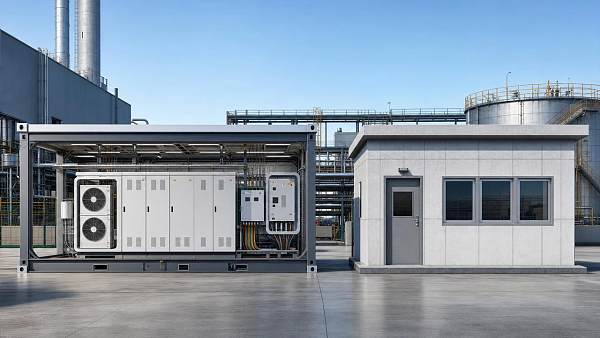
 Emission Control Shelter Demand Shifts Across Industrial ProjectsEmission control shelter demand is rising across industrial projects as buyers seek faster deployment, reliable monitoring, and compliance-ready designs. Explore key evaluation factors.
 Temperature Measurement Instruments: Selection Mistakes That Raise DowntimeTemperature measurement instruments selection mistakes can drive downtime, unstable control, and higher costs. Discover 5 common errors and practical fixes to improve reliability.
 Thermal Conductivity Analyzers: When Are They the Right Choice?Thermal conductivity analyzers are ideal for binary and high-contrast gas mixtures. Learn when they deliver reliable, low-maintenance online monitoring and smarter project value.
 Level Measurement Instruments for Tanks: What Affects ReliabilityLevel measurement instruments reliability depends on media, installation, and diagnostics. Discover what causes tank reading failures and how to improve safety, uptime, and control.
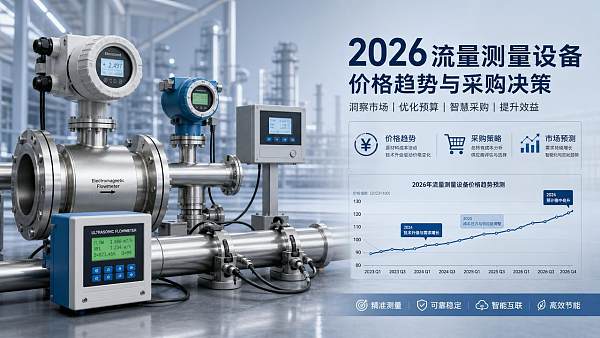
 Flow Measurement Equipment Price Trends in 2026Flow measurement equipment price trends in 2026: learn key cost drivers, budgeting risks, and smart buying strategies to improve ROI and make better procurement decisions.
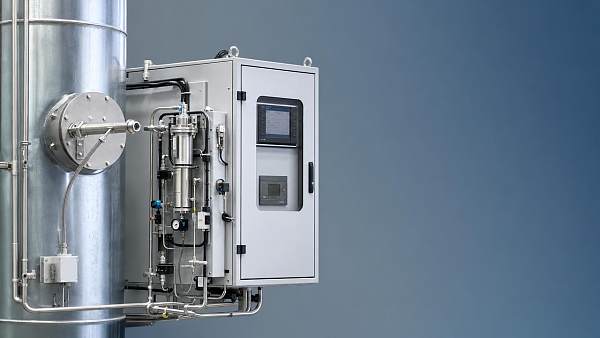
 Flue Gas Monitoring Equipment: Common Accuracy Issues and FixesFlue gas monitoring equipment accuracy issues can lead to drift, false readings, and compliance risks. Discover common causes, practical fixes, and smarter maintenance tips.
 Process Control Shelter vs Control Room: Key Cost and Deployment DifferencesProcess control shelter vs control room: compare cost, deployment speed, integration, and lifecycle value to choose the smarter solution for industrial automation projects.
 How to Select an Industrial Control Shelter for Harsh Site ConditionsIndustrial control shelter selection for harsh sites: learn how to compare materials, HVAC, safety, and lifecycle cost to protect equipment, reduce downtime, and improve reliability.
 SAMR to Finalize 1,800+ Standards by 2026, Including EV Battery RecyclingSAMR to finalize 1,800+ standards by 2026—including EV battery recycling, hazardous chemical packaging & EMC immunity. Stay ahead of mandatory GB shifts and global export compliance.
 China's Largest Single-Line Large-Tow Carbon Fiber Line Starts OperationChina's largest single-line large-tow carbon fiber line is live—30,000 tons/year capacity, ASME-certified, 22% cheaper & 6-week lead time. Boost your industrial instrumentation supply chain now.




Search Categories
Search Categories
Latest Article
- Stack Gas Analyzers: When Maintenance Delays Start Raising RiskStack gas analyzers can look normal while hidden drift raises compliance, efficiency, and reliability risks. Learn the warning signs and smart maintenance checks before delays become costly.Posted by:
- Industrial Measurement Systems in Export Projects: Key Compliance ChecksIndustrial measurement systems for export projects: learn the key compliance checks for certifications, calibration, safety, and documents to avoid delays and ensure smooth delivery.Posted by:
- Pharmaceutical Instrumentation Upgrades: What to Evaluate FirstPharmaceutical instrumentation upgrades start with compliance, data integrity, uptime, and ROI. Learn what to evaluate first to reduce risk and make smarter buying decisions.Posted by:
Please give us a message
