
Why Gas Concentration Analyzer Results Drift


Gas concentration analyzer results can drift over time, affecting oxygen measurement, emissions compliance, and process reliability. Whether you use a combustion analyzer, process gas analyzer, monitoring analyzer, emission analyzer, or Multi Component Gas Analyzer in an analyzer shelter, understanding why drift happens is essential for operators, maintenance teams, buyers, and decision-makers who need accurate data, safer operations, and lower long-term costs.
In instrumentation-heavy industries, drift is not a minor calibration nuisance. It can influence burner tuning, environmental reporting, process control stability, and maintenance planning across manufacturing plants, power stations, laboratories, and online monitoring systems. For users and operators, drift means unreliable readings. For quality and safety teams, it can create hidden compliance and risk exposure. For procurement and financial approvers, it often leads to higher lifecycle cost than the initial equipment price suggests.
A practical understanding of drift helps different stakeholders make better decisions. Operators need to identify unstable readings before they affect production. Maintenance teams need to trace root causes quickly. Project managers need to design proper sampling, shelter, and calibration arrangements. Buyers and executives need to compare analyzer platforms not just by purchase cost, but by long-term stability, service burden, and operational impact over 3–5 years.
What analyzer drift really means in industrial gas measurement
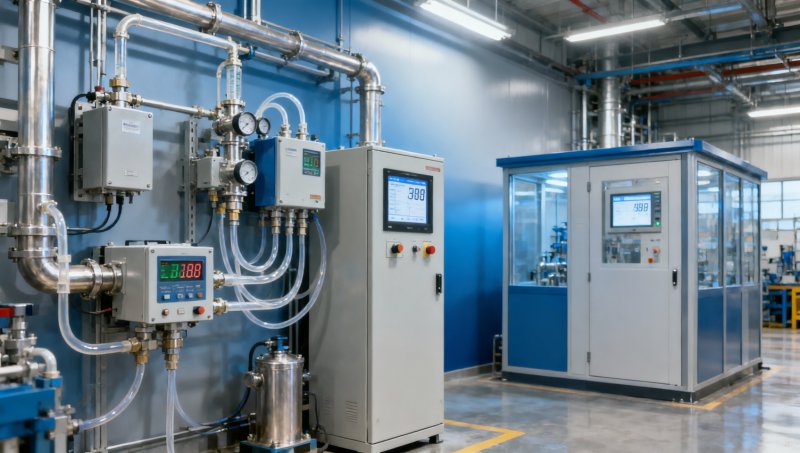
Analyzer drift is the gradual deviation between the measured gas value and the true gas concentration over time. In real operations, this may appear as a slow offset, a span change, intermittent instability, or a baseline shift after startup. A gas concentration analyzer can still display smooth numbers while being wrong by 0.5%, 2%, or more, depending on the sensor principle, sample condition, and calibration interval.
The impact of drift depends on the application. In oxygen measurement for combustion efficiency, even a 0.2% to 0.5% O2 deviation can influence excess air control. In emissions monitoring, small drift in SO2, NOx, CO, or CO2 channels may affect reporting confidence and corrective action timing. In process analysis, inaccurate concentration data can change dosing, purge logic, inerting decisions, or product quality targets.
Different analyzer technologies drift in different ways. Paramagnetic oxygen analyzers, zirconia oxygen analyzers, NDIR infrared gas analyzers, TCD-based systems, electrochemical cells, and multi-component platforms each have their own sensitivity to temperature, contamination, aging, vibration, and gas matrix changes. That is why a stable analyzer system is not only about the sensor core, but also about the full measurement chain.
From a B2B management perspective, drift should be viewed in three layers: measurement accuracy, intervention frequency, and total operating cost. An analyzer that requires zero/span checks every 7 days may be acceptable in a lab, but expensive in a remote field installation. An online analyzer with a 30–90 day stable interval may reduce labor significantly, especially when multiple shelters or process lines are involved.
How drift shows up in day-to-day operations
Operators usually notice drift through indirect signals before formal calibration confirms it. Typical signs include repeated mismatch against handheld test instruments, unexplained process control corrections, increased alarm frequency, longer stabilization time after startup, or disagreement between redundant analyzers on the same line.
- A baseline that moves after 15–30 minutes of warm-up instead of settling quickly.
- A span value that shifts beyond the accepted plant tolerance, such as ±1% of full scale.
- Frequent manual recalibration becoming necessary every 1–2 weeks.
- A clear gap between analyzer readings and process expectations during stable operating loads.
These symptoms often lead teams to blame the analyzer first, but in many cases the root cause lies in the sampling system, shelter environment, or maintenance discipline rather than the detector itself.
The main causes of gas concentration analyzer drift
Drift rarely has a single cause. In industrial instrumentation, it usually comes from a combination of sensor aging, sample contamination, thermal instability, pressure changes, calibration gas handling issues, and installation design limitations. Understanding these drivers is critical because the corrective action for one cause may not solve another.
Sensor aging is one of the most common factors. Electrochemical cells gradually consume reactive material. Infrared components can experience optical path contamination or detector aging. Zirconia elements may degrade with thermal cycling and exposure to unsuitable gas compositions. Depending on operating severity, some sensing elements remain stable for 12–24 months, while others need earlier replacement in dusty, wet, or corrosive service.
The sampling system is another major source of drift. If the sample line allows moisture condensation, particulate build-up, hydrocarbon deposition, or pressure pulsation, the gas reaching the analyzer is no longer representative. A 3-meter heated line and a 30-meter unheated line may deliver very different sample quality, especially when ambient temperature swings from 5°C to 35°C over a shift.
Environmental conditions inside an analyzer shelter also matter. High humidity, poor ventilation, power fluctuations, and unstable shelter temperature can alter electronics and measurement response. Many analyzers perform best within a controlled temperature band such as 20°C to 25°C or at least within a broader but stable range like 15°C to 30°C. Frequent thermal cycling tends to accelerate zero and span movement.
Technical causes and their field symptoms
The table below helps maintenance teams, project engineers, and buyers link common drift causes to what they see in practice and what action is usually required.
A key takeaway is that at least 4 separate subsystems can create apparent analyzer drift: the sensing module, sample system, utility conditions, and calibration method. Replacing the analyzer without fixing upstream causes often repeats the same problem within 30–60 days.
Installation and operating mistakes that worsen drift
Many drift problems begin during project execution rather than during normal use. Analyzer selection may be correct on paper, but poor implementation reduces stability quickly.
- Using unsuitable sample tubing material for corrosive, wet, or adsorptive gases.
- Locating the analyzer too far from the sample point, increasing lag and contamination risk.
- Skipping pressure control when process pressure varies over a broad range.
- Applying a generic calibration interval instead of one based on actual drift history.
- Allowing maintenance teams to mix regulators, tubing, or calibration gases across unlike analyzers.
For project managers and engineering leaders, these issues highlight why analyzer performance should be reviewed during design, commissioning, and the first 90 days of operation, not only at factory acceptance.
How drift affects compliance, safety, quality, and cost
Drift creates consequences far beyond the instrument panel. In combustion control, oxygen analyzer drift can push a system into excess air or insufficient air conditions, reducing efficiency or increasing CO generation. In emission monitoring, unreliable gas values may trigger avoidable investigations, retesting, or process interruptions. In safety applications, delayed recognition of low oxygen or hazardous gas buildup can affect personnel protection and permit decisions.
Quality managers should pay special attention when analyzer data is used for batch release, process confirmation, or environmental traceability. A reading error that appears small on a display can become significant when it affects a critical threshold, such as an oxygen limit for inerting, a CO2 level for fermentation control, or a NOx trend used to optimize combustion. Drift also complicates root-cause analysis because historical data becomes less trustworthy.
For finance and procurement teams, the most important point is that analyzer drift often converts into hidden operating expense. These costs include extra calibration gas consumption, technician callouts, unplanned spare parts, higher labor hours, repeated process adjustment, and potential downtime. A lower-priced analyzer may become more expensive over 24–36 months if it requires frequent intervention.
Decision-makers therefore need to evaluate drift as a total cost variable. The correct question is not only “What is the analyzer price?” but “How many service events, calibration cycles, and production disturbances will this analyzer create over its lifecycle?” That view is especially important where one analyzer shelter may host 4, 8, or 12 channels.
Typical business impact by stakeholder group
The following comparison shows why drift matters differently across the organization, even when the instrument issue appears technical at first glance.
This comparison makes procurement evaluation more concrete. A drift-resistant analyzer platform may justify a higher upfront budget when it lowers intervention frequency, reduces compliance exposure, and protects process continuity.
A practical rule for budget reviews
If a gas concentration analyzer requires technician intervention more than once per month in a normal online application, teams should review whether the problem is due to technology mismatch, sample conditioning weakness, or an avoidable installation issue. In many plants, reducing even 1 maintenance visit per analyzer per month can produce measurable annual savings when labor, travel, and shutdown coordination are included.
How to reduce drift through better selection, calibration, and maintenance
Reducing drift starts with matching analyzer technology to the gas composition, operating environment, and maintenance capability of the site. A high-precision method that performs well in a controlled laboratory may not be the best choice for dusty, wet, high-vibration industrial service. Buyers should compare not only analytical performance, but also tolerance to contamination, warm-up time, spare part cycle, and field service complexity.
Calibration strategy should also reflect real plant conditions. Some analyzers can run with a 30-day verification cycle, while others in harsher service may require checks every 7 or 14 days until drift behavior is understood. The best practice is to begin with a conservative interval, trend zero and span movement for 2–3 months, then optimize frequency based on evidence rather than habit.
Preventive maintenance of the sample conditioning system is often more valuable than repeated analyzer recalibration. Filters, pumps, condensate traps, regulators, flowmeters, and heated lines should be inspected on a schedule tied to process contamination risk. In many installations, replacing a low-cost filter element on time prevents a much higher cost event in the analyzer module.
Training matters as much as hardware. Operators should know how long purge time is required before calibration, how to recognize pressure-related error, and when a reading problem indicates sample system trouble rather than sensor failure. A simple 5-step troubleshooting procedure can cut unnecessary part replacement and speed recovery.
Selection and maintenance checklist
- Confirm gas composition, cross-sensitivity, moisture load, dust load, and pressure range before selecting the analyzer method.
- Check whether the application needs heated sampling, fast loop design, pretreatment, or analyzer shelter temperature control.
- Define calibration gas concentration, purity, regulator compatibility, and purge time, often 3–10 minutes depending on volume and line length.
- Set documented maintenance points for filters, tubing, drains, pumps, and zero/span verification.
- Trend drift monthly and compare maintenance cost per analyzer over at least 6 months.
What buyers should compare before approval
When comparing analyzer proposals, procurement teams should ask suppliers for practical service indicators rather than generic claims. Useful questions include expected calibration interval under normal service, typical replacement cycle for sensing components, recommended utility conditions, time required for restart stabilization, and whether remote diagnostics or modular replacement are available.
A more stable analyzer system often includes better sampling design, clearer maintenance access, stronger environmental protection, and more transparent spare parts planning. These factors are especially relevant for large plants, multi-line processes, or remote installations where each extra service action carries substantial indirect cost.
FAQ: practical questions from operators, engineers, and buyers
The questions below reflect common concerns seen in industrial instrumentation projects, especially where gas concentration analyzers are tied to process control, emissions monitoring, or analyzer shelter systems.
How often should a gas concentration analyzer be calibrated?
There is no single interval for every application. A practical starting point is every 7–30 days depending on analyzer type, process severity, and compliance requirements. New installations should be checked more frequently during the first 4–8 weeks to establish a drift trend. Once zero and span movement are stable, the interval can often be optimized without increasing risk.
Can drift be caused by the sample system rather than the analyzer itself?
Yes, very often. In field conditions, moisture, leaks, pressure fluctuation, dead volume, clogged filters, and poor tubing layout are common causes of unstable or inaccurate readings. If repeated calibration does not hold, teams should inspect the sample path from extraction point to analyzer inlet before replacing the measurement module.
What should procurement focus on besides purchase price?
Focus on 4 areas: drift stability, maintenance frequency, spare part cycle, and service accessibility. A lower initial price can become less competitive if the analyzer needs weekly attention, special consumables, or long downtime for part replacement. Lifecycle cost over 2–5 years is usually a better approval basis than equipment price alone.
When is drift serious enough to justify system redesign?
If the analyzer repeatedly fails to stay within the plant’s accepted error band after proper calibration, or if intervention is required more than the operation can reasonably support, redesign should be considered. Common redesign triggers include long sample transport distance, uncontrolled shelter temperature, wrong analyzer technology for the gas matrix, or inadequate sample conditioning for wet or dirty gas.
Gas concentration analyzer drift is a technical issue with direct operational and financial consequences. The most effective response is not simply more calibration, but a complete review of analyzer technology, sampling design, environmental control, maintenance practice, and lifecycle cost. For operators, that means more reliable readings. For safety and quality teams, it means stronger control and traceability. For buyers and decision-makers, it means better long-term value from instrumentation investments.
If you are evaluating a combustion analyzer, process gas analyzer, emission analyzer, monitoring analyzer, or Multi Component Gas Analyzer for industrial use, now is the right time to review drift risk before it turns into avoidable downtime and hidden cost. Contact us to discuss your application, get a tailored analyzer configuration, or learn more about stable gas analysis solutions for your process and monitoring needs.
Recommended for You
 C2H5OH Concentration Analyzer: Key Checks Before Import OrdersC2H5OH concentration analyzer import guide: check specs, calibration, compliance, and supplier support before ordering to reduce risk and choose the right analyzer with confidence.
 2026 Market Trends for C4H10 Concentration Analyzers in Process IndustriesC4H10 concentration analyzer market trends for 2026: discover how smarter, connected analyzers help process industries improve safety, compliance, uptime, and ROI.
 Common Safety Gaps When Using a C6H6 Concentration AnalyzerC6H6 concentration analyzer safety gaps can distort readings and delay hazard response. Learn the most common risks, practical fixes, and smarter deployment tips across industrial, lab, and environmental use.
 C7H8 Concentration Analyzer Price Trends in 2026: What Shapes CostC7H8 concentration analyzer price trends in 2026 depend on sensors, compliance, calibration, integration, and service. See what really shapes total cost before you approve a budget.
 How to Choose a C8H10 Concentration Analyzer for Stable VOC MonitoringC8H10 concentration analyzer selection guide for stable VOC monitoring. Learn how to compare performance, technology, drift, and application fit for reliable results.
 Guangdong Launches 3-Year Service Trade Plan to Boost Instrument Exports via AI and HarmonyOSGuangdong's 3-year service trade plan boosts instrument exports via AI optimization & HarmonyOS—key for ASEAN/Latin America market access. Act now.
 China-Pakistan MOU Opens Faster Certification Path for Instruments in South AsiaChina-Pakistan MOU accelerates instrument certification in South Asia—faster CCC acceptance, mutual lab recognition & Islamabad testing hub for pressure gauges, flow meters, environmental monitors.
 Gold Futures Surge 1.1%; Overseas Orders for Precious Metals Analyzers Rise 35%Gold futures surge 1.1% — driving 35% rise in overseas orders for precious metals analyzers like XRF & ICP-MS. Discover key market impacts & compliance insights.
 EU Industrial Accelerator Act Enforces 70% Local Sourcing for InstrumentsEU Industrial Accelerator Act enforces 70% local sourcing for instruments—key implications for exporters, suppliers & integrators. Act now.
 China Imposes Full Export Ban on Dual-Use Items to Japanese Military End UsersChina's dual-use export ban to Japanese military users takes effect Jan 6, 2026—impacting rare earth, semiconductor & precision manufacturing supply chains. Act now.
 Where C3H8 Concentration Analyzers Fit in 2026 Industrial Emissions MonitoringC3H8 concentration analyzer solutions are reshaping 2026 industrial emissions monitoring with better compliance, safer propane control, and smarter efficiency insights. Learn where they fit.
 B2H6 Concentration Analyzer Import and Export Updates for 2026 Compliance PlanningB2H6 concentration analyzer import and export updates for 2026: explore compliance risks, documentation priorities, and planning tips to reduce delays and support smarter cross-border decisions.
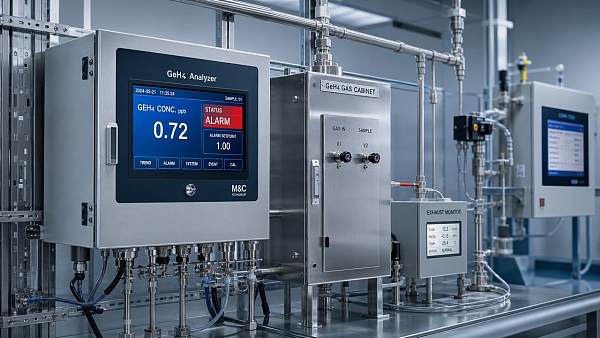
 GeH4 Concentration Analyzer Safety Risks and Detection Limits in Semiconductor UseGeH4 concentration analyzer safety risks, alarm strategy, and detection limits for semiconductor use. Learn how to reduce exposure risk, improve process stability, and choose the right monitoring solution.
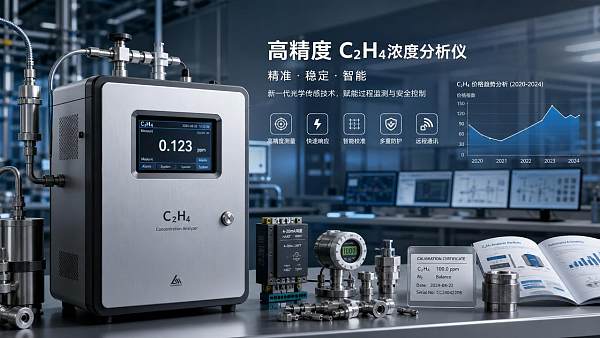
 C2H4 Concentration Analyzer Price Trends in 2026: What Is Driving Cost ChangesC2H4 concentration analyzer price trends in 2026 explained: discover key cost drivers, procurement risks, and smart buying tips to balance budget, compliance, and long-term value.
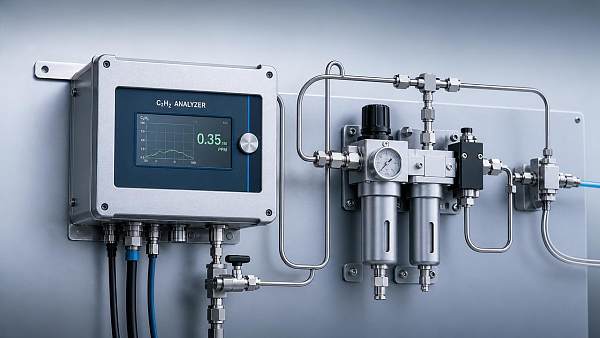
 How to Compare C2H2 Concentration Analyzer Accuracy in Industrial Gas MonitoringC2H2 concentration analyzer accuracy matters beyond the datasheet. Learn how to compare drift, calibration, interference, and field reliability for safer industrial gas monitoring.
![]() SiH4 Concentration Analyzer Import Rules to Watch in 2026SiH4 concentration analyzer import rules are tightening in 2026. Learn the key documents, compliance checks, and procurement tips to avoid delays and speed project delivery.
SiH4 Concentration Analyzer Import Rules to Watch in 2026SiH4 concentration analyzer import rules are tightening in 2026. Learn the key documents, compliance checks, and procurement tips to avoid delays and speed project delivery. HF Concentration Analyzer Demand Shifts Across Key IndustriesHF concentration analyzer demand is shifting across chemical, refining, environmental, and advanced manufacturing sectors—learn what drives safer control, compliance, and precision upgrades.
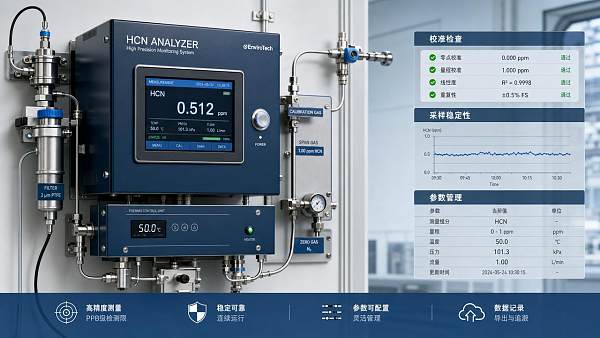
 Common HCN Concentration Analyzer Mistakes in Daily OperationHCN concentration analyzer daily mistakes can quietly damage accuracy and uptime. Learn common errors, practical checks, and smart operating tips to improve reliability.
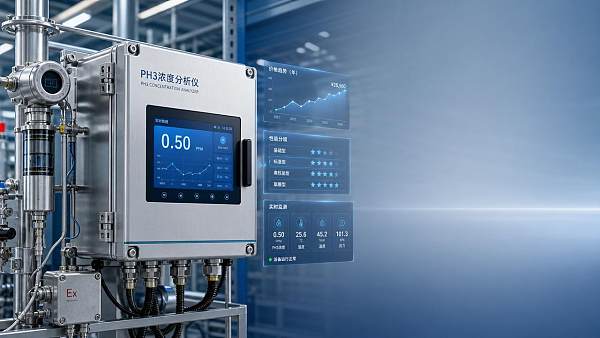
 PH3 Concentration Analyzer Price Trends in 2026PH3 concentration analyzer price trends in 2026 reveal what really drives cost, compliance, and performance. Explore key buying factors to compare quotes smarter and reduce total ownership risk.
 How to Choose an AsH3 Concentration Analyzer for Trace Gas SafetyAsH3 concentration analyzer selection starts with the right application context. Learn how to compare response, interference, integration, and lifecycle fit for safer trace gas monitoring.
 Released") China's Business Environment Report (2026) ReleasedChina's Business Environment Report (2026) reveals 92% digital CMA/CNAS coverage—cutting export test report time to 15 days. Boost CE, UKCA & UL certification for pressure gauges, thermostats & analyzers.
China's Business Environment Report (2026) ReleasedChina's Business Environment Report (2026) reveals 92% digital CMA/CNAS coverage—cutting export test report time to 15 days. Boost CE, UKCA & UL certification for pressure gauges, thermostats & analyzers. US MMA Tank Incident Triggers Regional Safety UpgradesUS MMA tank incident sparks urgent demand for VOCs monitoring, toxic gas modeling & intrinsically safe transmitters across LATAM and SEA.
 NDRC Expands Energy-Saving and Carbon-Reduction Oversight to Dyeing, Chemical Fibers, and PapermakingNDRC expands energy-saving & carbon-reduction oversight to dyeing, chemical fibers, and papermaking—boosting demand for COD/NH₃-N analyzers, VOCs monitors, and CEMS systems.
 MIIT Sets 2026 Energy-Saving Inspection Targets for High-Energy ChemicalsMIIT Sets 2026 Energy-Saving Inspection Targets for High-Energy Chemicals—urgent demand surges for certified pH meters, gas analyzers & explosion-proof controllers.
 MOFCOM: FDI in China Down 10.3% Jan–Apr 2026, but Manufacturing Up 12.1%FDI in China fell 10.3% Jan–Apr 2026—but manufacturing FDI surged 12.1%, led by high-tech sectors. Discover what this means for precision metrology, sensors & calibration providers.
 PBOC Conducts 600-Billion-Yuan MLF Operation, Boosting RMB Stability for Testing Equipment ExportsPBOC's 600-billion-yuan MLF operation boosts RMB stability—key for NDT equipment exporters using LC/DA terms. Reduce FX risk, optimize hedging & improve cash flow planning now.
 EU Steel Strategy Upgrade: CBAM Expansion to Machinery & InstrumentsEU Steel Strategy Upgrade expands CBAM to machinery & instruments (HS 84/90) — LCA data mandatory from 1 July 2026. Act now to avoid delays & ensure compliance.
 Global EV Energy Consumption Standard to Take Effect Oct 1, 2026Global EV Energy Consumption Standard (GTR No. 22) takes effect Oct 1, 2026 — learn how it reshapes battery testing, certification & supply chains worldwide.
 WTO Report Shows Strong Global Trade, Easing Export Pressure for Industrial Monitoring DevicesIndustrial monitoring devices exporters benefit as WTO reports 4.2% global trade growth—easing export pressure, improving delivery predictability & cash flow.
 South Korea MFDS Revises Food Contact Materials StandardsSouth Korea MFDS revises food contact materials standards: new nickel/chromium migration limits & NIAS verification—critical for lab instrument exporters and compliance providers.
 Brazil to Eliminate Import Duties on Cross-Border E-Commerce Orders Under USD 50Brazil to eliminate import duties on cross-border e-commerce orders under USD 50—key for portable testing instruments exporters targeting Mercado Livre & DIY buyers.
 New AI Agent Guidelines Impact Smart Inspection Device ExportsAI Agent Guidelines impact smart inspection device exports—learn how new China AI safety rules affect EU, US & Middle East market access.



Search Categories
Search Categories
Latest Article
- C2H5OH Concentration Analyzer: Key Checks Before Import OrdersC2H5OH concentration analyzer import guide: check specs, calibration, compliance, and supplier support before ordering to reduce risk and choose the right analyzer with confidence.Posted by:
- 2026 Market Trends for C4H10 Concentration Analyzers in Process IndustriesC4H10 concentration analyzer market trends for 2026: discover how smarter, connected analyzers help process industries improve safety, compliance, uptime, and ROI.Posted by:
- Common Safety Gaps When Using a C6H6 Concentration AnalyzerC6H6 concentration analyzer safety gaps can distort readings and delay hazard response. Learn the most common risks, practical fixes, and smarter deployment tips across industrial, lab, and environmental use.Posted by:
Please give us a message
