
Zone 2 Analyzer Applications: Where It Fits and Where It Does Not


Selecting a zone 2 analyzer requires more than checking hazardous-area compliance. For technical evaluators, the real question is where this equipment delivers reliable performance, cost efficiency, and process value—and where alternative solutions make more sense. This article outlines the practical applications, operating boundaries, and decision factors that determine whether a zone 2 analyzer is the right fit.
Why a checklist-based evaluation works better than a basic compliance review
For technical assessment teams, a zone 2 analyzer is rarely judged on certification alone. In real projects, the equipment must also match process criticality, sampling conditions, maintenance resources, installation constraints, and total lifecycle cost. A unit that is fully suitable for one gas monitoring point may be a poor fit for another location in the same facility.
That is why a checklist approach is practical. It helps evaluators move from a simple “approved for hazardous area” decision to a more useful question set: Does the analyzer support stable measurements in this environment? Can it be serviced without excessive shutdown risk? Is the enclosure, purge concept, or sample system aligned with field reality? And just as important, is a zone 2 analyzer actually necessary, or would a safe-area installation with a sample conditioning loop be more robust?
In instrumentation projects across manufacturing, energy, environmental monitoring, and industrial automation, these questions determine whether the chosen analyzer improves plant visibility or creates avoidable complexity.
Start with the core fit-check: the five questions to confirm first
- Is the measurement point truly located in a Zone 2 hazardous area, and is that classification stable over time rather than temporary or poorly documented?
- Does the process require near-point analysis for response time, or can the sample be safely transported to a non-hazardous analyzer shelter?
- Will the zone 2 analyzer face contaminants, vibration, humidity, temperature swings, or corrosive exposure that reduce sensor life or calibration stability?
- Can maintenance personnel access the instrument safely and frequently enough to support calibration, filter changes, and diagnostics?
- Does the business case justify the hazardous-area design premium compared with remote mounting, extractive analysis, or a different sensing technology?
If any of these points remain uncertain, the evaluation should pause before model comparison begins. Many poor installations happen because teams compare brands too early and system architecture too late.
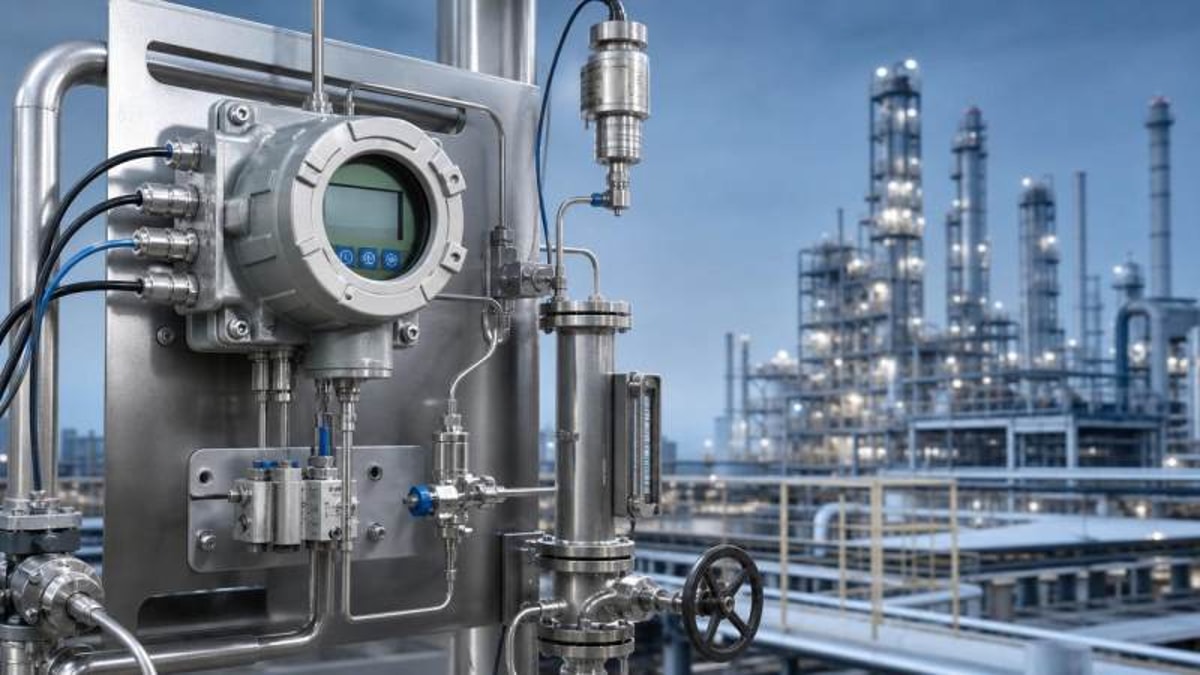
Where a zone 2 analyzer fits well: high-value application scenarios
1. Process points that need fast local feedback
A zone 2 analyzer is often the right choice when process control depends on short response time. Typical examples include oxygen monitoring in combustion systems, gas composition checks around fuel trains, solvent vapor observation, or local emissions-related process optimization. If a long sample line would delay readings or create condensation and contamination risk, local hazardous-area installation can provide better process value.
2. Distributed facilities where centralized analysis is inefficient
In large industrial sites, pipelines, terminals, utilities, and modular production units, measurement points may be too dispersed for a central analyzer house to be practical. In such cases, a zone 2 analyzer can reduce sampling complexity, lower tubing runs, and improve point-specific visibility. This is especially useful where each skid or production section needs independent monitoring.
3. Retrofit projects with limited relocation options
When an existing plant has little room for new shelters, no easy cable route to a safe area, or minimal shutdown windows, a zone 2 analyzer may simplify deployment. Technical evaluators often find that retrofits favor compact field-mounted solutions if performance and service access remain acceptable.
4. Monitoring duties with moderate rather than ultra-critical analytical demands
For operational monitoring, trend tracking, threshold alarms, and routine process verification, a zone 2 analyzer can be highly effective. It is especially suitable when users need dependable data but not necessarily laboratory-grade precision under every condition. This distinction matters because some applications are over-specified, leading to unnecessary cost and maintenance burden.
Where a zone 2 analyzer does not fit well: practical limits and poor-match situations
1. Applications needing maximum analytical precision and environmental isolation
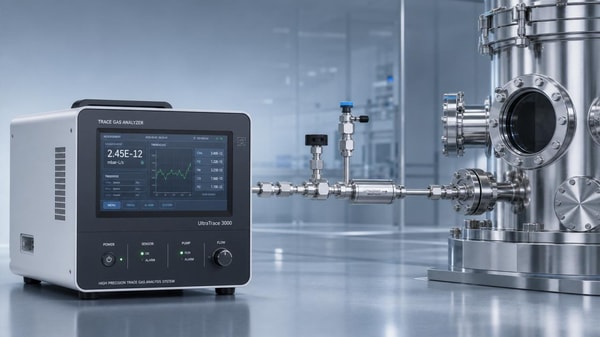
If the process requires very low detection limits, highly stable baseline control, or strict temperature management, a field-mounted zone 2 analyzer may not be the best option. A conditioned analyzer room or laboratory-style environment often delivers more repeatable results. This is common in trace analysis, compliance-critical measurements, and advanced quality control applications.
2. Harsh sampling conditions that overwhelm the analyzer package
Hot, wet, dusty, corrosive, or sticky streams can create more trouble than the hazardous rating solves. If the sample system requires complex heating, aggressive filtration, multi-stage pressure reduction, or frequent consumable replacement, moving the analyzer to a safer and more serviceable location may be the better engineering decision. A zone 2 analyzer is not a shortcut around poor sample conditioning design.
3. Sites with weak maintenance support
Technical evaluators should be cautious if the site lacks trained instrumentation staff, spare parts discipline, or scheduled calibration routines. Hazardous-area analyzers can become expensive underperformers when maintenance is irregular. In remote or lightly staffed facilities, a simpler technology or a centralized analysis strategy may provide better uptime.
4. Projects where classification can be eliminated by redesign
Sometimes the best answer is not a better zone 2 analyzer, but a better layout. Ventilation changes, sampling relocation, enclosure strategy, or process redesign may allow the measurement system to be installed in a non-hazardous area. If that option is realistic, it deserves comparison before hazardous-area equipment is specified.
Use this technical checklist before approving a zone 2 analyzer
The following checklist helps turn a broad discussion into a structured decision:
Scenario differences technical evaluators should not overlook
The same zone 2 analyzer can perform very differently depending on the application context. In energy and power systems, evaluators usually prioritize reliability, rapid fault indication, and resistance to environmental stress. In industrial manufacturing, response time and integration with automation platforms may matter more than ultimate analytical sensitivity. In environmental or utility-related monitoring, documentation quality, calibration traceability, and long-term stability often carry greater weight.
Medical, laboratory-adjacent, or regulated test environments introduce a different balance. Even if a hazardous area exists, a zone 2 analyzer may still be the wrong choice if the measurement must meet strict validation procedures or controlled environmental conditions. In these cases, safe-area analysis with engineered sampling may outperform direct field installation.
Common oversights that weaken analyzer selection
- Assuming hazardous approval guarantees measurement quality. It does not; it only confirms suitability for a classified area under defined conditions.
- Ignoring sample transport design. The analyzer may be excellent while the sampling system causes the real errors.
- Underestimating service access. If calibration gas connection or filter replacement is difficult, maintenance quality will decline.
- Comparing purchase price without comparing lifecycle burden, including downtime, consumables, and technician time.
- Failing to review control-system integration, alarm philosophy, and data handling before procurement.
Execution advice: how to move from shortlist to decision
A practical approval process for a zone 2 analyzer should include four steps. First, document the exact measurement purpose and define what “good enough” means for accuracy, uptime, response time, and compliance. Second, validate the process and ambient conditions with real operating data rather than assumptions. Third, compare at least one alternative architecture, such as remote extractive analysis or safe-area installation. Fourth, review serviceability with the maintenance team, not only with design engineers.
This method prevents a common mistake in instrumentation selection: buying a technically impressive analyzer that is difficult to keep healthy in everyday plant conditions. For technical evaluators, the best solution is usually the one that maintains dependable data with manageable operational effort.
FAQ for technical evaluators reviewing a zone 2 analyzer
Is a zone 2 analyzer always safer than a remote analyzer in a safe area?
Not always. It can reduce some field exposure and improve response time, but a safe-area analyzer with a well-designed sample system may offer better maintainability and measurement stability.
Can one zone 2 analyzer platform cover many applications?
Only to a point. Platform flexibility helps, but sensing principle, sample conditioning, environmental protection, and calibration demands still vary by duty.
What is the most important non-certification factor?
In many projects, it is sample quality management. If the sample reaching the zone 2 analyzer is unstable or contaminated, even the best certified equipment will not deliver dependable results.
Final decision guide and next-step questions
A zone 2 analyzer fits best when the measurement point is genuinely hazardous, local analysis adds response or layout value, and the site can support the required maintenance and sample handling discipline. It does not fit well when the application depends on controlled environmental conditions, ultra-high precision, or complex sample treatment that is easier to manage in a safe area.
If your team needs to confirm suitability, the next discussion should focus on process composition, area classification details, target performance, ambient conditions, maintenance frequency, integration requirements, budget range, and expected project timeline. Those inputs will show whether a zone 2 analyzer is the right field solution, or whether another analyzer architecture will deliver better long-term value.
Recommended for You
 IEC 62443-4-2:2026 Released: New Cybersecurity Requirement for Industrial ComponentsIEC 62443-4-2:2026 is live — new cybersecurity requirements for industrial components like PLCs, HMIs & gateways. Act now to meet SDL mandates and win tenders with Siemens, ABB & more.
 US BIS Adds 12 High-Precision Calibration Devices to Export Control ListUS BIS adds 12 high-precision calibration devices to export control list—laser interferometers, quantum gradiometers & more. Critical for semiconductor, aerospace & metrology firms exporting to China. Act now.
 Southeast Asia Launches Industrial Metrology Green CorridorIndustrial Metrology Green Corridor launched across ASEAN — CNAS-accredited temp, pressure & flow reports now accepted in all 10 member states. Faster customs, lower compliance costs.
 SASO Energy Labeling Rule for Field Instruments Effective July 2026SASO Energy Labeling Rule for Field Instruments takes effect July 2026 — mandatory for 17 new instrument categories. Ensure compliance now to avoid customs delays in Saudi Arabia.
 Red Sea Crisis Escalates: Suez Canal Industrial Instrument Shipping Delays to 28 DaysRed Sea Crisis escalates: Suez Canal industrial instrument shipping delays hit 28 days — urgent air freight up 320%. Act now to protect precision manufacturing & compliance.
 Vietnam Tightens Industrial Instrument Import Rules from June 2026Vietnam Tightens Industrial Instrument Import Rules from June 2026: CNAS test reports & Vietnamese labels now mandatory—avoid port detention and 15% penalties.
 PTB Launches AI Remote Calibration Cloud for CNAS LabsPTB launches CalCloud AI — the world’s first AI remote calibration cloud for CNAS labs, enabling fast, ILAC-MRA-compliant English certificates for EU-bound pressure, temperature & flow instruments.
 New China Battery Recycling Rules Take Effect Apr 27, 2026New China battery recycling rules (effective Apr 27, 2026) impact smart meter & industrial sensor exporters—ensure BMS traceability and compliance now.
 Plant Safety Analyzer Investments That Reduce Hidden Operational RiskPlant safety analyzer investments help enterprises uncover hidden operational risk, improve uptime, strengthen compliance, and protect long-term profitability.
 High Purity Monitoring: When Standard Analyzers Are No Longer EnoughHigh purity monitoring is essential when standard analyzers miss trace contamination, fast excursions, and compliance risks. Discover where advanced solutions deliver safer, smarter control.
 Explosion Proof Equipment Export Checks That Delay Overseas ShipmentsExplosion proof equipment export checks can delay overseas shipments through certificate gaps, label mismatches, and local compliance issues. Learn how distributors can reduce risks, avoid rework, and keep projects on schedule.
 Electrochemistry Oxygen Analyzer Accuracy: What Affects Long-Term PerformanceElectrochemistry Oxygen Analyzer accuracy depends on sensor stability, calibration, sampling, and maintenance. Learn what drives long-term performance and choose the right solution.
 Explosion Protected Analyzer Market Direction After New Safety UpgradesExplosion protected analyzer trends are shifting fast after new safety upgrades. Learn where the market is headed, what buyers now prioritize, and how smarter systems can reduce risk and improve ROI.
 Smart Analyzer Features That Matter More Than Marketing ClaimsSmart Analyzer features that truly impact accuracy, uptime, integration, and lifecycle cost. Learn what matters beyond marketing claims before you choose.
 Production Line Analyzer Data Gaps That Hurt Process DecisionsProduction line analyzer data gaps can quietly distort trends, delay control actions, and weaken traceability. Learn how to spot the risks and protect smarter process decisions.
 Flameproof Analyzer Lead Times and Supply Risks in Global TradeFlameproof analyzer lead times are rising due to certification, logistics, and supplier risks. Learn how distributors can reduce delays, protect margins, and source with confidence.
 Intrinsically Safe Analyzer vs Flameproof Analyzer for Compact InstallationsIntrinsically safe analyzer vs flameproof analyzer: discover which option suits compact hazardous-area installations best for safer maintenance, smaller footprint, and lower lifecycle cost.
 Industrial Oxygen Monitoring: Common Setup Errors and How to Avoid ThemIndustrial oxygen monitoring setup mistakes can trigger false readings, downtime, and safety risks. Learn the most common errors and how to avoid them for more reliable, compliant performance.
 Cost Effective Analyzer Options Without Cutting Safety StandardsCost Effective analyzer sourcing starts with safety, not shortcuts. Learn how to compare options by compliance, performance, and lifecycle value to cut costs with confidence.
 When OEM Service Makes More Sense Than Standard SupplyOEM Service helps businesses match instrumentation to exact performance, integration, and compliance needs—reducing risk, lowering lifecycle costs, and improving reliability.
 Trace Gas Detection Challenges in High-Sensitivity Production EnvironmentsTrace gas detection challenges in high-sensitivity production demand more than low limits. Explore accuracy risks, technology choices, and smart selection tips for safer, more reliable operations.
 Gas Analyzer Equipment Price Shifts: What Is Driving Costs This YearGas analyzer equipment price shifts are being driven by sensor upgrades, supply pressure, compliance, and integration needs. Learn what is raising costs this year and how to buy smarter.
 Zone 1 Analyzer Import Rules That May Affect Delivery TimelinesZone 1 analyzer import rules can quietly delay projects. Learn the certification, HS code, document, and customs checks buyers must review early to avoid costly delivery setbacks.
 Zone 2 Analyzer Applications: Where It Fits and Where It Does NotZone 2 analyzer applications explained: discover where a zone 2 analyzer delivers fast, cost-effective field performance—and when safer, more precise alternatives make better sense.
 Industrial Safety Analyzer Trends Shaping Safer Plants in 2026Industrial safety analyzer trends in 2026 are redefining safer plants with real-time monitoring, smarter integration, and better lifecycle decisions. Explore what project leaders need to know.
 Oxygen Monitoring System Basics for Safer Daily OperationsOxygen monitoring system basics made practical: learn daily safety checks, sensor placement tips, alarm readiness, and smart actions to reduce risk and improve operational safety.
 Factory Gas Analyzer Maintenance Issues That Often Go UnnoticedFactory gas analyzer maintenance issues often start with hidden sampling, calibration, or environmental faults. Learn the overlooked causes of drift and downtime before they become costly failures.
 Manufacturing Analyzer Upgrades That Improve Process StabilityManufacturing analyzer upgrades improve process stability, reduce downtime, and strengthen data accuracy. Discover how smarter analyzer investments boost quality, ROI, and operational confidence.
 When a Quality Assurance Analyzer Becomes Worth the Extra SpendQuality assurance analyzer investments pay off when they cut defects, speed verification, and improve compliance. See how to justify the extra spend with clearer ROI.
 Laboratory Gas Analyzer Selection: Key Differences That Affect Test AccuracyLaboratory Gas Analyzer selection shapes test accuracy, stability, and compliance. Learn how principles, sensitivity, sample handling, and calibration affect reliable lab results.
 How to Identify a Trusted Manufacturer for Hazardous Area AnalyzersTrusted Manufacturer selection starts with safety, certifications, and reliable support. Learn how to identify the right hazardous area analyzer partner for long-term growth.
 What a Quality Product Means in Industrial Gas AnalysisQuality Product in industrial gas analysis means more than accuracy—discover how the right analyzer improves safety, compliance, uptime, and long-term ROI across industries.
Search Categories
Search Categories
Latest Article
- IEC 62443-4-2:2026 Released: New Cybersecurity Requirement for Industrial ComponentsIEC 62443-4-2:2026 is live — new cybersecurity requirements for industrial components like PLCs, HMIs & gateways. Act now to meet SDL mandates and win tenders with Siemens, ABB & more.Posted by:
- US BIS Adds 12 High-Precision Calibration Devices to Export Control ListUS BIS adds 12 high-precision calibration devices to export control list—laser interferometers, quantum gradiometers & more. Critical for semiconductor, aerospace & metrology firms exporting to China. Act now.Posted by:
- Southeast Asia Launches Industrial Metrology Green CorridorIndustrial Metrology Green Corridor launched across ASEAN — CNAS-accredited temp, pressure & flow reports now accepted in all 10 member states. Faster customs, lower compliance costs.Posted by:
Please give us a message
