
Emission gas rules are changing what plants must measure


Emission gas regulations are reshaping how plants monitor compliance, efficiency, and safety. From multi gas analysis to continuous gas and online gas systems, facilities now need more precise data across emission gas and process gas streams. Technologies such as paramagnetic gas, laser gas, thermal gas, fixed gas, and portable gas instruments are becoming essential for operators, buyers, and decision-makers navigating stricter standards and smarter plant performance.
For industrial manufacturers, utilities, engineering contractors, distributors, and plant management teams, the issue is no longer whether emissions should be measured, but how measurement systems should be configured to meet tighter thresholds, longer reporting periods, and faster response expectations. In many facilities, one missed calibration window, one slow analyzer, or one poorly selected sampling system can affect environmental reporting, production stability, and maintenance cost at the same time.
This creates a practical demand for better instrumentation decisions. Operators need reliable readings in daily use. Quality and safety teams need auditable data. Procurement teams need lifecycle cost visibility over 3–5 years, not just initial purchase price. Project managers need systems that can be delivered in 2–8 weeks, integrated into DCS or SCADA platforms, and maintained without excessive shutdowns. As rules evolve, measurement strategy becomes a plant-level business decision.
Why new emission gas rules are changing plant measurement priorities
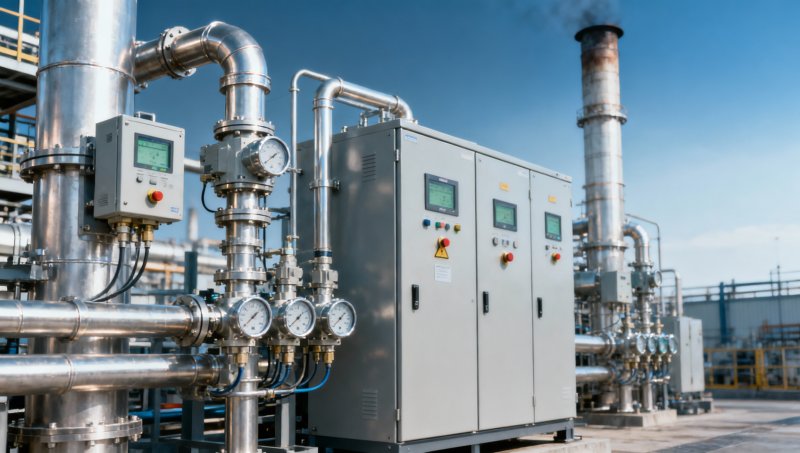
Emission regulations increasingly focus on traceability, response time, and continuous verification rather than occasional spot checks alone. Plants that previously relied on periodic manual testing may now need continuous gas monitoring for combustion exhaust, process vents, stack outlets, and enclosed work areas. This change affects not only environmental compliance teams but also operations, maintenance, and finance departments.
A typical facility may need to measure 4 to 12 gas components across separate points, including oxygen, carbon monoxide, carbon dioxide, methane, sulfur compounds, nitrogen oxides, or process-specific gases. When one analyzer is applied to the wrong pressure range, moisture condition, or sample temperature, measurement drift can increase, and maintenance frequency may rise from quarterly to monthly. That directly impacts both operating cost and reporting confidence.
Another key shift is the need to connect emission gas data with process gas performance. Plants are no longer evaluating emissions in isolation. If an oxygen analyzer shows unstable readings, the issue may be linked to burner efficiency, excess air control, or fuel quality variation. In that sense, emission measurement is becoming part of broader plant optimization rather than a stand-alone compliance task.
For instrumentation suppliers and distributors, this means customers are asking more detailed technical questions before purchasing. They want to understand analyzer technology, expected accuracy, warm-up time, calibration interval, integration protocol, spare part availability, and operator training requirements. A good measurement solution must therefore balance regulatory performance, process suitability, and serviceability.
Main drivers behind the change
- Stricter reporting frequency, often moving from weekly or monthly checks to continuous or shift-based monitoring.
- Lower allowable error margins, with many applications expecting stable performance within narrow deviation bands such as ±1% of reading or tighter depending on the gas and method.
- Broader measurement coverage, including both emission gas and upstream process gas conditions.
- Higher auditability expectations, requiring timestamped records, calibration logs, and alarm history over 12–24 months.
Where plants feel the pressure first
The first pressure point is usually data consistency. Manual sampling may still be acceptable in limited scenarios, but it often cannot support fast decision-making in plants with 24/7 operation. The second pressure point is maintenance workload. A system that appears affordable at purchase may become expensive if filters clog frequently, sensors drift in wet gas streams, or field calibration requires two technicians every week.
The third pressure point is capital planning. Decision-makers increasingly compare analyzer packages based on total ownership cost over 36–60 months, including installation, consumables, downtime exposure, service visits, and replacement parts. That is why the measurement conversation now extends from the instrument room to procurement, EHS, engineering, and financial approval teams.
Which gas measurement technologies fit different plant conditions
There is no single analyzer technology that suits every emission gas application. Selection depends on gas composition, concentration range, moisture level, pressure, dust load, response speed, and whether the plant needs fixed installation, portable verification, or online gas integration. In practice, a modern facility often uses a combination of technologies rather than one universal system.
Paramagnetic gas analyzers are widely used for oxygen measurement in combustion and flue gas applications because they offer stable performance and strong selectivity for O2. Laser gas analyzers are preferred in many fast-response or in-situ applications where low maintenance and real-time process visibility matter. Thermal gas technologies can serve specific composition or conductivity-based measurements, especially where gas mixtures are well understood. Fixed gas detectors are essential for continuous area monitoring, while portable gas instruments remain valuable for inspection rounds, maintenance checks, and temporary safety verification.
The right configuration depends on whether the plant is measuring a clean dry sample, a hot wet sample, or a dust-laden exhaust stream. A laser analyzer that performs well in one line may not be ideal in another if optical path contamination is likely. Likewise, a portable device is useful for validation, but it cannot replace a continuous compliance monitoring point where uninterrupted data logging is required.
Technology comparison for common industrial scenarios
The following comparison helps buyers and technical teams match analyzer types to plant conditions, maintenance expectations, and monitoring goals.
The key takeaway is that technology choice should begin with process conditions, not marketing labels. Plants dealing with hot and dirty gas streams often prioritize ruggedness and maintenance access. Plants with strict process control targets may prioritize response time below 10 seconds. Facilities with multiple buildings or distributed risk points often combine fixed and portable gas devices for layered coverage.
A practical selection checklist
- Define the gas components and expected concentration range, such as ppm, percentage, or both.
- Confirm whether the stream is dry, wet, corrosive, dusty, or temperature-sensitive.
- Set the required response time, alarm logic, and data retention period.
- Check maintenance access, calibration frequency, and spare part lead time, often 1–6 weeks.
- Verify communication compatibility with PLC, DCS, SCADA, or cloud reporting platforms.
How to choose between continuous, online, fixed, and portable gas systems
Buyers often use these terms interchangeably, but they serve different operational needs. Continuous gas monitoring usually refers to uninterrupted measurement with data logging for compliance or process control. Online gas systems are commonly integrated into plant automation and may feed real-time values into a control architecture. Fixed gas systems focus on permanent safety or area monitoring. Portable gas instruments support personnel mobility, task-based checks, and independent verification.
Choosing among them requires a clear understanding of the plant’s monitoring objective. If the goal is regulatory reporting at a stack outlet, continuous or online gas analysis is usually the foundation. If the goal is worker safety in confined spaces, fixed plus portable gas detection is often the more effective combination. If the goal is process optimization in combustion or treatment systems, direct integration with control logic may be more important than standalone display capability.
A common mistake is selecting a lower-cost portable solution for a duty that actually needs 24-hour trending and alarm history. Another mistake is overengineering a distributed process with a centralized analyzer package when compact field-based detectors would be easier to maintain. Good system design starts by separating compliance needs, process needs, and safety needs into clearly defined layers.
Comparison of system types from a procurement perspective
The table below helps procurement teams, project managers, and financial approvers compare system types in terms of purpose, deployment, and typical budget logic.
In many projects, the most cost-effective choice is a mixed architecture. For example, a plant may use one online gas analyzer package for stack reporting, six fixed detectors for enclosed process areas, and eight portable units for contractor access and maintenance work. This layered approach often reduces blind spots without forcing a single instrument category to do a job it was not designed for.
Questions each stakeholder should ask
- Operators: How quickly does the system respond, and how easy is routine calibration?
- Safety managers: Can alarms be verified, logged, and escalated within 5–30 seconds where required?
- Procurement teams: What is the 3-year cost of consumables, sensors, filters, and service visits?
- Project managers: Can the system be delivered, installed, and commissioned within the shutdown window?
- Executives and finance teams: Will the solution reduce compliance risk and improve process efficiency enough to justify investment?
Implementation, maintenance, and calibration factors that affect long-term value
A well-selected analyzer can still underperform if implementation is weak. Sampling lines that are too long, probe placement that misses representative flow, poor shelter design, or lack of condensate management can all degrade results. For many industrial sites, installation quality is just as important as instrument specification. Plants should evaluate the full chain: sampling, conditioning, analysis, signal transmission, alarm logic, and maintenance access.
Calibration planning is another major factor. Some instruments may support validation every 30 days, while others in harsher conditions may need weekly or biweekly attention. Maintenance teams should estimate labor demand before purchase. If a system requires 2 technicians for 2 hours every week across multiple points, the yearly support burden becomes significant. By contrast, a more automated package may carry a higher initial price but lower service cost over 12–24 months.
Spare parts and distributor support also matter. A plant can tolerate short downtime for a portable meter, but not for a critical continuous gas channel tied to reporting or burner control. Buyers should therefore review local service capability, expected spare sensor life, common consumable replacement intervals, and whether remote diagnostics are available. A realistic support plan helps avoid emergency procurement and unplanned shutdown exposure.
Typical implementation stages
- Site assessment and point mapping, usually 1–5 working days depending on plant size and number of sampling points.
- Technical selection and engineering review, often 1–3 weeks for standard projects.
- Installation and wiring, commonly 3–10 days if shutdown access is prepared.
- Calibration, functional testing, and integration validation, typically 1–4 days.
- Operator training, documentation handover, and maintenance schedule setup.
Common implementation risks
One frequent risk is underestimating sample conditioning. Wet or dirty gas streams may need heated lines, moisture handling, filtration, and periodic inspection points. Another risk is placing detectors based only on convenience rather than gas behavior, airflow, and hazard zone characteristics. A third risk is failing to align maintenance intervals with the actual staffing model of the plant.
Plants can reduce these risks by requesting a structured commissioning checklist with at least 6 inspection items: probe position, tubing integrity, power quality, signal verification, calibration gas readiness, and alarm function testing. This is especially valuable for multi gas analysis systems where one weak link can compromise several channels at once.
Maintenance planning guidelines
- Set routine inspection intervals based on duty severity, often every 7, 30, or 90 days.
- Track drift trend, not only pass/fail status, to catch early performance changes.
- Keep critical spare components on site if lead times exceed 2 weeks.
- Review calibration records quarterly to identify recurring instability by location or gas type.
Procurement guidance, ROI logic, and common buying mistakes
In B2B purchasing, the lowest instrument price rarely delivers the best value when emission gas rules are tightening. A cheaper unit may require more frequent calibration gas, more technician visits, shorter sensor replacement cycles, or greater downtime risk. Procurement teams should compare total lifecycle cost, installation complexity, and expected operating burden over at least 36 months.
Decision-makers should also look at where value is created. In some cases, better oxygen and combustion measurement reduces fuel waste by a small but meaningful margin. In others, the main benefit is avoided reporting risk, better safety readiness, or faster troubleshooting. For engineering firms and project owners, clean integration and documentation may be worth more than marginal differences in instrument list price.
Distributors and resellers should note that end users increasingly ask for application support, not only product supply. They expect assistance with analyzer matching, installation advice, calibration planning, and operator training. This shifts the sales discussion from catalog comparison to solution design, especially in projects involving online gas systems or multi-point monitoring packages.
Four buying mistakes that increase long-term cost
- Selecting by initial budget only, without calculating consumables, labor, and downtime risk for 3–5 years.
- Ignoring plant conditions such as dust, vibration, moisture, or ambient temperature swings from -10°C to 45°C.
- Buying a compliance-oriented analyzer without checking integration needs for alarms, trending, and reporting export.
- Failing to define service scope, spare stock, and commissioning responsibility before order placement.
FAQ for plants evaluating emission gas instrumentation
How do I know whether I need continuous gas monitoring or portable checks?
If the measurement point is tied to compliance reporting, continuous process control, or permanent area protection, continuous or fixed monitoring is usually required. Portable instruments are better for inspections, temporary work permits, and independent verification. Many plants need both, because regulatory, operational, and safety objectives are different.
What delivery time should buyers expect?
For standard portable or fixed gas devices, delivery may range from 1–4 weeks depending on stock and sensor configuration. Engineered online gas systems, sampling cabinets, or multi-channel analyzer packages often require 4–8 weeks or longer if custom integration is involved. Buyers should confirm commissioning support lead time separately from hardware delivery.
Which specifications matter most in purchasing review?
The most practical review points are gas range, response time, operating environment, calibration interval, communication output, service access, and expected maintenance frequency. For finance and approval teams, it is useful to request a side-by-side comparison showing initial cost, annual consumables, estimated labor hours, and major replacement parts over 3 years.
Can one analyzer handle all gases in one plant?
Usually no. Different gases, concentrations, and installation conditions often require different sensing principles. A plant may use paramagnetic gas analysis for oxygen, laser gas for fast in-situ monitoring, and fixed gas detectors for area safety. The goal is not uniform hardware, but appropriate coverage with manageable maintenance.
As emission gas rules become more demanding, plants need instrumentation strategies that are accurate, serviceable, and aligned with real operating conditions. The most effective approach is to match technology to duty, separate compliance needs from safety and process needs, and evaluate value across the full equipment lifecycle rather than the purchase price alone.
Whether you are comparing multi gas analysis options, planning a continuous gas upgrade, reviewing online gas integration, or selecting fixed and portable gas instruments for a new project, a structured technical and commercial review can reduce risk and improve long-term plant performance. To discuss your application, compare suitable measurement technologies, or get a tailored solution for your facility, contact us today and request detailed product and project support.
Recommended for You
 Brazil INMETRO to Require Portuguese UI and Local Units for Industrial Instruments by 2026Brazil INMETRO mandates Portuguese UI & local units (mbar, kPa, °C) for industrial instruments by Dec 2026—key for exporters, integrators & service providers.
 STMicroelectronics 200mm Line Eases Industrial Sensor Chip ShortageSTMicroelectronics 200mm line eases industrial sensor chip shortage — MCUs & signal-conditioning ICs now ship in 12 weeks. Secure allocation today.
 Southeast Asia Manufacturing Re-shoring Accelerates: Vietnam/Indonesia Industrial Instrument Imports Up 37% YoYSoutheast Asia manufacturing re-shoring accelerates: Vietnam & Indonesia industrial instrument imports up 37% YoY — key insights for suppliers, OEMs & procurement teams.
 First Global White Paper on Humanoid Robot Sensor Calibration ReleasedHumanoid robot sensor calibration: First global white paper released—key for ISO/IEC JWG 23 compliance, export readiness & dynamic torque accuracy. Act now.
 SAMR to Upgrade EV Battery Recycling Standard to MandatorySAMR to upgrade EV battery recycling standard GB/T 34015—202X to mandatory by Dec 2026 — critical for exporters, BMS makers & cert labs.
 Saudi SASO Accelerates AI Energy Efficiency Rules for TransmittersSASO AI energy efficiency rules for transmitters take effect 1 June 2026 — mandatory AI simulation, Saudi climate data, and authorized lab validation required. Act now to avoid export delays.
 IEC 63278:2026 Released for Industrial Instrument CybersecurityIEC 63278:2026 is live — the first global standard mandating cybersecurity verification for industrial instruments. Discover compliance impacts, deadlines, and actionable steps for OT/IT convergence.
 Red Sea Crisis Escalates: Gulf of Aden Navigation Ban Extended to June 15, 2026Red Sea Crisis escalates: Gulf of Aden navigation ban extended to June 15, 2026—disrupting industrial instrumentation shipments to the Middle East with 458% air freight spikes and 12–18 day delays.
 US DOE Updates Efficiency Rules for Industrial SensorsUS DOE updates industrial sensor efficiency rules: AI-driven dynamic calibration required by Sept 2026. Ensure AI-Cal Verified compliance now.
 EU Mandates PEF Carbon Footprint Module for Industrial Instruments from June 2026EU mandates PEF carbon footprint module for industrial instruments from June 2026—key for exporters, OEMs & certifiers. Act now to ensure compliance.
 Explosion-Proof Instruments: Compliance Risks Before You OrderExplosion-proof instruments can trigger delays, failed inspections, and safety risks if compliance is overlooked. Learn what to verify before ordering and make safer, smarter purchasing decisions.
 Gas Quality Monitoring Equipment Import Rules to Watch in 2026Gas quality monitoring equipment import rules for 2026 are tightening. Learn the key compliance, certification, and customs risks distributors must manage to avoid delays and protect margins.
 Emission Control Shelter Demand Shifts Across Industrial ProjectsEmission control shelter demand is rising across industrial projects as buyers seek faster deployment, reliable monitoring, and compliance-ready designs. Explore key evaluation factors.
 Temperature Measurement Instruments: Selection Mistakes That Raise DowntimeTemperature measurement instruments selection mistakes can drive downtime, unstable control, and higher costs. Discover 5 common errors and practical fixes to improve reliability.
 Thermal Conductivity Analyzers: When Are They the Right Choice?Thermal conductivity analyzers are ideal for binary and high-contrast gas mixtures. Learn when they deliver reliable, low-maintenance online monitoring and smarter project value.
 Level Measurement Instruments for Tanks: What Affects ReliabilityLevel measurement instruments reliability depends on media, installation, and diagnostics. Discover what causes tank reading failures and how to improve safety, uptime, and control.
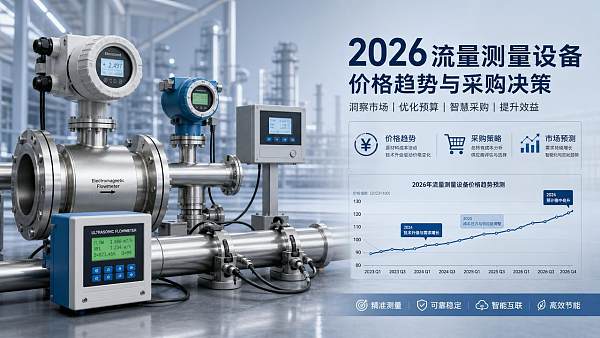
 Flow Measurement Equipment Price Trends in 2026Flow measurement equipment price trends in 2026: learn key cost drivers, budgeting risks, and smart buying strategies to improve ROI and make better procurement decisions.
 Flue Gas Monitoring Equipment: Common Accuracy Issues and FixesFlue gas monitoring equipment accuracy issues can lead to drift, false readings, and compliance risks. Discover common causes, practical fixes, and smarter maintenance tips.
 Process Control Shelter vs Control Room: Key Cost and Deployment DifferencesProcess control shelter vs control room: compare cost, deployment speed, integration, and lifecycle value to choose the smarter solution for industrial automation projects.
 How to Select an Industrial Control Shelter for Harsh Site ConditionsIndustrial control shelter selection for harsh sites: learn how to compare materials, HVAC, safety, and lifecycle cost to protect equipment, reduce downtime, and improve reliability.
 SAMR to Finalize 1,800+ Standards by 2026, Including EV Battery RecyclingSAMR to finalize 1,800+ standards by 2026—including EV battery recycling, hazardous chemical packaging & EMC immunity. Stay ahead of mandatory GB shifts and global export compliance.
 China's Largest Single-Line Large-Tow Carbon Fiber Line Starts OperationChina's largest single-line large-tow carbon fiber line is live—30,000 tons/year capacity, ASME-certified, 22% cheaper & 6-week lead time. Boost your industrial instrumentation supply chain now.
 China Mobile Unveils National Integrated Computing Power NetworkChina Mobile's National Integrated Computing Power Network accelerates AI quality inspection for global manufacturers—cutting model training time by 68% and enabling cross-border industrial AI development.
 World's First Humanoid Robot Industrial Calibration White Paper ReleasedWorld's First Humanoid Robot Industrial Calibration White Paper released—setting new global benchmarks for dynamic sensor calibration in robotics. Discover how ABB, Yaskawa & metrology leaders are reshaping industry trust.
 Red Sea Crisis Escalates: Aden Gulf Ban Extended to June 15Red Sea Crisis escalates: Aden Gulf ban extended to June 15 — disrupting industrial instrumentation trade between China and the Middle East with 452% air freight spikes and 7–12 day delays.
 Saudi SASO Introduces AI-Based Energy Validation for Industrial TransmittersAI-based energy validation for industrial transmitters is now mandatory in Saudi Arabia—learn how SASO’s new AI regulation impacts global exporters, compliance timelines, and supply chains.
 IEC TC65 Releases Cybersecurity Validation Guide for Industrial InstrumentsIEC TC65’s new Cybersecurity Validation Guide for Industrial Instruments mandates SDL certification & firmware signing—key for EU/US market access. Act now to align with GB/T 42278-2026 and avoid export delays.
 EU PEF Carbon Footprint Database Mandatory Access for Industrial InstrumentsEU PEF Carbon Footprint Database mandatory access starts June 2026 for industrial instruments—pressure, temperature & flow meters. Ensure compliance now to avoid EU customs delays and market exclusion.
 Gas Quality Analyzer Shelter Price Trends and Specification Gaps to WatchGas quality analyzer shelter price trends vary with materials, HVAC, safety, integration, and compliance. See key specification gaps before shortlisting suppliers or approving budget.
 Process Measurement Equipment: Key Accuracy Risks in Harsh EnvironmentsProcess measurement equipment in harsh environments can drift before failing. Discover key accuracy risks, warning signs, and practical controls to protect quality, safety, and compliance.
 Industrial Analyzer Shelter Export Factors Affecting Lead Times This YearIndustrial analyzer shelter export lead times vary with sourcing, engineering, compliance, packing, and logistics. Learn the key factors to quote smarter and deliver with confidence.
 What to Check Before Buying a Process Analyzer ShelterProcess analyzer shelter buying guide: learn what to check before purchase, from compliance and HVAC to utilities, durability, and maintenance access.






Search Categories
Search Categories
Latest Article
- Brazil INMETRO to Require Portuguese UI and Local Units for Industrial Instruments by 2026Brazil INMETRO mandates Portuguese UI & local units (mbar, kPa, °C) for industrial instruments by Dec 2026—key for exporters, integrators & service providers.Posted by:
- STMicroelectronics 200mm Line Eases Industrial Sensor Chip ShortageSTMicroelectronics 200mm line eases industrial sensor chip shortage — MCUs & signal-conditioning ICs now ship in 12 weeks. Secure allocation today.Posted by:
- Southeast Asia Manufacturing Re-shoring Accelerates: Vietnam/Indonesia Industrial Instrument Imports Up 37% YoYSoutheast Asia manufacturing re-shoring accelerates: Vietnam & Indonesia industrial instrument imports up 37% YoY — key insights for suppliers, OEMs & procurement teams.Posted by:
Please give us a message
