
Explosion proof certification changes are affecting lead times


Explosion proof certification changes are no longer a niche compliance issue. They are directly affecting quotation accuracy, manufacturing schedules, factory acceptance timing, site commissioning, and even final project approval across the instrumentation industry. For companies sourcing fixed analysis systems, portable analysis instruments, continuous analysis solutions, or custom measurement packages, the practical impact is clear: longer lead times, more document reviews, higher coordination effort, and greater risk if certification is treated as a late-stage task rather than an early project requirement.
For most buyers and technical teams, the key question is not simply whether regulations are changing, but how those changes will affect delivery dates, equipment selection, project risk, and total cost. The short answer is that explosion proof certification updates can extend lead times when product designs need re-evaluation, documentation must be revised, approved component choices become narrower, or testing resources at certification bodies become more constrained. Companies that plan for these issues early are far more likely to protect both compliance and schedule.
Why explosion proof certification changes are increasing lead times

In hazardous area applications, certification is tied closely to product design, enclosure integrity, component selection, wiring methods, temperature class, labeling, documentation, and manufacturing controls. When certification requirements change, the impact is rarely limited to a single certificate update. It often triggers a broader review of how a device or system is designed, assembled, and delivered.
For instrumentation manufacturers and buyers, lead times are being affected for several common reasons:
- Additional design validation: Existing products may require reassessment to confirm they still meet current explosion proof standards.
- Longer certification body queues: More updates, more submissions, and limited testing capacity can slow approvals.
- Approved component constraints: Some previously used parts may no longer fit the certification pathway, forcing redesign or sourcing changes.
- Documentation expansion: Drawings, labeling files, bills of materials, user manuals, and hazardous area instructions often need more detailed review.
- Custom system complexity: Integrated analyzer shelters, sample conditioning systems, multi gas analyzers, online measurement skids, and hybrid packages frequently involve more interfaces and therefore more approval points.
This is especially relevant in projects involving paramagnetic oxygen analyzers, laser measurement devices, thermal measurement technologies, and continuous online analysis systems, where process performance and hazardous area compliance must be balanced at the same time.
What buyers, engineers, and project teams should be most concerned about
Different stakeholders see the problem from different angles, but their concerns usually converge around schedule risk, compliance risk, and commercial risk.
Technical evaluators and engineers want to know whether the selected instrument can still be certified for the required hazardous area classification without compromising measurement performance. They also need confidence that installation drawings, cable entries, purge systems, analyzer houses, and electrical interfaces will remain compliant after any certification updates.
Procurement teams are focused on realistic delivery dates, supplier reliability, and whether a quoted lead time includes certification-related review, testing, and documentation. A fast quotation is not the same as a low-risk supply commitment.
Project managers care about the knock-on effect on the overall execution plan. If explosion proof approval slips, FAT, shipment, site acceptance, and startup can all move with it.
Quality and safety managers are concerned with traceability, approved configurations, marking consistency, and whether the delivered system matches the certified design exactly.
Business decision-makers and financial approvers need to understand the cost of delay. A certified analyzer or online monitoring system arriving late can affect production readiness, regulatory milestones, contractor schedules, and capital utilization.
In short, the biggest concern is not only “Will this product be certified?” but “Will it be certified correctly, delivered on time, and accepted without rework?”
How certification changes affect different instrumentation products
Not all products are affected in the same way. The degree of impact depends on standard revisions, product architecture, installation environment, and whether the product is sold as a standard unit or a custom-engineered package.
Fixed analysis systems often face broader review because they include multiple subassemblies such as analyzers, sample conditioning components, enclosures, heaters, valves, transmitters, junction boxes, and control interfaces. A change in one certified component can affect the whole assembly.
Portable analysis instruments may see challenges around battery systems, enclosure design, user access, and marking. Because portability often changes how and where equipment is used, certification requirements must align with realistic field conditions.
Continuous analysis and online measurement solutions are heavily tied to plant integration. They must satisfy both process measurement objectives and hazardous area requirements over long operating cycles, which increases the importance of stable certification status.
Custom analysis systems are usually the most exposed to lead time extension. Customization can trigger additional engineering review, drawing updates, component substitutions, and evidence requirements for the final approved configuration.
For applications such as multi gas monitoring, paramagnetic oxygen analysis, laser gas measurement, thermal conductivity measurement, and industrial online analyzers, buyers should not assume that a previously supplied configuration can be repeated with the same timeline. Even small design differences can alter the certification path.
How to evaluate supplier risk before placing an order
If explosion proof certification changes are affecting lead times, supplier evaluation needs to go beyond technical brochures and nominal compliance claims. Buyers should verify whether the supplier has an active and well-managed certification process, not just a product history.
Key questions to ask include:
- Is the quoted model already certified for the required hazardous area and regional market?
- Does the lead time include certification review, document approval, and any third-party testing?
- Are all major components covered under the intended certified configuration?
- What parts of the package are standard and what parts are custom?
- Has the supplier recently updated certificates, drawings, or manuals because of regulatory changes?
- What is the supplier’s plan if an approved component becomes unavailable?
- Can the supplier provide a certification matrix tied to the exact bill of materials?
This level of review is particularly important for distributors, EPC teams, and project owners managing complex specifications. A supplier with strong measurement expertise but weak certification control can create schedule problems even when the instrument itself performs well in operation.
Practical steps to reduce delay, cost, and compliance risk
The most effective response is early alignment between engineering, procurement, safety, and the supplier. Companies that wait until final document review or pre-shipment inspection often discover issues too late.
To reduce risk, teams should take the following steps:
- Define hazardous area requirements at the start: Confirm area classification, protection method, temperature class, ambient conditions, and regional approval needs before supplier selection.
- Lock critical configurations early: Minimize late design changes in enclosures, cable entries, power supplies, displays, and internal components.
- Request certification-specific lead time visibility: Ask suppliers to separate manufacturing lead time from approval and document lead time.
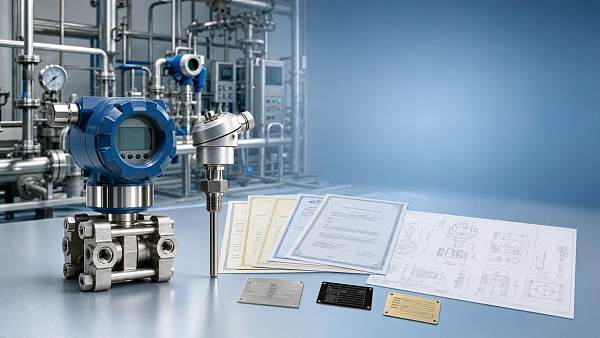
- Review exact deliverables: Ensure certificates, drawings, nameplate details, installation instructions, and inspection requirements are included in the scope.
- Prepare alternatives: Identify backup components or equivalent certified options for long-lead items.
- Coordinate internal approvals sooner: Safety, quality, engineering, and procurement reviews should run in parallel rather than sequentially where possible.
These measures are especially valuable in projects involving analyzer systems, process gas monitoring, oxygen measurement, and industrial emissions or quality control applications, where delays can affect both compliance and production outcomes.
What this means for planning future instrumentation projects
The broader lesson is that explosion proof certification changes should now be treated as a strategic planning factor, not a final checkbox. In the instrumentation industry, product performance, safety approval, delivery commitment, and lifecycle support are increasingly connected.
For organizations investing in industrial automation, digital monitoring, environmental analysis, laboratory integration, or process control upgrades, early certification awareness improves decision quality. It helps teams compare suppliers more realistically, set achievable schedules, avoid hidden costs, and reduce the likelihood of redesign or site rejection.
The companies that manage this best are not necessarily those buying the cheapest instrument or the fastest quoted package. They are the ones that evaluate certification readiness alongside technical capability, service support, and supply chain resilience.
Explosion proof certification changes are affecting lead times because they influence the full path from design approval to shipment and site acceptance. For buyers, engineers, safety teams, and decision-makers, the right response is proactive planning: verify certification scope early, confirm what is truly covered, build schedule buffers where needed, and work with suppliers who can demonstrate both compliance control and application expertise. In today’s instrumentation market, that is the most reliable way to keep projects compliant, operational, and on schedule.
Recommended for You
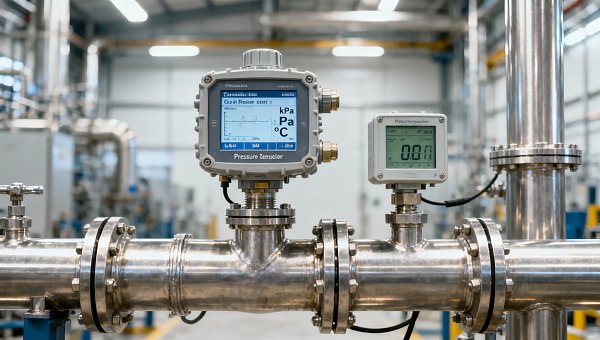
 Brazil INMETRO to Require Portuguese UI and Local Units for Industrial Instruments by 2026Brazil INMETRO mandates Portuguese UI & local units (mbar, kPa, °C) for industrial instruments by Dec 2026—key for exporters, integrators & service providers.
 STMicroelectronics 200mm Line Eases Industrial Sensor Chip ShortageSTMicroelectronics 200mm line eases industrial sensor chip shortage — MCUs & signal-conditioning ICs now ship in 12 weeks. Secure allocation today.
 Southeast Asia Manufacturing Re-shoring Accelerates: Vietnam/Indonesia Industrial Instrument Imports Up 37% YoYSoutheast Asia manufacturing re-shoring accelerates: Vietnam & Indonesia industrial instrument imports up 37% YoY — key insights for suppliers, OEMs & procurement teams.
 First Global White Paper on Humanoid Robot Sensor Calibration ReleasedHumanoid robot sensor calibration: First global white paper released—key for ISO/IEC JWG 23 compliance, export readiness & dynamic torque accuracy. Act now.
 SAMR to Upgrade EV Battery Recycling Standard to MandatorySAMR to upgrade EV battery recycling standard GB/T 34015—202X to mandatory by Dec 2026 — critical for exporters, BMS makers & cert labs.
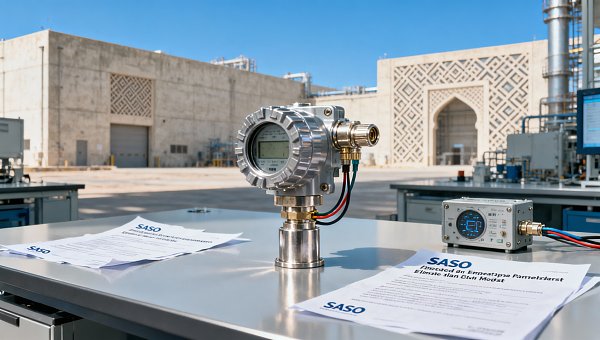
 Saudi SASO Accelerates AI Energy Efficiency Rules for TransmittersSASO AI energy efficiency rules for transmitters take effect 1 June 2026 — mandatory AI simulation, Saudi climate data, and authorized lab validation required. Act now to avoid export delays.
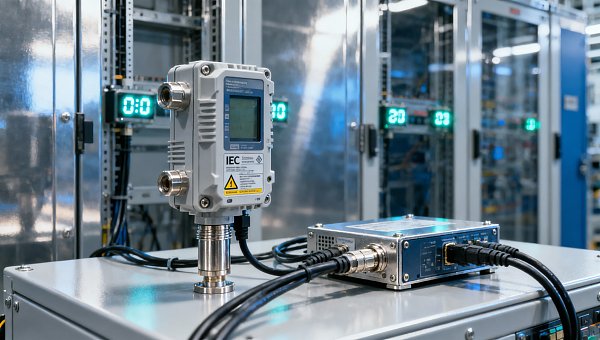
 IEC 63278:2026 Released for Industrial Instrument CybersecurityIEC 63278:2026 is live — the first global standard mandating cybersecurity verification for industrial instruments. Discover compliance impacts, deadlines, and actionable steps for OT/IT convergence.
 Red Sea Crisis Escalates: Gulf of Aden Navigation Ban Extended to June 15, 2026Red Sea Crisis escalates: Gulf of Aden navigation ban extended to June 15, 2026—disrupting industrial instrumentation shipments to the Middle East with 458% air freight spikes and 12–18 day delays.
 US DOE Updates Efficiency Rules for Industrial SensorsUS DOE updates industrial sensor efficiency rules: AI-driven dynamic calibration required by Sept 2026. Ensure AI-Cal Verified compliance now.
 EU Mandates PEF Carbon Footprint Module for Industrial Instruments from June 2026EU mandates PEF carbon footprint module for industrial instruments from June 2026—key for exporters, OEMs & certifiers. Act now to ensure compliance.
 Explosion-Proof Instruments: Compliance Risks Before You OrderExplosion-proof instruments can trigger delays, failed inspections, and safety risks if compliance is overlooked. Learn what to verify before ordering and make safer, smarter purchasing decisions.
 Gas Quality Monitoring Equipment Import Rules to Watch in 2026Gas quality monitoring equipment import rules for 2026 are tightening. Learn the key compliance, certification, and customs risks distributors must manage to avoid delays and protect margins.
 Emission Control Shelter Demand Shifts Across Industrial ProjectsEmission control shelter demand is rising across industrial projects as buyers seek faster deployment, reliable monitoring, and compliance-ready designs. Explore key evaluation factors.
 Temperature Measurement Instruments: Selection Mistakes That Raise DowntimeTemperature measurement instruments selection mistakes can drive downtime, unstable control, and higher costs. Discover 5 common errors and practical fixes to improve reliability.
 Thermal Conductivity Analyzers: When Are They the Right Choice?Thermal conductivity analyzers are ideal for binary and high-contrast gas mixtures. Learn when they deliver reliable, low-maintenance online monitoring and smarter project value.
 Level Measurement Instruments for Tanks: What Affects ReliabilityLevel measurement instruments reliability depends on media, installation, and diagnostics. Discover what causes tank reading failures and how to improve safety, uptime, and control.
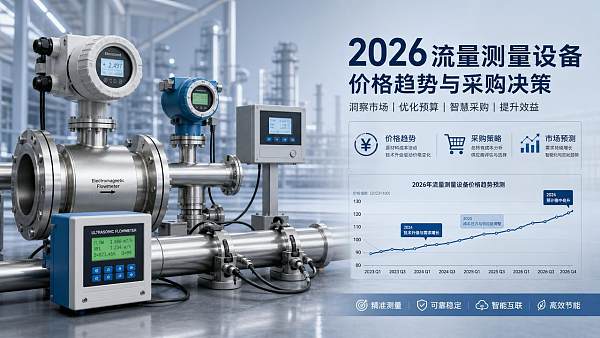
 Flow Measurement Equipment Price Trends in 2026Flow measurement equipment price trends in 2026: learn key cost drivers, budgeting risks, and smart buying strategies to improve ROI and make better procurement decisions.
 Flue Gas Monitoring Equipment: Common Accuracy Issues and FixesFlue gas monitoring equipment accuracy issues can lead to drift, false readings, and compliance risks. Discover common causes, practical fixes, and smarter maintenance tips.
 Process Control Shelter vs Control Room: Key Cost and Deployment DifferencesProcess control shelter vs control room: compare cost, deployment speed, integration, and lifecycle value to choose the smarter solution for industrial automation projects.
 How to Select an Industrial Control Shelter for Harsh Site ConditionsIndustrial control shelter selection for harsh sites: learn how to compare materials, HVAC, safety, and lifecycle cost to protect equipment, reduce downtime, and improve reliability.
 SAMR to Finalize 1,800+ Standards by 2026, Including EV Battery RecyclingSAMR to finalize 1,800+ standards by 2026—including EV battery recycling, hazardous chemical packaging & EMC immunity. Stay ahead of mandatory GB shifts and global export compliance.
 China's Largest Single-Line Large-Tow Carbon Fiber Line Starts OperationChina's largest single-line large-tow carbon fiber line is live—30,000 tons/year capacity, ASME-certified, 22% cheaper & 6-week lead time. Boost your industrial instrumentation supply chain now.
 China Mobile Unveils National Integrated Computing Power NetworkChina Mobile's National Integrated Computing Power Network accelerates AI quality inspection for global manufacturers—cutting model training time by 68% and enabling cross-border industrial AI development.
 World's First Humanoid Robot Industrial Calibration White Paper ReleasedWorld's First Humanoid Robot Industrial Calibration White Paper released—setting new global benchmarks for dynamic sensor calibration in robotics. Discover how ABB, Yaskawa & metrology leaders are reshaping industry trust.
 Red Sea Crisis Escalates: Aden Gulf Ban Extended to June 15Red Sea Crisis escalates: Aden Gulf ban extended to June 15 — disrupting industrial instrumentation trade between China and the Middle East with 452% air freight spikes and 7–12 day delays.
 Saudi SASO Introduces AI-Based Energy Validation for Industrial TransmittersAI-based energy validation for industrial transmitters is now mandatory in Saudi Arabia—learn how SASO’s new AI regulation impacts global exporters, compliance timelines, and supply chains.
 IEC TC65 Releases Cybersecurity Validation Guide for Industrial InstrumentsIEC TC65’s new Cybersecurity Validation Guide for Industrial Instruments mandates SDL certification & firmware signing—key for EU/US market access. Act now to align with GB/T 42278-2026 and avoid export delays.
 EU PEF Carbon Footprint Database Mandatory Access for Industrial InstrumentsEU PEF Carbon Footprint Database mandatory access starts June 2026 for industrial instruments—pressure, temperature & flow meters. Ensure compliance now to avoid EU customs delays and market exclusion.
 Gas Quality Analyzer Shelter Price Trends and Specification Gaps to WatchGas quality analyzer shelter price trends vary with materials, HVAC, safety, integration, and compliance. See key specification gaps before shortlisting suppliers or approving budget.
 Process Measurement Equipment: Key Accuracy Risks in Harsh EnvironmentsProcess measurement equipment in harsh environments can drift before failing. Discover key accuracy risks, warning signs, and practical controls to protect quality, safety, and compliance.
 Industrial Analyzer Shelter Export Factors Affecting Lead Times This YearIndustrial analyzer shelter export lead times vary with sourcing, engineering, compliance, packing, and logistics. Learn the key factors to quote smarter and deliver with confidence.
 What to Check Before Buying a Process Analyzer ShelterProcess analyzer shelter buying guide: learn what to check before purchase, from compliance and HVAC to utilities, durability, and maintenance access.





















Search Categories
Search Categories
Latest Article
- Brazil INMETRO to Require Portuguese UI and Local Units for Industrial Instruments by 2026Brazil INMETRO mandates Portuguese UI & local units (mbar, kPa, °C) for industrial instruments by Dec 2026—key for exporters, integrators & service providers.Posted by:
- STMicroelectronics 200mm Line Eases Industrial Sensor Chip ShortageSTMicroelectronics 200mm line eases industrial sensor chip shortage — MCUs & signal-conditioning ICs now ship in 12 weeks. Secure allocation today.Posted by:
- Southeast Asia Manufacturing Re-shoring Accelerates: Vietnam/Indonesia Industrial Instrument Imports Up 37% YoYSoutheast Asia manufacturing re-shoring accelerates: Vietnam & Indonesia industrial instrument imports up 37% YoY — key insights for suppliers, OEMs & procurement teams.Posted by:
Please give us a message
