
2026 Emission Sensor Market Shift


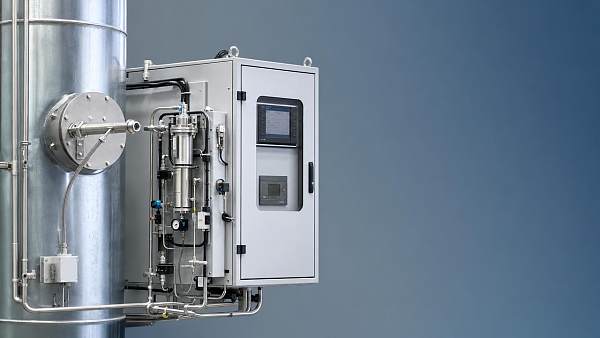
As 2026 approaches, the emission sensor market is entering a decisive shift shaped by stricter compliance, smarter process sensor integration, and rising demand for reliable industrial sensor and gas sensor solutions. From flue equipment and stack equipment upgrades to broader emission equipment, process equipment, and industrial equipment planning, buyers and technical teams need clearer insight into performance, cost, and long-term value.
For most readers evaluating the 2026 emission sensor market shift, the real question is not whether demand will grow, but how to choose solutions that remain compliant, practical to maintain, and financially justifiable over the next several years. The market is moving away from isolated sensor replacement toward integrated monitoring strategies that connect emission sensor performance with process stability, reporting accuracy, safety management, and lifecycle cost control. That shift matters to operators, engineers, procurement teams, and decision-makers alike.
What Is Really Changing in the 2026 Emission Sensor Market?
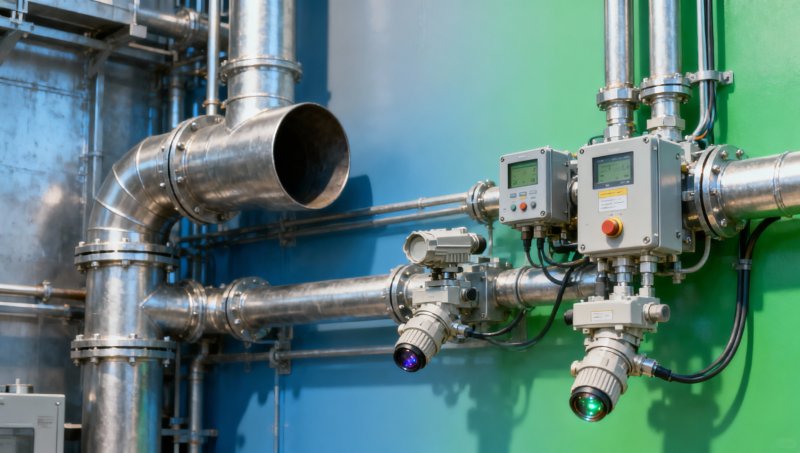
The most important change is that emission monitoring is no longer treated as a standalone compliance purchase. In 2026, buyers are increasingly evaluating emission sensor systems as part of a broader instrumentation and automation architecture. This means an emission sensor is judged not only by its detection range or response time, but also by how well it supports continuous monitoring, calibration management, data reliability, remote diagnostics, and integration with process equipment and industrial control systems.
Several forces are driving this shift:
- Tighter environmental compliance expectations: Facilities face greater pressure to prove measurement credibility, not just install monitoring hardware.
- Rising demand for operational visibility: Plants want to link gas sensor data with combustion efficiency, process drift, maintenance planning, and safety alerts.
- Higher cost of downtime and false readings: A low-cost sensor that causes frequent recalibration, false alarms, or reporting uncertainty can become expensive very quickly.
- Digitalization of industrial equipment: Emission equipment is increasingly expected to communicate with SCADA, DCS, PLCs, and cloud-based reporting platforms.
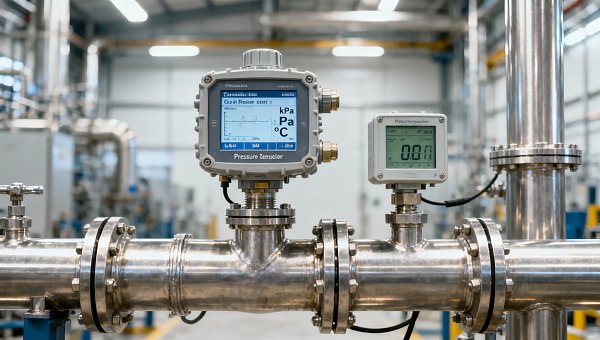
- Expansion of retrofit projects: Older flue equipment and stack equipment often need upgrades that work within existing infrastructure rather than complete replacement.
In practical terms, the market shift favors suppliers and products that offer measurement stability, stronger diagnostics, easier field service, and better compatibility with site-wide instrumentation strategies.
What Questions Matter Most to Buyers, Engineers, and Operators?
Although different stakeholders focus on different metrics, their concerns usually overlap around a few high-value questions.
For technical evaluators and engineers: Will the sensor perform reliably under actual operating conditions such as humidity, temperature fluctuation, corrosive gases, dust load, vibration, or variable flow? Can it maintain accuracy between maintenance intervals? How difficult is calibration?
For operators and maintenance teams: Is the device easy to use, diagnose, clean, and replace? Does it reduce manual intervention, or add to daily workload? Are spare parts and service support accessible?
For procurement teams: What is the real total cost of ownership? Is the lower purchase price offset by shorter sensor life, frequent service visits, or unstable readings? How standardized is the solution across sites?
For enterprise decision-makers: Does the system reduce compliance risk, improve reporting confidence, and support future upgrades? Will it fit into digital transformation and ESG-related reporting expectations?
For quality, safety, and environmental managers: Can the solution support traceable data, alarm integrity, and defensible records during inspections or internal audits?
This is why purely specification-based selection is becoming less effective. In 2026, buyers need to compare not only product features but also usability, service model, integration capability, and field reliability.
How Should You Evaluate Emission Sensor Solutions Beyond Basic Specifications?
A useful evaluation framework should balance compliance, performance, integration, and lifecycle economics. The following criteria are especially important when selecting an industrial sensor or gas sensor for emission-related applications.
1. Measurement fit for the actual application
Start with the process environment, not the catalog. Consider gas composition, concentration range, pressure, temperature, moisture, particulates, corrosive content, installation location, and expected process variability. A sensor that performs well in a controlled test environment may struggle in a harsh stack or flue application.
2. Stability and drift performance
Frequent drift increases maintenance effort and weakens confidence in reporting. Long-term stability is often more valuable than headline sensitivity, especially in continuous emission monitoring scenarios.
3. Calibration and maintenance burden
Ask how often calibration is required, whether it can be done in place, how long maintenance takes, and what level of technician skill is needed. A sensor with slightly higher upfront cost may deliver better value if it sharply reduces service interruptions.
4. Integration with process sensor and control systems
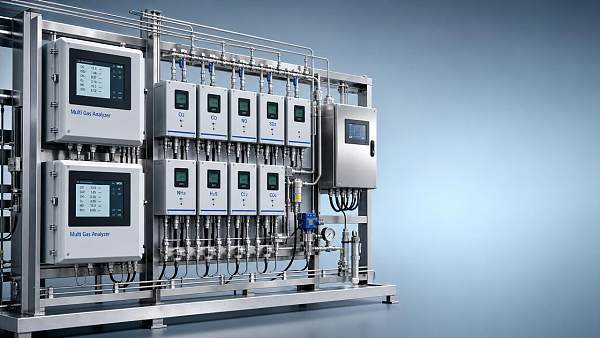
The strongest solutions increasingly connect emission sensor data with process sensor networks, control logic, historian platforms, and reporting software. This improves root-cause analysis and helps sites move from reactive alarms to proactive optimization.
5. Data quality and traceability
For compliance-sensitive environments, reliable data logging, timestamp accuracy, diagnostic transparency, and audit support matter as much as sensing hardware. Decision-makers should confirm how the system handles communication loss, sensor fault detection, and data validation.
6. Lifecycle support and supply assurance
In a shifting market, supplier capability matters. Evaluate spare parts availability, local service response, training, documentation quality, upgrade path, and long-term product continuity. Buyers should be careful about products that appear cost-effective initially but lack sustained support.
Why Integration with Process Equipment Is Becoming a Major Competitive Factor
The 2026 market shift is not only about measuring emissions more accurately. It is also about using emission data to improve process decisions. This is where integration with process equipment becomes commercially important.
For example, in combustion systems, emission sensor readings can reveal air-fuel imbalance, burner instability, incomplete combustion, or early signs of equipment degradation. In chemical or thermal processes, gas sensor trends may indicate process deviations before they become product quality or safety issues. When emission equipment works as part of the broader industrial equipment ecosystem, plants gain more than compliance: they gain operational intelligence.
This trend is especially relevant in projects involving:
- Boiler and furnace optimization
- Flue gas treatment upgrades
- Stack equipment modernization
- Waste incineration and thermal processing
- Power generation efficiency improvement
- Industrial retrofit programs linked to automation upgrades
For project managers and engineering leads, this means vendor evaluation should include communication protocols, installation flexibility, compatibility with existing analyzers and controllers, and the ability to support future plant expansion.
Where Are the Biggest Risks in 2026 Purchasing Decisions?
Many purchasing mistakes happen because teams focus too narrowly on capital cost or nominal specifications. The main risks in the current market include:
- Buying for regulatory minimums only: This can create short-term compliance but poor long-term usability and higher maintenance expense.
- Ignoring site conditions: Dust, condensation, vibration, corrosive atmospheres, and temperature extremes can quickly undermine sensor performance.
- Underestimating integration complexity: Even a capable emission sensor can become a problem if it does not fit existing process equipment, data systems, or control architecture.
- Overlooking service capability: Limited support, slow spare parts delivery, or weak documentation can turn minor issues into prolonged downtime.
- Assuming all gas sensor technologies are interchangeable: Different sensing principles have different strengths, response behaviors, cross-sensitivity issues, and maintenance needs.
To reduce these risks, organizations should involve operations, instrumentation, maintenance, environmental compliance, and procurement teams early in the evaluation process. Cross-functional review usually leads to better selection outcomes than isolated purchasing decisions.
How Different Reader Groups Can Make Better Decisions
Information researchers should focus on identifying which technologies are gaining traction because of regulation, industrial digitalization, and retrofit demand, rather than relying on general market growth claims.
Users and operators should compare ease of calibration, interface clarity, fault diagnosis, and maintenance frequency, since daily usability directly affects system value.
Technical evaluators should request application-specific performance evidence, not only standard datasheets. Trial data, case references, and failure-mode information are highly useful.
Procurement teams should build comparison models around total ownership cost, support terms, replacement intervals, and standardization potential across multiple facilities.
Business decision-makers should assess whether a solution improves compliance resilience, supports plant modernization, and reduces operational uncertainty over a three- to five-year horizon.
Quality and safety managers should prioritize data integrity, traceability, and dependable alarm logic.
Project managers and engineering leaders should pay close attention to installation constraints, commissioning requirements, integration workload, and future expandability.
Distributors and channel partners should watch where demand is shifting: toward higher-value integrated solutions, stronger technical support expectations, and application-specific consultative selling.
What the 2026 Market Shift Means in Simple Terms
The emission sensor market in 2026 is shifting from product-centric buying to outcome-centric selection. Customers are no longer just asking, “Which sensor detects this gas?” They are asking, “Which solution helps us stay compliant, reduce maintenance burden, integrate with our plant systems, and protect long-term operating performance?”
That is a meaningful change for the instrumentation industry. It rewards suppliers that combine sensing performance with engineering support, digital compatibility, and practical field reliability. It also benefits buyers who evaluate emission equipment as part of a complete monitoring and process strategy rather than a standalone hardware decision.
If your organization is planning upgrades to flue equipment, stack equipment, or broader industrial equipment in the coming cycle, the best path is to assess solutions through the lens of application fit, integration value, support quality, and lifecycle cost. In 2026, those factors will shape the strongest purchasing decisions far more than headline specifications alone.
Recommended for You
 Stack Gas Analyzers: When Maintenance Delays Start Raising RiskStack gas analyzers can look normal while hidden drift raises compliance, efficiency, and reliability risks. Learn the warning signs and smart maintenance checks before delays become costly.
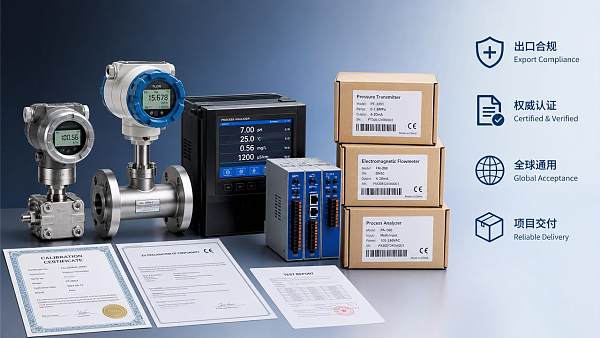
 Industrial Measurement Systems in Export Projects: Key Compliance ChecksIndustrial measurement systems for export projects: learn the key compliance checks for certifications, calibration, safety, and documents to avoid delays and ensure smooth delivery.
 Pharmaceutical Instrumentation Upgrades: What to Evaluate FirstPharmaceutical instrumentation upgrades start with compliance, data integrity, uptime, and ROI. Learn what to evaluate first to reduce risk and make smarter buying decisions.
 Food Processing Analyzers for Compliance and Batch ConsistencyFood processing analyzers help manufacturers improve compliance, reduce batch variation, and verify quality from raw materials to final release with faster, traceable decisions.
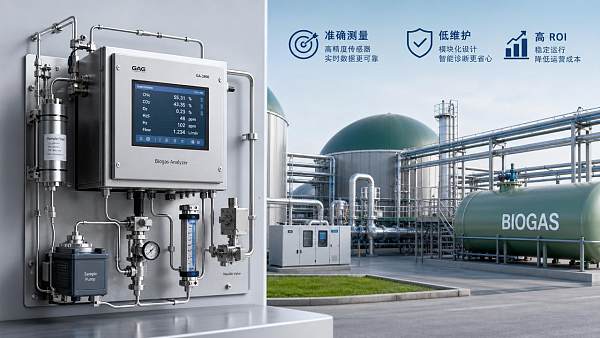
 Biogas Analyzers Market Trends: Accuracy, Maintenance, and ROIBiogas analyzers market trends: explore how accuracy, lower maintenance, and stronger ROI help energy and industrial buyers improve gas quality, uptime, and compliance.
 Safety Monitoring Systems: Common Setup Mistakes to AvoidSafety monitoring systems fail fast when setup is wrong. Discover common installation, calibration, and alarm mistakes to avoid for safer operations and more reliable monitoring.
 Industrial Testing Equipment Costs in 2026: What Drives Pricing?Industrial testing equipment costs in 2026 depend on accuracy, compliance, automation, and lifecycle service. Learn what drives pricing and how to reduce total ownership cost.
 Multi-Component Analyzers vs Single-Gas Units: Which Fits Better?Multi-component analyzers vs single-gas units: compare lifecycle cost, compliance, maintenance, and scalability to choose the best fit for safer, smarter industrial projects.
 Petrochemical Analyzers: Key Specs That Affect Safety and UptimePetrochemical analyzers directly affect safety and uptime. Learn which specs—accuracy, response time, compatibility, and maintenance—matter most for reliable plant performance.
 How to Choose Process Monitoring Instruments for Stable Plant PerformanceProcess monitoring instruments are key to stable plant performance. Learn how to choose the right devices for accuracy, compatibility, lower risk, and better efficiency.
 Brazil INMETRO to Require Portuguese UI and Local Units for Industrial Instruments by 2026Brazil INMETRO mandates Portuguese UI & local units (mbar, kPa, °C) for industrial instruments by Dec 2026—key for exporters, integrators & service providers.
 STMicroelectronics 200mm Line Eases Industrial Sensor Chip ShortageSTMicroelectronics 200mm line eases industrial sensor chip shortage — MCUs & signal-conditioning ICs now ship in 12 weeks. Secure allocation today.
 Southeast Asia Manufacturing Re-shoring Accelerates: Vietnam/Indonesia Industrial Instrument Imports Up 37% YoYSoutheast Asia manufacturing re-shoring accelerates: Vietnam & Indonesia industrial instrument imports up 37% YoY — key insights for suppliers, OEMs & procurement teams.
 First Global White Paper on Humanoid Robot Sensor Calibration ReleasedHumanoid robot sensor calibration: First global white paper released—key for ISO/IEC JWG 23 compliance, export readiness & dynamic torque accuracy. Act now.
 SAMR to Upgrade EV Battery Recycling Standard to MandatorySAMR to upgrade EV battery recycling standard GB/T 34015—202X to mandatory by Dec 2026 — critical for exporters, BMS makers & cert labs.
 Saudi SASO Accelerates AI Energy Efficiency Rules for TransmittersSASO AI energy efficiency rules for transmitters take effect 1 June 2026 — mandatory AI simulation, Saudi climate data, and authorized lab validation required. Act now to avoid export delays.
 IEC 63278:2026 Released for Industrial Instrument CybersecurityIEC 63278:2026 is live — the first global standard mandating cybersecurity verification for industrial instruments. Discover compliance impacts, deadlines, and actionable steps for OT/IT convergence.
 Red Sea Crisis Escalates: Gulf of Aden Navigation Ban Extended to June 15, 2026Red Sea Crisis escalates: Gulf of Aden navigation ban extended to June 15, 2026—disrupting industrial instrumentation shipments to the Middle East with 458% air freight spikes and 12–18 day delays.
 US DOE Updates Efficiency Rules for Industrial SensorsUS DOE updates industrial sensor efficiency rules: AI-driven dynamic calibration required by Sept 2026. Ensure AI-Cal Verified compliance now.
 EU Mandates PEF Carbon Footprint Module for Industrial Instruments from June 2026EU mandates PEF carbon footprint module for industrial instruments from June 2026—key for exporters, OEMs & certifiers. Act now to ensure compliance.
 Explosion-Proof Instruments: Compliance Risks Before You OrderExplosion-proof instruments can trigger delays, failed inspections, and safety risks if compliance is overlooked. Learn what to verify before ordering and make safer, smarter purchasing decisions.
 Gas Quality Monitoring Equipment Import Rules to Watch in 2026Gas quality monitoring equipment import rules for 2026 are tightening. Learn the key compliance, certification, and customs risks distributors must manage to avoid delays and protect margins.
 Emission Control Shelter Demand Shifts Across Industrial ProjectsEmission control shelter demand is rising across industrial projects as buyers seek faster deployment, reliable monitoring, and compliance-ready designs. Explore key evaluation factors.
 Temperature Measurement Instruments: Selection Mistakes That Raise DowntimeTemperature measurement instruments selection mistakes can drive downtime, unstable control, and higher costs. Discover 5 common errors and practical fixes to improve reliability.
 Thermal Conductivity Analyzers: When Are They the Right Choice?Thermal conductivity analyzers are ideal for binary and high-contrast gas mixtures. Learn when they deliver reliable, low-maintenance online monitoring and smarter project value.
 Level Measurement Instruments for Tanks: What Affects ReliabilityLevel measurement instruments reliability depends on media, installation, and diagnostics. Discover what causes tank reading failures and how to improve safety, uptime, and control.
 Flow Measurement Equipment Price Trends in 2026Flow measurement equipment price trends in 2026: learn key cost drivers, budgeting risks, and smart buying strategies to improve ROI and make better procurement decisions.
 Flue Gas Monitoring Equipment: Common Accuracy Issues and FixesFlue gas monitoring equipment accuracy issues can lead to drift, false readings, and compliance risks. Discover common causes, practical fixes, and smarter maintenance tips.
 Process Control Shelter vs Control Room: Key Cost and Deployment DifferencesProcess control shelter vs control room: compare cost, deployment speed, integration, and lifecycle value to choose the smarter solution for industrial automation projects.
 How to Select an Industrial Control Shelter for Harsh Site ConditionsIndustrial control shelter selection for harsh sites: learn how to compare materials, HVAC, safety, and lifecycle cost to protect equipment, reduce downtime, and improve reliability.
 SAMR to Finalize 1,800+ Standards by 2026, Including EV Battery RecyclingSAMR to finalize 1,800+ standards by 2026—including EV battery recycling, hazardous chemical packaging & EMC immunity. Stay ahead of mandatory GB shifts and global export compliance.
 China's Largest Single-Line Large-Tow Carbon Fiber Line Starts OperationChina's largest single-line large-tow carbon fiber line is live—30,000 tons/year capacity, ASME-certified, 22% cheaper & 6-week lead time. Boost your industrial instrumentation supply chain now.











Search Categories
Search Categories
Latest Article
- Stack Gas Analyzers: When Maintenance Delays Start Raising RiskStack gas analyzers can look normal while hidden drift raises compliance, efficiency, and reliability risks. Learn the warning signs and smart maintenance checks before delays become costly.Posted by:
- Industrial Measurement Systems in Export Projects: Key Compliance ChecksIndustrial measurement systems for export projects: learn the key compliance checks for certifications, calibration, safety, and documents to avoid delays and ensure smooth delivery.Posted by:
- Pharmaceutical Instrumentation Upgrades: What to Evaluate FirstPharmaceutical instrumentation upgrades start with compliance, data integrity, uptime, and ROI. Learn what to evaluate first to reduce risk and make smarter buying decisions.Posted by:
Please give us a message
