
Are Industrial Sensors Getting Smarter


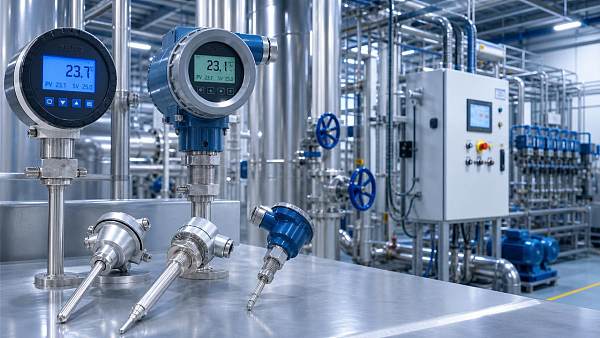
Industrial sensors are no longer just passive devices—they are becoming smarter, faster, and more connected. From the emission sensor and gas sensor used in flue equipment and stack equipment to every advanced process sensor in modern industrial equipment, today’s systems are reshaping how factories monitor safety, efficiency, and compliance. This article explores how industrial sensor technology is driving the evolution of emission equipment, process equipment, and gas equipment.
What makes an industrial sensor “smart” in modern instrumentation?
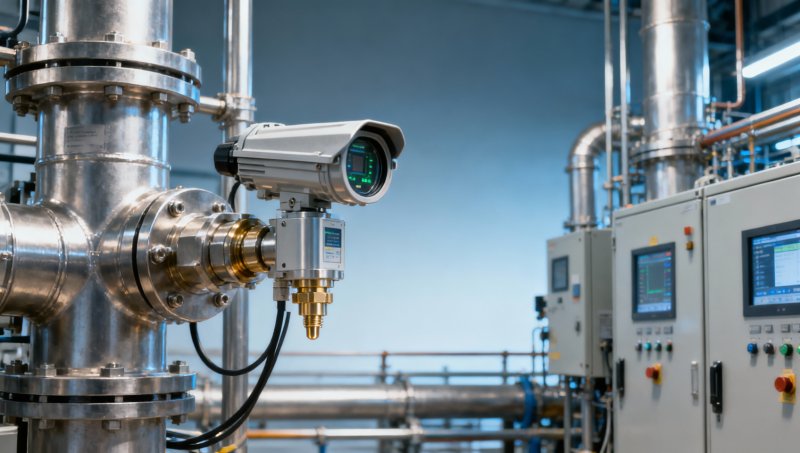
In the instrumentation industry, a smart industrial sensor does more than convert a physical variable into a signal. It can preprocess data, self-diagnose, communicate through digital protocols, and support tighter control loops across industrial manufacturing, energy systems, environmental monitoring, laboratories, and automation lines. For operators and engineers, this means faster response and fewer blind spots. For procurement and management teams, it means better lifecycle value rather than just a lower unit price.
Traditional sensors often sent a raw analog output and depended on external controllers for interpretation. Smart sensors now combine sensing elements, signal conditioning, microprocessors, and communication interfaces in one device. In many projects, the practical difference appears in 3 areas: data quality, maintenance visibility, and system integration. This is especially important in emission equipment and gas equipment, where delayed detection or calibration drift can create compliance and safety risks.
For technical evaluators, the shift is not only about “intelligence” as a concept. It is about measurable functions such as temperature compensation, digital filtering, alarm thresholds, remote parameter setting, and health status reporting. In process equipment, these functions reduce manual intervention during 24/7 operation. In stack equipment and flue monitoring, they also improve traceability when records must be reviewed weekly, monthly, or quarterly.
For decision-makers in multi-site operations, smarter sensors support digital transformation because they can feed structured data into PLC, DCS, SCADA, edge gateways, or cloud platforms. This helps bridge the gap between field measurement and plant-level analytics. A sensor is still a field device, but in a connected architecture, it also becomes a node in a wider operational intelligence system.
Core functions users should expect
- Self-diagnostics that identify signal loss, contamination, drift, or abnormal operating status before a complete failure occurs.
- Digital communication options such as Modbus, HART, or other industrial interfaces for faster commissioning and data access.
- Compensation and correction features that improve measurement stability across common ambient ranges such as -20°C to 60°C.
- Parameter storage and event logging that help quality, safety, and project teams review installation changes or alarm events.
Where are smart sensors creating the biggest impact across industrial applications?
The impact of smart sensor technology is strongest where measurement quality directly affects safety, compliance, yield, or energy use. That is why adoption is increasing in industrial online monitoring, combustion systems, environmental control, automatic control equipment, and integrated process skids. A gas sensor in a confined process area does not serve the same purpose as a pressure transmitter on a utility line, but both benefit from faster diagnostics and cleaner data transmission.
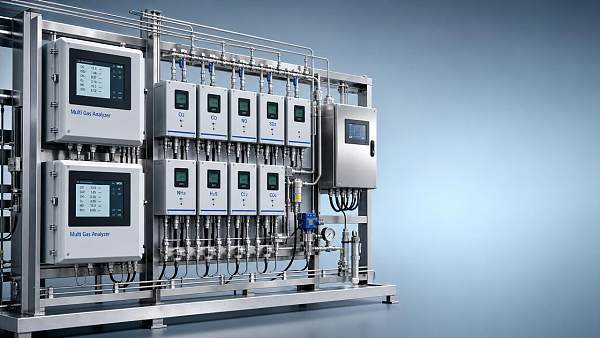
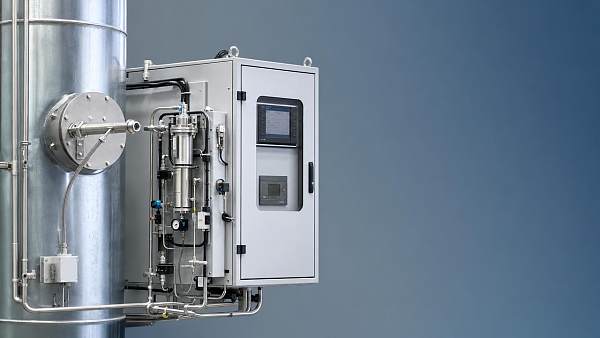
In flue equipment and stack equipment, emission sensors and gas sensors help detect oxygen, combustible gas, toxic components, and process conditions linked to discharge performance. Here, smart functions matter because monitoring is often continuous, and maintenance windows may only be available every 2–4 weeks or during planned shutdowns. Sensors that provide early drift warning reduce the risk of running blind between service intervals.
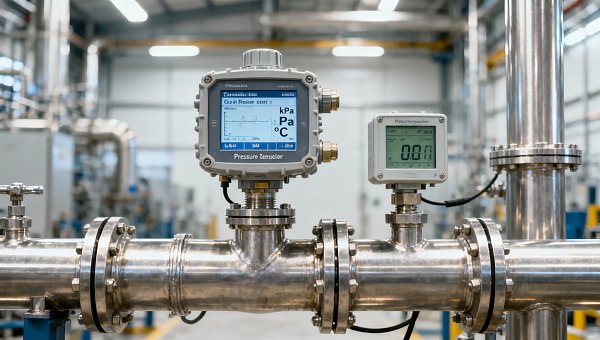
In industrial manufacturing and automation control, process sensors are used for pressure, temperature, flow, level, and composition analysis. Smart features improve repeatability in batch processes, reduce nuisance alarms, and simplify troubleshooting. For project managers handling retrofit work, this can shorten commissioning from several rounds of manual tuning to a more structured 4-step setup: installation, wiring verification, parameter setting, and functional testing.
In laboratories, medical testing support systems, and metrology-related environments, sensor intelligence helps with calibration traceability and stable digital records. Although the operating context differs from heavy industry, the need for clean signals, known accuracy bands, and maintenance visibility is similar. Distributors and integrators also benefit because connected devices are easier to support remotely across multiple customer sites.
Typical application scenarios and decision priorities
The table below compares common industrial sensor applications, the main value of smart functions, and the selection concerns that usually matter most during technical review and procurement.
The main takeaway is that smart industrial sensors are not one-size-fits-all products. Their value depends on the application environment, the required response time, the service interval, and the level of integration expected by the user. A robust procurement process should therefore start with scenario mapping before comparing product lists.
How do smart sensors compare with conventional sensors in real purchasing decisions?
Purchasers often ask whether smart industrial sensors are worth the added cost. The answer depends on what the plant is trying to reduce: downtime, manual calibration effort, compliance risk, troubleshooting time, or integration complexity. In basic utility monitoring, a conventional sensor may still be acceptable. In emission equipment, gas equipment, or critical process control, the hidden cost of limited visibility can be higher than the purchase price difference.
For operators, the practical comparison is simple. Conventional devices may require more field checks, manual zero or span review, and local-only diagnostics. Smart devices can often report their own condition, allowing teams to focus on sensors that actually need service. Over a 12-month operating cycle, that distinction can affect maintenance planning, spare inventory, and shutdown coordination.
For distributors and project-based buyers, another advantage is product standardization. A smart platform with common software tools and unified communication support can reduce engineering variation across several projects. This matters when lead times are tight, such as 7–15 working days for standard configurations or 3–6 weeks for customized assemblies and accessory packages.
However, not every “smart” feature justifies a premium. Technical teams should verify whether the application truly needs local display, advanced event logs, multi-point compensation, hazardous-area options, or remote firmware support. Paying for unused functions creates cost pressure without operational return.
Comparison factors that matter most
The table below highlights the differences that most often affect selection, budgeting, and long-term ownership in industrial sensor projects.
The best decision is usually application-based rather than category-based. If a sensor is connected to regulatory monitoring, worker safety, or a process bottleneck, a smart device is often the safer investment. If the point is non-critical and easy to inspect, a conventional option may remain valid.
A practical 5-point review before approving budget
- Confirm whether the measured variable affects safety, emissions, product quality, or energy performance.
- Estimate the true cost of field visits, downtime, and manual recalibration over 6–12 months.
- Check if the control system needs digital communication or only a basic output signal.
- Review environmental demands such as dust, humidity, vibration, and process temperature range.
- Verify service support, spare part availability, and standard lead time for replacement units.
How should buyers evaluate technical performance, compliance, and implementation risk?
A good industrial sensor selection process starts with technical fit, not catalog popularity. Buyers should first confirm the process medium, measuring range, response requirement, output type, installation method, and ambient conditions. For example, a gas sensor used in stack equipment may need different protection and sampling considerations than one used in indoor process gas equipment. The details shape performance more than the product label alone.
Next comes compliance and documentation. In the instrumentation industry, buyers commonly review calibration options, traceability records, material compatibility, ingress protection, electrical safety requirements, and, when relevant, hazardous-area suitability. Even when a project does not specify a single mandatory standard, the review should still cover at least 4 documentation areas: datasheet, wiring or installation guide, calibration guidance, and maintenance recommendations.
Implementation risk often appears during commissioning rather than purchasing. A sensor may be technically correct but fail in practice because of poor cable routing, sampling lag, wrong mounting orientation, or unstable power supply. Project managers can reduce this risk by using a defined 3-stage process: pre-installation review, on-site commissioning, and acceptance verification. Each stage should include named responsibilities for engineering, operations, and quality teams.
For users and safety personnel, maintenance planning is equally important. Smart sensors support better planning because they can report drift trends, alarm history, or operational exceptions. Still, they do not remove the need for routine checks. Depending on the application, inspection may remain monthly, quarterly, or aligned with plant shutdown intervals. A smarter device improves visibility; it does not replace sound maintenance discipline.
Technical and procurement checkpoints
- Measurement range and accuracy: match the normal operating band and the upset condition range instead of selecting only by nominal value.
- Response and stability: verify whether the process needs rapid alarm action or long-term trend reliability.
- Mechanical and environmental suitability: review enclosure, mounting, vibration exposure, and process connection details.
- System integration: confirm protocol compatibility with PLC, DCS, SCADA, or edge devices before order placement.
- Support scope: ask about sample availability, commissioning guidance, spare sensors, and replacement lead times.
Common implementation mistakes
One common mistake is selecting by sensor type alone instead of the total measurement loop. In emission equipment, for instance, the sensor, sampling method, conditioning path, and mounting location all affect data quality. Another mistake is assuming that digital communication automatically guarantees better decisions. If the plant has no plan to use diagnostic data, some advanced functions may remain underused. The right choice balances technical capability with real operating practice.
What trends will define the next stage of smart industrial sensor development?
Industrial sensors are getting smarter because the demands placed on industrial systems are increasing. Plants need more traceable data, faster maintenance feedback, and stronger integration between field devices and digital platforms. In the next 3–5 years, the most meaningful trend is likely to be better edge intelligence. Sensors will not only measure; they will increasingly classify operating states, flag abnormal patterns, and support faster intervention without waiting for full centralized analysis.
Another clear trend is multi-parameter measurement. Instead of installing several disconnected devices, some projects will prefer compact solutions that combine sensing, local processing, and communications. This is attractive in skid systems, retrofit projects, and distributed monitoring points where panel space, wiring complexity, and service access are limited. For procurement teams, that may simplify installation but increase the need for early specification review.
The instrumentation industry will also see stronger alignment between smart sensors and predictive maintenance programs. As industrial online monitoring expands, more plants will expect sensors to support condition-based decisions rather than fixed-interval replacement only. This does not eliminate periodic calibration or verification, but it can help maintenance teams prioritize the right assets at the right time, especially across large plants or multi-site networks.
At the same time, buyers should remain realistic. A smart industrial sensor is valuable when the surrounding system can use its data, diagnostics, and communication capability. The most successful projects usually start with a clear objective: improve safety, stabilize process control, strengthen emission monitoring, reduce service effort, or support digital reporting. Technology works best when tied to an operational target.
FAQ for research, selection, and project planning
How do I know if a smart sensor is necessary for my application?
Start with criticality. If the measurement influences safety, regulatory compliance, product quality, or continuous process control, a smart sensor usually offers clear value. If the point is non-critical, easy to inspect, and rarely adjusted, a standard sensor may still be sufficient. A 3-part check helps: process risk, maintenance burden, and integration requirement.
What should procurement ask suppliers before ordering?
Ask for measuring range, compatible media, operating temperature range, output and protocol options, calibration method, installation conditions, and standard delivery time. It is also wise to ask whether sample support is available and whether accessories such as mounting kits, cables, transmitters, or protection components are included or separate.
How long does implementation usually take?
For a standard replacement in an existing control loop, implementation may take several days to 2 weeks, depending on site access and shutdown windows. For a new project involving signal mapping, enclosure work, and commissioning, a practical planning window is often 2–6 weeks. Custom integration or compliance review can extend that schedule.
What is the most common misconception about smart industrial sensors?
The most common misconception is that “smart” means maintenance-free. In reality, smarter devices improve diagnostics, visibility, and configuration, but they still require proper installation, verification, and periodic review. Another misconception is that all digital sensors are equally easy to integrate. Protocol support and system compatibility must always be checked in advance.
Why choose us when evaluating industrial sensor solutions?
If you are comparing industrial sensors for emission equipment, gas equipment, process equipment, or broader automation projects, the most useful supplier is not the one that sends the longest catalog. It is the one that helps you confirm the right parameters, identify application risks, and match the sensor to the full instrumentation chain. That includes measurement conditions, control system compatibility, maintenance planning, and expected delivery rhythm.
Our support approach is built around practical project needs in the instrumentation industry. We can help you review application scenarios across pressure, temperature, flow, level, gas analysis, online monitoring, and automatic control; compare conventional and smart sensor options; and clarify what matters most for technical evaluation, purchasing approval, and field use. This is especially valuable when budgets are limited or schedules are tight.
You can contact us for concrete topics such as parameter confirmation, product selection, communication interface matching, expected delivery cycle, accessory configuration, sample support, certification-related documentation, and quotation discussion. If your project involves retrofitting an existing system, we can also help identify whether a direct replacement, partial upgrade, or full smart sensor solution makes the most operational sense.
For faster evaluation, prepare 5 basic inputs before you reach out: measured medium, range requirement, installation environment, output or protocol preference, and project timeline. With those details, it becomes much easier to narrow the industrial sensor options, reduce rework, and move from research to a workable solution.
Recommended for You
 Stack Gas Analyzers: When Maintenance Delays Start Raising RiskStack gas analyzers can look normal while hidden drift raises compliance, efficiency, and reliability risks. Learn the warning signs and smart maintenance checks before delays become costly.
 Industrial Measurement Systems in Export Projects: Key Compliance ChecksIndustrial measurement systems for export projects: learn the key compliance checks for certifications, calibration, safety, and documents to avoid delays and ensure smooth delivery.
 Pharmaceutical Instrumentation Upgrades: What to Evaluate FirstPharmaceutical instrumentation upgrades start with compliance, data integrity, uptime, and ROI. Learn what to evaluate first to reduce risk and make smarter buying decisions.
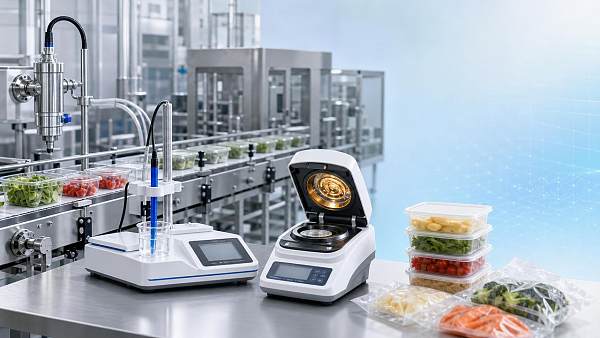
 Food Processing Analyzers for Compliance and Batch ConsistencyFood processing analyzers help manufacturers improve compliance, reduce batch variation, and verify quality from raw materials to final release with faster, traceable decisions.
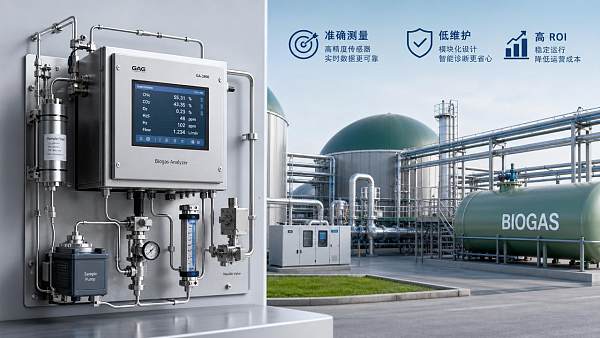
 Biogas Analyzers Market Trends: Accuracy, Maintenance, and ROIBiogas analyzers market trends: explore how accuracy, lower maintenance, and stronger ROI help energy and industrial buyers improve gas quality, uptime, and compliance.
 Safety Monitoring Systems: Common Setup Mistakes to AvoidSafety monitoring systems fail fast when setup is wrong. Discover common installation, calibration, and alarm mistakes to avoid for safer operations and more reliable monitoring.
 Industrial Testing Equipment Costs in 2026: What Drives Pricing?Industrial testing equipment costs in 2026 depend on accuracy, compliance, automation, and lifecycle service. Learn what drives pricing and how to reduce total ownership cost.
 Multi-Component Analyzers vs Single-Gas Units: Which Fits Better?Multi-component analyzers vs single-gas units: compare lifecycle cost, compliance, maintenance, and scalability to choose the best fit for safer, smarter industrial projects.
 Petrochemical Analyzers: Key Specs That Affect Safety and UptimePetrochemical analyzers directly affect safety and uptime. Learn which specs—accuracy, response time, compatibility, and maintenance—matter most for reliable plant performance.
 How to Choose Process Monitoring Instruments for Stable Plant PerformanceProcess monitoring instruments are key to stable plant performance. Learn how to choose the right devices for accuracy, compatibility, lower risk, and better efficiency.
 Brazil INMETRO to Require Portuguese UI and Local Units for Industrial Instruments by 2026Brazil INMETRO mandates Portuguese UI & local units (mbar, kPa, °C) for industrial instruments by Dec 2026—key for exporters, integrators & service providers.
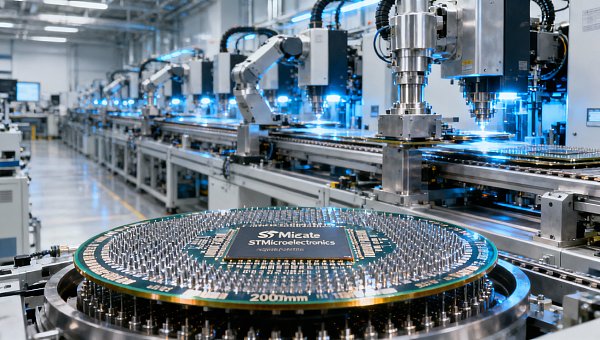
 STMicroelectronics 200mm Line Eases Industrial Sensor Chip ShortageSTMicroelectronics 200mm line eases industrial sensor chip shortage — MCUs & signal-conditioning ICs now ship in 12 weeks. Secure allocation today.
 Southeast Asia Manufacturing Re-shoring Accelerates: Vietnam/Indonesia Industrial Instrument Imports Up 37% YoYSoutheast Asia manufacturing re-shoring accelerates: Vietnam & Indonesia industrial instrument imports up 37% YoY — key insights for suppliers, OEMs & procurement teams.
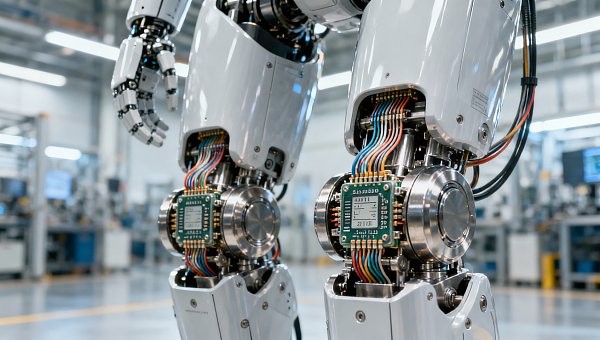
 First Global White Paper on Humanoid Robot Sensor Calibration ReleasedHumanoid robot sensor calibration: First global white paper released—key for ISO/IEC JWG 23 compliance, export readiness & dynamic torque accuracy. Act now.
 SAMR to Upgrade EV Battery Recycling Standard to MandatorySAMR to upgrade EV battery recycling standard GB/T 34015—202X to mandatory by Dec 2026 — critical for exporters, BMS makers & cert labs.
 Saudi SASO Accelerates AI Energy Efficiency Rules for TransmittersSASO AI energy efficiency rules for transmitters take effect 1 June 2026 — mandatory AI simulation, Saudi climate data, and authorized lab validation required. Act now to avoid export delays.
 IEC 63278:2026 Released for Industrial Instrument CybersecurityIEC 63278:2026 is live — the first global standard mandating cybersecurity verification for industrial instruments. Discover compliance impacts, deadlines, and actionable steps for OT/IT convergence.
 Red Sea Crisis Escalates: Gulf of Aden Navigation Ban Extended to June 15, 2026Red Sea Crisis escalates: Gulf of Aden navigation ban extended to June 15, 2026—disrupting industrial instrumentation shipments to the Middle East with 458% air freight spikes and 12–18 day delays.
 US DOE Updates Efficiency Rules for Industrial SensorsUS DOE updates industrial sensor efficiency rules: AI-driven dynamic calibration required by Sept 2026. Ensure AI-Cal Verified compliance now.
 EU Mandates PEF Carbon Footprint Module for Industrial Instruments from June 2026EU mandates PEF carbon footprint module for industrial instruments from June 2026—key for exporters, OEMs & certifiers. Act now to ensure compliance.
 Explosion-Proof Instruments: Compliance Risks Before You OrderExplosion-proof instruments can trigger delays, failed inspections, and safety risks if compliance is overlooked. Learn what to verify before ordering and make safer, smarter purchasing decisions.
 Gas Quality Monitoring Equipment Import Rules to Watch in 2026Gas quality monitoring equipment import rules for 2026 are tightening. Learn the key compliance, certification, and customs risks distributors must manage to avoid delays and protect margins.
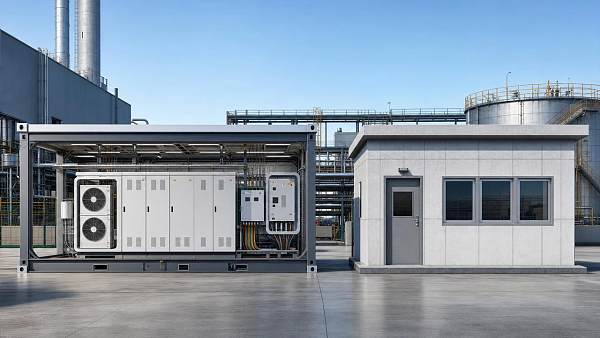
 Emission Control Shelter Demand Shifts Across Industrial ProjectsEmission control shelter demand is rising across industrial projects as buyers seek faster deployment, reliable monitoring, and compliance-ready designs. Explore key evaluation factors.
 Temperature Measurement Instruments: Selection Mistakes That Raise DowntimeTemperature measurement instruments selection mistakes can drive downtime, unstable control, and higher costs. Discover 5 common errors and practical fixes to improve reliability.
 Thermal Conductivity Analyzers: When Are They the Right Choice?Thermal conductivity analyzers are ideal for binary and high-contrast gas mixtures. Learn when they deliver reliable, low-maintenance online monitoring and smarter project value.
 Level Measurement Instruments for Tanks: What Affects ReliabilityLevel measurement instruments reliability depends on media, installation, and diagnostics. Discover what causes tank reading failures and how to improve safety, uptime, and control.
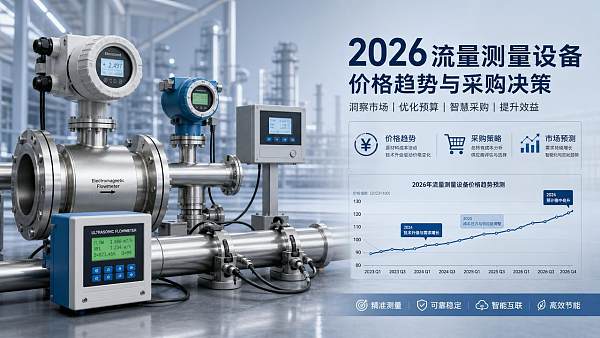
 Flow Measurement Equipment Price Trends in 2026Flow measurement equipment price trends in 2026: learn key cost drivers, budgeting risks, and smart buying strategies to improve ROI and make better procurement decisions.
 Flue Gas Monitoring Equipment: Common Accuracy Issues and FixesFlue gas monitoring equipment accuracy issues can lead to drift, false readings, and compliance risks. Discover common causes, practical fixes, and smarter maintenance tips.
 Process Control Shelter vs Control Room: Key Cost and Deployment DifferencesProcess control shelter vs control room: compare cost, deployment speed, integration, and lifecycle value to choose the smarter solution for industrial automation projects.
 How to Select an Industrial Control Shelter for Harsh Site ConditionsIndustrial control shelter selection for harsh sites: learn how to compare materials, HVAC, safety, and lifecycle cost to protect equipment, reduce downtime, and improve reliability.
 SAMR to Finalize 1,800+ Standards by 2026, Including EV Battery RecyclingSAMR to finalize 1,800+ standards by 2026—including EV battery recycling, hazardous chemical packaging & EMC immunity. Stay ahead of mandatory GB shifts and global export compliance.
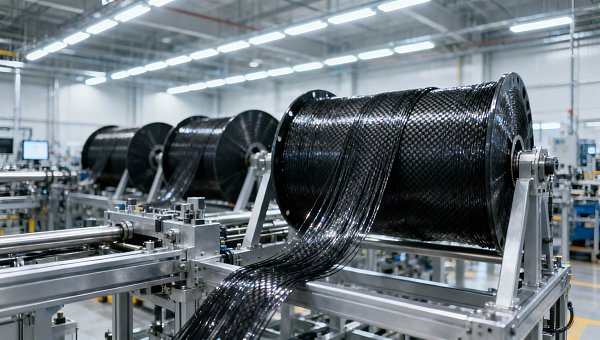
 China's Largest Single-Line Large-Tow Carbon Fiber Line Starts OperationChina's largest single-line large-tow carbon fiber line is live—30,000 tons/year capacity, ASME-certified, 22% cheaper & 6-week lead time. Boost your industrial instrumentation supply chain now.






Search Categories
Search Categories
Latest Article
- Stack Gas Analyzers: When Maintenance Delays Start Raising RiskStack gas analyzers can look normal while hidden drift raises compliance, efficiency, and reliability risks. Learn the warning signs and smart maintenance checks before delays become costly.Posted by:
- Industrial Measurement Systems in Export Projects: Key Compliance ChecksIndustrial measurement systems for export projects: learn the key compliance checks for certifications, calibration, safety, and documents to avoid delays and ensure smooth delivery.Posted by:
- Pharmaceutical Instrumentation Upgrades: What to Evaluate FirstPharmaceutical instrumentation upgrades start with compliance, data integrity, uptime, and ROI. Learn what to evaluate first to reduce risk and make smarter buying decisions.Posted by:
Please give us a message
