
Online measurement is expanding from compliance into optimization


Online measurement is evolving from a compliance tool into a driver of process optimization across modern industries. From fixed analysis, portable analysis, continuous analysis, and custom analysis to explosion proof systems, multi gas detection, paramagnetic oxygen, laser measurement, and thermal measurement, today’s solutions help users improve safety, efficiency, quality, and decision-making while meeting stricter operational and regulatory demands.
Why online measurement is no longer just about compliance
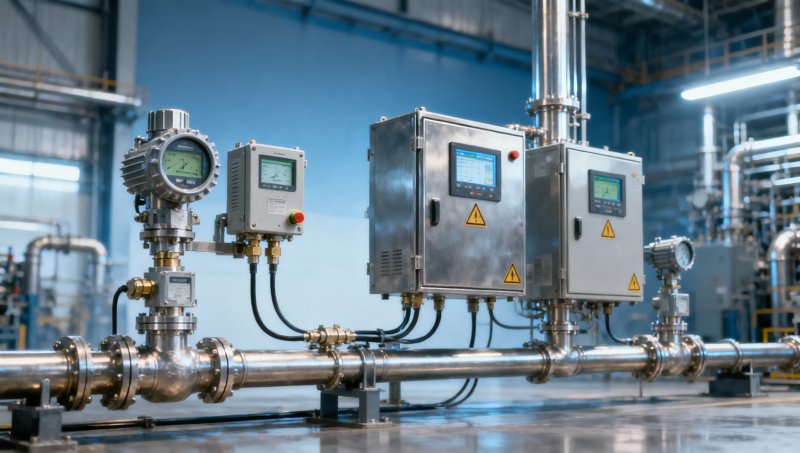
In many industrial, energy, environmental, laboratory, and automation settings, online measurement used to be installed mainly to satisfy emission limits, safety checks, or quality records. That role still matters, but the business expectation has changed. Companies now want measurement systems to support 24/7 visibility, faster corrective action, lower material loss, and more stable operating windows. This shift is especially important where pressure, temperature, flow, level, gas composition, and process variability directly affect output and cost.
For operators, the value is immediate: fewer blind spots, quicker alarms, and less manual sampling. For technical evaluators, online measurement provides trend data that can reveal drift, maintenance needs, and control loop instability over 3 stages of operation: startup, steady production, and shutdown. For purchasing and finance teams, the discussion is moving from unit price alone to lifecycle value over 3–5 years, including calibration frequency, spare parts, downtime exposure, and integration effort.
This broader role is visible across integrated industries. In industrial manufacturing, online measurement supports tighter process control and scrap reduction. In energy and power, it helps verify combustion conditions, gas quality, and equipment safety. In environmental monitoring, it improves continuous reporting readiness. In medical testing and laboratory analysis, it can support more repeatable process environments. In construction engineering and automation control, it helps standardize variable site conditions and remote supervision.
The practical question is no longer whether a plant needs measurement. The real question is which online measurement strategy best matches the process risk, response time, installation environment, and decision level. A system chosen only for regulatory minimums may pass inspection, yet still fail to deliver useful optimization data for engineering, operations, and management.
- Compliance-focused deployment aims to meet required thresholds, records, and safety checks with acceptable reporting continuity.
- Optimization-focused deployment adds higher data availability, faster response cycles, and better integration with control or analysis platforms.
- Decision-focused deployment links measurement outputs to quality assurance, maintenance planning, procurement justification, and project expansion.
Which online measurement technologies fit different industrial scenarios?
Not every application needs the same architecture. A portable analyzer can be useful for spot checks and troubleshooting, while a continuous online analyzer is better where fluctuations occur within minutes or where uninterrupted evidence is required. Custom analysis systems become relevant when sample conditioning, hazardous area design, or multi-parameter integration cannot be solved with a standard package.
Selection becomes more complex when users compare fixed analysis, portable analysis, continuous analysis, explosion proof systems, multi gas detection, paramagnetic oxygen analyzers, laser measurement, and thermal measurement. Each option has a different balance of response time, installation burden, maintenance frequency, and data usefulness. In high-risk or fast-changing processes, a delay of even 5–10 minutes may be too long if operators need immediate intervention.
The table below helps map common online measurement technologies to their most practical use cases in integrated industries. It is not a substitute for engineering review, but it offers a clear first filter for researchers, project managers, and procurement teams comparing solutions across quality, safety, environmental, and process control priorities.
A useful rule is to start with 4 practical filters: process criticality, required response interval, installation environment, and maintenance capacity. If a process can tolerate manual checks every shift, portable analysis may be enough. If product quality or safety changes within seconds to minutes, continuous online measurement is usually the stronger option. If the area is hazardous, explosion proof design and certification compatibility become non-negotiable.
Application priorities by user role
Different stakeholders judge the same instrument differently. Operators focus on response speed, display readability, alarm logic, and ease of daily verification. Technical teams look for measurement principle, stability, sample conditioning, and integration with DCS, PLC, SCADA, or historian platforms. Procurement teams compare vendor responsiveness, spare parts planning, and delivery windows that commonly range from 2–6 weeks for standard configurations and longer for customized systems.
Quality and safety managers often prioritize traceability, threshold control, and event records. Decision-makers and finance approvers are more likely to ask whether the project reduces risk exposure, improves resource efficiency, or supports digital transformation targets. Distributors and agents also need products with clear positioning, reasonable training requirements, and reliable documentation so they can support local customers without long service delays.
Because the instrumentation industry serves such a wide technical base, cross-functional evaluation is essential. A technically advanced analyzer can still become a poor investment if spare parts are difficult to obtain, site installation is underestimated, or operator training is not included in the implementation plan.
What should buyers compare before selecting an online measurement solution?
Procurement errors often happen when selection is reduced to catalog specifications alone. In online measurement, the true performance of a system depends not only on the sensor or analyzer, but also on sample handling, mounting conditions, environmental protection, data output, and maintenance workflow. A technically correct principle can still produce poor results if installed in the wrong location or operated without a practical service plan.
A good buying process usually reviews at least 5 key areas: measurement target, process conditions, installation constraints, compliance needs, and support expectations. Teams that skip one of these areas often face costly redesign, delayed commissioning, or repeated field adjustments. In projects with hazardous gases, high dust, condensation risk, or variable temperatures, upfront engineering detail matters even more than base instrument cost.
The table below gives a practical procurement framework for comparing online measurement systems across technical and commercial dimensions. It is designed for research teams, engineering evaluators, purchasing specialists, and project leaders who need a common decision language before RFQ, budget approval, or final supplier negotiation.
After comparison, buyers should convert the findings into a shortlist based on total project fit rather than price alone. In many cases, the lower-cost option becomes more expensive after 6–12 months if it requires frequent recalibration, special consumables, or repeated site visits. A stronger procurement decision looks at installation readiness, serviceability, and long-term usability in addition to instrument performance.
A practical 4-step selection process
- Define the process objective clearly: control, compliance, safety, quality, or a combination of these.
- Confirm site conditions and media characteristics, including hazardous area, contamination risk, and required response interval.
- Review implementation scope such as mounting, sampling, output protocol, commissioning, and operator training.
- Compare lifecycle cost over a typical 3–5 year horizon instead of comparing purchase price only.
This process is also useful for distributors and system integrators. It improves quotation accuracy, reduces order changes, and creates a more defensible recommendation when end users ask why one online measurement solution is better suited than another.
Questions finance and management should ask
Management does not need to review every technical detail, but it should ask whether the proposed online measurement system reduces operational uncertainty in measurable ways. Useful questions include: Will it shorten response time from hourly checks to continuous visibility? Will it reduce sampling labor? Will it prevent out-of-spec production, unplanned shutdown, or environmental reporting gaps? These questions connect the instrument investment to broader business outcomes.
Finance approvers should also examine implementation risk. A lower upfront quote may exclude key elements such as cabinets, sample conditioning, hazardous area accessories, software integration, or startup support. Those omissions can create a second round of spending after the PO is approved. Transparent scope definition is often a stronger cost control method than aggressive price negotiation.
How implementation, maintenance, and compliance affect real performance
Even well-selected online measurement equipment can underperform if commissioning and maintenance are weak. Real-world reliability depends on correct mounting position, representative sampling, stable utilities, electrical compatibility, and a practical calibration routine. In many facilities, the biggest gap is not the analyzer principle but the lack of a disciplined implementation process from design review to operator handover.
A typical deployment can be organized into 4 implementation phases: requirement confirmation, engineering and configuration, installation and commissioning, and post-startup optimization. Depending on standard versus custom scope, the timeline may range from 2–4 weeks for simpler portable or fixed applications to 6–12 weeks for integrated analyzer cabinets, hazardous area systems, or multi-point monitoring projects. Early planning reduces schedule risk and change orders.
Compliance also matters, but it should be treated as a baseline, not the finish line. Depending on the sector, teams may need to align with general requirements related to electrical safety, hazardous area suitability, calibration traceability, process documentation, and environmental monitoring procedures. The exact standard set differs by country and project type, so buyers should confirm applicable requirements before finalizing configuration and acceptance criteria.
Maintenance planning should be realistic. Some online measurement systems need routine zero and span checks, filter replacement, sensor cleaning, or validation at monthly or quarterly intervals. Others have lower intervention frequency but require more specialized service when problems occur. The right question is not whether maintenance exists, but whether the site team can support it consistently without disrupting operations.
Checklist for smoother project delivery
- Confirm 6 core acceptance items before purchase: measurement range, response expectation, output protocol, enclosure or hazardous area need, documentation package, and startup scope.
- Review installation details early, including cable routing, sampling points, ventilation, drainage, and service access space.
- Plan training for at least 2 groups: operators for daily use and maintenance staff for calibration, verification, and fault response.
- Define who handles post-commissioning adjustments during the first 30–90 days of operation.
This checklist is valuable for project managers and engineering contractors because many delays occur after delivery, not before. Missing utilities, unclear communication protocols, and incomplete SAT criteria can turn a simple online measurement project into a long site issue. Strong pre-installation coordination usually saves more time than rushed installation.
Common misconceptions that increase project risk
One common mistake is assuming a portable analyzer can permanently replace a continuous online analyzer. Portable units are excellent for inspection and verification, but they depend on manpower and sampling discipline. If the process changes between checks, important events may be missed. Another misconception is believing that hazardous area use only requires an explosion proof enclosure. In reality, classification, cable entry, grounding, accessories, and service method all need review.
A third mistake is focusing only on measurement range without checking matrix effects, moisture, dust loading, or sample conditioning. In gas analysis especially, the wrong preparation method can distort results even when the core analyzer is suitable. Finally, some teams underestimate documentation. Clear wiring diagrams, calibration guidance, and maintenance procedures are not paperwork extras; they are part of long-term measurement quality.
Frequently asked questions about online measurement for optimization
How do I know whether continuous online measurement is necessary?
Choose continuous online measurement when the process changes faster than manual checks can capture, when compliance requires persistent records, or when delayed detection carries quality, safety, or cost risk. If a parameter can move out of target within minutes, relying on shift-based or daily checks is usually too slow. Continuous systems are also valuable when data needs to feed alarms, control systems, or trend analysis for optimization.
If process conditions are stable and the consequence of variation is limited, portable or periodic measurement may be sufficient. The decision should be based on process dynamics, not on habit. A short engineering review of the response interval, risk level, and action path often makes the answer clear.
What are the main points to check before buying an explosion proof measurement system?
Start with the hazardous area classification and the actual installation environment. Then confirm whether the analyzer, enclosure, cable entry, power arrangement, and maintenance approach are compatible with that classification. Also review ambient temperature, corrosion risk, and access limitations. A complete explosion proof solution is a system decision, not only a device label decision.
Procurement teams should ask for documentation that clarifies intended application scope, installation requirements, and service conditions. Technical teams should verify whether the design still allows calibration, inspection, and replacement without excessive downtime. Ignoring maintainability can create hidden operating costs over the first 12–24 months.
How long does a typical online measurement project take?
For standard products with limited integration, supply and startup may fit within 2–6 weeks. For custom analyzer systems, hazardous area assemblies, or projects involving cabinets, sample conditioning, multiple signals, or site acceptance testing, the cycle can extend to 6–12 weeks or more depending on documentation approval and site readiness. The most reliable schedule is built after confirming scope, not before.
Buyers should separate lead time into 3 parts: manufacturing or configuration, logistics, and site commissioning. This makes approval and coordination easier, especially when project managers need to align civil work, electrical work, and automation integration in parallel.
What causes online measurement systems to deliver weak optimization value?
The most common causes are poor point selection, weak integration, irregular maintenance, and unclear ownership of data use. Many systems can measure correctly, but the data is not connected to alarm logic, process review, or production decisions. In that case, the project stays at a compliance level and never reaches optimization value.
To avoid this, define from the beginning who will use the data, how often it will be reviewed, and what action will follow when a threshold or trend changes. Optimization is not created by hardware alone. It depends on a complete loop of measurement, interpretation, and response.
Why choose a partner that can support selection, integration, and long-term use
In the instrumentation industry, product capability is only one part of project success. Users also need support in translating process conditions into practical specifications, comparing fixed versus portable versus continuous online measurement, checking hazardous area requirements, and defining a service strategy that fits their site resources. This is especially important in cross-industry environments where manufacturing, energy, environmental monitoring, laboratory work, and automation projects can overlap in one organization.
A capable partner should help you shorten the path from information research to final implementation. That includes clarifying parameters, identifying selection risks, recommending suitable measurement principles, and planning delivery steps that fit your project window. If your process involves multi gas detection, paramagnetic oxygen analysis, laser measurement, thermal measurement, or custom analyzer systems, early technical alignment can prevent costly revisions later.
You can contact us to discuss concrete project topics such as measurement range confirmation, installation environment review, explosion proof configuration, signal output and control integration, sample conditioning requirements, standard delivery timelines, customization options, documentation expectations, sample support, and quotation planning. If you are comparing more than one solution, we can also help structure a side-by-side technical and commercial evaluation for your team.
For buyers, engineers, quality managers, project leaders, and channel partners, the goal is not simply to purchase an instrument. The goal is to deploy online measurement that improves reliability, supports optimization, and remains practical to operate over time. If you are preparing a new project or upgrading an existing measurement point, a focused consultation can help define the right solution before budget and schedule become harder to change.
Recommended for You
 Brazil INMETRO to Require Portuguese UI and Local Units for Industrial Instruments by 2026Brazil INMETRO mandates Portuguese UI & local units (mbar, kPa, °C) for industrial instruments by Dec 2026—key for exporters, integrators & service providers.
 STMicroelectronics 200mm Line Eases Industrial Sensor Chip ShortageSTMicroelectronics 200mm line eases industrial sensor chip shortage — MCUs & signal-conditioning ICs now ship in 12 weeks. Secure allocation today.
 Southeast Asia Manufacturing Re-shoring Accelerates: Vietnam/Indonesia Industrial Instrument Imports Up 37% YoYSoutheast Asia manufacturing re-shoring accelerates: Vietnam & Indonesia industrial instrument imports up 37% YoY — key insights for suppliers, OEMs & procurement teams.
 First Global White Paper on Humanoid Robot Sensor Calibration ReleasedHumanoid robot sensor calibration: First global white paper released—key for ISO/IEC JWG 23 compliance, export readiness & dynamic torque accuracy. Act now.
 SAMR to Upgrade EV Battery Recycling Standard to MandatorySAMR to upgrade EV battery recycling standard GB/T 34015—202X to mandatory by Dec 2026 — critical for exporters, BMS makers & cert labs.
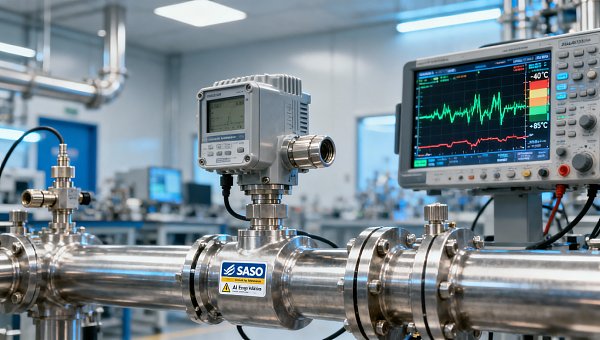
 Saudi SASO Accelerates AI Energy Efficiency Rules for TransmittersSASO AI energy efficiency rules for transmitters take effect 1 June 2026 — mandatory AI simulation, Saudi climate data, and authorized lab validation required. Act now to avoid export delays.
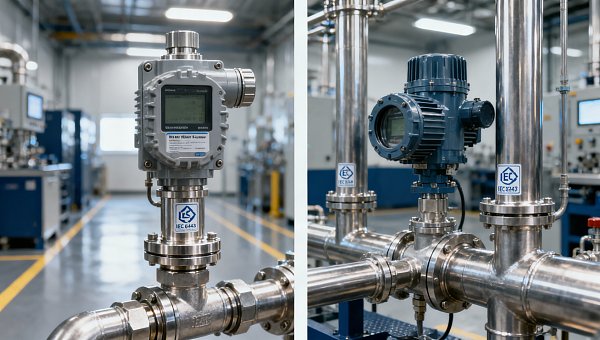
 IEC 63278:2026 Released for Industrial Instrument CybersecurityIEC 63278:2026 is live — the first global standard mandating cybersecurity verification for industrial instruments. Discover compliance impacts, deadlines, and actionable steps for OT/IT convergence.
 Red Sea Crisis Escalates: Gulf of Aden Navigation Ban Extended to June 15, 2026Red Sea Crisis escalates: Gulf of Aden navigation ban extended to June 15, 2026—disrupting industrial instrumentation shipments to the Middle East with 458% air freight spikes and 12–18 day delays.
 US DOE Updates Efficiency Rules for Industrial SensorsUS DOE updates industrial sensor efficiency rules: AI-driven dynamic calibration required by Sept 2026. Ensure AI-Cal Verified compliance now.
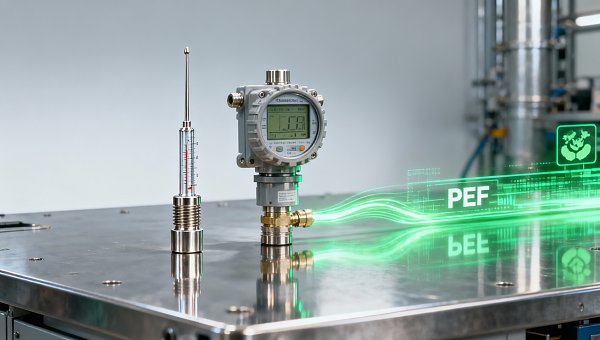
 EU Mandates PEF Carbon Footprint Module for Industrial Instruments from June 2026EU mandates PEF carbon footprint module for industrial instruments from June 2026—key for exporters, OEMs & certifiers. Act now to ensure compliance.
 Explosion-Proof Instruments: Compliance Risks Before You OrderExplosion-proof instruments can trigger delays, failed inspections, and safety risks if compliance is overlooked. Learn what to verify before ordering and make safer, smarter purchasing decisions.
 Gas Quality Monitoring Equipment Import Rules to Watch in 2026Gas quality monitoring equipment import rules for 2026 are tightening. Learn the key compliance, certification, and customs risks distributors must manage to avoid delays and protect margins.
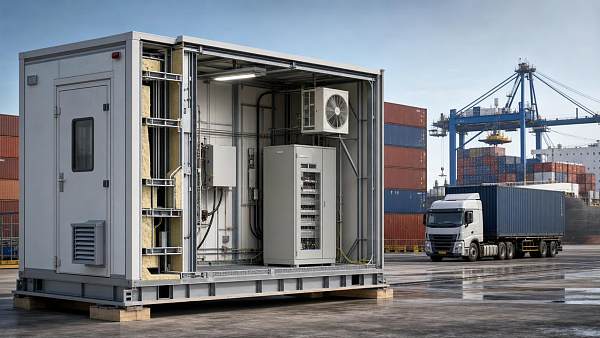
 Emission Control Shelter Demand Shifts Across Industrial ProjectsEmission control shelter demand is rising across industrial projects as buyers seek faster deployment, reliable monitoring, and compliance-ready designs. Explore key evaluation factors.
 Temperature Measurement Instruments: Selection Mistakes That Raise DowntimeTemperature measurement instruments selection mistakes can drive downtime, unstable control, and higher costs. Discover 5 common errors and practical fixes to improve reliability.
 Thermal Conductivity Analyzers: When Are They the Right Choice?Thermal conductivity analyzers are ideal for binary and high-contrast gas mixtures. Learn when they deliver reliable, low-maintenance online monitoring and smarter project value.
 Level Measurement Instruments for Tanks: What Affects ReliabilityLevel measurement instruments reliability depends on media, installation, and diagnostics. Discover what causes tank reading failures and how to improve safety, uptime, and control.
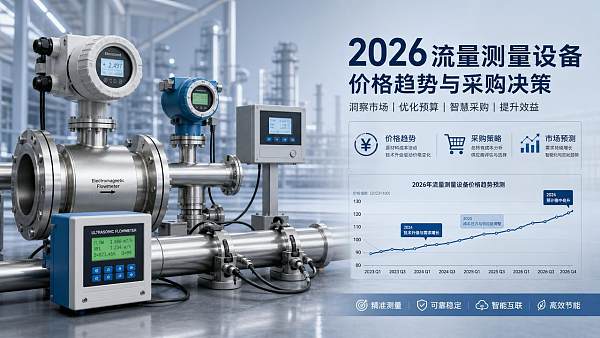
 Flow Measurement Equipment Price Trends in 2026Flow measurement equipment price trends in 2026: learn key cost drivers, budgeting risks, and smart buying strategies to improve ROI and make better procurement decisions.
 Flue Gas Monitoring Equipment: Common Accuracy Issues and FixesFlue gas monitoring equipment accuracy issues can lead to drift, false readings, and compliance risks. Discover common causes, practical fixes, and smarter maintenance tips.
 Process Control Shelter vs Control Room: Key Cost and Deployment DifferencesProcess control shelter vs control room: compare cost, deployment speed, integration, and lifecycle value to choose the smarter solution for industrial automation projects.
 How to Select an Industrial Control Shelter for Harsh Site ConditionsIndustrial control shelter selection for harsh sites: learn how to compare materials, HVAC, safety, and lifecycle cost to protect equipment, reduce downtime, and improve reliability.
 SAMR to Finalize 1,800+ Standards by 2026, Including EV Battery RecyclingSAMR to finalize 1,800+ standards by 2026—including EV battery recycling, hazardous chemical packaging & EMC immunity. Stay ahead of mandatory GB shifts and global export compliance.
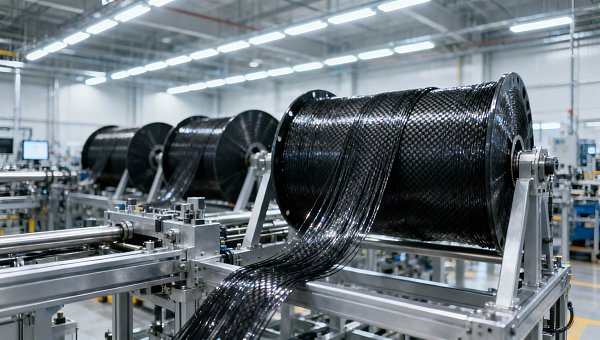
 China's Largest Single-Line Large-Tow Carbon Fiber Line Starts OperationChina's largest single-line large-tow carbon fiber line is live—30,000 tons/year capacity, ASME-certified, 22% cheaper & 6-week lead time. Boost your industrial instrumentation supply chain now.
 China Mobile Unveils National Integrated Computing Power NetworkChina Mobile's National Integrated Computing Power Network accelerates AI quality inspection for global manufacturers—cutting model training time by 68% and enabling cross-border industrial AI development.
 World's First Humanoid Robot Industrial Calibration White Paper ReleasedWorld's First Humanoid Robot Industrial Calibration White Paper released—setting new global benchmarks for dynamic sensor calibration in robotics. Discover how ABB, Yaskawa & metrology leaders are reshaping industry trust.
 Red Sea Crisis Escalates: Aden Gulf Ban Extended to June 15Red Sea Crisis escalates: Aden Gulf ban extended to June 15 — disrupting industrial instrumentation trade between China and the Middle East with 452% air freight spikes and 7–12 day delays.
 Saudi SASO Introduces AI-Based Energy Validation for Industrial TransmittersAI-based energy validation for industrial transmitters is now mandatory in Saudi Arabia—learn how SASO’s new AI regulation impacts global exporters, compliance timelines, and supply chains.
 IEC TC65 Releases Cybersecurity Validation Guide for Industrial InstrumentsIEC TC65’s new Cybersecurity Validation Guide for Industrial Instruments mandates SDL certification & firmware signing—key for EU/US market access. Act now to align with GB/T 42278-2026 and avoid export delays.
 EU PEF Carbon Footprint Database Mandatory Access for Industrial InstrumentsEU PEF Carbon Footprint Database mandatory access starts June 2026 for industrial instruments—pressure, temperature & flow meters. Ensure compliance now to avoid EU customs delays and market exclusion.
 Gas Quality Analyzer Shelter Price Trends and Specification Gaps to WatchGas quality analyzer shelter price trends vary with materials, HVAC, safety, integration, and compliance. See key specification gaps before shortlisting suppliers or approving budget.
 Process Measurement Equipment: Key Accuracy Risks in Harsh EnvironmentsProcess measurement equipment in harsh environments can drift before failing. Discover key accuracy risks, warning signs, and practical controls to protect quality, safety, and compliance.
 Industrial Analyzer Shelter Export Factors Affecting Lead Times This YearIndustrial analyzer shelter export lead times vary with sourcing, engineering, compliance, packing, and logistics. Learn the key factors to quote smarter and deliver with confidence.
 What to Check Before Buying a Process Analyzer ShelterProcess analyzer shelter buying guide: learn what to check before purchase, from compliance and HVAC to utilities, durability, and maintenance access.
















Search Categories
Search Categories
Latest Article
- Brazil INMETRO to Require Portuguese UI and Local Units for Industrial Instruments by 2026Brazil INMETRO mandates Portuguese UI & local units (mbar, kPa, °C) for industrial instruments by Dec 2026—key for exporters, integrators & service providers.Posted by:
- STMicroelectronics 200mm Line Eases Industrial Sensor Chip ShortageSTMicroelectronics 200mm line eases industrial sensor chip shortage — MCUs & signal-conditioning ICs now ship in 12 weeks. Secure allocation today.Posted by:
- Southeast Asia Manufacturing Re-shoring Accelerates: Vietnam/Indonesia Industrial Instrument Imports Up 37% YoYSoutheast Asia manufacturing re-shoring accelerates: Vietnam & Indonesia industrial instrument imports up 37% YoY — key insights for suppliers, OEMs & procurement teams.Posted by:
Please give us a message
