
CO2 Concentration Analyzer Cost Factors for New Facility Projects


When planning a new facility, understanding the cost factors behind a CO2 concentration analyzer is essential for accurate budgeting and long-term project performance. From measurement range and installation environment to integration needs and maintenance requirements, each choice can affect both upfront investment and lifecycle cost. This guide helps project managers and engineering leaders evaluate the key variables before procurement.
Why does a CO2 concentration analyzer cost vary so much from one project to another?
A CO2 concentration analyzer is not a single-price commodity. In new facility projects, cost changes because the analyzer is being purchased as part of a larger measurement and control strategy, not just as a standalone instrument. Project managers often discover that two products with similar basic specifications can have very different total installed costs once sample handling, integration, enclosure ratings, and validation requirements are included.
The first driver is application complexity. A unit used in a clean indoor process room, laboratory, or commercial building usually has a lower installation burden than one deployed in a corrosive industrial area, a power plant utility system, a waste treatment process, or an outdoor environmental monitoring station. The second driver is performance expectation. If the project needs higher accuracy, tighter repeatability, faster response, or stable operation across varying temperatures and pressures, the instrument design becomes more sophisticated and more expensive.
A third factor is project scope. Many teams budget only for the analyzer body and overlook mounting hardware, tubing, filtration, calibration accessories, communication modules, control system engineering, commissioning, documentation, and operator training. In practice, the real cost of a CO2 concentration analyzer is usually a combination of equipment price, installation cost, configuration effort, and future service burden.
Which technical specifications have the biggest impact on CO2 concentration analyzer pricing?
Several core specifications directly influence the price of a CO2 concentration analyzer. Measurement range is one of the most visible. A low-range analyzer for indoor air quality or controlled environments may be simpler than a high-range or multi-range unit intended for industrial combustion monitoring, fermentation, gas processing, or emissions-related measurement. Wider range capability often requires better sensor design and stronger compensation logic.
Accuracy and stability are equally important. If your facility only needs trend visibility, moderate accuracy may be enough. If the analyzer affects product quality, process efficiency, compliance records, or safety-related decisions, the budget should allow for a higher-grade instrument. Better accuracy often brings better optics, more robust calibration architecture, advanced temperature compensation, and lower drift, all of which increase cost but reduce operational uncertainty.
Response time also matters. Some applications can tolerate slower updates, while closed-loop control or process optimization may require fast and consistent readings. In addition, project teams should evaluate whether they need continuous online analysis, portable verification support, or both. Continuous systems usually involve higher infrastructure cost but deliver better process visibility over time.
Another pricing factor is selectivity. In mixed-gas environments, the CO2 concentration analyzer may need compensation for moisture, dust, pressure variation, or interfering gases. When the application environment is complex, a lower-priced option can become expensive later if it produces unstable data or frequent maintenance events.
How does the installation environment affect total project cost?
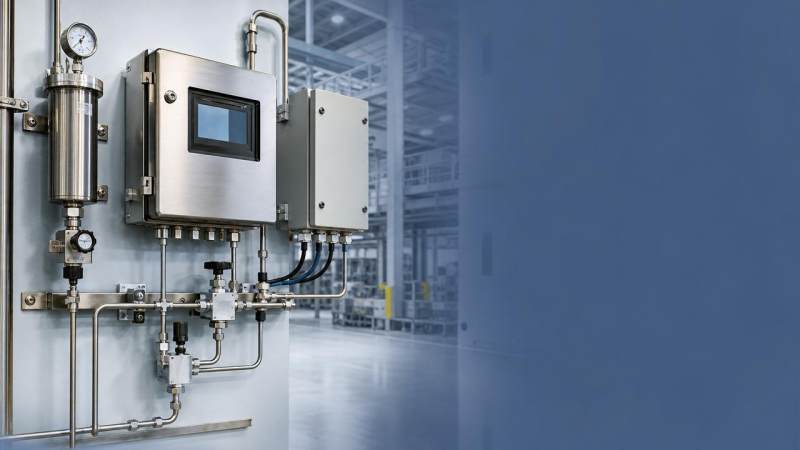
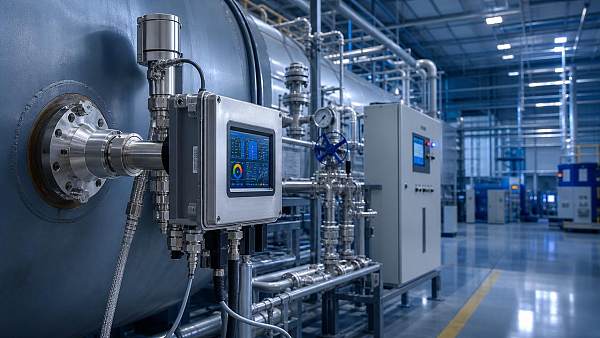
For new facility projects, the installation environment can reshape the entire analyzer budget. This is especially true in the instrumentation industry, where reliable measurement depends on matching the device to the physical conditions of the site. A CO2 concentration analyzer installed in a climate-controlled indoor utility room may need little more than basic mounting and wiring. The same analyzer placed outdoors, near vibration sources, in high-humidity areas, or in dusty process zones may require weatherproof enclosures, heated lines, sunshields, air purging, shock protection, or specialized cable routing.
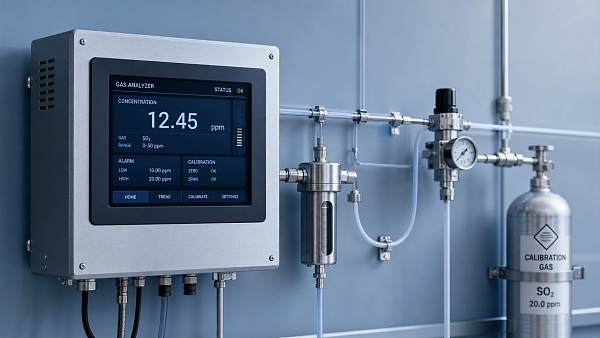
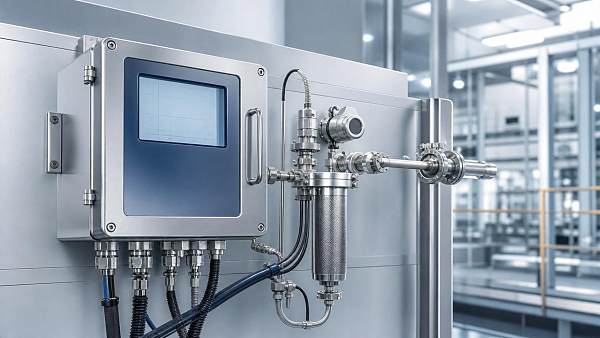
Sampling conditions are another hidden cost center. If the gas cannot be measured directly at the point of process contact, a sample conditioning system may be necessary. That can include probes, filters, moisture removal, pressure regulation, pumps, and heated sample lines. For many projects, this supporting system can represent a significant share of the installed cost and may exceed the analyzer base price.
Facility layout also matters. Long cable runs, remote analyzer shelters, hazardous area segregation, and hard-to-access mounting positions all increase labor hours. Project managers should ask not only “How much does the CO2 concentration analyzer cost?” but also “What will it take to make the measurement reliable at this location?” That question usually leads to a more realistic budget.
What integration requirements should project managers evaluate before buying?
A CO2 concentration analyzer rarely works in isolation in a modern facility. It often needs to communicate with a PLC, DCS, SCADA platform, building management system, historian, or industrial IoT environment. Communication requirements can affect both equipment selection and engineering cost. A unit with standard analog output may appear cheaper at first, but if the project needs Modbus, Ethernet, alarms, diagnostics, remote configuration, or cybersecurity support, the real integration cost can rise quickly.
Signal architecture should be defined early. Teams should confirm how many outputs are required, whether redundancy is needed, and how analyzer alarms will be used in operations. Data formatting, tag mapping, control logic updates, FAT and SAT testing, and commissioning support all add time and cost. For facilities focused on digital transformation, the ability of the CO2 concentration analyzer to provide health diagnostics, calibration status, and maintenance indicators may be more valuable than the lowest purchase price.
Documentation is another integration topic. New facility projects often require wiring diagrams, loop drawings, communication settings, calibration certificates, and operation manuals that align with internal standards. If the vendor’s documentation quality is weak, engineering teams may spend additional hours closing the gap. That hidden labor should be considered during procurement.
What common budgeting mistakes lead to underestimating the real cost?
One of the most common mistakes is comparing only the list price of the analyzer without comparing the full measurement solution. A lower-cost CO2 concentration analyzer may require more frequent calibration, shorter service intervals, or more operator intervention. Over several years, the lifecycle cost can exceed that of a higher-priced but more stable instrument.
Another mistake is failing to match the analyzer to the actual process need. Overspecification wastes capital, while underspecification creates rework and reliability issues. For example, buying an advanced unit with unnecessary performance features may not improve outcomes in a basic ventilation monitoring application. On the other hand, using a simple indoor-grade device in a harsh process environment can create drift, downtime, and repeated replacement costs.
A third mistake is ignoring consumables and support. Filters, calibration gas, valves, pumps, sensor modules, software licenses, and site service visits may all affect annual operating expense. Project leaders should also consider spare parts strategy. If the analyzer is tied to a critical process, keeping key spares on hand may be cheaper than accepting unplanned downtime.
Finally, some teams do not account for startup learning curves. A CO2 concentration analyzer that is difficult to commission or maintain can absorb engineering time during the most schedule-sensitive phase of a new facility launch. Ease of use, vendor responsiveness, and service availability should therefore be treated as cost factors, not soft preferences.
How can you compare options quickly without missing critical cost factors?
A practical comparison framework helps project managers avoid superficial price-based decisions. The table below summarizes the main factors that should be reviewed when evaluating a CO2 concentration analyzer for a new facility.
When is a higher-priced CO2 concentration analyzer actually the lower-cost choice?
A higher-priced CO2 concentration analyzer can be the smarter option when the measurement is operationally important. If the analyzer influences process control, energy optimization, product quality, environmental records, or safety response, the cost of poor data is often much greater than the difference in purchase price. Unreliable readings can lead to process instability, wasted energy, false alarms, unnecessary maintenance, or compliance disputes.
It can also be the better financial choice when labor access is difficult. In elevated structures, outdoor compounds, utility tunnels, or distributed process areas, every maintenance visit costs time and coordination. A more robust analyzer with lower drift and longer calibration intervals may reduce total ownership cost significantly. Likewise, in facilities with limited instrumentation staff, easier maintenance and stronger vendor support can protect schedule and performance.
For project managers, the key is to evaluate cost in terms of service life, not only procurement stage. A slightly higher capital expense can deliver lower lifecycle cost if it reduces engineering revisions, maintenance frequency, and process risk.
What questions should you ask suppliers before finalizing a purchase?
Before selecting a CO2 concentration analyzer, project teams should ask suppliers questions that uncover real implementation cost. Start with application fit: what process conditions has this model been used in, and what assumptions are built into the proposal? Then move to installation scope: what accessories, mounting materials, sample conditioning components, and protective features are required for reliable operation?
Next, clarify performance under actual operating conditions. Ask how humidity, dust, temperature fluctuation, pressure changes, and gas interference affect readings. Confirm calibration method, expected drift, maintenance interval, and what parts are considered consumable. Integration questions should cover communication protocols, I/O options, diagnostic outputs, software tools, and documentation package. Finally, ask about delivery time, startup support, training, local service capability, and spare parts lead time.
If you need to confirm a practical solution, a budget direction, a realistic delivery schedule, or a comparable quotation for a CO2 concentration analyzer, it is best to begin the conversation with five items: your target measurement range, site environment, control system interface, maintenance expectation, and the business consequence of inaccurate data. Those answers will usually define the right technical path faster than price discussion alone.
Recommended for You
 Kuwait Bans HCFC Air Conditioners, Boosts IR Camera ExportsKuwait bans HCFC air conditioners—boosting demand for IR cameras, leak detectors & refrigerant analyzers. Discover GCC compliance insights and export opportunities.
 China's IC Exports Surge 78.3% in First Four Months of 2026China's IC exports surge 78.3% in early 2026 — driven by soaring global demand for AI chip test equipment, SMUs, and parametric analyzers. Discover the supply chain shift.
 Chile Enforces Mandatory INN Safety Certification for Industrial Temperature ControllersChile mandates INN safety certification (NCh Elec 4/2025) for industrial temperature controllers starting Aug 1, 2026—act now to avoid shipment delays & market bans.
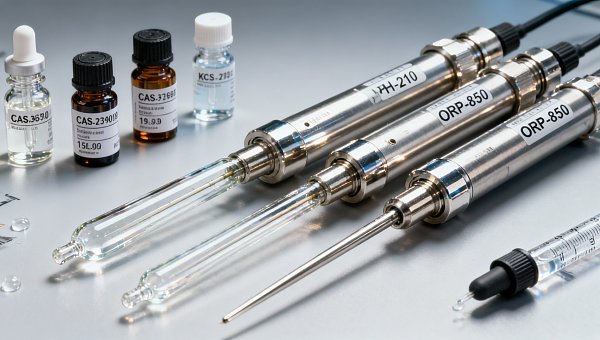
 K-REACH Supply-Shortage Exemption Launches for pH/ORP ElectrodesK-REACH Supply-Shortage Exemption now applies to pH/ORP electrodes—act before June 30, 2026 to avoid customs delays & penalties. Key for exporters & manufacturers.
 4th China International Supply Chain Expo to Focus on Smart Sensing & In-Process InspectionSmart Sensing & In-Process Inspection take center stage at the 4th China International Supply Chain Expo in Beijing, Nov 26–30, 2026 — discover next-gen inspection tech, AI vision modules, and calibrated sensing solutions for global industrial buyers.
 ASTM F2100-26 Medical Mask Standard Takes Effect in USASTM F2100-26 medical mask standard is now in force—driving global demand for biosafety cabinets, particle counters & air velocity calibrators, especially China-made instruments.
 South Africa Enforces SABS Certification for IoT Monitoring DevicesSABS certification now mandatory for IoT monitoring devices entering South Africa via e-commerce—act before 1 June 2026 to avoid customs rejection and ensure market access.
 EU REACH Adds Fluorinated Substances; SVHC Reporting Required for Gas AnalyzersEU REACH now restricts fluorinated substances in gas analyzers—SVHC reporting is mandatory by 30 Nov 2026. Ensure compliance for sensors, membranes & monitoring systems.
 Revised Maritime Code Takes Effect May 1, 2026: Shift in Unclaimed Cargo LiabilityRevised Maritime Code (2026): Shippers now liable for unclaimed cargo—critical for industrial instrument exporters, logistics providers & cross-border supply chains. Act now.
 China Imposes Zero Tariffs on Goods from All African Diplomatic Partners Starting May 1, 2026China’s zero-tariff policy for African instrumentation & automation exports starts May 1, 2026—boosting competitiveness in EPC tenders and market access for exporters.
 Import and Export Shifts in the PPM Gas Analyzer Marketppm gas analyzer market insights: discover how import tariffs, export controls, and compliance shifts impact cost, supply stability, and growth opportunities across key applications.
 Single Gas Analyzer Maintenance Issues That Raise DowntimeSingle gas analyzer maintenance issues can quietly increase downtime. Learn how to spot drift, calibration errors, and sample path faults early to improve uptime and field efficiency.
 Combustion Gas Analyzer Market Trends Shaping 2026 UpgradesCombustion gas analyzer market trends shaping 2026: discover how smarter monitoring, multi-gas accuracy, and digital integration can improve compliance, efficiency, and ROI.
 Corrosive Gas Analyzer Risks That Impact Safety ComplianceCorrosive gas analyzer risks can quietly undermine safety compliance. Learn how drift, sampling failures, and poor maintenance affect accuracy—and how to strengthen monitoring reliability.
 Percent Range Analyzer Applications in Process ControlPercent range analyzer applications improve process control by turning raw signals into clear operating percentages. Discover faster decisions, better alarms, and more stable system performance.
 What Affects the Total Cost of a Dual Gas AnalyzerDual gas analyzer total cost goes beyond purchase price. Learn how sensors, calibration, compliance, integration, and maintenance shape lifecycle value and smarter buying decisions.
 High Temperature Analyzer Selection Mistakes to Avoid in 2026High temperature analyzer selection mistakes can delay projects and raise lifecycle costs. Discover the top 2026 pitfalls and how to choose a safer, smarter solution.
 2026 Price Trends for Multi Gas Analyzer SystemsMulti gas analyzer price trends for 2026: discover key cost drivers, ownership factors, and smart budgeting tips to compare systems, control risk, and choose the right solution.
 PPB Gas Analyzer vs PPM Gas Analyzer: What Changes in Real Useppb gas analyzer vs PPM gas analyzer: learn how sensitivity, calibration, maintenance, and sample handling change in real use to choose the right solution with less risk and cost.
 How to Choose a Trace Gas Analyzer for Low-Level Leak DetectionTrace gas analyzer selection for low-level leak detection: learn how to compare sensitivity, response time, interference control, and integration for safer, faster, more reliable results.
 US-China Trade Talks Agree on Tariff Cuts for Key Test Equipment PartsUS-China tariff cuts on key test equipment parts—like pressure sensor chips & infrared thermal imaging modules—boost margins, cut costs, and strengthen global competitiveness for manufacturers.
 G7 Paris Meeting Focuses on Critical Mineral Supply SecurityCritical mineral supply security takes center stage at the G7 Paris meeting—key for rare-earth sensor exporters. Learn EU compliance impacts & actionable readiness steps.
 Brent Crude Surpasses $106/bbl, Raising Sea Freight Costs for Small Testing Equipment ExportsBrent Crude Surpasses $106/bbl—sea freight costs surge, impacting small testing equipment exporters. Learn how SMEs can adapt pricing, terms & logistics now.
 WTO Forecasts 1.9% Global Goods Trade Growth in 2026 Amid Supply Chain ShorteningWTO forecasts 1.9% global goods trade growth in 2026—sparking nearshoring demand for testing equipment, calibration services & OTA-ready solutions in ASEAN, Middle East & Mexico.
 UK-China Export Control Working Group Holds Second Meeting in LondonUK-China Export Control Working Group: Key updates on dual-use items—laser interferometers, quantum sensors & oscilloscopes. Learn compliance implications for exporters now.
 Japan's 10Y Yield Drop to 2.745% Lifts Yen, Raising China-Made Testing Equipment CostsJapan's 10Y yield drop to 2.745% lifts yen, raising costs for China-made testing equipment — explore FX impacts, procurement shifts & strategic responses.
 KOSPI 200 Futures Circuit Breaker Triggered, Impacting Industrial Automation Instrument Export TimelinesKOSPI 200 futures circuit breaker triggered — impact on PLC modules, transmitters & fieldbus instrument exports to Korea. Urgent timeline insights inside.
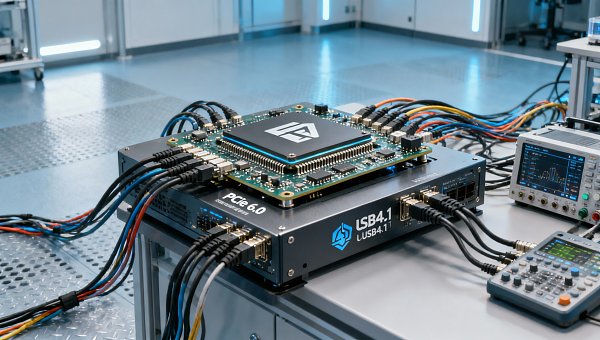
 South Korea’s Chip Exports Surge 202% in May 2026 Amid AI Test Equipment DemandAI test equipment demand surges as South Korea’s chip exports jump 202% in May 2026 — PCIe 6.0 & USB4.1 validation tools see sharp global procurement rise.
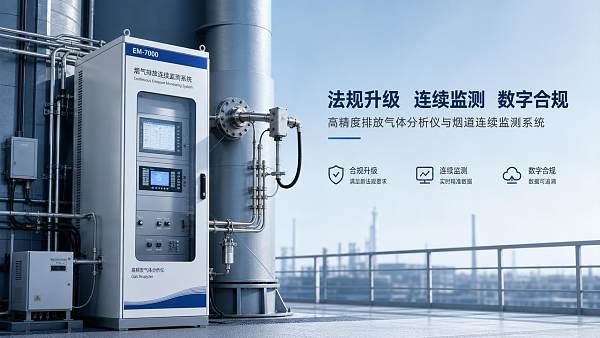
 Emission Gas Analyzer News in 2026: Regulatory Shifts Affecting DemandEmission gas analyzer demand is changing fast in 2026 as new regulations tighten limits, expand continuous monitoring, and raise data compliance standards. Explore key trends shaping smarter buying decisions.
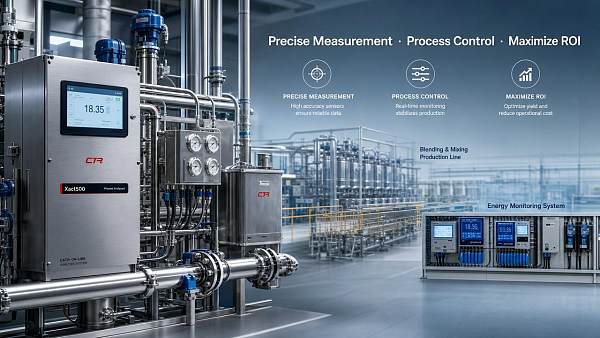
 When a High Accuracy Analyzer Delivers Real ROI in Process ControlHigh accuracy analyzer ROI starts with better process control. Learn where tighter measurements cut waste, improve stability, reduce compliance risk, and deliver measurable operational savings.
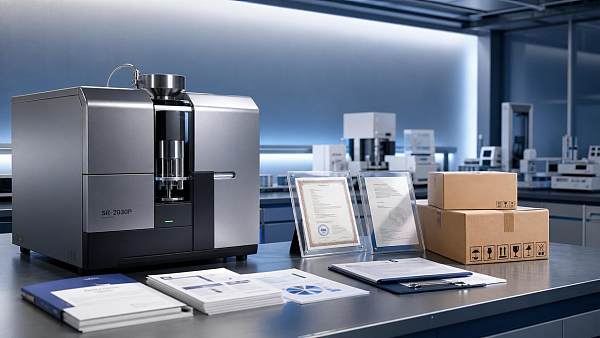
 SR-2030P Analyzer Import Updates in 2026: Compliance Points to ReviewSR-2030P analyzer import updates for 2026: review classification, certification, customs documents, and market access risks to reduce delays, control costs, and source with confidence.
 Industrial Oxygen Analyzer Price Trends in 2026: Cost Drivers to WatchIndustrial oxygen analyzer price trends in 2026 explained: compare sensor, compliance, installation, and maintenance cost drivers to make smarter, lower-risk buying decisions.
Search Categories
Search Categories
Latest Article
- Kuwait Bans HCFC Air Conditioners, Boosts IR Camera ExportsKuwait bans HCFC air conditioners—boosting demand for IR cameras, leak detectors & refrigerant analyzers. Discover GCC compliance insights and export opportunities.Posted by:
- China's IC Exports Surge 78.3% in First Four Months of 2026China's IC exports surge 78.3% in early 2026 — driven by soaring global demand for AI chip test equipment, SMUs, and parametric analyzers. Discover the supply chain shift.Posted by:
- Chile Enforces Mandatory INN Safety Certification for Industrial Temperature ControllersChile mandates INN safety certification (NCh Elec 4/2025) for industrial temperature controllers starting Aug 1, 2026—act now to avoid shipment delays & market bans.Posted by:
Please give us a message
