
Rugged Gas Analyzer Pricing Is Shifting with Material Costs


As material costs continue to reshape procurement decisions, buyers are re-evaluating every rugged gas analyzer option for performance, compliance, and lifecycle value. From zone 1 analyzer and zone 2 analyzer models to IECEx analyzer, ATEX analyzer, and intrinsically safe analyzer solutions, pricing now reflects more than specifications alone. For harsh environment analyzer, corrosion resistant analyzer, and extreme condition analyzer applications, understanding these shifts is essential before investing in explosion proof equipment.
The core question behind today’s search intent is straightforward: why are rugged gas analyzer prices changing, and how should buyers judge whether a higher quote is justified? For most operators, engineers, procurement teams, safety managers, and business decision-makers, the answer is not simply “raw materials are more expensive.” Pricing is shifting because enclosure metals, specialty seals, certified components, electronics, logistics, and compliance-related manufacturing all affect total product cost. In practice, that means the lowest upfront price may now carry higher operating risk, longer lead times, weaker certification confidence, or shorter service life.
If you are comparing a zone 1 analyzer, zone 2 analyzer, IECEx analyzer, ATEX analyzer, or intrinsically safe analyzer for a demanding site, the smartest approach is to evaluate price through three lenses: safety compliance, durability in the actual environment, and lifetime ownership cost. That is where real value is decided.
Why rugged gas analyzer pricing is rising beyond basic inflation
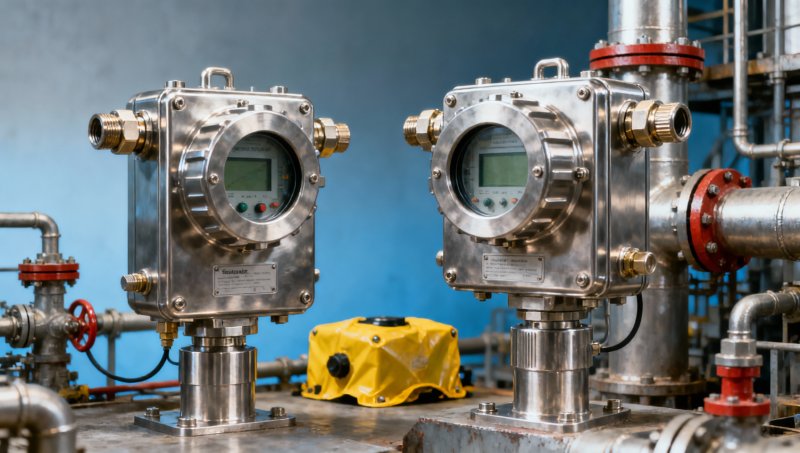
In the rugged instrumentation market, pricing shifts are usually driven by a combination of material pressure and specification pressure. Buyers often notice the final quotation increase, but the deeper reasons matter because they affect both performance and supply strategy.
Several cost drivers are having the biggest influence:
- Stainless steel and specialty alloy costs: Many rugged gas analyzer designs rely on 316 stainless steel, coated metals, or corrosion-resistant alloys for harsh environment analyzer applications. When metal input prices rise, enclosure and wetted-part costs rise immediately.
- Explosion-proof and certified component availability: A true explosion proof equipment design often requires certified cable glands, housings, barriers, connectors, and internal safety protections. These are not generic parts, and shortages can sharply affect final pricing.
- Seals, membranes, and chemical-resistant materials: In corrosive, wet, dusty, or temperature-volatile installations, material selection is critical. Higher-grade elastomers, coatings, and isolation materials increase durability, but also increase cost.
- Electronics and sensor packaging: Ruggedization is not just about the box. Vibration resistance, thermal management, ingress protection, and sensor stability under field conditions all add engineering and manufacturing cost.
- Certification and documentation burden: IECEx analyzer and ATEX analyzer products require more than design compliance. Testing, traceability, marking, technical files, and quality controls all contribute to pricing.
For buyers, the key takeaway is this: a rising price is not automatically a bad signal. In many cases, it reflects better survivability, safer deployment, or stronger certification integrity. The real issue is whether the added cost aligns with the application risk.
What buyers care about most when comparing rugged gas analyzer quotes
Different stakeholders read the same quotation differently. Operators want reliability. Engineers want fit-for-purpose performance. Procurement wants a defensible purchase. Finance wants control of cost. Safety and quality teams want compliance confidence. Management wants a decision that avoids downtime, incidents, and repeated capital spend.
That is why the most useful comparison is not “Which analyzer is cheapest?” but “Which analyzer gives acceptable risk, compliance, and total lifecycle cost for this installation?”
In real buying situations, the most important questions are usually the following:
- Is the certification truly suitable for the hazardous area? A zone 1 analyzer and a zone 2 analyzer are not interchangeable. Misalignment here creates operational and legal risk.
- What materials are used in the enclosure and sampling path? For corrosion resistant analyzer requirements, material quality can determine whether the unit lasts five years or fails early.
- How will the analyzer perform in dust, heat, moisture, vibration, or corrosive gas exposure? An extreme condition analyzer must be judged on real environment suitability, not brochure language alone.
- What maintenance burden should be expected? Lower-cost equipment may require more frequent recalibration, seal replacement, or unplanned service visits.
- What is the lead time and parts availability? Material volatility can affect not only price, but also delivery schedule and spare support.
- What are the costs of failure? In many plants, one analyzer failure can trigger production impact, safety intervention, compliance exposure, or emergency replacement costs far above the original purchase difference.
For distributors and project managers, these concerns are even more practical. A seemingly attractive price can become a project problem if installation conditions, certification requirements, or field durability were not properly reviewed during evaluation.
How to judge whether a higher-priced analyzer is actually worth it
A more expensive rugged gas analyzer is worth considering when the price increase corresponds to measurable reduction in operational risk or lifecycle cost. Buyers should ask suppliers to show evidence, not just positioning.
Here is a practical framework:
- Check the hazardous-area match first. If the site requires an intrinsically safe analyzer or specific zone compliance, this requirement overrides basic price comparison. Wrong classification invalidates the comparison.
- Review material selection against the process environment. In marine, chemical, wastewater, mining, and outdoor energy applications, corrosion resistance is a business issue, not just a technical option.
- Estimate total cost of ownership over the expected service period. Include calibration frequency, spare parts, sensor replacement, enclosure degradation, service access time, and downtime exposure.
- Compare ingress protection, temperature rating, and vibration tolerance. A harsh environment analyzer should be selected for the real site, including seasonal extremes and abnormal conditions.
- Validate certification quality and support documents. Buyers should confirm not only the label, but also traceability, manuals, approvals, and site applicability.
- Ask about repairability and parts continuity. Supply chain instability means long-term support has become a more important part of pricing value.
If a supplier can clearly demonstrate longer service intervals, stronger enclosure integrity, lower corrosion risk, better compliance support, and more stable field operation, then a higher quotation may be financially justified. If they cannot, the premium may be difficult to defend.
Where material costs have the biggest impact by application type
Not every application feels the same pricing pressure. Rugged gas analyzer configuration depends heavily on site conditions, and some environments amplify the effect of material cost changes more than others.
Oil and gas, petrochemical, and hazardous processing sites:
These often require zone 1 analyzer or IECEx analyzer configurations with robust enclosure design, certified accessories, and tighter safety engineering. Material and compliance costs are both significant here.
Outdoor power, utility, and environmental monitoring installations:
Exposure to rain, UV, temperature swings, dust, and condensation increases the need for weather resistance and stable enclosure materials. For these projects, the price impact often comes from sealing, coating, and long-life external components.
Chemical and corrosive process industries:
A corrosion resistant analyzer may need upgraded alloys, special tubing, protective coatings, and resistant internal materials. This is one of the clearest categories where material cost directly changes product price.
Mining, heavy industry, and remote sites:
An extreme condition analyzer in these settings must handle shock, vibration, airborne contaminants, and difficult maintenance access. Stronger mechanical protection and serviceability features often raise initial cost but reduce field problems.
OEM, system integration, and project-based supply:
For project managers and integrators, even moderate material cost shifts can affect bid competitiveness. In these cases, configuration discipline matters: do not over-specify where risk is low, but do not under-specify in hazardous or corrosive areas.
How procurement and finance teams can make a safer buying decision now
When pricing is unstable, procurement and finance teams need a structured way to approve rugged analyzer purchases without slowing projects or accepting hidden risk.
A practical decision process includes:
- Separate mandatory requirements from optional upgrades. Certification, safety class, and core environmental suitability should be non-negotiable. Cosmetic or low-impact options should be examined carefully.
- Request a cost breakdown by design factor. Ask suppliers what portion of pricing relates to enclosure material, certification, sensor package, environmental protection, and support scope.
- Compare alternatives by lifecycle scenario. Evaluate a low-cost, mid-range, and premium option over three to five years, not just at point of purchase.
- Quantify risk exposure. Include outage cost, safety event potential, replacement logistics, and maintenance labor in the approval model.
- Review supply continuity. In some cases, a slightly higher-priced supplier with stable delivery and support may create less project risk than a cheaper but less predictable option.
This approach helps financial approvers move beyond simple unit-price comparison. In industrial instrumentation, poor fit often costs more than premium equipment.
What to ask suppliers before investing in explosion proof equipment
Whether you are a plant user, technical evaluator, distributor, or commercial buyer, strong supplier questions can quickly expose whether the quoted analyzer is built for your real application.
Useful questions include:
- Which certifications apply to this exact model and configuration?
- Is this unit designed as explosion proof equipment, or is it an intrinsically safe analyzer with different installation assumptions?
- What enclosure and wetted materials are used, and why were they selected?
- How does the analyzer perform under the site’s expected temperature, humidity, dust, and vibration conditions?
- What failure modes are most common in similar field deployments?
- What is the recommended maintenance interval, and what parts typically require replacement?
- How long are current lead times for the analyzer and critical spare parts?
- What documentation is provided for technical review, compliance verification, and audit support?
Good suppliers will answer these directly and consistently. Vague answers are often a warning sign, especially for hazardous-area or corrosion-intensive applications.
Conclusion: price shifts matter, but bad fit costs more than higher material cost
Rugged gas analyzer pricing is shifting because materials, certified components, environmental protection features, and compliance-related manufacturing all carry higher cost pressure than before. But for buyers, the main takeaway is not simply that analyzers are more expensive. It is that pricing now reveals more about product quality, application fit, and supply reliability.
When evaluating a zone 1 analyzer, zone 2 analyzer, IECEx analyzer, ATEX analyzer, harsh environment analyzer, corrosion resistant analyzer, or extreme condition analyzer, the best decision comes from balancing compliance, durability, serviceability, and total ownership cost. For many industrial users, paying more upfront is justified if it avoids downtime, safety risk, premature replacement, or compliance failure.
In short, do not ask only whether the price has increased. Ask whether the analyzer is truly built for the environment, certification class, and business risk you need to manage. That is where the real value of rugged instrumentation is decided.
Recommended for You
 Stack Gas Analyzers: When Maintenance Delays Start Raising RiskStack gas analyzers can look normal while hidden drift raises compliance, efficiency, and reliability risks. Learn the warning signs and smart maintenance checks before delays become costly.
 Industrial Measurement Systems in Export Projects: Key Compliance ChecksIndustrial measurement systems for export projects: learn the key compliance checks for certifications, calibration, safety, and documents to avoid delays and ensure smooth delivery.
 Pharmaceutical Instrumentation Upgrades: What to Evaluate FirstPharmaceutical instrumentation upgrades start with compliance, data integrity, uptime, and ROI. Learn what to evaluate first to reduce risk and make smarter buying decisions.
 Food Processing Analyzers for Compliance and Batch ConsistencyFood processing analyzers help manufacturers improve compliance, reduce batch variation, and verify quality from raw materials to final release with faster, traceable decisions.
 Biogas Analyzers Market Trends: Accuracy, Maintenance, and ROIBiogas analyzers market trends: explore how accuracy, lower maintenance, and stronger ROI help energy and industrial buyers improve gas quality, uptime, and compliance.
 Safety Monitoring Systems: Common Setup Mistakes to AvoidSafety monitoring systems fail fast when setup is wrong. Discover common installation, calibration, and alarm mistakes to avoid for safer operations and more reliable monitoring.
 Industrial Testing Equipment Costs in 2026: What Drives Pricing?Industrial testing equipment costs in 2026 depend on accuracy, compliance, automation, and lifecycle service. Learn what drives pricing and how to reduce total ownership cost.
 Multi-Component Analyzers vs Single-Gas Units: Which Fits Better?Multi-component analyzers vs single-gas units: compare lifecycle cost, compliance, maintenance, and scalability to choose the best fit for safer, smarter industrial projects.
 Petrochemical Analyzers: Key Specs That Affect Safety and UptimePetrochemical analyzers directly affect safety and uptime. Learn which specs—accuracy, response time, compatibility, and maintenance—matter most for reliable plant performance.
 How to Choose Process Monitoring Instruments for Stable Plant PerformanceProcess monitoring instruments are key to stable plant performance. Learn how to choose the right devices for accuracy, compatibility, lower risk, and better efficiency.
 Brazil INMETRO to Require Portuguese UI and Local Units for Industrial Instruments by 2026Brazil INMETRO mandates Portuguese UI & local units (mbar, kPa, °C) for industrial instruments by Dec 2026—key for exporters, integrators & service providers.
 STMicroelectronics 200mm Line Eases Industrial Sensor Chip ShortageSTMicroelectronics 200mm line eases industrial sensor chip shortage — MCUs & signal-conditioning ICs now ship in 12 weeks. Secure allocation today.
 Southeast Asia Manufacturing Re-shoring Accelerates: Vietnam/Indonesia Industrial Instrument Imports Up 37% YoYSoutheast Asia manufacturing re-shoring accelerates: Vietnam & Indonesia industrial instrument imports up 37% YoY — key insights for suppliers, OEMs & procurement teams.
 First Global White Paper on Humanoid Robot Sensor Calibration ReleasedHumanoid robot sensor calibration: First global white paper released—key for ISO/IEC JWG 23 compliance, export readiness & dynamic torque accuracy. Act now.
 SAMR to Upgrade EV Battery Recycling Standard to MandatorySAMR to upgrade EV battery recycling standard GB/T 34015—202X to mandatory by Dec 2026 — critical for exporters, BMS makers & cert labs.
 Saudi SASO Accelerates AI Energy Efficiency Rules for TransmittersSASO AI energy efficiency rules for transmitters take effect 1 June 2026 — mandatory AI simulation, Saudi climate data, and authorized lab validation required. Act now to avoid export delays.
 IEC 63278:2026 Released for Industrial Instrument CybersecurityIEC 63278:2026 is live — the first global standard mandating cybersecurity verification for industrial instruments. Discover compliance impacts, deadlines, and actionable steps for OT/IT convergence.
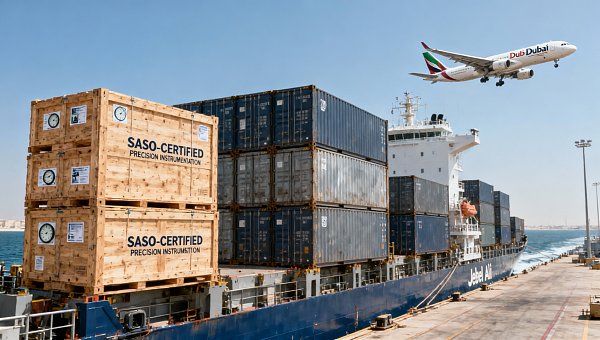
 Red Sea Crisis Escalates: Gulf of Aden Navigation Ban Extended to June 15, 2026Red Sea Crisis escalates: Gulf of Aden navigation ban extended to June 15, 2026—disrupting industrial instrumentation shipments to the Middle East with 458% air freight spikes and 12–18 day delays.
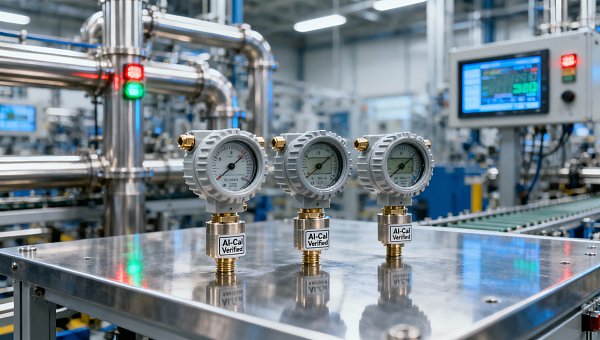
 US DOE Updates Efficiency Rules for Industrial SensorsUS DOE updates industrial sensor efficiency rules: AI-driven dynamic calibration required by Sept 2026. Ensure AI-Cal Verified compliance now.
 EU Mandates PEF Carbon Footprint Module for Industrial Instruments from June 2026EU mandates PEF carbon footprint module for industrial instruments from June 2026—key for exporters, OEMs & certifiers. Act now to ensure compliance.
 Explosion-Proof Instruments: Compliance Risks Before You OrderExplosion-proof instruments can trigger delays, failed inspections, and safety risks if compliance is overlooked. Learn what to verify before ordering and make safer, smarter purchasing decisions.
 Gas Quality Monitoring Equipment Import Rules to Watch in 2026Gas quality monitoring equipment import rules for 2026 are tightening. Learn the key compliance, certification, and customs risks distributors must manage to avoid delays and protect margins.
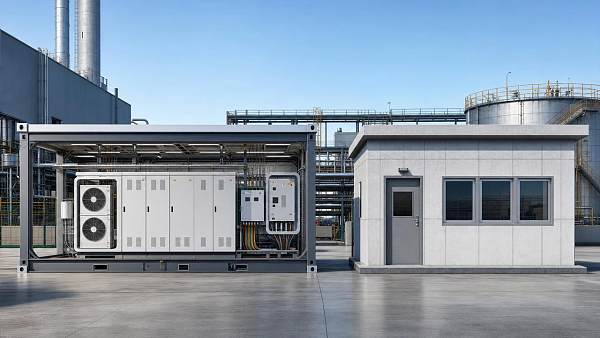
 Emission Control Shelter Demand Shifts Across Industrial ProjectsEmission control shelter demand is rising across industrial projects as buyers seek faster deployment, reliable monitoring, and compliance-ready designs. Explore key evaluation factors.
 Temperature Measurement Instruments: Selection Mistakes That Raise DowntimeTemperature measurement instruments selection mistakes can drive downtime, unstable control, and higher costs. Discover 5 common errors and practical fixes to improve reliability.
 Thermal Conductivity Analyzers: When Are They the Right Choice?Thermal conductivity analyzers are ideal for binary and high-contrast gas mixtures. Learn when they deliver reliable, low-maintenance online monitoring and smarter project value.
 Level Measurement Instruments for Tanks: What Affects ReliabilityLevel measurement instruments reliability depends on media, installation, and diagnostics. Discover what causes tank reading failures and how to improve safety, uptime, and control.
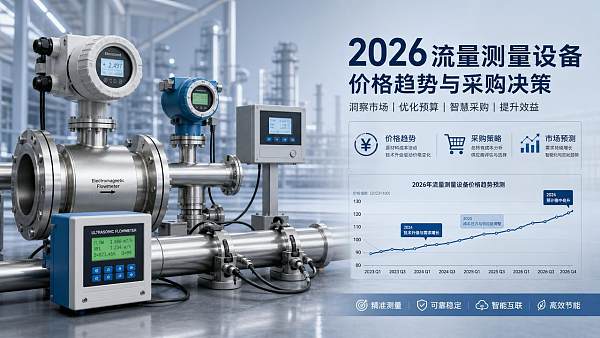
 Flow Measurement Equipment Price Trends in 2026Flow measurement equipment price trends in 2026: learn key cost drivers, budgeting risks, and smart buying strategies to improve ROI and make better procurement decisions.
 Flue Gas Monitoring Equipment: Common Accuracy Issues and FixesFlue gas monitoring equipment accuracy issues can lead to drift, false readings, and compliance risks. Discover common causes, practical fixes, and smarter maintenance tips.
 Process Control Shelter vs Control Room: Key Cost and Deployment DifferencesProcess control shelter vs control room: compare cost, deployment speed, integration, and lifecycle value to choose the smarter solution for industrial automation projects.
 How to Select an Industrial Control Shelter for Harsh Site ConditionsIndustrial control shelter selection for harsh sites: learn how to compare materials, HVAC, safety, and lifecycle cost to protect equipment, reduce downtime, and improve reliability.
 SAMR to Finalize 1,800+ Standards by 2026, Including EV Battery RecyclingSAMR to finalize 1,800+ standards by 2026—including EV battery recycling, hazardous chemical packaging & EMC immunity. Stay ahead of mandatory GB shifts and global export compliance.
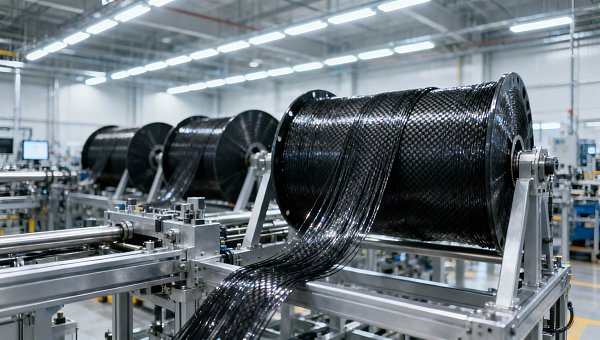
 China's Largest Single-Line Large-Tow Carbon Fiber Line Starts OperationChina's largest single-line large-tow carbon fiber line is live—30,000 tons/year capacity, ASME-certified, 22% cheaper & 6-week lead time. Boost your industrial instrumentation supply chain now.







Search Categories
Search Categories
Latest Article
- Stack Gas Analyzers: When Maintenance Delays Start Raising RiskStack gas analyzers can look normal while hidden drift raises compliance, efficiency, and reliability risks. Learn the warning signs and smart maintenance checks before delays become costly.Posted by:
- Industrial Measurement Systems in Export Projects: Key Compliance ChecksIndustrial measurement systems for export projects: learn the key compliance checks for certifications, calibration, safety, and documents to avoid delays and ensure smooth delivery.Posted by:
- Pharmaceutical Instrumentation Upgrades: What to Evaluate FirstPharmaceutical instrumentation upgrades start with compliance, data integrity, uptime, and ROI. Learn what to evaluate first to reduce risk and make smarter buying decisions.Posted by:
Please give us a message
