
What Impacts Industrial Control Shelter Cost


Industrial control shelter cost is influenced by much more than footprint or wall length. In practice, the biggest price differences usually come from how the shelter will be used, what equipment it must protect, the site environment, required certifications, and how much factory integration is expected before delivery. For buyers comparing an emission control shelter, process control shelter, or analyzer house tied to gas quality monitoring equipment, flue gas monitoring equipment, or emission monitoring equipment, the real question is not just “How much does it cost?” but “What is driving the cost, and which specifications are truly worth paying for?” This article breaks down the main cost factors so operators, engineers, procurement teams, and decision-makers can evaluate options with more confidence.
What usually drives industrial control shelter cost the most?
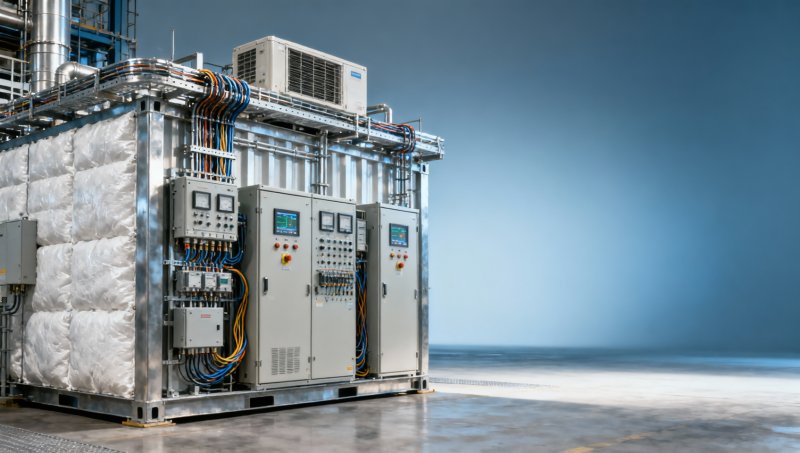
The most important cost drivers are usually the functional requirements of the shelter, not just its physical size. Two shelters with similar dimensions can vary significantly in price if one is a basic weatherproof enclosure and the other must support climate control, hazardous-area compliance, analyzer integration, fire and gas systems, and factory acceptance testing.
In most projects, cost is shaped by five major variables:
- Shelter purpose: Whether it is used as a process control shelter, emission control shelter, analyzer shelter, MCC shelter, or operator room.
- Environmental protection level: Local climate, ambient temperature, corrosion exposure, dust, moisture, and wind or seismic requirements.
- Internal equipment load: The type and amount of instrumentation, cabinets, gas quality monitoring equipment, flue gas monitoring equipment, sample systems, and power distribution installed inside.
- Compliance and safety requirements: Hazardous-area ratings, fire protection, insulation performance, and applicable industry standards.
- Level of integration: Whether the supplier only delivers the structure or provides a fully wired, tested, and ready-to-install package.
For most buyers, this means the cheapest initial quote may not represent the lowest total project cost. A lower-priced shelter that requires extensive site work, retrofitting, or performance correction often becomes more expensive in the field.
How does shelter type affect pricing?
Different shelter applications create different design and manufacturing requirements. This is one of the most overlooked reasons for cost variation.
A process control shelter often needs stable temperature control, cable management, operator access, panel mounting, and support for automation hardware. If it houses PLC, DCS, or SCADA-related equipment, reliability and environmental stability become critical, which can raise HVAC, insulation, and electrical system costs.
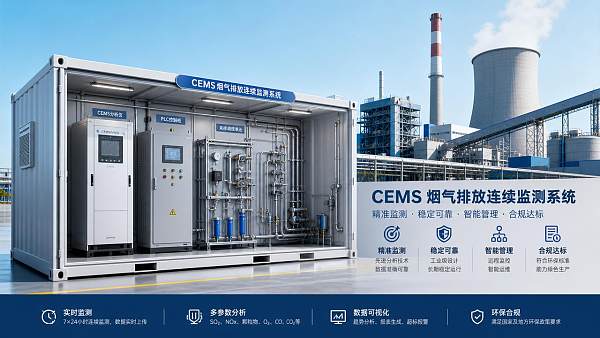
An emission control shelter may involve tighter requirements related to analyzer performance, sample conditioning, emissions compliance, and data reliability. If it contains emission monitoring equipment or flue gas monitoring equipment, the shelter may need additional provisions for heated lines, analyzer racks, ventilation design, corrosion resistance, and calibration workflows.
A shelter designed around gas quality monitoring equipment may require better thermal stability, cleaner internal conditions, specific utility layouts, and easier maintenance access for calibration and service. These details directly affect fabrication complexity and therefore cost.
In short, cost rises as the shelter moves from “basic enclosure” to “mission-critical controlled environment.”
Why do insulation, HVAC, and climate requirements change the budget so much?
Environmental control is one of the largest contributors to industrial control shelter cost because it affects both capital cost and operating performance.
If the shelter will be installed in a hot, cold, humid, coastal, desert, or high-dust environment, insulation and HVAC cannot be treated as optional upgrades. Sensitive instrumentation often requires a stable operating range to maintain accuracy, avoid drift, and reduce downtime.
Typical cost-related factors include:
- Wall, roof, and floor insulation thickness
- Type and capacity of air conditioning or heating systems
- Redundant HVAC for critical operations
- Pressurization or filtered ventilation systems
- Condensation control and thermal bridging prevention
For example, a shelter housing emission monitoring equipment in a region with extreme seasonal changes may need tighter thermal control than a simple electrical enclosure. While that adds to the upfront cost, it can protect measurement accuracy, reduce analyzer failure, and lower lifecycle maintenance expense.
How do hazardous-area ratings and safety requirements increase cost?
If the shelter is installed in a hazardous location, the cost can rise substantially because the design must meet stricter safety and compliance standards. This affects materials, electrical systems, ventilation, cable entries, lighting, and documentation.
Common cost additions may include:
- Explosion-proof or Ex-rated electrical components
- Purged and pressurized shelter systems
- Gas detection and alarm systems
- Fire detection and suppression provisions
- Special doors, seals, and classified-area penetrations
- Third-party inspection, certification, and testing
For safety managers, technical evaluators, and project owners, these are not cosmetic upgrades. They are risk-control measures that support personnel safety, regulatory compliance, and insurability. Trying to cut cost here can create major approval delays or operational hazards later.
How much do materials and structural design matter?
Material selection has a major influence on price because it affects durability, corrosion resistance, weight, maintenance, and fabrication method.
Typical shelter material options include painted carbon steel, galvanized steel, stainless steel, aluminum, and composite panel systems. The right choice depends on environment and expected service life.
Higher-cost material choices are often justified when the shelter will face:
- Coastal or offshore corrosion
- Chemical plant exposure
- High humidity or washdown conditions
- Long design-life requirements
- Frequent transport or modular relocation
Structural design also matters. Wind load, snow load, seismic requirements, lifting frame design, transportation constraints, and local code compliance can all add engineering and fabrication cost. A shelter built for a harsh industrial site is not priced the same way as a light-duty enclosure installed in a controlled plant area.
Why does internal fit-out often cost more than buyers expect?
Many first-time buyers focus on the shell and underestimate the cost of the inside package. In reality, internal fit-out can account for a large portion of total industrial control shelter cost.
This may include:
- Instrument and analyzer racks
- Control panels and marshalling cabinets
- Power distribution boards and UPS systems
- Lighting, sockets, grounding, and cable trays
- Workbenches, maintenance clearance, and operator access features
- Sample conditioning systems and utility piping
- Network, communication, and remote monitoring interfaces
If the shelter integrates gas quality monitoring equipment, flue gas monitoring equipment, or emission monitoring equipment, internal layout becomes even more important. Proper spacing, service access, tubing routes, thermal zoning, and safety separation all affect build complexity. A well-integrated internal design may cost more initially but can save considerable installation time and troubleshooting effort on site.
How does factory integration and testing change total value?
One of the smartest ways to evaluate shelter pricing is to separate purchase price from project cost. A shelter delivered as a bare enclosure may look affordable, but it can shift installation risk, wiring time, commissioning effort, and quality problems to the project site.
Factory-integrated shelters usually cost more upfront because they include engineering, assembly, wiring, pre-installation of equipment, and testing. However, they often deliver better overall value through:
- Shorter field installation schedules
- Lower labor demand at site
- Reduced rework and interface errors
- Faster startup and commissioning
- Clearer quality control before shipment
For project managers and financial approvers, this is a key point. A higher quote may be justified if it reduces site risk and helps avoid startup delays, contractor overruns, or non-compliance corrections.
What questions should buyers ask suppliers before comparing quotes?
To make a fair comparison, buyers should ensure each supplier is quoting the same scope. Many shelter quotations look similar at first glance but differ in important details that change cost later.
Useful questions include:
- Is the quote for the shelter structure only, or a complete integrated package?
- What insulation performance and HVAC design conditions are included?
- Are hazardous-area requirements included?
- What internal electrical and instrumentation works are part of the scope?
- Are gas quality monitoring equipment, flue gas monitoring equipment, or emission monitoring equipment mounting and interfaces included?
- What testing is performed before shipment?
- What documents, certifications, and drawings are included?
- Who is responsible for site installation, hook-up, and commissioning?
- What corrosion protection and design life are assumed?
- What exclusions could become change orders later?
This approach helps procurement teams and technical evaluators compare value, not just base price.
How should decision-makers judge whether the quoted cost is reasonable?
A reasonable industrial control shelter cost is one that matches the operational risk, compliance needs, and lifecycle expectations of the application. The best decision is rarely the lowest-price option. Instead, it is the option that balances performance, reliability, safety, and long-term ownership cost.
Decision-makers should assess:
- Operational criticality: How costly would downtime or bad data be?
- Measurement impact: Does environmental instability affect analyzer or monitoring accuracy?
- Compliance exposure: Could failure lead to emissions, safety, or audit issues?
- Lifecycle cost: Will a cheaper design create higher maintenance or retrofit cost?
- Project execution risk: Does a low-cost quote leave too much work for the field team?
For example, if an emission control shelter supports compliance monitoring, under-specifying climate control or safety features may create risks far greater than the initial savings. In those cases, a higher-capability shelter often has the stronger business case.
Conclusion: what really impacts industrial control shelter cost?
Industrial control shelter cost is shaped by application, environment, safety classification, material choice, internal equipment, and integration level far more than by size alone. Whether the project involves a process control shelter, an emission control shelter, or a shelter designed around gas quality monitoring equipment, flue gas monitoring equipment, or emission monitoring equipment, the right way to evaluate cost is to look at total functional scope and lifecycle value.
For operators, engineers, buyers, and business leaders, the practical takeaway is clear: define the real operating requirements first, compare quotations line by line, and focus on the specifications that protect reliability, compliance, and long-term performance. That is the best way to control cost without compromising the result.
Recommended for You
 Stack Gas Analyzers: When Maintenance Delays Start Raising RiskStack gas analyzers can look normal while hidden drift raises compliance, efficiency, and reliability risks. Learn the warning signs and smart maintenance checks before delays become costly.
 Industrial Measurement Systems in Export Projects: Key Compliance ChecksIndustrial measurement systems for export projects: learn the key compliance checks for certifications, calibration, safety, and documents to avoid delays and ensure smooth delivery.
 Pharmaceutical Instrumentation Upgrades: What to Evaluate FirstPharmaceutical instrumentation upgrades start with compliance, data integrity, uptime, and ROI. Learn what to evaluate first to reduce risk and make smarter buying decisions.
 Food Processing Analyzers for Compliance and Batch ConsistencyFood processing analyzers help manufacturers improve compliance, reduce batch variation, and verify quality from raw materials to final release with faster, traceable decisions.
 Biogas Analyzers Market Trends: Accuracy, Maintenance, and ROIBiogas analyzers market trends: explore how accuracy, lower maintenance, and stronger ROI help energy and industrial buyers improve gas quality, uptime, and compliance.
 Safety Monitoring Systems: Common Setup Mistakes to AvoidSafety monitoring systems fail fast when setup is wrong. Discover common installation, calibration, and alarm mistakes to avoid for safer operations and more reliable monitoring.
 Industrial Testing Equipment Costs in 2026: What Drives Pricing?Industrial testing equipment costs in 2026 depend on accuracy, compliance, automation, and lifecycle service. Learn what drives pricing and how to reduce total ownership cost.
 Multi-Component Analyzers vs Single-Gas Units: Which Fits Better?Multi-component analyzers vs single-gas units: compare lifecycle cost, compliance, maintenance, and scalability to choose the best fit for safer, smarter industrial projects.
 Petrochemical Analyzers: Key Specs That Affect Safety and UptimePetrochemical analyzers directly affect safety and uptime. Learn which specs—accuracy, response time, compatibility, and maintenance—matter most for reliable plant performance.
 How to Choose Process Monitoring Instruments for Stable Plant PerformanceProcess monitoring instruments are key to stable plant performance. Learn how to choose the right devices for accuracy, compatibility, lower risk, and better efficiency.
 Brazil INMETRO to Require Portuguese UI and Local Units for Industrial Instruments by 2026Brazil INMETRO mandates Portuguese UI & local units (mbar, kPa, °C) for industrial instruments by Dec 2026—key for exporters, integrators & service providers.
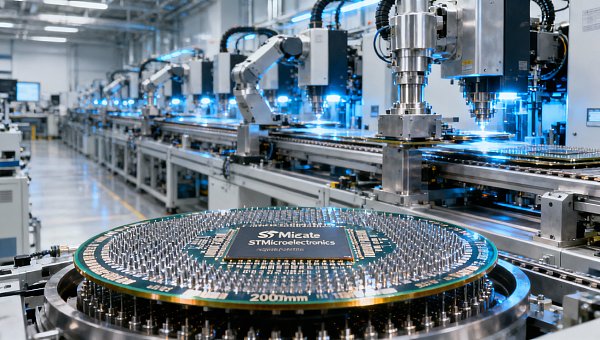
 STMicroelectronics 200mm Line Eases Industrial Sensor Chip ShortageSTMicroelectronics 200mm line eases industrial sensor chip shortage — MCUs & signal-conditioning ICs now ship in 12 weeks. Secure allocation today.
 Southeast Asia Manufacturing Re-shoring Accelerates: Vietnam/Indonesia Industrial Instrument Imports Up 37% YoYSoutheast Asia manufacturing re-shoring accelerates: Vietnam & Indonesia industrial instrument imports up 37% YoY — key insights for suppliers, OEMs & procurement teams.
 First Global White Paper on Humanoid Robot Sensor Calibration ReleasedHumanoid robot sensor calibration: First global white paper released—key for ISO/IEC JWG 23 compliance, export readiness & dynamic torque accuracy. Act now.
 SAMR to Upgrade EV Battery Recycling Standard to MandatorySAMR to upgrade EV battery recycling standard GB/T 34015—202X to mandatory by Dec 2026 — critical for exporters, BMS makers & cert labs.
 Saudi SASO Accelerates AI Energy Efficiency Rules for TransmittersSASO AI energy efficiency rules for transmitters take effect 1 June 2026 — mandatory AI simulation, Saudi climate data, and authorized lab validation required. Act now to avoid export delays.
 IEC 63278:2026 Released for Industrial Instrument CybersecurityIEC 63278:2026 is live — the first global standard mandating cybersecurity verification for industrial instruments. Discover compliance impacts, deadlines, and actionable steps for OT/IT convergence.
 Red Sea Crisis Escalates: Gulf of Aden Navigation Ban Extended to June 15, 2026Red Sea Crisis escalates: Gulf of Aden navigation ban extended to June 15, 2026—disrupting industrial instrumentation shipments to the Middle East with 458% air freight spikes and 12–18 day delays.
 US DOE Updates Efficiency Rules for Industrial SensorsUS DOE updates industrial sensor efficiency rules: AI-driven dynamic calibration required by Sept 2026. Ensure AI-Cal Verified compliance now.
 EU Mandates PEF Carbon Footprint Module for Industrial Instruments from June 2026EU mandates PEF carbon footprint module for industrial instruments from June 2026—key for exporters, OEMs & certifiers. Act now to ensure compliance.
 Explosion-Proof Instruments: Compliance Risks Before You OrderExplosion-proof instruments can trigger delays, failed inspections, and safety risks if compliance is overlooked. Learn what to verify before ordering and make safer, smarter purchasing decisions.
 Gas Quality Monitoring Equipment Import Rules to Watch in 2026Gas quality monitoring equipment import rules for 2026 are tightening. Learn the key compliance, certification, and customs risks distributors must manage to avoid delays and protect margins.
 Emission Control Shelter Demand Shifts Across Industrial ProjectsEmission control shelter demand is rising across industrial projects as buyers seek faster deployment, reliable monitoring, and compliance-ready designs. Explore key evaluation factors.
 Temperature Measurement Instruments: Selection Mistakes That Raise DowntimeTemperature measurement instruments selection mistakes can drive downtime, unstable control, and higher costs. Discover 5 common errors and practical fixes to improve reliability.
 Thermal Conductivity Analyzers: When Are They the Right Choice?Thermal conductivity analyzers are ideal for binary and high-contrast gas mixtures. Learn when they deliver reliable, low-maintenance online monitoring and smarter project value.
 Level Measurement Instruments for Tanks: What Affects ReliabilityLevel measurement instruments reliability depends on media, installation, and diagnostics. Discover what causes tank reading failures and how to improve safety, uptime, and control.
 Flow Measurement Equipment Price Trends in 2026Flow measurement equipment price trends in 2026: learn key cost drivers, budgeting risks, and smart buying strategies to improve ROI and make better procurement decisions.
 Flue Gas Monitoring Equipment: Common Accuracy Issues and FixesFlue gas monitoring equipment accuracy issues can lead to drift, false readings, and compliance risks. Discover common causes, practical fixes, and smarter maintenance tips.
 Process Control Shelter vs Control Room: Key Cost and Deployment DifferencesProcess control shelter vs control room: compare cost, deployment speed, integration, and lifecycle value to choose the smarter solution for industrial automation projects.
 How to Select an Industrial Control Shelter for Harsh Site ConditionsIndustrial control shelter selection for harsh sites: learn how to compare materials, HVAC, safety, and lifecycle cost to protect equipment, reduce downtime, and improve reliability.
 SAMR to Finalize 1,800+ Standards by 2026, Including EV Battery RecyclingSAMR to finalize 1,800+ standards by 2026—including EV battery recycling, hazardous chemical packaging & EMC immunity. Stay ahead of mandatory GB shifts and global export compliance.
 China's Largest Single-Line Large-Tow Carbon Fiber Line Starts OperationChina's largest single-line large-tow carbon fiber line is live—30,000 tons/year capacity, ASME-certified, 22% cheaper & 6-week lead time. Boost your industrial instrumentation supply chain now.







Search Categories
Search Categories
Latest Article
- Stack Gas Analyzers: When Maintenance Delays Start Raising RiskStack gas analyzers can look normal while hidden drift raises compliance, efficiency, and reliability risks. Learn the warning signs and smart maintenance checks before delays become costly.Posted by:
- Industrial Measurement Systems in Export Projects: Key Compliance ChecksIndustrial measurement systems for export projects: learn the key compliance checks for certifications, calibration, safety, and documents to avoid delays and ensure smooth delivery.Posted by:
- Pharmaceutical Instrumentation Upgrades: What to Evaluate FirstPharmaceutical instrumentation upgrades start with compliance, data integrity, uptime, and ROI. Learn what to evaluate first to reduce risk and make smarter buying decisions.Posted by:
Please give us a message
