
CH4 Analyzer for Biogas Plant: Practical Factors Behind Better ROI


For biogas plant operators and business decision-makers, choosing the right CH4 analyzer for biogas plant applications is not just a technical upgrade—it directly affects efficiency, compliance, and long-term profitability. From gas quality stability to process optimization and maintenance costs, several practical factors determine whether an analyzer delivers measurable ROI. Understanding these factors helps companies make smarter investment decisions in an increasingly performance-driven energy market.
What a CH4 Analyzer for Biogas Plant Operations Really Does
A CH4 analyzer for biogas plant systems is used to measure methane concentration in raw biogas, upgraded gas, or related process streams. On the surface, that sounds like a simple reading function. In practice, however, methane measurement sits at the center of commercial performance. Methane content determines usable energy value, influences engine and boiler efficiency, supports upgrading control, and provides evidence for contractual gas quality requirements.
For enterprises operating anaerobic digestion facilities, landfill gas sites, wastewater treatment plants, or agricultural biogas projects, methane analysis is not only a laboratory concern. It is part of daily operational control. A reliable CH4 analyzer for biogas plant environments helps teams verify process stability, detect feedstock-related changes, and avoid decisions based on assumptions rather than data.
This matters because biogas production is inherently variable. Feedstock composition, moisture, H2S levels, temperature, biological activity, and pressure conditions can all affect gas output. Without dependable methane measurement, operators may overestimate gas value, miss early signs of digester underperformance, or run equipment outside ideal settings.
Why the Instrumentation Sector Pays Close Attention to This Topic
The instrumentation industry supports modern industrial automation by turning physical and chemical conditions into actionable data. In biogas operations, that role becomes especially important because profitability depends on both process efficiency and compliance. Decision-makers are no longer looking for instruments that merely display numbers. They want analyzers that integrate with monitoring systems, reduce manual intervention, support traceability, and improve business outcomes.
A CH4 analyzer for biogas plant use therefore belongs to a larger digital operating model. It can feed data into SCADA, energy management platforms, environmental reporting workflows, and maintenance planning systems. When viewed in that broader context, the analyzer is not an isolated device. It is part of the plant’s measurement, analysis, and control architecture.
For business leaders, this shifts the conversation from upfront instrument cost to lifecycle value. The real question becomes: how well does the analyzer support production certainty, risk control, asset utilization, and decision speed?
The Main ROI Drivers Behind a Better Investment Decision
The return on a CH4 analyzer for biogas plant operations usually comes from several connected factors rather than a single performance claim. Understanding those drivers helps buyers evaluate options more realistically.
Measurement accuracy that influences revenue quality
If methane values are inaccurate, gas quality calculations become unreliable. That can affect engine tuning, flare decisions, upgrading efficiency, and sales documentation. Even small measurement errors may create repeated losses over time, especially in continuous operations. High-quality analysis supports more confident energy valuation and better process adjustment.
Response time that supports faster process control
Biogas conditions can shift quickly when feedstock changes, digester loading varies, or process disturbances occur. A slow analyzer may confirm a problem only after the plant has already lost efficiency. Faster response improves corrective action, helping operators stabilize methane yield and avoid prolonged suboptimal operation.
Durability in harsh gas conditions
Biogas is not a clean or gentle medium. Moisture, corrosive compounds, particulates, and contamination can reduce analyzer performance if the system is not designed for the application. A CH4 analyzer for biogas plant duty must handle real operating conditions, not only ideal test conditions. Longer service intervals and fewer breakdowns have a direct effect on ROI.
Maintenance burden and labor efficiency
An analyzer that requires frequent manual calibration, cleaning, or replacement parts may create hidden costs that exceed its price advantage. Plants with lean technical teams should pay close attention to service needs, spare parts availability, and the simplicity of routine maintenance procedures.
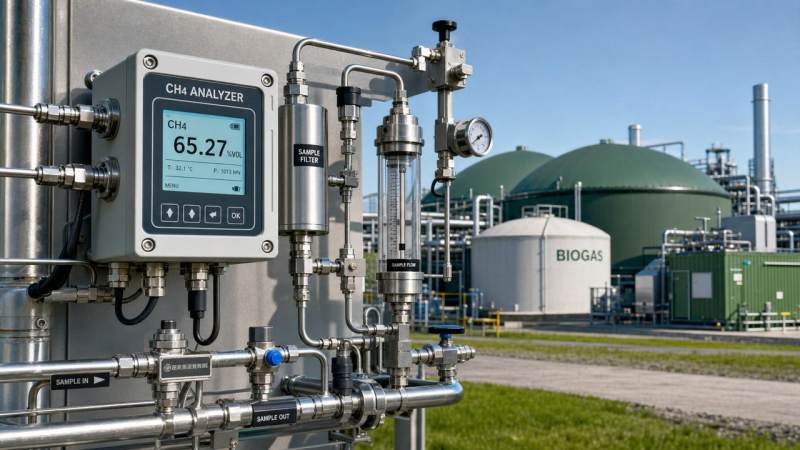
Data integration and operational visibility
A standalone display provides limited value compared with a connected instrument that sends data into broader plant systems. Integration with alarms, trend dashboards, and reporting tools enables stronger operational oversight. This is especially relevant for multi-site operators or companies building more automated, data-driven energy platforms.
Where Methane Analysis Creates the Most Business Value
The value of a CH4 analyzer for biogas plant use depends partly on where and how it is applied. Different process points create different decision benefits.
This range of applications explains why methane analysis should not be treated as a narrow technical purchase. It supports process control, asset management, environmental obligations, and revenue assurance at the same time.
Key Selection Factors Beyond the Specification Sheet
Many investment mistakes happen because buyers compare only measurement range or initial price. A better evaluation of a CH4 analyzer for biogas plant use should include practical operating factors that affect long-term performance.
Sample conditioning requirements
The analyzer itself may be capable, but poor sample handling can undermine results. Moisture removal, particulate filtration, pressure control, and condensate management are critical in biogas service. Decision-makers should assess the complete measurement system, not only the sensor technology.
Compatibility with corrosive components
Biogas often contains H2S and other contaminants that can degrade internal components. Materials selection, protective design, and proven field performance are more important than broad marketing claims. Equipment built for natural gas conditions may not perform equally well in raw biogas conditions.
Calibration strategy and quality assurance
The best ROI comes from a solution that keeps measurement trustworthy over time. Buyers should understand calibration frequency, gas requirements, verification methods, and how downtime is managed during service. If the plant lacks in-house expertise, vendor support quality becomes a major factor.
Installation environment and site realities
Outdoor exposure, vibration, ambient temperature swings, hazardous area requirements, and available utilities all shape analyzer performance. A technically sound instrument may still underdeliver if installation conditions were not considered early in the project.
How Different Types of Operators Benefit
Not every plant uses methane data in the same way. The practical value of a CH4 analyzer for biogas plant management changes with business model, scale, and regulatory pressure.
This is why selection should reflect the plant’s operating profile rather than generic product positioning. The best-fit analyzer is the one that aligns with the site’s technical conditions and business priorities.
Common Evaluation Mistakes That Reduce ROI
Several recurring mistakes lead to poor outcomes. One is focusing only on purchase price while underestimating service costs and downtime exposure. Another is selecting a CH4 analyzer for biogas plant use without validating sample system design. A third is treating methane measurement as separate from broader automation strategy. When data cannot be easily trended, shared, or linked to alarms, much of the operational value is lost.
Some organizations also assume all methane analyzers perform similarly if the stated range looks comparable. In reality, application suitability depends on gas matrix, environmental protection, diagnostics, maintenance concept, and supplier experience in demanding field conditions. Better ROI usually comes from fit-for-purpose design, not from generic instrument comparison alone.
Practical Steps for a Smarter Decision
A structured investment approach helps decision-makers reduce risk and improve payback. Start by defining where methane measurement creates the most operational leverage: digester optimization, engine efficiency, upgrading quality, emissions documentation, or commercial metering support. Then evaluate the full measurement chain, including sample handling and digital connectivity.
It is also useful to estimate ROI using plant-specific figures rather than vendor averages. Consider avoided downtime, improved methane recovery, reduced labor hours, lower maintenance frequency, and better process consistency. Even modest gains can produce meaningful returns when a facility runs continuously. Finally, involve both technical teams and financial decision-makers early, since analyzer value sits at the intersection of operations, compliance, and capital planning.
Conclusion: Measuring Methane Is Really About Managing Value
A CH4 analyzer for biogas plant applications is more than a measurement tool. It is a business instrument that influences energy value, process reliability, maintenance efficiency, and compliance confidence. For enterprise decision-makers, the strongest ROI usually comes from choosing a solution that is accurate, durable, easy to maintain, and well integrated into the plant’s monitoring architecture.
In a sector where industrial instrumentation increasingly drives automation and intelligent upgrading, methane analysis should be evaluated as part of long-term operational strategy. Companies that assess the full lifecycle impact of a CH4 analyzer for biogas plant performance are better positioned to improve output quality, reduce hidden costs, and make more resilient energy investments.
Recommended for You
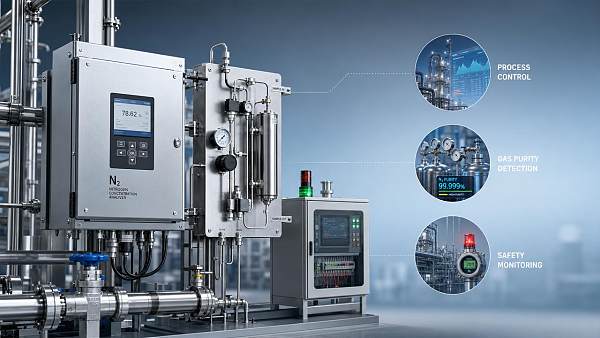
 N2 Concentration Analyzer Cost Factors for Bulk Industrial ProcurementN2 concentration analyzer cost depends on more than unit price. Compare process, purity, and safety applications with total cost logic to source smarter and reduce lifecycle risk.
 Oxygen Concentration Analyzer vs Sensor Systems: Which Fits Continuous UseOxygen concentration analyzer or sensor system? Compare stability, drift, maintenance, and uptime for continuous use to choose the most reliable fit for your process.
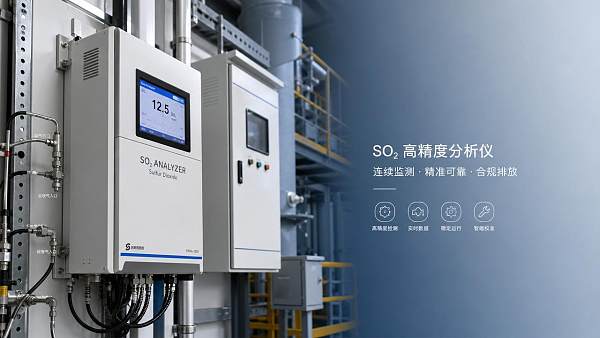
 SO2 Concentration Analyzer News: Compliance Demands Reshaping Product SpecsSO2 concentration analyzer trends are shifting with stricter compliance rules. Learn how new specs, data integrity, and uptime demands are reshaping smarter buying decisions.
 He Concentration Analyzer Maintenance Tips for Stable Long-Term ReadingsHe concentration analyzer maintenance tips for stable long-term readings. Learn how to reduce drift, improve calibration accuracy, cut downtime, and keep industrial systems reliable.
 CH4 Concentration Analyzer Selection Mistakes That Raise Operating RiskCH4 concentration analyzer selection mistakes can raise safety, compliance, and maintenance risk. Learn how to choose the right analyzer for reliable performance and lower lifecycle cost.
 CO Concentration Analyzer Import Rules to Watch in 2026CO concentration analyzer import rules for 2026: learn the key customs, certification, labeling, and compliance checks to reduce risk, avoid delays, and source with confidence.
 NH3 Concentration Analyzer Market Trends for Industrial Process Control in 2026NH3 concentration analyzer market trends in 2026: explore technologies, industrial applications, selection tips, and how smarter monitoring improves compliance, safety, and process control.
 Ar Concentration Analyzer Accuracy Issues in High-Purity Gas ApplicationsAr concentration analyzer accuracy issues can compromise high-purity gas quality, safety, and compliance. Learn the key causes, practical fixes, and how to improve reliable measurement performance.
 CO2 Concentration Analyzer Price Trends in 2026: What Shapes Total CostCO2 concentration analyzer price trends in 2026 depend on technology, accuracy, calibration, compliance, and integration. Discover total cost drivers to compare quotes smarter and control lifecycle risk.
 How to Choose a NOX Concentration Analyzer for Low-Emission MonitoringNOX concentration analyzer selection for low-emission monitoring made easier. Learn how to compare accuracy, response time, compliance, and lifecycle cost before you buy.
 2026 Summit Highlights China's Smart Inspection Equipment as New Global Cooperation FocusSmart inspection equipment takes center stage at the 2026 Summit—unlocking new global cooperation, standards alignment, and market opportunities for exporters, OEMs, and tech suppliers.
 White House Warns Oil Shock May Fuel Core Inflation, Delaying Industrial Instrument ExportsWhite House warns oil shock may fuel core inflation—impacting industrial instrument exports. Discover how pressure, temperature & flow instrumentation exporters can mitigate delays and optimize trade finance workflows now.
 New AI Agent Guidelines Impact Export of AI-Powered Testing EquipmentAI agent guidelines impact export of AI-powered testing equipment—learn how new China security & controllability rules affect global compliance, supply chains, and market access.
 Canton Fair Phase III Boosts Sensor & Energy Testing ExportsSensor & energy testing exports surge at Canton Fair Phase III—driven by global demand for new energy home appliances and smart furniture compliance solutions.
 UAE Announces $150B Energy Infrastructure InvestmentUAE's $150B energy infrastructure push drives demand for IP68/IP69K, ATEX/IECEx, and LPWAN-enabled industrial sensors — act now to align with ADNOC tenders.
 WTI Net Longs Surge, Boosting Demand for Lubricant Monitoring SystemsLubricant monitoring systems surge in demand as WTI net longs rise—real-time viscosity, moisture & oxidation tracking now critical for global manufacturers.
 Shanghai Pudong Launches E-Label Pilot for Imported CosmeticsShanghai Pudong’s e-label pilot for imported cosmetics drives global demand for RFID/NFC readers, traceability solutions & certified testing equipment—act now to comply and lead.
 G7 Prioritizes Critical Mineral Supply Chain SecurityCritical mineral supply chain security takes center stage at G7 Paris meeting—impacting industrial sensors, rare-earth magnets & global procurement strategies.
 US-China Talks Yield Breakthrough on Agricultural NTBs for Testing EquipmentUS-China talks break ground on agricultural NTBs—key win for makers of residue detection, mycotoxin & spectral testing equipment targeting USDA/FDA markets.
 Fruit Attraction 2026 Booth Bookings Exceed 90%Fruit Attraction 2026 booth bookings exceed 90% — a strong signal for food safety instrumentation, cold-chain monitoring & EU compliance solution providers to secure visibility and drive qualified leads.
 Kuwait Bans HCFC Air Conditioners, Boosts IR Camera ExportsKuwait bans HCFC air conditioners—boosting demand for IR cameras, leak detectors & refrigerant analyzers. Discover GCC compliance insights and export opportunities.
 China's IC Exports Surge 78.3% in First Four Months of 2026China's IC exports surge 78.3% in early 2026 — driven by soaring global demand for AI chip test equipment, SMUs, and parametric analyzers. Discover the supply chain shift.
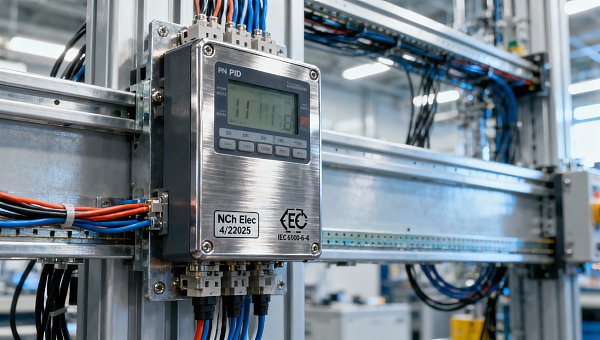
 Chile Enforces Mandatory INN Safety Certification for Industrial Temperature ControllersChile mandates INN safety certification (NCh Elec 4/2025) for industrial temperature controllers starting Aug 1, 2026—act now to avoid shipment delays & market bans.
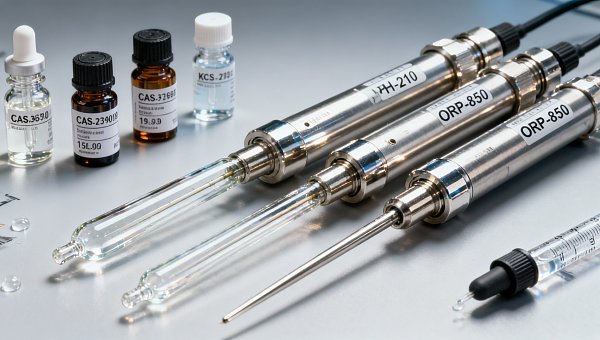
 K-REACH Supply-Shortage Exemption Launches for pH/ORP ElectrodesK-REACH Supply-Shortage Exemption now applies to pH/ORP electrodes—act before June 30, 2026 to avoid customs delays & penalties. Key for exporters & manufacturers.
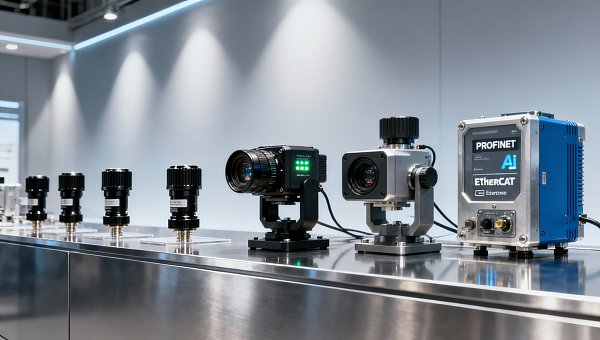
 4th China International Supply Chain Expo to Focus on Smart Sensing & In-Process InspectionSmart Sensing & In-Process Inspection take center stage at the 4th China International Supply Chain Expo in Beijing, Nov 26–30, 2026 — discover next-gen inspection tech, AI vision modules, and calibrated sensing solutions for global industrial buyers.
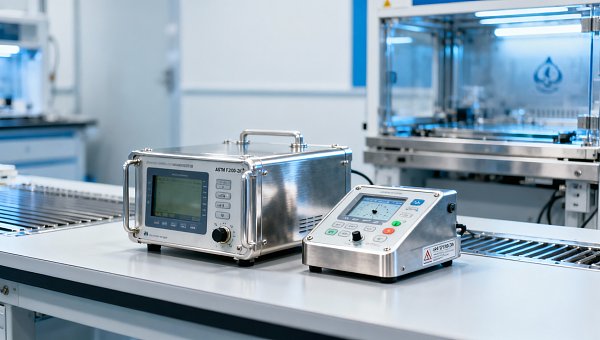
 ASTM F2100-26 Medical Mask Standard Takes Effect in USASTM F2100-26 medical mask standard is now in force—driving global demand for biosafety cabinets, particle counters & air velocity calibrators, especially China-made instruments.
 South Africa Enforces SABS Certification for IoT Monitoring DevicesSABS certification now mandatory for IoT monitoring devices entering South Africa via e-commerce—act before 1 June 2026 to avoid customs rejection and ensure market access.
 EU REACH Adds Fluorinated Substances; SVHC Reporting Required for Gas AnalyzersEU REACH now restricts fluorinated substances in gas analyzers—SVHC reporting is mandatory by 30 Nov 2026. Ensure compliance for sensors, membranes & monitoring systems.
 Revised Maritime Code Takes Effect May 1, 2026: Shift in Unclaimed Cargo LiabilityRevised Maritime Code (2026): Shippers now liable for unclaimed cargo—critical for industrial instrument exporters, logistics providers & cross-border supply chains. Act now.
 China Imposes Zero Tariffs on Goods from All African Diplomatic Partners Starting May 1, 2026China’s zero-tariff policy for African instrumentation & automation exports starts May 1, 2026—boosting competitiveness in EPC tenders and market access for exporters.
 Import and Export Shifts in the PPM Gas Analyzer Marketppm gas analyzer market insights: discover how import tariffs, export controls, and compliance shifts impact cost, supply stability, and growth opportunities across key applications.
 Single Gas Analyzer Maintenance Issues That Raise DowntimeSingle gas analyzer maintenance issues can quietly increase downtime. Learn how to spot drift, calibration errors, and sample path faults early to improve uptime and field efficiency.




Search Categories
Search Categories
Latest Article
- N2 Concentration Analyzer Cost Factors for Bulk Industrial ProcurementN2 concentration analyzer cost depends on more than unit price. Compare process, purity, and safety applications with total cost logic to source smarter and reduce lifecycle risk.Posted by:
- Oxygen Concentration Analyzer vs Sensor Systems: Which Fits Continuous UseOxygen concentration analyzer or sensor system? Compare stability, drift, maintenance, and uptime for continuous use to choose the most reliable fit for your process.Posted by:
- SO2 Concentration Analyzer News: Compliance Demands Reshaping Product SpecsSO2 concentration analyzer trends are shifting with stricter compliance rules. Learn how new specs, data integrity, and uptime demands are reshaping smarter buying decisions.Posted by:
Please give us a message
