
Combustion Gas Analyzer Readings That Signal Process Loss


A combustion gas analyzer does more than display numbers—it reveals hidden process loss, efficiency drift, and compliance risk before they escalate. From boiler tuning to emissions control, a high accuracy analyzer helps operators, engineers, and decision-makers interpret readings that matter. This guide explains how combustion gas analyzer data connects with stack gas analyzer, industrial process analyzer, and environmental gas analyzer applications to support safer, smarter performance.
In instrumentation-driven industries, the value of analyzer data is not in the screen itself but in the operating decisions it supports. A small rise in O2, a persistent CO peak, or stack temperature drift of 15–30°C can indicate fuel waste, air leakage, burner imbalance, fouling, or poor control logic. For users, evaluators, safety teams, project managers, and procurement stakeholders, these readings directly affect energy cost, uptime, emissions exposure, and maintenance planning.
What Combustion Gas Analyzer Readings Really Tell You
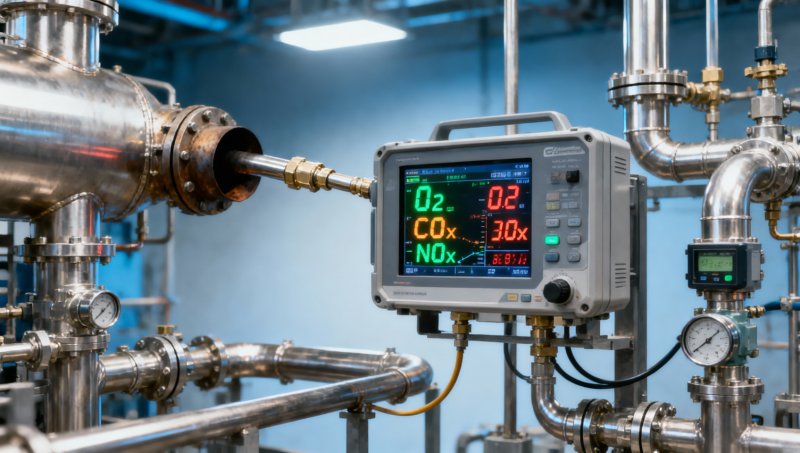
A combustion gas analyzer typically tracks O2, CO, CO2, stack temperature, excess air, and often NO or NOx depending on the application. In boilers, furnaces, dryers, kilns, and thermal oxidizers, these values help determine whether the combustion process is close to its optimal fuel-to-air ratio or already moving into a loss condition. Even when production remains stable, analyzer data can show that efficiency has been slipping for days or weeks.
For operators, the most actionable signal is usually the relationship between O2 and CO. High O2 may suggest too much excess air, which means heated air leaves through the stack and carries energy with it. Low O2 combined with rising CO may indicate incomplete combustion, unsafe burner conditions, or unstable flame quality. In many industrial systems, a CO trend above 100 ppm and O2 movement outside the expected control band are early warnings rather than isolated anomalies.
Stack temperature is another critical reading. If stack temperature increases by 20–40°C without a planned load change, heat transfer surfaces may be fouled, refractory losses may be increasing, or the process may be overfired. In a well-monitored system, comparing stack temperature against fuel input and O2 gives a more useful performance picture than any single reading alone.
A stack gas analyzer used for continuous monitoring often complements a portable combustion gas analyzer used during tuning, maintenance, and verification. An industrial process analyzer adds value by linking combustion conditions to upstream flow, pressure, and temperature signals. For sites with environmental obligations, an environmental gas analyzer provides another layer by showing whether process inefficiency is beginning to create emissions compliance risk.
Core readings and the loss mechanisms behind them
The table below summarizes common readings and how they usually translate into process loss, maintenance burden, or operating risk. Actual targets vary by burner design, fuel type, process load, and local emissions requirements, but these ranges are practical starting points for evaluation.
The key takeaway is that no reading should be judged in isolation. A combustion gas analyzer becomes far more valuable when readings are trended over 24 hours, 7 days, and after every maintenance event. That is how hidden process loss becomes visible before it appears in fuel invoices, shutdown reports, or customer complaints.
Readings That Signal Efficiency Drift, Safety Risk, and Compliance Pressure
Not every abnormal number demands emergency action, but certain patterns should trigger immediate review. A gradual O2 increase of 0.5% to 1.5% over several shifts often points to air infiltration, damper drift, linkage wear, or burner control mismatch. On a high-duty boiler or furnace, this can translate into meaningful annual fuel loss long before the issue becomes visible in basic control room indicators.
CO behavior is especially important for safety managers and quality teams. Short CO spikes during load transitions may be acceptable in some systems, but sustained CO during steady-state operation usually means unstable combustion. When this is paired with a darkening stack, odor complaints, soot on heat exchange surfaces, or frequent flame safeguard intervention, the analyzer is already signaling a broader reliability problem.
For facilities under emissions oversight, NOx and sometimes SO2 trends need to be interpreted alongside process load. If emissions increase while production remains flat, the root cause may be poor burner staging, excess air bias, or inconsistent fuel quality. Environmental gas analyzer data becomes more valuable when aligned with combustion readings rather than reviewed as a separate compliance record.
Technical evaluators should also watch for response quality issues. Slow sensor response, unstable zero, or repeated drift after calibration can create false process conclusions. In many industrial settings, the instrument itself should be checked if response time degrades beyond expected seconds-level behavior or if repeated span checks show significant correction demand.
Four reading patterns that deserve escalation
- O2 rises while stack temperature also rises: likely excess air plus heat loss, often tied to leakage, poor tuning, or load mismatch.
- CO rises while O2 stays normal: may indicate burner mixing problems, nozzle wear, or flame shape instability not visible from O2 alone.
- NOx rises after recent maintenance: possible overcorrection in tuning or altered damper and fuel valve relationship.
- Analyzer readings fluctuate cycle to cycle: can suggest unstable draft, poor sample conditioning, moisture interference, or control loop hunting.
How different teams should interpret the same data
Operators usually need fast go or no-go limits, such as whether O2 is inside the site’s acceptable band and whether CO is below a caution threshold. Engineers need trend depth, including the effect of excess air on thermal efficiency at different loads. Financial approvers focus on whether the reading drift justifies service, retrofits, or analyzer upgrades. This is why a shared reporting format is useful across operations, engineering, EHS, and procurement.
A practical plant approach is to define 3 levels of alarm interpretation: advisory, corrective, and urgent. For example, advisory may be minor drift over 24 hours; corrective may be repeatable off-target conditions over 3 production cycles; urgent may be sustained high CO, unexpected emissions increase, or stack temperature escalation beyond internal limits. That structure makes analyzer readings actionable instead of purely diagnostic.
How to Select an Analyzer for Process, Stack, and Environmental Use
Selection should start with the application, not the catalog. A portable combustion gas analyzer used for burner setup has different priorities than a fixed stack gas analyzer installed for long-term trending. If the site needs process optimization, maintenance diagnostics, and environmental oversight across multiple assets, decision-makers may need a combination of portable and permanent analyzers rather than a single device type.
For most industrial buyers, at least 6 criteria matter: measured gases, accuracy, response time, sample conditioning, calibration workflow, and integration with existing control or reporting systems. Temperature handling, moisture resistance, and probe design are also important in real plant conditions. A technically strong analyzer can still underperform if the sampling system is not suitable for dust load, condensate risk, or corrosive gas exposure.
Project teams should review whether the analyzer will support spot measurement, continuous monitoring, or both. Portable units are often best for commissioning, routine tuning, and maintenance checks. Fixed industrial process analyzer systems support automated trending and remote visibility. Environmental gas analyzer configurations may require additional documentation, sample treatment, and validation steps depending on the jurisdiction and site permit requirements.
Procurement and distribution channels also matter. Delivery for standard configurations may fall within 2–6 weeks, while customized sample handling, panel integration, or multi-point switching can extend lead times to 6–12 weeks. That difference should be built into project schedules, especially when analyzer installation is tied to shutdown windows or emissions audit dates.
Selection matrix for common industrial needs
The table below helps compare analyzer priorities by use case. It is designed for technical evaluators, project managers, distributors, and buyers who need practical selection logic instead of broad marketing claims.
The best choice is often not the analyzer with the longest feature list, but the one with the lowest total measurement risk in the actual application. A well-matched sampling path, service interval, and data workflow can be more valuable than an oversized specification sheet.
Checklist before approval
- Confirm target gases and expected concentration range at minimum, normal, and peak load.
- Verify process temperature, dust level, and moisture conditions at the sampling point.
- Review calibration frequency, consumables, and expected maintenance hours per quarter.
- Check signal output, digital communication, and reporting compatibility with plant systems.
- Align delivery time with shutdown plans, commissioning windows, and EHS reporting deadlines.
Implementation, Maintenance, and Data Practices That Protect Analyzer Value
An analyzer only delivers useful readings when installation and maintenance support measurement integrity. Poor sample point location, long unheated lines, condensate buildup, particulate loading, and infrequent calibration can all distort the numbers. In many plants, the biggest source of bad combustion decisions is not burner hardware but unreliable gas sampling conditions.
Implementation should follow a defined sequence. First, verify process objectives such as efficiency improvement, emissions reduction, or troubleshooting. Second, select the sampling point to avoid dead zones and stratified flow. Third, commission the analyzer under more than one operating condition, ideally low, mid, and high load. Fourth, document baseline readings so future drift can be identified within days rather than after a full quarter of energy waste.
Routine maintenance intervals vary by service severity, but many facilities use weekly visual checks, monthly filter or condensate review, and quarterly calibration verification as a practical baseline. Dusty or wet applications may require shorter intervals. Sites that depend on readings for emissions decisions should also define who owns calibration records, alarm review, and response accountability.
Distributors, integrators, and project leaders should not overlook training. A 2-hour handover is often not enough for multi-department use. Operators need alarm interpretation, maintenance teams need sensor care procedures, and engineers need trend analysis guidance. When all three groups read the same analyzer differently, process loss can remain unresolved even with good instruments installed.
Recommended implementation and service workflow
The following workflow is a practical model for industrial installations where combustion performance, compliance, and serviceability all matter.
This staged approach reduces a common problem in instrumentation projects: the analyzer is installed, but no one defines what counts as meaningful drift or which team must act. Good service practice turns gas readings into measurable plant decisions.
Common mistakes to avoid
- Using a portable analyzer only during annual shutdowns and missing weekly or monthly drift signals.
- Setting alarm thresholds without accounting for normal load transition behavior.
- Ignoring sample conditioning, which can cause moisture-related reading distortion.
- Approving equipment based only on purchase price instead of service interval and calibration effort.
FAQ for Buyers, Engineers, and Plant Users
The questions below reflect common search intent from information researchers, operators, technical evaluators, project leaders, and purchasing teams. They also help clarify where a combustion gas analyzer fits within broader stack gas analyzer and environmental gas analyzer strategies.
How often should combustion readings be checked?
For critical combustion assets, daily trend review is ideal if fixed monitoring is available. For portable measurement programs, weekly checks are common on stable equipment and more frequent checks may be needed after maintenance, fuel changes, or control updates. A practical rule is to recheck within 24–72 hours after any burner adjustment.
What readings matter most when fuel cost is the main concern?
Focus on O2, CO, and stack temperature first. These three often reveal excess air loss, incomplete combustion, and heat transfer decline more quickly than broader reports. If O2 rises beyond the normal operating band and stack temperature increases at the same time, fuel waste is likely occurring even if production volume has not changed.
When is a fixed analyzer better than a portable unit?
A fixed analyzer is better when the process runs continuously, drift develops gradually, or remote visibility is needed across shifts. Portable units are valuable for setup and troubleshooting, but they can miss conditions that occur only at certain loads or times of day. Many industrial sites benefit from using both: portable for diagnostics and fixed for continuous control insight.
What should procurement compare beyond price?
At minimum, compare 5 items: gas coverage, accuracy in the target range, calibration and consumable burden, service support response, and integration effort. Total operating cost over 12–36 months often differs substantially between analyzers that appear similar at purchase stage.
Can analyzer data support both process optimization and compliance work?
Yes, if the measurement strategy is defined correctly. A combustion gas analyzer helps optimize burner performance, while stack gas analyzer and environmental gas analyzer functions support longer-term emissions visibility and reporting. The strongest results come when these data sets are interpreted together rather than handled in separate silos.
Combustion gas analyzer readings are not just operating numbers; they are early indicators of fuel waste, thermal imbalance, maintenance delay, and emissions risk. When O2, CO, NOx, and stack temperature are interpreted in context, plants can move from reactive troubleshooting to controlled performance management. That matters to operators seeking stable combustion, engineers validating efficiency, safety teams managing exposure, and buyers protecting investment value.
If you are evaluating a combustion gas analyzer, stack gas analyzer, industrial process analyzer, or environmental gas analyzer for industrial use, the right next step is to match application conditions, measurement goals, and service expectations before purchase. Contact us to discuss your operating scenario, request a tailored recommendation, or explore more instrumentation solutions for smarter, safer process performance.
Recommended for You
 CH3OH Concentration Analyzer Market Trends: Where Demand Is Growing in 2026CH3OH concentration analyzer demand is rising in 2026 across chemicals, energy, water treatment, and labs. See where growth is strongest and how to choose smarter.
 C2H4O Concentration Analyzer: What to Compare Before Importing in 2026C2H4O concentration analyzer buying in 2026 goes beyond price. Compare accuracy, compliance, maintenance, integration, and supplier support before importing.
 C3H6O Concentration Analyzer Price Trends and Calibration Cost in 2026C3H6O concentration analyzer price trends in 2026: compare calibration cost, lifecycle expenses, and key budget drivers to choose a compliant, cost-effective analyzer.
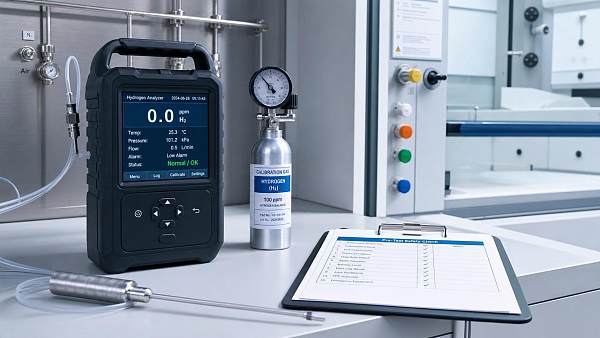
 Portable Hydrogen Analyzer for Laboratory Use: Key Safety Checks Before Daily TestingPortable hydrogen analyzer for laboratory use: discover the key daily safety checks that improve accuracy, reduce ignition risk, and keep lab hydrogen testing reliable and compliant.
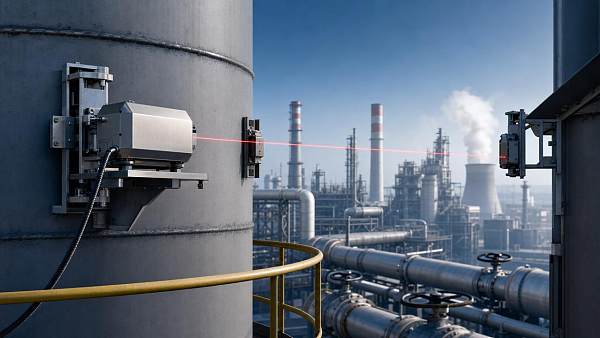
 How Accurate Is a Laser Gas Analyzer for Industrial Emissions Monitoring in 2026?Laser gas analyzer for industrial emissions monitoring: discover how accurate it can be in 2026 across power, cement, waste, and chemical applications, with key risks and selection tips.
 C2H5OH Concentration Analyzer: Key Checks Before Import OrdersC2H5OH concentration analyzer import guide: check specs, calibration, compliance, and supplier support before ordering to reduce risk and choose the right analyzer with confidence.
 2026 Market Trends for C4H10 Concentration Analyzers in Process IndustriesC4H10 concentration analyzer market trends for 2026: discover how smarter, connected analyzers help process industries improve safety, compliance, uptime, and ROI.
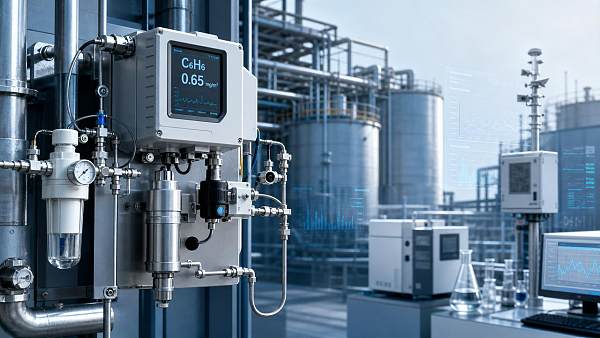
 Common Safety Gaps When Using a C6H6 Concentration AnalyzerC6H6 concentration analyzer safety gaps can distort readings and delay hazard response. Learn the most common risks, practical fixes, and smarter deployment tips across industrial, lab, and environmental use.
 C7H8 Concentration Analyzer Price Trends in 2026: What Shapes CostC7H8 concentration analyzer price trends in 2026 depend on sensors, compliance, calibration, integration, and service. See what really shapes total cost before you approve a budget.
 How to Choose a C8H10 Concentration Analyzer for Stable VOC MonitoringC8H10 concentration analyzer selection guide for stable VOC monitoring. Learn how to compare performance, technology, drift, and application fit for reliable results.
 Guangdong Launches 3-Year Service Trade Plan to Boost Instrument Exports via AI and HarmonyOSGuangdong's 3-year service trade plan boosts instrument exports via AI optimization & HarmonyOS—key for ASEAN/Latin America market access. Act now.
 China-Pakistan MOU Opens Faster Certification Path for Instruments in South AsiaChina-Pakistan MOU accelerates instrument certification in South Asia—faster CCC acceptance, mutual lab recognition & Islamabad testing hub for pressure gauges, flow meters, environmental monitors.
 Gold Futures Surge 1.1%; Overseas Orders for Precious Metals Analyzers Rise 35%Gold futures surge 1.1% — driving 35% rise in overseas orders for precious metals analyzers like XRF & ICP-MS. Discover key market impacts & compliance insights.
 EU Industrial Accelerator Act Enforces 70% Local Sourcing for InstrumentsEU Industrial Accelerator Act enforces 70% local sourcing for instruments—key implications for exporters, suppliers & integrators. Act now.
 China Imposes Full Export Ban on Dual-Use Items to Japanese Military End UsersChina's dual-use export ban to Japanese military users takes effect Jan 6, 2026—impacting rare earth, semiconductor & precision manufacturing supply chains. Act now.
 Where C3H8 Concentration Analyzers Fit in 2026 Industrial Emissions MonitoringC3H8 concentration analyzer solutions are reshaping 2026 industrial emissions monitoring with better compliance, safer propane control, and smarter efficiency insights. Learn where they fit.
 B2H6 Concentration Analyzer Import and Export Updates for 2026 Compliance PlanningB2H6 concentration analyzer import and export updates for 2026: explore compliance risks, documentation priorities, and planning tips to reduce delays and support smarter cross-border decisions.
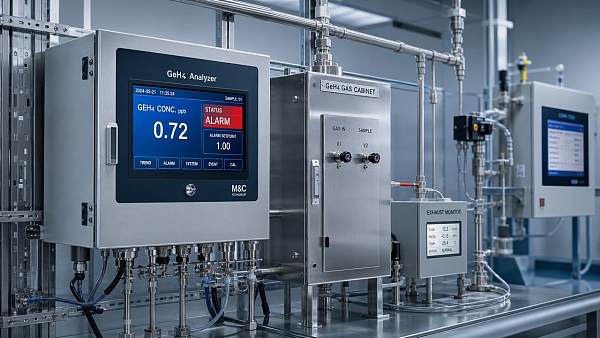
 GeH4 Concentration Analyzer Safety Risks and Detection Limits in Semiconductor UseGeH4 concentration analyzer safety risks, alarm strategy, and detection limits for semiconductor use. Learn how to reduce exposure risk, improve process stability, and choose the right monitoring solution.
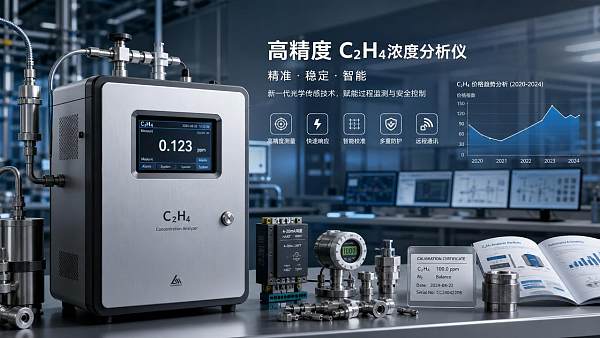
 C2H4 Concentration Analyzer Price Trends in 2026: What Is Driving Cost ChangesC2H4 concentration analyzer price trends in 2026 explained: discover key cost drivers, procurement risks, and smart buying tips to balance budget, compliance, and long-term value.
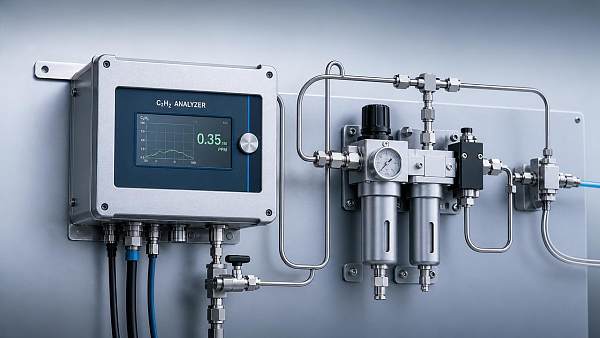
 How to Compare C2H2 Concentration Analyzer Accuracy in Industrial Gas MonitoringC2H2 concentration analyzer accuracy matters beyond the datasheet. Learn how to compare drift, calibration, interference, and field reliability for safer industrial gas monitoring.
![]() SiH4 Concentration Analyzer Import Rules to Watch in 2026SiH4 concentration analyzer import rules are tightening in 2026. Learn the key documents, compliance checks, and procurement tips to avoid delays and speed project delivery.
SiH4 Concentration Analyzer Import Rules to Watch in 2026SiH4 concentration analyzer import rules are tightening in 2026. Learn the key documents, compliance checks, and procurement tips to avoid delays and speed project delivery. HF Concentration Analyzer Demand Shifts Across Key IndustriesHF concentration analyzer demand is shifting across chemical, refining, environmental, and advanced manufacturing sectors—learn what drives safer control, compliance, and precision upgrades.
 Common HCN Concentration Analyzer Mistakes in Daily OperationHCN concentration analyzer daily mistakes can quietly damage accuracy and uptime. Learn common errors, practical checks, and smart operating tips to improve reliability.
 PH3 Concentration Analyzer Price Trends in 2026PH3 concentration analyzer price trends in 2026 reveal what really drives cost, compliance, and performance. Explore key buying factors to compare quotes smarter and reduce total ownership risk.
 How to Choose an AsH3 Concentration Analyzer for Trace Gas SafetyAsH3 concentration analyzer selection starts with the right application context. Learn how to compare response, interference, integration, and lifecycle fit for safer trace gas monitoring.
 Released") China's Business Environment Report (2026) ReleasedChina's Business Environment Report (2026) reveals 92% digital CMA/CNAS coverage—cutting export test report time to 15 days. Boost CE, UKCA & UL certification for pressure gauges, thermostats & analyzers.
China's Business Environment Report (2026) ReleasedChina's Business Environment Report (2026) reveals 92% digital CMA/CNAS coverage—cutting export test report time to 15 days. Boost CE, UKCA & UL certification for pressure gauges, thermostats & analyzers. US MMA Tank Incident Triggers Regional Safety UpgradesUS MMA tank incident sparks urgent demand for VOCs monitoring, toxic gas modeling & intrinsically safe transmitters across LATAM and SEA.
 NDRC Expands Energy-Saving and Carbon-Reduction Oversight to Dyeing, Chemical Fibers, and PapermakingNDRC expands energy-saving & carbon-reduction oversight to dyeing, chemical fibers, and papermaking—boosting demand for COD/NH₃-N analyzers, VOCs monitors, and CEMS systems.
 MIIT Sets 2026 Energy-Saving Inspection Targets for High-Energy ChemicalsMIIT Sets 2026 Energy-Saving Inspection Targets for High-Energy Chemicals—urgent demand surges for certified pH meters, gas analyzers & explosion-proof controllers.
 MOFCOM: FDI in China Down 10.3% Jan–Apr 2026, but Manufacturing Up 12.1%FDI in China fell 10.3% Jan–Apr 2026—but manufacturing FDI surged 12.1%, led by high-tech sectors. Discover what this means for precision metrology, sensors & calibration providers.
 PBOC Conducts 600-Billion-Yuan MLF Operation, Boosting RMB Stability for Testing Equipment ExportsPBOC's 600-billion-yuan MLF operation boosts RMB stability—key for NDT equipment exporters using LC/DA terms. Reduce FX risk, optimize hedging & improve cash flow planning now.
 EU Steel Strategy Upgrade: CBAM Expansion to Machinery & InstrumentsEU Steel Strategy Upgrade expands CBAM to machinery & instruments (HS 84/90) — LCA data mandatory from 1 July 2026. Act now to avoid delays & ensure compliance.




Search Categories
Search Categories
Latest Article
- CH3OH Concentration Analyzer Market Trends: Where Demand Is Growing in 2026CH3OH concentration analyzer demand is rising in 2026 across chemicals, energy, water treatment, and labs. See where growth is strongest and how to choose smarter.Posted by:
- C2H4O Concentration Analyzer: What to Compare Before Importing in 2026C2H4O concentration analyzer buying in 2026 goes beyond price. Compare accuracy, compliance, maintenance, integration, and supplier support before importing.Posted by:
- C3H6O Concentration Analyzer Price Trends and Calibration Cost in 2026C3H6O concentration analyzer price trends in 2026: compare calibration cost, lifecycle expenses, and key budget drivers to choose a compliant, cost-effective analyzer.Posted by:
Please give us a message
