
Factory Gas Analyzer Maintenance Issues That Often Go Unnoticed


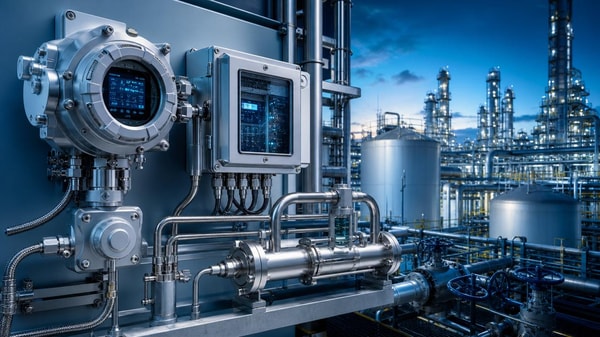
In many plants, a factory gas analyzer is trusted to deliver accurate readings around the clock, yet small maintenance issues often go unnoticed until they cause drift, alarms, or costly downtime. For after-sales maintenance teams, recognizing these hidden risks early is essential to keeping performance stable, extending equipment life, and ensuring reliable monitoring in demanding industrial environments.
When users search for overlooked maintenance issues in a factory gas analyzer, they usually are not looking for theory. They want to know why a unit that appears to be running normally still produces unstable values, unexpected calibration shifts, slow response, or repeated faults. For after-sales maintenance personnel, the most useful answer is practical: many analyzer problems begin with minor neglected details in sampling, calibration, consumables, environmental conditions, and service records rather than with major hardware failure.
This means the best maintenance approach is not simply reacting to alarms. It is learning where hidden degradation starts, how to spot it early, and which checks prevent repeat service calls. In the field, the issues that often go unnoticed are usually not dramatic. They are the small changes that gradually reduce accuracy and reliability until process operators lose confidence in the readings.
Why a factory gas analyzer can look healthy while performance is already declining
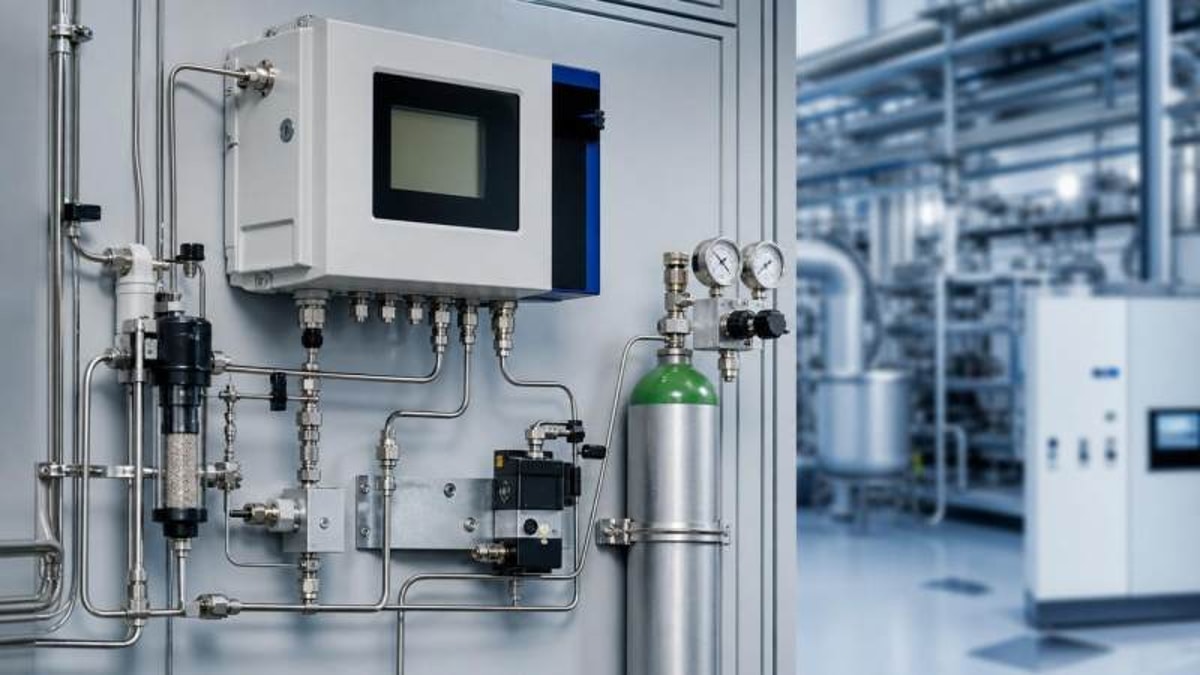
A factory gas analyzer may show normal power status, acceptable communication, and no immediate fault code, yet still be moving toward failure. That is because analyzer performance depends on a full chain: sample extraction, conditioning, transport, sensor or optical measurement, calibration integrity, and signal output. A weakness at any point can distort the final result without triggering an obvious alarm.
After-sales teams often encounter this situation during customer complaints such as “the values seem off,” “response is slower than before,” or “the analyzer passes calibration but process readings still look wrong.” In many cases, the core instrument is not the first problem. The unnoticed issue is somewhere around it: a partially blocked filter, a wet sample line, aging tubing, contaminated optics, a leaking fitting, or poor calibration gas handling.
Understanding this is important because it changes the maintenance mindset. Instead of asking only whether the analyzer is on or off, maintenance personnel should ask whether the complete measurement path is still operating under the same conditions assumed during commissioning. If not, accuracy and repeatability can deteriorate long before a shutdown occurs.
Sampling system problems are often more critical than the analyzer itself
One of the most common hidden problems in a factory gas analyzer system is poor sample handling. In real industrial environments, dust, moisture, corrosive gases, condensate, oil mist, and pressure fluctuations can gradually damage sample quality. If the sample entering the analyzer no longer represents the process gas accurately, the displayed reading becomes unreliable even when the analyzer module itself remains functional.
Filters are a frequent example. A filter may not be fully blocked, so flow still exists and no immediate fault appears. However, rising differential pressure can reduce sample flow, slow analyzer response, and increase lag during process changes. Maintenance teams sometimes replace filters only when there is a complete restriction, but by then the analyzer may already have delivered misleading data for weeks.
Heated lines and sample conditioning units also deserve close attention. A temperature control problem may be minor enough to avoid a visible failure alarm, yet still allow condensation. Once moisture forms, soluble gases can be lost, corrosion can increase, and measurement values can drift. This is especially risky in applications involving ammonia, sulfur compounds, or other reactive components.
Leaks in fittings and tubing are another underappreciated source of error. Small leaks may not be audible or obvious, but they can dilute the sample with ambient air or alter pressure conditions. Oxygen analyzers are especially vulnerable to this issue, but leak-related distortion can affect many gas measurements. Routine leak checks should be standard preventive work, not only a troubleshooting step after a complaint.
Calibration issues often start with habits, not hardware defects
Many maintenance discussions focus on calibration frequency, but overlooked calibration practices are often more important than the schedule itself. A factory gas analyzer can be calibrated on time and still produce weak results if the procedure is inconsistent, rushed, or based on questionable reference gas quality.
One common issue is using calibration gas cylinders without verifying concentration, expiration, regulator condition, or proper flow. If the reference gas has degraded, become contaminated, or is delivered through a regulator carrying residue or moisture, the analyzer may be adjusted to the wrong baseline. The instrument then appears calibrated while actual process accuracy worsens.
Another hidden problem is failing to allow enough stabilization time. In busy plant environments, maintenance personnel may initiate zero and span procedures too quickly in order to shorten service time. But some analyzers, sample systems, and long tubing runs require more time before the reading truly reflects the calibration gas. Recording a value too early introduces avoidable error.
Calibration intervals should also reflect process conditions rather than generic default settings. A clean, stable application may support longer intervals, while harsh service with contamination, vibration, or frequent process upsets may require tighter verification. After-sales teams add real value when they help customers move from a fixed calendar approach to a risk-based calibration plan.
Sensor aging and consumables do not always fail suddenly
Not every maintenance issue announces itself with a fault code. Electrochemical cells, infrared sources, UV lamps, pumps, membranes, desiccants, scrubbers, and internal filters often degrade gradually. Because the analyzer continues running, replacement is postponed. The result is a long period of declining performance that can be mistaken for process variation.
For example, a pump may still operate but deliver reduced flow under load. A desiccant may still look partially usable while moisture removal efficiency has already fallen below acceptable levels. An optical bench may remain functional but lose sensitivity due to contamination on windows or mirrors. These conditions rarely appear as instant failures, yet they directly affect measurement quality.
After-sales maintenance teams should track trend indicators rather than relying only on pass-fail status. Increasing calibration adjustment size, slower T90 response time, more frequent baseline correction, recurring low-flow warnings, or rising service frequency are all signs that a consumable or measuring element is nearing the end of useful life. Replacing parts based on these trends is often more effective than waiting for collapse.
This is also where service documentation matters. If one technician replaces a filter, another cleans the optics, and a third performs calibration without recording details, the pattern of gradual degradation gets lost. Good records help separate normal wear from abnormal failure and improve future maintenance planning.
Environmental conditions quietly shorten analyzer life
In industrial plants, the installation environment itself can become a hidden maintenance issue. Heat, vibration, dust, corrosive atmosphere, unstable power supply, and poor cabinet ventilation all create stress that may not immediately stop a factory gas analyzer but can steadily reduce reliability.
Temperature is especially important. Even when an analyzer is rated for the site, repeated exposure to upper-range cabinet temperatures accelerates aging of electronics, seals, pumps, and sensors. Maintenance teams should not assume that “within spec” means “without impact.” A cabinet running constantly near its thermal limit is likely to show shorter maintenance intervals and more drift over time.
Vibration can loosen fittings, connectors, and mounting hardware. Dust can block cooling paths and contaminate internal components. Corrosive air can attack terminals, metal surfaces, and pneumatic parts. In outdoor or utility areas, water ingress from damaged seals or poorly managed cable entries can create intermittent faults that are difficult to reproduce during inspection.
For after-sales personnel, this means site assessment is part of maintenance quality. It is not enough to service the analyzer internally if the surrounding conditions continue to create the same failure mechanism. Sometimes the most effective solution is not a replacement part but improved enclosure sealing, better ventilation, isolation from vibration, or revised sample system routing.
Software, alarms, and data handling can hide maintenance risks too
When discussing analyzer maintenance, mechanical and sensing components get most of the attention. However, configuration and data handling issues can also go unnoticed and create long-term risk. An analyzer that measures correctly but reports incorrectly is still a maintenance problem.
Alarm thresholds are one example. If they are set too wide, early signs of degradation may never trigger attention. If they are too narrow, operators may become used to nuisance alarms and start ignoring them. Maintenance teams should periodically review whether alarm settings still match process risk, analyzer performance, and customer operating expectations.
Signal scaling, communication mapping, and compensation settings also deserve checks after servicing or upgrades. A mismatch between analyzer output and control system interpretation can look like instrument drift when the real issue is configuration. This is particularly relevant after firmware updates, board replacement, or PLC/DCS modifications.
Trend data should be used more actively. Stable calibration values, sample flow, temperature, pressure, and diagnostic parameters often reveal deterioration before customers notice a process problem. A good after-sales maintenance strategy uses historical data to identify subtle change, not just immediate failure.
What after-sales maintenance teams should inspect first in the field
For practical field work, a structured inspection routine helps uncover what is usually missed. The first priority is to verify whether the sample entering the analyzer is still representative. Check filters, sample flow, line condition, heating status, condensate management, pressure stability, and possible leaks. These items often explain suspicious readings faster than opening the analyzer housing.
Next, review recent calibration history. Look for increasing zero or span corrections, inconsistent results between technicians, shortened calibration stability, or unusual gas consumption. These patterns often point to sample path issues, consumable aging, or incorrect calibration practice rather than sudden analyzer failure.
Then inspect environmental and utility factors: cabinet temperature, air path cleanliness, power quality, grounding, vibration, and enclosure integrity. If intermittent issues are reported, connectors, terminals, tubing joints, and communication interfaces should be checked carefully because many “random” faults are actually repeatable under certain environmental conditions.
Finally, compare current operating data with baseline values from commissioning or previous healthy operation. Response time, flow, pressure, internal temperature, lamp intensity, sensor output, and maintenance intervals all help determine whether the analyzer is stable or gradually degrading. Field decisions become more accurate when they are based on trend comparison rather than isolated readings.
How to prevent repeat failures instead of only fixing symptoms
Customers value after-sales support most when it reduces recurring trouble. To achieve that, maintenance teams should move beyond single-event repairs and address root causes. If filters clog repeatedly, the answer may be upstream sample treatment improvement. If condensation returns, the issue may be line routing, heat tracing, or conditioning capacity. If calibration drift keeps increasing, reference gas handling or environmental stress may be the real cause.
Preventive maintenance plans should therefore be customized by application. A factory gas analyzer monitoring clean utility gas does not need the same service strategy as one installed in a dusty combustion, chemical, or emissions environment. Task frequency should reflect contamination load, gas composition, process criticality, and consequences of bad data.
Training also matters. Many overlooked maintenance issues come from small procedural differences between technicians. Standardizing leak check methods, stabilization waiting time, replacement criteria for consumables, and documentation practices can significantly improve consistency across service visits. For after-sales teams, this creates both better customer outcomes and lower callback rates.
Where possible, condition-based maintenance should be introduced. Instead of changing parts only by fixed interval or only after failure, use actual performance indicators. This reduces unnecessary replacement while catching hidden degradation earlier. It also helps explain maintenance recommendations to customers in a more credible, data-driven way.
Building a more reliable maintenance mindset around factory gas analyzer systems
The most overlooked maintenance issues are usually the ones that seem too small to matter: a slight flow drop, a little moisture, a loose fitting, an aging regulator, a hot cabinet, a delayed calibration, or an incomplete service record. Yet these small details are exactly what turn a dependable factory gas analyzer into a source of drift, false alarms, and unexpected downtime.
For after-sales maintenance personnel, the key lesson is clear. Reliable gas analysis depends on the whole system, not just the analyzer core. Sampling quality, calibration discipline, consumable tracking, environmental control, configuration accuracy, and trend-based inspection all determine whether the instrument remains trustworthy in daily operation.
If maintenance teams focus early on these often unnoticed issues, they can detect degradation before it becomes a failure, improve customer confidence in analyzer data, and extend equipment life with fewer emergency interventions. That is the real value of effective service: not just restoring operation, but protecting long-term measurement reliability where it matters most.
Recommended for You
 IEC 62443-4-2:2026 Released: New Cybersecurity Requirement for Industrial ComponentsIEC 62443-4-2:2026 is live — new cybersecurity requirements for industrial components like PLCs, HMIs & gateways. Act now to meet SDL mandates and win tenders with Siemens, ABB & more.
 US BIS Adds 12 High-Precision Calibration Devices to Export Control ListUS BIS adds 12 high-precision calibration devices to export control list—laser interferometers, quantum gradiometers & more. Critical for semiconductor, aerospace & metrology firms exporting to China. Act now.
 Southeast Asia Launches Industrial Metrology Green CorridorIndustrial Metrology Green Corridor launched across ASEAN — CNAS-accredited temp, pressure & flow reports now accepted in all 10 member states. Faster customs, lower compliance costs.
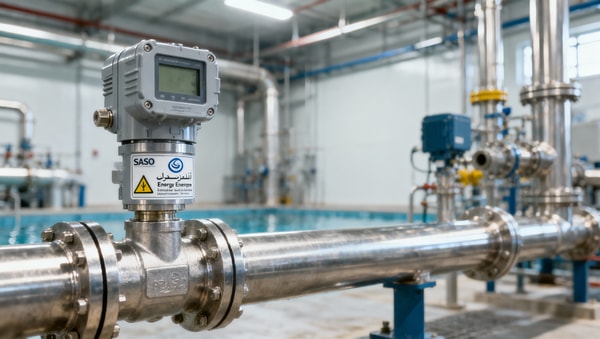
 SASO Energy Labeling Rule for Field Instruments Effective July 2026SASO Energy Labeling Rule for Field Instruments takes effect July 2026 — mandatory for 17 new instrument categories. Ensure compliance now to avoid customs delays in Saudi Arabia.
 Red Sea Crisis Escalates: Suez Canal Industrial Instrument Shipping Delays to 28 DaysRed Sea Crisis escalates: Suez Canal industrial instrument shipping delays hit 28 days — urgent air freight up 320%. Act now to protect precision manufacturing & compliance.
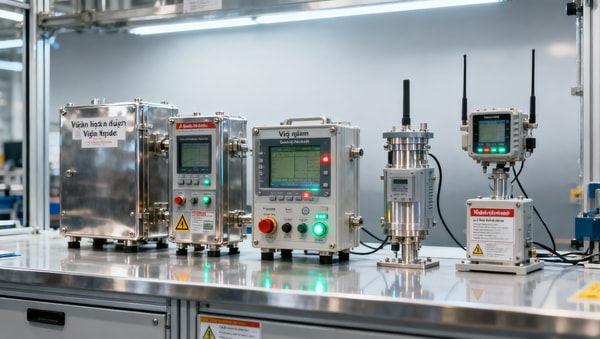
 Vietnam Tightens Industrial Instrument Import Rules from June 2026Vietnam Tightens Industrial Instrument Import Rules from June 2026: CNAS test reports & Vietnamese labels now mandatory—avoid port detention and 15% penalties.
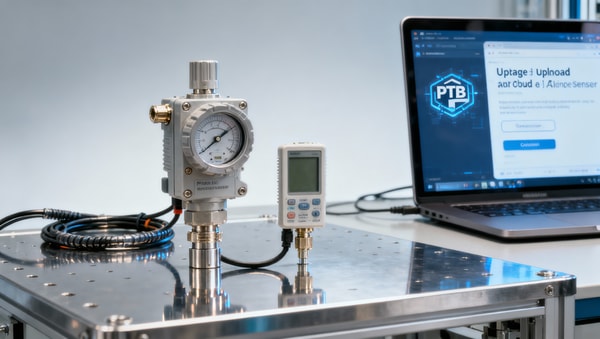
 PTB Launches AI Remote Calibration Cloud for CNAS LabsPTB launches CalCloud AI — the world’s first AI remote calibration cloud for CNAS labs, enabling fast, ILAC-MRA-compliant English certificates for EU-bound pressure, temperature & flow instruments.
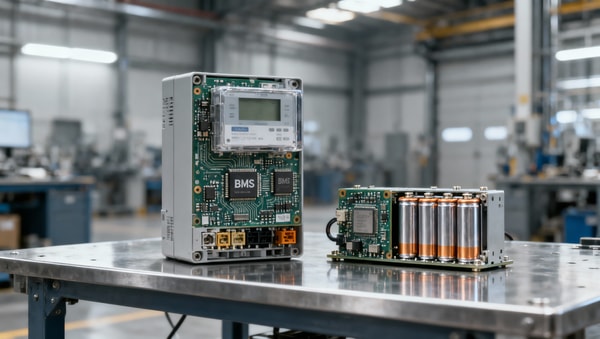
 New China Battery Recycling Rules Take Effect Apr 27, 2026New China battery recycling rules (effective Apr 27, 2026) impact smart meter & industrial sensor exporters—ensure BMS traceability and compliance now.
 Plant Safety Analyzer Investments That Reduce Hidden Operational RiskPlant safety analyzer investments help enterprises uncover hidden operational risk, improve uptime, strengthen compliance, and protect long-term profitability.
 High Purity Monitoring: When Standard Analyzers Are No Longer EnoughHigh purity monitoring is essential when standard analyzers miss trace contamination, fast excursions, and compliance risks. Discover where advanced solutions deliver safer, smarter control.
 Explosion Proof Equipment Export Checks That Delay Overseas ShipmentsExplosion proof equipment export checks can delay overseas shipments through certificate gaps, label mismatches, and local compliance issues. Learn how distributors can reduce risks, avoid rework, and keep projects on schedule.
 Electrochemistry Oxygen Analyzer Accuracy: What Affects Long-Term PerformanceElectrochemistry Oxygen Analyzer accuracy depends on sensor stability, calibration, sampling, and maintenance. Learn what drives long-term performance and choose the right solution.
 Explosion Protected Analyzer Market Direction After New Safety UpgradesExplosion protected analyzer trends are shifting fast after new safety upgrades. Learn where the market is headed, what buyers now prioritize, and how smarter systems can reduce risk and improve ROI.
 Smart Analyzer Features That Matter More Than Marketing ClaimsSmart Analyzer features that truly impact accuracy, uptime, integration, and lifecycle cost. Learn what matters beyond marketing claims before you choose.
 Production Line Analyzer Data Gaps That Hurt Process DecisionsProduction line analyzer data gaps can quietly distort trends, delay control actions, and weaken traceability. Learn how to spot the risks and protect smarter process decisions.
 Flameproof Analyzer Lead Times and Supply Risks in Global TradeFlameproof analyzer lead times are rising due to certification, logistics, and supplier risks. Learn how distributors can reduce delays, protect margins, and source with confidence.
 Intrinsically Safe Analyzer vs Flameproof Analyzer for Compact InstallationsIntrinsically safe analyzer vs flameproof analyzer: discover which option suits compact hazardous-area installations best for safer maintenance, smaller footprint, and lower lifecycle cost.
 Industrial Oxygen Monitoring: Common Setup Errors and How to Avoid ThemIndustrial oxygen monitoring setup mistakes can trigger false readings, downtime, and safety risks. Learn the most common errors and how to avoid them for more reliable, compliant performance.
 Cost Effective Analyzer Options Without Cutting Safety StandardsCost Effective analyzer sourcing starts with safety, not shortcuts. Learn how to compare options by compliance, performance, and lifecycle value to cut costs with confidence.
 When OEM Service Makes More Sense Than Standard SupplyOEM Service helps businesses match instrumentation to exact performance, integration, and compliance needs—reducing risk, lowering lifecycle costs, and improving reliability.
 Trace Gas Detection Challenges in High-Sensitivity Production EnvironmentsTrace gas detection challenges in high-sensitivity production demand more than low limits. Explore accuracy risks, technology choices, and smart selection tips for safer, more reliable operations.
 Gas Analyzer Equipment Price Shifts: What Is Driving Costs This YearGas analyzer equipment price shifts are being driven by sensor upgrades, supply pressure, compliance, and integration needs. Learn what is raising costs this year and how to buy smarter.
 Zone 1 Analyzer Import Rules That May Affect Delivery TimelinesZone 1 analyzer import rules can quietly delay projects. Learn the certification, HS code, document, and customs checks buyers must review early to avoid costly delivery setbacks.
 Zone 2 Analyzer Applications: Where It Fits and Where It Does NotZone 2 analyzer applications explained: discover where a zone 2 analyzer delivers fast, cost-effective field performance—and when safer, more precise alternatives make better sense.
 Industrial Safety Analyzer Trends Shaping Safer Plants in 2026Industrial safety analyzer trends in 2026 are redefining safer plants with real-time monitoring, smarter integration, and better lifecycle decisions. Explore what project leaders need to know.
 Oxygen Monitoring System Basics for Safer Daily OperationsOxygen monitoring system basics made practical: learn daily safety checks, sensor placement tips, alarm readiness, and smart actions to reduce risk and improve operational safety.
 Factory Gas Analyzer Maintenance Issues That Often Go UnnoticedFactory gas analyzer maintenance issues often start with hidden sampling, calibration, or environmental faults. Learn the overlooked causes of drift and downtime before they become costly failures.
 Manufacturing Analyzer Upgrades That Improve Process StabilityManufacturing analyzer upgrades improve process stability, reduce downtime, and strengthen data accuracy. Discover how smarter analyzer investments boost quality, ROI, and operational confidence.
 When a Quality Assurance Analyzer Becomes Worth the Extra SpendQuality assurance analyzer investments pay off when they cut defects, speed verification, and improve compliance. See how to justify the extra spend with clearer ROI.
 Laboratory Gas Analyzer Selection: Key Differences That Affect Test AccuracyLaboratory Gas Analyzer selection shapes test accuracy, stability, and compliance. Learn how principles, sensitivity, sample handling, and calibration affect reliable lab results.
 How to Identify a Trusted Manufacturer for Hazardous Area AnalyzersTrusted Manufacturer selection starts with safety, certifications, and reliable support. Learn how to identify the right hazardous area analyzer partner for long-term growth.
 What a Quality Product Means in Industrial Gas AnalysisQuality Product in industrial gas analysis means more than accuracy—discover how the right analyzer improves safety, compliance, uptime, and long-term ROI across industries.

Search Categories
Search Categories
Latest Article
- IEC 62443-4-2:2026 Released: New Cybersecurity Requirement for Industrial ComponentsIEC 62443-4-2:2026 is live — new cybersecurity requirements for industrial components like PLCs, HMIs & gateways. Act now to meet SDL mandates and win tenders with Siemens, ABB & more.Posted by:
- US BIS Adds 12 High-Precision Calibration Devices to Export Control ListUS BIS adds 12 high-precision calibration devices to export control list—laser interferometers, quantum gradiometers & more. Critical for semiconductor, aerospace & metrology firms exporting to China. Act now.Posted by:
- Southeast Asia Launches Industrial Metrology Green CorridorIndustrial Metrology Green Corridor launched across ASEAN — CNAS-accredited temp, pressure & flow reports now accepted in all 10 member states. Faster customs, lower compliance costs.Posted by:
Please give us a message
