
High Purity Monitoring: When Standard Analyzers Are No Longer Enough


As production environments become cleaner, tighter, and more regulated, high purity monitoring is no longer a niche requirement but a critical safeguard for quality and safety teams. Standard analyzers may detect basic deviations, yet they often fall short when trace contamination, process stability, and compliance risks demand faster, more precise insight. This article explores why advanced monitoring solutions are becoming essential across modern industrial operations.
Why scenario differences matter more than ever
For quality control personnel and safety managers, the real question is not whether high purity monitoring is important, but where standard analyzers stop being sufficient. A utility gas line in a semiconductor workshop, a clean steam loop in pharmaceutical production, an ultrapure water system in a laboratory, and a specialty chemical transfer line in precision manufacturing all face different contamination risks. The same instrument architecture rarely performs equally well across these environments.
That is why application context matters. In one setting, response time may be the top priority because a process upset can scrap an entire batch within minutes. In another, low detection limits matter most because compliance or product integrity depends on identifying trace-level impurities before they accumulate. In yet another scenario, system reliability, calibration traceability, and remote diagnostics carry more weight than absolute sensitivity.
High purity monitoring should therefore be evaluated as a fit-for-purpose capability. Teams that treat it as a generic upgrade often overspend in low-risk areas while under-protecting their most vulnerable processes. The right approach is to map process criticality, contamination pathways, regulatory exposure, and operational consequences before deciding whether advanced analyzers, inline sensors, automated sampling systems, or integrated monitoring platforms are needed.
Where high purity monitoring is most commonly needed
Across the instrumentation industry, demand for high purity monitoring is expanding because more facilities are running tighter specifications, more automated lines, and more auditable quality systems. The following scenarios are among the most common.
Clean gas delivery systems
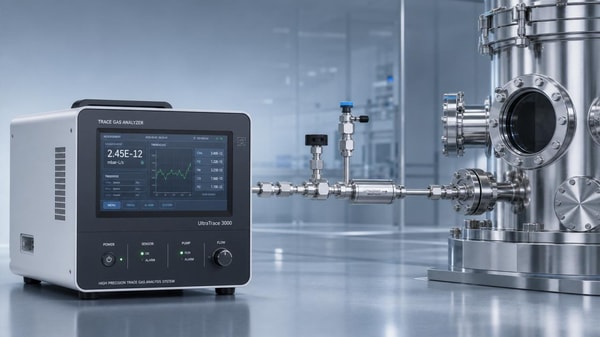
In gas distribution networks used for precision manufacturing, laboratories, electronics assembly, and specialty processing, trace moisture, oxygen, hydrocarbons, or particles can directly affect product consistency. Standard analyzers may provide periodic snapshots, but they may miss transient contamination during cylinder changeover, purging, or line maintenance. In this scenario, high purity monitoring is valuable because events are often short, costly, and difficult to reproduce.
Ultrapure water and process water loops
Water systems in pharmaceutical plants, electronics-related processes, life science laboratories, and high-spec industrial applications require more than routine conductivity checks. Organic contamination, dissolved gases, ionic drift, and microbial indicators can all undermine quality. Here, high purity monitoring supports early warning by combining multiple parameters instead of relying on a single general-purpose analyzer.
Specialty chemicals and high-value liquid processes
When production depends on specialty solvents, acids, bases, coatings, or reagent-grade materials, small composition deviations may lead to rework, off-spec output, or unsafe reactions. Standard analyzers can struggle when cross-sensitivity, sample conditioning, or line dead volume affect measurement quality. In these applications, high purity monitoring is often tied to both quality assurance and process hazard prevention.
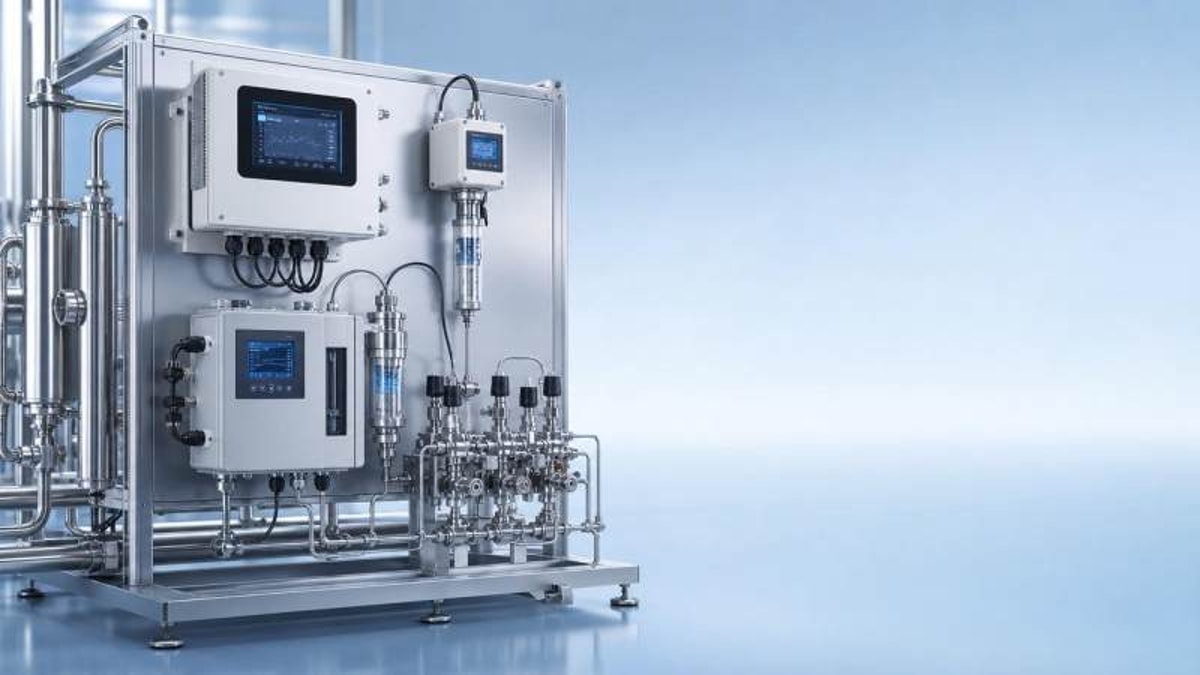
Controlled environments and clean utilities
Compressed air, nitrogen blanketing, clean steam, and inert atmospheres are frequently assumed to be stable once installed. In reality, utility systems can drift due to filtration issues, seal wear, maintenance activity, or upstream supply changes. Safety managers should pay special attention when these utilities directly contact products, critical equipment, or enclosed workspaces. High purity monitoring helps reveal hidden variation before it becomes a quality deviation or incident investigation.
A practical comparison of common scenarios
The table below shows why selection criteria for high purity monitoring should vary by application rather than by instrument brand alone.
How quality and safety teams should judge fit by scenario
The best high purity monitoring strategy depends on what failure looks like in your operation. Quality teams usually start from product risk, while safety managers focus on exposure pathways, loss of containment, and escalation speed. Both perspectives are necessary.
If the cost of one upset is very high
In batch production, precision assembly, or high-value continuous processes, a brief impurity event can cause large economic losses. These are strong candidates for advanced high purity monitoring because event capture, trend analysis, and immediate alarms matter more than occasional manual verification. If a single failure can shut down a line, destroy a batch, or trigger an expensive investigation, standard analyzers are often no longer enough.
If trace contamination accumulates silently
Some problems are not immediate but cumulative. Resin exhaustion, seal degradation, filter bypass, and micro-leaks may create small deviations that remain below simple alarm thresholds for weeks. In these cases, high purity monitoring should emphasize trend stability, baseline drift recognition, and data correlation across multiple points. This is especially relevant for ultrapure water, calibration gases, and critical utility loops.
If compliance or customer audits are frequent
When operations must satisfy internal validation procedures, external audits, or customer quality agreements, data integrity becomes as important as measurement accuracy. A robust high purity monitoring setup should provide traceable records, clear calibration history, alarm logs, and reproducible sampling conditions. Standard analyzers may produce acceptable readings, yet still fail to support defensible documentation.
Scenario-based recommendations for different facility profiles
Not every facility needs the same depth of monitoring. A practical rollout plan should reflect operational complexity, process sensitivity, and staffing capability.
Small and mid-size facilities
For smaller operations, the smartest path is often targeted high purity monitoring at the most critical nodes rather than full-plant deployment. Start with points where contamination enters, where the process is least tolerant, or where investigations have repeatedly failed to find root causes. Compact inline analyzers, reliable sample handling, and remote alarm notification can deliver strong value without excessive system complexity.
Large multi-line or multi-utility plants
Larger sites benefit from layered architectures. These may include continuous online monitoring at central utilities, localized high-sensitivity analyzers at critical tools or skids, and historian integration for cross-system diagnosis. Here, high purity monitoring supports not only control but also benchmarking between lines, predictive maintenance, and faster deviation closure.
Laboratory and mixed-use environments
In laboratories or pilot facilities, process changes are more frequent, which can make fixed assumptions dangerous. Portable or flexible high purity monitoring solutions are often preferable, especially when utilities support both routine testing and development work. The key is to maintain sensitivity without creating excessive setup burden for each changeover.
Common misjudgments that lead to weak monitoring decisions
Several mistakes appear repeatedly across industrial settings.
- Assuming a stable process does not need high purity monitoring. Stability may simply mean deviations are currently invisible.
- Selecting by specification sheet alone. Detection range, response time, sample path design, and maintenance reality must be evaluated together.
- Overlooking sample conditioning. A high-end analyzer can still produce poor results if the sample reaches it late, altered, or contaminated.
- Treating quality and safety goals separately. The same impurity event may create product loss, equipment damage, and operator risk at the same time.
- Installing advanced hardware without alarm logic or data review procedures. High purity monitoring only creates value when teams know how to act on the data.
What to confirm before choosing a high purity monitoring solution
Before comparing vendors or technologies, confirm a short list of operational facts. Which contaminants matter most? What is the maximum acceptable response time? Is continuous monitoring required or will periodic verification suffice? How many points are critical, and are they centralized or distributed? Do you need local alarms, control system integration, or audit-ready reporting? Can your team maintain advanced analyzers, or do you need lower-maintenance configurations?
These questions help separate must-have functions from optional features. For many organizations, the best high purity monitoring plan is not the most complex system, but the one that aligns measurement performance with real production risk. That alignment is especially important in the broader instrumentation industry, where facilities often span manufacturing, power, environmental control, laboratory work, and automated utility networks under one operational framework.
FAQ for quality and safety decision-makers
When should standard analyzers be upgraded?
Upgrade when contamination events are too small, too fast, or too costly to be managed by periodic checks. Repeated unexplained deviations, customer complaints, or audit gaps are also strong indicators.
Is high purity monitoring only relevant for highly regulated industries?
No. It is equally relevant wherever process sensitivity, product value, utility reliability, or safety consequences are high. Regulation increases urgency, but business risk alone can justify adoption.
What is the biggest implementation risk?
Choosing sophisticated instruments without matching the sampling method, alarm workflow, and maintenance capability to the application scenario. Technology fit matters more than feature count.
Turning scenario insight into the right next step
High purity monitoring delivers the most value when it is deployed where standard analyzers leave meaningful blind spots. For quality control teams, that usually means critical product-contact points, purity-sensitive utilities, and hard-to-diagnose variation. For safety managers, it often means processes where trace contamination can accelerate corrosion, trigger unstable conditions, or hide utility failures until they become incidents.
A practical next step is to review your top contamination-sensitive scenarios, rank them by business and safety impact, and identify where existing analyzers lack sensitivity, speed, or traceable data. From there, you can define a high purity monitoring roadmap based on actual operational need rather than generic equipment assumptions. That is the most reliable way to improve product confidence, reduce hidden risk, and make monitoring investment defensible.
Recommended for You
 IEC 62443-4-2:2026 Released: New Cybersecurity Requirement for Industrial ComponentsIEC 62443-4-2:2026 is live — new cybersecurity requirements for industrial components like PLCs, HMIs & gateways. Act now to meet SDL mandates and win tenders with Siemens, ABB & more.
 US BIS Adds 12 High-Precision Calibration Devices to Export Control ListUS BIS adds 12 high-precision calibration devices to export control list—laser interferometers, quantum gradiometers & more. Critical for semiconductor, aerospace & metrology firms exporting to China. Act now.
 Southeast Asia Launches Industrial Metrology Green CorridorIndustrial Metrology Green Corridor launched across ASEAN — CNAS-accredited temp, pressure & flow reports now accepted in all 10 member states. Faster customs, lower compliance costs.
 SASO Energy Labeling Rule for Field Instruments Effective July 2026SASO Energy Labeling Rule for Field Instruments takes effect July 2026 — mandatory for 17 new instrument categories. Ensure compliance now to avoid customs delays in Saudi Arabia.
 Red Sea Crisis Escalates: Suez Canal Industrial Instrument Shipping Delays to 28 DaysRed Sea Crisis escalates: Suez Canal industrial instrument shipping delays hit 28 days — urgent air freight up 320%. Act now to protect precision manufacturing & compliance.
 Vietnam Tightens Industrial Instrument Import Rules from June 2026Vietnam Tightens Industrial Instrument Import Rules from June 2026: CNAS test reports & Vietnamese labels now mandatory—avoid port detention and 15% penalties.
 PTB Launches AI Remote Calibration Cloud for CNAS LabsPTB launches CalCloud AI — the world’s first AI remote calibration cloud for CNAS labs, enabling fast, ILAC-MRA-compliant English certificates for EU-bound pressure, temperature & flow instruments.
 New China Battery Recycling Rules Take Effect Apr 27, 2026New China battery recycling rules (effective Apr 27, 2026) impact smart meter & industrial sensor exporters—ensure BMS traceability and compliance now.
 Plant Safety Analyzer Investments That Reduce Hidden Operational RiskPlant safety analyzer investments help enterprises uncover hidden operational risk, improve uptime, strengthen compliance, and protect long-term profitability.
 High Purity Monitoring: When Standard Analyzers Are No Longer EnoughHigh purity monitoring is essential when standard analyzers miss trace contamination, fast excursions, and compliance risks. Discover where advanced solutions deliver safer, smarter control.
 Explosion Proof Equipment Export Checks That Delay Overseas ShipmentsExplosion proof equipment export checks can delay overseas shipments through certificate gaps, label mismatches, and local compliance issues. Learn how distributors can reduce risks, avoid rework, and keep projects on schedule.
 Electrochemistry Oxygen Analyzer Accuracy: What Affects Long-Term PerformanceElectrochemistry Oxygen Analyzer accuracy depends on sensor stability, calibration, sampling, and maintenance. Learn what drives long-term performance and choose the right solution.
 Explosion Protected Analyzer Market Direction After New Safety UpgradesExplosion protected analyzer trends are shifting fast after new safety upgrades. Learn where the market is headed, what buyers now prioritize, and how smarter systems can reduce risk and improve ROI.
 Smart Analyzer Features That Matter More Than Marketing ClaimsSmart Analyzer features that truly impact accuracy, uptime, integration, and lifecycle cost. Learn what matters beyond marketing claims before you choose.
 Production Line Analyzer Data Gaps That Hurt Process DecisionsProduction line analyzer data gaps can quietly distort trends, delay control actions, and weaken traceability. Learn how to spot the risks and protect smarter process decisions.
 Flameproof Analyzer Lead Times and Supply Risks in Global TradeFlameproof analyzer lead times are rising due to certification, logistics, and supplier risks. Learn how distributors can reduce delays, protect margins, and source with confidence.
 Intrinsically Safe Analyzer vs Flameproof Analyzer for Compact InstallationsIntrinsically safe analyzer vs flameproof analyzer: discover which option suits compact hazardous-area installations best for safer maintenance, smaller footprint, and lower lifecycle cost.
 Industrial Oxygen Monitoring: Common Setup Errors and How to Avoid ThemIndustrial oxygen monitoring setup mistakes can trigger false readings, downtime, and safety risks. Learn the most common errors and how to avoid them for more reliable, compliant performance.
 Cost Effective Analyzer Options Without Cutting Safety StandardsCost Effective analyzer sourcing starts with safety, not shortcuts. Learn how to compare options by compliance, performance, and lifecycle value to cut costs with confidence.
 When OEM Service Makes More Sense Than Standard SupplyOEM Service helps businesses match instrumentation to exact performance, integration, and compliance needs—reducing risk, lowering lifecycle costs, and improving reliability.
 Trace Gas Detection Challenges in High-Sensitivity Production EnvironmentsTrace gas detection challenges in high-sensitivity production demand more than low limits. Explore accuracy risks, technology choices, and smart selection tips for safer, more reliable operations.
 Gas Analyzer Equipment Price Shifts: What Is Driving Costs This YearGas analyzer equipment price shifts are being driven by sensor upgrades, supply pressure, compliance, and integration needs. Learn what is raising costs this year and how to buy smarter.
 Zone 1 Analyzer Import Rules That May Affect Delivery TimelinesZone 1 analyzer import rules can quietly delay projects. Learn the certification, HS code, document, and customs checks buyers must review early to avoid costly delivery setbacks.
 Zone 2 Analyzer Applications: Where It Fits and Where It Does NotZone 2 analyzer applications explained: discover where a zone 2 analyzer delivers fast, cost-effective field performance—and when safer, more precise alternatives make better sense.
 Industrial Safety Analyzer Trends Shaping Safer Plants in 2026Industrial safety analyzer trends in 2026 are redefining safer plants with real-time monitoring, smarter integration, and better lifecycle decisions. Explore what project leaders need to know.
 Oxygen Monitoring System Basics for Safer Daily OperationsOxygen monitoring system basics made practical: learn daily safety checks, sensor placement tips, alarm readiness, and smart actions to reduce risk and improve operational safety.
 Factory Gas Analyzer Maintenance Issues That Often Go UnnoticedFactory gas analyzer maintenance issues often start with hidden sampling, calibration, or environmental faults. Learn the overlooked causes of drift and downtime before they become costly failures.
 Manufacturing Analyzer Upgrades That Improve Process StabilityManufacturing analyzer upgrades improve process stability, reduce downtime, and strengthen data accuracy. Discover how smarter analyzer investments boost quality, ROI, and operational confidence.
 When a Quality Assurance Analyzer Becomes Worth the Extra SpendQuality assurance analyzer investments pay off when they cut defects, speed verification, and improve compliance. See how to justify the extra spend with clearer ROI.
 Laboratory Gas Analyzer Selection: Key Differences That Affect Test AccuracyLaboratory Gas Analyzer selection shapes test accuracy, stability, and compliance. Learn how principles, sensitivity, sample handling, and calibration affect reliable lab results.
 How to Identify a Trusted Manufacturer for Hazardous Area AnalyzersTrusted Manufacturer selection starts with safety, certifications, and reliable support. Learn how to identify the right hazardous area analyzer partner for long-term growth.
 What a Quality Product Means in Industrial Gas AnalysisQuality Product in industrial gas analysis means more than accuracy—discover how the right analyzer improves safety, compliance, uptime, and long-term ROI across industries.

Search Categories
Search Categories
Latest Article
- IEC 62443-4-2:2026 Released: New Cybersecurity Requirement for Industrial ComponentsIEC 62443-4-2:2026 is live — new cybersecurity requirements for industrial components like PLCs, HMIs & gateways. Act now to meet SDL mandates and win tenders with Siemens, ABB & more.Posted by:
- US BIS Adds 12 High-Precision Calibration Devices to Export Control ListUS BIS adds 12 high-precision calibration devices to export control list—laser interferometers, quantum gradiometers & more. Critical for semiconductor, aerospace & metrology firms exporting to China. Act now.Posted by:
- Southeast Asia Launches Industrial Metrology Green CorridorIndustrial Metrology Green Corridor launched across ASEAN — CNAS-accredited temp, pressure & flow reports now accepted in all 10 member states. Faster customs, lower compliance costs.Posted by:
Please give us a message
