
Plant Safety Analyzer Investments That Reduce Hidden Operational Risk


For enterprise decision-makers, investing in a plant safety analyzer is no longer just a compliance choice—it is a strategic move to reduce hidden operational risk, strengthen process reliability, and protect long-term profitability. In complex industrial environments, the right analyzer helps uncover invisible safety gaps, improve monitoring accuracy, and support smarter asset management across production, energy, and automation systems.
Why the Risk Conversation Around Plant Safety Is Changing
Across industrial manufacturing, power generation, environmental operations, laboratories, and automated facilities, safety risk is being redefined. It is no longer limited to visible hazards, major shutdowns, or reportable incidents. The more pressing challenge for many organizations is hidden operational risk: drifting measurement accuracy, delayed alarms, incomplete gas or process monitoring, unmanaged exposure points, and aging instrumentation that still appears functional but no longer supports reliable decision-making.
This shift matters because modern operations depend on continuous data. As plants become more automated and more tightly optimized for energy use, uptime, and labor efficiency, even small failures in detection or analysis can create outsized consequences. A plant safety analyzer now sits at the intersection of compliance, asset protection, process control, and operational resilience. That is why investments in this area are increasingly evaluated not only by safety teams, but also by executives responsible for productivity, digital transformation, insurance exposure, and business continuity.
The broader instrumentation industry reinforces this change. Measurement, testing, monitoring, and control systems are becoming central to industrial modernization. In that context, a plant safety analyzer is no longer a narrow device purchase. It is part of a larger strategy to make plant data more trustworthy, plant response faster, and plant risk more visible before losses occur.
The Strongest Signals Behind Rising Investment
Several market and operational signals are pushing enterprise buyers to revisit analyzer investments. First, regulatory expectations are becoming more demanding in many sectors. Organizations are expected not only to install safety-related monitoring but also to demonstrate calibration discipline, data integrity, alarm reliability, and traceable response procedures. Second, aging industrial infrastructure is creating a gap between installed systems and current operational requirements. Legacy equipment may still run, yet it often lacks the sensitivity, diagnostics, connectivity, or fault visibility needed in today’s plants.
Third, cost pressure has changed the economics of downtime. Unplanned stoppages now carry more than repair expenses. They interrupt supply commitments, reduce energy efficiency, strain maintenance resources, and expose weaknesses in operating discipline. Fourth, the expansion of digital operations has raised expectations for integrated data. Enterprise leaders want plant safety analyzer outputs to support dashboards, predictive maintenance logic, environmental reporting, and risk reviews rather than remain isolated at the instrument level.
Finally, many companies are rethinking how they define return on investment. A plant safety analyzer may not produce direct revenue, but it can prevent hidden losses, improve asset utilization, reduce manual inspections, and strengthen decision quality. In capital allocation discussions, avoided disruption is becoming a more credible financial argument.
From Compliance Device to Strategic Risk Tool
One of the most important shifts is how companies frame the role of a plant safety analyzer. In the past, purchase decisions often centered on minimum compliance requirements, basic hazard detection, or replacement of obsolete equipment. Today, the conversation is broader. Decision-makers increasingly ask whether the analyzer can reveal risk patterns early, reduce uncertainty in plant conditions, and improve confidence in operator action.
That broader role is especially relevant in facilities where process conditions, emissions, combustible gases, toxic substances, pressure changes, or environmental variables can change gradually rather than suddenly. Hidden operational risk usually accumulates quietly. Sensors drift. Sampling points lose effectiveness. Alarm thresholds become outdated. Maintenance teams compensate with manual checks. Operators get used to noise in the system and begin to overlook early warnings. A well-selected plant safety analyzer can interrupt that pattern by restoring analytical clarity.
This is also why many buyers now prioritize diagnostics, stability, connectivity, and maintainability alongside detection performance. In a risk-reduction framework, the best analyzer is not merely the one with the broadest feature list. It is the one that can stay accurate in real operating conditions, integrate with workflows, and support timely intervention by the right people.
Where the Impact Is Most Visible Across the Business
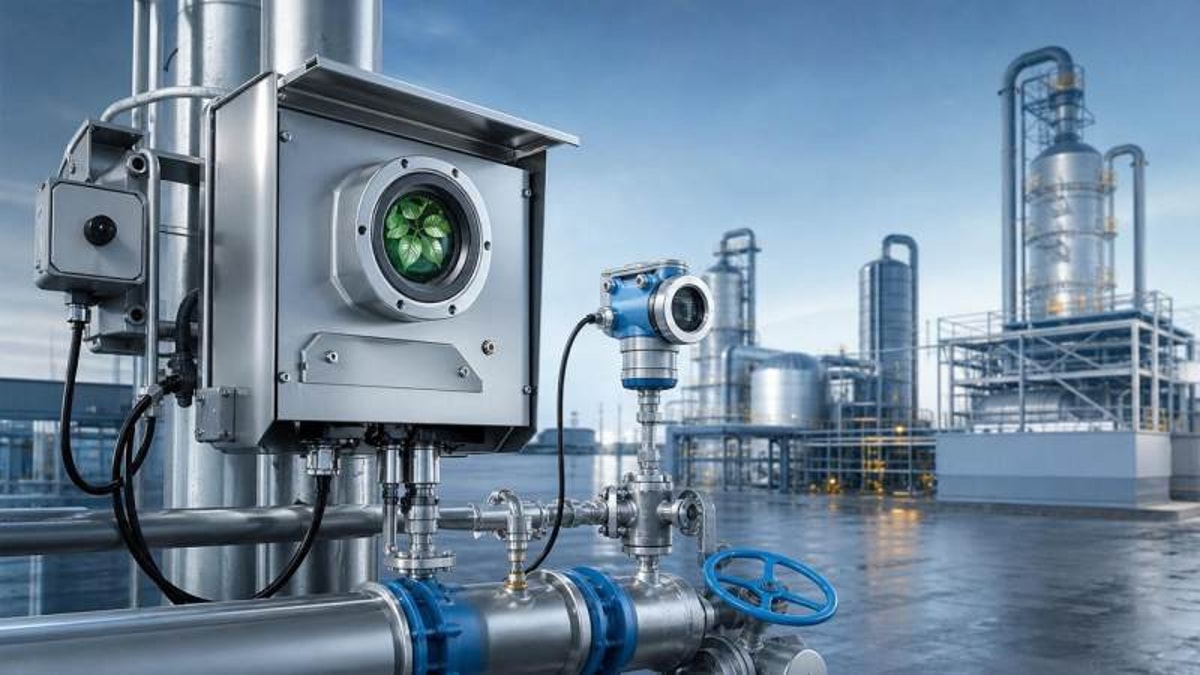
The value of a plant safety analyzer is not confined to the safety department. The operational impact spreads across multiple functions, which is why investment discussions are moving upward to enterprise leadership. For operations teams, improved analyzer performance can reduce nuisance alarms, improve response quality, and protect throughput. For maintenance teams, it can support condition-based planning and reduce emergency interventions. For quality and environmental teams, it can improve confidence in monitored variables that influence compliance and reporting. For finance and executive leadership, it can lower the probability of hidden failures that damage margins over time.
This cross-functional impact is especially relevant in integrated facilities where production, utilities, emissions control, and automation systems interact closely. A weak point in plant safety monitoring may start as a technical issue but quickly become a supply issue, an energy efficiency issue, or a reputation issue. That is why the plant safety analyzer is increasingly viewed as part of enterprise risk architecture rather than a standalone field instrument.
The New Buying Criteria Enterprises Are Using
As expectations change, so do procurement criteria. Enterprises are placing less emphasis on headline specifications alone and more emphasis on lifecycle value. A plant safety analyzer now tends to be evaluated through six practical questions. Can it detect conditions early enough to support intervention? Can it remain stable in harsh plant environments? Can it reduce manual verification effort? Can it connect to broader monitoring and automation systems? Can it be maintained without excessive downtime? And can its data be trusted during audits, incidents, and management reviews?
These questions reflect a more mature investment mindset. Instead of asking what the analyzer does in theory, decision-makers ask what risk it removes in practice. This is a crucial distinction in the instrumentation industry, where strong technical performance on paper does not always translate into long-term operational value. The most effective plant safety analyzer investment often comes from understanding plant-specific exposure points, maintenance capacity, and operational decision speed.
Another notable trend is the growing role of scalability. Enterprises with multiple sites or phased modernization plans want analyzer platforms that can support standardization across locations. Standardization improves training efficiency, data comparability, spare parts planning, and governance. For large decision-makers, this can turn a single purchase into a wider risk management advantage.
What Is Driving Technology Upgrades in the Analyzer Market
Technology upgrades in the plant safety analyzer market are being shaped by several intersecting needs. The first is higher confidence in real-time monitoring. Plants want faster detection with fewer false positives and fewer blind spots. The second is easier integration with distributed control systems, industrial networks, and centralized asset management tools. The third is stronger self-diagnostics, which help teams identify performance issues before measurement reliability is compromised.
There is also a clear move toward analyzer solutions that support remote visibility without weakening governance. In many industrial settings, experts are no longer always onsite. Central engineering teams, reliability specialists, and compliance managers may need to review analyzer data across facilities. This makes connectivity and secure access more relevant than in earlier generations of safety instrumentation.
At the same time, enterprises are balancing innovation with practicality. A more advanced plant safety analyzer is valuable only if plant personnel can maintain it, trust it, and use it consistently. That is why technology decisions increasingly involve both operations and management stakeholders. The trend is not toward complexity for its own sake, but toward more useful intelligence at the point of risk.
How Decision-Makers Should Judge Hidden Risk Before Investing
The best investments usually begin with sharper questions, not faster purchases. For enterprise leaders, evaluating a plant safety analyzer should start with a hidden-risk review. Where are the least visible failure points in the plant? Which measurements are safety-critical but difficult to verify consistently? Where do teams rely on workarounds, manual logs, or delayed responses? Which incidents or near misses had an instrumentation visibility component, even if that was not the official root cause?
It is also useful to assess whether current analyzer coverage aligns with present operating reality. Many facilities have changed throughput, energy sources, process complexity, staffing models, or reporting obligations over time. Yet their safety monitoring architecture may still reflect older conditions. In such cases, the investment case for a plant safety analyzer becomes stronger because the risk landscape has moved while instrumentation strategy has not.
Another practical consideration is response design. Detection alone does not reduce risk unless the organization can act on the information. Buyers should therefore examine alarm routing, maintenance ownership, calibration routines, data review habits, and escalation protocols. A plant safety analyzer delivers the greatest value when embedded into a clear operating system, not when treated as an isolated compliance asset.
A Practical Decision Framework for the Next 12 to 24 Months
Looking ahead, enterprise decision-makers should avoid both extremes: delaying analyzer upgrades until a major event forces action, or buying technology without linking it to business priorities. A more balanced approach is to create a staged decision framework. In the near term, identify high-consequence monitoring gaps and aging analyzer assets. In the medium term, prioritize use cases where improved visibility can prevent downtime, strengthen compliance confidence, or support modernization goals. In the longer term, align plant safety analyzer strategy with digital plant architecture, standardization plans, and enterprise risk governance.
What to Watch Next in Plant Safety Analyzer Investments
The next phase of investment will likely be shaped by how companies handle three tensions. The first is automation versus assurance: as plants automate further, the need for trustworthy safety analysis grows, not shrinks. The second is connectivity versus simplicity: organizations want integrated analyzer data, but they also need maintainable systems that operators can use confidently. The third is cost discipline versus resilience: capital scrutiny remains high, yet the cost of hidden risk is becoming harder to ignore.
For enterprise buyers, the key signal is whether safety monitoring is treated as a dynamic management issue or a static equipment issue. If process conditions, staffing models, compliance expectations, and digital ambitions are changing, then plant safety analyzer strategy must evolve as well. The organizations that act early are more likely to reduce avoidable loss, improve plant transparency, and make better capital decisions across the instrumentation lifecycle.
If your business wants to judge how these trends affect its own operations, focus on a few practical questions: Where is hidden risk least visible today? Which safety-critical measurements have the weakest confidence level? Which analyzer assets are no longer aligned with current plant conditions? And where could better analysis protect uptime, compliance, and long-term profitability at the same time? Those answers will do more than justify a plant safety analyzer investment—they will clarify where your next operational advantage can come from.
Recommended for You
 IEC 62443-4-2:2026 Released: New Cybersecurity Requirement for Industrial ComponentsIEC 62443-4-2:2026 is live — new cybersecurity requirements for industrial components like PLCs, HMIs & gateways. Act now to meet SDL mandates and win tenders with Siemens, ABB & more.
 US BIS Adds 12 High-Precision Calibration Devices to Export Control ListUS BIS adds 12 high-precision calibration devices to export control list—laser interferometers, quantum gradiometers & more. Critical for semiconductor, aerospace & metrology firms exporting to China. Act now.
 Southeast Asia Launches Industrial Metrology Green CorridorIndustrial Metrology Green Corridor launched across ASEAN — CNAS-accredited temp, pressure & flow reports now accepted in all 10 member states. Faster customs, lower compliance costs.
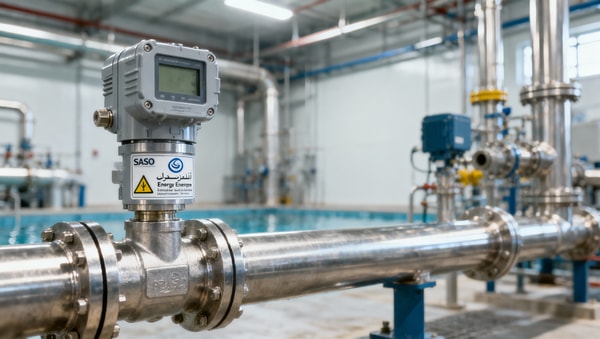
 SASO Energy Labeling Rule for Field Instruments Effective July 2026SASO Energy Labeling Rule for Field Instruments takes effect July 2026 — mandatory for 17 new instrument categories. Ensure compliance now to avoid customs delays in Saudi Arabia.
 Red Sea Crisis Escalates: Suez Canal Industrial Instrument Shipping Delays to 28 DaysRed Sea Crisis escalates: Suez Canal industrial instrument shipping delays hit 28 days — urgent air freight up 320%. Act now to protect precision manufacturing & compliance.
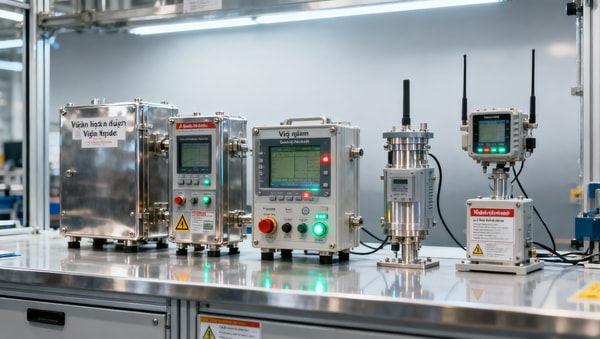
 Vietnam Tightens Industrial Instrument Import Rules from June 2026Vietnam Tightens Industrial Instrument Import Rules from June 2026: CNAS test reports & Vietnamese labels now mandatory—avoid port detention and 15% penalties.
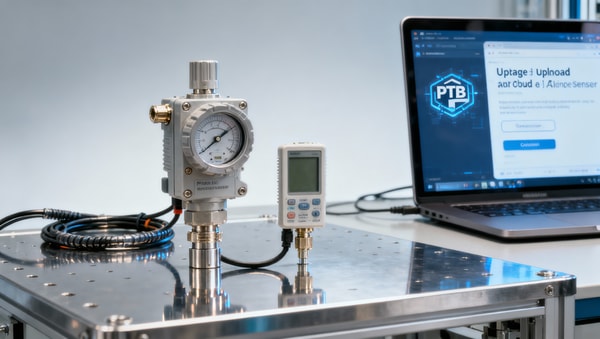
 PTB Launches AI Remote Calibration Cloud for CNAS LabsPTB launches CalCloud AI — the world’s first AI remote calibration cloud for CNAS labs, enabling fast, ILAC-MRA-compliant English certificates for EU-bound pressure, temperature & flow instruments.
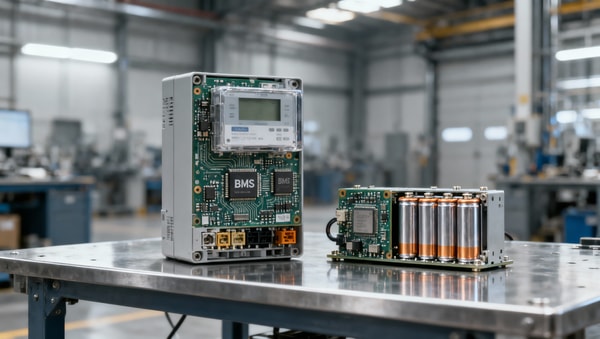
 New China Battery Recycling Rules Take Effect Apr 27, 2026New China battery recycling rules (effective Apr 27, 2026) impact smart meter & industrial sensor exporters—ensure BMS traceability and compliance now.
 Plant Safety Analyzer Investments That Reduce Hidden Operational RiskPlant safety analyzer investments help enterprises uncover hidden operational risk, improve uptime, strengthen compliance, and protect long-term profitability.
 High Purity Monitoring: When Standard Analyzers Are No Longer EnoughHigh purity monitoring is essential when standard analyzers miss trace contamination, fast excursions, and compliance risks. Discover where advanced solutions deliver safer, smarter control.
 Explosion Proof Equipment Export Checks That Delay Overseas ShipmentsExplosion proof equipment export checks can delay overseas shipments through certificate gaps, label mismatches, and local compliance issues. Learn how distributors can reduce risks, avoid rework, and keep projects on schedule.
 Electrochemistry Oxygen Analyzer Accuracy: What Affects Long-Term PerformanceElectrochemistry Oxygen Analyzer accuracy depends on sensor stability, calibration, sampling, and maintenance. Learn what drives long-term performance and choose the right solution.
 Explosion Protected Analyzer Market Direction After New Safety UpgradesExplosion protected analyzer trends are shifting fast after new safety upgrades. Learn where the market is headed, what buyers now prioritize, and how smarter systems can reduce risk and improve ROI.
 Smart Analyzer Features That Matter More Than Marketing ClaimsSmart Analyzer features that truly impact accuracy, uptime, integration, and lifecycle cost. Learn what matters beyond marketing claims before you choose.
 Production Line Analyzer Data Gaps That Hurt Process DecisionsProduction line analyzer data gaps can quietly distort trends, delay control actions, and weaken traceability. Learn how to spot the risks and protect smarter process decisions.
 Flameproof Analyzer Lead Times and Supply Risks in Global TradeFlameproof analyzer lead times are rising due to certification, logistics, and supplier risks. Learn how distributors can reduce delays, protect margins, and source with confidence.
 Intrinsically Safe Analyzer vs Flameproof Analyzer for Compact InstallationsIntrinsically safe analyzer vs flameproof analyzer: discover which option suits compact hazardous-area installations best for safer maintenance, smaller footprint, and lower lifecycle cost.
 Industrial Oxygen Monitoring: Common Setup Errors and How to Avoid ThemIndustrial oxygen monitoring setup mistakes can trigger false readings, downtime, and safety risks. Learn the most common errors and how to avoid them for more reliable, compliant performance.
 Cost Effective Analyzer Options Without Cutting Safety StandardsCost Effective analyzer sourcing starts with safety, not shortcuts. Learn how to compare options by compliance, performance, and lifecycle value to cut costs with confidence.
 When OEM Service Makes More Sense Than Standard SupplyOEM Service helps businesses match instrumentation to exact performance, integration, and compliance needs—reducing risk, lowering lifecycle costs, and improving reliability.
 Trace Gas Detection Challenges in High-Sensitivity Production EnvironmentsTrace gas detection challenges in high-sensitivity production demand more than low limits. Explore accuracy risks, technology choices, and smart selection tips for safer, more reliable operations.
 Gas Analyzer Equipment Price Shifts: What Is Driving Costs This YearGas analyzer equipment price shifts are being driven by sensor upgrades, supply pressure, compliance, and integration needs. Learn what is raising costs this year and how to buy smarter.
 Zone 1 Analyzer Import Rules That May Affect Delivery TimelinesZone 1 analyzer import rules can quietly delay projects. Learn the certification, HS code, document, and customs checks buyers must review early to avoid costly delivery setbacks.
 Zone 2 Analyzer Applications: Where It Fits and Where It Does NotZone 2 analyzer applications explained: discover where a zone 2 analyzer delivers fast, cost-effective field performance—and when safer, more precise alternatives make better sense.
 Industrial Safety Analyzer Trends Shaping Safer Plants in 2026Industrial safety analyzer trends in 2026 are redefining safer plants with real-time monitoring, smarter integration, and better lifecycle decisions. Explore what project leaders need to know.
 Oxygen Monitoring System Basics for Safer Daily OperationsOxygen monitoring system basics made practical: learn daily safety checks, sensor placement tips, alarm readiness, and smart actions to reduce risk and improve operational safety.
 Factory Gas Analyzer Maintenance Issues That Often Go UnnoticedFactory gas analyzer maintenance issues often start with hidden sampling, calibration, or environmental faults. Learn the overlooked causes of drift and downtime before they become costly failures.
 Manufacturing Analyzer Upgrades That Improve Process StabilityManufacturing analyzer upgrades improve process stability, reduce downtime, and strengthen data accuracy. Discover how smarter analyzer investments boost quality, ROI, and operational confidence.
 When a Quality Assurance Analyzer Becomes Worth the Extra SpendQuality assurance analyzer investments pay off when they cut defects, speed verification, and improve compliance. See how to justify the extra spend with clearer ROI.
 Laboratory Gas Analyzer Selection: Key Differences That Affect Test AccuracyLaboratory Gas Analyzer selection shapes test accuracy, stability, and compliance. Learn how principles, sensitivity, sample handling, and calibration affect reliable lab results.
 How to Identify a Trusted Manufacturer for Hazardous Area AnalyzersTrusted Manufacturer selection starts with safety, certifications, and reliable support. Learn how to identify the right hazardous area analyzer partner for long-term growth.
 What a Quality Product Means in Industrial Gas AnalysisQuality Product in industrial gas analysis means more than accuracy—discover how the right analyzer improves safety, compliance, uptime, and long-term ROI across industries.

Search Categories
Search Categories
Latest Article
- IEC 62443-4-2:2026 Released: New Cybersecurity Requirement for Industrial ComponentsIEC 62443-4-2:2026 is live — new cybersecurity requirements for industrial components like PLCs, HMIs & gateways. Act now to meet SDL mandates and win tenders with Siemens, ABB & more.Posted by:
- US BIS Adds 12 High-Precision Calibration Devices to Export Control ListUS BIS adds 12 high-precision calibration devices to export control list—laser interferometers, quantum gradiometers & more. Critical for semiconductor, aerospace & metrology firms exporting to China. Act now.Posted by:
- Southeast Asia Launches Industrial Metrology Green CorridorIndustrial Metrology Green Corridor launched across ASEAN — CNAS-accredited temp, pressure & flow reports now accepted in all 10 member states. Faster customs, lower compliance costs.Posted by:
Please give us a message
