
How an Emission Analyzer Shelter Cuts Risk


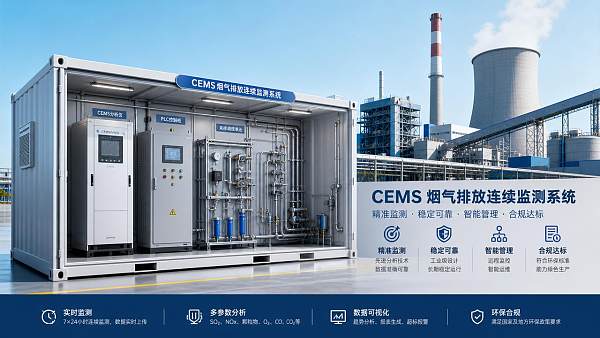
An emission analyzer shelter helps facilities reduce operational, safety, and compliance risks by protecting critical monitoring systems in harsh environments. For teams evaluating an emission control shelter, process control shelter, or flue gas analyzer shelter, the right design improves data accuracy, equipment reliability, and maintenance efficiency. This article explains how these shelter solutions support stable emission monitoring equipment and process monitoring equipment performance while strengthening smarter industrial decision-making.
Why does an emission analyzer shelter reduce risk in real industrial environments?
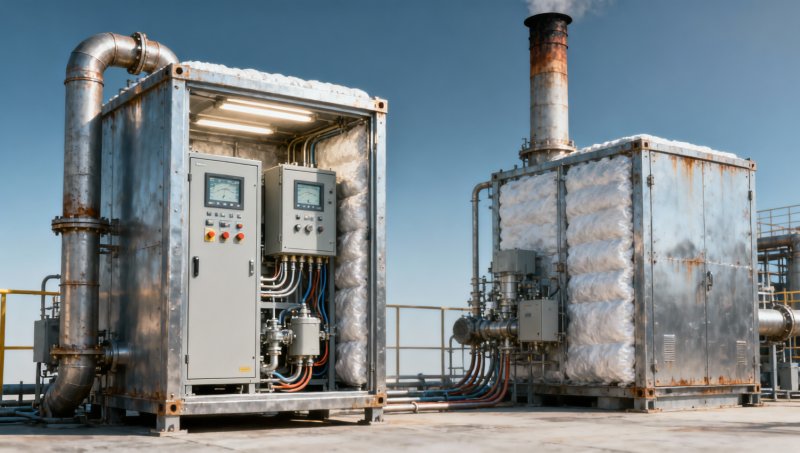
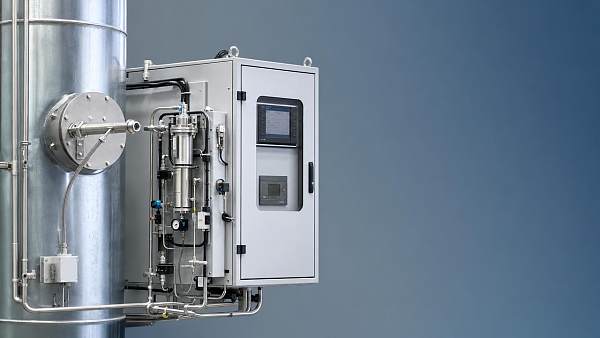
In the instrumentation industry, measurement quality depends on environmental stability. Emission monitoring equipment, gas analyzers, sample conditioning systems, power distribution units, and control panels often work near stacks, boilers, kilns, furnaces, or corrosive process areas. In these locations, heat, dust, vibration, moisture, and corrosive gases can quickly affect analyzer accuracy and service life. An emission analyzer shelter creates a controlled enclosure that protects critical systems from those variables.
For operators, the shelter lowers daily risk by giving them safer access for inspection, calibration, and troubleshooting. For technical evaluators, it improves the repeatability of measurements by keeping temperature, humidity, and internal layout within a manageable operating range. For procurement teams and project managers, it reduces unplanned downtime risk across a service cycle that often runs 3–5 years before major refurbishment planning begins.
The risk reduction is not limited to analyzer protection. A well-designed process control shelter also supports cable routing, sample line management, ventilation, fire protection planning, and maintenance space. These details matter because many failures are not caused by the analyzer itself. They come from poor shelter sealing, unstable HVAC, condensation in lines, or difficult access that turns a 30-minute service task into a half-day shutdown window.
In broad industrial applications such as power generation, waste incineration, petrochemical processing, building materials, metals, and environmental monitoring, the shelter becomes part of the measurement system rather than a simple housing. That is why finance approvers and decision makers increasingly view an emission control shelter as a risk-control asset, not only as a steel structure or accessory.
What risks does the shelter address first?
Most facilities start with 4 practical risk categories: measurement drift, equipment damage, unsafe maintenance, and compliance interruption. If ambient conditions swing too widely, sample conditioning performance can decline. If electrical panels and analyzers are exposed to dust or moisture, faults become more frequent. If technicians cannot safely enter, test, and replace components, service quality drops. If emissions data becomes unreliable, reporting and audit pressure increase.
- Measurement risk: unstable temperature or condensation can affect analyzer baselines, detector response, and sample preparation consistency.
- Operational risk: uncontrolled environments often lead to more frequent fan, heater, filter, and power component failures.
- Safety risk: cramped access, poor ventilation, or difficult emergency isolation can increase technician exposure during maintenance.
- Compliance risk: inaccurate continuous monitoring can create disputes during inspections, reporting reviews, or internal audits.
When these 4 risks are addressed together, facilities usually gain a more predictable maintenance cycle. Instead of reacting to failure, teams can schedule filter checks monthly, HVAC inspections quarterly, and analyzer calibration according to process criticality. This rhythm is especially valuable in plants where shutdown windows are limited to 6–12 hours or must be coordinated across multiple contractors.
Which shelter design features matter most for emission monitoring equipment?
Not every shelter offers the same level of protection. A flue gas analyzer shelter should be evaluated as a system made of enclosure structure, thermal control, electrical integration, sample path arrangement, and maintenance access. The best design choice depends on the process, local climate, hazard exposure, analyzer type, and expected operating mode, whether intermittent or continuous 24/7 service.
Temperature management is often the first technical checkpoint. Many analyzer systems perform best when internal conditions remain stable rather than simply warm or cool. Typical project discussions reference internal control bands such as 18°C–28°C or another range specified by component suppliers. In cold climates, shelter insulation and heaters become essential. In hot regions, HVAC sizing, solar load, and ventilation design can be just as important.
Space planning is another major factor. If the internal layout is too compact, maintenance becomes inefficient and unsafe. Teams should consider at least 3 access zones: analyzer service area, electrical panel area, and sample conditioning or utility area. This separation helps technicians isolate faults faster and reduces the chance of damaging nearby tubing or wiring during routine work.
Material selection should match the chemical and environmental load. Carbon steel with protective coating may suit many sites, while stainless steel or enhanced anti-corrosion treatment may be preferred in coastal, chemical, or high-humidity environments. For instrumentation projects, long-term durability matters because enclosure failure can trigger repeated maintenance costs long before the analyzer itself reaches end of life.
Key design checkpoints before approval
The table below helps technical reviewers, buyers, and project owners compare the most important shelter design elements for emission monitoring equipment and process monitoring equipment.
A shelter with balanced design across these elements usually performs better than one optimized around a single headline specification. For example, excellent insulation without proper ventilation can still create condensation trouble. Likewise, a robust enclosure without enough service space can increase labor cost over every quarterly and annual maintenance cycle.
Common configuration options
- Single-analyzer shelter for focused stack monitoring where footprint is limited and maintenance routes are simple.
- Multi-bay process control shelter for integrated analyzers, sample systems, PLC panels, and communication hardware.
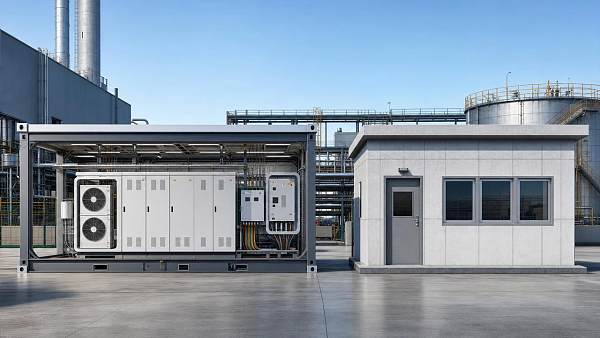
- Climate-controlled flue gas analyzer shelter for regions with seasonal temperature swings and higher humidity stress.
- Custom instrumentation shelter with cable glands, hazardous-area considerations, and platform or skid interfaces.
For many plants, custom configuration is justified when shutdown costs are high or service accessibility is difficult. The extra design effort in the first 2–4 weeks of engineering review often prevents repeated modification after installation, which is usually far more expensive.
How should buyers compare shelter options during procurement?
Procurement in the instrumentation industry is rarely a simple price comparison. Operators want reliability. Technical teams want compatibility. Finance wants lifecycle clarity. Decision makers want lower compliance and shutdown risk. Distributors want a product that can be supported across different clients. A practical procurement method therefore compares not only purchase cost but also service burden, customization depth, and implementation risk.
A useful approach is to score shelters across 5 dimensions: environmental protection, analyzer compatibility, maintainability, compliance readiness, and delivery support. This can be done early in the bid process before every drawing is finalized. It helps buyers reject unsuitable low-cost options that may later require HVAC upgrades, extra sealing work, or internal rearrangement.
Delivery timing also matters. Standardized shelter projects may move through engineering, fabrication, and inspection in roughly 4–8 weeks, while highly customized systems can require 8–16 weeks depending on internal integration and documentation. Procurement teams should align these ranges with installation windows, utility readiness, and analyzer lead times to avoid expensive site delays.
Another overlooked point is documentation quality. Buyers should request drawings, power load lists, environmental assumptions, maintenance access information, and interface responsibilities. These documents reduce disputes between analyzer suppliers, shelter fabricators, EPC contractors, and end users during commissioning.
Comparison table for procurement decisions
The following comparison helps purchasing teams and technical evaluators judge which emission analyzer shelter concept is the better fit for operational risk, budget discipline, and future maintenance.
This comparison shows why the lowest purchase price is not always the lowest project cost. If a low-spec shelter causes more calibration drift, emergency callouts, or delayed startup, the financial impact can exceed the initial savings within the first 12–24 months of operation.
A 5-point buyer checklist
- Confirm the real site environment, including ambient temperature range, humidity, dust exposure, and corrosive conditions.
- Match shelter layout to analyzer maintenance frequency, not only to initial installation dimensions.
- Check utility requirements such as power supply, HVAC load, grounding, lighting, and drain routing before order release.
- Review documentation scope, FAT or inspection expectations, and interface division among all suppliers.
- Estimate lifecycle cost over at least 3–5 years, including spare parts, service hours, retrofit probability, and shutdown exposure.
For distributors and agents, this checklist is also valuable in pre-sales discussions. It helps qualify opportunities faster and prevents a mismatch between catalog products and site-specific needs.
What standards, implementation steps, and maintenance practices should be considered?
An emission analyzer shelter often sits at the intersection of enclosure engineering, electrical safety, process instrumentation, and environmental monitoring. Because requirements vary by region and project type, teams should review applicable local codes, electrical practices, safety rules, and environmental monitoring obligations early. It is common to align design and documentation with general industrial standards for electrical installations, protection concepts, material suitability, and inspection records.
Implementation typically follows 4 stages: requirement clarification, design review, fabrication and inspection, then site installation and commissioning. Each stage needs cross-functional input. Operators define maintenance realities. technical evaluators verify analyzer interfaces. Procurement monitors scope consistency. Project managers coordinate schedule. Safety and quality personnel check access, labeling, and documentation readiness before handover.
A practical commissioning window may range from 2–7 days depending on complexity, utility readiness, and whether analyzers are pre-installed. During this period, teams usually verify power distribution, HVAC performance, alarms, lighting, door sealing, sample line routing, and basic instrument communication. If the site is remote or weather conditions are difficult, pre-factory integration can significantly reduce startup risk.
Maintenance planning should start before handover. Many facilities create monthly visual inspections, quarterly HVAC and sealing checks, and annual deeper reviews of corrosion, cable entry, heaters, fans, and internal cleanliness. This schedule is especially useful when the shelter supports continuous emissions monitoring, where data continuity can affect both operations and regulatory communication.
Typical implementation and acceptance focus
- Requirement review: analyzer type, internal heat load, number of cabinets, service aisle needs, and utility points.
- Design confirmation: enclosure material, insulation, HVAC concept, gland arrangement, door orientation, and safety signage.
- Inspection stage: structure finish, panel installation, wiring quality, labeling, sealing details, and functional checks.
- Site handover: power-on verification, environmental control stability, alarm testing, and maintenance document transfer.
For quality and safety managers, the important question is not only whether the shelter was delivered, but whether it can be maintained safely under real site conditions. Access around doors, emergency shutoff logic, and visibility of internal labels often become critical after installation, not before.
FAQ: common questions from buyers and users
How do I know whether I need a standard or custom emission analyzer shelter?
Choose a standard shelter when the analyzer count is limited, the environment is moderate, and utility interfaces are straightforward. Consider a custom shelter when you need multiple analyzers, special sample systems, unusual site dimensions, or tighter climate control. If at least 3 factors are non-standard—such as corrosive atmosphere, restricted maintenance access, and customized electrical integration—a custom design is usually easier to manage over the full project lifecycle.
What should procurement teams ask for in a quotation?
Ask for enclosure material details, insulation concept, temperature control scope, internal layout drawing, utility requirements, electrical distribution summary, delivery lead time, inspection scope, and exclusions. These items reduce hidden cost later. A quotation that looks simple but omits 5–8 interface items can create major project variation during installation.
Can an old analyzer house be upgraded instead of replaced?
In many cases, yes. Retrofit may be suitable if the main structure is still sound and only HVAC, sealing, internal arrangement, corrosion treatment, or electrical panels need improvement. However, if the enclosure dimensions prevent safe maintenance or if corrosion has affected structural integrity, replacement can be the lower-risk option over a 3–5 year planning horizon.
What is the most common mistake in shelter selection?
A common mistake is treating the shelter as a passive box instead of part of the measurement system. This leads to underestimating climate control, maintenance clearance, and interface coordination. The result may be acceptable delivery on paper but weak field performance during peak summer, winter cold, or high-load process periods.
Why choose a partner that understands instrumentation, risk, and project delivery?
An effective emission analyzer shelter is not only a fabricated structure. It is an engineered support platform for measurement, testing, monitoring, analysis, and control. In the broader instrumentation industry, that means the shelter must work with analyzers, utilities, automation interfaces, and maintenance routines as one coordinated system. A supplier that understands these links can help reduce design gaps before they become startup or compliance problems.
If you are comparing an emission control shelter, process control shelter, or flue gas analyzer shelter, a useful discussion should cover 6 practical topics: application conditions, analyzer configuration, internal layout, climate control, documentation scope, and delivery schedule. These points help users, evaluators, procurement teams, and decision makers move from broad interest to a workable project definition.
You can contact us to discuss parameter confirmation, shelter selection, project lead time, customization boundaries, documentation needs, sample support, and quotation planning. If your site already has an existing analyzer house, we can also discuss retrofit feasibility, risk points, and which upgrades are likely to create the most value within your current budget.
When early project decisions are clear, implementation becomes faster and more predictable. Whether you are an operator planning safer maintenance, a buyer balancing cost and risk, or an engineering manager preparing a new monitoring line, a well-matched shelter solution can improve reliability, support compliance, and protect the long-term value of your emission monitoring equipment.
Recommended for You
 Stack Gas Analyzers: When Maintenance Delays Start Raising RiskStack gas analyzers can look normal while hidden drift raises compliance, efficiency, and reliability risks. Learn the warning signs and smart maintenance checks before delays become costly.
 Industrial Measurement Systems in Export Projects: Key Compliance ChecksIndustrial measurement systems for export projects: learn the key compliance checks for certifications, calibration, safety, and documents to avoid delays and ensure smooth delivery.
 Pharmaceutical Instrumentation Upgrades: What to Evaluate FirstPharmaceutical instrumentation upgrades start with compliance, data integrity, uptime, and ROI. Learn what to evaluate first to reduce risk and make smarter buying decisions.
 Food Processing Analyzers for Compliance and Batch ConsistencyFood processing analyzers help manufacturers improve compliance, reduce batch variation, and verify quality from raw materials to final release with faster, traceable decisions.
 Biogas Analyzers Market Trends: Accuracy, Maintenance, and ROIBiogas analyzers market trends: explore how accuracy, lower maintenance, and stronger ROI help energy and industrial buyers improve gas quality, uptime, and compliance.
 Safety Monitoring Systems: Common Setup Mistakes to AvoidSafety monitoring systems fail fast when setup is wrong. Discover common installation, calibration, and alarm mistakes to avoid for safer operations and more reliable monitoring.
 Industrial Testing Equipment Costs in 2026: What Drives Pricing?Industrial testing equipment costs in 2026 depend on accuracy, compliance, automation, and lifecycle service. Learn what drives pricing and how to reduce total ownership cost.
 Multi-Component Analyzers vs Single-Gas Units: Which Fits Better?Multi-component analyzers vs single-gas units: compare lifecycle cost, compliance, maintenance, and scalability to choose the best fit for safer, smarter industrial projects.
 Petrochemical Analyzers: Key Specs That Affect Safety and UptimePetrochemical analyzers directly affect safety and uptime. Learn which specs—accuracy, response time, compatibility, and maintenance—matter most for reliable plant performance.
 How to Choose Process Monitoring Instruments for Stable Plant PerformanceProcess monitoring instruments are key to stable plant performance. Learn how to choose the right devices for accuracy, compatibility, lower risk, and better efficiency.
 Brazil INMETRO to Require Portuguese UI and Local Units for Industrial Instruments by 2026Brazil INMETRO mandates Portuguese UI & local units (mbar, kPa, °C) for industrial instruments by Dec 2026—key for exporters, integrators & service providers.
 STMicroelectronics 200mm Line Eases Industrial Sensor Chip ShortageSTMicroelectronics 200mm line eases industrial sensor chip shortage — MCUs & signal-conditioning ICs now ship in 12 weeks. Secure allocation today.
 Southeast Asia Manufacturing Re-shoring Accelerates: Vietnam/Indonesia Industrial Instrument Imports Up 37% YoYSoutheast Asia manufacturing re-shoring accelerates: Vietnam & Indonesia industrial instrument imports up 37% YoY — key insights for suppliers, OEMs & procurement teams.
 First Global White Paper on Humanoid Robot Sensor Calibration ReleasedHumanoid robot sensor calibration: First global white paper released—key for ISO/IEC JWG 23 compliance, export readiness & dynamic torque accuracy. Act now.
 SAMR to Upgrade EV Battery Recycling Standard to MandatorySAMR to upgrade EV battery recycling standard GB/T 34015—202X to mandatory by Dec 2026 — critical for exporters, BMS makers & cert labs.
 Saudi SASO Accelerates AI Energy Efficiency Rules for TransmittersSASO AI energy efficiency rules for transmitters take effect 1 June 2026 — mandatory AI simulation, Saudi climate data, and authorized lab validation required. Act now to avoid export delays.
 IEC 63278:2026 Released for Industrial Instrument CybersecurityIEC 63278:2026 is live — the first global standard mandating cybersecurity verification for industrial instruments. Discover compliance impacts, deadlines, and actionable steps for OT/IT convergence.
 Red Sea Crisis Escalates: Gulf of Aden Navigation Ban Extended to June 15, 2026Red Sea Crisis escalates: Gulf of Aden navigation ban extended to June 15, 2026—disrupting industrial instrumentation shipments to the Middle East with 458% air freight spikes and 12–18 day delays.
 US DOE Updates Efficiency Rules for Industrial SensorsUS DOE updates industrial sensor efficiency rules: AI-driven dynamic calibration required by Sept 2026. Ensure AI-Cal Verified compliance now.
 EU Mandates PEF Carbon Footprint Module for Industrial Instruments from June 2026EU mandates PEF carbon footprint module for industrial instruments from June 2026—key for exporters, OEMs & certifiers. Act now to ensure compliance.
 Explosion-Proof Instruments: Compliance Risks Before You OrderExplosion-proof instruments can trigger delays, failed inspections, and safety risks if compliance is overlooked. Learn what to verify before ordering and make safer, smarter purchasing decisions.
 Gas Quality Monitoring Equipment Import Rules to Watch in 2026Gas quality monitoring equipment import rules for 2026 are tightening. Learn the key compliance, certification, and customs risks distributors must manage to avoid delays and protect margins.
 Emission Control Shelter Demand Shifts Across Industrial ProjectsEmission control shelter demand is rising across industrial projects as buyers seek faster deployment, reliable monitoring, and compliance-ready designs. Explore key evaluation factors.
 Temperature Measurement Instruments: Selection Mistakes That Raise DowntimeTemperature measurement instruments selection mistakes can drive downtime, unstable control, and higher costs. Discover 5 common errors and practical fixes to improve reliability.
 Thermal Conductivity Analyzers: When Are They the Right Choice?Thermal conductivity analyzers are ideal for binary and high-contrast gas mixtures. Learn when they deliver reliable, low-maintenance online monitoring and smarter project value.
 Level Measurement Instruments for Tanks: What Affects ReliabilityLevel measurement instruments reliability depends on media, installation, and diagnostics. Discover what causes tank reading failures and how to improve safety, uptime, and control.
 Flow Measurement Equipment Price Trends in 2026Flow measurement equipment price trends in 2026: learn key cost drivers, budgeting risks, and smart buying strategies to improve ROI and make better procurement decisions.
 Flue Gas Monitoring Equipment: Common Accuracy Issues and FixesFlue gas monitoring equipment accuracy issues can lead to drift, false readings, and compliance risks. Discover common causes, practical fixes, and smarter maintenance tips.
 Process Control Shelter vs Control Room: Key Cost and Deployment DifferencesProcess control shelter vs control room: compare cost, deployment speed, integration, and lifecycle value to choose the smarter solution for industrial automation projects.
 How to Select an Industrial Control Shelter for Harsh Site ConditionsIndustrial control shelter selection for harsh sites: learn how to compare materials, HVAC, safety, and lifecycle cost to protect equipment, reduce downtime, and improve reliability.
 SAMR to Finalize 1,800+ Standards by 2026, Including EV Battery RecyclingSAMR to finalize 1,800+ standards by 2026—including EV battery recycling, hazardous chemical packaging & EMC immunity. Stay ahead of mandatory GB shifts and global export compliance.
 China's Largest Single-Line Large-Tow Carbon Fiber Line Starts OperationChina's largest single-line large-tow carbon fiber line is live—30,000 tons/year capacity, ASME-certified, 22% cheaper & 6-week lead time. Boost your industrial instrumentation supply chain now.








Search Categories
Search Categories
Latest Article
- Stack Gas Analyzers: When Maintenance Delays Start Raising RiskStack gas analyzers can look normal while hidden drift raises compliance, efficiency, and reliability risks. Learn the warning signs and smart maintenance checks before delays become costly.Posted by:
- Industrial Measurement Systems in Export Projects: Key Compliance ChecksIndustrial measurement systems for export projects: learn the key compliance checks for certifications, calibration, safety, and documents to avoid delays and ensure smooth delivery.Posted by:
- Pharmaceutical Instrumentation Upgrades: What to Evaluate FirstPharmaceutical instrumentation upgrades start with compliance, data integrity, uptime, and ROI. Learn what to evaluate first to reduce risk and make smarter buying decisions.Posted by:
Please give us a message
