
Flue Gas Analyzer Shelter Setup Checklist


Setting up a flue gas analyzer shelter requires more than basic installation planning—it directly affects measurement accuracy, equipment safety, and long-term operating costs. Whether you are selecting an emission control shelter, process control shelter, or gas quality analyzer shelter, a clear checklist helps operators, engineers, and decision-makers ensure compliance, reliability, and efficient deployment of flue gas monitoring equipment and emission monitoring equipment.
If users search for a “Flue Gas Analyzer Shelter Setup Checklist,” their core intent is usually practical and decision-driven: they want to know what must be checked before installation, what can go wrong if the shelter is poorly designed, and how to make sure the analyzer system performs reliably in real operating conditions. For operators and project teams, the focus is on safe installation, stable sampling, maintenance access, and uptime. For evaluators, procurement teams, and business decision-makers, the key concerns are compliance risk, lifecycle cost, equipment protection, and whether the shelter design matches the site environment and monitoring objective. That means the most valuable article is not a generic overview of shelters, but a real-world checklist covering application fit, environmental conditions, utilities, layout, safety, calibration, maintenance, and cost-impact decisions.
Start with the Real Question: What Must a Flue Gas Analyzer Shelter Actually Guarantee?
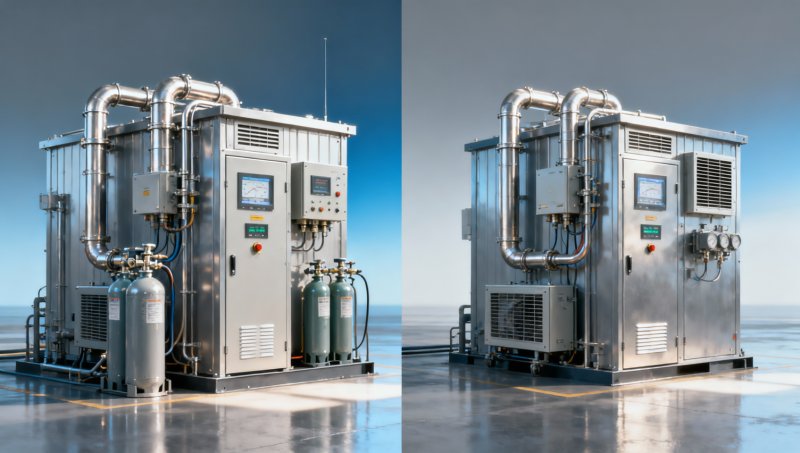
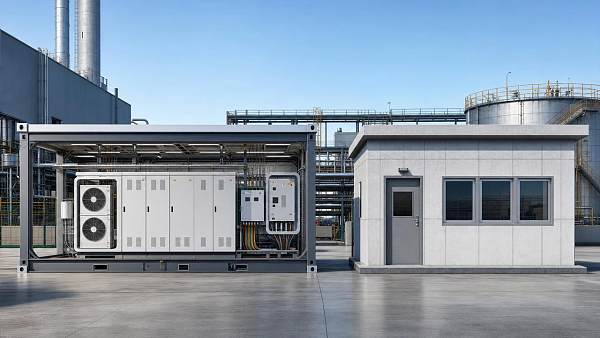
A flue gas analyzer shelter is not just a housing box for instruments. It is a controlled operating environment that protects the analyzer system, supports accurate measurement, and reduces failure caused by heat, dust, moisture, vibration, corrosive gas, and poor installation planning. A good setup should guarantee five things:
- Measurement integrity: the shelter must support stable analyzer operation and proper sample conditioning.
- Equipment protection: analyzers, pumps, heated lines, cabinets, and electronics must be protected from harsh site conditions.
- Safe maintenance access: operators and service engineers must be able to inspect, calibrate, and repair the system safely.
- Compliance support: the shelter should help maintain data quality for emission monitoring or process control requirements.
- Reasonable lifecycle cost: the initial setup should reduce long-term downtime, repair frequency, and energy waste.
In other words, the right shelter setup is a technical, operational, and financial decision at the same time.
Checklist Item 1: Confirm the Monitoring Purpose Before Finalizing the Shelter Design
Many setup problems begin with a mismatch between the shelter design and the actual application. Before selecting or installing the shelter, clarify exactly what the analyzer system is expected to do.
Ask these questions first:
- Is the system used for continuous emissions monitoring, process optimization, combustion control, or gas quality verification?
- Which gases are being measured: O2, CO, CO2, SO2, NOx, HCl, NH3, moisture, or others?
- What are the required response time, accuracy, and uptime targets?
- Does the site need local display only, or integration with DCS, PLC, SCADA, or environmental reporting systems?
- Will the shelter support one analyzer train or multiple channels?
This step matters because different applications demand different shelter configurations. A basic process control shelter may not be suitable for a compliance-focused emission monitoring system. Likewise, a gas quality analyzer shelter may require tighter environmental control and cleaner internal layout than a more rugged process monitoring installation.
Checklist Item 2: Evaluate the Site Environment in Detail
Site conditions heavily influence shelter performance. A flue gas analyzer shelter installed in a cement plant, waste incineration facility, power station, steel plant, or chemical site may face very different risks.
Check the following environmental factors:
- Ambient temperature range: high heat or freezing conditions can affect analyzer stability and sample system performance.
- Humidity and rain exposure: poor sealing or inadequate HVAC can create condensation and corrosion problems.
- Dust load: heavy dust can contaminate air intakes, electronics, and internal surfaces.
- Corrosive atmosphere: coastal, chemical, or acidic environments may require corrosion-resistant materials and coatings.
- Wind and storm exposure: structural strength, roof design, and external cable protection become more important.
- Hazardous area classification: if the site has explosive gas risk, electrical and ventilation design must match area classification requirements.
- Vibration sources: nearby fans, blowers, compressors, or heavy equipment can affect sensitive instruments.
A shelter that looks adequate on paper may still fail in practice if local site conditions were underestimated.
Checklist Item 3: Make Sure the Shelter Location Supports Sampling and Maintenance
The best shelter is still a poor solution if it is placed in the wrong location. Shelter placement affects sample transport time, service access, utility routing, and operator safety.
Location planning should verify:
- The shelter is close enough to the sampling point to avoid excessive transport delay or sample degradation.
- The path for heated sample lines is practical, protected, and easy to support mechanically.
- Technicians can safely reach the shelter for daily inspection, calibration, and repair.
- There is enough surrounding space for door opening, panel access, and component replacement.
- Drainage, cable entry, and utility connections can be installed without complex rework.
- The shelter is not exposed to unnecessary traffic, collision risk, or process hazards.
From a project management perspective, poor shelter positioning often creates hidden cost through longer cabling, more structural work, difficult maintenance, and delayed commissioning.
Checklist Item 4: Check Shelter Structure, Materials, and Internal Layout
Once the application and location are clear, evaluate whether the shelter itself is built for the job. Decision-makers often focus on purchase price, but layout quality and structural suitability have a direct impact on uptime and service cost.
Key points include:
- Shell material: carbon steel, stainless steel, aluminum, or composite options should match corrosion and durability requirements.
- Thermal insulation: proper insulation helps maintain stable internal temperature and reduces HVAC load.
- Ingress protection: doors, seals, roof joints, cable entries, and penetrations should prevent water and dust intrusion.
- Floor loading: confirm the shelter can support analyzers, sample conditioning systems, gas cylinders, cabinets, and technicians.
- Internal workspace: enough room is needed for calibration, filter replacement, tubing inspection, and electrical maintenance.
- Component separation: electrical systems, gas paths, calibration cylinders, and service areas should be arranged logically to reduce risk and confusion.</
Recommended for You
 Stack Gas Analyzers: When Maintenance Delays Start Raising RiskStack gas analyzers can look normal while hidden drift raises compliance, efficiency, and reliability risks. Learn the warning signs and smart maintenance checks before delays become costly.
 Industrial Measurement Systems in Export Projects: Key Compliance ChecksIndustrial measurement systems for export projects: learn the key compliance checks for certifications, calibration, safety, and documents to avoid delays and ensure smooth delivery.
 Pharmaceutical Instrumentation Upgrades: What to Evaluate FirstPharmaceutical instrumentation upgrades start with compliance, data integrity, uptime, and ROI. Learn what to evaluate first to reduce risk and make smarter buying decisions.
 Food Processing Analyzers for Compliance and Batch ConsistencyFood processing analyzers help manufacturers improve compliance, reduce batch variation, and verify quality from raw materials to final release with faster, traceable decisions.
 Biogas Analyzers Market Trends: Accuracy, Maintenance, and ROIBiogas analyzers market trends: explore how accuracy, lower maintenance, and stronger ROI help energy and industrial buyers improve gas quality, uptime, and compliance.
 Safety Monitoring Systems: Common Setup Mistakes to AvoidSafety monitoring systems fail fast when setup is wrong. Discover common installation, calibration, and alarm mistakes to avoid for safer operations and more reliable monitoring.
 Industrial Testing Equipment Costs in 2026: What Drives Pricing?Industrial testing equipment costs in 2026 depend on accuracy, compliance, automation, and lifecycle service. Learn what drives pricing and how to reduce total ownership cost.
 Multi-Component Analyzers vs Single-Gas Units: Which Fits Better?Multi-component analyzers vs single-gas units: compare lifecycle cost, compliance, maintenance, and scalability to choose the best fit for safer, smarter industrial projects.
 Petrochemical Analyzers: Key Specs That Affect Safety and UptimePetrochemical analyzers directly affect safety and uptime. Learn which specs—accuracy, response time, compatibility, and maintenance—matter most for reliable plant performance.
 How to Choose Process Monitoring Instruments for Stable Plant PerformanceProcess monitoring instruments are key to stable plant performance. Learn how to choose the right devices for accuracy, compatibility, lower risk, and better efficiency.
 Brazil INMETRO to Require Portuguese UI and Local Units for Industrial Instruments by 2026Brazil INMETRO mandates Portuguese UI & local units (mbar, kPa, °C) for industrial instruments by Dec 2026—key for exporters, integrators & service providers.
 STMicroelectronics 200mm Line Eases Industrial Sensor Chip ShortageSTMicroelectronics 200mm line eases industrial sensor chip shortage — MCUs & signal-conditioning ICs now ship in 12 weeks. Secure allocation today.
 Southeast Asia Manufacturing Re-shoring Accelerates: Vietnam/Indonesia Industrial Instrument Imports Up 37% YoYSoutheast Asia manufacturing re-shoring accelerates: Vietnam & Indonesia industrial instrument imports up 37% YoY — key insights for suppliers, OEMs & procurement teams.
 First Global White Paper on Humanoid Robot Sensor Calibration ReleasedHumanoid robot sensor calibration: First global white paper released—key for ISO/IEC JWG 23 compliance, export readiness & dynamic torque accuracy. Act now.
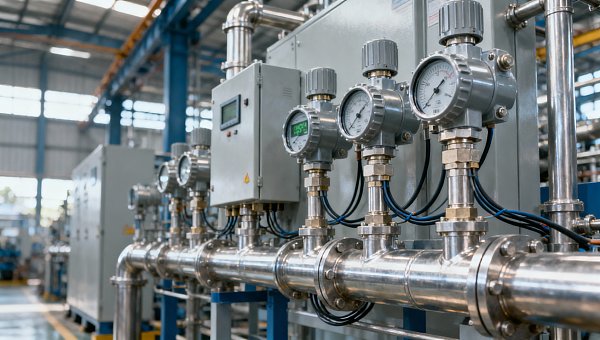
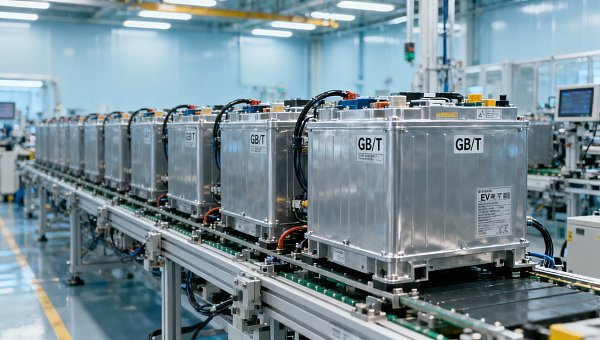
 SAMR to Upgrade EV Battery Recycling Standard to MandatorySAMR to upgrade EV battery recycling standard GB/T 34015—202X to mandatory by Dec 2026 — critical for exporters, BMS makers & cert labs.
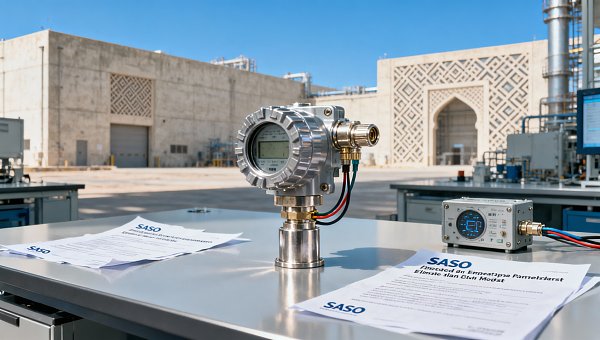
 Saudi SASO Accelerates AI Energy Efficiency Rules for TransmittersSASO AI energy efficiency rules for transmitters take effect 1 June 2026 — mandatory AI simulation, Saudi climate data, and authorized lab validation required. Act now to avoid export delays.
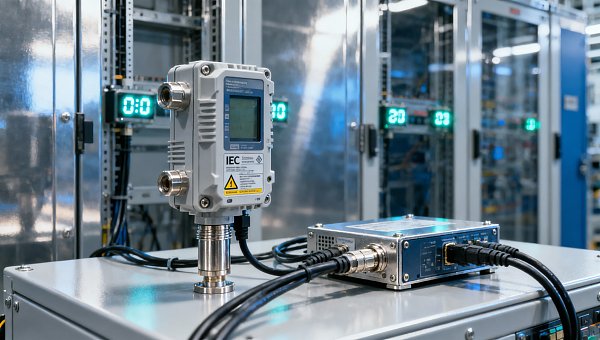
 IEC 63278:2026 Released for Industrial Instrument CybersecurityIEC 63278:2026 is live — the first global standard mandating cybersecurity verification for industrial instruments. Discover compliance impacts, deadlines, and actionable steps for OT/IT convergence.
 Red Sea Crisis Escalates: Gulf of Aden Navigation Ban Extended to June 15, 2026Red Sea Crisis escalates: Gulf of Aden navigation ban extended to June 15, 2026—disrupting industrial instrumentation shipments to the Middle East with 458% air freight spikes and 12–18 day delays.
 US DOE Updates Efficiency Rules for Industrial SensorsUS DOE updates industrial sensor efficiency rules: AI-driven dynamic calibration required by Sept 2026. Ensure AI-Cal Verified compliance now.
 EU Mandates PEF Carbon Footprint Module for Industrial Instruments from June 2026EU mandates PEF carbon footprint module for industrial instruments from June 2026—key for exporters, OEMs & certifiers. Act now to ensure compliance.
 Explosion-Proof Instruments: Compliance Risks Before You OrderExplosion-proof instruments can trigger delays, failed inspections, and safety risks if compliance is overlooked. Learn what to verify before ordering and make safer, smarter purchasing decisions.
 Gas Quality Monitoring Equipment Import Rules to Watch in 2026Gas quality monitoring equipment import rules for 2026 are tightening. Learn the key compliance, certification, and customs risks distributors must manage to avoid delays and protect margins.
 Emission Control Shelter Demand Shifts Across Industrial ProjectsEmission control shelter demand is rising across industrial projects as buyers seek faster deployment, reliable monitoring, and compliance-ready designs. Explore key evaluation factors.
 Temperature Measurement Instruments: Selection Mistakes That Raise DowntimeTemperature measurement instruments selection mistakes can drive downtime, unstable control, and higher costs. Discover 5 common errors and practical fixes to improve reliability.
 Thermal Conductivity Analyzers: When Are They the Right Choice?Thermal conductivity analyzers are ideal for binary and high-contrast gas mixtures. Learn when they deliver reliable, low-maintenance online monitoring and smarter project value.
 Level Measurement Instruments for Tanks: What Affects ReliabilityLevel measurement instruments reliability depends on media, installation, and diagnostics. Discover what causes tank reading failures and how to improve safety, uptime, and control.
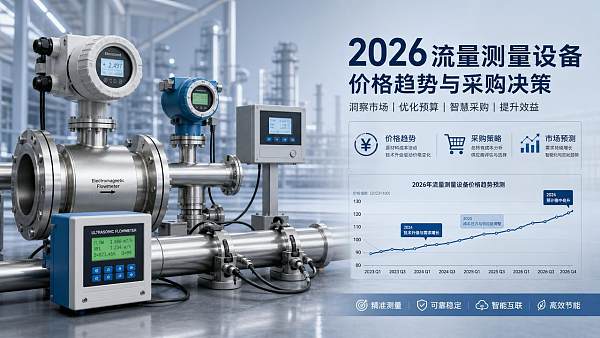
 Flow Measurement Equipment Price Trends in 2026Flow measurement equipment price trends in 2026: learn key cost drivers, budgeting risks, and smart buying strategies to improve ROI and make better procurement decisions.
 Flue Gas Monitoring Equipment: Common Accuracy Issues and FixesFlue gas monitoring equipment accuracy issues can lead to drift, false readings, and compliance risks. Discover common causes, practical fixes, and smarter maintenance tips.
 Process Control Shelter vs Control Room: Key Cost and Deployment DifferencesProcess control shelter vs control room: compare cost, deployment speed, integration, and lifecycle value to choose the smarter solution for industrial automation projects.
 How to Select an Industrial Control Shelter for Harsh Site ConditionsIndustrial control shelter selection for harsh sites: learn how to compare materials, HVAC, safety, and lifecycle cost to protect equipment, reduce downtime, and improve reliability.
 SAMR to Finalize 1,800+ Standards by 2026, Including EV Battery RecyclingSAMR to finalize 1,800+ standards by 2026—including EV battery recycling, hazardous chemical packaging & EMC immunity. Stay ahead of mandatory GB shifts and global export compliance.
 China's Largest Single-Line Large-Tow Carbon Fiber Line Starts OperationChina's largest single-line large-tow carbon fiber line is live—30,000 tons/year capacity, ASME-certified, 22% cheaper & 6-week lead time. Boost your industrial instrumentation supply chain now.










Search Categories
Search Categories
Latest Article
- Stack Gas Analyzers: When Maintenance Delays Start Raising RiskStack gas analyzers can look normal while hidden drift raises compliance, efficiency, and reliability risks. Learn the warning signs and smart maintenance checks before delays become costly.Posted by:
- Industrial Measurement Systems in Export Projects: Key Compliance ChecksIndustrial measurement systems for export projects: learn the key compliance checks for certifications, calibration, safety, and documents to avoid delays and ensure smooth delivery.Posted by:
- Pharmaceutical Instrumentation Upgrades: What to Evaluate FirstPharmaceutical instrumentation upgrades start with compliance, data integrity, uptime, and ROI. Learn what to evaluate first to reduce risk and make smarter buying decisions.Posted by:
Please give us a message
