
Who Needs a Gas Quality Analyzer Shelter


A gas quality analyzer shelter is essential for organizations that rely on accurate, continuous monitoring in harsh industrial environments. From power plants and chemical facilities to environmental compliance projects, users choose gas quality monitoring equipment, flue gas monitoring equipment, and emission monitoring equipment to protect analyzers, improve process control, and ensure reliable data for safety, quality, and regulatory performance.
For operators, technical evaluators, procurement teams, project managers, safety officers, and financial approvers, the real question is not whether analysis matters, but who actually needs a dedicated shelter and under what conditions it becomes a justified investment. In many industrial sites, the shelter is not an accessory. It is a stability and risk-control platform that supports analyzer uptime, sample integrity, and maintenance efficiency.
In instrumentation-driven environments, poor housing conditions can distort gas readings, shorten equipment life, and create avoidable shutdowns. A well-designed analyzer shelter helps maintain temperature, protect tubing and cabinets, reduce contamination, and create a safer workspace for calibration and inspection. That value becomes especially clear where gas composition, combustion efficiency, emissions compliance, or product quality depends on uninterrupted measurement.
Which Industries and Operations Need a Gas Quality Analyzer Shelter Most
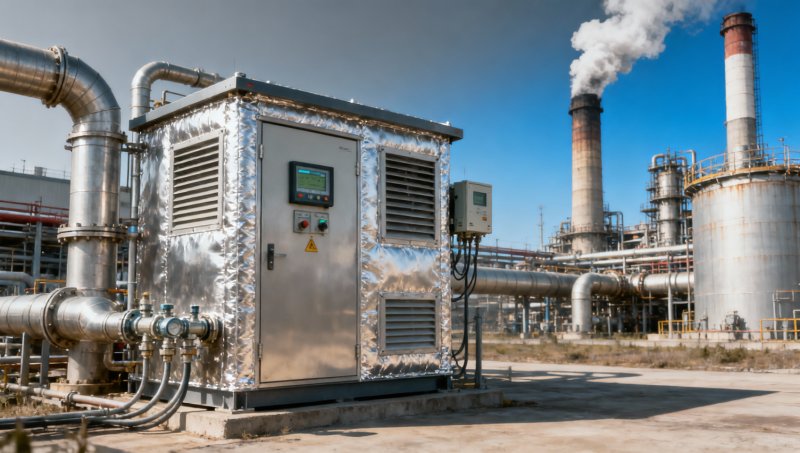
A gas quality analyzer shelter is most valuable in operations where analyzers must run 24/7, where ambient conditions are aggressive, or where the cost of inaccurate readings is high. Typical users include power generation plants, refineries, petrochemical units, natural gas processing stations, fertilizer plants, steel mills, waste incineration facilities, and environmental monitoring projects. In these settings, gas quality monitoring equipment often operates under dust, vibration, humidity, corrosive gases, or temperatures ranging from below 0°C to above 45°C.
Power plants use shelters to support flue gas monitoring equipment for combustion control and stack compliance. Chemical plants rely on shelters to protect analyzers that track process gases, oxygen content, moisture, and trace components. In gas transmission or treatment systems, emission monitoring equipment and composition analyzers may require enclosed, conditioned spaces to keep response times stable and avoid sample degradation over long operating cycles.
Environmental compliance projects are another core segment. When a facility must document emissions continuously for months or years, shelter-based installations reduce weather exposure and simplify audits. This is especially important when analyzers must maintain calibration intervals of 30, 60, or 90 days and when downtime beyond a few hours may trigger reporting issues, production limitations, or extra manual sampling costs.
Common operational conditions that justify a shelter
- Outdoor installation exposed to rain, solar radiation, windborne dust, or salt-laden air.
- Analyzer systems that include sample conditioning, heated lines, pumps, filters, and calibration gas switching manifolds.
- Sites requiring continuous operation above 8,000 hours per year with limited maintenance windows.
- Hazard-sensitive areas where stable ventilation, controlled access, and safer maintenance routines are necessary.
The table below shows where a gas quality analyzer shelter is typically needed and what operational drivers influence that decision. This helps technical and purchasing teams distinguish between optional enclosure use and mission-critical shelter deployment.
The key conclusion is simple: the harsher the environment and the higher the consequence of bad data, the stronger the case for a shelter. For many industrial users, shelter selection is tied directly to instrument reliability, process control quality, and lower lifecycle cost rather than only initial equipment protection.
Why an Analyzer Shelter Matters Beyond Basic Equipment Protection
Many buyers first view a gas quality analyzer shelter as a weather enclosure, but its real role is broader. It creates a controlled operating micro-environment for gas quality monitoring equipment, including analyzers, sampling modules, calibration components, power distribution, and communication interfaces. Without that control layer, a technically sound analyzer can still deliver unstable data because the supporting conditions are poor.
Temperature management is one of the most practical benefits. Many analyzer systems perform best within a controlled range such as 15°C to 30°C. Below that range, condensation, slow response, or sample conditioning problems can occur. Above it, electronics age faster, drifts increase, and maintenance frequency may rise. A shelter equipped with air conditioning, insulation, heating, or forced ventilation can maintain internal stability even when external conditions fluctuate by 25°C or more over a single day.
Another major benefit is maintenance access. Field technicians need room to inspect filters, replace consumables, verify tubing, perform zero and span checks, and troubleshoot alarms. An enclosed shelter often reduces service time from several hours to a shorter, safer routine by organizing instruments, keeping documentation available on site, and protecting service work from rain, dust, or direct sun.
Core operational benefits
1. Data stability
Stable temperature, cleaner internal air, and better sample line routing reduce reading fluctuations. This is especially relevant where oxygen, CO, CO2, SO2, NOx, CH4, moisture, or trace impurity values drive process decisions or environmental records.
2. Equipment life
Sheltered systems usually experience less corrosion, less dust ingress, and lower thermal stress. Over a 3- to 5-year period, this can reduce replacement pressure on pumps, valves, filters, and sensitive electronic modules.
3. Safer service conditions
A properly planned shelter improves lighting, access clearance, ventilation, and cable management. These details matter for safety officers and operators performing routine checks once per shift, once per day, or once per week depending on the monitoring duty.
For financial reviewers, the shelter also supports a more predictable cost structure. Instead of paying repeatedly for weather-related faults, emergency technician dispatches, or premature analyzer replacement, a facility can shift toward planned maintenance. In many projects, the value of preserved uptime and reliable compliance data outweighs the added capital cost of the shelter itself.
How to Evaluate Whether Your Site Needs a Standard Enclosure or a Full Shelter
Not every analyzer installation requires the same level of housing. Some indoor process areas can work with a cabinet or compact enclosure, while remote outdoor stations may need a full walk-in shelter. The right choice depends on at least 4 evaluation dimensions: environmental severity, analyzer system complexity, maintenance frequency, and regulatory criticality.
A standard enclosure may be enough if the analyzer is installed indoors, ambient conditions remain relatively stable, and service access is straightforward. A full gas quality analyzer shelter becomes more appropriate when the installation includes multiple analyzers, sample conditioning systems, heated sample lines, calibration gas cylinders, PLC or DCS interfaces, and regular maintenance procedures that require standing workspace and controlled ventilation.
Technical evaluation teams should also consider the cost of bad measurement. If a 1-hour data loss affects compliance records, causes production inefficiency, or requires repeat laboratory confirmation, the housing decision should be treated as part of process risk management rather than a purely mechanical packaging choice.
Selection criteria for project teams
- Check ambient conditions over 12 months, including summer peaks, winter lows, humidity, rainfall, and dust load.
- Review how many devices will be installed: analyzer only, analyzer plus pretreatment, or a complete multi-channel monitoring system.
- Estimate maintenance frequency, such as weekly inspection, monthly consumable replacement, or quarterly calibration.
- Assess the consequence of downtime for safety, quality, emissions reporting, and production continuity.
The following comparison can help procurement and engineering teams align technical needs with budget planning before requesting quotations or layout drawings.
In practice, projects often underestimate future expansion. A shelter gives more room for spare channels, upgraded analyzers, additional sample treatment loops, or communication modules. For facilities planning digitalization or tighter emissions control over the next 2 to 5 years, that flexibility can prevent expensive retrofits later.
Key Specifications, Layout Priorities, and Procurement Checks
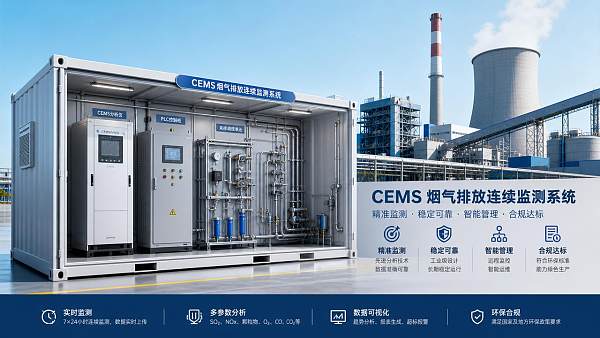
A gas quality analyzer shelter should be specified as an integrated system, not just a box with walls and a door. Procurement teams should review internal layout, HVAC requirements, insulation level, ventilation design, electrical distribution, lighting, cable entry, sample line routing, and service clearance. Even when no brand-specific model is selected yet, these design points strongly affect performance and total ownership cost.
For many industrial analyzer systems, internal planning should allow clear separation between analyzer racks, sample conditioning modules, utility sections, and calibration gas handling. A practical service aisle is often necessary to support filter change, tubing inspection, and access to terminal blocks. Where several instruments are installed, poor layout can turn a 20-minute check into a 90-minute intervention.
Temperature control capacity should be sized to site conditions and internal heat load. Typical shelters may need heating for cold regions, cooling for hot climates, or both. Ventilation design should also consider whether the application involves trace leaks, purge requirements, or odor control. Safety and quality personnel should verify compatibility with plant area classification and operating procedures before final approval.
Specification checkpoints
- Operating temperature target inside shelter, often around 15°C to 30°C depending on analyzer requirements.
- Ingress and corrosion resistance suitable for outdoor dust, washdown, or chemically aggressive sites.
- Space for current equipment plus 10% to 30% future expansion if project growth is expected.
- Utility interfaces for power, instrument air, drainage, communication, and calibration gas lines.
- Maintenance access that supports routine service by 1 to 2 technicians without equipment obstruction.
Before issuing a purchase order, decision-makers can use the following checklist framework to compare suppliers and avoid gaps between quotation scope and real field needs.
The strongest procurement decisions balance technical fitness with lifecycle practicality. A lower purchase price can become more expensive if the shelter lacks enough cooling, maintenance access, or cable entry planning. For distributors and project resellers, these details are also critical to protect downstream customer satisfaction and reduce post-delivery disputes.
Implementation, Maintenance, and Common Mistakes to Avoid
Successful deployment depends on more than manufacturing and delivery. Site survey, utility confirmation, foundation readiness, cable and sample line routing, and commissioning sequence all affect performance. A typical project may move through 5 stages: requirement definition, design review, fabrication, site installation, and startup verification. Depending on customization level, total lead time often falls within 4 to 10 weeks, while site installation and commissioning may take another 2 to 7 days.
Maintenance planning should start before installation. Operators should know filter replacement intervals, HVAC inspection frequency, condensate management routines, calibration access requirements, and emergency shutdown procedures. In many sites, a monthly shelter inspection plus quarterly deeper review is enough to catch airflow restrictions, water ingress, loose fittings, or electrical wear before they become analyzer faults.
One common mistake is underestimating internal heat load. When multiple analyzers, controllers, and sample conditioning devices run together, the actual internal temperature can exceed design assumptions quickly. Another frequent issue is poor routing of sample lines and drains, which can create condensation traps, delayed response, or contamination carryover. These are not minor installation details; they directly influence data quality.
Frequent project mistakes
- Choosing shelter size only for present equipment and leaving no room for future channels or service access.
- Specifying analyzer performance carefully but ignoring HVAC, insulation, and ventilation details.
- Installing the shelter too far from sampling points, increasing line length and response delay.
- Failing to define acceptance checks for environmental control, alarm function, and maintenance accessibility.
FAQ for buyers and project teams
How do I know if my analyzer system needs a walk-in shelter?
If the system includes multiple analyzers, pretreatment modules, frequent calibration activity, or outdoor operation in demanding conditions, a walk-in shelter is usually the safer choice. It becomes especially practical when service is required at least once per month or when emissions and process data are operationally critical.
What should procurement teams ask suppliers first?
Start with 6 points: environmental control range, material and corrosion resistance, internal layout, utility interfaces, documentation package, and commissioning support. These factors often matter more than appearance or basic structure alone.
How often should a shelter be inspected after commissioning?
A common practice is a visual check every week or month, HVAC and sealing checks every 1 to 3 months, and a broader preventive review every quarter or half year depending on site severity and analyzer criticality.
Can a shelter improve compliance performance indirectly?
Yes. It does not change the analyzer principle, but it helps preserve stable operating conditions, lowers interruption risk, and supports more consistent calibration and maintenance. That can improve data continuity and reduce the operational causes of reporting gaps.
For B2B buyers, the best result comes from treating the shelter as part of the complete instrumentation solution. When the shelter, analyzer system, sample handling, and maintenance routine are planned together, operators gain easier service, managers gain fewer surprises, and decision-makers gain a clearer return from the monitoring investment.
A gas quality analyzer shelter is most needed by organizations that depend on continuous, reliable gas analysis in demanding environments and cannot afford unstable readings, difficult maintenance, or unnecessary downtime. Whether the application is process optimization, emissions compliance, fuel quality control, or safety monitoring, the shelter supports analyzer protection, better data integrity, and more efficient field service.
For users, engineers, procurement teams, and business decision-makers, the right choice comes from matching shelter design to site conditions, analyzer complexity, service frequency, and operational risk. If you are planning a new monitoring project or upgrading existing gas quality monitoring equipment, flue gas monitoring equipment, or emission monitoring equipment, now is the right time to review your housing strategy in detail.
Contact us to discuss your application, request a tailored analyzer shelter solution, or learn more about practical configuration options for your industrial monitoring project.
Recommended for You
 Stack Gas Analyzers: When Maintenance Delays Start Raising RiskStack gas analyzers can look normal while hidden drift raises compliance, efficiency, and reliability risks. Learn the warning signs and smart maintenance checks before delays become costly.
 Industrial Measurement Systems in Export Projects: Key Compliance ChecksIndustrial measurement systems for export projects: learn the key compliance checks for certifications, calibration, safety, and documents to avoid delays and ensure smooth delivery.
 Pharmaceutical Instrumentation Upgrades: What to Evaluate FirstPharmaceutical instrumentation upgrades start with compliance, data integrity, uptime, and ROI. Learn what to evaluate first to reduce risk and make smarter buying decisions.
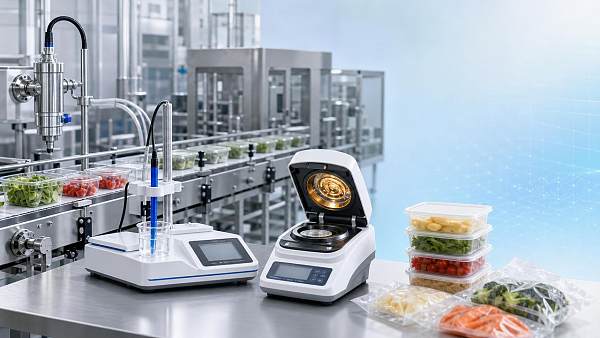
 Food Processing Analyzers for Compliance and Batch ConsistencyFood processing analyzers help manufacturers improve compliance, reduce batch variation, and verify quality from raw materials to final release with faster, traceable decisions.
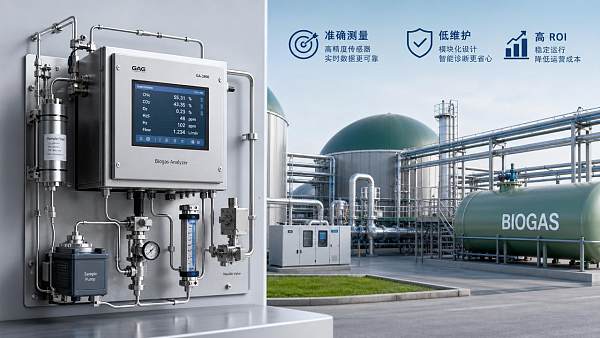
 Biogas Analyzers Market Trends: Accuracy, Maintenance, and ROIBiogas analyzers market trends: explore how accuracy, lower maintenance, and stronger ROI help energy and industrial buyers improve gas quality, uptime, and compliance.
 Safety Monitoring Systems: Common Setup Mistakes to AvoidSafety monitoring systems fail fast when setup is wrong. Discover common installation, calibration, and alarm mistakes to avoid for safer operations and more reliable monitoring.
 Industrial Testing Equipment Costs in 2026: What Drives Pricing?Industrial testing equipment costs in 2026 depend on accuracy, compliance, automation, and lifecycle service. Learn what drives pricing and how to reduce total ownership cost.
 Multi-Component Analyzers vs Single-Gas Units: Which Fits Better?Multi-component analyzers vs single-gas units: compare lifecycle cost, compliance, maintenance, and scalability to choose the best fit for safer, smarter industrial projects.
 Petrochemical Analyzers: Key Specs That Affect Safety and UptimePetrochemical analyzers directly affect safety and uptime. Learn which specs—accuracy, response time, compatibility, and maintenance—matter most for reliable plant performance.
 How to Choose Process Monitoring Instruments for Stable Plant PerformanceProcess monitoring instruments are key to stable plant performance. Learn how to choose the right devices for accuracy, compatibility, lower risk, and better efficiency.
 Brazil INMETRO to Require Portuguese UI and Local Units for Industrial Instruments by 2026Brazil INMETRO mandates Portuguese UI & local units (mbar, kPa, °C) for industrial instruments by Dec 2026—key for exporters, integrators & service providers.
 STMicroelectronics 200mm Line Eases Industrial Sensor Chip ShortageSTMicroelectronics 200mm line eases industrial sensor chip shortage — MCUs & signal-conditioning ICs now ship in 12 weeks. Secure allocation today.
 Southeast Asia Manufacturing Re-shoring Accelerates: Vietnam/Indonesia Industrial Instrument Imports Up 37% YoYSoutheast Asia manufacturing re-shoring accelerates: Vietnam & Indonesia industrial instrument imports up 37% YoY — key insights for suppliers, OEMs & procurement teams.
 First Global White Paper on Humanoid Robot Sensor Calibration ReleasedHumanoid robot sensor calibration: First global white paper released—key for ISO/IEC JWG 23 compliance, export readiness & dynamic torque accuracy. Act now.
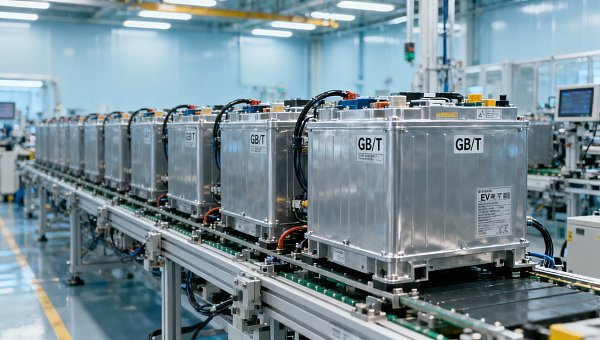
 SAMR to Upgrade EV Battery Recycling Standard to MandatorySAMR to upgrade EV battery recycling standard GB/T 34015—202X to mandatory by Dec 2026 — critical for exporters, BMS makers & cert labs.
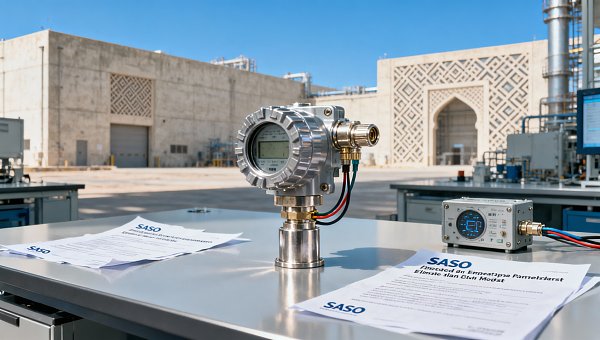
 Saudi SASO Accelerates AI Energy Efficiency Rules for TransmittersSASO AI energy efficiency rules for transmitters take effect 1 June 2026 — mandatory AI simulation, Saudi climate data, and authorized lab validation required. Act now to avoid export delays.
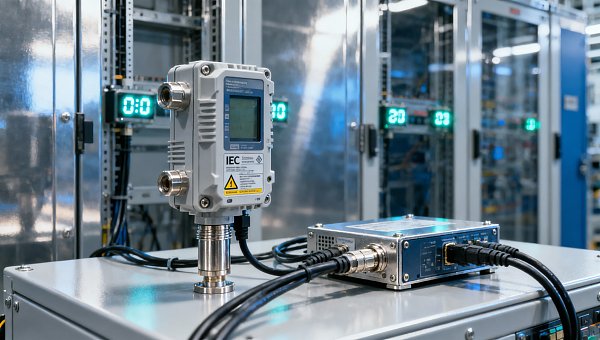
 IEC 63278:2026 Released for Industrial Instrument CybersecurityIEC 63278:2026 is live — the first global standard mandating cybersecurity verification for industrial instruments. Discover compliance impacts, deadlines, and actionable steps for OT/IT convergence.
 Red Sea Crisis Escalates: Gulf of Aden Navigation Ban Extended to June 15, 2026Red Sea Crisis escalates: Gulf of Aden navigation ban extended to June 15, 2026—disrupting industrial instrumentation shipments to the Middle East with 458% air freight spikes and 12–18 day delays.
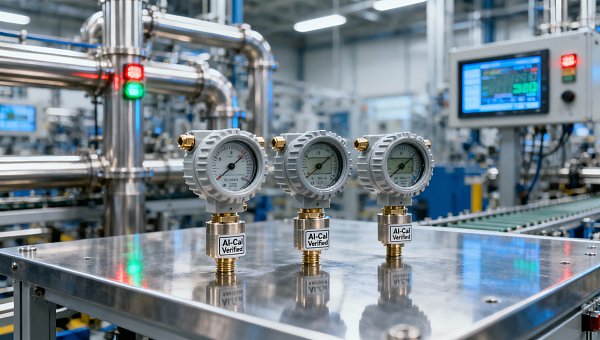
 US DOE Updates Efficiency Rules for Industrial SensorsUS DOE updates industrial sensor efficiency rules: AI-driven dynamic calibration required by Sept 2026. Ensure AI-Cal Verified compliance now.
 EU Mandates PEF Carbon Footprint Module for Industrial Instruments from June 2026EU mandates PEF carbon footprint module for industrial instruments from June 2026—key for exporters, OEMs & certifiers. Act now to ensure compliance.
 Explosion-Proof Instruments: Compliance Risks Before You OrderExplosion-proof instruments can trigger delays, failed inspections, and safety risks if compliance is overlooked. Learn what to verify before ordering and make safer, smarter purchasing decisions.
 Gas Quality Monitoring Equipment Import Rules to Watch in 2026Gas quality monitoring equipment import rules for 2026 are tightening. Learn the key compliance, certification, and customs risks distributors must manage to avoid delays and protect margins.
 Emission Control Shelter Demand Shifts Across Industrial ProjectsEmission control shelter demand is rising across industrial projects as buyers seek faster deployment, reliable monitoring, and compliance-ready designs. Explore key evaluation factors.
 Temperature Measurement Instruments: Selection Mistakes That Raise DowntimeTemperature measurement instruments selection mistakes can drive downtime, unstable control, and higher costs. Discover 5 common errors and practical fixes to improve reliability.
 Thermal Conductivity Analyzers: When Are They the Right Choice?Thermal conductivity analyzers are ideal for binary and high-contrast gas mixtures. Learn when they deliver reliable, low-maintenance online monitoring and smarter project value.
 Level Measurement Instruments for Tanks: What Affects ReliabilityLevel measurement instruments reliability depends on media, installation, and diagnostics. Discover what causes tank reading failures and how to improve safety, uptime, and control.
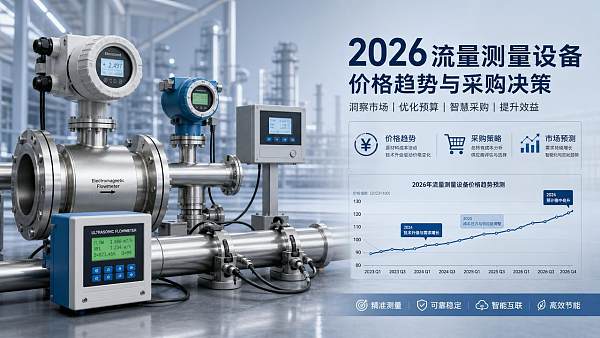
 Flow Measurement Equipment Price Trends in 2026Flow measurement equipment price trends in 2026: learn key cost drivers, budgeting risks, and smart buying strategies to improve ROI and make better procurement decisions.
 Flue Gas Monitoring Equipment: Common Accuracy Issues and FixesFlue gas monitoring equipment accuracy issues can lead to drift, false readings, and compliance risks. Discover common causes, practical fixes, and smarter maintenance tips.
 Process Control Shelter vs Control Room: Key Cost and Deployment DifferencesProcess control shelter vs control room: compare cost, deployment speed, integration, and lifecycle value to choose the smarter solution for industrial automation projects.
 How to Select an Industrial Control Shelter for Harsh Site ConditionsIndustrial control shelter selection for harsh sites: learn how to compare materials, HVAC, safety, and lifecycle cost to protect equipment, reduce downtime, and improve reliability.
 SAMR to Finalize 1,800+ Standards by 2026, Including EV Battery RecyclingSAMR to finalize 1,800+ standards by 2026—including EV battery recycling, hazardous chemical packaging & EMC immunity. Stay ahead of mandatory GB shifts and global export compliance.
 China's Largest Single-Line Large-Tow Carbon Fiber Line Starts OperationChina's largest single-line large-tow carbon fiber line is live—30,000 tons/year capacity, ASME-certified, 22% cheaper & 6-week lead time. Boost your industrial instrumentation supply chain now.





Search Categories
Search Categories
Latest Article
- Stack Gas Analyzers: When Maintenance Delays Start Raising RiskStack gas analyzers can look normal while hidden drift raises compliance, efficiency, and reliability risks. Learn the warning signs and smart maintenance checks before delays become costly.Posted by:
- Industrial Measurement Systems in Export Projects: Key Compliance ChecksIndustrial measurement systems for export projects: learn the key compliance checks for certifications, calibration, safety, and documents to avoid delays and ensure smooth delivery.Posted by:
- Pharmaceutical Instrumentation Upgrades: What to Evaluate FirstPharmaceutical instrumentation upgrades start with compliance, data integrity, uptime, and ROI. Learn what to evaluate first to reduce risk and make smarter buying decisions.Posted by:
Please give us a message
