
Process Monitoring Equipment Buying Mistakes


Buying process monitoring equipment is rarely just a pricing exercise. The biggest purchasing mistakes usually happen before the quote comparison stage: teams define the application too loosely, underestimate compliance and integration requirements, or focus on upfront cost instead of total lifecycle value. Whether you are evaluating emission monitoring equipment, flue gas monitoring equipment, or a complete industrial control shelter or process control shelter, the wrong choice can create expensive downstream problems in safety, reporting accuracy, maintenance workload, and project performance.
For most buyers, the real search intent behind “Process Monitoring Equipment Buying Mistakes” is practical risk reduction. They want to know what errors cause overruns, failed audits, poor data, compatibility issues, or low return on investment—and how to avoid those errors before issuing specifications or approving a purchase. That means the most useful guidance is not generic product theory, but a clear framework for evaluating fit, compliance, operating conditions, integration, serviceability, and financial impact.
What buyers get wrong first: treating all process monitoring equipment as interchangeable
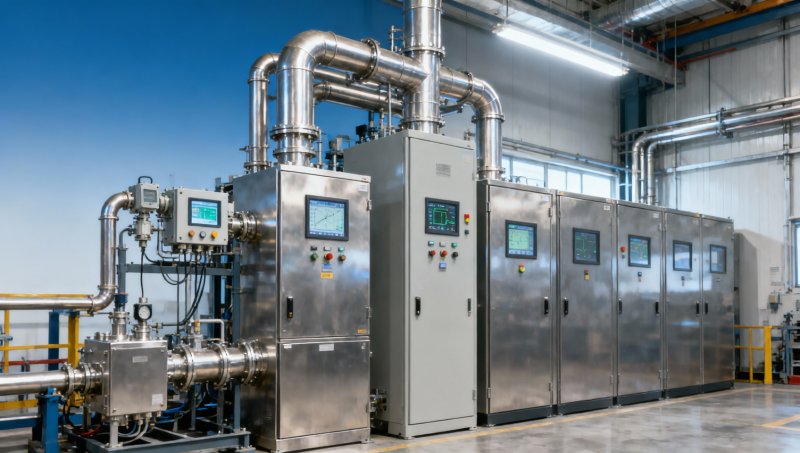
A common mistake is assuming similar-looking systems will perform equally well across different applications. In reality, process monitoring equipment must match the process conditions, measurement objective, installation environment, and reporting requirements. A device or packaged system that works well in one plant may underperform in another because of gas composition, dust load, temperature range, pressure variation, humidity, corrosive media, vibration, or required response time.
This mistake is especially common when buyers compare emission monitoring equipment or flue gas monitoring equipment based only on broad technical labels. Two systems may both claim to monitor the same parameter, but differ significantly in sampling method, analyzer technology, maintenance frequency, calibration stability, enclosure design, and data handling capability. The result is often inaccurate readings, unstable operation, or a system that technically functions but does not support operational decisions or compliance reporting.
Before comparing vendors, buyers should define:
- What exactly must be measured, controlled, or reported
- The normal and extreme operating conditions
- The required measurement range, accuracy, and response speed
- Whether the use case is process optimization, environmental compliance, safety monitoring, or all three
- What downtime, maintenance burden, and calibration effort are acceptable
Without this application-level clarity, the buying process starts with the wrong assumptions and usually ends with costly change orders or performance complaints.
Why compliance and certification mistakes become expensive later
Another major buying mistake is treating compliance as a final checklist item rather than a core selection criterion. In regulated environments, process monitoring equipment may need to satisfy industry standards, environmental rules, electrical safety requirements, hazardous area classifications, metrology requirements, data integrity expectations, or customer-specific quality specifications.
For example, if emission monitoring equipment is purchased without verifying the applicable reporting framework, required certifications, calibration traceability, and audit documentation, the business may face revalidation costs, delayed commissioning, failed inspections, or regulatory risk. Similarly, for a process control shelter or industrial control shelter, enclosure certification, fire protection, HVAC suitability, ingress protection, cable routing standards, and hazardous-area compatibility can be just as important as the instruments inside.
Target readers across procurement, engineering, quality, safety, and management usually care about one question here: Will this equipment pass review and remain acceptable over time? To answer that, buyers should verify:
- Required local and international compliance standards
- Hazardous area or environmental suitability certifications
- Calibration and traceability documentation
- Validation protocols and factory/site acceptance testing support
- Data recording, reporting, and audit trail capabilities
- Responsibilities for compliance between vendor, integrator, and end user
The earlier these issues are addressed, the lower the risk of redesign, project delay, or non-compliant operation after installation.
The hidden cost trap: focusing on purchase price instead of lifecycle cost
Many organizations still make equipment decisions primarily on initial acquisition cost. That approach can be misleading, particularly in the instrumentation industry, where long-term value depends on reliability, serviceability, spare parts, calibration intervals, software support, and integration effort.
The lowest-price system may become the most expensive option if it requires frequent manual intervention, higher consumable usage, more downtime, difficult maintenance access, or premature replacement. This is highly relevant for flue gas monitoring equipment and continuous monitoring systems, where operational continuity and data reliability matter every day, not just at installation.
A smarter evaluation compares total cost of ownership across factors such as:
- Initial equipment and installation cost
- Commissioning and configuration effort
- Maintenance labor and training needs
- Consumables, spare parts, and calibration gas cost
- Expected service life and upgrade path
- Downtime risk and production impact
- Cost of non-compliance, poor quality data, or safety events
For finance approvers and business decision-makers, this broader view is essential. The best procurement decision is not the cheapest line item—it is the option that delivers acceptable risk, stable performance, and measurable long-term value.
Integration failures: when the equipment works, but the project still struggles
One of the most underestimated buying mistakes is failing to assess how the equipment will connect with the rest of the plant or project infrastructure. Process monitoring equipment does not operate in isolation. It must interact with control systems, SCADA platforms, historians, reporting software, alarms, remote communication networks, plant utilities, shelter design, and often existing legacy hardware.
Buyers may assume integration is simple because protocol compatibility appears on a datasheet. In practice, successful integration depends on much more: I/O mapping, software licensing, cybersecurity requirements, timestamp accuracy, network architecture, remote diagnostics capability, power quality, panel layout, environmental control, and operator interface design.
This is especially important when buying an industrial control shelter or process control shelter. A shelter is not just a housing structure; it affects thermal stability, equipment accessibility, cable management, operator safety, expansion capacity, and maintenance workflow. If these factors are not considered early, the project can face commissioning problems and long-term usability issues.
To avoid integration-related buying mistakes, ask:
- What systems must this equipment communicate with on day one and in the future?
- Which protocols, signal types, and cybersecurity rules apply?
- Who is responsible for integration testing and troubleshooting?
- Is there enough physical and digital capacity for future expansion?
- Will operators and maintenance staff be able to use the system efficiently?
A technically capable instrument can still become a poor investment if integration is weak, slow, or dependent on undocumented custom work.
Operational fit matters more than brochure specifications
Another frequent mistake is overvaluing ideal-condition specifications while underestimating real-world operation. Buyers often compare instruments using accuracy claims, detection limits, or response times from marketing materials, but those numbers may not reflect plant conditions. Dust, moisture, vibration, unstable utilities, ambient temperature swings, corrosive exposure, and operator practices all affect actual performance.
This is where users, operators, and quality or safety teams often have insights that are missing from top-level procurement discussions. They know where access is difficult, where contamination is common, which alarms are ignored, how often maintenance is realistically performed, and what kind of interface reduces human error.
Good buying decisions therefore depend on cross-functional input. Procurement should not evaluate in isolation. Engineering, operations, maintenance, quality, EHS, and project teams should all contribute to the selection criteria. In many cases, a slightly more robust system with easier servicing and better diagnostics produces far better long-term outcomes than a theoretically higher-spec product that is harder to maintain or operate.
Vendor evaluation mistakes that increase project risk
Not all purchasing errors are technical. Some come from weak supplier assessment. Buyers may spend too much time comparing model numbers and too little time evaluating whether the vendor can support design clarification, documentation, installation guidance, commissioning, training, after-sales service, and spare parts continuity.
This matters because process monitoring projects often involve customization, parameter tuning, validation, and field support. If the vendor lacks application knowledge or local service capability, small issues can become major delays. For distributors and agents, supplier stability also affects channel confidence and long-term customer satisfaction.
When comparing vendors, assess:
- Relevant industry and application experience
- Reference projects similar to your use case
- Documentation quality and technical responsiveness
- Local service availability and spare parts support
- Training, commissioning, and troubleshooting capability
- Product roadmap and long-term support commitment
A vendor that helps clarify application fit and ownership cost is often more valuable than one that simply provides a lower quote faster.
A practical buying checklist for process monitoring equipment
For teams that want a more reliable purchase process, the best approach is to structure evaluation around decision risk rather than just product comparison. A practical checklist includes the following:
- Application definition: process medium, environment, measurement goal, operating range, and required performance
- Compliance review: industry standards, regulatory obligations, certifications, and documentation needs
- Integration scope: controls, data systems, communications, shelter or enclosure requirements, and future scalability
- Lifecycle cost review: maintenance, consumables, service, downtime risk, and replacement planning
- Operational usability: access, interface, calibration workload, training needs, and maintenance practicality
- Vendor capability: references, support, commissioning, after-sales service, and supply continuity
- Commercial clarity: quote boundaries, exclusions, lead times, warranty, and responsibilities
If a proposed solution performs well across these six areas, the chance of a successful purchase is much higher than if the decision is based mainly on price or headline specifications.
How to make a better final decision
The safest buying decision is usually made when organizations separate “can this equipment technically work?” from “is this the right business and operational choice?” Many products can technically perform the measurement. Far fewer can do so reliably, compliantly, economically, and with manageable support over the full project lifecycle.
For technical evaluators, that means validating application fit, measurement reliability, and integration details. For procurement teams, it means clarifying scope and comparing total value instead of just quoted cost. For managers and finance approvers, it means understanding the downstream cost of poor equipment selection: rework, non-compliance, downtime, data disputes, and reduced project ROI.
In process monitoring, the most expensive mistake is often not buying too much—it is buying something that appears acceptable on paper but creates friction in operation. A disciplined evaluation process reduces that risk significantly.
Process monitoring equipment buying mistakes are usually avoidable when teams focus on the factors that truly drive success: application fit, compliance readiness, lifecycle cost, integration quality, and supplier capability. Whether you are sourcing emission monitoring equipment, flue gas monitoring equipment, or a complete process control shelter, the right decision comes from asking better questions early. Buyers who do that are far more likely to achieve reliable performance, safer operation, smoother approvals, and stronger long-term return on investment.
Recommended for You
 Stack Gas Analyzers: When Maintenance Delays Start Raising RiskStack gas analyzers can look normal while hidden drift raises compliance, efficiency, and reliability risks. Learn the warning signs and smart maintenance checks before delays become costly.
 Industrial Measurement Systems in Export Projects: Key Compliance ChecksIndustrial measurement systems for export projects: learn the key compliance checks for certifications, calibration, safety, and documents to avoid delays and ensure smooth delivery.
 Pharmaceutical Instrumentation Upgrades: What to Evaluate FirstPharmaceutical instrumentation upgrades start with compliance, data integrity, uptime, and ROI. Learn what to evaluate first to reduce risk and make smarter buying decisions.
 Food Processing Analyzers for Compliance and Batch ConsistencyFood processing analyzers help manufacturers improve compliance, reduce batch variation, and verify quality from raw materials to final release with faster, traceable decisions.
 Biogas Analyzers Market Trends: Accuracy, Maintenance, and ROIBiogas analyzers market trends: explore how accuracy, lower maintenance, and stronger ROI help energy and industrial buyers improve gas quality, uptime, and compliance.
 Safety Monitoring Systems: Common Setup Mistakes to AvoidSafety monitoring systems fail fast when setup is wrong. Discover common installation, calibration, and alarm mistakes to avoid for safer operations and more reliable monitoring.
 Industrial Testing Equipment Costs in 2026: What Drives Pricing?Industrial testing equipment costs in 2026 depend on accuracy, compliance, automation, and lifecycle service. Learn what drives pricing and how to reduce total ownership cost.
 Multi-Component Analyzers vs Single-Gas Units: Which Fits Better?Multi-component analyzers vs single-gas units: compare lifecycle cost, compliance, maintenance, and scalability to choose the best fit for safer, smarter industrial projects.
 Petrochemical Analyzers: Key Specs That Affect Safety and UptimePetrochemical analyzers directly affect safety and uptime. Learn which specs—accuracy, response time, compatibility, and maintenance—matter most for reliable plant performance.
 How to Choose Process Monitoring Instruments for Stable Plant PerformanceProcess monitoring instruments are key to stable plant performance. Learn how to choose the right devices for accuracy, compatibility, lower risk, and better efficiency.
 Brazil INMETRO to Require Portuguese UI and Local Units for Industrial Instruments by 2026Brazil INMETRO mandates Portuguese UI & local units (mbar, kPa, °C) for industrial instruments by Dec 2026—key for exporters, integrators & service providers.
 STMicroelectronics 200mm Line Eases Industrial Sensor Chip ShortageSTMicroelectronics 200mm line eases industrial sensor chip shortage — MCUs & signal-conditioning ICs now ship in 12 weeks. Secure allocation today.
 Southeast Asia Manufacturing Re-shoring Accelerates: Vietnam/Indonesia Industrial Instrument Imports Up 37% YoYSoutheast Asia manufacturing re-shoring accelerates: Vietnam & Indonesia industrial instrument imports up 37% YoY — key insights for suppliers, OEMs & procurement teams.
 First Global White Paper on Humanoid Robot Sensor Calibration ReleasedHumanoid robot sensor calibration: First global white paper released—key for ISO/IEC JWG 23 compliance, export readiness & dynamic torque accuracy. Act now.
 SAMR to Upgrade EV Battery Recycling Standard to MandatorySAMR to upgrade EV battery recycling standard GB/T 34015—202X to mandatory by Dec 2026 — critical for exporters, BMS makers & cert labs.
 Saudi SASO Accelerates AI Energy Efficiency Rules for TransmittersSASO AI energy efficiency rules for transmitters take effect 1 June 2026 — mandatory AI simulation, Saudi climate data, and authorized lab validation required. Act now to avoid export delays.
 IEC 63278:2026 Released for Industrial Instrument CybersecurityIEC 63278:2026 is live — the first global standard mandating cybersecurity verification for industrial instruments. Discover compliance impacts, deadlines, and actionable steps for OT/IT convergence.
 Red Sea Crisis Escalates: Gulf of Aden Navigation Ban Extended to June 15, 2026Red Sea Crisis escalates: Gulf of Aden navigation ban extended to June 15, 2026—disrupting industrial instrumentation shipments to the Middle East with 458% air freight spikes and 12–18 day delays.
 US DOE Updates Efficiency Rules for Industrial SensorsUS DOE updates industrial sensor efficiency rules: AI-driven dynamic calibration required by Sept 2026. Ensure AI-Cal Verified compliance now.
 EU Mandates PEF Carbon Footprint Module for Industrial Instruments from June 2026EU mandates PEF carbon footprint module for industrial instruments from June 2026—key for exporters, OEMs & certifiers. Act now to ensure compliance.
 Explosion-Proof Instruments: Compliance Risks Before You OrderExplosion-proof instruments can trigger delays, failed inspections, and safety risks if compliance is overlooked. Learn what to verify before ordering and make safer, smarter purchasing decisions.
 Gas Quality Monitoring Equipment Import Rules to Watch in 2026Gas quality monitoring equipment import rules for 2026 are tightening. Learn the key compliance, certification, and customs risks distributors must manage to avoid delays and protect margins.
 Emission Control Shelter Demand Shifts Across Industrial ProjectsEmission control shelter demand is rising across industrial projects as buyers seek faster deployment, reliable monitoring, and compliance-ready designs. Explore key evaluation factors.
 Temperature Measurement Instruments: Selection Mistakes That Raise DowntimeTemperature measurement instruments selection mistakes can drive downtime, unstable control, and higher costs. Discover 5 common errors and practical fixes to improve reliability.
 Thermal Conductivity Analyzers: When Are They the Right Choice?Thermal conductivity analyzers are ideal for binary and high-contrast gas mixtures. Learn when they deliver reliable, low-maintenance online monitoring and smarter project value.
 Level Measurement Instruments for Tanks: What Affects ReliabilityLevel measurement instruments reliability depends on media, installation, and diagnostics. Discover what causes tank reading failures and how to improve safety, uptime, and control.
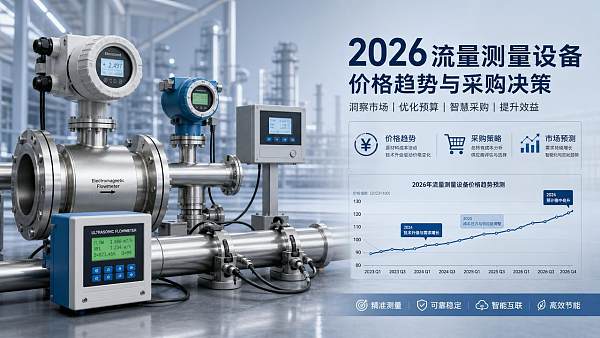
 Flow Measurement Equipment Price Trends in 2026Flow measurement equipment price trends in 2026: learn key cost drivers, budgeting risks, and smart buying strategies to improve ROI and make better procurement decisions.
 Flue Gas Monitoring Equipment: Common Accuracy Issues and FixesFlue gas monitoring equipment accuracy issues can lead to drift, false readings, and compliance risks. Discover common causes, practical fixes, and smarter maintenance tips.
 Process Control Shelter vs Control Room: Key Cost and Deployment DifferencesProcess control shelter vs control room: compare cost, deployment speed, integration, and lifecycle value to choose the smarter solution for industrial automation projects.
 How to Select an Industrial Control Shelter for Harsh Site ConditionsIndustrial control shelter selection for harsh sites: learn how to compare materials, HVAC, safety, and lifecycle cost to protect equipment, reduce downtime, and improve reliability.
 SAMR to Finalize 1,800+ Standards by 2026, Including EV Battery RecyclingSAMR to finalize 1,800+ standards by 2026—including EV battery recycling, hazardous chemical packaging & EMC immunity. Stay ahead of mandatory GB shifts and global export compliance.
 China's Largest Single-Line Large-Tow Carbon Fiber Line Starts OperationChina's largest single-line large-tow carbon fiber line is live—30,000 tons/year capacity, ASME-certified, 22% cheaper & 6-week lead time. Boost your industrial instrumentation supply chain now.











Search Categories
Search Categories
Latest Article
- Stack Gas Analyzers: When Maintenance Delays Start Raising RiskStack gas analyzers can look normal while hidden drift raises compliance, efficiency, and reliability risks. Learn the warning signs and smart maintenance checks before delays become costly.Posted by:
- Industrial Measurement Systems in Export Projects: Key Compliance ChecksIndustrial measurement systems for export projects: learn the key compliance checks for certifications, calibration, safety, and documents to avoid delays and ensure smooth delivery.Posted by:
- Pharmaceutical Instrumentation Upgrades: What to Evaluate FirstPharmaceutical instrumentation upgrades start with compliance, data integrity, uptime, and ROI. Learn what to evaluate first to reduce risk and make smarter buying decisions.Posted by:
Please give us a message
