
How to Evaluate an Oxygen Analysis System for Continuous Operation


Choosing the right oxygen analysis system for continuous operation is critical for procurement teams seeking reliability, compliance, and long-term value. In industries where precise gas monitoring supports safety, process efficiency, and product quality, evaluating performance alone is not enough. Buyers must also consider maintenance needs, system stability, integration capability, and total lifecycle cost to make a confident and cost-effective decision.
What is an oxygen analysis system, and why does continuous operation change the buying criteria?
An oxygen analysis system is a monitoring solution designed to measure oxygen concentration in gases or process streams. In the instrumentation industry, it is widely used in combustion control, power generation, industrial furnaces, environmental monitoring, chemical processing, gas production, laboratory support, and automated production lines. While many buyers first compare measuring range and accuracy, continuous operation introduces additional procurement priorities that are often more important than the headline specification sheet.
A unit that performs well in short tests may not deliver the same value in 24/7 service. Continuous duty places stress on sensors, sample conditioning components, pumps, filters, electronics, and communication modules. It also exposes weaknesses in calibration stability, drift control, contamination resistance, and alarm reliability. For procurement professionals, this means the best oxygen analysis system is not simply the most sensitive or lowest priced option. It is the system that can maintain dependable readings, fit the operating environment, and reduce total ownership risk over time.
This shift in criteria is especially relevant when the analyzer supports safety interlocks, emissions compliance, process efficiency, or product quality control. In such cases, false readings, downtime, or slow response can create far-reaching operational and financial consequences. A purchasing decision should therefore connect technical suitability with maintenance practicality, supplier support, and integration readiness.
Which operating scenarios require extra scrutiny when evaluating an oxygen analysis system?
Not every installation environment creates the same demands. Procurement teams should first map the intended application because operating conditions strongly affect analyzer design requirements. High-temperature combustion exhaust, corrosive process gases, dusty flue gas, humid streams, and clean inert gas blanketing all call for different sensor technologies and sampling approaches.
For example, in energy and power applications, the oxygen analysis system may need to support burner efficiency and emissions management. In industrial manufacturing, it may be used to protect heat treatment quality or control atmosphere conditions. In environmental monitoring, continuous reporting and audit traceability may matter more than fast process control. In laboratory-linked or pharmaceutical-related settings, stability and validation records may be critical. The more demanding the process, the more carefully buyers should review enclosure protection, analyzer response under contamination, and service access.
A practical way to start is by asking whether the analyzer will face condensation, pressure variation, vibration, hazardous area requirements, unstable utilities, or frequent process upsets. These factors influence whether an in-situ design, extractive system, paramagnetic analyzer, zirconia sensor, electrochemical solution, or other oxygen measurement principle is appropriate.
What technical indicators matter most beyond basic accuracy?
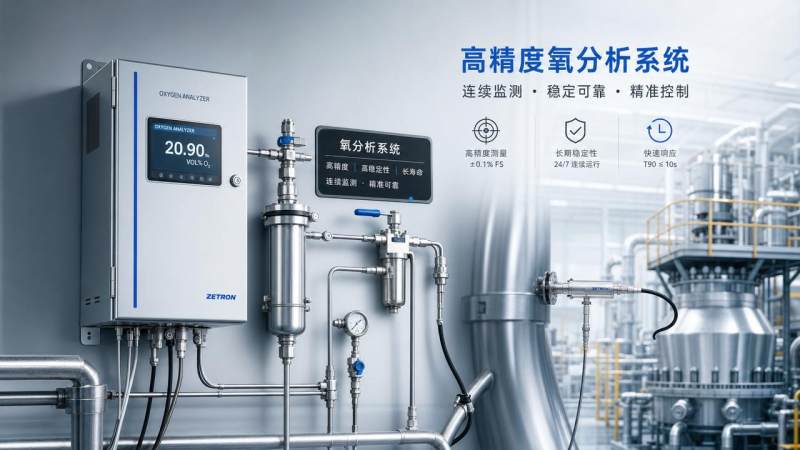
Accuracy is necessary, but it is only one part of the evaluation. For continuous operation, procurement teams should focus on a broader performance profile. Key indicators include measurement range, repeatability, long-term drift, response time, calibration frequency, cross-sensitivity, operating temperature tolerance, and resistance to contaminants. A highly accurate analyzer that drifts quickly or requires constant recalibration may create more operational burden than a slightly less precise but more stable alternative.
Long-term stability is particularly important. If the oxygen analysis system is used to regulate combustion air or verify low-oxygen process safety, even small drift can affect energy consumption, emissions, or product consistency. Procurement teams should request documented drift performance over realistic service intervals rather than relying only on ideal laboratory values. Response time also matters when process conditions change rapidly. A delayed reading can reduce control effectiveness and create avoidable waste or risk.
Another often overlooked point is sample handling. In extractive systems, tubing materials, filters, heaters, moisture removal, and pump reliability directly influence measurement quality. Poor sample conditioning can make a premium analyzer perform like a poor one. Therefore, buyers should assess the complete oxygen analysis system, not just the sensor core.
Quick evaluation checklist for procurement teams
How can buyers compare sensor technologies without getting lost in specifications?
One common challenge is comparing different analyzer principles. Suppliers may promote a technology based on peak sensitivity or speed, but the best match depends on gas composition, oxygen range, contamination risk, and maintenance expectations. Procurement teams should avoid treating all oxygen analyzers as interchangeable.
Zirconia-based systems are often selected for high-temperature combustion applications because they can provide direct in-situ measurement and fast feedback. However, they may be less suitable if process conditions include compounds that shorten sensor life or if low-temperature installation constraints exist. Paramagnetic analyzers are known for strong accuracy and stability in clean gas applications, but they usually require careful sample conditioning. Electrochemical analyzers can be cost-effective for certain lower-demand applications, yet limited sensor life may increase replacement needs in continuous service.
The procurement question is not which technology is universally best, but which oxygen analysis system aligns with the process reality. Ask suppliers to explain not only benefits but also application limits, expected failure modes, and maintenance assumptions. A reliable vendor should be able to describe where its solution performs poorly as well as where it performs well.
What lifecycle cost factors should be included in the purchasing decision?
The initial purchase price of an oxygen analysis system is only one part of the financial picture. For procurement teams, lifecycle cost usually determines the real value of the investment. This includes installation effort, sampling system complexity, commissioning time, calibration gas use, spare parts consumption, sensor replacement intervals, planned maintenance labor, training requirements, software or communication setup, and the cost of unexpected downtime.
An analyzer with a higher upfront cost may still be the better commercial choice if it offers longer maintenance intervals, built-in diagnostics
Recommended for You
 C2H5OH Concentration Analyzer: Key Checks Before Import OrdersC2H5OH concentration analyzer import guide: check specs, calibration, compliance, and supplier support before ordering to reduce risk and choose the right analyzer with confidence.
 2026 Market Trends for C4H10 Concentration Analyzers in Process IndustriesC4H10 concentration analyzer market trends for 2026: discover how smarter, connected analyzers help process industries improve safety, compliance, uptime, and ROI.
 Common Safety Gaps When Using a C6H6 Concentration AnalyzerC6H6 concentration analyzer safety gaps can distort readings and delay hazard response. Learn the most common risks, practical fixes, and smarter deployment tips across industrial, lab, and environmental use.
 C7H8 Concentration Analyzer Price Trends in 2026: What Shapes CostC7H8 concentration analyzer price trends in 2026 depend on sensors, compliance, calibration, integration, and service. See what really shapes total cost before you approve a budget.
 How to Choose a C8H10 Concentration Analyzer for Stable VOC MonitoringC8H10 concentration analyzer selection guide for stable VOC monitoring. Learn how to compare performance, technology, drift, and application fit for reliable results.
 Guangdong Launches 3-Year Service Trade Plan to Boost Instrument Exports via AI and HarmonyOSGuangdong's 3-year service trade plan boosts instrument exports via AI optimization & HarmonyOS—key for ASEAN/Latin America market access. Act now.
 China-Pakistan MOU Opens Faster Certification Path for Instruments in South AsiaChina-Pakistan MOU accelerates instrument certification in South Asia—faster CCC acceptance, mutual lab recognition & Islamabad testing hub for pressure gauges, flow meters, environmental monitors.
 Gold Futures Surge 1.1%; Overseas Orders for Precious Metals Analyzers Rise 35%Gold futures surge 1.1% — driving 35% rise in overseas orders for precious metals analyzers like XRF & ICP-MS. Discover key market impacts & compliance insights.
 《中华人民共和国矿产资源法实施条例》6月15日施行,矿产分析仪出口标准升级矿产分析仪出口标准升级!《中华人民共和国矿产资源法实施条例》6月15日正式施行,助力企业合规出海、抢占全球矿产检测新机遇。
 特朗普称美伊‘基本谈成’霍尔木兹通航协议,能源监测设备出口波动预警Energy monitoring equipment export volatility warning amid Trump’s 'nearly finalized' US-Iran Strait of Hormuz navigation deal—key insights for exporters and energy sector stakeholders.
,国产存储测试设备订单窗口打开") 长鑫科技科创板IPO上会(5月27日),国产存储测试设备订单窗口打开Changxin Technology's STAR Market IPO on May 27 opens a key window for domestic memory testing equipment orders—discover growth opportunities now!
长鑫科技科创板IPO上会(5月27日),国产存储测试设备订单窗口打开Changxin Technology's STAR Market IPO on May 27 opens a key window for domestic memory testing equipment orders—discover growth opportunities now! 墨西哥拟对中国轻型车及零部件加征关税至50%,车载检测设备出口承压Mexican tariff hike to 50% on Chinese light vehicles & parts pressures exports of automotive testing equipment—key insights and mitigation strategies.
 美SEC紧急叫停‘代币化美股’计划,全球AI算力设备出口融资环境趋稳AI算力设备出口融资环境趋稳!美SEC紧急叫停‘代币化美股’计划,释放监管明确信号,利好全球合规科技投融资布局。速看深度解析。
 EU Industrial Accelerator Act Enforces 70% Local Sourcing for InstrumentsEU Industrial Accelerator Act enforces 70% local sourcing for instruments—key implications for exporters, suppliers & integrators. Act now.
 China Imposes Full Export Ban on Dual-Use Items to Japanese Military End UsersChina's dual-use export ban to Japanese military users takes effect Jan 6, 2026—impacting rare earth, semiconductor & precision manufacturing supply chains. Act now.
 Where C3H8 Concentration Analyzers Fit in 2026 Industrial Emissions MonitoringC3H8 concentration analyzer solutions are reshaping 2026 industrial emissions monitoring with better compliance, safer propane control, and smarter efficiency insights. Learn where they fit.
 B2H6 Concentration Analyzer Import and Export Updates for 2026 Compliance PlanningB2H6 concentration analyzer import and export updates for 2026: explore compliance risks, documentation priorities, and planning tips to reduce delays and support smarter cross-border decisions.
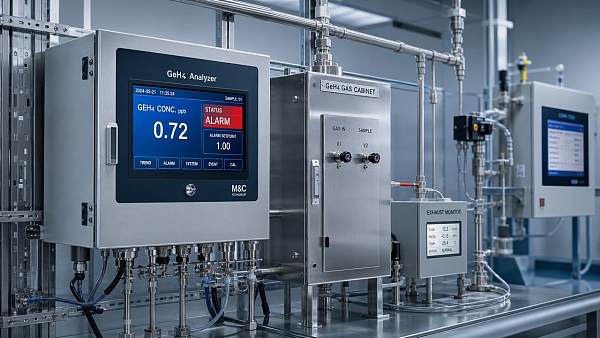
 GeH4 Concentration Analyzer Safety Risks and Detection Limits in Semiconductor UseGeH4 concentration analyzer safety risks, alarm strategy, and detection limits for semiconductor use. Learn how to reduce exposure risk, improve process stability, and choose the right monitoring solution.
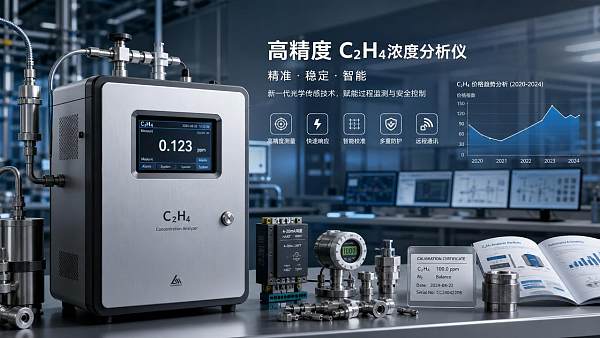
 C2H4 Concentration Analyzer Price Trends in 2026: What Is Driving Cost ChangesC2H4 concentration analyzer price trends in 2026 explained: discover key cost drivers, procurement risks, and smart buying tips to balance budget, compliance, and long-term value.
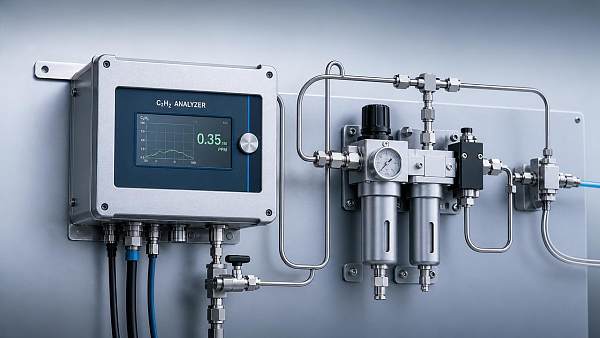
 How to Compare C2H2 Concentration Analyzer Accuracy in Industrial Gas MonitoringC2H2 concentration analyzer accuracy matters beyond the datasheet. Learn how to compare drift, calibration, interference, and field reliability for safer industrial gas monitoring.
![]() SiH4 Concentration Analyzer Import Rules to Watch in 2026SiH4 concentration analyzer import rules are tightening in 2026. Learn the key documents, compliance checks, and procurement tips to avoid delays and speed project delivery.
SiH4 Concentration Analyzer Import Rules to Watch in 2026SiH4 concentration analyzer import rules are tightening in 2026. Learn the key documents, compliance checks, and procurement tips to avoid delays and speed project delivery. HF Concentration Analyzer Demand Shifts Across Key IndustriesHF concentration analyzer demand is shifting across chemical, refining, environmental, and advanced manufacturing sectors—learn what drives safer control, compliance, and precision upgrades.
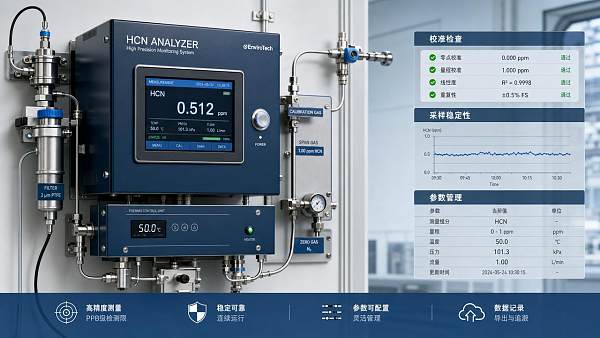
 Common HCN Concentration Analyzer Mistakes in Daily OperationHCN concentration analyzer daily mistakes can quietly damage accuracy and uptime. Learn common errors, practical checks, and smart operating tips to improve reliability.
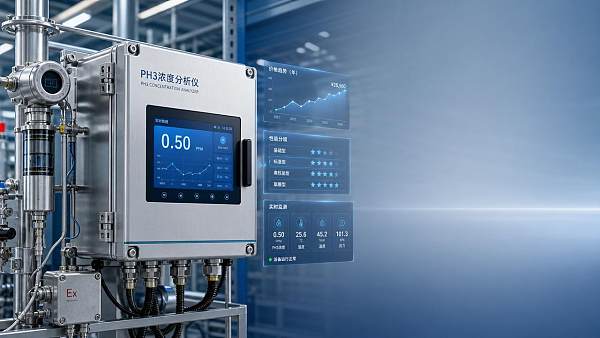
 PH3 Concentration Analyzer Price Trends in 2026PH3 concentration analyzer price trends in 2026 reveal what really drives cost, compliance, and performance. Explore key buying factors to compare quotes smarter and reduce total ownership risk.
 How to Choose an AsH3 Concentration Analyzer for Trace Gas SafetyAsH3 concentration analyzer selection starts with the right application context. Learn how to compare response, interference, integration, and lifecycle fit for safer trace gas monitoring.
 Released") China's Business Environment Report (2026) ReleasedChina's Business Environment Report (2026) reveals 92% digital CMA/CNAS coverage—cutting export test report time to 15 days. Boost CE, UKCA & UL certification for pressure gauges, thermostats & analyzers.
China's Business Environment Report (2026) ReleasedChina's Business Environment Report (2026) reveals 92% digital CMA/CNAS coverage—cutting export test report time to 15 days. Boost CE, UKCA & UL certification for pressure gauges, thermostats & analyzers. US MMA Tank Incident Triggers Regional Safety UpgradesUS MMA tank incident sparks urgent demand for VOCs monitoring, toxic gas modeling & intrinsically safe transmitters across LATAM and SEA.
 NDRC Expands Energy-Saving and Carbon-Reduction Oversight to Dyeing, Chemical Fibers, and PapermakingNDRC expands energy-saving & carbon-reduction oversight to dyeing, chemical fibers, and papermaking—boosting demand for COD/NH₃-N analyzers, VOCs monitors, and CEMS systems.
 MIIT Sets 2026 Energy-Saving Inspection Targets for High-Energy ChemicalsMIIT Sets 2026 Energy-Saving Inspection Targets for High-Energy Chemicals—urgent demand surges for certified pH meters, gas analyzers & explosion-proof controllers.
 MOFCOM: FDI in China Down 10.3% Jan–Apr 2026, but Manufacturing Up 12.1%FDI in China fell 10.3% Jan–Apr 2026—but manufacturing FDI surged 12.1%, led by high-tech sectors. Discover what this means for precision metrology, sensors & calibration providers.
 PBOC Conducts 600-Billion-Yuan MLF Operation, Boosting RMB Stability for Testing Equipment ExportsPBOC's 600-billion-yuan MLF operation boosts RMB stability—key for NDT equipment exporters using LC/DA terms. Reduce FX risk, optimize hedging & improve cash flow planning now.
 EU Steel Strategy Upgrade: CBAM Expansion to Machinery & InstrumentsEU Steel Strategy Upgrade expands CBAM to machinery & instruments (HS 84/90) — LCA data mandatory from 1 July 2026. Act now to avoid delays & ensure compliance.



Search Categories
Search Categories
Latest Article
- C2H5OH Concentration Analyzer: Key Checks Before Import OrdersC2H5OH concentration analyzer import guide: check specs, calibration, compliance, and supplier support before ordering to reduce risk and choose the right analyzer with confidence.Posted by:
- 2026 Market Trends for C4H10 Concentration Analyzers in Process IndustriesC4H10 concentration analyzer market trends for 2026: discover how smarter, connected analyzers help process industries improve safety, compliance, uptime, and ROI.Posted by:
- Common Safety Gaps When Using a C6H6 Concentration AnalyzerC6H6 concentration analyzer safety gaps can distort readings and delay hazard response. Learn the most common risks, practical fixes, and smarter deployment tips across industrial, lab, and environmental use.Posted by:
Please give us a message
