
Emission Instrumentation Trends Linked to Stricter Reporting Rules


As reporting standards tighten across industries, emission instrumentation is becoming a strategic priority for business leaders. Accurate monitoring, real-time data capture, and reliable compliance reporting are no longer optional—they directly affect operational risk, investment planning, and brand credibility. Understanding the latest trends in emission instrumentation helps decision-makers stay ahead of regulations while improving efficiency and long-term sustainability.
What Emission Instrumentation Means in Today’s Operating Environment
Emission instrumentation refers to the systems, sensors, analyzers, software, and supporting calibration tools used to measure, track, and report air pollutants and greenhouse gas outputs from industrial and commercial activities. In the broader instrumentation industry, it sits at the intersection of measurement science, industrial automation, environmental monitoring, and digital control. For enterprise decision-makers, the topic matters not only because of compliance requirements, but also because the quality of emission data increasingly influences capital planning, production decisions, ESG positioning, and stakeholder trust.
Historically, many organizations treated emissions monitoring as a narrow environmental task. That view is changing fast. Stricter reporting rules now require more frequent data collection, better traceability, tighter accuracy thresholds, and clearer audit trails. As a result, emission instrumentation is evolving from a support function into a strategic business capability. Companies that understand this shift are more likely to manage regulatory change with less disruption and more confidence.
Why Stricter Reporting Rules Are Reshaping Priorities
Across manufacturing, energy, construction-related operations, process industries, and large facility networks, reporting obligations are becoming more detailed and less tolerant of estimation-based methods. Regulators, investors, customers, and insurers increasingly expect measurable evidence instead of periodic approximations. This is one reason emission instrumentation is receiving greater budget attention at board and plant levels alike.
Several forces are driving this trend. First, environmental disclosure frameworks are becoming more structured, often requiring standardized reporting formats and documented data lineage. Second, enforcement is becoming more data-oriented, with organizations expected to prove how readings were generated, validated, and stored. Third, public and investor scrutiny now extends beyond headline emissions figures to the reliability of the measurement process itself. In practice, poor monitoring can create legal exposure, reputational damage, delayed permits, and inefficient operations.
For decision-makers, this means the question is no longer whether emissions must be monitored, but whether existing instrumentation is robust enough for current and future rules. Many legacy systems were designed for basic threshold checks, not continuous analytics, remote diagnostics, or integrated sustainability reporting. That gap is driving a new wave of upgrades.
Core Trends Defining Modern Emission Instrumentation
The market is not changing in one dimension. Instead, several technical and operational trends are converging. Understanding them helps leaders evaluate which investments support compliance while also creating broader business value.
1. Continuous monitoring over periodic checks
Organizations are moving from manual sampling and occasional testing toward continuous emissions monitoring systems and related online analyzers. Continuous monitoring reduces blind spots, provides earlier warning of process deviations, and strengthens reporting integrity. It also gives operations teams a clearer link between production variables and emissions outcomes.
2. Higher expectations for data integrity
Modern emission instrumentation is increasingly judged by more than sensor accuracy. Decision-makers now need timestamp consistency, calibration records, cybersecurity protection, automated validation, and traceable archives. In regulated environments, data quality management can be as important as the measurement device itself.
3. Integration with automation and enterprise systems
Emission data is becoming part of a wider digital ecosystem. Instrumentation platforms are connecting with SCADA, DCS, historian software, maintenance systems, and sustainability dashboards. This integration allows leaders to move from reactive compliance to predictive management, where emission trends can inform maintenance timing, fuel strategy, or process optimization.
4. Multi-parameter measurement and smarter analytics
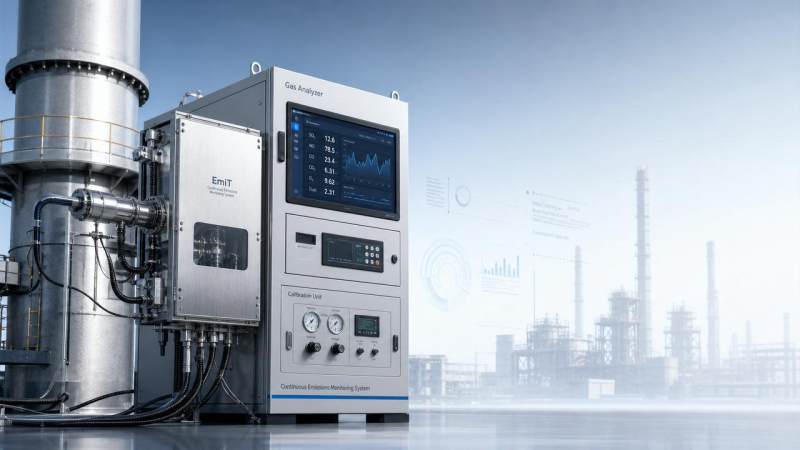
Instead of relying on isolated readings, many facilities now deploy emission instrumentation that captures multiple variables such as gas concentration, flow, temperature, pressure, and moisture. When analyzed together, these data points produce a more accurate emissions profile and support root-cause analysis when performance drifts.
5. Remote serviceability and lifecycle management
As operations become more distributed, remote diagnostics, calibration scheduling, fault alerts, and software-based updates are becoming standard expectations. This trend reflects a wider shift in the instrumentation industry toward lifecycle value rather than one-time equipment acquisition.
Industry Overview: Where the Pressure Is Highest
The need for stronger emission instrumentation is broad, but the level of urgency varies by application. The table below outlines how reporting pressure and instrumentation priorities typically align across sectors in the comprehensive industrial landscape.
Business Value Beyond Compliance
One of the most important shifts in executive thinking is recognizing that emission instrumentation is not only a compliance cost. When implemented well, it supports better business performance. Accurate monitoring helps identify inefficient combustion, leaks, unstable process conditions, and maintenance issues that may otherwise remain hidden. This can reduce energy waste, avoid production losses, and improve environmental performance at the same time.
Reliable emission data also strengthens strategic planning. Leaders can evaluate decarbonization opportunities with more confidence when baseline measurements are sound. Capital decisions around equipment upgrades, fuel switching, process redesign, or pollution control technologies become more defensible. In addition, strong instrumentation practices can simplify customer reporting, improve lender confidence, and support ESG disclosures that stand up to review.
In many organizations, the hidden value lies in cross-functional alignment. Environmental, operations, engineering, maintenance, quality, and finance teams all benefit when emission instrumentation produces trusted, accessible data. That shared visibility helps turn reporting from a periodic burden into an operating discipline.
Typical Application Paths for Enterprise Users
Not every organization needs the same monitoring architecture. The right approach depends on source type, risk profile, reporting obligations, and operational complexity. The following categories provide a practical way to understand common deployment paths.
What Decision-Makers Should Evaluate Before Upgrading
Because reporting standards are evolving, a narrow product comparison is rarely enough. Leaders should assess emission instrumentation through an operational and governance lens. A few questions are especially important.
First, can the system produce defensible data over time, not just at installation? That includes calibration traceability, maintenance planning, sensor drift management, and documented validation routines. Second, can the monitoring platform connect with existing automation and reporting infrastructure without creating new silos? Third, is the solution flexible enough to adapt if reporting rules expand in scope, frequency, or pollutant type?
It is also wise to examine organizational readiness. Even high-quality emission instrumentation underperforms when responsibilities are unclear. Governance should define who owns data review, exception handling, audit preparation, and performance improvement actions. In many cases, the strongest results come from pairing instrumentation investment with standard operating procedures and staff training.
Implementation Considerations That Reduce Risk
A practical implementation strategy starts with source prioritization. Organizations should identify which emission points carry the highest regulatory, operational, or reputational risk, then align instrumentation depth accordingly. High-risk sources may require continuous systems and redundant data paths, while lower-risk applications may be served by periodic or portable methods.
Another key factor is lifecycle support. Decision-makers should look beyond initial installation to calibration services, spare parts availability, remote diagnostics, software support, and upgrade pathways. In the instrumentation industry, long-term reliability often determines total value more than initial acquisition cost. Finally, reporting design should be addressed early. Data structure, retention rules, dashboards, and audit exports need to be planned with the end use in mind.
A Practical Direction for the Next Planning Cycle
For enterprise leaders, the rise of stricter reporting rules is a signal to treat emission instrumentation as part of core operational strategy. The most effective organizations are not waiting for compliance pressure to force action. They are reviewing monitoring gaps now, aligning instrumentation choices with digital infrastructure, and building data practices that can support both regulation and performance improvement.
If your organization is reassessing its environmental reporting capabilities, start with a structured review of current emission instrumentation, data reliability, integration maturity, and future regulatory exposure. That approach creates a stronger foundation for compliance, better operational insight, and more credible sustainability performance in the years ahead.
Recommended for You
 C2H5OH Concentration Analyzer: Key Checks Before Import OrdersC2H5OH concentration analyzer import guide: check specs, calibration, compliance, and supplier support before ordering to reduce risk and choose the right analyzer with confidence.
 2026 Market Trends for C4H10 Concentration Analyzers in Process IndustriesC4H10 concentration analyzer market trends for 2026: discover how smarter, connected analyzers help process industries improve safety, compliance, uptime, and ROI.
 Common Safety Gaps When Using a C6H6 Concentration AnalyzerC6H6 concentration analyzer safety gaps can distort readings and delay hazard response. Learn the most common risks, practical fixes, and smarter deployment tips across industrial, lab, and environmental use.
 C7H8 Concentration Analyzer Price Trends in 2026: What Shapes CostC7H8 concentration analyzer price trends in 2026 depend on sensors, compliance, calibration, integration, and service. See what really shapes total cost before you approve a budget.
 How to Choose a C8H10 Concentration Analyzer for Stable VOC MonitoringC8H10 concentration analyzer selection guide for stable VOC monitoring. Learn how to compare performance, technology, drift, and application fit for reliable results.
 Guangdong Launches 3-Year Service Trade Plan to Boost Instrument Exports via AI and HarmonyOSGuangdong's 3-year service trade plan boosts instrument exports via AI optimization & HarmonyOS—key for ASEAN/Latin America market access. Act now.
 China-Pakistan MOU Opens Faster Certification Path for Instruments in South AsiaChina-Pakistan MOU accelerates instrument certification in South Asia—faster CCC acceptance, mutual lab recognition & Islamabad testing hub for pressure gauges, flow meters, environmental monitors.
 Gold Futures Surge 1.1%; Overseas Orders for Precious Metals Analyzers Rise 35%Gold futures surge 1.1% — driving 35% rise in overseas orders for precious metals analyzers like XRF & ICP-MS. Discover key market impacts & compliance insights.
 《中华人民共和国矿产资源法实施条例》6月15日施行,矿产分析仪出口标准升级矿产分析仪出口标准升级!《中华人民共和国矿产资源法实施条例》6月15日正式施行,助力企业合规出海、抢占全球矿产检测新机遇。
 特朗普称美伊‘基本谈成’霍尔木兹通航协议,能源监测设备出口波动预警Energy monitoring equipment export volatility warning amid Trump’s 'nearly finalized' US-Iran Strait of Hormuz navigation deal—key insights for exporters and energy sector stakeholders.
,国产存储测试设备订单窗口打开") 长鑫科技科创板IPO上会(5月27日),国产存储测试设备订单窗口打开Changxin Technology's STAR Market IPO on May 27 opens a key window for domestic memory testing equipment orders—discover growth opportunities now!
长鑫科技科创板IPO上会(5月27日),国产存储测试设备订单窗口打开Changxin Technology's STAR Market IPO on May 27 opens a key window for domestic memory testing equipment orders—discover growth opportunities now! 墨西哥拟对中国轻型车及零部件加征关税至50%,车载检测设备出口承压Mexican tariff hike to 50% on Chinese light vehicles & parts pressures exports of automotive testing equipment—key insights and mitigation strategies.
 美SEC紧急叫停‘代币化美股’计划,全球AI算力设备出口融资环境趋稳AI算力设备出口融资环境趋稳!美SEC紧急叫停‘代币化美股’计划,释放监管明确信号,利好全球合规科技投融资布局。速看深度解析。
 EU Industrial Accelerator Act Enforces 70% Local Sourcing for InstrumentsEU Industrial Accelerator Act enforces 70% local sourcing for instruments—key implications for exporters, suppliers & integrators. Act now.
 China Imposes Full Export Ban on Dual-Use Items to Japanese Military End UsersChina's dual-use export ban to Japanese military users takes effect Jan 6, 2026—impacting rare earth, semiconductor & precision manufacturing supply chains. Act now.
 Where C3H8 Concentration Analyzers Fit in 2026 Industrial Emissions MonitoringC3H8 concentration analyzer solutions are reshaping 2026 industrial emissions monitoring with better compliance, safer propane control, and smarter efficiency insights. Learn where they fit.
 B2H6 Concentration Analyzer Import and Export Updates for 2026 Compliance PlanningB2H6 concentration analyzer import and export updates for 2026: explore compliance risks, documentation priorities, and planning tips to reduce delays and support smarter cross-border decisions.
 GeH4 Concentration Analyzer Safety Risks and Detection Limits in Semiconductor UseGeH4 concentration analyzer safety risks, alarm strategy, and detection limits for semiconductor use. Learn how to reduce exposure risk, improve process stability, and choose the right monitoring solution.
 C2H4 Concentration Analyzer Price Trends in 2026: What Is Driving Cost ChangesC2H4 concentration analyzer price trends in 2026 explained: discover key cost drivers, procurement risks, and smart buying tips to balance budget, compliance, and long-term value.
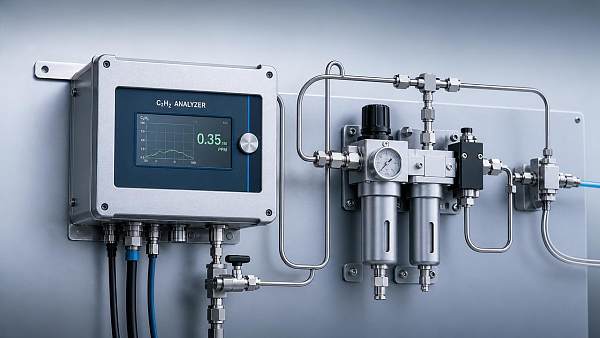
 How to Compare C2H2 Concentration Analyzer Accuracy in Industrial Gas MonitoringC2H2 concentration analyzer accuracy matters beyond the datasheet. Learn how to compare drift, calibration, interference, and field reliability for safer industrial gas monitoring.
![]() SiH4 Concentration Analyzer Import Rules to Watch in 2026SiH4 concentration analyzer import rules are tightening in 2026. Learn the key documents, compliance checks, and procurement tips to avoid delays and speed project delivery.
SiH4 Concentration Analyzer Import Rules to Watch in 2026SiH4 concentration analyzer import rules are tightening in 2026. Learn the key documents, compliance checks, and procurement tips to avoid delays and speed project delivery. HF Concentration Analyzer Demand Shifts Across Key IndustriesHF concentration analyzer demand is shifting across chemical, refining, environmental, and advanced manufacturing sectors—learn what drives safer control, compliance, and precision upgrades.
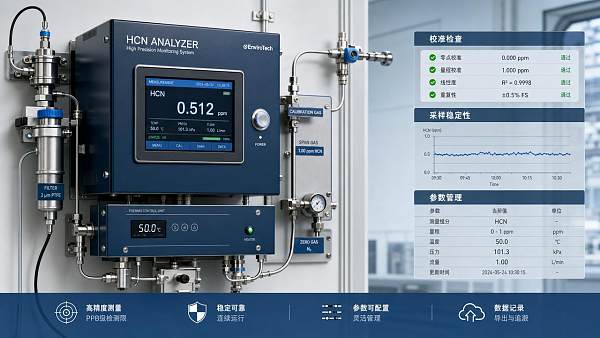
 Common HCN Concentration Analyzer Mistakes in Daily OperationHCN concentration analyzer daily mistakes can quietly damage accuracy and uptime. Learn common errors, practical checks, and smart operating tips to improve reliability.
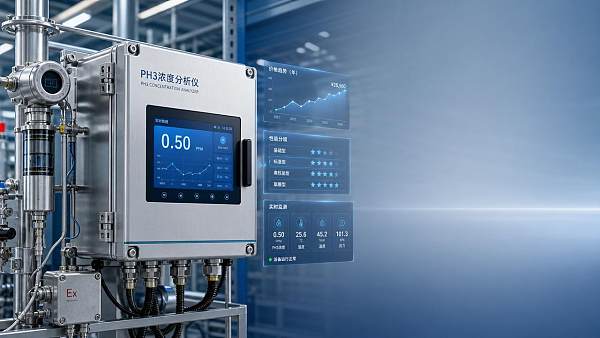
 PH3 Concentration Analyzer Price Trends in 2026PH3 concentration analyzer price trends in 2026 reveal what really drives cost, compliance, and performance. Explore key buying factors to compare quotes smarter and reduce total ownership risk.
 How to Choose an AsH3 Concentration Analyzer for Trace Gas SafetyAsH3 concentration analyzer selection starts with the right application context. Learn how to compare response, interference, integration, and lifecycle fit for safer trace gas monitoring.
 Released") China's Business Environment Report (2026) ReleasedChina's Business Environment Report (2026) reveals 92% digital CMA/CNAS coverage—cutting export test report time to 15 days. Boost CE, UKCA & UL certification for pressure gauges, thermostats & analyzers.
China's Business Environment Report (2026) ReleasedChina's Business Environment Report (2026) reveals 92% digital CMA/CNAS coverage—cutting export test report time to 15 days. Boost CE, UKCA & UL certification for pressure gauges, thermostats & analyzers. US MMA Tank Incident Triggers Regional Safety UpgradesUS MMA tank incident sparks urgent demand for VOCs monitoring, toxic gas modeling & intrinsically safe transmitters across LATAM and SEA.
 NDRC Expands Energy-Saving and Carbon-Reduction Oversight to Dyeing, Chemical Fibers, and PapermakingNDRC expands energy-saving & carbon-reduction oversight to dyeing, chemical fibers, and papermaking—boosting demand for COD/NH₃-N analyzers, VOCs monitors, and CEMS systems.
 MIIT Sets 2026 Energy-Saving Inspection Targets for High-Energy ChemicalsMIIT Sets 2026 Energy-Saving Inspection Targets for High-Energy Chemicals—urgent demand surges for certified pH meters, gas analyzers & explosion-proof controllers.
 MOFCOM: FDI in China Down 10.3% Jan–Apr 2026, but Manufacturing Up 12.1%FDI in China fell 10.3% Jan–Apr 2026—but manufacturing FDI surged 12.1%, led by high-tech sectors. Discover what this means for precision metrology, sensors & calibration providers.
 PBOC Conducts 600-Billion-Yuan MLF Operation, Boosting RMB Stability for Testing Equipment ExportsPBOC's 600-billion-yuan MLF operation boosts RMB stability—key for NDT equipment exporters using LC/DA terms. Reduce FX risk, optimize hedging & improve cash flow planning now.
 EU Steel Strategy Upgrade: CBAM Expansion to Machinery & InstrumentsEU Steel Strategy Upgrade expands CBAM to machinery & instruments (HS 84/90) — LCA data mandatory from 1 July 2026. Act now to avoid delays & ensure compliance.






Search Categories
Search Categories
Latest Article
- C2H5OH Concentration Analyzer: Key Checks Before Import OrdersC2H5OH concentration analyzer import guide: check specs, calibration, compliance, and supplier support before ordering to reduce risk and choose the right analyzer with confidence.Posted by:
- 2026 Market Trends for C4H10 Concentration Analyzers in Process IndustriesC4H10 concentration analyzer market trends for 2026: discover how smarter, connected analyzers help process industries improve safety, compliance, uptime, and ROI.Posted by:
- Common Safety Gaps When Using a C6H6 Concentration AnalyzerC6H6 concentration analyzer safety gaps can distort readings and delay hazard response. Learn the most common risks, practical fixes, and smarter deployment tips across industrial, lab, and environmental use.Posted by:
Please give us a message
