
How to Identify a Trusted Manufacturer for Hazardous Area Analyzers


Choosing a Trusted Manufacturer for hazardous area analyzers is critical for distributors, agents, and channel partners seeking long-term market credibility. In the instrumentation industry, product safety, certification compliance, technical reliability, and after-sales support directly affect business growth and customer trust. This guide explains how to evaluate manufacturers effectively and identify partners that can deliver consistent quality, regulatory confidence, and competitive value.
Why the market is changing faster than many channel partners expected
The selection criteria for hazardous area analyzers have changed noticeably in recent years. Distributors are no longer judged only by price, stock availability, or product range. End users in oil and gas, chemicals, power generation, pharmaceuticals, environmental monitoring, and industrial automation are asking tougher questions about certification scope, lifecycle support, digital integration, and operating reliability in classified areas. As a result, choosing a Trusted Manufacturer has become a strategic decision rather than a routine sourcing task.
This shift is especially visible in the instrumentation industry, where hazardous area analyzers often work in demanding conditions and where a single failure can trigger safety risks, downtime, compliance issues, or damaged reputations. For channel partners, the wrong supplier can create a chain reaction: shipment delays, project rejection, unsupported installations, warranty disputes, and weak repeat business. The right manufacturer, by contrast, helps improve technical confidence, bid competitiveness, and long-term account retention.
In other words, the market signal is clear: a Trusted Manufacturer is now evaluated through a broader lens that includes product engineering, approval readiness, documentation quality, service responsiveness, and the ability to support evolving customer requirements.
The main forces driving demand for a Trusted Manufacturer
Several forces are pushing buyers and intermediaries to reassess how they choose analyzer suppliers for hazardous locations. These drivers are not temporary. They reflect structural changes in industrial operations, compliance expectations, and procurement behavior.
These changes explain why many experienced distributors are moving away from transactional sourcing and toward partner evaluation models. They want a Trusted Manufacturer that can support not just the first shipment, but the full commercial cycle from pre-sales consultation to commissioning and ongoing service.
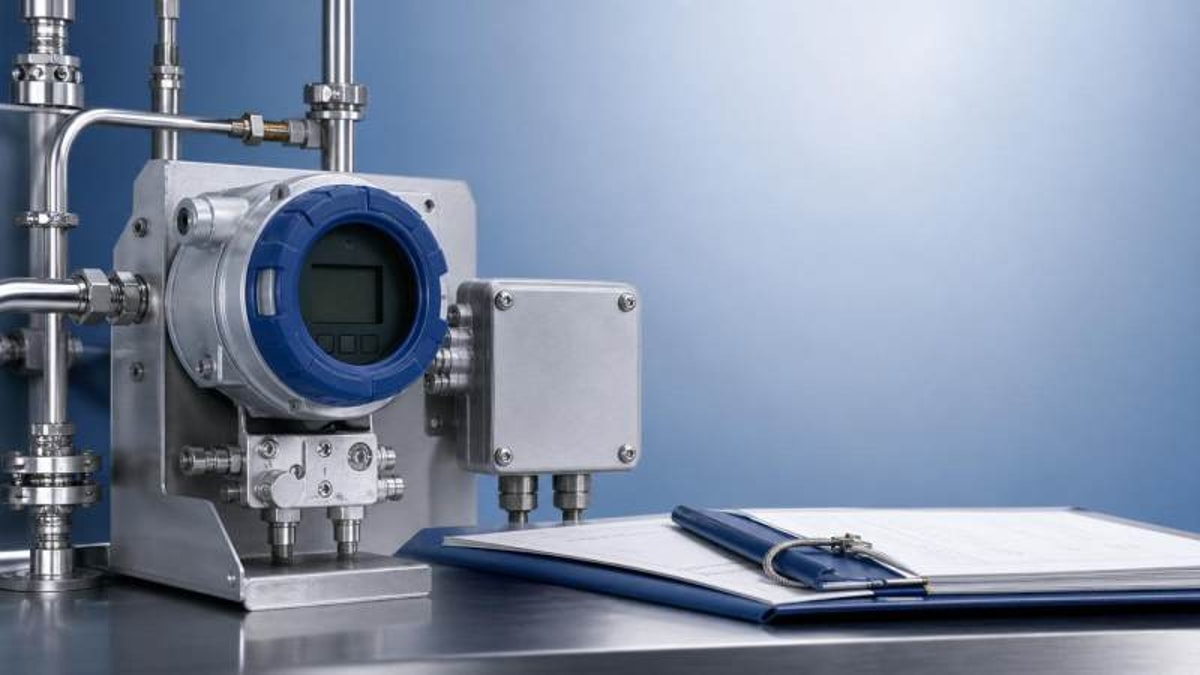
What separates a Trusted Manufacturer from a basic supplier
In hazardous area applications, the difference between a basic supplier and a Trusted Manufacturer is often visible before the product even reaches site. Strong manufacturers demonstrate process discipline, transparent technical capability, and a clear understanding of high-risk applications. They do not rely on vague claims or incomplete certificates.
For distributors and agents, several indicators deserve close attention:
- Clear hazardous area certification coverage, including applicable standards, markings, and documentation consistency.
- Stable manufacturing quality, with traceable production processes and repeatable performance.
- Application knowledge across multiple industries such as petrochemical, energy, environmental systems, and process automation.
- Responsive engineering support for customization, integration, and installation concerns.
- Strong after-sales structure, including spare parts policy, troubleshooting capability, and service commitments.
A reliable partner also understands channel economics. That means consistent lead times, protection of agreed territories or projects where relevant, practical training support, and commercially realistic cooperation. A Trusted Manufacturer helps channel partners win business without exposing them to avoidable technical or reputational risk.
How compliance pressure is reshaping manufacturer evaluation
One of the strongest market changes is the rise of compliance-based evaluation. Many buyers used to focus mainly on whether a product had a certificate. Today, they are asking whether the certification matches the exact application, environmental conditions, installation scenario, and target market. This is a significant difference.
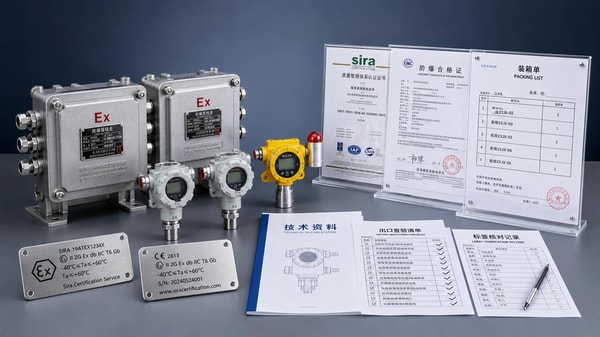
For channel partners, this means a Trusted Manufacturer should be able to provide more than a certificate file. The manufacturer should explain the product’s hazardous area suitability, rating limitations, enclosure options, materials, sample handling compatibility where relevant, and documentation for inspection or audit support. If answers are delayed or unclear, that is an early warning signal.
Another important trend is regional complexity. Different export destinations and project owners may emphasize different approval pathways, testing expectations, or documentation practices. Manufacturers that already support international projects tend to be more dependable because they understand how compliance influences delivery schedules, approval workflows, and technical acceptance.
Why technical depth now matters more than catalog breadth
A large product catalog can look impressive, but it does not automatically make a company a Trusted Manufacturer. In hazardous area analyzers, technical depth is increasingly more valuable than broad but shallow product coverage. End users want analyzers that perform reliably under real-world process conditions, not just equipment that looks suitable on paper.
This trend is linked to more complex applications. Customers may need continuous gas analysis, process composition monitoring, emissions tracking, or quality control in environments with vibration, temperature variation, corrosive media, or strict uptime requirements. In these conditions, engineering decisions around sensor selection, enclosure design, thermal management, signal stability, and calibration approach make a major difference.
Distributors should therefore evaluate whether the manufacturer can discuss failure modes, maintenance intervals, environmental limitations, and integration risks in a technically credible way. A Trusted Manufacturer does not simply say a product works; it explains how and under what conditions it will continue to work over time.
How these changes affect distributors, agents, and resellers differently
Although the same market forces affect the whole channel, the impact is not identical for every business model. Understanding this helps partners set the right selection priorities.
This is why there is no single checklist for everyone. The right Trusted Manufacturer for a stocking distributor may differ from the right one for a technically specialized project agent. However, both need evidence of reliability, not just sales promises.
Practical signs that a manufacturer can support future demand, not only current orders
Trend-based evaluation should include forward-looking questions. Hazardous area analyzer demand is being shaped by digitalization, remote visibility, sustainability programs, process optimization, and tighter safety management. A Trusted Manufacturer should therefore be prepared for tomorrow’s customer expectations as well as today’s project specifications.
Useful signs include a documented product roadmap, stable firmware or software maintenance practices where applicable, support for common industrial communication standards, and evidence of continuous product improvement. Manufacturers that invest in training materials, technical updates, and structured customer feedback loops are often better positioned for long-term cooperation.
Another strong signal is how the manufacturer handles technical objections. A Trusted Manufacturer does not avoid detailed discussions about maintenance burden, calibration stability, installation constraints, or certification boundaries. Instead, it addresses them directly and helps channel partners manage customer expectations professionally.
A decision framework for identifying the right Trusted Manufacturer
When market conditions are shifting, a structured evaluation framework is more useful than relying on brand familiarity alone. Channel partners can use the following judgment points to compare potential suppliers:
- Safety readiness: Are hazardous area certifications complete, current, and relevant to the target market?
- Application fit: Can the manufacturer demonstrate experience in similar process conditions and industries?
- Manufacturing consistency: Is there evidence of quality control discipline and traceability?
- Commercial reliability: Are lead times, quotation accuracy, and communication stable enough for project business?
- Support capability: Can the supplier assist with commissioning, troubleshooting, spare parts, and technical documentation?
- Growth potential: Does the manufacturer show the capacity to support future market needs and regional expansion?
Using this framework helps channel partners move from reactive sourcing to strategic manufacturer selection. It also makes internal decision-making easier when different departments are weighing price, risk, and service capability.
Common mistakes that weaken channel confidence
Many sourcing problems come from judging manufacturers with outdated assumptions. One common mistake is treating all hazardous area analyzers as similar once a certificate is present. Another is overvaluing low purchase price while underestimating service delays, incomplete documentation, or unstable product performance. These issues may not appear during quotation, but they can surface during approval, startup, or warranty periods.
A second mistake is failing to test communication quality early. If a potential Trusted Manufacturer cannot answer technical questions clearly during pre-sales, post-sales support is unlikely to improve. A third mistake is ignoring long-term alignment. Some suppliers are acceptable for isolated transactions, but not for channel development, technical branding, or strategic market expansion.
What to monitor next before committing to a manufacturer partnership
Before finalizing cooperation, distributors and agents should confirm several practical points. Request representative project references where possible, review sample documentation in full, ask about spare parts policy, and assess response speed under realistic technical scenarios. If feasible, compare how different suppliers handle the same application challenge. This often reveals who is closest to being a genuine Trusted Manufacturer.
The broader direction of the market suggests that hazardous area analyzer buyers will continue to prioritize safety assurance, measurable reliability, and support capability. For channel partners, that means supplier selection will increasingly influence brand reputation and recurring business, not just current revenue.
If your business wants to judge how these trends affect its own portfolio, focus on a few decisive questions: Does the manufacturer strengthen your technical credibility? Can it support compliance without friction? Will it help you serve more demanding projects over the next three to five years? The answers will show whether you are dealing with a basic vendor or a true Trusted Manufacturer.
Recommended for You
 IEC 62443-4-2:2026 Released: New Cybersecurity Requirement for Industrial ComponentsIEC 62443-4-2:2026 is live — new cybersecurity requirements for industrial components like PLCs, HMIs & gateways. Act now to meet SDL mandates and win tenders with Siemens, ABB & more.
 US BIS Adds 12 High-Precision Calibration Devices to Export Control ListUS BIS adds 12 high-precision calibration devices to export control list—laser interferometers, quantum gradiometers & more. Critical for semiconductor, aerospace & metrology firms exporting to China. Act now.
 Southeast Asia Launches Industrial Metrology Green CorridorIndustrial Metrology Green Corridor launched across ASEAN — CNAS-accredited temp, pressure & flow reports now accepted in all 10 member states. Faster customs, lower compliance costs.
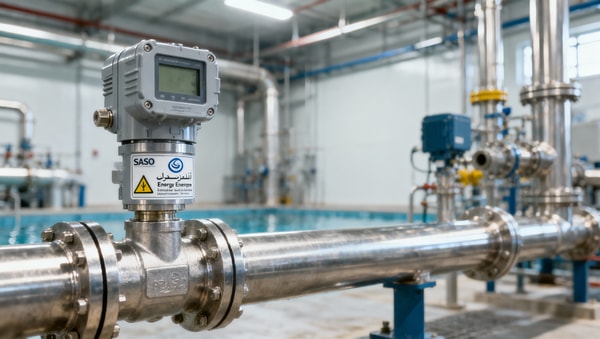
 SASO Energy Labeling Rule for Field Instruments Effective July 2026SASO Energy Labeling Rule for Field Instruments takes effect July 2026 — mandatory for 17 new instrument categories. Ensure compliance now to avoid customs delays in Saudi Arabia.
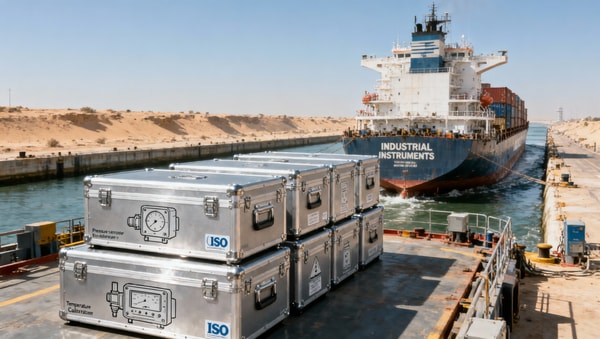
 Red Sea Crisis Escalates: Suez Canal Industrial Instrument Shipping Delays to 28 DaysRed Sea Crisis escalates: Suez Canal industrial instrument shipping delays hit 28 days — urgent air freight up 320%. Act now to protect precision manufacturing & compliance.
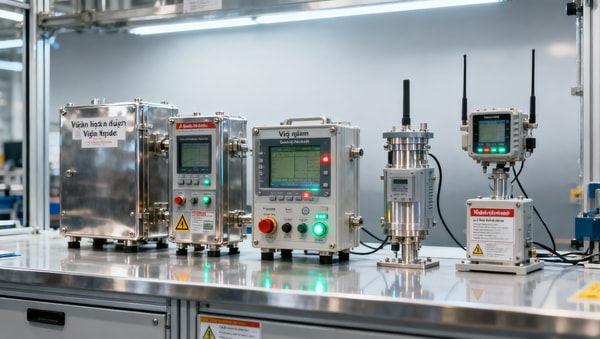
 Vietnam Tightens Industrial Instrument Import Rules from June 2026Vietnam Tightens Industrial Instrument Import Rules from June 2026: CNAS test reports & Vietnamese labels now mandatory—avoid port detention and 15% penalties.
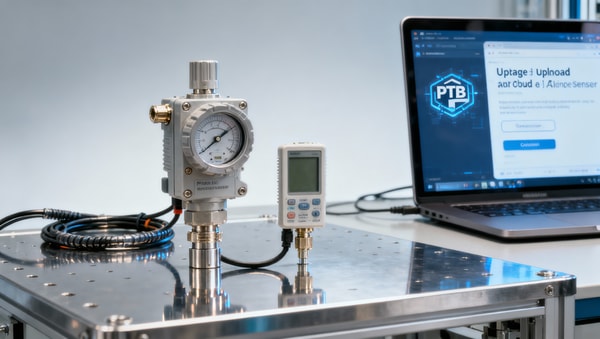
 PTB Launches AI Remote Calibration Cloud for CNAS LabsPTB launches CalCloud AI — the world’s first AI remote calibration cloud for CNAS labs, enabling fast, ILAC-MRA-compliant English certificates for EU-bound pressure, temperature & flow instruments.
 New China Battery Recycling Rules Take Effect Apr 27, 2026New China battery recycling rules (effective Apr 27, 2026) impact smart meter & industrial sensor exporters—ensure BMS traceability and compliance now.
 Plant Safety Analyzer Investments That Reduce Hidden Operational RiskPlant safety analyzer investments help enterprises uncover hidden operational risk, improve uptime, strengthen compliance, and protect long-term profitability.
 High Purity Monitoring: When Standard Analyzers Are No Longer EnoughHigh purity monitoring is essential when standard analyzers miss trace contamination, fast excursions, and compliance risks. Discover where advanced solutions deliver safer, smarter control.
 Explosion Proof Equipment Export Checks That Delay Overseas ShipmentsExplosion proof equipment export checks can delay overseas shipments through certificate gaps, label mismatches, and local compliance issues. Learn how distributors can reduce risks, avoid rework, and keep projects on schedule.
 Electrochemistry Oxygen Analyzer Accuracy: What Affects Long-Term PerformanceElectrochemistry Oxygen Analyzer accuracy depends on sensor stability, calibration, sampling, and maintenance. Learn what drives long-term performance and choose the right solution.
 Explosion Protected Analyzer Market Direction After New Safety UpgradesExplosion protected analyzer trends are shifting fast after new safety upgrades. Learn where the market is headed, what buyers now prioritize, and how smarter systems can reduce risk and improve ROI.
 Smart Analyzer Features That Matter More Than Marketing ClaimsSmart Analyzer features that truly impact accuracy, uptime, integration, and lifecycle cost. Learn what matters beyond marketing claims before you choose.
 Production Line Analyzer Data Gaps That Hurt Process DecisionsProduction line analyzer data gaps can quietly distort trends, delay control actions, and weaken traceability. Learn how to spot the risks and protect smarter process decisions.
 Flameproof Analyzer Lead Times and Supply Risks in Global TradeFlameproof analyzer lead times are rising due to certification, logistics, and supplier risks. Learn how distributors can reduce delays, protect margins, and source with confidence.
 Intrinsically Safe Analyzer vs Flameproof Analyzer for Compact InstallationsIntrinsically safe analyzer vs flameproof analyzer: discover which option suits compact hazardous-area installations best for safer maintenance, smaller footprint, and lower lifecycle cost.
 Industrial Oxygen Monitoring: Common Setup Errors and How to Avoid ThemIndustrial oxygen monitoring setup mistakes can trigger false readings, downtime, and safety risks. Learn the most common errors and how to avoid them for more reliable, compliant performance.
 Cost Effective Analyzer Options Without Cutting Safety StandardsCost Effective analyzer sourcing starts with safety, not shortcuts. Learn how to compare options by compliance, performance, and lifecycle value to cut costs with confidence.
 When OEM Service Makes More Sense Than Standard SupplyOEM Service helps businesses match instrumentation to exact performance, integration, and compliance needs—reducing risk, lowering lifecycle costs, and improving reliability.
 Trace Gas Detection Challenges in High-Sensitivity Production EnvironmentsTrace gas detection challenges in high-sensitivity production demand more than low limits. Explore accuracy risks, technology choices, and smart selection tips for safer, more reliable operations.
 Gas Analyzer Equipment Price Shifts: What Is Driving Costs This YearGas analyzer equipment price shifts are being driven by sensor upgrades, supply pressure, compliance, and integration needs. Learn what is raising costs this year and how to buy smarter.
 Zone 1 Analyzer Import Rules That May Affect Delivery TimelinesZone 1 analyzer import rules can quietly delay projects. Learn the certification, HS code, document, and customs checks buyers must review early to avoid costly delivery setbacks.
 Zone 2 Analyzer Applications: Where It Fits and Where It Does NotZone 2 analyzer applications explained: discover where a zone 2 analyzer delivers fast, cost-effective field performance—and when safer, more precise alternatives make better sense.
 Industrial Safety Analyzer Trends Shaping Safer Plants in 2026Industrial safety analyzer trends in 2026 are redefining safer plants with real-time monitoring, smarter integration, and better lifecycle decisions. Explore what project leaders need to know.
 Oxygen Monitoring System Basics for Safer Daily OperationsOxygen monitoring system basics made practical: learn daily safety checks, sensor placement tips, alarm readiness, and smart actions to reduce risk and improve operational safety.
 Factory Gas Analyzer Maintenance Issues That Often Go UnnoticedFactory gas analyzer maintenance issues often start with hidden sampling, calibration, or environmental faults. Learn the overlooked causes of drift and downtime before they become costly failures.
 Manufacturing Analyzer Upgrades That Improve Process StabilityManufacturing analyzer upgrades improve process stability, reduce downtime, and strengthen data accuracy. Discover how smarter analyzer investments boost quality, ROI, and operational confidence.
 When a Quality Assurance Analyzer Becomes Worth the Extra SpendQuality assurance analyzer investments pay off when they cut defects, speed verification, and improve compliance. See how to justify the extra spend with clearer ROI.
 Laboratory Gas Analyzer Selection: Key Differences That Affect Test AccuracyLaboratory Gas Analyzer selection shapes test accuracy, stability, and compliance. Learn how principles, sensitivity, sample handling, and calibration affect reliable lab results.
 How to Identify a Trusted Manufacturer for Hazardous Area AnalyzersTrusted Manufacturer selection starts with safety, certifications, and reliable support. Learn how to identify the right hazardous area analyzer partner for long-term growth.
 What a Quality Product Means in Industrial Gas AnalysisQuality Product in industrial gas analysis means more than accuracy—discover how the right analyzer improves safety, compliance, uptime, and long-term ROI across industries.
Search Categories
Search Categories
Latest Article
- IEC 62443-4-2:2026 Released: New Cybersecurity Requirement for Industrial ComponentsIEC 62443-4-2:2026 is live — new cybersecurity requirements for industrial components like PLCs, HMIs & gateways. Act now to meet SDL mandates and win tenders with Siemens, ABB & more.Posted by:
- US BIS Adds 12 High-Precision Calibration Devices to Export Control ListUS BIS adds 12 high-precision calibration devices to export control list—laser interferometers, quantum gradiometers & more. Critical for semiconductor, aerospace & metrology firms exporting to China. Act now.Posted by:
- Southeast Asia Launches Industrial Metrology Green CorridorIndustrial Metrology Green Corridor launched across ASEAN — CNAS-accredited temp, pressure & flow reports now accepted in all 10 member states. Faster customs, lower compliance costs.Posted by:
Please give us a message
