
Industrial Grade Analyzer vs Standard Models: What Really Changes


Choosing between an industrial grade analyzer and a standard model can affect accuracy, durability, compliance, and long-term operating costs far more than many buyers expect. For researchers comparing options across manufacturing, energy, environmental, or laboratory applications, understanding what truly changes helps separate marketing claims from real performance differences and supports better purchasing decisions.
In the instrumentation sector, that choice is rarely about buying a “better” device in a general sense. It is about matching analyzer design to operating conditions, measurement risk, maintenance capacity, and process criticality. A unit used for routine bench testing in a controlled room at 20–25°C faces very different demands from one installed near vibration sources, corrosive gas streams, washdown zones, or outdoor cabinets exposed to heat, dust, and humidity for 24/7 operation.
For information researchers and technical buyers, the key question is not whether an industrial grade analyzer costs more at the time of purchase. The real question is what changes in sensor protection, enclosure strength, calibration stability, signal integration, compliance fit, and service intervals—and whether those changes reduce risk enough to justify the investment over 3–10 years of use.
What an Industrial Grade Analyzer Is Designed to Do Differently
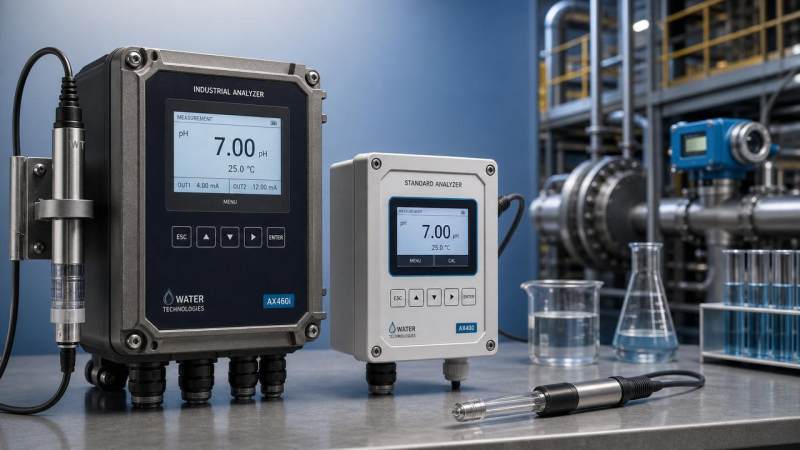
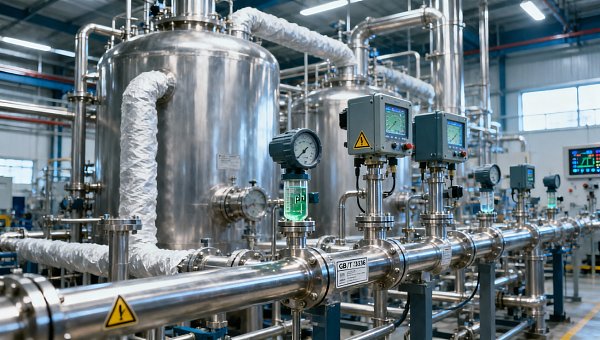
An industrial grade analyzer is built for sustained operation in demanding environments where measurement failure can interrupt production, create safety exposure, or compromise compliance records. Compared with standard models, it is usually engineered for wider temperature tolerance, stronger ingress protection, more stable electronics, and tighter integration with automation systems such as PLC, DCS, SCADA, or industrial Ethernet networks.
That design shift matters across multiple instrumentation applications: gas composition analysis in energy systems, water quality monitoring in environmental projects, process chemistry checks in manufacturing, and continuous online measurement in automation lines. In many of these scenarios, downtime measured in even 2–6 hours can trigger rejected batches, delayed reporting, or unplanned field service costs.
Core engineering differences
- Enclosure protection commonly moves from light indoor protection to IP65, IP66, or higher for dust and water resistance.
- Operating temperature range often expands from a narrow indoor band to ranges such as -10°C to 50°C or wider.
- Mechanical design typically adds vibration resistance, corrosion-resistant materials, and reinforced connectors.
- Signal outputs frequently include 4–20 mA, Modbus, relay alarms, or digital communications for plant integration.
- Calibration architecture may support multi-point verification, remote diagnostics, or reduced drift over longer intervals.
Why standard models still exist
Standard analyzers are not inherently inferior. They often perform well in stable indoor conditions, lower-duty labs, educational facilities, pilot projects, and periodic testing workflows. If the analyzer is used 2–3 times per day, in clean air, with trained operators nearby, a standard unit may deliver sufficient performance at a lower capital cost.
Problems appear when a standard model is expected to function like an industrial grade analyzer without the same hardware protections. This is where buyers can underestimate the effect of thermal drift, contamination buildup, connector fatigue, condensation, or frequent recalibration needs.
A practical comparison framework
The table below summarizes the performance areas where an industrial grade analyzer usually differs from a standard model in practical instrumentation use. These are not universal fixed specifications, but they reflect common buying distinctions across process, environmental, and laboratory-related applications.
The key takeaway is that an industrial grade analyzer changes the expected duty model, not just the enclosure. Buyers are often paying for fewer interruptions, more stable outputs, and better compatibility with industrial infrastructure rather than simply paying for a rugged housing.
Where the Real Performance Gap Shows Up
Performance differences become most visible when analyzers are exposed to continuous runtime, variable process conditions, and stricter reporting obligations. In these settings, small deviations such as drift beyond ±1% of reading, delayed response times, or repeated warm-up instability can turn into production or compliance problems.
Accuracy under field conditions
A standard analyzer may achieve acceptable accuracy on a specification sheet, but that number is often based on controlled testing conditions. An industrial grade analyzer is more likely to preserve measurement integrity when ambient temperature shifts by 10–20°C, when sample lines fluctuate, or when electrical noise from nearby motors and drives affects signal quality.
For process control, repeatability can be more valuable than a single best-case accuracy figure. If an analyzer feeds dosing control, combustion optimization, emissions monitoring, or in-line quality assurance, stable repeatability across hundreds or thousands of operating hours usually matters more than a favorable laboratory-only claim.
Response time and uptime
In an industrial environment, delayed readings can affect operator decisions. A few extra seconds may not matter in a periodic bench workflow, but in online monitoring systems a 5–15 second lag can limit the ability to correct a process upset quickly. Industrial-grade configurations often improve sample handling, signal conditioning, and alarm transmission so that actionable data reaches the control system faster.
Uptime is another major divider. Continuous analyzers are expected to support operating schedules of 8,000 hours per year or more. If standard models require monthly interventions while industrial systems stretch servicing to every 3–6 months, labor costs and process interruption can easily outweigh the original price gap.
Compliance and record confidence
Many sectors served by instrumentation—environmental monitoring, energy, utilities, pharmaceutical support labs, and industrial manufacturing—must demonstrate traceable measurement practices. An industrial grade analyzer often supports this need with better event logs, alarm history, calibration tracking, and communication compatibility for centralized records.
Even when regulations do not explicitly require an industrial-grade platform, customers, auditors, or project owners may expect documented stability, maintenance history, and reliable continuous data. That expectation becomes stronger in systems where missed readings or undocumented adjustments create operational risk.
Typical high-risk operating scenarios
- Outdoor environmental stations exposed to rain, dust, and day-night temperature swings.
- Manufacturing lines with heavy vibration, electrical interference, or airborne particulates.
- Energy and power sites that require remote monitoring and rapid alarm response.
- Water, wastewater, or chemical systems where sensor fouling changes readings over time.
- Facilities with limited maintenance staff and service windows shorter than 2 hours.
How to Decide Which Analyzer Fits the Application
The right decision depends on process exposure, data criticality, and total operating burden. Instead of starting with price alone, buyers should evaluate at least 4 dimensions: environment, measurement consequence, integration needs, and maintenance resources. This helps determine whether an industrial grade analyzer is essential or whether a standard model remains a rational choice.
Decision criteria that matter most
- Environment: Is the analyzer installed indoors, outdoors, in a cabinet, or on the production floor?
- Duty cycle: Is usage periodic, shift-based, or 24/7 continuous?
- Data impact: Will readings influence safety, compliance, or closed-loop control?
- Service model: Can technicians recalibrate weekly, or is quarterly maintenance the practical limit?
- System connectivity: Does the project need analog output, digital networking, or remote diagnostics?
A buyer-oriented selection table
The next table translates common instrumentation requirements into a more practical selection path. It is especially useful for information-stage researchers comparing online analysis, laboratory support, process automation, and environmental monitoring use cases.
This comparison shows that the selection threshold usually shifts when the analyzer becomes part of an operational system rather than a standalone measuring tool. Once plant connectivity, unattended runtime, and audit confidence become priorities, industrial-grade features often move from optional to necessary.
Questions to ask suppliers before shortlisting
To avoid specification gaps, ask for 6 concrete clarifications: actual operating temperature range, recommended calibration interval, enclosure rating, supported outputs and protocols, consumable replacement frequency, and expected service response time. These questions usually reveal more than promotional brochures because they connect performance claims to field ownership.
Cost, Maintenance, and Lifecycle Risk
Upfront price is only one part of analyzer economics. A lower-cost standard model can become more expensive if it requires frequent technician visits, short sensor life, added protective cabinets, repeated calibration gas use, or lost production time during failures. In contrast, an industrial grade analyzer often carries a higher purchase price but lowers hidden operating costs over a 5-year horizon.
Common cost drivers beyond the purchase price
- Installation extras such as shelters, panel modifications, or conditioning systems
- Calibration frequency, including labor and reference materials
- Consumables and sensor replacement cycles
- Unplanned downtime and emergency service calls
- Software integration and data logging requirements
Maintenance planning considerations
In many industrial facilities, maintenance access is limited to weekly rounds or scheduled shutdowns every 1–3 months. If an analyzer needs hands-on attention every 2 weeks, the unit may create a resource mismatch even if the measurement principle itself is acceptable. Industrial-grade systems are often selected because they align better with plant maintenance rhythms and staffing constraints.
It is also important to assess mean time to service, not just mean time between failures. A design with modular sensors, front-access components, and clear diagnostics can reduce field intervention from 3 hours to less than 1 hour. That difference matters in distributed monitoring networks and high-throughput manufacturing lines.
Frequent buying mistakes
- Comparing price tags without comparing maintenance intervals.
- Using indoor specifications for outdoor or washdown installations.
- Ignoring communication requirements until after procurement.
- Assuming test-bench accuracy equals field accuracy.
- Underestimating the cost of one missed batch, alarm event, or reporting gap.
For many buyers, the best approach is to estimate total cost across 12 months, then across 3–5 years. Include labor hours, spare parts, calibration materials, downtime exposure, and retrofit costs. In a surprising number of industrial applications, the industrial grade analyzer becomes the lower-risk and lower-cost choice when viewed over the full operating cycle rather than the procurement event alone.
Best-Fit Recommendations for Researchers and Procurement Teams
If you are still in the information-gathering stage, start by mapping the analyzer’s role in the broader instrumentation system. Is it a decision-support tool, a reporting instrument, or a control input? The more the answer shifts toward continuous operations, compliance value, or automated response, the more likely an industrial grade analyzer is the correct category.
When a standard model makes sense
A standard model can be a sensible purchase for controlled laboratories, non-critical batch checks, educational settings, low-frequency testing, and pilot validation under supervision. In these cases, lower capital expense and simpler operation may outweigh the benefits of industrial-level ruggedness.
When an industrial grade analyzer is worth the premium
An industrial grade analyzer is usually justified when the application involves unattended operation, online process monitoring, remote sites, unstable environmental conditions, or data that affects product quality, emissions records, utility performance, or automated control logic. In these situations, the premium is often buying reliability, traceability, and operational continuity rather than simply hardware complexity.
A simple 5-step evaluation path
- Define the measurement objective and acceptable error range.
- Document environment, runtime, and maintenance access conditions.
- List required outputs, protocols, and control system interfaces.
- Estimate 1-year and 5-year ownership costs.
- Compare supplier support on calibration, spare parts, and service response.
The difference between an industrial grade analyzer and a standard model is not cosmetic. It affects measurement trust, service burden, system compatibility, and business risk. Buyers who evaluate duty cycle, environment, integration, and lifecycle cost together are far more likely to choose a solution that performs reliably in real conditions rather than just on paper.
If you are comparing analyzer options for manufacturing, energy, environmental monitoring, laboratory support, or automation projects, now is the right time to review your operating conditions in detail. Contact us to discuss application requirements, get a tailored recommendation, and explore more instrumentation solutions built around long-term performance.
Recommended for You
![]() SiH4 Concentration Analyzer Import Rules to Watch in 2026SiH4 concentration analyzer import rules are tightening in 2026. Learn the key documents, compliance checks, and procurement tips to avoid delays and speed project delivery.
SiH4 Concentration Analyzer Import Rules to Watch in 2026SiH4 concentration analyzer import rules are tightening in 2026. Learn the key documents, compliance checks, and procurement tips to avoid delays and speed project delivery. HF Concentration Analyzer Demand Shifts Across Key IndustriesHF concentration analyzer demand is shifting across chemical, refining, environmental, and advanced manufacturing sectors—learn what drives safer control, compliance, and precision upgrades.
 Common HCN Concentration Analyzer Mistakes in Daily OperationHCN concentration analyzer daily mistakes can quietly damage accuracy and uptime. Learn common errors, practical checks, and smart operating tips to improve reliability.
 PH3 Concentration Analyzer Price Trends in 2026PH3 concentration analyzer price trends in 2026 reveal what really drives cost, compliance, and performance. Explore key buying factors to compare quotes smarter and reduce total ownership risk.
 How to Choose an AsH3 Concentration Analyzer for Trace Gas SafetyAsH3 concentration analyzer selection starts with the right application context. Learn how to compare response, interference, integration, and lifecycle fit for safer trace gas monitoring.
 Released") China's Business Environment Report (2026) ReleasedChina's Business Environment Report (2026) reveals 92% digital CMA/CNAS coverage—cutting export test report time to 15 days. Boost CE, UKCA & UL certification for pressure gauges, thermostats & analyzers.
China's Business Environment Report (2026) ReleasedChina's Business Environment Report (2026) reveals 92% digital CMA/CNAS coverage—cutting export test report time to 15 days. Boost CE, UKCA & UL certification for pressure gauges, thermostats & analyzers. US MMA Tank Incident Triggers Regional Safety UpgradesUS MMA tank incident sparks urgent demand for VOCs monitoring, toxic gas modeling & intrinsically safe transmitters across LATAM and SEA.
 NDRC Expands Energy-Saving and Carbon-Reduction Oversight to Dyeing, Chemical Fibers, and PapermakingNDRC expands energy-saving & carbon-reduction oversight to dyeing, chemical fibers, and papermaking—boosting demand for COD/NH₃-N analyzers, VOCs monitors, and CEMS systems.
 MIIT Sets 2026 Energy-Saving Inspection Targets for High-Energy ChemicalsMIIT Sets 2026 Energy-Saving Inspection Targets for High-Energy Chemicals—urgent demand surges for certified pH meters, gas analyzers & explosion-proof controllers.
 MOFCOM: FDI in China Down 10.3% Jan–Apr 2026, but Manufacturing Up 12.1%FDI in China fell 10.3% Jan–Apr 2026—but manufacturing FDI surged 12.1%, led by high-tech sectors. Discover what this means for precision metrology, sensors & calibration providers.
 PBOC Conducts 600-Billion-Yuan MLF Operation, Boosting RMB Stability for Testing Equipment ExportsPBOC's 600-billion-yuan MLF operation boosts RMB stability—key for NDT equipment exporters using LC/DA terms. Reduce FX risk, optimize hedging & improve cash flow planning now.
 EU Steel Strategy Upgrade: CBAM Expansion to Machinery & InstrumentsEU Steel Strategy Upgrade expands CBAM to machinery & instruments (HS 84/90) — LCA data mandatory from 1 July 2026. Act now to avoid delays & ensure compliance.
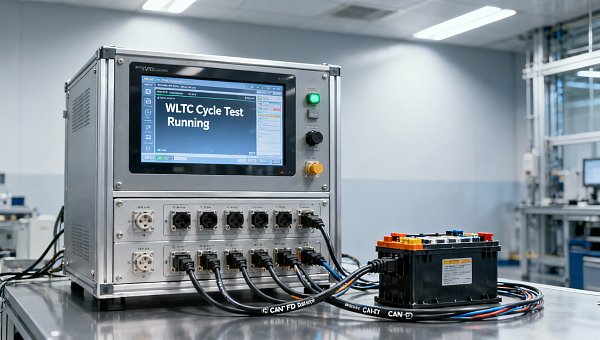
 Global EV Energy Consumption Standard to Take Effect Oct 1, 2026Global EV Energy Consumption Standard (GTR No. 22) takes effect Oct 1, 2026 — learn how it reshapes battery testing, certification & supply chains worldwide.
 WTO Report Shows Strong Global Trade, Easing Export Pressure for Industrial Monitoring DevicesIndustrial monitoring devices exporters benefit as WTO reports 4.2% global trade growth—easing export pressure, improving delivery predictability & cash flow.
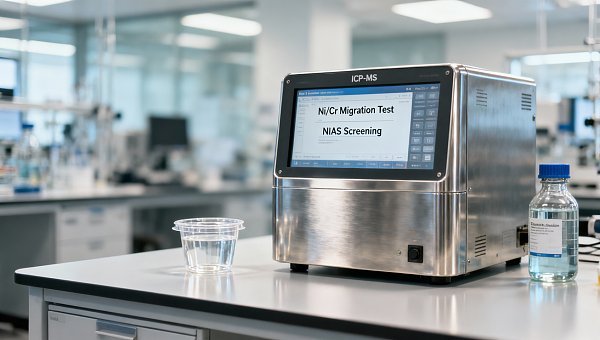
 South Korea MFDS Revises Food Contact Materials StandardsSouth Korea MFDS revises food contact materials standards: new nickel/chromium migration limits & NIAS verification—critical for lab instrument exporters and compliance providers.
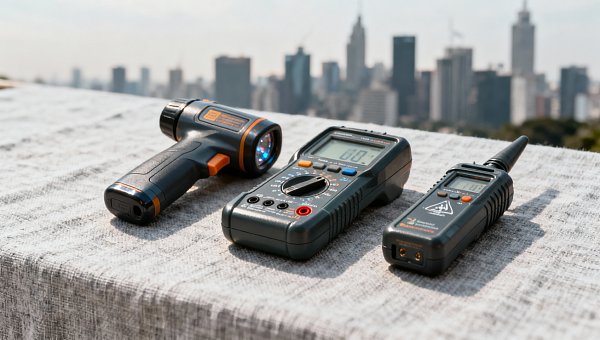
 Brazil to Eliminate Import Duties on Cross-Border E-Commerce Orders Under USD 50Brazil to eliminate import duties on cross-border e-commerce orders under USD 50—key for portable testing instruments exporters targeting Mercado Livre & DIY buyers.
 New AI Agent Guidelines Impact Smart Inspection Device ExportsAI Agent Guidelines impact smart inspection device exports—learn how new China AI safety rules affect EU, US & Middle East market access.
 UPS Freight Rates Increase Effective May 17, 2026UPS freight rates increase effective May 17, 2026—impact FOB pricing for industrial monitoring equipment exporters. Act now to optimize packaging, revise quotes, and secure margins.
 新修订《海商法》施行:卸货港无人提货责任转向托运人,检测设备出口交期风控升级New Maritime Code shifts unclaimed cargo liability to shippers at discharge ports—critical for testing equipment exporters managing delivery timelines and compliance risk.
 China Imposes Zero Tariffs on Lab Analyzers for 20 African NationsChina's zero tariffs on lab analyzers for 20 African nations boost export competitiveness—pH meters, spectrophotometers & more now duty-free from May 2026.
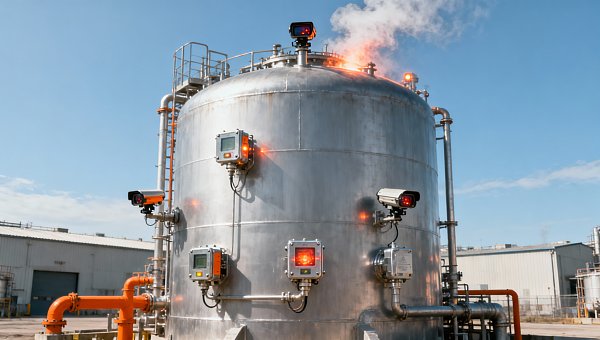
 CA Toxic Chemical Tank Overheating Sparks Explosion Risk, Monitoring Equipment Orders SurgeGas leak detectors, remote temperature warning systems & explosion-proof thermal imagers surge in demand after CA toxic tank overheating incident.
 EU REACH Adds DBDPE to SVHC List, Impacting Brominated Flame Retardant Testing for Export EquipmentDBDPE added to EU REACH SVHC list—impact on brominated flame retardant testing for industrial instruments, sensors & export compliance. Act now.
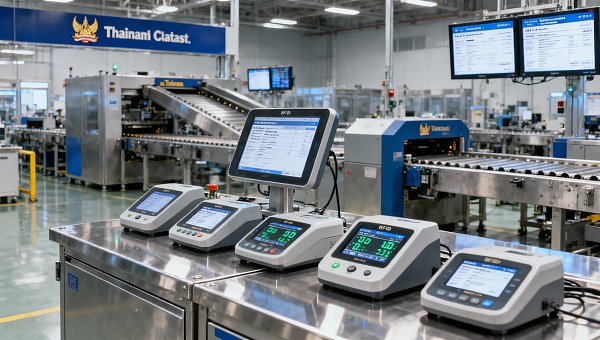
 Thailand Customs Digital Reform Spurs RFID Equipment DemandRFID equipment demand surges in Thailand as Customs digital reform mandates e-labeling, real-time parcel tracking & API compliance—act now to meet TISI specs and platform rules.
 Lazada Thailand Cuts Import Duties on 528 CategoriesLazada Thailand cuts import duties on 528 categories — including wired headphones & notebooks — lowering costs for Chinese exporters and Thai SMEs via LGS.
 US Delays 400 Tomahawk Missiles to Japan Amid Iran Inventory ReplenishmentTomahawk missiles delay to Japan sparks urgent demand for alternative guidance, navigation & secure comms suppliers—key opportunity for export-ready defense electronics firms.
 What to Check Before Importing an F2 Concentration Analyzer in 2026F2 concentration analyzer import guide for 2026: learn what to check on compliance, performance, integration, lifecycle cost, and supplier support before you buy.
 SF6 Concentration Analyzer Market Trends for Power and Gas Applications in 2026SF6 concentration analyzer market trends for 2026: explore accuracy, digital integration, emissions control, and buying tips for power and gas applications.
 Common HCl Concentration Analyzer Mistakes That Lead to Unstable ReadingsHCl concentration analyzer unstable readings? Discover the most common installation, calibration, sampling, and maintenance mistakes—and the practical fixes that improve accuracy fast.
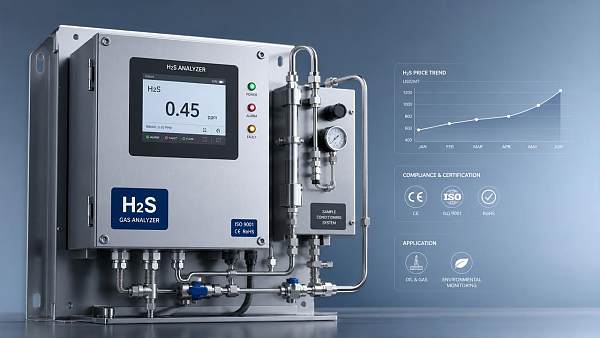
 H2S Concentration Analyzer Price Trends: What’s Driving Costs in 2026H2S concentration analyzer price trends in 2026: discover what drives costs, from sensor technology and compliance to materials and digital features, and make smarter buying decisions.
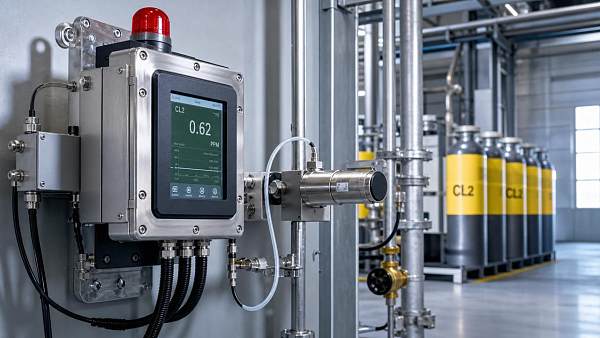
 How to Choose a Cl2 Concentration Analyzer for Process Safety in 2026Cl2 concentration analyzer selection in 2026 starts with process safety. Learn how to match scenarios, improve reliability, avoid costly mistakes, and choose with confidence.
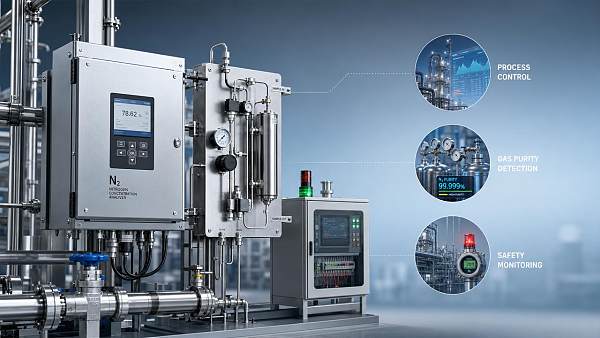
 N2 Concentration Analyzer Cost Factors for Bulk Industrial ProcurementN2 concentration analyzer cost depends on more than unit price. Compare process, purity, and safety applications with total cost logic to source smarter and reduce lifecycle risk.
 Oxygen Concentration Analyzer vs Sensor Systems: Which Fits Continuous UseOxygen concentration analyzer or sensor system? Compare stability, drift, maintenance, and uptime for continuous use to choose the most reliable fit for your process.

Search Categories
Search Categories
Latest Article
- SiH4 Concentration Analyzer Import Rules to Watch in 2026SiH4 concentration analyzer import rules are tightening in 2026. Learn the key documents, compliance checks, and procurement tips to avoid delays and speed project delivery.Posted by:
- HF Concentration Analyzer Demand Shifts Across Key IndustriesHF concentration analyzer demand is shifting across chemical, refining, environmental, and advanced manufacturing sectors—learn what drives safer control, compliance, and precision upgrades.Posted by:
- Common HCN Concentration Analyzer Mistakes in Daily OperationHCN concentration analyzer daily mistakes can quietly damage accuracy and uptime. Learn common errors, practical checks, and smart operating tips to improve reliability.Posted by:
Please give us a message
