
Intrinsically Safe Analyzer Limits Often Missed in Field Use


Many field failures happen not because an intrinsically safe analyzer is poorly designed, but because critical application limits are overlooked during selection, installation, or maintenance. Whether you are comparing a zone 2 analyzer, zone 1 analyzer, IECEx analyzer, or ATEX analyzer, understanding hidden safety and performance boundaries is essential for reliable use in hazardous areas.
In practice, the most commonly missed limits are not the obvious certification labels on the nameplate. They are the real-world boundaries that affect whether an analyzer remains safe, stable, and compliant after it leaves the factory: gas group compatibility, ambient temperature range, cable and barrier matching, sample conditioning impacts, enclosure assumptions, maintenance substitution risks, and the difference between certified configuration and actual field installation. For operators, engineers, buyers, and safety managers, the key question is simple: Will this intrinsically safe analyzer still perform safely under actual site conditions, not just in a datasheet scenario?
Why do intrinsically safe analyzer limits get missed so often in field use?
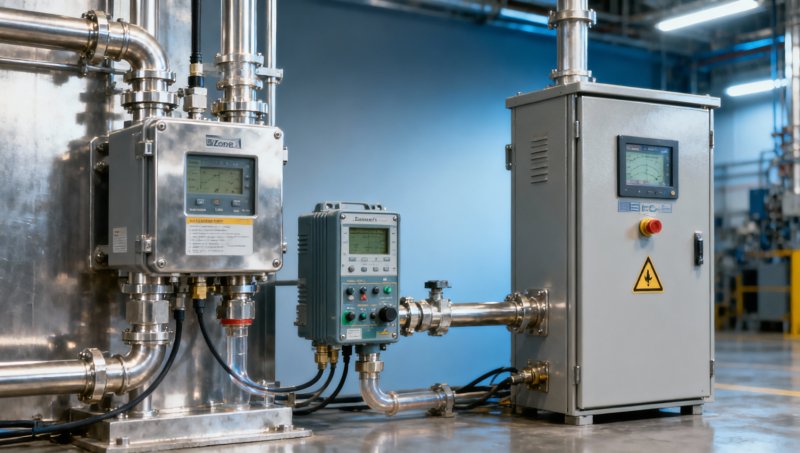
The short answer is that hazardous-area suitability is often treated as a checkbox, while field application is far more complex. A unit may be sold as an ATEX analyzer or IECEx analyzer, yet still face avoidable problems if the installation team, project manager, procurement team, or maintenance crew assumes the certification alone guarantees success in every operating condition.
Several patterns cause these limits to be overlooked:
- Certification is mistaken for universal suitability. A certified analyzer is approved only within specific installation and operating conditions.
- Selection is made by area classification alone. Choosing between a zone 1 analyzer and a zone 2 analyzer is necessary, but it is only one part of the decision.
- Sample system realities are underestimated. Pressure, temperature, contamination, moisture, vibration, and response time can all affect safe and accurate operation.
- Installation details are delegated too late. Cable parameters, barriers, grounding, glands, and interconnections may not match the approved design concept.
- Maintenance changes the original compliance basis. Replacing components, changing wiring, or using non-approved accessories can invalidate the intrinsic safety design.
This is why field failures often happen even when the analyzer itself is well designed. The failure is usually in the gap between certified product and actual application environment.
What limits matter most beyond the hazardous area label?
For most target readers, the most valuable way to assess an intrinsically safe analyzer is to look beyond “Zone 1” or “Zone 2” and focus on the limits that affect both safety and performance.
1. Electrical entity parameters and loop compatibility
Intrinsic safety depends on the complete loop, not just the analyzer. The analyzer, barrier or isolator, field wiring, and connected devices must all remain within allowed voltage, current, capacitance, and inductance limits. A mismatch here can create compliance and safety problems even if each component is individually certified.
2. Gas group and temperature class
Not every hazardous atmosphere presents the same ignition risk. A field location may require compatibility with a more demanding gas group or a stricter temperature class than the selected analyzer supports. This is especially important in chemical processing, oil and gas, and solvent-related applications.
3. Ambient temperature range
Many analyzers are evaluated under defined ambient limits, but outdoor cabinets, tropical climates, winter exposure, and solar heating can push actual temperatures outside approved conditions. An analyzer that is safe and accurate in a controlled environment may drift, alarm, or lose compliance in a harsher site installation.
4. Process and sample conditioning boundaries
An intrinsically safe analyzer may still struggle if the sample gas or liquid reaching it is too hot, too wet, too corrosive, too dirty, or too unstable. Users often focus on explosion protection and miss the fact that poor sample conditioning is one of the fastest ways to create field reliability issues.
5. Enclosure and ingress assumptions
Intrinsic safety does not automatically solve every environmental challenge. Dust, washdown, salt spray, UV exposure, vibration, and mechanical impact can shorten life or disrupt operation. For many sites, ingress protection and enclosure robustness are just as important as Ex certification.
6. Maintenance and parts replacement restrictions
Even routine service can create risk if technicians replace terminals, cable glands, displays, sensors, or power interface parts with non-approved alternatives. Many hidden failures start after a “minor” service intervention that unintentionally changes the certified configuration.
Zone 1 analyzer vs zone 2 analyzer: what is often misunderstood?
Many buyers and project teams assume that choosing a zone 1 analyzer is always the safer long-term option. In reality, the better choice depends on the site layout, maintenance philosophy, budget, operational uptime needs, and how the analyzer system is integrated.
A zone 1 analyzer is intended for areas where explosive atmospheres are likely to occur in normal operation. A zone 2 analyzer is intended for areas where explosive atmospheres are less likely and, if they occur, will persist only for a short time. This seems simple, but several practical misunderstandings are common:
- Higher classification does not remove application limits. A zone 1 analyzer can still be wrong if its ambient, sample, or electrical limits are not suitable.
- Zone selection affects project cost structure. Installation method, accessories, maintenance procedures, and documentation requirements may change significantly.
- System placement can be optimized. In some projects, placing more of the analyzer system in a safer area reduces cost and maintenance burden without compromising functionality.
- Operational access matters. A theoretically compliant installation may still be inconvenient or costly if maintenance access is difficult.
So the practical question is not “Which is better, zone 1 or zone 2?” but rather: Which analyzer concept matches the classified area, the process risk, and the total lifecycle cost of operation?
ATEX analyzer and IECEx analyzer selection: what should decision-makers verify?
For procurement teams, technical evaluators, and business decision-makers, it is not enough to ask whether a product is an ATEX analyzer or IECEx analyzer. They need to verify whether the certification basis, documentation quality, and installation conditions align with the intended project.
Key points to verify include:
- Exact certification marking rather than generic marketing claims
- Applicable zones, gas groups, and temperature classes
- Special conditions for safe use listed in the certificate or instructions
- Approved accessories and cable entry requirements
- Power, signal, and barrier requirements for the full loop
- Installation drawings and control documents
- Maintenance restrictions and spare parts policy
- Environmental and process operating limits
From a commercial standpoint, good documentation reduces hidden project cost. It lowers rework, speeds technical approval, simplifies site acceptance, and helps avoid disputes between supplier, contractor, and end user. For many organizations, this is where the real value of a well-supported analyzer supplier becomes visible.
How can teams evaluate field-use risk before purchase or installation?
The most effective approach is to use a field-use screening checklist before final selection. This helps technical and non-technical stakeholders reach a better decision together.
Practical pre-deployment checklist
- What is the exact hazardous area classification at the installation point?
- Does the analyzer certification match the required zone, gas group, and temperature class?
- Are ambient temperature extremes within the approved range?
- What are the sample pressure, temperature, composition, moisture, and contamination conditions?
- Does the sample conditioning system protect analyzer performance and certification assumptions?
- Are barriers, isolators, cables, and field devices entity-parameter compatible?
- Are all glands, fittings, terminals, and accessories approved for the intended use?
- Will maintenance staff have the correct service instructions and approved spare parts?
- Can calibration and servicing be performed without creating safety or downtime issues?
- What are the consequences of drift, blockage, or misapplication in this process?
This checklist matters across roles. Operators want reliability, safety teams want compliance, engineers want fit-for-purpose performance, procurement wants fewer change orders, and finance wants to avoid lifecycle cost surprises.
What field practices most improve long-term reliability and compliance?
Once an intrinsically safe analyzer is installed, long-term success depends on disciplined field practice. The following actions usually deliver the biggest benefit:
- Maintain the certified configuration. Do not substitute components without approval.
- Control sample quality. Keep filters, regulators, and sample conditioning elements within service intervals.
- Document loop changes. Any wiring or interface modification should be reviewed for intrinsic safety impact.
- Train maintenance teams. Many non-compliance issues begin with well-intentioned but uninformed service actions.
- Review environmental exposure periodically. Heat, corrosion, vibration, and moisture conditions often worsen over time.
- Audit actual installation against control drawings. Site reality should match approved documentation.
These practices reduce both safety risk and operational cost. They also help distributors, integrators, and project contractors protect their reputation by lowering post-commissioning problems.
Conclusion: the real limit is rarely the label alone
When an intrinsically safe analyzer fails in the field, the root cause is often not poor product design but an overlooked application limit. The most commonly missed issues involve electrical loop compatibility, gas group and temperature class, ambient conditions, sample quality, enclosure environment, and maintenance changes that break the approved configuration.
For anyone assessing a zone 1 analyzer, zone 2 analyzer, ATEX analyzer, or IECEx analyzer, the right decision is not based on certification wording alone. It comes from checking whether the analyzer will remain safe, accurate, maintainable, and cost-effective under actual site conditions. That is the standard that truly protects people, operations, and project value.
If your team wants to reduce hazardous-area risk and avoid expensive field corrections, the best next step is simple: evaluate the analyzer as a complete application system, not just as a certified device.
Recommended for You
 Stack Gas Analyzers: When Maintenance Delays Start Raising RiskStack gas analyzers can look normal while hidden drift raises compliance, efficiency, and reliability risks. Learn the warning signs and smart maintenance checks before delays become costly.
 Industrial Measurement Systems in Export Projects: Key Compliance ChecksIndustrial measurement systems for export projects: learn the key compliance checks for certifications, calibration, safety, and documents to avoid delays and ensure smooth delivery.
 Pharmaceutical Instrumentation Upgrades: What to Evaluate FirstPharmaceutical instrumentation upgrades start with compliance, data integrity, uptime, and ROI. Learn what to evaluate first to reduce risk and make smarter buying decisions.
 Food Processing Analyzers for Compliance and Batch ConsistencyFood processing analyzers help manufacturers improve compliance, reduce batch variation, and verify quality from raw materials to final release with faster, traceable decisions.
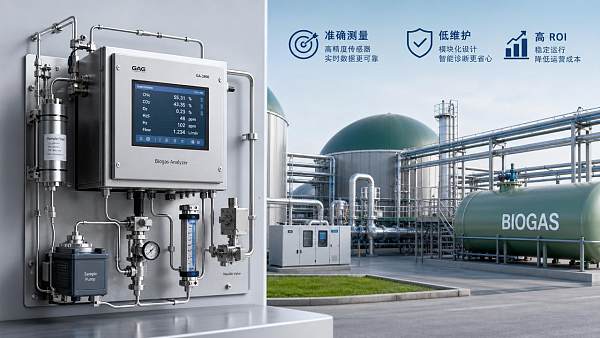
 Biogas Analyzers Market Trends: Accuracy, Maintenance, and ROIBiogas analyzers market trends: explore how accuracy, lower maintenance, and stronger ROI help energy and industrial buyers improve gas quality, uptime, and compliance.
 Safety Monitoring Systems: Common Setup Mistakes to AvoidSafety monitoring systems fail fast when setup is wrong. Discover common installation, calibration, and alarm mistakes to avoid for safer operations and more reliable monitoring.
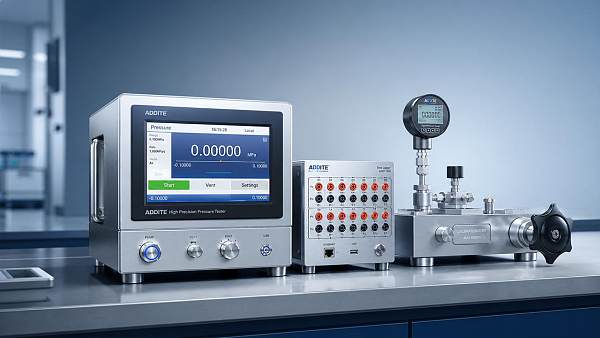
 Industrial Testing Equipment Costs in 2026: What Drives Pricing?Industrial testing equipment costs in 2026 depend on accuracy, compliance, automation, and lifecycle service. Learn what drives pricing and how to reduce total ownership cost.
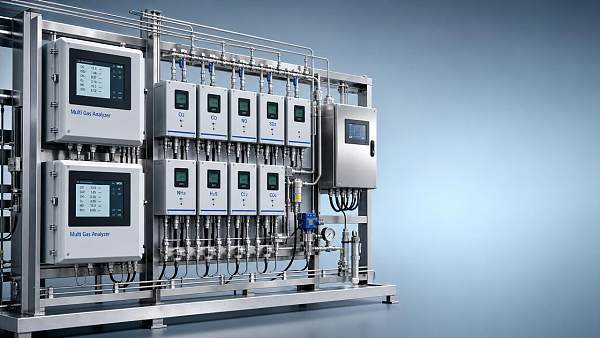
 Multi-Component Analyzers vs Single-Gas Units: Which Fits Better?Multi-component analyzers vs single-gas units: compare lifecycle cost, compliance, maintenance, and scalability to choose the best fit for safer, smarter industrial projects.
 Petrochemical Analyzers: Key Specs That Affect Safety and UptimePetrochemical analyzers directly affect safety and uptime. Learn which specs—accuracy, response time, compatibility, and maintenance—matter most for reliable plant performance.
 How to Choose Process Monitoring Instruments for Stable Plant PerformanceProcess monitoring instruments are key to stable plant performance. Learn how to choose the right devices for accuracy, compatibility, lower risk, and better efficiency.
 Brazil INMETRO to Require Portuguese UI and Local Units for Industrial Instruments by 2026Brazil INMETRO mandates Portuguese UI & local units (mbar, kPa, °C) for industrial instruments by Dec 2026—key for exporters, integrators & service providers.
 STMicroelectronics 200mm Line Eases Industrial Sensor Chip ShortageSTMicroelectronics 200mm line eases industrial sensor chip shortage — MCUs & signal-conditioning ICs now ship in 12 weeks. Secure allocation today.
 Southeast Asia Manufacturing Re-shoring Accelerates: Vietnam/Indonesia Industrial Instrument Imports Up 37% YoYSoutheast Asia manufacturing re-shoring accelerates: Vietnam & Indonesia industrial instrument imports up 37% YoY — key insights for suppliers, OEMs & procurement teams.
 First Global White Paper on Humanoid Robot Sensor Calibration ReleasedHumanoid robot sensor calibration: First global white paper released—key for ISO/IEC JWG 23 compliance, export readiness & dynamic torque accuracy. Act now.
 SAMR to Upgrade EV Battery Recycling Standard to MandatorySAMR to upgrade EV battery recycling standard GB/T 34015—202X to mandatory by Dec 2026 — critical for exporters, BMS makers & cert labs.
 Saudi SASO Accelerates AI Energy Efficiency Rules for TransmittersSASO AI energy efficiency rules for transmitters take effect 1 June 2026 — mandatory AI simulation, Saudi climate data, and authorized lab validation required. Act now to avoid export delays.
 IEC 63278:2026 Released for Industrial Instrument CybersecurityIEC 63278:2026 is live — the first global standard mandating cybersecurity verification for industrial instruments. Discover compliance impacts, deadlines, and actionable steps for OT/IT convergence.
 Red Sea Crisis Escalates: Gulf of Aden Navigation Ban Extended to June 15, 2026Red Sea Crisis escalates: Gulf of Aden navigation ban extended to June 15, 2026—disrupting industrial instrumentation shipments to the Middle East with 458% air freight spikes and 12–18 day delays.
 US DOE Updates Efficiency Rules for Industrial SensorsUS DOE updates industrial sensor efficiency rules: AI-driven dynamic calibration required by Sept 2026. Ensure AI-Cal Verified compliance now.
 EU Mandates PEF Carbon Footprint Module for Industrial Instruments from June 2026EU mandates PEF carbon footprint module for industrial instruments from June 2026—key for exporters, OEMs & certifiers. Act now to ensure compliance.
 Explosion-Proof Instruments: Compliance Risks Before You OrderExplosion-proof instruments can trigger delays, failed inspections, and safety risks if compliance is overlooked. Learn what to verify before ordering and make safer, smarter purchasing decisions.
 Gas Quality Monitoring Equipment Import Rules to Watch in 2026Gas quality monitoring equipment import rules for 2026 are tightening. Learn the key compliance, certification, and customs risks distributors must manage to avoid delays and protect margins.
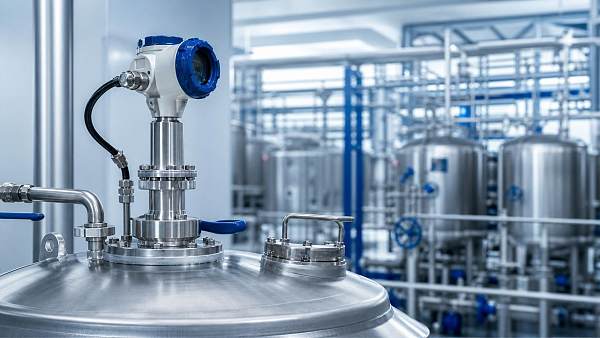
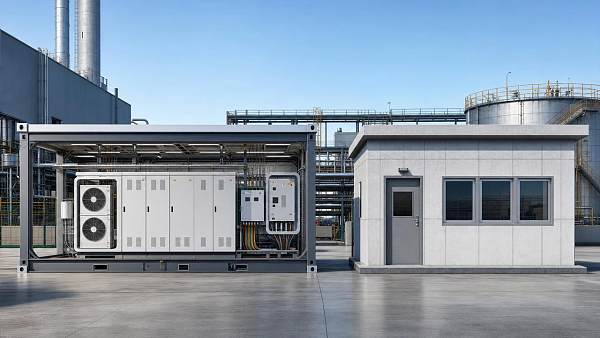
 Emission Control Shelter Demand Shifts Across Industrial ProjectsEmission control shelter demand is rising across industrial projects as buyers seek faster deployment, reliable monitoring, and compliance-ready designs. Explore key evaluation factors.
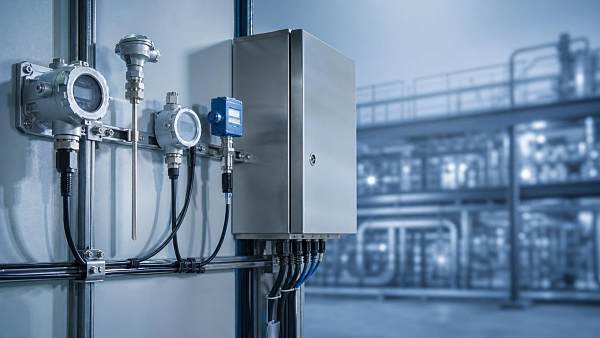
 Temperature Measurement Instruments: Selection Mistakes That Raise DowntimeTemperature measurement instruments selection mistakes can drive downtime, unstable control, and higher costs. Discover 5 common errors and practical fixes to improve reliability.
 Thermal Conductivity Analyzers: When Are They the Right Choice?Thermal conductivity analyzers are ideal for binary and high-contrast gas mixtures. Learn when they deliver reliable, low-maintenance online monitoring and smarter project value.
 Level Measurement Instruments for Tanks: What Affects ReliabilityLevel measurement instruments reliability depends on media, installation, and diagnostics. Discover what causes tank reading failures and how to improve safety, uptime, and control.
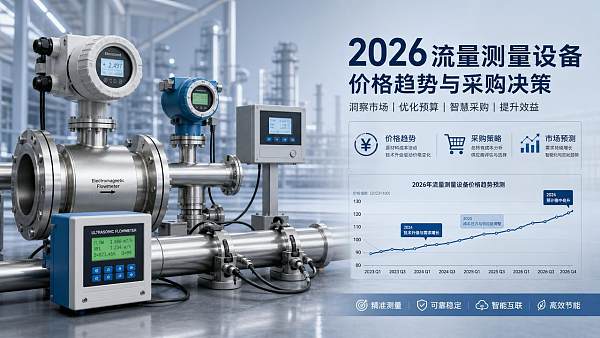
 Flow Measurement Equipment Price Trends in 2026Flow measurement equipment price trends in 2026: learn key cost drivers, budgeting risks, and smart buying strategies to improve ROI and make better procurement decisions.
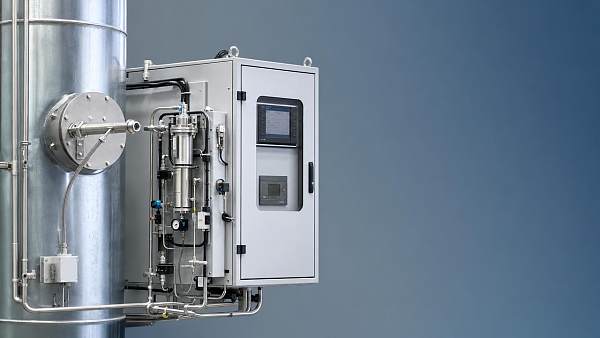
 Flue Gas Monitoring Equipment: Common Accuracy Issues and FixesFlue gas monitoring equipment accuracy issues can lead to drift, false readings, and compliance risks. Discover common causes, practical fixes, and smarter maintenance tips.
 Process Control Shelter vs Control Room: Key Cost and Deployment DifferencesProcess control shelter vs control room: compare cost, deployment speed, integration, and lifecycle value to choose the smarter solution for industrial automation projects.
 How to Select an Industrial Control Shelter for Harsh Site ConditionsIndustrial control shelter selection for harsh sites: learn how to compare materials, HVAC, safety, and lifecycle cost to protect equipment, reduce downtime, and improve reliability.
 SAMR to Finalize 1,800+ Standards by 2026, Including EV Battery RecyclingSAMR to finalize 1,800+ standards by 2026—including EV battery recycling, hazardous chemical packaging & EMC immunity. Stay ahead of mandatory GB shifts and global export compliance.
 China's Largest Single-Line Large-Tow Carbon Fiber Line Starts OperationChina's largest single-line large-tow carbon fiber line is live—30,000 tons/year capacity, ASME-certified, 22% cheaper & 6-week lead time. Boost your industrial instrumentation supply chain now.



Search Categories
Search Categories
Latest Article
- Stack Gas Analyzers: When Maintenance Delays Start Raising RiskStack gas analyzers can look normal while hidden drift raises compliance, efficiency, and reliability risks. Learn the warning signs and smart maintenance checks before delays become costly.Posted by:
- Industrial Measurement Systems in Export Projects: Key Compliance ChecksIndustrial measurement systems for export projects: learn the key compliance checks for certifications, calibration, safety, and documents to avoid delays and ensure smooth delivery.Posted by:
- Pharmaceutical Instrumentation Upgrades: What to Evaluate FirstPharmaceutical instrumentation upgrades start with compliance, data integrity, uptime, and ROI. Learn what to evaluate first to reduce risk and make smarter buying decisions.Posted by:
Please give us a message
