
ATEX Analyzer vs Local Certification: Where Costs Rise Fast


Choosing between an ATEX analyzer and local certification is rarely just a compliance decision. For most hazardous-area projects, the fastest cost increases happen when buyers underestimate market-entry requirements, engineering modifications, document review cycles, and the long-term impact on maintenance and spare parts. In practical terms, an ATEX-certified analyzer or IECEx analyzer often carries a higher upfront price, but local certification can become more expensive if it triggers repeated approvals, redesign, delayed commissioning, or country-by-country compliance work. For operators, procurement teams, project managers, and financial approvers, the real question is not only “Which option is cheaper today?” but “Which path creates fewer hidden costs across the full project lifecycle?”
Where do costs rise fastest when comparing ATEX analyzer and local certification?
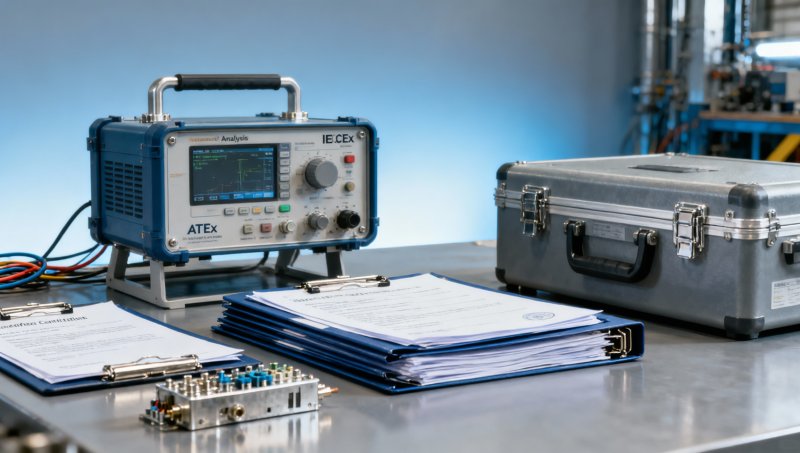
The biggest cost jumps usually do not come from the product list price alone. They appear when certification strategy affects the entire project timeline, installation plan, and operational risk profile. A hazardous-area analyzer may seem competitively priced under local certification, but total ownership cost can rise quickly in five common areas.
- Engineering adaptation: If a zone 1 analyzer or zone 2 analyzer must be modified to satisfy local approval rules, enclosure design, cable entry, labeling, documentation, or protection method details may need rework.
- Approval delays: Local certification sometimes requires extra in-country testing, document translation, authority review, or third-party inspection. Delays here can be far more expensive than the certificate itself.
- Procurement complexity: Different certified versions for different markets increase SKU management, spare parts planning, and supplier coordination.
- Maintenance burden: If locally approved equipment uses region-specific components or non-standard documentation, field service becomes slower and more costly.
- Compliance risk: If the certification path is not fully accepted by the end user, EPC, insurer, or regulator, replacement or reapproval can create major unplanned expense.
For many buyers, this is why explosion proof equipment decisions should be evaluated beyond purchase price. The cost curve often accelerates after order placement, not before.
What is the real difference between ATEX, IECEx, and local certification from a buyer’s perspective?
From a technical standpoint, ATEX certification is tied to European regulatory requirements, while IECEx is an international certification system widely recognized in many global industrial markets. Local certification refers to country-specific approval schemes that may still be mandatory even when an analyzer already has ATEX or IECEx credentials.
From a buyer’s perspective, the difference is mainly about acceptance, repeatability, and scalability:
- ATEX analyzer: Often preferred when projects involve EU compliance, multinational engineering standards, or customers who trust established hazardous-area certification frameworks.
- IECEx analyzer: Valuable when buyers want internationally recognized technical consistency across multiple regions, especially for global project portfolios.
- Local certification: Necessary in some markets, but can add complexity if every country requires separate submission, local agent involvement, or market-specific equipment variants.
For distributors, project owners, and procurement teams, the key question is whether a certification route supports one project or a repeatable market strategy. If the equipment will be deployed in multiple countries or across several sites, repeated local approvals can rapidly erode any initial cost savings.
When does local certification become more expensive than an ATEX or IECEx analyzer?
Local certification tends to become more expensive under conditions that are common in industrial instrumentation projects:
- Multi-country deployment
If one analyzer platform will be sold or installed in several regions, each local approval path can generate separate test fees, documentation sets, factory inspections, and administrative lead times. - Short project schedules
When a project has strict commissioning milestones, delay costs can outweigh certification cost differences. A pre-certified ATEX analyzer or IECEx analyzer may reduce uncertainty. - High documentation standards
Industries such as energy, chemicals, pharmaceuticals, and advanced manufacturing often require robust traceability. Rebuilding compliance files for local submissions increases engineering and quality-management cost. - Frequent spare-part replacement or service demand
If local certification creates non-standard component configurations, inventory and maintenance costs increase over time. - Strict owner or EPC specifications
Some end users or engineering firms prefer globally recognized hazardous-area approvals. If local certification is challenged late in the process, replacement cost can be severe.
This is especially relevant when selecting a zone 1 analyzer, where safety requirements, enclosure integrity, and operational reliability are more demanding than in some zone 2 analyzer applications.
How should buyers compare total cost of ownership instead of only upfront price?
A sound comparison should include both visible and hidden cost categories. Procurement teams and decision-makers can use the following framework when evaluating explosion proof equipment:
- Initial equipment price: Compare the certified analyzer itself, accessories, mounting hardware, purge systems if applicable, and documentation package.
- Certification and approval cost: Include local testing fees, agency review, factory audit, renewal cost, and document translation.
- Project delay exposure: Estimate the financial impact of delayed startup, contractor standby charges, and missed production milestones.
- Engineering hours: Count time spent by internal technical teams, EPC partners, quality staff, and compliance reviewers.
- Installation and commissioning: Check whether one certification path requires extra site verification, local witness testing, or special installation constraints.
- Service and spare parts: Evaluate long-term replacement availability, regional stock planning, and technician familiarity.
- Regulatory or operational risk: Consider the chance of approval rejection, insurance issues, site audit findings, or forced equipment replacement.
For financial approvers, this total-cost view is often where the decision becomes clear. A higher-priced ATEX analyzer may still be the lower-cost business choice if it shortens deployment time, standardizes inventory, and lowers compliance risk.
Which option is better for different project scenarios?
The right answer depends on project scale, market coverage, and risk tolerance.
An ATEX analyzer or IECEx analyzer is usually the better fit when:
- The project serves international customers or multiple countries
- The owner values globally recognized compliance frameworks
- Project delay would be costly
- The equipment platform needs long-term repeatability
- The buyer wants easier technical evaluation and audit acceptance
Local certification may be suitable when:
- The equipment will only be used in one specific country
- Local regulation clearly requires domestic approval
- The product volume is limited and does not justify wider certification investment
- The supplier has a mature local compliance process and in-market support capability
For distributors and agents, the strategic issue is even broader: a fragmented certification model may support a single order, but a standardized certified analyzer platform is often more scalable for channel growth and after-sales support.
What should technical evaluators and procurement teams ask suppliers before making a decision?
To avoid hidden cost escalation, buyers should ask precise questions early in the selection process:
- Is the analyzer already certified for the target hazardous area classification, such as zone 1 or zone 2?
- Does the current certification cover the exact model, configuration, and accessories being quoted?
- Will local certification require design changes or additional testing?
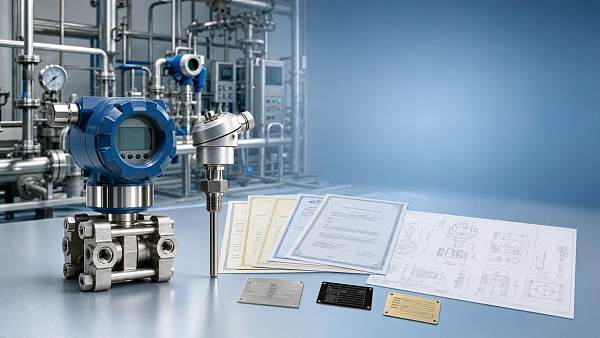
- What documents are available now: certificate, drawings, marking details, installation manual, quality records?
- Has this exact analyzer been accepted before in the target country or industry?
- What lead-time difference should be expected between ATEX, IECEx, and local certification routes?
- How are spare parts managed if different certified variants exist?
- Who bears the cost if local authority interpretation changes during the project?
These questions help technical reviewers, safety managers, and project leaders identify whether the lower initial quote is actually carrying higher downstream risk.
Final decision: where should buyers focus first?
If the goal is to control cost, the first focus should be approval certainty and lifecycle simplicity, not just certificate type or product price. Costs rise fastest when certification creates redesign, delays, fragmented inventory, or uncertainty during audit and commissioning. In many cases, an ATEX analyzer or IECEx analyzer supports a more predictable path for hazardous-area projects, especially when operations span multiple regions or require strong documentation discipline.
Local certification still has a valid role, particularly in country-specific applications, but it should be chosen with full visibility into engineering effort, review time, service impact, and future scalability. For buyers of explosion proof equipment, the best decision is usually the one that minimizes compliance friction across the entire project lifecycle—not simply the one with the lowest upfront number.
Recommended for You
 Stack Gas Analyzers: When Maintenance Delays Start Raising RiskStack gas analyzers can look normal while hidden drift raises compliance, efficiency, and reliability risks. Learn the warning signs and smart maintenance checks before delays become costly.
 Industrial Measurement Systems in Export Projects: Key Compliance ChecksIndustrial measurement systems for export projects: learn the key compliance checks for certifications, calibration, safety, and documents to avoid delays and ensure smooth delivery.
 Pharmaceutical Instrumentation Upgrades: What to Evaluate FirstPharmaceutical instrumentation upgrades start with compliance, data integrity, uptime, and ROI. Learn what to evaluate first to reduce risk and make smarter buying decisions.
 Food Processing Analyzers for Compliance and Batch ConsistencyFood processing analyzers help manufacturers improve compliance, reduce batch variation, and verify quality from raw materials to final release with faster, traceable decisions.
 Biogas Analyzers Market Trends: Accuracy, Maintenance, and ROIBiogas analyzers market trends: explore how accuracy, lower maintenance, and stronger ROI help energy and industrial buyers improve gas quality, uptime, and compliance.
 Safety Monitoring Systems: Common Setup Mistakes to AvoidSafety monitoring systems fail fast when setup is wrong. Discover common installation, calibration, and alarm mistakes to avoid for safer operations and more reliable monitoring.
 Industrial Testing Equipment Costs in 2026: What Drives Pricing?Industrial testing equipment costs in 2026 depend on accuracy, compliance, automation, and lifecycle service. Learn what drives pricing and how to reduce total ownership cost.
 Multi-Component Analyzers vs Single-Gas Units: Which Fits Better?Multi-component analyzers vs single-gas units: compare lifecycle cost, compliance, maintenance, and scalability to choose the best fit for safer, smarter industrial projects.
 Petrochemical Analyzers: Key Specs That Affect Safety and UptimePetrochemical analyzers directly affect safety and uptime. Learn which specs—accuracy, response time, compatibility, and maintenance—matter most for reliable plant performance.
 How to Choose Process Monitoring Instruments for Stable Plant PerformanceProcess monitoring instruments are key to stable plant performance. Learn how to choose the right devices for accuracy, compatibility, lower risk, and better efficiency.
 Brazil INMETRO to Require Portuguese UI and Local Units for Industrial Instruments by 2026Brazil INMETRO mandates Portuguese UI & local units (mbar, kPa, °C) for industrial instruments by Dec 2026—key for exporters, integrators & service providers.
 STMicroelectronics 200mm Line Eases Industrial Sensor Chip ShortageSTMicroelectronics 200mm line eases industrial sensor chip shortage — MCUs & signal-conditioning ICs now ship in 12 weeks. Secure allocation today.
 Southeast Asia Manufacturing Re-shoring Accelerates: Vietnam/Indonesia Industrial Instrument Imports Up 37% YoYSoutheast Asia manufacturing re-shoring accelerates: Vietnam & Indonesia industrial instrument imports up 37% YoY — key insights for suppliers, OEMs & procurement teams.
 First Global White Paper on Humanoid Robot Sensor Calibration ReleasedHumanoid robot sensor calibration: First global white paper released—key for ISO/IEC JWG 23 compliance, export readiness & dynamic torque accuracy. Act now.
 SAMR to Upgrade EV Battery Recycling Standard to MandatorySAMR to upgrade EV battery recycling standard GB/T 34015—202X to mandatory by Dec 2026 — critical for exporters, BMS makers & cert labs.
 Saudi SASO Accelerates AI Energy Efficiency Rules for TransmittersSASO AI energy efficiency rules for transmitters take effect 1 June 2026 — mandatory AI simulation, Saudi climate data, and authorized lab validation required. Act now to avoid export delays.
 IEC 63278:2026 Released for Industrial Instrument CybersecurityIEC 63278:2026 is live — the first global standard mandating cybersecurity verification for industrial instruments. Discover compliance impacts, deadlines, and actionable steps for OT/IT convergence.
 Red Sea Crisis Escalates: Gulf of Aden Navigation Ban Extended to June 15, 2026Red Sea Crisis escalates: Gulf of Aden navigation ban extended to June 15, 2026—disrupting industrial instrumentation shipments to the Middle East with 458% air freight spikes and 12–18 day delays.
 US DOE Updates Efficiency Rules for Industrial SensorsUS DOE updates industrial sensor efficiency rules: AI-driven dynamic calibration required by Sept 2026. Ensure AI-Cal Verified compliance now.
 EU Mandates PEF Carbon Footprint Module for Industrial Instruments from June 2026EU mandates PEF carbon footprint module for industrial instruments from June 2026—key for exporters, OEMs & certifiers. Act now to ensure compliance.
 Explosion-Proof Instruments: Compliance Risks Before You OrderExplosion-proof instruments can trigger delays, failed inspections, and safety risks if compliance is overlooked. Learn what to verify before ordering and make safer, smarter purchasing decisions.
 Gas Quality Monitoring Equipment Import Rules to Watch in 2026Gas quality monitoring equipment import rules for 2026 are tightening. Learn the key compliance, certification, and customs risks distributors must manage to avoid delays and protect margins.
 Emission Control Shelter Demand Shifts Across Industrial ProjectsEmission control shelter demand is rising across industrial projects as buyers seek faster deployment, reliable monitoring, and compliance-ready designs. Explore key evaluation factors.
 Temperature Measurement Instruments: Selection Mistakes That Raise DowntimeTemperature measurement instruments selection mistakes can drive downtime, unstable control, and higher costs. Discover 5 common errors and practical fixes to improve reliability.
 Thermal Conductivity Analyzers: When Are They the Right Choice?Thermal conductivity analyzers are ideal for binary and high-contrast gas mixtures. Learn when they deliver reliable, low-maintenance online monitoring and smarter project value.
 Level Measurement Instruments for Tanks: What Affects ReliabilityLevel measurement instruments reliability depends on media, installation, and diagnostics. Discover what causes tank reading failures and how to improve safety, uptime, and control.
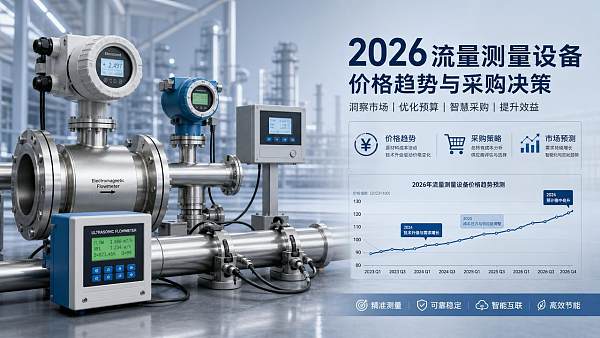
 Flow Measurement Equipment Price Trends in 2026Flow measurement equipment price trends in 2026: learn key cost drivers, budgeting risks, and smart buying strategies to improve ROI and make better procurement decisions.
 Flue Gas Monitoring Equipment: Common Accuracy Issues and FixesFlue gas monitoring equipment accuracy issues can lead to drift, false readings, and compliance risks. Discover common causes, practical fixes, and smarter maintenance tips.
 Process Control Shelter vs Control Room: Key Cost and Deployment DifferencesProcess control shelter vs control room: compare cost, deployment speed, integration, and lifecycle value to choose the smarter solution for industrial automation projects.
 How to Select an Industrial Control Shelter for Harsh Site ConditionsIndustrial control shelter selection for harsh sites: learn how to compare materials, HVAC, safety, and lifecycle cost to protect equipment, reduce downtime, and improve reliability.
 SAMR to Finalize 1,800+ Standards by 2026, Including EV Battery RecyclingSAMR to finalize 1,800+ standards by 2026—including EV battery recycling, hazardous chemical packaging & EMC immunity. Stay ahead of mandatory GB shifts and global export compliance.
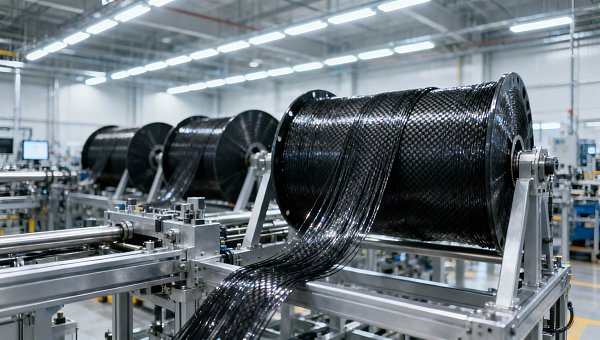
 China's Largest Single-Line Large-Tow Carbon Fiber Line Starts OperationChina's largest single-line large-tow carbon fiber line is live—30,000 tons/year capacity, ASME-certified, 22% cheaper & 6-week lead time. Boost your industrial instrumentation supply chain now.













Search Categories
Search Categories
Latest Article
- Stack Gas Analyzers: When Maintenance Delays Start Raising RiskStack gas analyzers can look normal while hidden drift raises compliance, efficiency, and reliability risks. Learn the warning signs and smart maintenance checks before delays become costly.Posted by:
- Industrial Measurement Systems in Export Projects: Key Compliance ChecksIndustrial measurement systems for export projects: learn the key compliance checks for certifications, calibration, safety, and documents to avoid delays and ensure smooth delivery.Posted by:
- Pharmaceutical Instrumentation Upgrades: What to Evaluate FirstPharmaceutical instrumentation upgrades start with compliance, data integrity, uptime, and ROI. Learn what to evaluate first to reduce risk and make smarter buying decisions.Posted by:
Please give us a message
