
Is Stack Equipment Worth Upgrading


Upgrading stack equipment can be a smart move when accuracy, compliance, and efficiency directly affect operations. For companies relying on emission sensor, gas sensor, and process sensor systems, modern emission equipment and flue equipment often deliver better monitoring performance, lower maintenance risk, and stronger data reliability. This article explores whether upgrading industrial equipment and process equipment is truly worth the investment for different users and decision-makers.
When is stack equipment upgrade really justified?
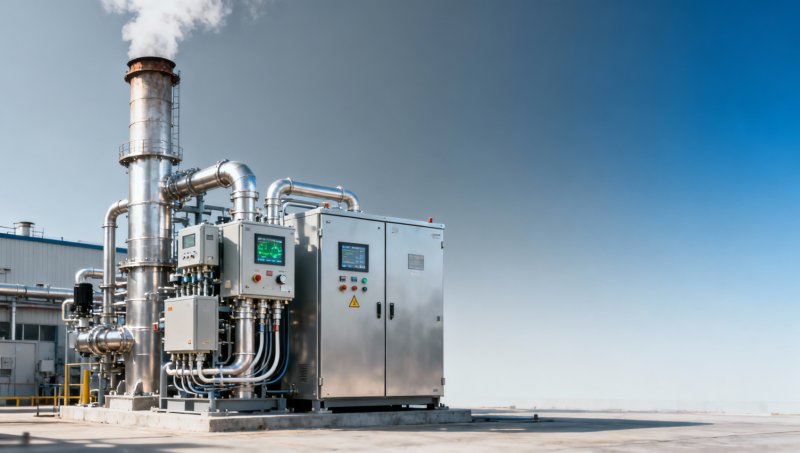
For many plants, the real question is not whether new stack equipment looks better on paper, but whether the current system still supports stable compliance, reliable process control, and cost-effective operation. In instrumentation-heavy environments such as power generation, industrial manufacturing, environmental monitoring, and process automation, outdated stack monitoring systems often become a hidden operational risk long before they fail completely.
A practical upgrade is usually justified when at least 3 core signals appear at the same time: drifting measurement values, rising maintenance frequency, and growing compliance pressure. If operators are recalibrating too often, quality or safety teams are questioning the data, and managers cannot trust trend records for quarterly or annual reporting, the existing emission equipment may already be costing more than it seems.
In many facilities, stack equipment is expected to run continuously for 24/7 duty cycles under heat, moisture, dust, corrosive gases, and vibration. Under these conditions, sensor aging, sample line contamination, and analyzer drift are common. A system that was acceptable 8–12 years ago may no longer match today’s expectations for digital connectivity, alarm management, remote diagnostics, or tighter process visibility.
This matters to different stakeholders in different ways. Operators want fewer false alarms and easier maintenance. Technical evaluators want stable measurement ranges and documented performance. Procurement teams want lower lifecycle cost, not just a lower purchase price. Decision-makers want reduced shutdown risk, smoother audits, and stronger confidence in emissions and process data.
Common triggers that move upgrade from optional to necessary
The strongest upgrade case usually comes from a combination of operational pain and business risk. A single issue may be manageable, but repeated issues across maintenance, compliance, and reporting often indicate that partial repair is no longer enough.
- Calibration intervals are becoming shorter, such as weekly checks replacing monthly routines, which suggests worsening stability.
- Spare parts are hard to source, or lead times stretch to 4–8 weeks, increasing exposure to downtime.
- Existing gas sensor or emission sensor outputs do not integrate smoothly with PLC, DCS, SCADA, or plant data historians.
- Flue equipment readings show unexplained deviations between manual sampling and online monitoring, creating audit and reporting problems.
If 2–3 of these conditions are already present, delaying the decision may increase both direct costs and compliance risk. In most B2B settings, a controlled upgrade planned over 2–4 weeks is easier to manage than an unplanned failure during a peak production period.
What changes after upgrading modern emission equipment and flue equipment?
A meaningful upgrade should improve more than one technical parameter. Modern stack equipment typically strengthens 4 practical areas at once: measurement accuracy, data continuity, maintainability, and system integration. That combination is what makes industrial equipment upgrades valuable in real operating environments rather than only in laboratory conditions.
For users and operators, one of the biggest improvements is easier daily handling. Better analyzer design, cleaner sampling paths, and clearer HMI logic can reduce manual intervention. In many systems, modular assemblies shorten maintenance windows from several hours to less disruptive service blocks, especially when filters, pumps, and sensor modules are easier to access.
For technical evaluation teams, the upgrade value often appears in signal quality and diagnostics. Advanced process sensor and gas sensor configurations may provide better baseline stability, more complete alarm records, and trend visibility over weeks or months. This helps teams distinguish between true emissions events and instrument-related anomalies.
For managers and procurement professionals, the benefit is lifecycle clarity. Newer emission equipment often supports digital communication, remote status checks, and structured maintenance planning. That makes it easier to forecast service intervals every quarter, manage spare parts, and avoid overreacting to one-off faults.
Typical comparison: keeping legacy systems vs upgrading
The table below helps compare stack equipment decisions from an operational and procurement perspective. It focuses on issues that matter across industrial manufacturing, energy, environmental monitoring, and automation control projects.
The comparison does not mean every old system must be replaced immediately. It shows where modern stack equipment usually creates value. If the existing process equipment still performs within required tolerances and service support remains stable, selective retrofitting may work. If multiple weak points are already affecting production or reporting, a full upgrade is often the safer long-term decision.
Where the technical gains are most visible
The gains are often strongest in applications with variable flue gas conditions, frequent thermal cycling, or strict reporting routines. These include combustion systems, industrial boilers, waste gas treatment lines, and multi-point process monitoring setups. In such cases, better signal continuity over 12-hour, 24-hour, and multi-day operating windows can directly improve confidence in both compliance and process optimization.
How should buyers evaluate technical performance, cost, and upgrade scope?
A good procurement decision should balance 3 dimensions: technical suitability, lifecycle cost, and implementation risk. Many companies focus too heavily on upfront price and overlook integration effort, downtime planning, operator training, and calibration support. In instrumentation projects, those hidden factors often determine whether the upgrade delivers a measurable return within the first 12–24 months.
Technical evaluators should first confirm the monitoring target. Is the system for emissions compliance, combustion optimization, process control, or all three? That answer affects analyzer type, sampling configuration, material compatibility, and communication needs. For example, a stack setup serving only internal trend observation may have a different priority profile than one used for regulated reporting and quality assurance.
Procurement teams should also ask whether a full replacement is necessary. In some cases, upgrading analyzers, emission sensor assemblies, heated lines, or data interfaces may solve 60%–80% of the problem without replacing every mechanical component. In other cases, keeping old cabinets or sample conditioning units may only postpone recurring failures.
Project managers need a realistic implementation plan. Typical upgrade scheduling includes 4 steps: site review, technical confirmation, installation preparation, and commissioning. Depending on customization level, a normal project cycle may range from 2–6 weeks for standard configurations and longer for more complex plant integration or documentation requirements.
Key selection points before issuing RFQ or PO
Before requesting a quotation, buyers should define the use case with enough detail to prevent under-specification or over-specification. The checklist below is especially useful for enterprise decision-makers, engineering leaders, distributors, and safety teams.
- Confirm monitored parameters such as gas composition, temperature influence, moisture conditions, and expected concentration range.
- Check whether the system must support continuous operation, periodic verification, or integration with existing process equipment and control logic.
- Define maintenance expectations, including calibration frequency, consumable replacement intervals, and available technician skill level.
- Review site constraints such as installation footprint, cable routing, ambient temperature, corrosion exposure, and shutdown window length.
These checks reduce the risk of buying emission equipment that meets a specification sheet but performs poorly in the actual plant environment. For stack equipment, configuration fit matters as much as component quality.
Selection and cost evaluation table
The table below can be used as a practical internal review tool when comparing stack equipment upgrade proposals, retrofit options, or replacement packages.
This kind of structured review helps prevent a narrow buying decision. It also gives distributors and system integrators a better way to align proposals with the needs of end users, engineering teams, and procurement departments.
What about standards, implementation risk, and common upgrade mistakes?
Stack equipment decisions are closely tied to compliance, but buyers should be careful not to reduce the discussion to standards alone. A system may technically reference common frameworks such as ISO-related calibration practices, general emissions monitoring procedures, or plant-level safety rules, yet still underperform if installation conditions and maintenance routines are ignored. Practical compliance depends on both equipment capability and disciplined execution.
Implementation risk usually appears in 3 stages: pre-installation definition, on-site integration, and post-startup stabilization. The first stage is often where mistakes begin. If process temperature ranges, moisture load, stack pressure behavior, or communication protocols are not confirmed early, the selected emission equipment may require redesign or additional accessories during commissioning.
The second stage involves installation coordination. Plant teams often underestimate routing work, analyzer shelter conditions, power quality, and shutdown sequencing. Even a technically sound process equipment upgrade can face delays if mechanical, electrical, and automation teams are not aligned during the 3–7 day installation window.
The final stage is stabilization. Many users expect immediate perfect performance, but upgraded stack equipment usually needs proper baseline checks, signal verification, operator familiarization, and maintenance schedule confirmation. A structured handover over the first 1–2 weeks can significantly reduce nuisance alarms and prevent incorrect troubleshooting actions.
Frequent mistakes that reduce upgrade value
- Choosing only by price without checking sample conditioning, environmental protection level, or communication compatibility.
- Keeping old peripheral parts that are already near end of service life, which transfers old failures into the new system.
- Ignoring operator training and alarm response procedures, especially for plants running multiple shifts.
- Assuming all gas sensor or process sensor technologies perform equally under dust, condensate, and corrosive flue conditions.
These issues are common across the instrumentation industry because measurement quality depends on the full chain: sensor, sampling, conditioning, signal transmission, software interpretation, and service support. Upgrading only one element without checking the whole chain can limit the return on investment.
Risk reduction steps before final approval
A safer approval process usually includes 5 checks: process data confirmation, site survey, integration review, maintenance plan definition, and acceptance criteria agreement. This approach helps quality managers, safety teams, and project leaders evaluate whether the proposed industrial equipment upgrade is technically appropriate and operationally realistic.
FAQ: practical questions buyers and users ask before upgrading
The questions below reflect common search intent from researchers, plant operators, procurement teams, and distributors comparing stack equipment upgrade options. They also help clarify whether the investment should focus on full replacement, targeted retrofit, or phased modernization.
How do I know whether my current stack equipment is too old?
Age alone is not the deciding factor, but service patterns are. If the system is beyond a typical 8–12 year operating period, requires more frequent manual intervention, and no longer supports stable parts supply or digital integration, it should be reviewed. The strongest warning signs are repeated drift issues, inconsistent records, and maintenance dependency on a few experienced technicians.
Is it better to retrofit existing emission equipment or replace the full system?
It depends on where the weakness sits. If the mechanical framework, cabinet condition, and sample handling path remain acceptable, retrofitting analyzers, sensors, or communication modules can be cost-efficient. If both measurement reliability and peripheral hardware are deteriorating, a full replacement is often more economical over a 12–36 month horizon because it reduces repeated service disruption.
What should procurement focus on besides price?
Focus on total delivered value. That includes configuration suitability, spare part lead times, commissioning support, training scope, documentation quality, and expected maintenance frequency. A lower-priced flue equipment package may become more expensive if it causes extra downtime, frequent consumable replacement, or weak data traceability during audits.
How long does a typical stack equipment upgrade take?
For standard industrial equipment projects, technical confirmation and production preparation often take 2–6 weeks. On-site installation may take 3–7 days, while commissioning and stabilization can require several additional days depending on plant complexity. Sites with strict permit procedures, limited shutdown windows, or customized automation interfaces may need longer planning.
Which teams should be involved in the decision?
The best decisions usually involve at least 4 groups: operators, maintenance or technical evaluators, procurement, and project or plant management. Quality, safety, and environmental compliance personnel should also review the plan when stack data is part of regulated reporting or internal risk control. This cross-functional input reduces the chance of selecting process equipment that works for one department but creates problems for another.
Why choose us for stack equipment upgrade planning and supply support?
In the instrumentation industry, the best results come from combining measurement expertise with practical project judgment. We support customers across industrial manufacturing, energy and power, environmental monitoring, laboratory-related analysis environments, construction engineering support systems, and automation control applications where reliable measurement and control data matter to operations and compliance.
Our support approach is built around real procurement and engineering needs rather than generic catalog comparison. We can help review stack equipment upgrade scope, compare retrofit versus replacement paths, confirm emission sensor and gas sensor matching logic, and identify whether your process sensor architecture can be retained, improved, or redesigned for better lifecycle performance.
If you are evaluating emission equipment or flue equipment, you can contact us to discuss 6 practical topics: parameter confirmation, operating condition review, product selection, estimated delivery cycle, documentation and certification needs, and quotation planning. For projects with tighter timelines, we can also discuss phased implementation, spare parts planning, and commissioning support requirements before purchase approval.
Whether you are an information researcher building a shortlist, a user dealing with unstable readings, a technical reviewer checking upgrade feasibility, or a distributor preparing a customer proposal, a structured discussion can shorten decision time and reduce project risk. Share your application conditions, target parameters, and project schedule, and we can help you assess the most suitable stack equipment upgrade path with clearer technical and commercial direction.
Recommended for You
 Stack Gas Analyzers: When Maintenance Delays Start Raising RiskStack gas analyzers can look normal while hidden drift raises compliance, efficiency, and reliability risks. Learn the warning signs and smart maintenance checks before delays become costly.
 Industrial Measurement Systems in Export Projects: Key Compliance ChecksIndustrial measurement systems for export projects: learn the key compliance checks for certifications, calibration, safety, and documents to avoid delays and ensure smooth delivery.
 Pharmaceutical Instrumentation Upgrades: What to Evaluate FirstPharmaceutical instrumentation upgrades start with compliance, data integrity, uptime, and ROI. Learn what to evaluate first to reduce risk and make smarter buying decisions.
 Food Processing Analyzers for Compliance and Batch ConsistencyFood processing analyzers help manufacturers improve compliance, reduce batch variation, and verify quality from raw materials to final release with faster, traceable decisions.
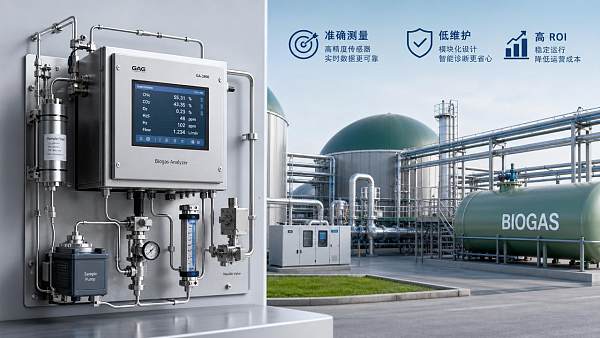
 Biogas Analyzers Market Trends: Accuracy, Maintenance, and ROIBiogas analyzers market trends: explore how accuracy, lower maintenance, and stronger ROI help energy and industrial buyers improve gas quality, uptime, and compliance.
 Safety Monitoring Systems: Common Setup Mistakes to AvoidSafety monitoring systems fail fast when setup is wrong. Discover common installation, calibration, and alarm mistakes to avoid for safer operations and more reliable monitoring.
 Industrial Testing Equipment Costs in 2026: What Drives Pricing?Industrial testing equipment costs in 2026 depend on accuracy, compliance, automation, and lifecycle service. Learn what drives pricing and how to reduce total ownership cost.
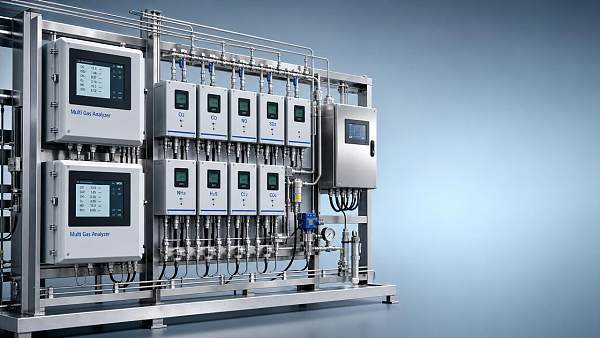
 Multi-Component Analyzers vs Single-Gas Units: Which Fits Better?Multi-component analyzers vs single-gas units: compare lifecycle cost, compliance, maintenance, and scalability to choose the best fit for safer, smarter industrial projects.
 Petrochemical Analyzers: Key Specs That Affect Safety and UptimePetrochemical analyzers directly affect safety and uptime. Learn which specs—accuracy, response time, compatibility, and maintenance—matter most for reliable plant performance.
 How to Choose Process Monitoring Instruments for Stable Plant PerformanceProcess monitoring instruments are key to stable plant performance. Learn how to choose the right devices for accuracy, compatibility, lower risk, and better efficiency.
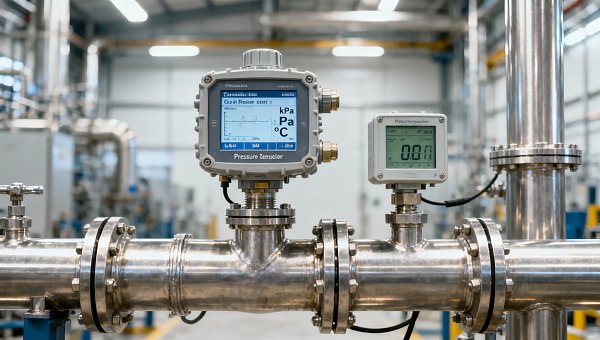
 Brazil INMETRO to Require Portuguese UI and Local Units for Industrial Instruments by 2026Brazil INMETRO mandates Portuguese UI & local units (mbar, kPa, °C) for industrial instruments by Dec 2026—key for exporters, integrators & service providers.
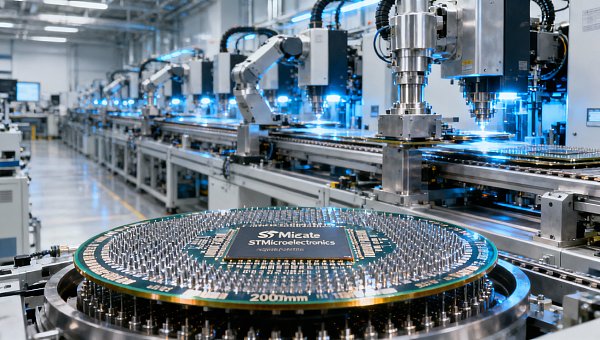
 STMicroelectronics 200mm Line Eases Industrial Sensor Chip ShortageSTMicroelectronics 200mm line eases industrial sensor chip shortage — MCUs & signal-conditioning ICs now ship in 12 weeks. Secure allocation today.
 Southeast Asia Manufacturing Re-shoring Accelerates: Vietnam/Indonesia Industrial Instrument Imports Up 37% YoYSoutheast Asia manufacturing re-shoring accelerates: Vietnam & Indonesia industrial instrument imports up 37% YoY — key insights for suppliers, OEMs & procurement teams.
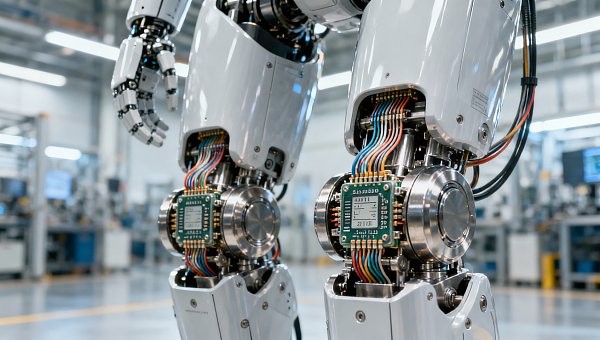
 First Global White Paper on Humanoid Robot Sensor Calibration ReleasedHumanoid robot sensor calibration: First global white paper released—key for ISO/IEC JWG 23 compliance, export readiness & dynamic torque accuracy. Act now.
 SAMR to Upgrade EV Battery Recycling Standard to MandatorySAMR to upgrade EV battery recycling standard GB/T 34015—202X to mandatory by Dec 2026 — critical for exporters, BMS makers & cert labs.
 Saudi SASO Accelerates AI Energy Efficiency Rules for TransmittersSASO AI energy efficiency rules for transmitters take effect 1 June 2026 — mandatory AI simulation, Saudi climate data, and authorized lab validation required. Act now to avoid export delays.
 IEC 63278:2026 Released for Industrial Instrument CybersecurityIEC 63278:2026 is live — the first global standard mandating cybersecurity verification for industrial instruments. Discover compliance impacts, deadlines, and actionable steps for OT/IT convergence.
 Red Sea Crisis Escalates: Gulf of Aden Navigation Ban Extended to June 15, 2026Red Sea Crisis escalates: Gulf of Aden navigation ban extended to June 15, 2026—disrupting industrial instrumentation shipments to the Middle East with 458% air freight spikes and 12–18 day delays.
 US DOE Updates Efficiency Rules for Industrial SensorsUS DOE updates industrial sensor efficiency rules: AI-driven dynamic calibration required by Sept 2026. Ensure AI-Cal Verified compliance now.
 EU Mandates PEF Carbon Footprint Module for Industrial Instruments from June 2026EU mandates PEF carbon footprint module for industrial instruments from June 2026—key for exporters, OEMs & certifiers. Act now to ensure compliance.
 Explosion-Proof Instruments: Compliance Risks Before You OrderExplosion-proof instruments can trigger delays, failed inspections, and safety risks if compliance is overlooked. Learn what to verify before ordering and make safer, smarter purchasing decisions.
 Gas Quality Monitoring Equipment Import Rules to Watch in 2026Gas quality monitoring equipment import rules for 2026 are tightening. Learn the key compliance, certification, and customs risks distributors must manage to avoid delays and protect margins.
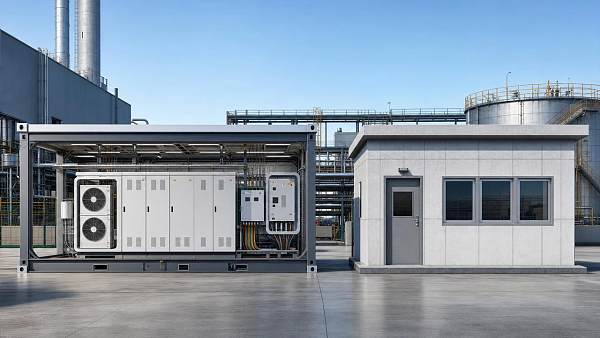
 Emission Control Shelter Demand Shifts Across Industrial ProjectsEmission control shelter demand is rising across industrial projects as buyers seek faster deployment, reliable monitoring, and compliance-ready designs. Explore key evaluation factors.
 Temperature Measurement Instruments: Selection Mistakes That Raise DowntimeTemperature measurement instruments selection mistakes can drive downtime, unstable control, and higher costs. Discover 5 common errors and practical fixes to improve reliability.
 Thermal Conductivity Analyzers: When Are They the Right Choice?Thermal conductivity analyzers are ideal for binary and high-contrast gas mixtures. Learn when they deliver reliable, low-maintenance online monitoring and smarter project value.
 Level Measurement Instruments for Tanks: What Affects ReliabilityLevel measurement instruments reliability depends on media, installation, and diagnostics. Discover what causes tank reading failures and how to improve safety, uptime, and control.
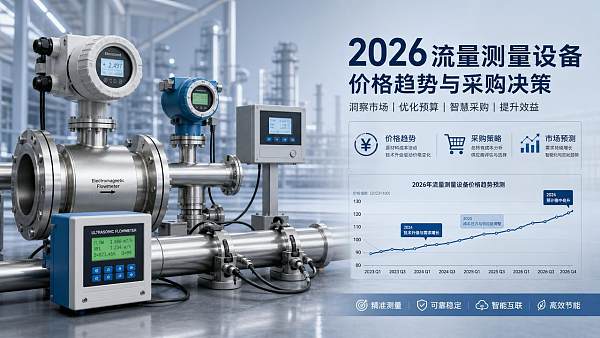
 Flow Measurement Equipment Price Trends in 2026Flow measurement equipment price trends in 2026: learn key cost drivers, budgeting risks, and smart buying strategies to improve ROI and make better procurement decisions.
 Flue Gas Monitoring Equipment: Common Accuracy Issues and FixesFlue gas monitoring equipment accuracy issues can lead to drift, false readings, and compliance risks. Discover common causes, practical fixes, and smarter maintenance tips.
 Process Control Shelter vs Control Room: Key Cost and Deployment DifferencesProcess control shelter vs control room: compare cost, deployment speed, integration, and lifecycle value to choose the smarter solution for industrial automation projects.
 How to Select an Industrial Control Shelter for Harsh Site ConditionsIndustrial control shelter selection for harsh sites: learn how to compare materials, HVAC, safety, and lifecycle cost to protect equipment, reduce downtime, and improve reliability.
 SAMR to Finalize 1,800+ Standards by 2026, Including EV Battery RecyclingSAMR to finalize 1,800+ standards by 2026—including EV battery recycling, hazardous chemical packaging & EMC immunity. Stay ahead of mandatory GB shifts and global export compliance.
 China's Largest Single-Line Large-Tow Carbon Fiber Line Starts OperationChina's largest single-line large-tow carbon fiber line is live—30,000 tons/year capacity, ASME-certified, 22% cheaper & 6-week lead time. Boost your industrial instrumentation supply chain now.






Search Categories
Search Categories
Latest Article
- Stack Gas Analyzers: When Maintenance Delays Start Raising RiskStack gas analyzers can look normal while hidden drift raises compliance, efficiency, and reliability risks. Learn the warning signs and smart maintenance checks before delays become costly.Posted by:
- Industrial Measurement Systems in Export Projects: Key Compliance ChecksIndustrial measurement systems for export projects: learn the key compliance checks for certifications, calibration, safety, and documents to avoid delays and ensure smooth delivery.Posted by:
- Pharmaceutical Instrumentation Upgrades: What to Evaluate FirstPharmaceutical instrumentation upgrades start with compliance, data integrity, uptime, and ROI. Learn what to evaluate first to reduce risk and make smarter buying decisions.Posted by:
Please give us a message
