
Flue Equipment Buying Mistakes


Buying flue equipment seems straightforward, but the wrong choice can lead to compliance risks, unstable data, and costly downtime. From emission sensor and gas sensor selection to matching process sensor, stack equipment, and industrial equipment with real operating conditions, buyers often overlook critical details. This guide highlights the most common mistakes and helps technical teams, purchasers, and decision-makers choose reliable emission equipment and process equipment with confidence.
In the instrumentation industry, flue-related systems sit at the intersection of environmental compliance, process control, plant safety, and long-term asset reliability. A poor specification decision can affect not only emissions reporting, but also combustion efficiency, maintenance schedules, shutdown frequency, and audit readiness across manufacturing, energy, waste treatment, laboratories, and engineered industrial facilities.
For researchers, operators, technical evaluators, buyers, project managers, distributors, and enterprise leaders, the challenge is rarely finding equipment suppliers. The real challenge is choosing flue equipment that fits the gas composition, temperature range, installation conditions, response-time requirement, calibration method, and service model of the actual site. That is where most buying mistakes happen.
Mistake 1: Buying by Product Name Instead of Operating Conditions

One of the most common flue equipment buying mistakes is assuming that an emission sensor, gas sensor, or stack analyzer is interchangeable as long as the label looks correct. In practice, flue applications vary widely. A system used in a 120°C dry gas stream behaves very differently from one installed in a wet, corrosive, dust-laden stream at 250°C to 400°C.
Instrumentation buyers often focus on the target gas first, such as O2, CO, NOx, SO2, or CO2, but ignore process variables that determine real performance. These include moisture content, particulate loading, pressure fluctuation, flue velocity, cross-sensitivity, and the need for sample conditioning. Even a sensor with good lab performance may fail in 3 to 6 months if the process fit is wrong.
A reliable selection process starts with a site profile, not a catalog page. Technical teams should define at least 6 core variables before requesting quotations: gas species, concentration range, temperature, humidity, dust level, and installation location. For many projects, adding response time, calibration frequency, and ingress protection rating is also necessary.
Key operating-condition questions before selection
- Is the flue gas dry, saturated, or intermittently condensing during startup and shutdown cycles?
- What is the normal and peak temperature range, for example 80°C–180°C or 250°C–450°C?
- Does the application require in-situ measurement, extractive sampling, or continuous emissions monitoring integration?
- What is the acceptable response time: under 10 seconds, 30 seconds, or several minutes?
- How often can the plant realistically perform maintenance: weekly, monthly, or quarterly?
The table below shows how different flue conditions change the equipment decision. This comparison is useful for purchasers and project managers who need to align technical requirements with budget and maintenance capability.
The main takeaway is simple: flue equipment should be specified from process conditions backward, not from product category forward. A supplier who asks for 8 to 10 site variables before quoting is usually helping reduce risk, not slowing the sale.
Mistake 2: Underestimating Accuracy, Compliance, and Calibration Requirements
Another major buying error is treating flue monitoring as a basic hardware purchase when it is often part of a regulated measurement chain. In many industrial sites, the emission equipment is used for environmental reporting, internal quality tracking, combustion adjustment, or safety alarms. Each use case has a different tolerance for uncertainty, downtime, and data traceability.
For example, a process optimization application may accept wider drift than a compliance-driven emissions measurement point. If the plant needs trend control, a stable repeatability band may be enough. If the data supports reporting, audit preparation, or contractual performance verification, calibration method, zero/span check procedure, and documented maintenance intervals become much more important.
Buyers should also avoid vague requests such as “high accuracy” or “low maintenance.” Those phrases are too broad for technical evaluation. A better approach is to define measurable requirements such as response within 15 to 30 seconds, drift checks every 30 days, zero verification once per shift, or measurement error within the plant’s accepted operating envelope.
What technical evaluators should verify
- Whether the instrument is intended for indicative monitoring, process control, or compliance-related measurement.
- How the system is calibrated on site and what consumables, gases, or reference tools are required.
- How often recalibration is recommended under typical plant conditions, such as every 1 month, 3 months, or 6 months.
- What data outputs are available for DCS, PLC, SCADA, or environmental logging systems.
The following table helps procurement and quality teams match measurement purpose to purchasing criteria. It is especially relevant when comparing multiple flue analyzer or gas sensor proposals that appear similar at first glance.
When teams define the measurement purpose early, they avoid two costly extremes: overspecifying expensive systems that operations will never use, or underspecifying equipment that cannot support the plant’s reporting and control obligations. In most projects, a 30-minute technical clarification meeting before RFQ release prevents months of rework later.
Mistake 3: Ignoring Installation, Integration, and Service Access
Flue equipment is often purchased as if it were a standalone device, but performance depends heavily on where and how it is installed. A good analyzer can still produce unstable data if the sampling point is poorly located, the probe insertion length is wrong, or the electrical and communication interface is not aligned with the plant’s control architecture.
This issue is common in retrofit projects. Existing stacks may have limited nozzle positions, tight maintenance platforms, high vibration, or cable routing constraints. In these environments, the difference between a successful installation and an expensive delay often comes down to practical engineering details measured in centimeters, connector types, and access time.
Service access matters just as much as initial fit. If operators need 45 minutes and two technicians to reach a filter, calibration port, or sensor head, routine maintenance gets postponed. Deferred maintenance then causes drift, alarm events, and unplanned shutdowns. Ease of service should be part of the buying decision, not an afterthought during commissioning.
Practical integration checklist
- Confirm installation temperature, vibration level, and enclosure exposure before selecting electronics placement.
- Verify whether the site needs analog output, Modbus, relay signals, or multi-point integration with PLC or DCS systems.
- Check if calibration, probe removal, and filter replacement can be completed within a 1-person or 2-person maintenance workflow.
- Review whether shutdown windows are available monthly, quarterly, or only during annual turnarounds.
Common installation oversights
A typical oversight is failing to define the straight-run or representative sampling zone before ordering stack equipment. Another is forgetting cable length and signal-loss considerations when the analyzer cabinet is positioned 20 to 60 meters away from the sampling point. Teams also underestimate the need for condensation protection in outdoor lines during seasonal temperature swings.
For project managers, the best practice is to treat flue instrumentation as a system package with at least 4 linked elements
Recommended for You
 Stack Gas Analyzers: When Maintenance Delays Start Raising RiskStack gas analyzers can look normal while hidden drift raises compliance, efficiency, and reliability risks. Learn the warning signs and smart maintenance checks before delays become costly.
 Industrial Measurement Systems in Export Projects: Key Compliance ChecksIndustrial measurement systems for export projects: learn the key compliance checks for certifications, calibration, safety, and documents to avoid delays and ensure smooth delivery.
 Pharmaceutical Instrumentation Upgrades: What to Evaluate FirstPharmaceutical instrumentation upgrades start with compliance, data integrity, uptime, and ROI. Learn what to evaluate first to reduce risk and make smarter buying decisions.
 Food Processing Analyzers for Compliance and Batch ConsistencyFood processing analyzers help manufacturers improve compliance, reduce batch variation, and verify quality from raw materials to final release with faster, traceable decisions.
 Biogas Analyzers Market Trends: Accuracy, Maintenance, and ROIBiogas analyzers market trends: explore how accuracy, lower maintenance, and stronger ROI help energy and industrial buyers improve gas quality, uptime, and compliance.
 Safety Monitoring Systems: Common Setup Mistakes to AvoidSafety monitoring systems fail fast when setup is wrong. Discover common installation, calibration, and alarm mistakes to avoid for safer operations and more reliable monitoring.
 Industrial Testing Equipment Costs in 2026: What Drives Pricing?Industrial testing equipment costs in 2026 depend on accuracy, compliance, automation, and lifecycle service. Learn what drives pricing and how to reduce total ownership cost.
 Multi-Component Analyzers vs Single-Gas Units: Which Fits Better?Multi-component analyzers vs single-gas units: compare lifecycle cost, compliance, maintenance, and scalability to choose the best fit for safer, smarter industrial projects.
 Petrochemical Analyzers: Key Specs That Affect Safety and UptimePetrochemical analyzers directly affect safety and uptime. Learn which specs—accuracy, response time, compatibility, and maintenance—matter most for reliable plant performance.
 How to Choose Process Monitoring Instruments for Stable Plant PerformanceProcess monitoring instruments are key to stable plant performance. Learn how to choose the right devices for accuracy, compatibility, lower risk, and better efficiency.
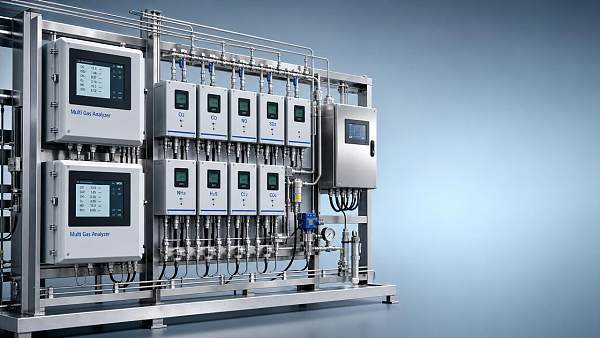
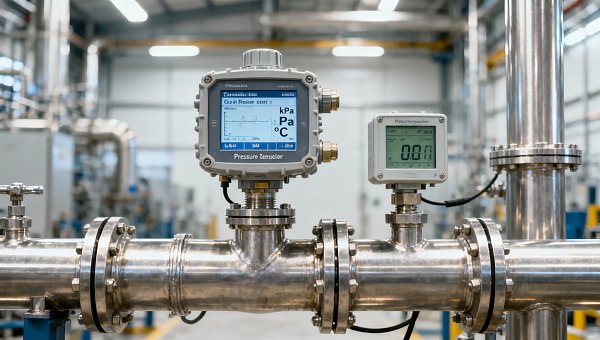
 Brazil INMETRO to Require Portuguese UI and Local Units for Industrial Instruments by 2026Brazil INMETRO mandates Portuguese UI & local units (mbar, kPa, °C) for industrial instruments by Dec 2026—key for exporters, integrators & service providers.
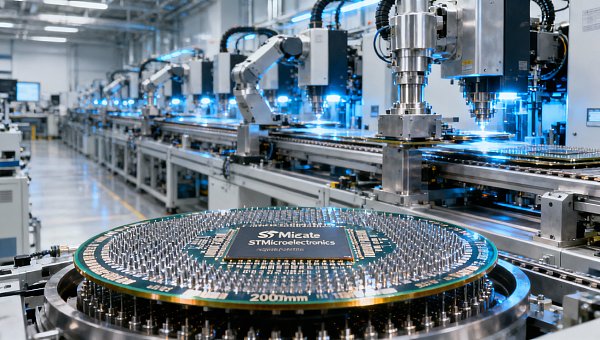
 STMicroelectronics 200mm Line Eases Industrial Sensor Chip ShortageSTMicroelectronics 200mm line eases industrial sensor chip shortage — MCUs & signal-conditioning ICs now ship in 12 weeks. Secure allocation today.
 Southeast Asia Manufacturing Re-shoring Accelerates: Vietnam/Indonesia Industrial Instrument Imports Up 37% YoYSoutheast Asia manufacturing re-shoring accelerates: Vietnam & Indonesia industrial instrument imports up 37% YoY — key insights for suppliers, OEMs & procurement teams.
 First Global White Paper on Humanoid Robot Sensor Calibration ReleasedHumanoid robot sensor calibration: First global white paper released—key for ISO/IEC JWG 23 compliance, export readiness & dynamic torque accuracy. Act now.
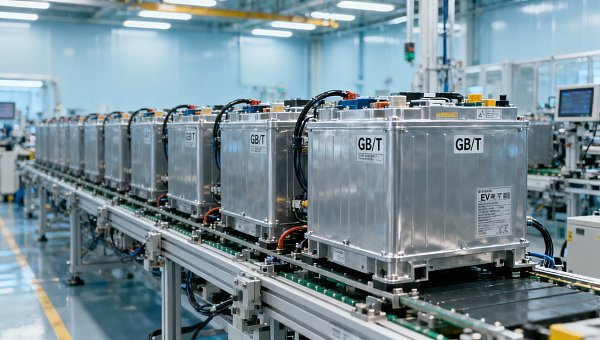
 SAMR to Upgrade EV Battery Recycling Standard to MandatorySAMR to upgrade EV battery recycling standard GB/T 34015—202X to mandatory by Dec 2026 — critical for exporters, BMS makers & cert labs.
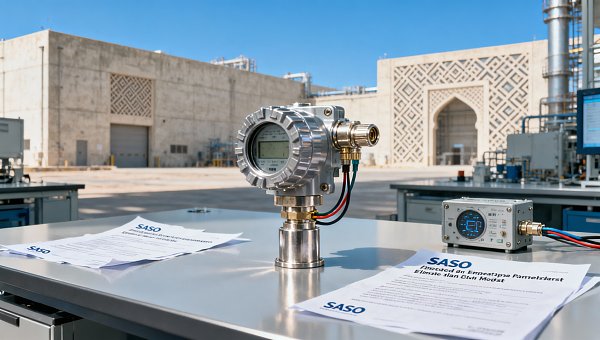
 Saudi SASO Accelerates AI Energy Efficiency Rules for TransmittersSASO AI energy efficiency rules for transmitters take effect 1 June 2026 — mandatory AI simulation, Saudi climate data, and authorized lab validation required. Act now to avoid export delays.
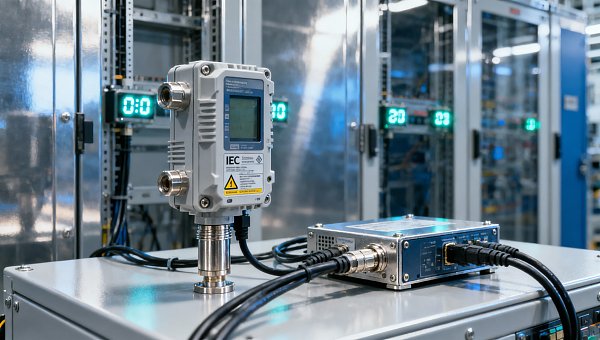
 IEC 63278:2026 Released for Industrial Instrument CybersecurityIEC 63278:2026 is live — the first global standard mandating cybersecurity verification for industrial instruments. Discover compliance impacts, deadlines, and actionable steps for OT/IT convergence.
 Red Sea Crisis Escalates: Gulf of Aden Navigation Ban Extended to June 15, 2026Red Sea Crisis escalates: Gulf of Aden navigation ban extended to June 15, 2026—disrupting industrial instrumentation shipments to the Middle East with 458% air freight spikes and 12–18 day delays.
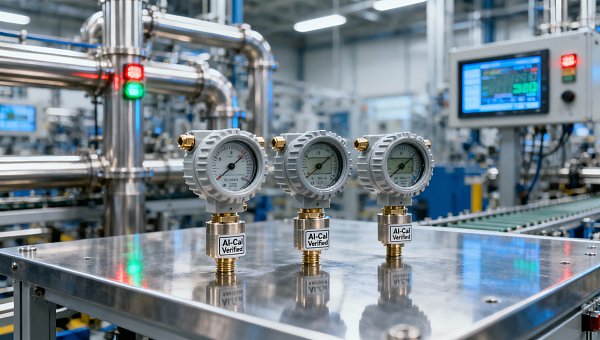
 US DOE Updates Efficiency Rules for Industrial SensorsUS DOE updates industrial sensor efficiency rules: AI-driven dynamic calibration required by Sept 2026. Ensure AI-Cal Verified compliance now.
 EU Mandates PEF Carbon Footprint Module for Industrial Instruments from June 2026EU mandates PEF carbon footprint module for industrial instruments from June 2026—key for exporters, OEMs & certifiers. Act now to ensure compliance.
 Explosion-Proof Instruments: Compliance Risks Before You OrderExplosion-proof instruments can trigger delays, failed inspections, and safety risks if compliance is overlooked. Learn what to verify before ordering and make safer, smarter purchasing decisions.
 Gas Quality Monitoring Equipment Import Rules to Watch in 2026Gas quality monitoring equipment import rules for 2026 are tightening. Learn the key compliance, certification, and customs risks distributors must manage to avoid delays and protect margins.
 Emission Control Shelter Demand Shifts Across Industrial ProjectsEmission control shelter demand is rising across industrial projects as buyers seek faster deployment, reliable monitoring, and compliance-ready designs. Explore key evaluation factors.
 Temperature Measurement Instruments: Selection Mistakes That Raise DowntimeTemperature measurement instruments selection mistakes can drive downtime, unstable control, and higher costs. Discover 5 common errors and practical fixes to improve reliability.
 Thermal Conductivity Analyzers: When Are They the Right Choice?Thermal conductivity analyzers are ideal for binary and high-contrast gas mixtures. Learn when they deliver reliable, low-maintenance online monitoring and smarter project value.
 Level Measurement Instruments for Tanks: What Affects ReliabilityLevel measurement instruments reliability depends on media, installation, and diagnostics. Discover what causes tank reading failures and how to improve safety, uptime, and control.
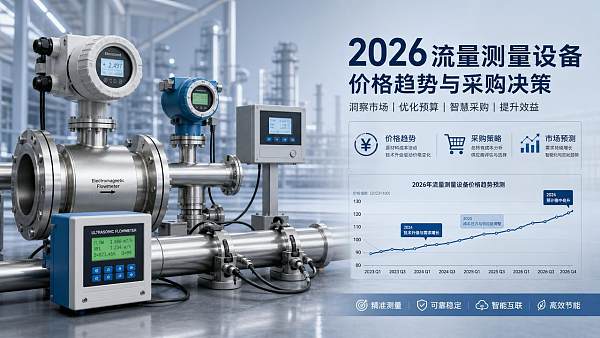
 Flow Measurement Equipment Price Trends in 2026Flow measurement equipment price trends in 2026: learn key cost drivers, budgeting risks, and smart buying strategies to improve ROI and make better procurement decisions.
 Flue Gas Monitoring Equipment: Common Accuracy Issues and FixesFlue gas monitoring equipment accuracy issues can lead to drift, false readings, and compliance risks. Discover common causes, practical fixes, and smarter maintenance tips.
 Process Control Shelter vs Control Room: Key Cost and Deployment DifferencesProcess control shelter vs control room: compare cost, deployment speed, integration, and lifecycle value to choose the smarter solution for industrial automation projects.
 How to Select an Industrial Control Shelter for Harsh Site ConditionsIndustrial control shelter selection for harsh sites: learn how to compare materials, HVAC, safety, and lifecycle cost to protect equipment, reduce downtime, and improve reliability.
 SAMR to Finalize 1,800+ Standards by 2026, Including EV Battery RecyclingSAMR to finalize 1,800+ standards by 2026—including EV battery recycling, hazardous chemical packaging & EMC immunity. Stay ahead of mandatory GB shifts and global export compliance.
 China's Largest Single-Line Large-Tow Carbon Fiber Line Starts OperationChina's largest single-line large-tow carbon fiber line is live—30,000 tons/year capacity, ASME-certified, 22% cheaper & 6-week lead time. Boost your industrial instrumentation supply chain now.











Search Categories
Search Categories
Latest Article
- Stack Gas Analyzers: When Maintenance Delays Start Raising RiskStack gas analyzers can look normal while hidden drift raises compliance, efficiency, and reliability risks. Learn the warning signs and smart maintenance checks before delays become costly.Posted by:
- Industrial Measurement Systems in Export Projects: Key Compliance ChecksIndustrial measurement systems for export projects: learn the key compliance checks for certifications, calibration, safety, and documents to avoid delays and ensure smooth delivery.Posted by:
- Pharmaceutical Instrumentation Upgrades: What to Evaluate FirstPharmaceutical instrumentation upgrades start with compliance, data integrity, uptime, and ROI. Learn what to evaluate first to reduce risk and make smarter buying decisions.Posted by:
Please give us a message
