
When Does a Gas Sensor Fail


A gas sensor usually fails when its response becomes unreliable, not only when it stops working completely. In real operations, failure often appears first as drift, slow response, false alarms, unstable readings, or loss of sensitivity. For teams using emission sensors, process sensors, and industrial sensors in flue equipment, stack equipment, and other emission equipment, the key question is not simply “Does the sensor still power on?” but “Can it still be trusted for safety, compliance, and process control?”
The answer depends on application conditions, sensor type, calibration history, and exposure to contaminants. Some sensors degrade gradually through aging and poisoning, while others fail suddenly after overload, moisture ingress, thermal stress, or mechanical damage. Knowing when a gas sensor has effectively failed helps operators avoid unsafe decisions, reduces unplanned downtime, and supports better maintenance and procurement planning.
What does “gas sensor failure” really mean in practice?
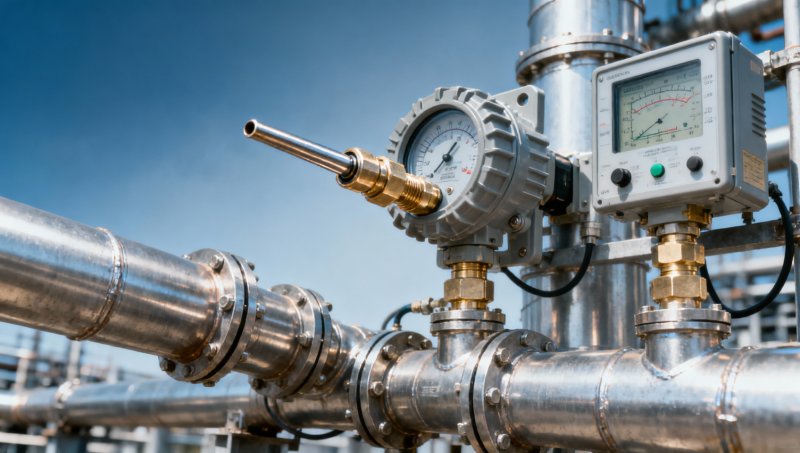
For most users, a gas sensor has failed when it can no longer deliver readings accurate enough for the intended purpose. That threshold may come long before total electrical failure.
In industrial and emission monitoring environments, sensor failure usually means one or more of the following:
- Loss of sensitivity: the sensor no longer detects the target gas at the required concentration range.
- Excessive drift: readings move away from true values between calibrations.
- Slow response time: the sensor reacts too slowly to changing gas conditions.
- False positives or false negatives: the sensor signals gas when none is present, or misses a real event.
- Poor repeatability: the same condition produces inconsistent readings.
- Calibration failure: the instrument cannot be calibrated back into acceptable tolerance.
For a safety manager, failure means increased risk. For a quality or compliance team, it means the data is no longer defensible. For procurement and decision-makers, it means the operating cost and replacement cycle must be reassessed. So the practical definition of failure is tied to fitness for use, not just visible breakdown.
How can you tell when a gas sensor is starting to fail?
Most gas sensors show warning signs before complete failure. Recognizing these signs early is one of the most effective ways to protect people, equipment, and production continuity.
Common indicators include:
- Frequent recalibration needs: if the sensor requires calibration more often than normal, internal degradation may already be underway.
- Baseline instability: zero readings wander even under stable conditions.
- Span loss: the sensor no longer reaches expected response during bump tests or calibration gas checks.
- Longer recovery time: readings remain elevated or suppressed after exposure.
- Unexpected cross-sensitivity: the sensor responds to non-target gases more strongly than before.
- Intermittent signal loss: unstable wiring, corrosion, or electronics issues may be affecting the signal path.
- Physical signs: cracked housings, blocked filters, condensation, corrosion, or discoloration often indicate environmental stress.
Operators should treat these symptoms as operational warnings, especially in flue gas analysis, stack monitoring, confined spaces, process lines, and harsh outdoor installations. A sensor may still display numbers while already delivering poor-quality data.
What causes a gas sensor to fail?
Gas sensor failure is usually linked to a combination of chemical, environmental, electrical, and maintenance factors. The most common causes include:
1. Normal aging
All gas sensors have a finite service life. Electrochemical cells consume reactive material over time, infrared sources weaken, semiconductor sensing surfaces change, and catalytic elements lose activity. Even under ideal conditions, performance gradually declines.
2. Contamination and poisoning
This is one of the most important causes in industrial sensor applications. Silicone vapors, sulfur compounds, solvents, oils, dust, process residues, and corrosive gases can block or chemically alter sensing surfaces. In some cases, poisoning is permanent and cannot be corrected by recalibration.
3. Temperature and humidity stress
Extreme temperatures, thermal cycling, and high humidity can shorten sensor life or distort readings. Condensation is especially damaging because it can affect both the sensing element and internal electronics.
4. Over-range gas exposure
Exposure to gas concentrations beyond the sensor’s design range may saturate or damage the sensing element. Repeated high exposure events accelerate degradation and may cause sudden failure.
5. Poor maintenance practices
Skipped bump tests, infrequent calibration, clogged sampling paths, degraded filters, and improper storage all contribute to earlier failure. In many facilities, sensor problems are not caused by product quality alone, but by weak maintenance discipline.
6. Mechanical and electrical damage
Vibration, impact, loose terminals, power instability, electromagnetic interference, and connector corrosion can all create symptoms that appear to be sensor failure, even when the sensing element itself is still functional.
When is replacement necessary instead of recalibration or repair?
This is often the key evaluation point for technical teams and buyers. Recalibration is useful when the sensor has minor drift within recoverable limits. Replacement is usually the better decision when:
- The sensor repeatedly fails bump tests or calibration checks
- Response remains weak after proper calibration
- Drift returns quickly after adjustment
- The sensor has reached or exceeded its expected service life
- Poisoning or contamination is suspected and cannot be reversed
- The process is safety-critical or compliance-critical and uncertain readings are unacceptable
- Downtime risk or false alarm cost is higher than replacement cost
For enterprise users, the right decision is not always the lowest immediate cost. In emission equipment and industrial process equipment, using a marginal sensor can create larger downstream losses, including bad control decisions, non-compliance penalties, product quality deviations, or unsafe operating conditions.
How long do gas sensors typically last?
There is no single universal lifespan because gas sensor durability depends heavily on sensor technology and application severity. However, in practical terms:
- Electrochemical sensors often last around 1 to 3 years, sometimes longer in clean and controlled conditions.
- Catalytic sensors may last several years but are vulnerable to poisoning and overexposure.
- NDIR and optical sensors can offer longer service life, though optics contamination and component aging still matter.
- Semiconductor sensors may have long operational life, but selectivity and stability can vary by environment.
In flue and stack applications, the real service interval may be shorter because of particulates, corrosive components, temperature fluctuations, and moisture. That is why technical evaluation should focus on actual field conditions rather than catalog life alone.
What should operators and managers check to reduce failure risk?
A practical prevention plan should combine routine inspection, calibration control, and operating-condition review. The most useful checks include:
- Verify zero and span performance on schedule
- Perform regular bump tests where applicable
- Track drift trends rather than only pass/fail results
- Inspect filters, sample lines, fittings, and enclosures
- Check for moisture ingress, dust loading, or corrosive buildup
- Review exposure history for over-range events or contaminant contact
- Confirm installation matches temperature, humidity, and flow requirements
- Maintain replacement records by sensor model and application point
For project managers and decision-makers, trend-based maintenance is often more valuable than reactive replacement. If a site can identify which sensor locations fail early and why, future selection and procurement become more accurate.
How should buyers and technical evaluators judge sensor reliability before purchase?
When selecting an emission sensor, process sensor, or industrial sensor, the right evaluation goes beyond sensitivity specifications. Buyers should ask:
- What contaminants are likely in the real process stream?
- How often will calibration be required in this environment?
- What is the expected service life under actual operating conditions, not laboratory conditions?
- How resistant is the sensor to poisoning, humidity, dust, and thermal shock?
- What diagnostics or failure warnings does the system provide?
- How easy is field replacement and maintenance?
- What are the total lifecycle costs, including downtime and labor?
This approach helps distributors, procurement teams, and engineering leaders compare options based on lifecycle value rather than initial purchase price alone. In many industrial applications, the most economical sensor is the one that maintains reliable data longest with manageable maintenance effort.
Conclusion: a gas sensor fails when you can no longer trust the reading
The most useful way to think about gas sensor failure is operationally: a sensor has failed when its output is no longer dependable for safety, compliance, quality, or control decisions. That failure may be gradual, with drift and sensitivity loss, or sudden, due to contamination, extreme conditions, or damage.
For users of flue equipment, stack equipment, and other emission equipment, early detection of failure signs is essential. Regular testing, calibration, environmental control, and realistic lifecycle evaluation can reduce risk and improve equipment reliability. If a sensor shows repeated drift, weak response, unstable output, or calibration problems, it should be treated as a reliability issue rather than a minor inconvenience. In critical applications, replacing an unreliable gas sensor early is often the safest and most cost-effective decision.
Recommended for You
 Stack Gas Analyzers: When Maintenance Delays Start Raising RiskStack gas analyzers can look normal while hidden drift raises compliance, efficiency, and reliability risks. Learn the warning signs and smart maintenance checks before delays become costly.
 Industrial Measurement Systems in Export Projects: Key Compliance ChecksIndustrial measurement systems for export projects: learn the key compliance checks for certifications, calibration, safety, and documents to avoid delays and ensure smooth delivery.
 Pharmaceutical Instrumentation Upgrades: What to Evaluate FirstPharmaceutical instrumentation upgrades start with compliance, data integrity, uptime, and ROI. Learn what to evaluate first to reduce risk and make smarter buying decisions.
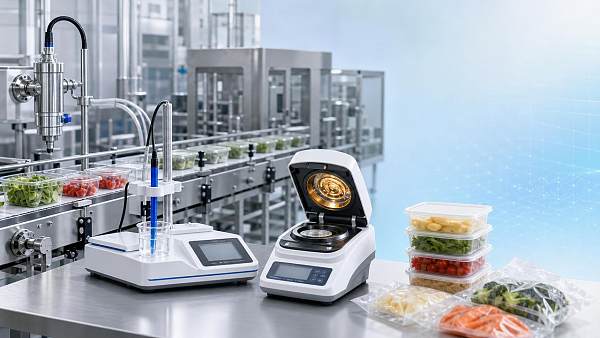
 Food Processing Analyzers for Compliance and Batch ConsistencyFood processing analyzers help manufacturers improve compliance, reduce batch variation, and verify quality from raw materials to final release with faster, traceable decisions.
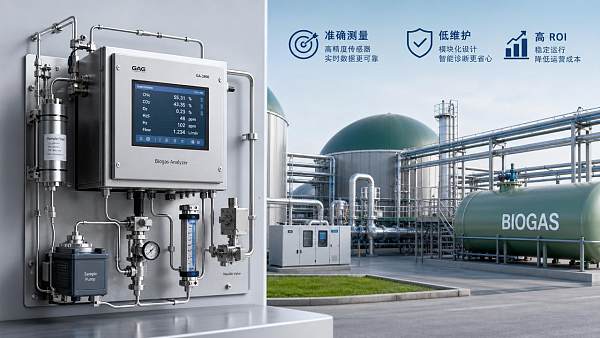
 Biogas Analyzers Market Trends: Accuracy, Maintenance, and ROIBiogas analyzers market trends: explore how accuracy, lower maintenance, and stronger ROI help energy and industrial buyers improve gas quality, uptime, and compliance.
 Safety Monitoring Systems: Common Setup Mistakes to AvoidSafety monitoring systems fail fast when setup is wrong. Discover common installation, calibration, and alarm mistakes to avoid for safer operations and more reliable monitoring.
 Industrial Testing Equipment Costs in 2026: What Drives Pricing?Industrial testing equipment costs in 2026 depend on accuracy, compliance, automation, and lifecycle service. Learn what drives pricing and how to reduce total ownership cost.
 Multi-Component Analyzers vs Single-Gas Units: Which Fits Better?Multi-component analyzers vs single-gas units: compare lifecycle cost, compliance, maintenance, and scalability to choose the best fit for safer, smarter industrial projects.
 Petrochemical Analyzers: Key Specs That Affect Safety and UptimePetrochemical analyzers directly affect safety and uptime. Learn which specs—accuracy, response time, compatibility, and maintenance—matter most for reliable plant performance.
 How to Choose Process Monitoring Instruments for Stable Plant PerformanceProcess monitoring instruments are key to stable plant performance. Learn how to choose the right devices for accuracy, compatibility, lower risk, and better efficiency.
 Brazil INMETRO to Require Portuguese UI and Local Units for Industrial Instruments by 2026Brazil INMETRO mandates Portuguese UI & local units (mbar, kPa, °C) for industrial instruments by Dec 2026—key for exporters, integrators & service providers.
 STMicroelectronics 200mm Line Eases Industrial Sensor Chip ShortageSTMicroelectronics 200mm line eases industrial sensor chip shortage — MCUs & signal-conditioning ICs now ship in 12 weeks. Secure allocation today.
 Southeast Asia Manufacturing Re-shoring Accelerates: Vietnam/Indonesia Industrial Instrument Imports Up 37% YoYSoutheast Asia manufacturing re-shoring accelerates: Vietnam & Indonesia industrial instrument imports up 37% YoY — key insights for suppliers, OEMs & procurement teams.
 First Global White Paper on Humanoid Robot Sensor Calibration ReleasedHumanoid robot sensor calibration: First global white paper released—key for ISO/IEC JWG 23 compliance, export readiness & dynamic torque accuracy. Act now.
 SAMR to Upgrade EV Battery Recycling Standard to MandatorySAMR to upgrade EV battery recycling standard GB/T 34015—202X to mandatory by Dec 2026 — critical for exporters, BMS makers & cert labs.
 Saudi SASO Accelerates AI Energy Efficiency Rules for TransmittersSASO AI energy efficiency rules for transmitters take effect 1 June 2026 — mandatory AI simulation, Saudi climate data, and authorized lab validation required. Act now to avoid export delays.
 IEC 63278:2026 Released for Industrial Instrument CybersecurityIEC 63278:2026 is live — the first global standard mandating cybersecurity verification for industrial instruments. Discover compliance impacts, deadlines, and actionable steps for OT/IT convergence.
 Red Sea Crisis Escalates: Gulf of Aden Navigation Ban Extended to June 15, 2026Red Sea Crisis escalates: Gulf of Aden navigation ban extended to June 15, 2026—disrupting industrial instrumentation shipments to the Middle East with 458% air freight spikes and 12–18 day delays.
 US DOE Updates Efficiency Rules for Industrial SensorsUS DOE updates industrial sensor efficiency rules: AI-driven dynamic calibration required by Sept 2026. Ensure AI-Cal Verified compliance now.
 EU Mandates PEF Carbon Footprint Module for Industrial Instruments from June 2026EU mandates PEF carbon footprint module for industrial instruments from June 2026—key for exporters, OEMs & certifiers. Act now to ensure compliance.
 Explosion-Proof Instruments: Compliance Risks Before You OrderExplosion-proof instruments can trigger delays, failed inspections, and safety risks if compliance is overlooked. Learn what to verify before ordering and make safer, smarter purchasing decisions.
 Gas Quality Monitoring Equipment Import Rules to Watch in 2026Gas quality monitoring equipment import rules for 2026 are tightening. Learn the key compliance, certification, and customs risks distributors must manage to avoid delays and protect margins.
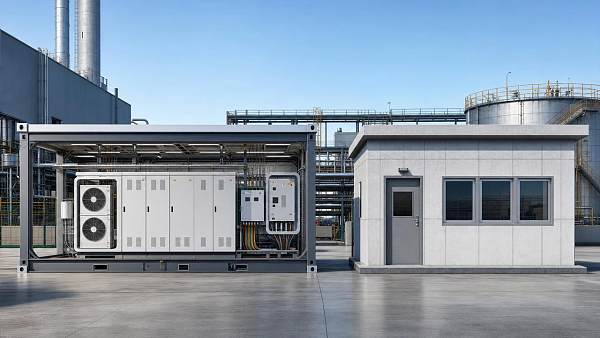
 Emission Control Shelter Demand Shifts Across Industrial ProjectsEmission control shelter demand is rising across industrial projects as buyers seek faster deployment, reliable monitoring, and compliance-ready designs. Explore key evaluation factors.
 Temperature Measurement Instruments: Selection Mistakes That Raise DowntimeTemperature measurement instruments selection mistakes can drive downtime, unstable control, and higher costs. Discover 5 common errors and practical fixes to improve reliability.
 Thermal Conductivity Analyzers: When Are They the Right Choice?Thermal conductivity analyzers are ideal for binary and high-contrast gas mixtures. Learn when they deliver reliable, low-maintenance online monitoring and smarter project value.
 Level Measurement Instruments for Tanks: What Affects ReliabilityLevel measurement instruments reliability depends on media, installation, and diagnostics. Discover what causes tank reading failures and how to improve safety, uptime, and control.
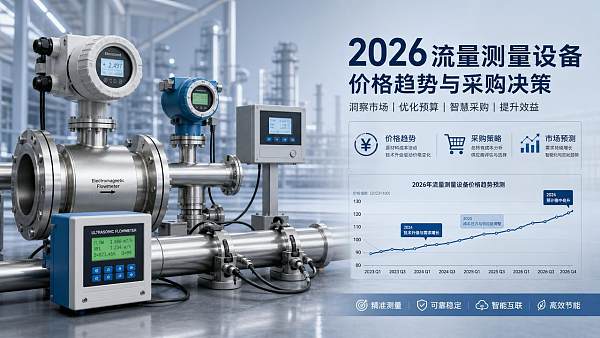
 Flow Measurement Equipment Price Trends in 2026Flow measurement equipment price trends in 2026: learn key cost drivers, budgeting risks, and smart buying strategies to improve ROI and make better procurement decisions.
 Flue Gas Monitoring Equipment: Common Accuracy Issues and FixesFlue gas monitoring equipment accuracy issues can lead to drift, false readings, and compliance risks. Discover common causes, practical fixes, and smarter maintenance tips.
 Process Control Shelter vs Control Room: Key Cost and Deployment DifferencesProcess control shelter vs control room: compare cost, deployment speed, integration, and lifecycle value to choose the smarter solution for industrial automation projects.
 How to Select an Industrial Control Shelter for Harsh Site ConditionsIndustrial control shelter selection for harsh sites: learn how to compare materials, HVAC, safety, and lifecycle cost to protect equipment, reduce downtime, and improve reliability.
 SAMR to Finalize 1,800+ Standards by 2026, Including EV Battery RecyclingSAMR to finalize 1,800+ standards by 2026—including EV battery recycling, hazardous chemical packaging & EMC immunity. Stay ahead of mandatory GB shifts and global export compliance.
 China's Largest Single-Line Large-Tow Carbon Fiber Line Starts OperationChina's largest single-line large-tow carbon fiber line is live—30,000 tons/year capacity, ASME-certified, 22% cheaper & 6-week lead time. Boost your industrial instrumentation supply chain now.




Search Categories
Search Categories
Latest Article
- Stack Gas Analyzers: When Maintenance Delays Start Raising RiskStack gas analyzers can look normal while hidden drift raises compliance, efficiency, and reliability risks. Learn the warning signs and smart maintenance checks before delays become costly.Posted by:
- Industrial Measurement Systems in Export Projects: Key Compliance ChecksIndustrial measurement systems for export projects: learn the key compliance checks for certifications, calibration, safety, and documents to avoid delays and ensure smooth delivery.Posted by:
- Pharmaceutical Instrumentation Upgrades: What to Evaluate FirstPharmaceutical instrumentation upgrades start with compliance, data integrity, uptime, and ROI. Learn what to evaluate first to reduce risk and make smarter buying decisions.Posted by:
Please give us a message
