
What Drives Industrial Sensor Cost


Industrial sensor cost is shaped by far more than the device itself. From emission sensor and gas sensor design to process sensor accuracy, certifications, materials, and integration with flue equipment, stack equipment, and broader industrial equipment, pricing reflects performance, compliance, and lifecycle value. This guide explains the key cost drivers behind emission equipment, process equipment, and gas equipment to support smarter technical and purchasing decisions.
For buyers, operators, engineering teams, quality managers, and distributors, the main question is rarely just “How much does the sensor cost?” A more useful question is “What exactly am I paying for, and how will that affect system reliability, compliance, maintenance, and total operating cost over 3–10 years?” In industrial instrumentation, a lower upfront price can quickly become the more expensive option if calibration drifts, response time is unstable, or the device fails under harsh process conditions.
Across manufacturing, power generation, environmental monitoring, automation control, and process industries, sensor pricing is tied to measurable technical factors. These include sensing principle, accuracy class, operating temperature, corrosion resistance, enclosure protection, communication protocol, certification scope, and after-sales support. Understanding these factors helps procurement teams compare quotes more fairly and helps technical evaluators avoid under-specifying critical measurement points.
Core Technical Factors Behind Industrial Sensor Cost
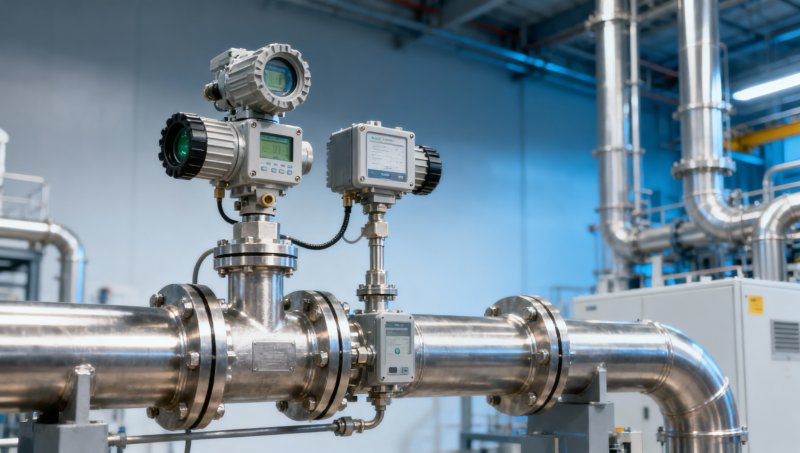
The first and most visible cost driver is the sensor’s technical specification. An industrial sensor designed for basic status detection in a clean indoor line is fundamentally different from a gas sensor or emission sensor used in corrosive exhaust streams, high-humidity flue systems, or continuous stack monitoring. Even when two devices look similar externally, the internal sensing element, signal conditioning circuit, and compensation logic may place them in very different cost ranges.
Accuracy is one of the biggest pricing variables. A process sensor with ±1% full-scale accuracy is often adequate for general monitoring, but a unit specified at ±0.25% or better usually requires tighter calibration, higher-grade components, and more extensive testing. In many industrial projects, moving from a basic to a higher-accuracy configuration can increase purchase cost by 15%–40%, especially in pressure, flow, and gas concentration measurement.
Measurement range also matters. Sensors designed for narrow and stable operating windows are generally less expensive than devices built for wide dynamic ranges, multi-gas detection, or rapid concentration swings. For example, a gas sensor intended for 0–100 ppm monitoring may differ significantly in design and cost from one expected to cover 0–5,000 ppm while maintaining repeatability and fast response in changing process conditions.
How sensing principle changes pricing
Different sensing technologies have different manufacturing complexity and service life profiles. Electrochemical, infrared, catalytic, ultrasonic, piezoresistive, RTD, thermocouple, and optical methods all carry distinct material and calibration requirements. In emission equipment and gas equipment, optical and infrared solutions often cost more upfront than simpler detection methods, but they may offer better selectivity, lower cross-interference, or longer stability intervals.
Typical technical cost contributors
- Higher accuracy class, such as ±0.1% to ±0.25%, usually requires tighter component tolerances and additional calibration time.
- Fast response requirements, such as T90 under 10 seconds, may increase sensor element and electronics cost.
- Wide operating temperature ranges, for example -40°C to 85°C or higher, demand stronger compensation design and more robust packaging.
- Multi-parameter output, such as pressure plus temperature or gas concentration plus humidity compensation, adds hardware and software complexity.
The table below summarizes how common technical choices affect cost in industrial instrumentation projects.
In practice, technical cost should be evaluated against process risk. A cheaper sensor may be sufficient for noncritical utility lines, but in stack equipment, environmental reporting, or safety interlock applications, a specification gap can create rework, shutdowns, or compliance exposure that far exceeds the initial price difference.
Materials, Protection, and Environmental Resistance
Material selection is another major reason industrial sensor cost varies so widely. In the instrumentation industry, the same sensing function may be offered in plastic, aluminum, 304 stainless steel, 316 stainless steel, or specialty corrosion-resistant alloys. The right choice depends on exposure to moisture, acids, solvents, abrasive particles, process temperature, and pressure cycles. Better materials increase unit price, but they also reduce failure risk and maintenance frequency.
For emission equipment and flue equipment, material demands are especially high. Gas sampling systems and stack-mounted assemblies may operate under condensate exposure, sulfur compounds, particulate matter, and fluctuating thermal loads. In those conditions, using a lower-cost housing or wetted part material can shorten service life from several years to less than 12 months. That is why project teams often compare not only initial cost, but also replacement interval and downtime risk.
Protection rating is also priced into the sensor. An indoor process sensor with standard enclosure protection is usually cheaper than a field-mounted device rated for IP65, IP67, or higher. If explosion-risk zones are involved, the required design, documentation, sealing, and testing raise both direct manufacturing cost and certification cost. This is common in petrochemical, energy, wastewater treatment, and industrial exhaust applications.
Environmental conditions that commonly raise cost
- Continuous operation above 80°C or intermittent exposure above 120°C.
- Corrosive gases, especially where sulfur, chlorine compounds, or acid condensate are present.
- High-vibration installations on rotating equipment, fan ducts, or outdoor process skids.
- Dust-heavy environments requiring sealed housings and stable connectors over 24/7 duty cycles.
The following comparison shows how material and protection choices influence sensor selection and pricing logic.
For procurement and project managers, the key point is to match environmental resistance to the real operating profile. Over-specification can waste budget, but under-specification usually costs more later through calibration instability, premature failure, and emergency maintenance.
Certification, Compliance, and Documentation Costs
Many buyers underestimate how much certification and documentation affect industrial sensor cost. In regulated sectors, the product is not only a device but also a documented compliance package. A sensor used in emission equipment, safety systems, or environmental monitoring may require application-specific approval, test records, traceability, calibration certificates, material declarations, or integration documents. These supporting elements add engineering hours and quality assurance work even when the hardware itself remains similar.
Calibration traceability is a common example. A standard factory test may be enough for routine process indication, but quality-sensitive operations often ask for multi-point calibration data, documented uncertainty, and shipment records. A sensor supplied with 3-point or 5-point calibration documentation usually costs more than a standard lot-tested product, because the supplier must allocate extra bench time, controlled procedures, and final inspection resources.
Hazardous area compliance is another major price factor. If a gas sensor will be installed in an explosive atmosphere, the approved design must meet stricter enclosure, circuitry, labeling, and documentation requirements. That affects not only the sensor but also cable glands, transmitters, connectors, and installation accessories. In many projects, this can increase the delivered package cost by 20%–60% compared with a non-hazardous area version.
Documentation items that often add cost
- Calibration certificate with serial-number traceability and recorded test points.
- Material certificates for wetted parts or high-risk process contact components.
- Factory acceptance test records for project-based equipment deliveries.
- Protocol mapping or commissioning files for PLC, DCS, or SCADA integration.
These costs are often justified when project acceptance depends on auditability, operator training, or regulatory review. For distributors and resellers, documented products also tend to reduce customer disputes because the technical basis of supply is clearer from the start.
A practical buying strategy is to separate mandatory documentation from optional extras. If the site truly needs 100% serial-level records, include that in the RFQ early. If only selected critical loops require enhanced documents, avoid applying the same documentation level across every sensor in the project. This simple adjustment can improve budget efficiency without weakening compliance.
Integration with Industrial Equipment and System Architecture
Industrial sensor cost is rarely independent of the wider system. A sensor that performs well as a standalone component may require additional signal converters, sampling assemblies, mounting hardware, protective enclosures, purge systems, or communication modules before it can function reliably in real plant conditions. This is especially true for process equipment, gas equipment, flue equipment, and stack equipment, where the measurement chain matters as much as the sensor head.
For example, a gas sensor installed in a stack application may need a heated sampling line, moisture management, filtration, and a compatible analyzer or transmitter. The sensor price itself may represent only 25%–50% of the total measurement point cost. Buyers who compare unit price only, without reviewing integration requirements, often underestimate project cost and overestimate installation speed.
Communication and control compatibility also influence pricing. A simple analog output sensor is usually less expensive than a smart device supporting diagnostics, remote configuration, and digital protocols. However, on larger lines with 20, 50, or 100 measurement points, digital diagnostics can lower commissioning time and simplify maintenance. That means the best-value option depends on the control architecture, not just the product catalog price.
Integration checkpoints before comparing quotations
- Confirm whether the sensor is direct-mount, insertion, in-line, bypass, or sample-extraction based.
- Check voltage, output signal, communication protocol, and PLC or DCS compatibility.
- Review whether mounting kits, valves, manifolds, filters, or protection tubes are included.
- Estimate commissioning support needs, especially if the site has limited instrumentation staff.
The table below helps project teams compare standalone price with installed cost logic.
For engineering evaluators and enterprise decision-makers, the lesson is clear: a competitive quote should be assessed at system level. Installed performance, commissioning time, and service access often determine the true value of industrial sensor cost.
Supply Chain, Production Volume, and Service Support
Beyond engineering specifications, industrial sensor cost is shaped by commercial and operational factors. Order quantity, customization level, lead time pressure, spare part policy, and technical support all affect price. A standard catalog sensor ordered in repeat batches of 50 or 100 units usually has a lower per-unit cost than a custom probe length, custom fitting, or project-specific signal version ordered in quantities of 2 or 5.
Lead time is another hidden variable. Standard products may ship in 7–15 days, while customized process sensors, gas monitoring assemblies, or documented emission equipment packages may require 3–6 weeks or longer. If the project requests expedited production, additional labor planning, priority procurement, or special test scheduling may increase cost. This is common in shutdown maintenance windows where every lost day has measurable production impact.
Service support is also part of the price. Some suppliers include startup guidance, remote troubleshooting, spare parts recommendations, and calibration intervals in the package. Others quote only the hardware. For facilities with limited instrumentation teams, service support can reduce commissioning risk and shorten fault resolution from several days to a few hours. That support has value even if the unit price appears higher.
Commercial factors buyers should review
- MOQ and price break levels, such as 1 unit, 10 units, 50 units, and 100 units.
- Standard lead time versus urgent delivery surcharge.
- Availability of local stock, regional service, and replacement parts.
- Training, commissioning, and recalibration support after installation.
A common mistake is choosing the lowest quote without checking whether spare parts, manuals, calibration instructions, or response support are included. In a 24/7 production environment, saving 8% upfront can become insignificant if one unscheduled stoppage costs more than the entire sensor package.
How to Evaluate Industrial Sensor Cost for Better Purchasing Decisions
The most effective way to evaluate industrial sensor cost is to use a structured decision process rather than a price-only comparison. Procurement teams, engineers, operators, and project managers often have different priorities, so a shared checklist helps align the decision. In most cases, five dimensions matter: technical fit, compliance, integration effort, lifecycle cost, and supplier support.
Start by defining the application clearly. Is the sensor used for routine monitoring, closed-loop control, emissions reporting, worker safety, or product quality? A process point that tolerates ±1% error and monthly verification should not be evaluated with the same criteria as a stack-monitoring point requiring stable long-cycle operation and documented calibration. Clear classification prevents both overbuying and underbuying.
Next, compare total cost of ownership across at least 3 areas: purchase price, maintenance frequency, and failure consequence. If a lower-cost sensor requires quarterly recalibration while a higher-cost version holds stable for 12 months, the annual labor and downtime impact may justify the higher initial spend. This is especially important in distributed plants with dozens of measurement points.
A practical 5-step selection method
- Define the process condition: media, temperature, pressure, humidity, dust, vibration, and risk zone.
- Set the performance target: range, accuracy, response time, repeatability, and signal requirement.
- Confirm compliance needs: calibration records, installation standards, and project documentation.
- Review integration scope: mounting, wiring, communication, control system compatibility, and commissioning effort.
- Estimate lifecycle cost over 3–5 years, including service interval, spare parts, and probable downtime impact.
Common buying mistakes to avoid
- Comparing only headline unit price without considering accessories or installation requirements.
- Ignoring environmental exposure, especially in corrosive gas, outdoor, or high-temperature applications.
- Requesting high-end documentation for all sensors instead of only critical points.
- Overlooking recalibration intervals, spare availability, and support response time.
Industrial sensor cost makes the most sense when viewed as a balance between risk, performance, and maintainability. The right choice is not always the lowest cost or the highest specification. It is the option that delivers stable data, acceptable operating effort, and predictable long-term value for the actual industrial environment.
FAQ: common questions from technical and purchasing teams
How much of sensor cost is usually driven by materials and protection?
In many industrial applications, materials and enclosure protection can account for a noticeable share of price difference, especially when moving from standard indoor designs to corrosion-resistant or outdoor-rated versions. In harsh environments, the premium may be entirely justified if it extends service life from less than 1 year to 3–5 years.
Why do two sensors with similar measurement range have very different prices?
Range alone does not define cost. Accuracy, stability, sensing principle, temperature compensation, output protocol, certification scope, and calibration method all influence price. Two sensors may both measure the same gas or pressure range, but one may be designed for critical control and documented compliance while the other is intended for general indication.
When is a higher-cost sensor the better economic choice?
A higher-cost option usually makes sense when downtime is expensive, compliance risk is high, or maintenance access is difficult. This often applies to stack equipment, remote outdoor installations, continuous process lines, and safety-related monitoring points where reliability and service interval have direct operational value.
Industrial sensor cost is ultimately driven by what the device must withstand, how precisely it must measure, what standards it must satisfy, and how well it must integrate into the full industrial system. For emission equipment, process equipment, and gas equipment, a sound buying decision depends on total lifecycle value rather than a simple unit-price comparison.
If you are comparing options for industrial monitoring, automation control, or compliance-related measurement, a structured review of specification, materials, certification, integration, and service support will help you avoid costly mismatch. To move faster and select more confidently, contact us to discuss your application, request a tailored solution, or get detailed product and configuration guidance.
Recommended for You
 Stack Gas Analyzers: When Maintenance Delays Start Raising RiskStack gas analyzers can look normal while hidden drift raises compliance, efficiency, and reliability risks. Learn the warning signs and smart maintenance checks before delays become costly.
 Industrial Measurement Systems in Export Projects: Key Compliance ChecksIndustrial measurement systems for export projects: learn the key compliance checks for certifications, calibration, safety, and documents to avoid delays and ensure smooth delivery.
 Pharmaceutical Instrumentation Upgrades: What to Evaluate FirstPharmaceutical instrumentation upgrades start with compliance, data integrity, uptime, and ROI. Learn what to evaluate first to reduce risk and make smarter buying decisions.
 Food Processing Analyzers for Compliance and Batch ConsistencyFood processing analyzers help manufacturers improve compliance, reduce batch variation, and verify quality from raw materials to final release with faster, traceable decisions.
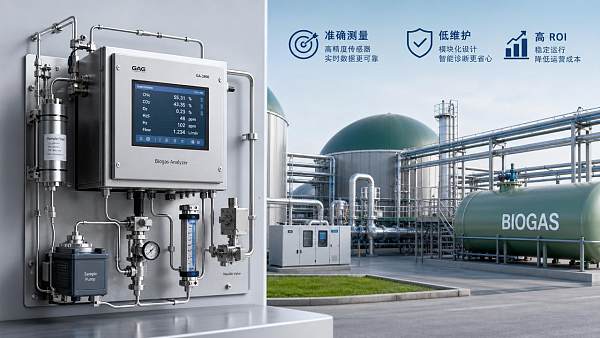
 Biogas Analyzers Market Trends: Accuracy, Maintenance, and ROIBiogas analyzers market trends: explore how accuracy, lower maintenance, and stronger ROI help energy and industrial buyers improve gas quality, uptime, and compliance.
 Safety Monitoring Systems: Common Setup Mistakes to AvoidSafety monitoring systems fail fast when setup is wrong. Discover common installation, calibration, and alarm mistakes to avoid for safer operations and more reliable monitoring.
 Industrial Testing Equipment Costs in 2026: What Drives Pricing?Industrial testing equipment costs in 2026 depend on accuracy, compliance, automation, and lifecycle service. Learn what drives pricing and how to reduce total ownership cost.
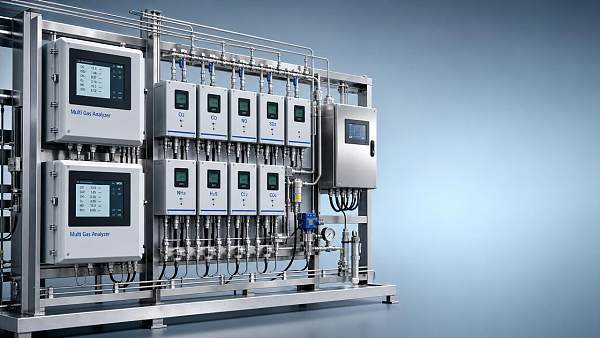
 Multi-Component Analyzers vs Single-Gas Units: Which Fits Better?Multi-component analyzers vs single-gas units: compare lifecycle cost, compliance, maintenance, and scalability to choose the best fit for safer, smarter industrial projects.
 Petrochemical Analyzers: Key Specs That Affect Safety and UptimePetrochemical analyzers directly affect safety and uptime. Learn which specs—accuracy, response time, compatibility, and maintenance—matter most for reliable plant performance.
 How to Choose Process Monitoring Instruments for Stable Plant PerformanceProcess monitoring instruments are key to stable plant performance. Learn how to choose the right devices for accuracy, compatibility, lower risk, and better efficiency.
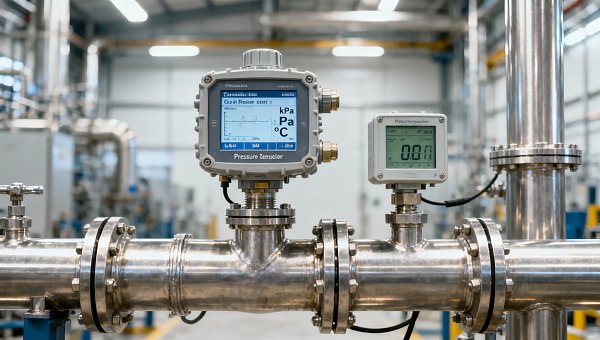
 Brazil INMETRO to Require Portuguese UI and Local Units for Industrial Instruments by 2026Brazil INMETRO mandates Portuguese UI & local units (mbar, kPa, °C) for industrial instruments by Dec 2026—key for exporters, integrators & service providers.
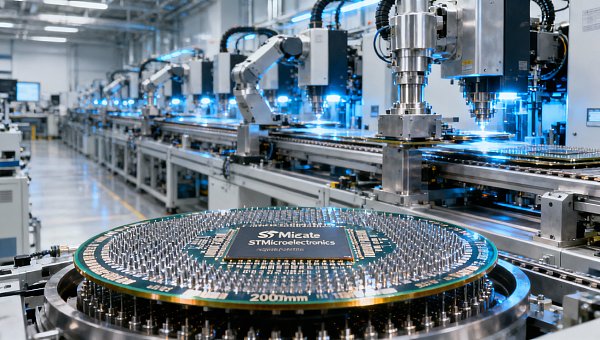
 STMicroelectronics 200mm Line Eases Industrial Sensor Chip ShortageSTMicroelectronics 200mm line eases industrial sensor chip shortage — MCUs & signal-conditioning ICs now ship in 12 weeks. Secure allocation today.
 Southeast Asia Manufacturing Re-shoring Accelerates: Vietnam/Indonesia Industrial Instrument Imports Up 37% YoYSoutheast Asia manufacturing re-shoring accelerates: Vietnam & Indonesia industrial instrument imports up 37% YoY — key insights for suppliers, OEMs & procurement teams.
 First Global White Paper on Humanoid Robot Sensor Calibration ReleasedHumanoid robot sensor calibration: First global white paper released—key for ISO/IEC JWG 23 compliance, export readiness & dynamic torque accuracy. Act now.
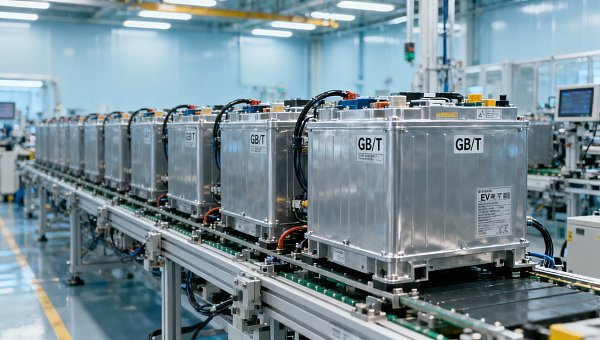
 SAMR to Upgrade EV Battery Recycling Standard to MandatorySAMR to upgrade EV battery recycling standard GB/T 34015—202X to mandatory by Dec 2026 — critical for exporters, BMS makers & cert labs.
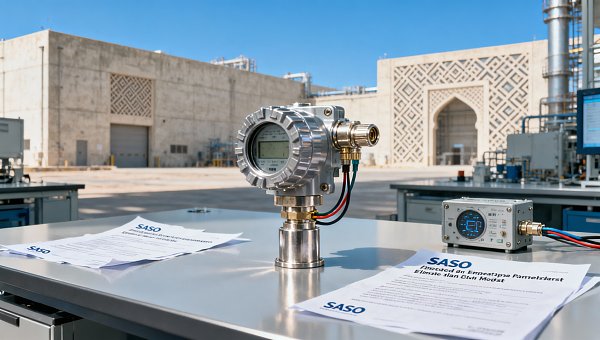
 Saudi SASO Accelerates AI Energy Efficiency Rules for TransmittersSASO AI energy efficiency rules for transmitters take effect 1 June 2026 — mandatory AI simulation, Saudi climate data, and authorized lab validation required. Act now to avoid export delays.
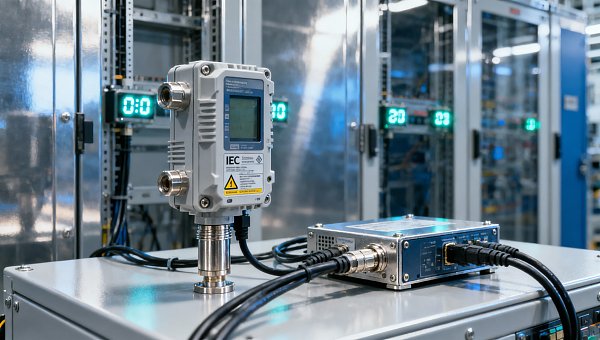
 IEC 63278:2026 Released for Industrial Instrument CybersecurityIEC 63278:2026 is live — the first global standard mandating cybersecurity verification for industrial instruments. Discover compliance impacts, deadlines, and actionable steps for OT/IT convergence.
 Red Sea Crisis Escalates: Gulf of Aden Navigation Ban Extended to June 15, 2026Red Sea Crisis escalates: Gulf of Aden navigation ban extended to June 15, 2026—disrupting industrial instrumentation shipments to the Middle East with 458% air freight spikes and 12–18 day delays.
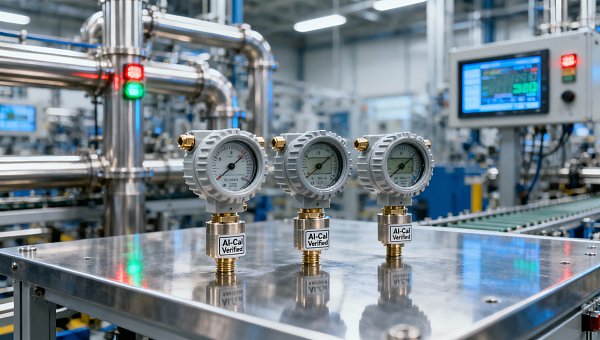
 US DOE Updates Efficiency Rules for Industrial SensorsUS DOE updates industrial sensor efficiency rules: AI-driven dynamic calibration required by Sept 2026. Ensure AI-Cal Verified compliance now.
 EU Mandates PEF Carbon Footprint Module for Industrial Instruments from June 2026EU mandates PEF carbon footprint module for industrial instruments from June 2026—key for exporters, OEMs & certifiers. Act now to ensure compliance.
 Explosion-Proof Instruments: Compliance Risks Before You OrderExplosion-proof instruments can trigger delays, failed inspections, and safety risks if compliance is overlooked. Learn what to verify before ordering and make safer, smarter purchasing decisions.
 Gas Quality Monitoring Equipment Import Rules to Watch in 2026Gas quality monitoring equipment import rules for 2026 are tightening. Learn the key compliance, certification, and customs risks distributors must manage to avoid delays and protect margins.
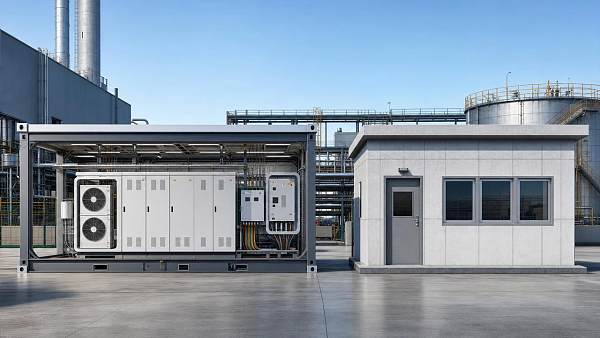
 Emission Control Shelter Demand Shifts Across Industrial ProjectsEmission control shelter demand is rising across industrial projects as buyers seek faster deployment, reliable monitoring, and compliance-ready designs. Explore key evaluation factors.
 Temperature Measurement Instruments: Selection Mistakes That Raise DowntimeTemperature measurement instruments selection mistakes can drive downtime, unstable control, and higher costs. Discover 5 common errors and practical fixes to improve reliability.
 Thermal Conductivity Analyzers: When Are They the Right Choice?Thermal conductivity analyzers are ideal for binary and high-contrast gas mixtures. Learn when they deliver reliable, low-maintenance online monitoring and smarter project value.
 Level Measurement Instruments for Tanks: What Affects ReliabilityLevel measurement instruments reliability depends on media, installation, and diagnostics. Discover what causes tank reading failures and how to improve safety, uptime, and control.
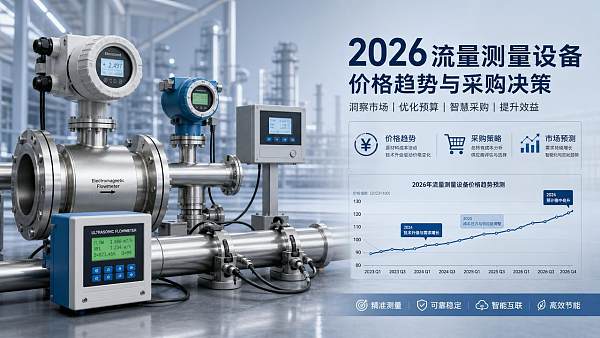
 Flow Measurement Equipment Price Trends in 2026Flow measurement equipment price trends in 2026: learn key cost drivers, budgeting risks, and smart buying strategies to improve ROI and make better procurement decisions.
 Flue Gas Monitoring Equipment: Common Accuracy Issues and FixesFlue gas monitoring equipment accuracy issues can lead to drift, false readings, and compliance risks. Discover common causes, practical fixes, and smarter maintenance tips.
 Process Control Shelter vs Control Room: Key Cost and Deployment DifferencesProcess control shelter vs control room: compare cost, deployment speed, integration, and lifecycle value to choose the smarter solution for industrial automation projects.
 How to Select an Industrial Control Shelter for Harsh Site ConditionsIndustrial control shelter selection for harsh sites: learn how to compare materials, HVAC, safety, and lifecycle cost to protect equipment, reduce downtime, and improve reliability.
 SAMR to Finalize 1,800+ Standards by 2026, Including EV Battery RecyclingSAMR to finalize 1,800+ standards by 2026—including EV battery recycling, hazardous chemical packaging & EMC immunity. Stay ahead of mandatory GB shifts and global export compliance.
 China's Largest Single-Line Large-Tow Carbon Fiber Line Starts OperationChina's largest single-line large-tow carbon fiber line is live—30,000 tons/year capacity, ASME-certified, 22% cheaper & 6-week lead time. Boost your industrial instrumentation supply chain now.







Search Categories
Search Categories
Latest Article
- Stack Gas Analyzers: When Maintenance Delays Start Raising RiskStack gas analyzers can look normal while hidden drift raises compliance, efficiency, and reliability risks. Learn the warning signs and smart maintenance checks before delays become costly.Posted by:
- Industrial Measurement Systems in Export Projects: Key Compliance ChecksIndustrial measurement systems for export projects: learn the key compliance checks for certifications, calibration, safety, and documents to avoid delays and ensure smooth delivery.Posted by:
- Pharmaceutical Instrumentation Upgrades: What to Evaluate FirstPharmaceutical instrumentation upgrades start with compliance, data integrity, uptime, and ROI. Learn what to evaluate first to reduce risk and make smarter buying decisions.Posted by:
Please give us a message
