
Process Sensor vs Gas Sensor


Choosing between a process sensor and a gas sensor can directly affect safety, compliance, and production efficiency. From emission sensor applications in flue equipment and stack equipment to broader industrial sensor use in process equipment, industrial equipment, and gas equipment, understanding the differences is essential. This guide helps operators, engineers, buyers, and decision-makers evaluate the right emission equipment and sensing solutions for real-world industrial needs.
In the instrumentation industry, this distinction matters across industrial manufacturing, energy and power, environmental monitoring, laboratory analysis, and automation control. A wrong selection can lead to unstable readings, delayed alarms, unnecessary maintenance, or non-compliant emission reporting. A correct selection supports tighter control loops, safer operating conditions, and more predictable asset performance over 24/7 operation.
For technical evaluators and procurement teams, the comparison is not simply about detecting “something in the air” versus “something in the process.” It involves measurement principles, response time, installation position, calibration practice, environmental resistance, ownership cost, and the role each sensor plays in process equipment or emission equipment. The sections below break down these factors in a practical B2B framework.
What a Process Sensor Measures and What a Gas Sensor Detects
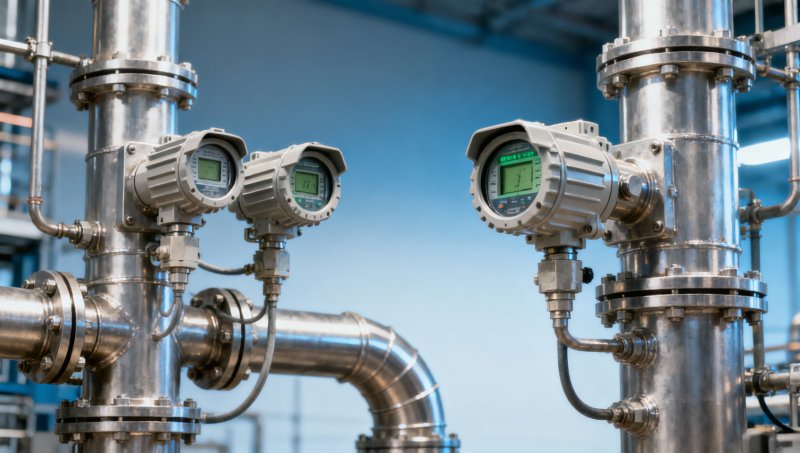
A process sensor is typically designed to monitor a physical or chemical variable within an operating process. In industrial equipment, this can include pressure, temperature, flow, level, pH, conductivity, dissolved oxygen, or composition variables used to maintain production consistency. These sensors usually integrate with PLC, DCS, SCADA, or local control systems and often work continuously in cycles ranging from 1 second to 60 seconds depending on the process.
A gas sensor, by contrast, is built to detect the presence or concentration of specific gases in ambient air, ducts, flues, pipelines, chambers, or exhaust streams. Typical targets include O2, CO, CO2, H2S, NH3, CH4, VOCs, SO2, and NOx. In safety and environmental applications, the gas sensor may trigger alarms at thresholds such as 10 ppm, 25 ppm, or 50 ppm, or provide trend data for compliance systems in stack equipment.
The biggest difference is functional purpose. A process sensor helps control the process itself, while a gas sensor often protects people, equipment, and the environment from unwanted gas conditions. In some systems, both coexist. For example, a boiler may use process sensors for pressure and temperature control, while using emission sensors in the flue to measure O2 and pollutants for combustion optimization and regulatory reporting.
In industrial settings, the boundary can overlap. An in-line analyzer that measures dissolved CO2 in a liquid process is still a process sensor, even though the measured substance is a gas. Meanwhile, a zirconia oxygen probe installed in a combustion exhaust path behaves as a gas sensor because it is analyzing gas composition in a flue stream rather than a liquid or bulk process variable.
Core Functional Differences
The table below summarizes how process sensors and gas sensors differ in typical instrumentation projects involving process equipment, gas equipment, and emission equipment.
This comparison shows why the two sensor types are not interchangeable. Even if both provide analog or digital outputs, the intended measurement environment, alarm logic, and maintenance strategy are fundamentally different. That difference becomes more visible when the project moves from concept design to installation and commissioning.
Where Each Sensor Fits in Real Industrial Applications
In process industries, a process sensor is usually embedded in the production chain. It may be installed on tanks, reactors, heat exchangers, filtration units, utility systems, or pipelines. These devices support continuous process control, recipe consistency, and asset efficiency. Common examples include pressure transmitters on steam lines, flow sensors on chemical dosing skids, and level sensors on storage vessels with measuring ranges from 0.5 m to 20 m.
Gas sensors are more common in hazardous areas, exhaust pathways, enclosed rooms, burner systems, and environmental monitoring points. In gas equipment and emission equipment, they can be placed inside flue channels, near valve stations, around compressor rooms, above battery storage systems, or at stack outlets. Detection ranges vary by gas and purpose, from 0–100 ppm for toxic gas monitoring to 0–25% volume for oxygen or combustible gas applications.
The selection is especially important in combustion systems. A process sensor may track furnace temperature, air pressure, or fuel flow, while a gas sensor measures O2, CO, and NOx in flue gas. The process sensor keeps the burner stable; the emission sensor verifies combustion quality and supports compliance. If only one type is installed, the operator may miss either process deviation or emission risk.
In environmental monitoring, gas sensors may also extend beyond safety. They are used for stack testing interfaces, ambient air stations, wastewater treatment odor control, and enclosure leak detection. At the same site, process sensors may monitor blower pressure, sludge level, and dosing flow. This dual architecture is common in modern automation projects where safety, compliance, and efficiency are managed in one digital platform.
Typical Application Mapping
The following examples help project managers and technical buyers identify the correct fit based on industrial use case rather than sensor name alone.
- Boiler and burner systems: process sensors for temperature, pressure, and fuel flow; gas sensors for O2, CO, and flue emissions.
- Chemical dosing systems: process sensors for pH, conductivity, and flow; gas sensors for chlorine, ammonia, or toxic leak detection.
- Wastewater plants: process sensors for level, dissolved oxygen, and turbidity; gas sensors for H2S, CH4, and confined-space protection.
- Compressed gas handling: process sensors for line pressure and temperature; gas sensors for leak detection and room ventilation control.
Why Application Context Matters
A frequent mistake is choosing by media type alone. If the goal is to control process quality, you need a process-grade measurement point with repeatability, chemical compatibility, and control integration. If the goal is to detect hazardous concentration in air or exhaust, you need a gas sensor designed for selectivity, alarm reliability, and possibly sample conditioning. Matching the sensing principle to the application reduces false alarms and unplanned shutdowns during the first 6–12 months of operation.
Selection Criteria: Accuracy, Environment, Integration, and Compliance
A robust sensor selection process should examine at least 4 dimensions: what must be measured, where the sensor will operate, how the signal will be used, and what standards or site rules apply. For process sensors, accuracy may be specified as ±0.1% to ±1% of span depending on the variable. For gas sensors, performance often emphasizes response time, cross-sensitivity, zero drift, and stability over calibration intervals such as 30, 90, or 180 days.
The installation environment is often decisive. Process sensors may face high pressure, abrasion, scaling, or CIP/SIP cleaning cycles. Gas sensors may face condensation, dust loading, corrosive flue components, or ambient temperature swings from -20°C to 60°C. In stack equipment, sampling systems may need heated lines, filters, and moisture management to maintain reliable readings through seasonal changes.
Signal integration is another practical checkpoint. Many industrial users require 4–20 mA, HART, Modbus, relay outputs, or direct DCS connectivity. Safety applications may also require local sound-light alarms, fail-safe logic, or voting architecture in 1oo2 or 2oo3 configurations. Procurement teams should clarify whether the sensor is expected to provide control feedback, safety shutdown input, data logging, or compliance records for internal audits.
Compliance needs vary by sector. Environmental and safety teams may require traceable calibration records, maintenance logs, and verification routines. In many projects, the real cost is not the sensor alone but the total installed and maintained system over 3 to 5 years. A lower-priced device with frequent drift or difficult servicing can become the more expensive option after the first annual maintenance cycle.
Practical Evaluation Checklist
Before issuing an RFQ or approving a technical bid, use the checklist below to compare process sensor and gas sensor options on the factors that affect lifecycle value.
For most industrial buyers, this checklist avoids an overly narrow purchasing decision. Instead of comparing catalog specifications only, it ties the sensor to operation mode, maintenance resources, and reporting requirements. That approach is especially useful when one site contains process equipment, flue equipment, and gas equipment within the same project scope.
Common Mistakes, Maintenance Realities, and Total Cost of Ownership
One common mistake is assuming a gas sensor can replace a process analyzer simply because both measure concentration. In reality, process analysis often demands higher chemical compatibility, stable in-line sampling, and control-grade repeatability. Another mistake is placing a gas sensor in a harsh emission stream without considering particulate load, condensation, or sample conditioning. These issues can shorten sensor life from 24 months to less than 6 months in difficult service.
Maintenance expectations also differ. Process sensors may require periodic cleaning, membrane replacement, reference checks, or recalibration during planned shutdowns every 1 to 3 months. Gas sensors may require bump tests, span checks, filter replacement, and alarm verification. In safety-critical spaces, weekly visual inspection and monthly functional testing are common practical intervals, although actual site practice depends on hazard level and internal procedures.
Total cost of ownership includes at least 5 components: purchase price, installation hardware, integration engineering, calibration materials, and labor over the service cycle. A sensor with a shorter calibration interval may appear affordable up front but create a higher annual operating burden. For project managers and buyers, lifecycle planning should cover spare parts, access method, instrument isolation points, and expected downtime per maintenance event, often ranging from 15 minutes to 2 hours per device.
The best maintenance strategy is preventive rather than reactive. Trending drift, alarm history, response lag, and fouling frequency can reveal whether the selected process sensor or gas sensor is appropriate for the service. If intervention frequency exceeds the original plan by 2x or more, the problem may be the wrong sensing technology, wrong installation point, or an incomplete protection design rather than operator error alone.
Risk Points to Review Before Purchase
- Do not specify accuracy without defining operating range, media condition, and required response time.
- Do not ignore ambient conditions such as vibration, washdown, corrosive gas, or dust above normal industrial levels.
- Do not separate sensor procurement from calibration planning; serviceability should be reviewed during design, not after installation.
- Do not treat emission sensors as simple accessories if the plant needs traceable data for audits, performance tuning, or environmental review.
When Higher Initial Cost Can Reduce Lifecycle Cost
A more robust sensor with better material resistance, onboard diagnostics, and longer calibration stability can reduce maintenance visits by 20% to 40% in demanding industrial settings. That reduction matters when instruments are mounted on stacks, rooftops, hazardous zones, or production lines where access requires permits, lifting equipment, or process interruption. For distributors and EPC teams, this is often the difference between a successful handover and recurring warranty complaints.
How to Choose the Right Sensor for Operators, Engineers, and Buyers
A practical selection method starts with the decision objective. If you need to stabilize a production variable such as level, pressure, flow, or pH inside process equipment, start with a process sensor shortlist. If you need to detect hazardous gases, confirm combustion quality, or monitor stack emissions, start with a gas sensor or emission sensor shortlist. In mixed projects, both categories should be specified separately to avoid design confusion during bidding.
Next, define 6 key inputs: measured substance, concentration or range, process conditions, mounting location, output signal, and maintenance capability. This reduces rework in the RFQ stage and helps suppliers recommend realistic configurations. For example, an oxygen sensor in a high-temperature flue may need a different construction than an oxygen sensor for room air monitoring, even though the measured gas is the same.
Then review implementation timing. Standard industrial sensors may fit delivery windows of 2–6 weeks, while customized sample systems, high-temperature probes, or integrated control packages can require longer project cycles. Procurement should align delivery expectations with shutdown windows, site acceptance planning, and available commissioning resources. A technically correct sensor that arrives after the turnaround date still creates operational risk.
Finally, verify post-installation support. Good instrumentation projects include documentation, calibration instructions, wiring references, spare parts planning, and a defined contact path for troubleshooting. For decision-makers, this support structure is often as important as sensor specifications because it affects uptime, internal training, and cross-team coordination between operations, EHS, quality, and maintenance.
A 5-Step Selection Workflow
- Define whether the measurement purpose is process control, safety detection, or emission monitoring.
- Document operating range, environmental conditions, and required response speed.
- Confirm control system compatibility, alarm logic, and data logging needs.
- Compare calibration intervals, maintenance workload, and spare part availability.
- Review installation layout, commissioning plan, and ownership cost over 3–5 years.
FAQ for Industrial Projects
Can one device serve as both a process sensor and a gas sensor?
Sometimes a system includes both functions, but in most projects the sensing roles remain distinct. A combustion package may combine process signals and gas analysis in one control architecture, yet the field devices are still selected according to different design criteria, maintenance routines, and alarm purposes.
Which is more important for compliance: process measurement or gas measurement?
For environmental and safety compliance, gas measurement is often more directly tied to alarms, exposure thresholds, or emission records. However, process measurement strongly influences whether combustion, dosing, or treatment systems operate correctly. In practice, compliance and process stability support each other rather than compete.
What should buyers ask suppliers before ordering?
Ask for recommended operating range, installation conditions, expected calibration interval, compatible outputs, consumable parts, and a realistic maintenance schedule. Also ask whether the quoted scope includes accessories such as sampling lines, filters, mounting hardware, or local display units, because these details often affect the true project budget.
Process sensors and gas sensors solve different industrial problems, and choosing correctly improves safety, control quality, compliance readiness, and maintenance efficiency. Process sensors are essential when the priority is stable operation inside process equipment. Gas sensors are essential when the priority is leak detection, combustion verification, air quality, or emission monitoring in gas equipment, flue equipment, and stack equipment.
For operators, engineers, procurement teams, and project decision-makers, the best choice comes from matching the sensing technology to the measurement objective, operating environment, integration method, and lifecycle service plan. If you are evaluating emission equipment, process equipment instrumentation, or industrial sensor configurations for a new or existing project, contact us to discuss your application, get a tailored solution, and review the most suitable sensing options for your site.
Recommended for You
 Stack Gas Analyzers: When Maintenance Delays Start Raising RiskStack gas analyzers can look normal while hidden drift raises compliance, efficiency, and reliability risks. Learn the warning signs and smart maintenance checks before delays become costly.
 Industrial Measurement Systems in Export Projects: Key Compliance ChecksIndustrial measurement systems for export projects: learn the key compliance checks for certifications, calibration, safety, and documents to avoid delays and ensure smooth delivery.
 Pharmaceutical Instrumentation Upgrades: What to Evaluate FirstPharmaceutical instrumentation upgrades start with compliance, data integrity, uptime, and ROI. Learn what to evaluate first to reduce risk and make smarter buying decisions.
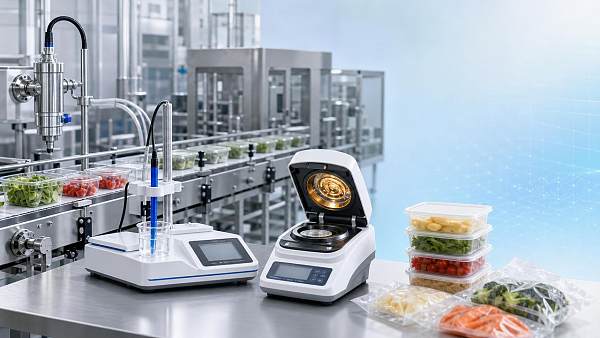
 Food Processing Analyzers for Compliance and Batch ConsistencyFood processing analyzers help manufacturers improve compliance, reduce batch variation, and verify quality from raw materials to final release with faster, traceable decisions.
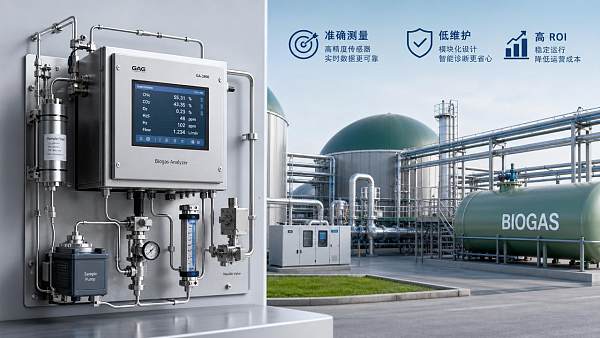
 Biogas Analyzers Market Trends: Accuracy, Maintenance, and ROIBiogas analyzers market trends: explore how accuracy, lower maintenance, and stronger ROI help energy and industrial buyers improve gas quality, uptime, and compliance.
 Safety Monitoring Systems: Common Setup Mistakes to AvoidSafety monitoring systems fail fast when setup is wrong. Discover common installation, calibration, and alarm mistakes to avoid for safer operations and more reliable monitoring.
 Industrial Testing Equipment Costs in 2026: What Drives Pricing?Industrial testing equipment costs in 2026 depend on accuracy, compliance, automation, and lifecycle service. Learn what drives pricing and how to reduce total ownership cost.
 Multi-Component Analyzers vs Single-Gas Units: Which Fits Better?Multi-component analyzers vs single-gas units: compare lifecycle cost, compliance, maintenance, and scalability to choose the best fit for safer, smarter industrial projects.
 Petrochemical Analyzers: Key Specs That Affect Safety and UptimePetrochemical analyzers directly affect safety and uptime. Learn which specs—accuracy, response time, compatibility, and maintenance—matter most for reliable plant performance.
 How to Choose Process Monitoring Instruments for Stable Plant PerformanceProcess monitoring instruments are key to stable plant performance. Learn how to choose the right devices for accuracy, compatibility, lower risk, and better efficiency.
 Brazil INMETRO to Require Portuguese UI and Local Units for Industrial Instruments by 2026Brazil INMETRO mandates Portuguese UI & local units (mbar, kPa, °C) for industrial instruments by Dec 2026—key for exporters, integrators & service providers.
 STMicroelectronics 200mm Line Eases Industrial Sensor Chip ShortageSTMicroelectronics 200mm line eases industrial sensor chip shortage — MCUs & signal-conditioning ICs now ship in 12 weeks. Secure allocation today.
 Southeast Asia Manufacturing Re-shoring Accelerates: Vietnam/Indonesia Industrial Instrument Imports Up 37% YoYSoutheast Asia manufacturing re-shoring accelerates: Vietnam & Indonesia industrial instrument imports up 37% YoY — key insights for suppliers, OEMs & procurement teams.
 First Global White Paper on Humanoid Robot Sensor Calibration ReleasedHumanoid robot sensor calibration: First global white paper released—key for ISO/IEC JWG 23 compliance, export readiness & dynamic torque accuracy. Act now.
 SAMR to Upgrade EV Battery Recycling Standard to MandatorySAMR to upgrade EV battery recycling standard GB/T 34015—202X to mandatory by Dec 2026 — critical for exporters, BMS makers & cert labs.
 Saudi SASO Accelerates AI Energy Efficiency Rules for TransmittersSASO AI energy efficiency rules for transmitters take effect 1 June 2026 — mandatory AI simulation, Saudi climate data, and authorized lab validation required. Act now to avoid export delays.
 IEC 63278:2026 Released for Industrial Instrument CybersecurityIEC 63278:2026 is live — the first global standard mandating cybersecurity verification for industrial instruments. Discover compliance impacts, deadlines, and actionable steps for OT/IT convergence.
 Red Sea Crisis Escalates: Gulf of Aden Navigation Ban Extended to June 15, 2026Red Sea Crisis escalates: Gulf of Aden navigation ban extended to June 15, 2026—disrupting industrial instrumentation shipments to the Middle East with 458% air freight spikes and 12–18 day delays.
 US DOE Updates Efficiency Rules for Industrial SensorsUS DOE updates industrial sensor efficiency rules: AI-driven dynamic calibration required by Sept 2026. Ensure AI-Cal Verified compliance now.
 EU Mandates PEF Carbon Footprint Module for Industrial Instruments from June 2026EU mandates PEF carbon footprint module for industrial instruments from June 2026—key for exporters, OEMs & certifiers. Act now to ensure compliance.
 Explosion-Proof Instruments: Compliance Risks Before You OrderExplosion-proof instruments can trigger delays, failed inspections, and safety risks if compliance is overlooked. Learn what to verify before ordering and make safer, smarter purchasing decisions.
 Gas Quality Monitoring Equipment Import Rules to Watch in 2026Gas quality monitoring equipment import rules for 2026 are tightening. Learn the key compliance, certification, and customs risks distributors must manage to avoid delays and protect margins.
 Emission Control Shelter Demand Shifts Across Industrial ProjectsEmission control shelter demand is rising across industrial projects as buyers seek faster deployment, reliable monitoring, and compliance-ready designs. Explore key evaluation factors.
 Temperature Measurement Instruments: Selection Mistakes That Raise DowntimeTemperature measurement instruments selection mistakes can drive downtime, unstable control, and higher costs. Discover 5 common errors and practical fixes to improve reliability.
 Thermal Conductivity Analyzers: When Are They the Right Choice?Thermal conductivity analyzers are ideal for binary and high-contrast gas mixtures. Learn when they deliver reliable, low-maintenance online monitoring and smarter project value.
 Level Measurement Instruments for Tanks: What Affects ReliabilityLevel measurement instruments reliability depends on media, installation, and diagnostics. Discover what causes tank reading failures and how to improve safety, uptime, and control.
 Flow Measurement Equipment Price Trends in 2026Flow measurement equipment price trends in 2026: learn key cost drivers, budgeting risks, and smart buying strategies to improve ROI and make better procurement decisions.
 Flue Gas Monitoring Equipment: Common Accuracy Issues and FixesFlue gas monitoring equipment accuracy issues can lead to drift, false readings, and compliance risks. Discover common causes, practical fixes, and smarter maintenance tips.
 Process Control Shelter vs Control Room: Key Cost and Deployment DifferencesProcess control shelter vs control room: compare cost, deployment speed, integration, and lifecycle value to choose the smarter solution for industrial automation projects.
 How to Select an Industrial Control Shelter for Harsh Site ConditionsIndustrial control shelter selection for harsh sites: learn how to compare materials, HVAC, safety, and lifecycle cost to protect equipment, reduce downtime, and improve reliability.
 SAMR to Finalize 1,800+ Standards by 2026, Including EV Battery RecyclingSAMR to finalize 1,800+ standards by 2026—including EV battery recycling, hazardous chemical packaging & EMC immunity. Stay ahead of mandatory GB shifts and global export compliance.
 China's Largest Single-Line Large-Tow Carbon Fiber Line Starts OperationChina's largest single-line large-tow carbon fiber line is live—30,000 tons/year capacity, ASME-certified, 22% cheaper & 6-week lead time. Boost your industrial instrumentation supply chain now.



Search Categories
Search Categories
Latest Article
- Stack Gas Analyzers: When Maintenance Delays Start Raising RiskStack gas analyzers can look normal while hidden drift raises compliance, efficiency, and reliability risks. Learn the warning signs and smart maintenance checks before delays become costly.Posted by:
- Industrial Measurement Systems in Export Projects: Key Compliance ChecksIndustrial measurement systems for export projects: learn the key compliance checks for certifications, calibration, safety, and documents to avoid delays and ensure smooth delivery.Posted by:
- Pharmaceutical Instrumentation Upgrades: What to Evaluate FirstPharmaceutical instrumentation upgrades start with compliance, data integrity, uptime, and ROI. Learn what to evaluate first to reduce risk and make smarter buying decisions.Posted by:
Please give us a message
