
Multi gas monitoring looks simple until cross-sensitivity appears


Multi gas monitoring often seems straightforward—until cross-sensitivity distorts results, alarms, and decisions. For teams comparing fixed analysis, portable analysis, continuous analysis, or custom analysis, understanding how explosion proof design, online measurement, paramagnetic oxygen sensing, laser measurement, and thermal measurement affect multi gas performance is essential to choosing reliable systems for safety, compliance, and process control.
Why does multi gas monitoring become difficult once cross-sensitivity enters the picture?
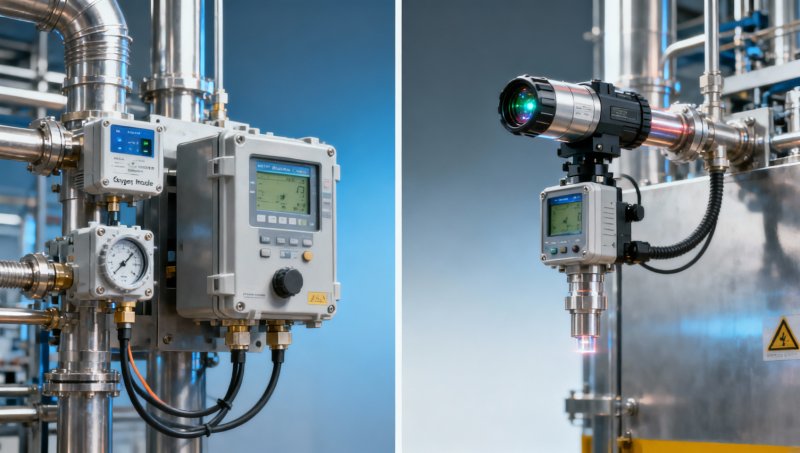
In instrumentation projects, a multi gas analyzer is rarely judged only by whether it can detect several gases at once. The real challenge starts when one gas affects the response of another sensing principle, causing a false high reading, a missed alarm, or unstable trend data. For operators, this can mean confusing screen values during a shift. For technical evaluators and safety managers, it can mean a weak basis for shutdown decisions, ventilation control, or emissions reporting.
Cross-sensitivity appears in both portable analysis and fixed online measurement systems. It is especially relevant in environments where oxygen, combustible gases, toxic gases, water vapor, solvents, and process byproducts coexist. In a typical plant, 3 to 5 gases may need to be tracked in the same measurement point, but not all sensing technologies respond selectively enough for that mixed environment. A system that performs well in a calibration room may behave differently during continuous operation over 24 hours, 7 days a week.
This matters across the broader instrumentation industry because gas analysis is no longer isolated from automation, digitalization, and quality systems. Monitoring results increasingly feed PLCs, DCS platforms, laboratory verification workflows, and environmental reporting systems. When the input signal is biased by cross-interference, the error is no longer local. It affects alarms, historical records, production yield, maintenance planning, and sometimes procurement confidence in the entire measurement strategy.
For buyers and project managers, the practical question is not simply “Which analyzer is cheaper?” but “Which analyzer remains trustworthy under my process conditions?” That requires attention to gas matrix, sample conditioning, sensor technology, installation location, calibration cycle, and explosion proof requirements. In many projects, the better decision is made before purchase, not after commissioning.
What usually triggers cross-sensitivity in real operating environments?
The most common trigger is overlapping sensor response. Electrochemical cells, catalytic sensors, thermal conductivity detectors, infrared channels, and even some laser-based methods can react differently depending on temperature, pressure, humidity, and background gases. A gas stream that changes from dry to humid within a 10°C–25°C ambient band may shift response enough to alter alarm behavior if compensation is not designed properly.
- Mixed gas background: hydrocarbons, CO, H2S, CO2, and oxygen can interact with the selected sensing principle and alter apparent concentration.
- Sampling problems: long sample lines, filters, condensate, and pressure fluctuations may create lag, adsorption, or dilution before the gas reaches the analyzer.
- Installation mismatch: a portable analyzer chosen for spot checks may be used as if it were a continuous analyzer, even though response stability and drift tolerance are different.
- Calibration assumptions: zero and span gases can be correct in isolation but incomplete for the actual process matrix, especially where interference gas levels vary batch by batch.
These triggers explain why multi gas monitoring cannot be reduced to a simple sensor count. The more complex the process stream, the more important it becomes to choose a solution architecture rather than a generic detector.
Which measurement technologies handle multi gas monitoring better in different scenarios?
No single technology is ideal for every gas combination. Paramagnetic oxygen sensing offers strong selectivity for oxygen in many industrial applications, while laser measurement can provide excellent specificity for selected target gases when path conditions are controlled. Thermal measurement can be useful for certain binary or dominant-mixture applications, but performance depends heavily on gas composition stability. Fixed analysis, portable analysis, continuous analysis, and custom analysis each fit different risk and budget profiles.
For procurement teams, understanding these tradeoffs avoids a common mistake: selecting a technology because it is familiar rather than because it matches the gas matrix. A portable unit may be cost-effective for periodic inspection every shift or every week, but a fixed online system is usually more suitable when response time, continuous logging, and alarm integration are mandatory. Likewise, explosion proof construction may be essential in hazardous areas, but enclosure rating alone does not solve cross-sensitivity if the internal sensing method is poorly matched.
The table below summarizes typical strengths and limitations. It does not replace site testing, but it gives technical evaluators, distributors, and project owners a structured starting point for comparing technologies across process safety, emissions monitoring, and quality control tasks.
The key takeaway is simple: sensor technology should follow process conditions, not the other way around. In many industrial and environmental projects, a hybrid design works better than a single-instrument compromise—for example, paramagnetic oxygen sensing for O2, laser measurement for a critical target gas, and separate treatment of moisture or pressure compensation.
How should teams compare fixed, portable, continuous, and custom analysis?
A useful comparison framework includes 4 core dimensions: selectivity, response stability, maintenance frequency, and system integration. If monitoring drives safety interlocks or environmental compliance, continuous analysis often has a stronger business case despite higher upfront scope. If the need is periodic investigation, portable analysis may be sufficient, provided testing procedures are disciplined and documented.
Decision signals that usually indicate the need for custom analysis
- The gas matrix changes across batches, shifts, or seasons, making a standard configuration unreliable.
- The measurement point is in a hazardous area and requires both explosion proof design and tailored sampling protection.
- Data must be transferred to PLC, DCS, SCADA, or reporting systems with traceable alarm and maintenance records.
- Process upsets create short peaks, and the system must distinguish true excursions from interference within seconds or minutes.
For financial approvers, the main point is that custom analysis is not automatically “more expensive” in lifecycle terms. It can reduce false alarms, avoid unnecessary shutdowns, and decrease troubleshooting labor over 12 to 36 months of operation.
How do application scenarios change the right multi gas monitoring design?
Application context determines whether cross-sensitivity is a minor nuisance or a major operational risk. In industrial manufacturing, a false reading may affect burner efficiency, heat treatment atmosphere, or protective gas quality. In energy and power, oxygen and combustible gas misinterpretation can undermine combustion optimization or safety isolation. In environmental monitoring, interference can distort emissions data and lead to repeated verification work. In laboratories or medical-related testing environments, even small deviations may affect sample validity and traceability.
This is why the instrumentation industry treats gas monitoring as part of a broader measurement and control architecture. The analyzer, sample system, signal output, calibration routine, and maintenance access all matter. A project owner evaluating 2 to 3 vendors should compare not only detector specifications, but also serviceability, response under humidity, line purge arrangements, and integration with the site’s automation system.
The following table helps map application needs to likely solution priorities. It is especially useful for project managers, quality teams, and channel partners who need to discuss technical fit without losing sight of budget and schedule.
The pattern is clear: the right multi gas monitoring solution is tied to the process objective. The more the measurement affects compliance, process control, or personnel safety, the more valuable it becomes to invest in application-specific engineering rather than a generic instrument list.
Scenario-specific warning signs buyers should not ignore
Three warning signs appear repeatedly in unsuccessful projects. First, the site requests multi gas monitoring but supplies only target gas names without describing background gases, humidity, pressure, or expected concentration range. Second, the project team focuses on sensor price but not calibration effort, spare parts, and downtime cost. Third, installation teams receive the analyzer late, leaving only 7–15 days for commissioning, even though proper sample validation often needs more time.
When these warning signs are addressed early, project execution improves. A short pre-engineering phase of 1 to 2 weeks can save repeated field changes, especially in custom or hazardous-area systems.
What should procurement, engineering, and finance check before placing an order?
A strong procurement decision combines technical fit, compliance readiness, implementation practicality, and lifecycle cost. For gas analyzers, purchase orders often fail when teams compare line-item prices but not the total monitoring system. The correct evaluation includes sensor method, sample handling, enclosure type, communication outputs, calibration support, spare strategy, and expected maintenance intervals. In other words, buyers should evaluate the monitoring job, not just the instrument body.
A practical approach is to score 5 key dimensions before approval: gas selectivity, environmental suitability, integration requirements, maintenance burden, and delivery risk. If a project is tied to shutdown windows or a new line startup, lead time can be as important as the analyzer itself. Standard configurations may ship faster, often within 2–6 weeks depending on scope, while custom systems with sample conditioning and special enclosures may take longer.
A procurement checklist that reduces cross-sensitivity risk
- Confirm the full gas matrix, not only target gases. Include expected concentration bands, background gases, humidity, dust, and pressure condition.
- Define whether the application is spot checking, periodic inspection, or continuous 24/7 monitoring. This changes technology choice and maintenance planning.
- Check area classification and enclosure needs. Explosion proof design may be mandatory, but sample system safety and cable interfaces must match as well.
- Request calibration philosophy and interference handling method. Ask how the system behaves when one non-target gas rises unexpectedly.
- Review outputs and data use. 4–20 mA, relay outputs, Modbus, or digital integration should match plant control and reporting needs.
- Clarify service scope: factory setup, site commissioning, operator training, spare recommendations, and remote support windows.
For finance teams, the most useful question is not “What is the lowest purchase price?” but “What is the expected operating cost over the first 12–24 months?” A low-cost sensor package with frequent false alarms, short sensor life, and manual troubleshooting can be more expensive than a properly engineered solution. For distributors and agents, this lifecycle framing also improves customer retention because it reduces post-sale disputes over performance expectations.
Compliance and implementation items often reviewed during approval
- Hazardous area suitability where applicable, including enclosure approach and installation documentation.
- Calibration and verification procedure aligned with plant quality or safety practice, often monthly, quarterly, or by risk level.
- Signal compatibility with existing PLC, DCS, laboratory information flow, or environmental logging systems.
- Commissioning deliverables such as I/O checks, alarm simulation, operator training, and baseline trend confirmation.
What are the most common misconceptions, and how should teams respond?
One common misconception is that more sensors automatically mean better multi gas monitoring. In reality, adding channels can increase complexity if the sensing methods interfere, share weak sample conditioning, or create overlapping alarm logic. Another misconception is that a portable analyzer can stand in for a fixed system indefinitely. Portable devices are highly valuable, but they serve a different operating model and depend heavily on disciplined field practice.
A second misunderstanding is that cross-sensitivity can be solved only through software compensation. Compensation may help, but it cannot fully correct a poor technology match or contaminated sample path. If the gas matrix changes dynamically, physical design choices—filters, dryers, pressure regulators, heated lines, flow control, or separate measurement channels—often matter more than algorithm tuning alone.
A third misconception appears during budgeting: some teams underestimate commissioning and validation. For a simple portable deployment, readiness may be quick. For a fixed continuous analysis project, however, implementation can involve 4 steps or more: requirement review, engineering confirmation, installation, and site verification. If each step is rushed, the system may appear to work at startup while hiding cross-sensitivity problems that emerge weeks later.
FAQ for researchers, operators, and decision-makers
How do I know whether cross-sensitivity is affecting my readings?
Look for patterns such as unexpected alarm changes when non-target gases vary, unstable readings after humidity or temperature shifts, or disagreement between portable checks and fixed analyzer trends. A controlled verification using known gas mixtures and process-condition review is usually the fastest way to confirm the issue.
Is paramagnetic oxygen sensing always the best choice for oxygen?
It is often a strong choice for oxygen selectivity in industrial continuous analysis, especially where combustion control or inerting is involved. However, sample cleanliness, pressure stability, and installation conditions still matter. “Best” depends on the application, not only the sensing principle.
When is laser measurement worth the investment?
Laser measurement is often justified when a specific target gas must be measured selectively and quickly, especially in stack or process applications where direct or near-direct measurement reduces some interference challenges. It becomes less attractive if the optical path cannot be kept stable or if the process conditions do not suit the selected wavelength approach.
What delivery timeline should we expect?
Typical timing depends on complexity. Standard portable or simple fixed configurations may be available in roughly 2–6 weeks, while custom continuous analysis with sampling systems, hazardous-area adaptation, and integration testing may require a longer project window. Early data sharing usually shortens the schedule more effectively than last-minute acceleration requests.
Why choose a solution partner that understands instrumentation beyond the analyzer itself?
Multi gas monitoring is not just about sensing gases. It sits inside a wider instrumentation environment that includes measurement reliability, automation compatibility, calibration logic, field safety, and long-term maintainability. A capable solution partner should be able to discuss fixed analysis, portable analysis, continuous analysis, custom analysis, sample systems, and integration with plant control architecture as one connected project rather than isolated product items.
This broader capability matters across industrial manufacturing, energy and power, environmental monitoring, laboratory analysis, construction engineering, and automation control. In these sectors, measurement equipment supports modernization, digital transformation, and intelligent upgrading. Choosing the right gas monitoring architecture can therefore improve not only safety and compliance, but also data trustworthiness for operations, quality, and management reporting.
If you are comparing options, we can help you review the 3 most critical areas before commitment: gas matrix and cross-sensitivity risk, suitable measurement technology, and implementation scope. That includes parameter confirmation, product selection, delivery schedule discussion, custom solution planning, hazardous-area and compliance considerations, sample support where applicable, and quotation alignment with actual operating needs.
For project managers, distributors, procurement teams, and end users, an early technical review often prevents expensive redesign later. If you share your target gases, concentration range, installation environment, and control system requirements, the next conversation can move quickly from generic comparison to a practical multi gas monitoring proposal that fits safety, compliance, and process control objectives.
Recommended for You
 Brazil INMETRO to Require Portuguese UI and Local Units for Industrial Instruments by 2026Brazil INMETRO mandates Portuguese UI & local units (mbar, kPa, °C) for industrial instruments by Dec 2026—key for exporters, integrators & service providers.
 STMicroelectronics 200mm Line Eases Industrial Sensor Chip ShortageSTMicroelectronics 200mm line eases industrial sensor chip shortage — MCUs & signal-conditioning ICs now ship in 12 weeks. Secure allocation today.
 Southeast Asia Manufacturing Re-shoring Accelerates: Vietnam/Indonesia Industrial Instrument Imports Up 37% YoYSoutheast Asia manufacturing re-shoring accelerates: Vietnam & Indonesia industrial instrument imports up 37% YoY — key insights for suppliers, OEMs & procurement teams.
 First Global White Paper on Humanoid Robot Sensor Calibration ReleasedHumanoid robot sensor calibration: First global white paper released—key for ISO/IEC JWG 23 compliance, export readiness & dynamic torque accuracy. Act now.
 SAMR to Upgrade EV Battery Recycling Standard to MandatorySAMR to upgrade EV battery recycling standard GB/T 34015—202X to mandatory by Dec 2026 — critical for exporters, BMS makers & cert labs.
 Saudi SASO Accelerates AI Energy Efficiency Rules for TransmittersSASO AI energy efficiency rules for transmitters take effect 1 June 2026 — mandatory AI simulation, Saudi climate data, and authorized lab validation required. Act now to avoid export delays.
 IEC 63278:2026 Released for Industrial Instrument CybersecurityIEC 63278:2026 is live — the first global standard mandating cybersecurity verification for industrial instruments. Discover compliance impacts, deadlines, and actionable steps for OT/IT convergence.
 Red Sea Crisis Escalates: Gulf of Aden Navigation Ban Extended to June 15, 2026Red Sea Crisis escalates: Gulf of Aden navigation ban extended to June 15, 2026—disrupting industrial instrumentation shipments to the Middle East with 458% air freight spikes and 12–18 day delays.
 US DOE Updates Efficiency Rules for Industrial SensorsUS DOE updates industrial sensor efficiency rules: AI-driven dynamic calibration required by Sept 2026. Ensure AI-Cal Verified compliance now.
 EU Mandates PEF Carbon Footprint Module for Industrial Instruments from June 2026EU mandates PEF carbon footprint module for industrial instruments from June 2026—key for exporters, OEMs & certifiers. Act now to ensure compliance.
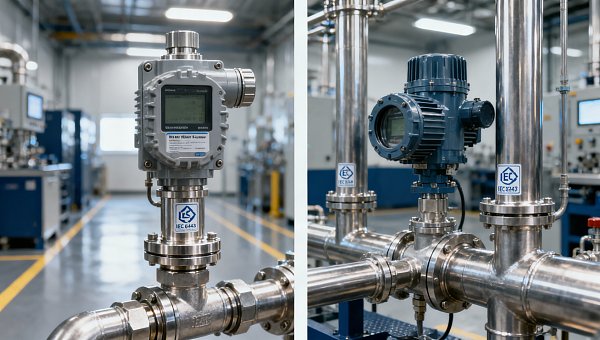
 Explosion-Proof Instruments: Compliance Risks Before You OrderExplosion-proof instruments can trigger delays, failed inspections, and safety risks if compliance is overlooked. Learn what to verify before ordering and make safer, smarter purchasing decisions.
 Gas Quality Monitoring Equipment Import Rules to Watch in 2026Gas quality monitoring equipment import rules for 2026 are tightening. Learn the key compliance, certification, and customs risks distributors must manage to avoid delays and protect margins.
 Emission Control Shelter Demand Shifts Across Industrial ProjectsEmission control shelter demand is rising across industrial projects as buyers seek faster deployment, reliable monitoring, and compliance-ready designs. Explore key evaluation factors.
 Temperature Measurement Instruments: Selection Mistakes That Raise DowntimeTemperature measurement instruments selection mistakes can drive downtime, unstable control, and higher costs. Discover 5 common errors and practical fixes to improve reliability.
 Thermal Conductivity Analyzers: When Are They the Right Choice?Thermal conductivity analyzers are ideal for binary and high-contrast gas mixtures. Learn when they deliver reliable, low-maintenance online monitoring and smarter project value.
 Level Measurement Instruments for Tanks: What Affects ReliabilityLevel measurement instruments reliability depends on media, installation, and diagnostics. Discover what causes tank reading failures and how to improve safety, uptime, and control.
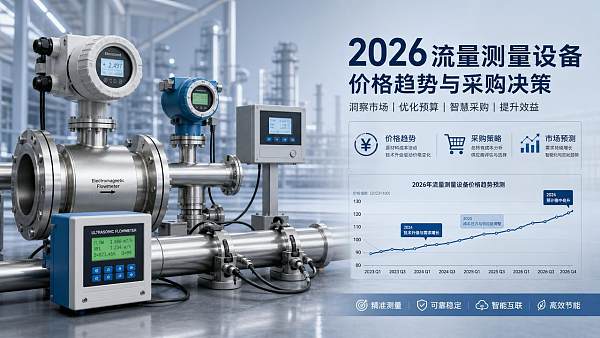
 Flow Measurement Equipment Price Trends in 2026Flow measurement equipment price trends in 2026: learn key cost drivers, budgeting risks, and smart buying strategies to improve ROI and make better procurement decisions.
 Flue Gas Monitoring Equipment: Common Accuracy Issues and FixesFlue gas monitoring equipment accuracy issues can lead to drift, false readings, and compliance risks. Discover common causes, practical fixes, and smarter maintenance tips.
 Process Control Shelter vs Control Room: Key Cost and Deployment DifferencesProcess control shelter vs control room: compare cost, deployment speed, integration, and lifecycle value to choose the smarter solution for industrial automation projects.
 How to Select an Industrial Control Shelter for Harsh Site ConditionsIndustrial control shelter selection for harsh sites: learn how to compare materials, HVAC, safety, and lifecycle cost to protect equipment, reduce downtime, and improve reliability.
 SAMR to Finalize 1,800+ Standards by 2026, Including EV Battery RecyclingSAMR to finalize 1,800+ standards by 2026—including EV battery recycling, hazardous chemical packaging & EMC immunity. Stay ahead of mandatory GB shifts and global export compliance.
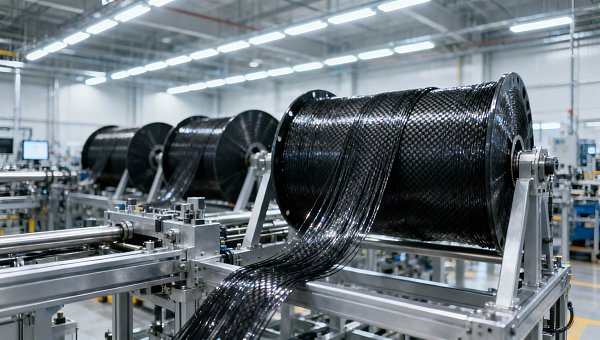
 China's Largest Single-Line Large-Tow Carbon Fiber Line Starts OperationChina's largest single-line large-tow carbon fiber line is live—30,000 tons/year capacity, ASME-certified, 22% cheaper & 6-week lead time. Boost your industrial instrumentation supply chain now.
 China Mobile Unveils National Integrated Computing Power NetworkChina Mobile's National Integrated Computing Power Network accelerates AI quality inspection for global manufacturers—cutting model training time by 68% and enabling cross-border industrial AI development.
 World's First Humanoid Robot Industrial Calibration White Paper ReleasedWorld's First Humanoid Robot Industrial Calibration White Paper released—setting new global benchmarks for dynamic sensor calibration in robotics. Discover how ABB, Yaskawa & metrology leaders are reshaping industry trust.
 Red Sea Crisis Escalates: Aden Gulf Ban Extended to June 15Red Sea Crisis escalates: Aden Gulf ban extended to June 15 — disrupting industrial instrumentation trade between China and the Middle East with 452% air freight spikes and 7–12 day delays.
 Saudi SASO Introduces AI-Based Energy Validation for Industrial TransmittersAI-based energy validation for industrial transmitters is now mandatory in Saudi Arabia—learn how SASO’s new AI regulation impacts global exporters, compliance timelines, and supply chains.
 IEC TC65 Releases Cybersecurity Validation Guide for Industrial InstrumentsIEC TC65’s new Cybersecurity Validation Guide for Industrial Instruments mandates SDL certification & firmware signing—key for EU/US market access. Act now to align with GB/T 42278-2026 and avoid export delays.
 EU PEF Carbon Footprint Database Mandatory Access for Industrial InstrumentsEU PEF Carbon Footprint Database mandatory access starts June 2026 for industrial instruments—pressure, temperature & flow meters. Ensure compliance now to avoid EU customs delays and market exclusion.
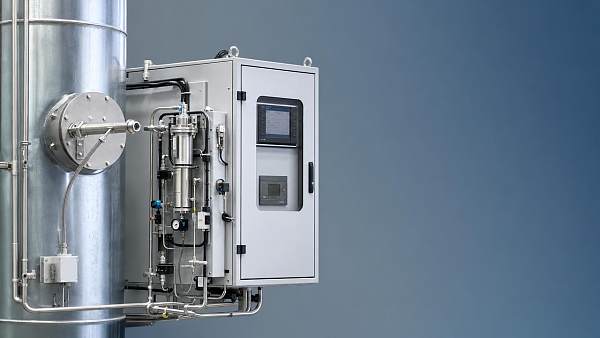
 Gas Quality Analyzer Shelter Price Trends and Specification Gaps to WatchGas quality analyzer shelter price trends vary with materials, HVAC, safety, integration, and compliance. See key specification gaps before shortlisting suppliers or approving budget.
 Process Measurement Equipment: Key Accuracy Risks in Harsh EnvironmentsProcess measurement equipment in harsh environments can drift before failing. Discover key accuracy risks, warning signs, and practical controls to protect quality, safety, and compliance.
 Industrial Analyzer Shelter Export Factors Affecting Lead Times This YearIndustrial analyzer shelter export lead times vary with sourcing, engineering, compliance, packing, and logistics. Learn the key factors to quote smarter and deliver with confidence.
 What to Check Before Buying a Process Analyzer ShelterProcess analyzer shelter buying guide: learn what to check before purchase, from compliance and HVAC to utilities, durability, and maintenance access.



















Search Categories
Search Categories
Latest Article
- Brazil INMETRO to Require Portuguese UI and Local Units for Industrial Instruments by 2026Brazil INMETRO mandates Portuguese UI & local units (mbar, kPa, °C) for industrial instruments by Dec 2026—key for exporters, integrators & service providers.Posted by:
- STMicroelectronics 200mm Line Eases Industrial Sensor Chip ShortageSTMicroelectronics 200mm line eases industrial sensor chip shortage — MCUs & signal-conditioning ICs now ship in 12 weeks. Secure allocation today.Posted by:
- Southeast Asia Manufacturing Re-shoring Accelerates: Vietnam/Indonesia Industrial Instrument Imports Up 37% YoYSoutheast Asia manufacturing re-shoring accelerates: Vietnam & Indonesia industrial instrument imports up 37% YoY — key insights for suppliers, OEMs & procurement teams.Posted by:
Please give us a message
