
Production Line Analyzer Data Gaps That Hurt Process Decisions


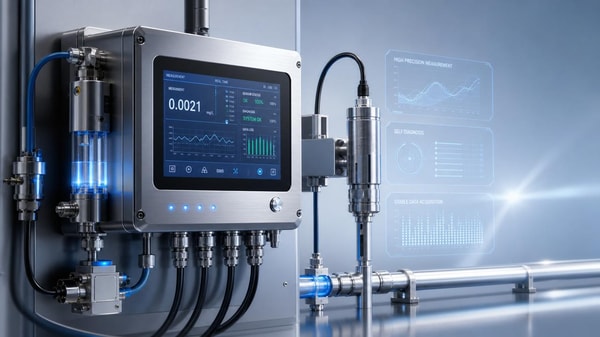
When a production line analyzer delivers incomplete, delayed, or inconsistent data, project managers and engineering leaders face decisions based on assumptions instead of facts. In complex industrial environments, even small data gaps can distort performance trends, hide process instability, and increase operational risk. Understanding where these gaps come from is the first step toward improving visibility, protecting efficiency, and making process decisions with greater confidence.
Why data gaps matter differently across industrial scenarios
A production line analyzer is not used in one universal way. In a continuous process plant, a missing stream of analyzer data may affect quality control within minutes. In batch production, the same issue may only become visible after a lot fails final inspection. In regulated testing environments, incomplete records can trigger compliance concerns even when the process itself seems stable. That is why project managers cannot evaluate analyzer performance only by technical specifications. They need to judge whether data continuity matches the operational scenario, decision speed, and risk profile of the line.
For engineering leaders in instrumentation-heavy industries, the core issue is not simply whether an analyzer works. The real question is whether the production line analyzer supports trustworthy decisions in the context where it is deployed. A line producing high-volume standardized output needs strong trend integrity and alarm reliability. A line handling variable raw materials needs high sensitivity to process shifts. A site with multiple subsystems needs dependable integration between analyzers, PLCs, SCADA, historians, and reporting tools. Data gaps hurt each of these environments in different ways.
This is especially relevant in the broader instrumentation industry, where measurement and control devices form the basis for automation, digital transformation, and intelligent manufacturing. If the production line analyzer becomes the weak point in the data chain, the value of upstream sensors and downstream control systems is reduced. As a result, managers may overestimate capacity, miss early warnings, or make investment decisions based on incomplete evidence.
Scenario background: where production line analyzer data gaps usually appear
In most industrial projects, data gaps do not come from one dramatic failure. They develop through a mix of sampling issues, communication interruptions, calibration drift, maintenance delays, software mismatches, or unclear data ownership. These gaps often remain hidden because the analyzer continues to show some values, creating a false sense of continuity. Project teams may only notice the problem when product quality varies, process losses increase, or reports from different systems stop matching.
Common trigger points include analyzer warm-up periods, switching between operating modes, unstable sample conditioning, unplanned downtime, recipe changes, and historian synchronization errors. In a complex project, the production line analyzer may also be affected by network architecture, interface protocols, signal conversion, and operator response practices. For this reason, scenario-based evaluation is more useful than a simple pass-or-fail view.
Typical application scenarios and what project managers should watch
Continuous manufacturing lines
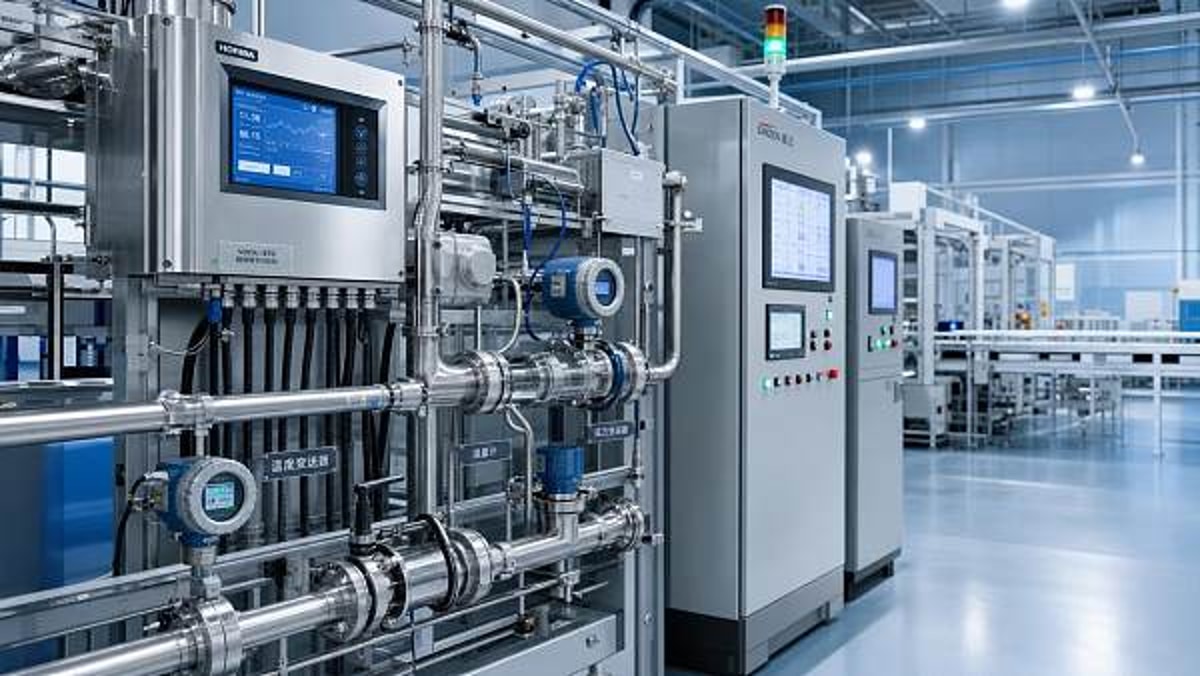
In continuous operations such as chemical processing, energy systems, bulk materials handling, or high-throughput industrial manufacturing, the production line analyzer often supports real-time process adjustment. Here, short data gaps can hide drifting conditions that gradually move the process out of target range. Managers should focus on update frequency, signal stability, analyzer uptime, and the time lag between measurement and control action. If a control team reacts to delayed values, they may correct the wrong condition and amplify instability rather than reduce it.
Batch and recipe-driven production
In batch environments, the production line analyzer is often tied to stage gates, recipe verification, or release decisions. Data gaps here are dangerous because they can affect only certain lots, making the issue harder to trace. Project leaders should check whether analyzer records are linked clearly to batch identifiers, timestamps, and operator actions. Even a brief loss of data during a critical mixing, heating, or dosing stage can make root-cause analysis difficult after a deviation.
Multi-line facilities with centralized monitoring
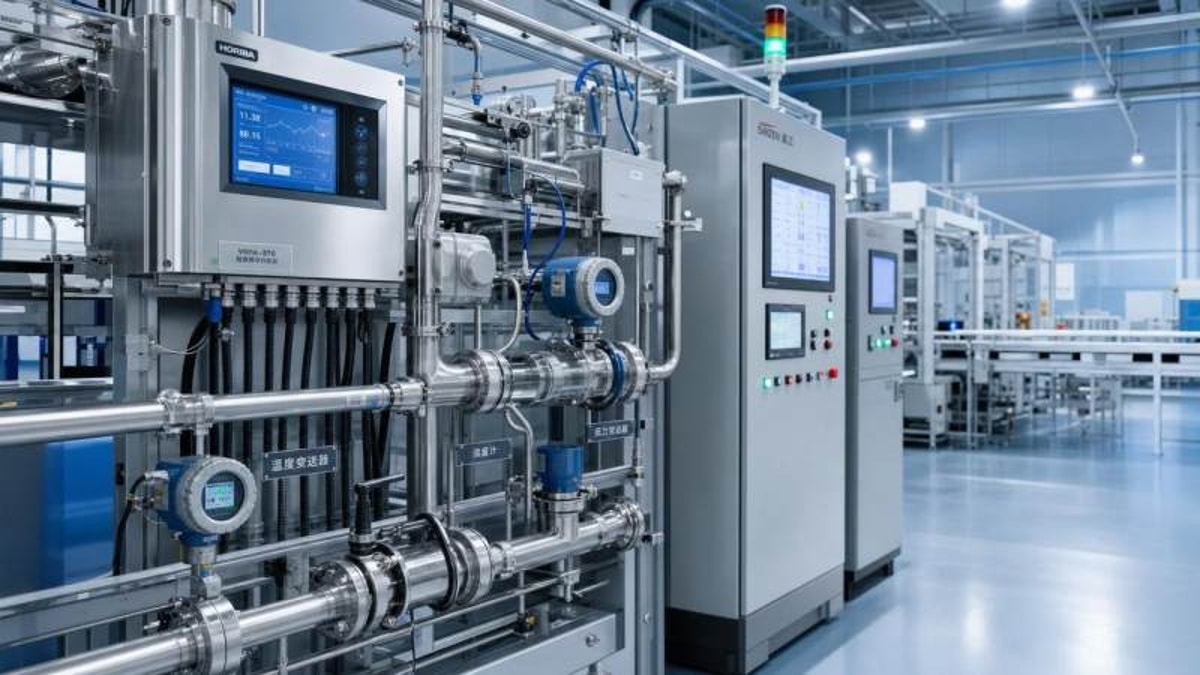
Many modern plants run several production assets through a centralized platform. In this scenario, the production line analyzer is not only a local instrument but also a data source for dashboards, energy optimization, maintenance planning, and management reporting. The main risk is inconsistency between local analyzer output and centralized records. Project managers should ask whether data is buffered during communication loss, how missing values are flagged, and whether cross-line comparisons are based on equivalent measurement quality.
Compliance-sensitive and traceability-driven operations
In sectors where documentation, audit readiness, and traceability matter, a production line analyzer must provide more than measurement. It must generate complete, defensible records. Data gaps may not immediately stop production, but they can weaken quality documentation, customer confidence, and regulatory standing. Engineering project leaders in these environments should evaluate audit trails, timestamp integrity, calibration history, exception handling, and data retention logic from the start of the project rather than as a later software task.
Scenario comparison: how the impact of analyzer data gaps changes
The table below helps decision-makers compare how the same production line analyzer issue can create very different business consequences depending on the operating scenario.
Different business needs mean different analyzer expectations
A production line analyzer that seems adequate in one plant may be underperforming in another because the decision context is different. Project managers should map analyzer expectations to the business need rather than relying only on vendor brochures or generic factory standards.
When throughput is the top priority
If the business goal is maximum line output, the analyzer must support fast, stable, low-latency decisions. Data completeness matters because even minor blind spots can create slow losses that are not visible in daily totals. In this case, focus on sampling architecture, response time, and failure alerts.
When quality variation is the main concern
If quality consistency drives customer satisfaction or rejection cost, the production line analyzer should be evaluated for trend fidelity, calibration discipline, and contextual data linkage. Here, small gaps near transition points, raw material changes, or setpoint shifts are often more damaging than long gaps during planned downtime.
When projects depend on digital integration
For facilities pursuing smart manufacturing or plant-wide analytics, the production line analyzer becomes part of a decision ecosystem. Data gaps can break dashboards, confuse AI models, distort OEE calculations, and reduce trust in reports. The key requirement is not just measurement accuracy, but integration resilience from edge device to enterprise platform.
How to judge whether a production line analyzer fits your scenario
A practical evaluation should start with scenario-specific questions. Project leaders can use the following checks before approving upgrades, expansions, or new analyzer deployments:
- What decision depends on this analyzer, and how quickly must that decision be made?
- Is the data used for control, reporting, traceability, maintenance, or all of them at once?
- What happens operationally if the analyzer data disappears for 30 seconds, 5 minutes, or one batch cycle?
- Are missing values clearly identified, or silently replaced by stale values or manual estimates?
- Does the current team own analyzer health, sampling quality, communication integrity, and record completeness in a coordinated way?
These questions help separate a technically functional production line analyzer from a decision-ready one. That distinction is critical for engineering projects, because many process losses come from accepted uncertainty rather than obvious instrument failure.
Common misjudgments that hide analyzer data problems
One common mistake is assuming that visible numbers equal reliable data. A production line analyzer may continue displaying the last valid value during communication loss, causing operators to believe the process is stable. Another mistake is treating calibration as the only quality checkpoint. In reality, poor sample transport, software mapping errors, or historian delays can create data gaps even when the analyzer itself is calibrated correctly.
Project teams also often underestimate transition periods. Startups, shutdowns, product changeovers, and maintenance restarts are exactly when a production line analyzer is most likely to produce incomplete data and when decisions are most sensitive. Finally, many sites separate instrumentation, IT, and operations responsibilities too rigidly. When ownership is fragmented, data problems remain unresolved because each team sees only part of the chain.
Scenario-based improvement actions for project and engineering leaders
The right improvement plan depends on the plant context, but several actions consistently strengthen production line analyzer value:
- Define acceptable data loss thresholds by scenario instead of using a single plant-wide rule.
- Map the full analyzer data path, from sample extraction and conditioning to control room display and historian storage.
- Create specific response procedures for stale data, delayed values, and analyzer recovery after interruption.
- Review whether analyzer alarms reflect business risk, not only instrument status.
- Use pilot validation during high-risk operating modes such as changeovers, peak load, or mixed raw material campaigns.
For project managers, this approach also improves communication with procurement teams and solution providers. Instead of asking for a better analyzer in abstract terms, they can specify the scenario, the consequence of data gaps, and the evidence needed to support process decisions.
FAQ: practical questions about production line analyzer data gaps
Is a short analyzer outage always a serious problem?
Not always. The impact depends on where the outage occurs, what decision relies on the data, and whether the missing period includes a critical process transition. In some steady operations, a short gap is manageable. In others, it can hide the exact moment a deviation began.
Can software alone solve production line analyzer data gaps?
Software helps identify, flag, and manage gaps, but it cannot solve weak sampling design, poor maintenance, or unstable interfaces by itself. A durable solution usually combines instrumentation, controls, connectivity, and operating discipline.
What is the first sign that analyzer data is no longer decision-ready?
A common sign is growing mismatch between analyzer trends and observed process behavior, lab results, or production outcomes. When teams begin relying on manual judgment more than the production line analyzer, confidence has already started to erode.
Turning scenario insight into better process decisions
A production line analyzer should not be assessed only as an isolated device. It should be judged by how well it supports the real decisions your line must make under real operating conditions. For project managers and engineering leaders, the most effective path is to start with the scenario: continuous control, batch traceability, centralized visibility, or compliance assurance. From there, define what data continuity means, where gaps are most harmful, and what evidence is required before trusting the process.
If your site is planning an upgrade, expansion, or digital integration initiative, now is the right time to review whether your current production line analyzer setup truly matches the business need. A scenario-based assessment can reveal hidden weaknesses early, reduce operational risk, and support more confident process decisions across the plant.
Recommended for You
 IEC 62443-4-2:2026 Released: New Cybersecurity Requirement for Industrial ComponentsIEC 62443-4-2:2026 is live — new cybersecurity requirements for industrial components like PLCs, HMIs & gateways. Act now to meet SDL mandates and win tenders with Siemens, ABB & more.
 US BIS Adds 12 High-Precision Calibration Devices to Export Control ListUS BIS adds 12 high-precision calibration devices to export control list—laser interferometers, quantum gradiometers & more. Critical for semiconductor, aerospace & metrology firms exporting to China. Act now.
 Southeast Asia Launches Industrial Metrology Green CorridorIndustrial Metrology Green Corridor launched across ASEAN — CNAS-accredited temp, pressure & flow reports now accepted in all 10 member states. Faster customs, lower compliance costs.
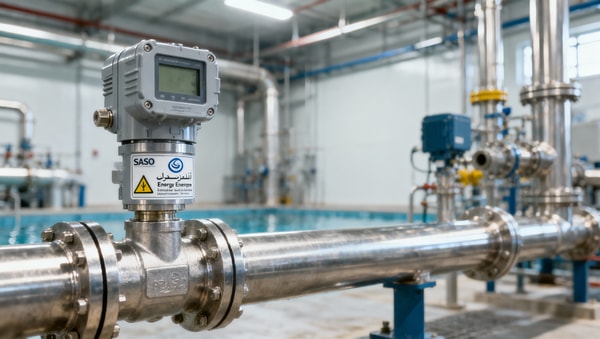
 SASO Energy Labeling Rule for Field Instruments Effective July 2026SASO Energy Labeling Rule for Field Instruments takes effect July 2026 — mandatory for 17 new instrument categories. Ensure compliance now to avoid customs delays in Saudi Arabia.
 Red Sea Crisis Escalates: Suez Canal Industrial Instrument Shipping Delays to 28 DaysRed Sea Crisis escalates: Suez Canal industrial instrument shipping delays hit 28 days — urgent air freight up 320%. Act now to protect precision manufacturing & compliance.
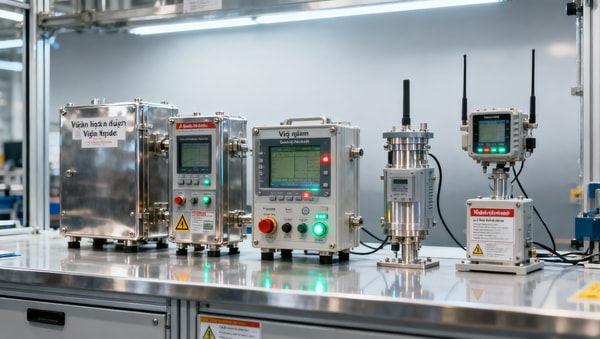
 Vietnam Tightens Industrial Instrument Import Rules from June 2026Vietnam Tightens Industrial Instrument Import Rules from June 2026: CNAS test reports & Vietnamese labels now mandatory—avoid port detention and 15% penalties.
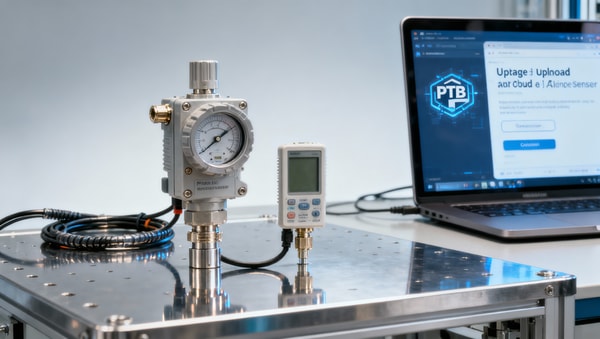
 PTB Launches AI Remote Calibration Cloud for CNAS LabsPTB launches CalCloud AI — the world’s first AI remote calibration cloud for CNAS labs, enabling fast, ILAC-MRA-compliant English certificates for EU-bound pressure, temperature & flow instruments.
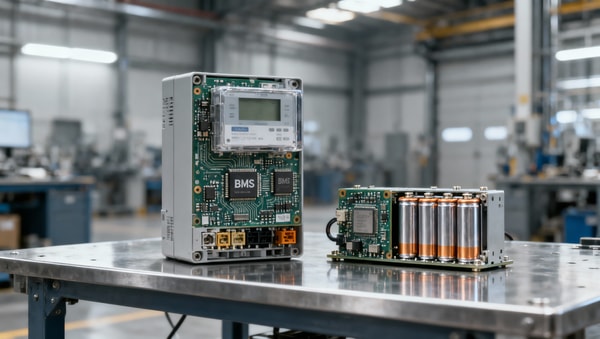
 New China Battery Recycling Rules Take Effect Apr 27, 2026New China battery recycling rules (effective Apr 27, 2026) impact smart meter & industrial sensor exporters—ensure BMS traceability and compliance now.
 Plant Safety Analyzer Investments That Reduce Hidden Operational RiskPlant safety analyzer investments help enterprises uncover hidden operational risk, improve uptime, strengthen compliance, and protect long-term profitability.
 High Purity Monitoring: When Standard Analyzers Are No Longer EnoughHigh purity monitoring is essential when standard analyzers miss trace contamination, fast excursions, and compliance risks. Discover where advanced solutions deliver safer, smarter control.
 Explosion Proof Equipment Export Checks That Delay Overseas ShipmentsExplosion proof equipment export checks can delay overseas shipments through certificate gaps, label mismatches, and local compliance issues. Learn how distributors can reduce risks, avoid rework, and keep projects on schedule.
 Electrochemistry Oxygen Analyzer Accuracy: What Affects Long-Term PerformanceElectrochemistry Oxygen Analyzer accuracy depends on sensor stability, calibration, sampling, and maintenance. Learn what drives long-term performance and choose the right solution.
 Explosion Protected Analyzer Market Direction After New Safety UpgradesExplosion protected analyzer trends are shifting fast after new safety upgrades. Learn where the market is headed, what buyers now prioritize, and how smarter systems can reduce risk and improve ROI.
 Smart Analyzer Features That Matter More Than Marketing ClaimsSmart Analyzer features that truly impact accuracy, uptime, integration, and lifecycle cost. Learn what matters beyond marketing claims before you choose.
 Production Line Analyzer Data Gaps That Hurt Process DecisionsProduction line analyzer data gaps can quietly distort trends, delay control actions, and weaken traceability. Learn how to spot the risks and protect smarter process decisions.
 Flameproof Analyzer Lead Times and Supply Risks in Global TradeFlameproof analyzer lead times are rising due to certification, logistics, and supplier risks. Learn how distributors can reduce delays, protect margins, and source with confidence.
 Intrinsically Safe Analyzer vs Flameproof Analyzer for Compact InstallationsIntrinsically safe analyzer vs flameproof analyzer: discover which option suits compact hazardous-area installations best for safer maintenance, smaller footprint, and lower lifecycle cost.
 Industrial Oxygen Monitoring: Common Setup Errors and How to Avoid ThemIndustrial oxygen monitoring setup mistakes can trigger false readings, downtime, and safety risks. Learn the most common errors and how to avoid them for more reliable, compliant performance.
 Cost Effective Analyzer Options Without Cutting Safety StandardsCost Effective analyzer sourcing starts with safety, not shortcuts. Learn how to compare options by compliance, performance, and lifecycle value to cut costs with confidence.
 When OEM Service Makes More Sense Than Standard SupplyOEM Service helps businesses match instrumentation to exact performance, integration, and compliance needs—reducing risk, lowering lifecycle costs, and improving reliability.
 Trace Gas Detection Challenges in High-Sensitivity Production EnvironmentsTrace gas detection challenges in high-sensitivity production demand more than low limits. Explore accuracy risks, technology choices, and smart selection tips for safer, more reliable operations.
 Gas Analyzer Equipment Price Shifts: What Is Driving Costs This YearGas analyzer equipment price shifts are being driven by sensor upgrades, supply pressure, compliance, and integration needs. Learn what is raising costs this year and how to buy smarter.
 Zone 1 Analyzer Import Rules That May Affect Delivery TimelinesZone 1 analyzer import rules can quietly delay projects. Learn the certification, HS code, document, and customs checks buyers must review early to avoid costly delivery setbacks.
 Zone 2 Analyzer Applications: Where It Fits and Where It Does NotZone 2 analyzer applications explained: discover where a zone 2 analyzer delivers fast, cost-effective field performance—and when safer, more precise alternatives make better sense.
 Industrial Safety Analyzer Trends Shaping Safer Plants in 2026Industrial safety analyzer trends in 2026 are redefining safer plants with real-time monitoring, smarter integration, and better lifecycle decisions. Explore what project leaders need to know.
 Oxygen Monitoring System Basics for Safer Daily OperationsOxygen monitoring system basics made practical: learn daily safety checks, sensor placement tips, alarm readiness, and smart actions to reduce risk and improve operational safety.
 Factory Gas Analyzer Maintenance Issues That Often Go UnnoticedFactory gas analyzer maintenance issues often start with hidden sampling, calibration, or environmental faults. Learn the overlooked causes of drift and downtime before they become costly failures.
 Manufacturing Analyzer Upgrades That Improve Process StabilityManufacturing analyzer upgrades improve process stability, reduce downtime, and strengthen data accuracy. Discover how smarter analyzer investments boost quality, ROI, and operational confidence.
 When a Quality Assurance Analyzer Becomes Worth the Extra SpendQuality assurance analyzer investments pay off when they cut defects, speed verification, and improve compliance. See how to justify the extra spend with clearer ROI.
 Laboratory Gas Analyzer Selection: Key Differences That Affect Test AccuracyLaboratory Gas Analyzer selection shapes test accuracy, stability, and compliance. Learn how principles, sensitivity, sample handling, and calibration affect reliable lab results.
 How to Identify a Trusted Manufacturer for Hazardous Area AnalyzersTrusted Manufacturer selection starts with safety, certifications, and reliable support. Learn how to identify the right hazardous area analyzer partner for long-term growth.
 What a Quality Product Means in Industrial Gas AnalysisQuality Product in industrial gas analysis means more than accuracy—discover how the right analyzer improves safety, compliance, uptime, and long-term ROI across industries.



Search Categories
Search Categories
Latest Article
- IEC 62443-4-2:2026 Released: New Cybersecurity Requirement for Industrial ComponentsIEC 62443-4-2:2026 is live — new cybersecurity requirements for industrial components like PLCs, HMIs & gateways. Act now to meet SDL mandates and win tenders with Siemens, ABB & more.Posted by:
- US BIS Adds 12 High-Precision Calibration Devices to Export Control ListUS BIS adds 12 high-precision calibration devices to export control list—laser interferometers, quantum gradiometers & more. Critical for semiconductor, aerospace & metrology firms exporting to China. Act now.Posted by:
- Southeast Asia Launches Industrial Metrology Green CorridorIndustrial Metrology Green Corridor launched across ASEAN — CNAS-accredited temp, pressure & flow reports now accepted in all 10 member states. Faster customs, lower compliance costs.Posted by:
Please give us a message
