
What Makes a Durable Gas Analyzer Better for Long Duty Cycles


In demanding industrial environments, a durable gas analyzer is more than a tool—it is a safeguard for uptime, accuracy, and operator confidence. For users and operators working through long duty cycles, the right analyzer must withstand harsh conditions, deliver stable readings, and reduce maintenance interruptions. Understanding what truly improves durability helps ensure better performance, lower lifecycle costs, and more reliable daily operation.
Understanding durability in long-duty gas analysis
A durable gas analyzer is not simply a device with a hard outer shell. In practical industrial use, durability means the analyzer can keep measuring accurately over extended operating hours while exposed to vibration, dust, moisture, temperature swings, corrosive gases, and frequent start-stop cycles. For operators, durability is closely tied to trust: when a reading supports combustion control, emissions compliance, process safety, or product quality, it must remain dependable across long shifts and repeated use.
In the broader instrumentation industry, gas analysis equipment plays a critical role in measurement, testing, monitoring, and control. It supports industrial manufacturing, energy and power systems, environmental monitoring, laboratory work, and automation platforms. Because many of these applications run continuously or semi-continuously, a durable gas analyzer must be built not only for measurement performance but also for sustained operational resilience.
This is why long duty cycles matter. A unit that performs well for a short demonstration may still struggle after weeks or months of exposure to real conditions. True durability is proven through stable sensor behavior, sound mechanical protection, manageable maintenance needs, and strong resistance to drift or failure under load.
Why the industry pays close attention to analyzer durability
Across integrated industrial sectors, downtime is expensive. When a gas analyzer fails during a long production cycle, the result may be lost process visibility, delayed troubleshooting, higher compliance risk, or even shutdowns. Operators are often the first to feel the impact because they must respond to alarms, verify abnormal readings, and maintain safe operation with less certainty.
The push toward automation, digital transformation, and intelligent upgrading has made analyzer durability even more important. Modern systems depend on continuous data streams for control logic, optimization, remote monitoring, and reporting. If the analyzer cannot hold calibration or survive the environment, the value of the entire measurement chain is weakened. In other words, a durable gas analyzer supports not just one instrument point, but also the reliability of connected industrial decisions.
Core features that make a durable gas analyzer better
Several design and operating characteristics consistently separate a more durable gas analyzer from a basic one. These factors affect long-term stability, operator workload, and service life.
1. Stable sensing technology
Durability begins with the sensor or measurement principle. Whether the analyzer uses electrochemical, infrared, thermal conductivity, paramagnetic, zirconia, or other sensing methods, it should be appropriate for the gas composition and duty cycle. A durable gas analyzer uses sensing elements with strong repeatability, low drift, and resistance to poisoning or contamination. Stable sensor performance reduces recalibration frequency and protects confidence in trend data.
2. Effective environmental protection
Industrial environments can be harsh. Durable analyzers typically include robust enclosures, sealed electrical sections, dust and moisture protection, and materials selected for corrosion resistance. In many facilities, the difference between short service life and long service life comes down to how well the instrument handles airborne particulates, washdown exposure, and chemical attack.
3. Thermal and mechanical resilience
Long duty cycles expose equipment to daily thermal expansion, vibration, and mechanical stress. A better analyzer maintains internal alignment, protects tubing and fittings, and avoids weak connection points. Components such as pumps, valves, filters, and sample lines should be rated for repeated operation without premature wear. This matters especially in mobile, skid-mounted, or heavy industrial applications.
4. Sample handling that protects the instrument
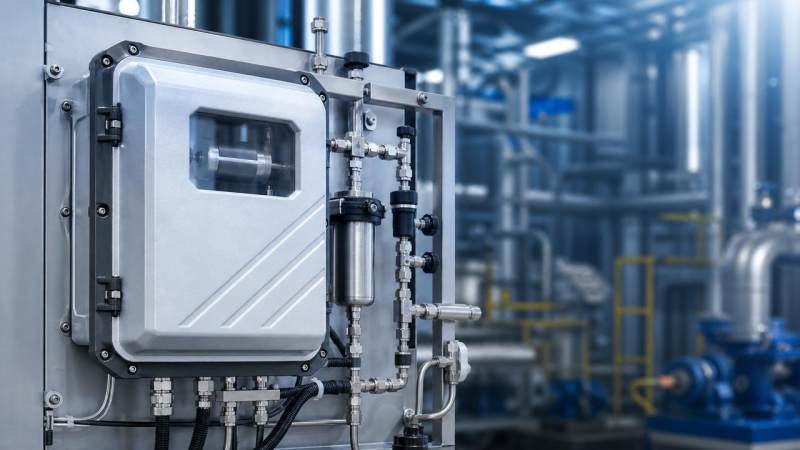
A durable gas analyzer is often made more durable by the quality of its sample conditioning system. Water, oil mist, dust, corrosive compounds, and temperature variation can all damage measurement components or distort readings. Proper filtration, pressure regulation, condensate management, and heated lines where required help prevent premature failure. For operators, this means fewer interruptions caused by clogged paths or unstable sample flow.
5. Serviceable design and diagnostics
Durability is not only about lasting longer before failure; it is also about being easier to maintain correctly. Instruments with accessible consumables, clear status indicators, self-diagnostics, and predictable service intervals perform better in real facilities. A durable gas analyzer should help operators recognize calibration drift, flow faults, sensor aging, or contamination before these issues escalate into unplanned downtime.
Industry overview: where durability matters most
Different sectors of the instrumentation market rely on gas analysis for different reasons, but all benefit from equipment that can withstand long operational demand. The table below summarizes common environments and durability priorities.
Practical value for users and operators
For operators, the benefits of a durable gas analyzer are immediate and measurable. First, stable performance reduces the number of manual checks required during long shifts. Instead of repeatedly questioning whether a strange reading is process-related or instrument-related, operators can focus on actual plant conditions.
Second, a durable gas analyzer lowers maintenance disruption. Fewer sensor replacements, clogged filters, pump issues, and calibration failures mean less intervention and less production disturbance. This is especially important where staffing is lean or where instruments are installed in difficult access locations.
Third, durability improves lifecycle cost control. A lower-priced analyzer can become expensive if it requires frequent service, spare parts, or process stoppages. By contrast, a well-designed analyzer often delivers better value over time through longer service intervals and fewer unexpected breakdowns.
Finally, operator confidence matters. Reliable data supports faster decisions in process adjustment, safety response, emissions management, and troubleshooting. In long duty applications, confidence in the analyzer can directly improve operational discipline and consistency.
Typical application categories for long duty cycles
Not every application stresses the analyzer in the same way. Understanding the operating profile helps users choose or evaluate a durable gas analyzer more effectively.
What users should evaluate before relying on one analyzer for long shifts
When assessing whether a durable gas analyzer is suitable for long duty cycles, operators and technical teams should look beyond headline specifications. A few practical checks can reveal much more about real-world reliability.
- Match the sensing technology to the target gas and likely contaminants.
- Review expected calibration frequency under actual site conditions, not ideal lab conditions.
- Check enclosure rating, corrosion resistance, and temperature tolerance for the installation area.
- Examine the quality of pumps, valves, tubing, filters, and condensate handling.
- Confirm whether the analyzer offers fault diagnostics, maintenance alerts, and easy replacement of consumable parts.
- Consider integration with plant control or data systems so trends can be monitored for early signs of performance decline.
These evaluation points matter because durability is usually the result of system design, not one isolated feature. Even a high-quality analyzer can underperform if sample preparation is neglected or if the installation location creates unnecessary stress.
Good operating practices that extend analyzer life
A durable gas analyzer performs best when matched with disciplined operation. Operators can significantly extend service life by following a few straightforward habits: keep sample lines clean, replace filters before they are fully blocked, verify flow conditions regularly, protect the instrument from avoidable impact, and use calibration gases correctly. Recording small changes in response time or zero drift can also help identify wear before a failure occurs.
It is equally important to train users on the difference between process changes and analyzer faults. When teams understand the analyzer’s normal behavior, they respond more accurately to unusual readings and reduce the risk of unnecessary shutdowns or incorrect maintenance actions.
Final perspective for long-duty operations
A durable gas analyzer becomes better for long duty cycles when it combines stable sensing, strong environmental protection, resilient mechanical design, effective sample handling, and practical serviceability. In the instrumentation industry, these qualities support the larger goals of reliable measurement, safer operation, stronger process control, and smarter industrial upgrading.
For users and operators, the best approach is to evaluate durability as a full operating capability rather than a marketing label. Focus on how the analyzer behaves over time, how well it handles the actual site environment, and how easily it can be maintained without disrupting production. When those factors align, a durable gas analyzer delivers more than data—it delivers continuity, confidence, and long-term value.
Recommended for You
![]() SiH4 Concentration Analyzer Import Rules to Watch in 2026SiH4 concentration analyzer import rules are tightening in 2026. Learn the key documents, compliance checks, and procurement tips to avoid delays and speed project delivery.
SiH4 Concentration Analyzer Import Rules to Watch in 2026SiH4 concentration analyzer import rules are tightening in 2026. Learn the key documents, compliance checks, and procurement tips to avoid delays and speed project delivery. HF Concentration Analyzer Demand Shifts Across Key IndustriesHF concentration analyzer demand is shifting across chemical, refining, environmental, and advanced manufacturing sectors—learn what drives safer control, compliance, and precision upgrades.
 Common HCN Concentration Analyzer Mistakes in Daily OperationHCN concentration analyzer daily mistakes can quietly damage accuracy and uptime. Learn common errors, practical checks, and smart operating tips to improve reliability.
 PH3 Concentration Analyzer Price Trends in 2026PH3 concentration analyzer price trends in 2026 reveal what really drives cost, compliance, and performance. Explore key buying factors to compare quotes smarter and reduce total ownership risk.
 How to Choose an AsH3 Concentration Analyzer for Trace Gas SafetyAsH3 concentration analyzer selection starts with the right application context. Learn how to compare response, interference, integration, and lifecycle fit for safer trace gas monitoring.
 Released") China's Business Environment Report (2026) ReleasedChina's Business Environment Report (2026) reveals 92% digital CMA/CNAS coverage—cutting export test report time to 15 days. Boost CE, UKCA & UL certification for pressure gauges, thermostats & analyzers.
China's Business Environment Report (2026) ReleasedChina's Business Environment Report (2026) reveals 92% digital CMA/CNAS coverage—cutting export test report time to 15 days. Boost CE, UKCA & UL certification for pressure gauges, thermostats & analyzers. US MMA Tank Incident Triggers Regional Safety UpgradesUS MMA tank incident sparks urgent demand for VOCs monitoring, toxic gas modeling & intrinsically safe transmitters across LATAM and SEA.
 NDRC Expands Energy-Saving and Carbon-Reduction Oversight to Dyeing, Chemical Fibers, and PapermakingNDRC expands energy-saving & carbon-reduction oversight to dyeing, chemical fibers, and papermaking—boosting demand for COD/NH₃-N analyzers, VOCs monitors, and CEMS systems.
 MIIT Sets 2026 Energy-Saving Inspection Targets for High-Energy ChemicalsMIIT Sets 2026 Energy-Saving Inspection Targets for High-Energy Chemicals—urgent demand surges for certified pH meters, gas analyzers & explosion-proof controllers.
 MOFCOM: FDI in China Down 10.3% Jan–Apr 2026, but Manufacturing Up 12.1%FDI in China fell 10.3% Jan–Apr 2026—but manufacturing FDI surged 12.1%, led by high-tech sectors. Discover what this means for precision metrology, sensors & calibration providers.
 PBOC Conducts 600-Billion-Yuan MLF Operation, Boosting RMB Stability for Testing Equipment ExportsPBOC's 600-billion-yuan MLF operation boosts RMB stability—key for NDT equipment exporters using LC/DA terms. Reduce FX risk, optimize hedging & improve cash flow planning now.
 EU Steel Strategy Upgrade: CBAM Expansion to Machinery & InstrumentsEU Steel Strategy Upgrade expands CBAM to machinery & instruments (HS 84/90) — LCA data mandatory from 1 July 2026. Act now to avoid delays & ensure compliance.
 Global EV Energy Consumption Standard to Take Effect Oct 1, 2026Global EV Energy Consumption Standard (GTR No. 22) takes effect Oct 1, 2026 — learn how it reshapes battery testing, certification & supply chains worldwide.
 WTO Report Shows Strong Global Trade, Easing Export Pressure for Industrial Monitoring DevicesIndustrial monitoring devices exporters benefit as WTO reports 4.2% global trade growth—easing export pressure, improving delivery predictability & cash flow.
 South Korea MFDS Revises Food Contact Materials StandardsSouth Korea MFDS revises food contact materials standards: new nickel/chromium migration limits & NIAS verification—critical for lab instrument exporters and compliance providers.
 Brazil to Eliminate Import Duties on Cross-Border E-Commerce Orders Under USD 50Brazil to eliminate import duties on cross-border e-commerce orders under USD 50—key for portable testing instruments exporters targeting Mercado Livre & DIY buyers.
 New AI Agent Guidelines Impact Smart Inspection Device ExportsAI Agent Guidelines impact smart inspection device exports—learn how new China AI safety rules affect EU, US & Middle East market access.
 UPS Freight Rates Increase Effective May 17, 2026UPS freight rates increase effective May 17, 2026—impact FOB pricing for industrial monitoring equipment exporters. Act now to optimize packaging, revise quotes, and secure margins.
 新修订《海商法》施行:卸货港无人提货责任转向托运人,检测设备出口交期风控升级New Maritime Code shifts unclaimed cargo liability to shippers at discharge ports—critical for testing equipment exporters managing delivery timelines and compliance risk.
 China Imposes Zero Tariffs on Lab Analyzers for 20 African NationsChina's zero tariffs on lab analyzers for 20 African nations boost export competitiveness—pH meters, spectrophotometers & more now duty-free from May 2026.
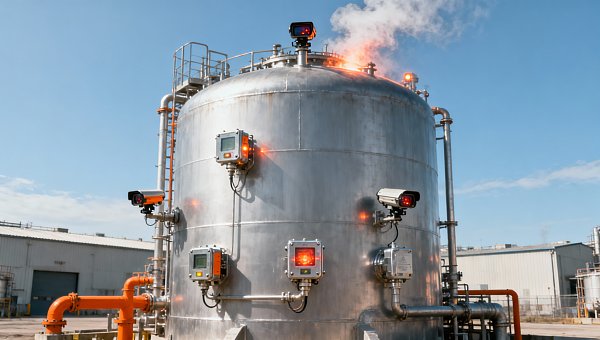
 CA Toxic Chemical Tank Overheating Sparks Explosion Risk, Monitoring Equipment Orders SurgeGas leak detectors, remote temperature warning systems & explosion-proof thermal imagers surge in demand after CA toxic tank overheating incident.
 EU REACH Adds DBDPE to SVHC List, Impacting Brominated Flame Retardant Testing for Export EquipmentDBDPE added to EU REACH SVHC list—impact on brominated flame retardant testing for industrial instruments, sensors & export compliance. Act now.
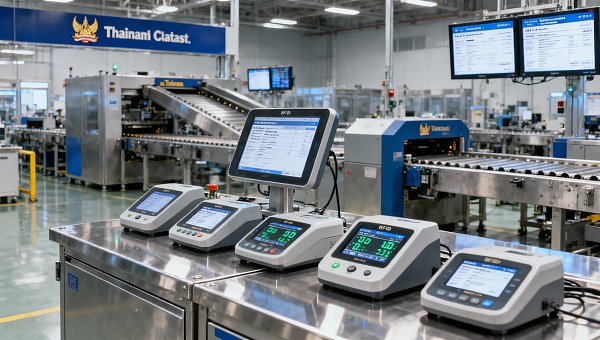
 Thailand Customs Digital Reform Spurs RFID Equipment DemandRFID equipment demand surges in Thailand as Customs digital reform mandates e-labeling, real-time parcel tracking & API compliance—act now to meet TISI specs and platform rules.
 Lazada Thailand Cuts Import Duties on 528 CategoriesLazada Thailand cuts import duties on 528 categories — including wired headphones & notebooks — lowering costs for Chinese exporters and Thai SMEs via LGS.
 US Delays 400 Tomahawk Missiles to Japan Amid Iran Inventory ReplenishmentTomahawk missiles delay to Japan sparks urgent demand for alternative guidance, navigation & secure comms suppliers—key opportunity for export-ready defense electronics firms.
 What to Check Before Importing an F2 Concentration Analyzer in 2026F2 concentration analyzer import guide for 2026: learn what to check on compliance, performance, integration, lifecycle cost, and supplier support before you buy.
 SF6 Concentration Analyzer Market Trends for Power and Gas Applications in 2026SF6 concentration analyzer market trends for 2026: explore accuracy, digital integration, emissions control, and buying tips for power and gas applications.
 Common HCl Concentration Analyzer Mistakes That Lead to Unstable ReadingsHCl concentration analyzer unstable readings? Discover the most common installation, calibration, sampling, and maintenance mistakes—and the practical fixes that improve accuracy fast.
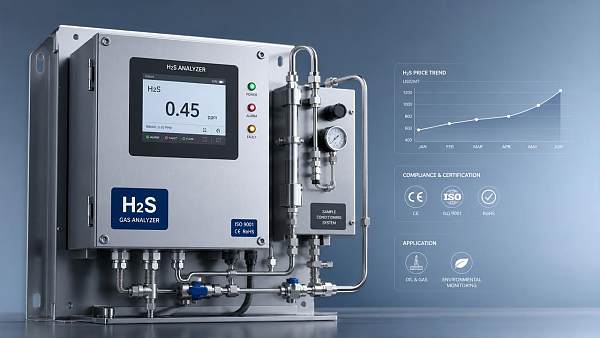
 H2S Concentration Analyzer Price Trends: What’s Driving Costs in 2026H2S concentration analyzer price trends in 2026: discover what drives costs, from sensor technology and compliance to materials and digital features, and make smarter buying decisions.
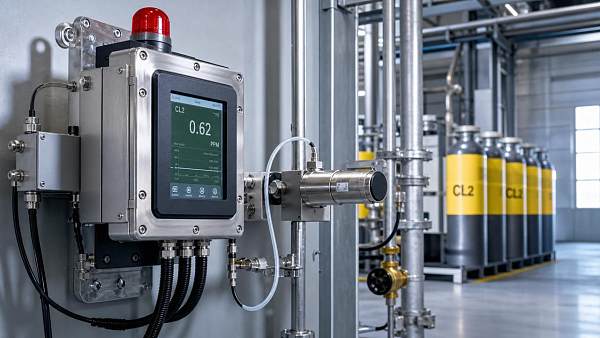
 How to Choose a Cl2 Concentration Analyzer for Process Safety in 2026Cl2 concentration analyzer selection in 2026 starts with process safety. Learn how to match scenarios, improve reliability, avoid costly mistakes, and choose with confidence.
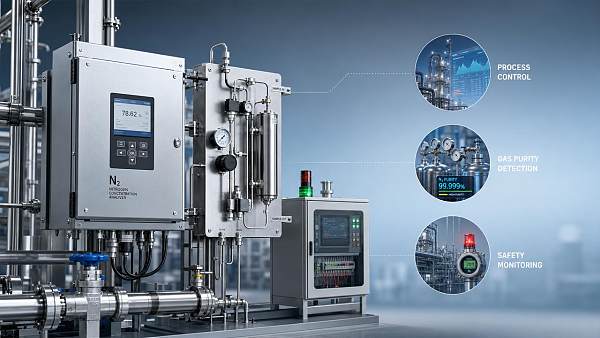
 N2 Concentration Analyzer Cost Factors for Bulk Industrial ProcurementN2 concentration analyzer cost depends on more than unit price. Compare process, purity, and safety applications with total cost logic to source smarter and reduce lifecycle risk.
 Oxygen Concentration Analyzer vs Sensor Systems: Which Fits Continuous UseOxygen concentration analyzer or sensor system? Compare stability, drift, maintenance, and uptime for continuous use to choose the most reliable fit for your process.

Search Categories
Search Categories
Latest Article
- SiH4 Concentration Analyzer Import Rules to Watch in 2026SiH4 concentration analyzer import rules are tightening in 2026. Learn the key documents, compliance checks, and procurement tips to avoid delays and speed project delivery.Posted by:
- HF Concentration Analyzer Demand Shifts Across Key IndustriesHF concentration analyzer demand is shifting across chemical, refining, environmental, and advanced manufacturing sectors—learn what drives safer control, compliance, and precision upgrades.Posted by:
- Common HCN Concentration Analyzer Mistakes in Daily OperationHCN concentration analyzer daily mistakes can quietly damage accuracy and uptime. Learn common errors, practical checks, and smart operating tips to improve reliability.Posted by:
Please give us a message
