
Why a Corrosion Resistant Analyzer Matters in Chemical Processing


In chemical processing, equipment reliability directly affects safety, product quality, and operating costs. A corrosion resistant analyzer plays a critical role by delivering accurate measurements in aggressive environments where standard instruments may fail. For researchers and industry buyers comparing solutions, understanding why this type of analyzer matters is essential to selecting systems that support stable production, compliance, and long-term performance.
Instruments used in chemical plants often face acids, alkalis, solvents, chlorides, high humidity, and temperature swings for 24 hours a day. Under these conditions, measurement drift is not a minor inconvenience. It can trigger off-spec batches, unplanned shutdowns, calibration loss, and avoidable maintenance costs. For information-focused buyers, the real question is not whether analysis is needed, but how to maintain analytical accuracy when the process itself is corrosive.
A corrosion resistant analyzer is designed for this challenge. It combines suitable wetted materials, protective enclosures, compatible seals, and process-specific sensor design to extend service life while maintaining stable performance. In broader instrumentation applications, this type of analyzer supports digitalization, process automation, environmental control, and continuous quality assurance across production lines where conditions can quickly damage standard devices.
Why Corrosion Resistance Is a Process Reliability Requirement
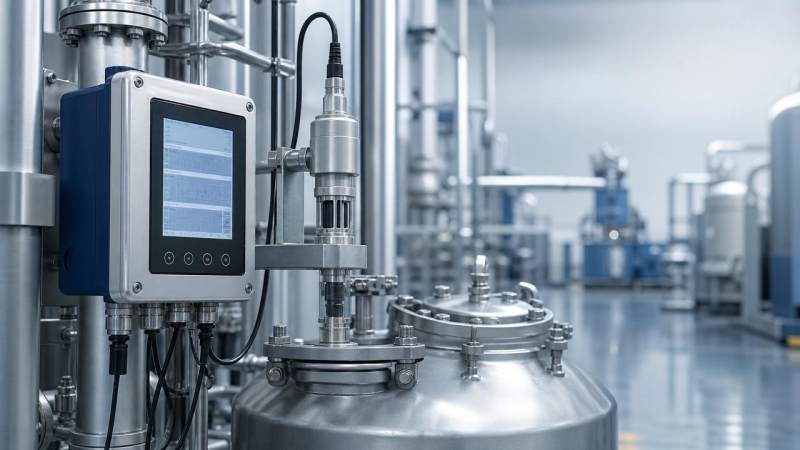
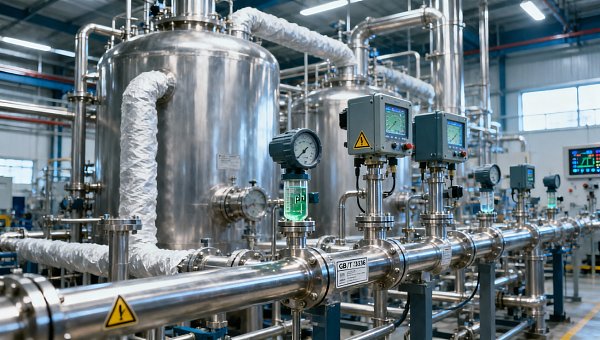
In many chemical operations, online analysis is expected to run continuously for 8,000 to 8,760 hours per year. During that time, even small material failures can cause serious measurement errors. Corrosion can attack probes, sample lines, housings, fasteners, connectors, and internal fluid paths. Once exposed surfaces degrade, the analyzer may still operate, but the data can become unreliable long before complete failure is visible.
This matters because process analyzers are often tied directly to dosing control, emissions monitoring, product concentration checks, pH adjustment, conductivity tracking, or impurity detection. If the analyzer drifts by 1% to 3% in a tightly controlled process, the downstream cost may be much larger than the price of the instrument itself. In high-value production, a single out-of-spec batch can erase any savings gained from choosing a lower-grade analyzer.
Common Corrosive Conditions in Chemical Processing
Chemical environments vary widely, but several conditions appear repeatedly across industrial plants. Strong mineral acids, caustic solutions, oxidizing agents, brine exposure, solvent vapors, and wet gas streams all create different attack mechanisms. Some damage metals through pitting and crevice corrosion, while others degrade elastomers, optical surfaces, coatings, or polymer components over time.
- Low-pH services, often below pH 2, which can rapidly attack unsuitable metals.
- Chloride-rich streams, where pitting risk increases in stainless steel assemblies.
- Elevated temperatures, commonly 60°C to 120°C, which accelerate chemical degradation.
- Condensing vapors and washdown zones that expose external surfaces to repeated wet-dry cycles.
- Mixed-phase samples containing solids or crystals that combine abrasion with corrosion.
Because these conditions differ, corrosion resistance cannot be reduced to one material choice alone. The analyzer must be matched to the process chemistry, temperature, pressure, maintenance interval, and installation method. That is why serious buyers evaluate the full system rather than only the sensor headline specification.
How Corrosion Affects Measurement Quality
Corrosion does not always create immediate failure. In many cases, it first changes response time, baseline stability, sample integrity, or calibration repeatability. A damaged fitting may introduce air ingress. A corroded flow cell may retain deposits. A degraded seal may allow contamination. These issues can increase maintenance frequency from a monthly check to a weekly intervention, raising both labor demand and process risk.
For industries integrating analyzers into automated control systems, bad analytical data can also lead to bad control decisions. Pumps may overfeed chemicals, neutralization systems may swing beyond target range, and alarms may be triggered too late. In this sense, a corrosion resistant analyzer protects not only the instrument, but also the reliability of the wider automation architecture.
Where a Corrosion Resistant Analyzer Delivers the Most Value
The value of a corrosion resistant analyzer becomes most visible in applications where failure is expensive, access is difficult, or compliance depends on stable monitoring. These systems are commonly used in chemical manufacturing, water treatment within plants, emissions-related process sections, storage and transfer systems, and laboratory-to-process scale-up environments. In each case, the objective is the same: maintain dependable readings despite aggressive exposure.
Typical Application Scenarios
The table below outlines several common operating scenarios and shows why corrosion resistance should be treated as a specification priority rather than an optional upgrade.
Across these scenarios, the strongest return usually comes from reduced downtime, better process consistency, and lower maintenance burden. Even when the initial instrument cost is 15% to 30% higher than a standard version, the total lifecycle value is often more favorable in corrosive duty.
Benefits for Different Decision Makers
For process engineers
A corrosion resistant analyzer helps maintain signal stability, supports tighter control windows, and reduces the need for manual verification. This is especially valuable where batch repeatability or yield optimization depends on continuous feedback.
For maintenance teams
Longer inspection cycles, fewer seal replacements, and less emergency intervention can significantly reduce labor hours. In practical terms, extending a maintenance interval from 2 weeks to 6 or 8 weeks changes workload planning and spare parts usage.
For procurement and technical buyers
The main advantage is reduced ownership risk. A well-specified analyzer lowers the chance of early replacement, repeated compatibility problems, or hidden accessory costs after installation. For buyers comparing multiple vendors, that means a clearer basis for cost evaluation beyond the list price.
How to Evaluate and Select the Right Analyzer
Choosing a corrosion resistant analyzer requires a structured review of process conditions, instrument construction, integration requirements, and service support. A specification sheet alone is rarely enough. Buyers should compare at least 4 dimensions: chemical compatibility, analytical performance, installation fit, and lifecycle support.
Key Evaluation Factors
- Process chemistry: identify acids, alkalis, solvents, oxidizers, chlorides, and cleaning agents in contact with the analyzer.
- Temperature and pressure: check both normal operating range and upset conditions, such as 0°C to 80°C routine service with short peaks above 100°C.
- Wetted materials: compare metals, fluoropolymers, ceramics, glass components, and elastomer options based on exposure profile.
- Ingress and enclosure protection: confirm suitability for humid, washdown, or outdoor process areas.
- Calibration and maintenance access: assess whether the system supports in-place servicing or requires removal from process lines.
- Signal output and control integration: verify compatibility with existing PLC, DCS, SCADA, or laboratory information workflows.
Many selection problems occur because buyers focus heavily on one factor, such as sensor type, while overlooking fittings, cable glands, sample handling parts, or enclosure hardware. In corrosive service, these secondary components can become the first failure point within 6 to 12 months.
Practical Comparison Criteria
A useful comparison model is shown below. It helps researchers and sourcing teams review analyzer options in a practical, plant-oriented way.
The most effective procurement decisions usually come from balancing these factors instead of optimizing only for purchase cost. In many plants, a 2- to 4-week delay for a replacement sensor or a poorly chosen seal material creates more disruption than the original budget difference between options.
Questions to Ask Before Final Selection
Before approving a corrosion resistant analyzer, buyers should ask several detailed questions. Which materials are in direct contact with the sample? Are calibration intervals based on ideal conditions or real plant duty? Which parts are considered consumables? What is the expected maintenance cycle in continuous service? Are there recommendations for high-chloride, low-pH, or solvent-heavy environments?
It is also wise to request a clear list of accessories required for installation, since sample coolers, filters, isolation assemblies, protective housings, and cable protection may affect both compatibility and total cost. A technically strong analyzer can still underperform if the surrounding installation package is not designed for the same corrosive environment.
Implementation, Maintenance, and Long-Term Performance
Selecting the correct corrosion resistant analyzer is only the first step. Long-term performance depends on correct installation, realistic maintenance planning, and process-specific operating discipline. In many facilities, implementation success is determined within the first 30 to 90 days, when initial calibration practices, sample handling behavior, and cleaning routines are established.
A 5-Step Implementation Approach
- Review process exposure conditions, including chemical composition, upset scenarios, and cleaning cycles.
- Confirm analyzer materials and accessories against those conditions before purchase release.
- Install with attention to sample flow path, drainage, venting, enclosure location, and cable protection.
- Define calibration and inspection intervals, such as weekly verification during startup and monthly review after stabilization.
- Track drift, parts wear, and service events over the first 3 to 6 months to optimize maintenance planning.
This structured approach helps convert a product decision into a reliable operating asset. It also supports cross-functional alignment between engineering, maintenance, quality, and procurement teams, which is important in plants where analyzer performance affects both production and compliance.
Common Mistakes to Avoid
Choosing by base material only
A corrosion resistant metal housing does not guarantee corrosion resistance across the full analyzer. Seals, tubing, connectors, and mounting hardware need the same level of review.
Ignoring cleaning chemistry
Some analyzers are compatible with the process stream but not with the cleaning chemicals used every day or every week. This mismatch can shorten component life unexpectedly.
Underestimating service access
If maintenance requires difficult access, teams may delay calibration or inspection. Over time, that can turn a manageable issue into a plant interruption. Installation planning should consider real access time, not only piping convenience.
What Strong Long-Term Support Looks Like
For B2B buyers, support quality is often as important as product design. Useful support includes clear material guidance, startup documentation, spare parts recommendations, troubleshooting logic, and realistic lead-time communication. In many industrial settings, a response window of 24 to 48 hours for technical clarification can make a practical difference during commissioning or fault investigation.
A dependable supplier should also help define the right service strategy. Some applications need preventive replacement every 6 months, while others can run much longer with periodic inspection. The best plan depends on chemistry, duty cycle, and cleaning practice, not on generic intervals copied from unrelated processes.
Final Considerations for Researchers and Industry Buyers
A corrosion resistant analyzer matters because it protects the integrity of measurement in conditions where ordinary instruments often degrade too quickly. In chemical processing, that translates directly into safer operation, more stable product quality, and better control of maintenance costs. The decision should be based on lifecycle value, not only initial price, with close attention to chemistry, installation details, and support capability.
For information researchers comparing available solutions, the most productive next step is to map the analyzer specification to the actual process environment: chemical exposure, temperature range, cleaning routine, maintenance interval, and automation interface. That comparison quickly reveals whether a standard analyzer is sufficient or whether a corrosion resistant analyzer is the more reliable choice.
If you are evaluating analyzers for aggressive service conditions, now is the right time to review your application requirements in detail, request a tailored recommendation, and compare lifecycle risks before purchase. Contact us to discuss product details, get a customized solution, or learn more about instrumentation options built for demanding chemical processing environments.
Recommended for You
![]() SiH4 Concentration Analyzer Import Rules to Watch in 2026SiH4 concentration analyzer import rules are tightening in 2026. Learn the key documents, compliance checks, and procurement tips to avoid delays and speed project delivery.
SiH4 Concentration Analyzer Import Rules to Watch in 2026SiH4 concentration analyzer import rules are tightening in 2026. Learn the key documents, compliance checks, and procurement tips to avoid delays and speed project delivery. HF Concentration Analyzer Demand Shifts Across Key IndustriesHF concentration analyzer demand is shifting across chemical, refining, environmental, and advanced manufacturing sectors—learn what drives safer control, compliance, and precision upgrades.
 Common HCN Concentration Analyzer Mistakes in Daily OperationHCN concentration analyzer daily mistakes can quietly damage accuracy and uptime. Learn common errors, practical checks, and smart operating tips to improve reliability.
 PH3 Concentration Analyzer Price Trends in 2026PH3 concentration analyzer price trends in 2026 reveal what really drives cost, compliance, and performance. Explore key buying factors to compare quotes smarter and reduce total ownership risk.
 How to Choose an AsH3 Concentration Analyzer for Trace Gas SafetyAsH3 concentration analyzer selection starts with the right application context. Learn how to compare response, interference, integration, and lifecycle fit for safer trace gas monitoring.
 Released") China's Business Environment Report (2026) ReleasedChina's Business Environment Report (2026) reveals 92% digital CMA/CNAS coverage—cutting export test report time to 15 days. Boost CE, UKCA & UL certification for pressure gauges, thermostats & analyzers.
China's Business Environment Report (2026) ReleasedChina's Business Environment Report (2026) reveals 92% digital CMA/CNAS coverage—cutting export test report time to 15 days. Boost CE, UKCA & UL certification for pressure gauges, thermostats & analyzers. US MMA Tank Incident Triggers Regional Safety UpgradesUS MMA tank incident sparks urgent demand for VOCs monitoring, toxic gas modeling & intrinsically safe transmitters across LATAM and SEA.
 NDRC Expands Energy-Saving and Carbon-Reduction Oversight to Dyeing, Chemical Fibers, and PapermakingNDRC expands energy-saving & carbon-reduction oversight to dyeing, chemical fibers, and papermaking—boosting demand for COD/NH₃-N analyzers, VOCs monitors, and CEMS systems.
 MIIT Sets 2026 Energy-Saving Inspection Targets for High-Energy ChemicalsMIIT Sets 2026 Energy-Saving Inspection Targets for High-Energy Chemicals—urgent demand surges for certified pH meters, gas analyzers & explosion-proof controllers.
 MOFCOM: FDI in China Down 10.3% Jan–Apr 2026, but Manufacturing Up 12.1%FDI in China fell 10.3% Jan–Apr 2026—but manufacturing FDI surged 12.1%, led by high-tech sectors. Discover what this means for precision metrology, sensors & calibration providers.
 PBOC Conducts 600-Billion-Yuan MLF Operation, Boosting RMB Stability for Testing Equipment ExportsPBOC's 600-billion-yuan MLF operation boosts RMB stability—key for NDT equipment exporters using LC/DA terms. Reduce FX risk, optimize hedging & improve cash flow planning now.
 EU Steel Strategy Upgrade: CBAM Expansion to Machinery & InstrumentsEU Steel Strategy Upgrade expands CBAM to machinery & instruments (HS 84/90) — LCA data mandatory from 1 July 2026. Act now to avoid delays & ensure compliance.
 Global EV Energy Consumption Standard to Take Effect Oct 1, 2026Global EV Energy Consumption Standard (GTR No. 22) takes effect Oct 1, 2026 — learn how it reshapes battery testing, certification & supply chains worldwide.
 WTO Report Shows Strong Global Trade, Easing Export Pressure for Industrial Monitoring DevicesIndustrial monitoring devices exporters benefit as WTO reports 4.2% global trade growth—easing export pressure, improving delivery predictability & cash flow.
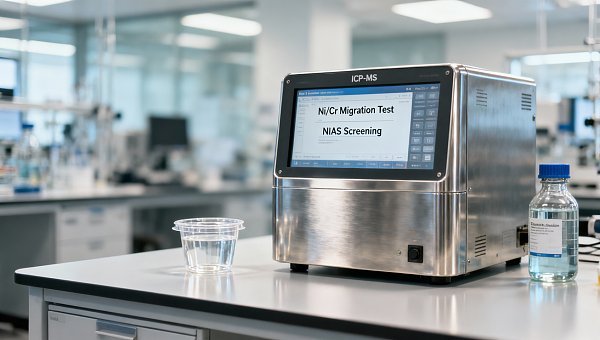
 South Korea MFDS Revises Food Contact Materials StandardsSouth Korea MFDS revises food contact materials standards: new nickel/chromium migration limits & NIAS verification—critical for lab instrument exporters and compliance providers.
 Brazil to Eliminate Import Duties on Cross-Border E-Commerce Orders Under USD 50Brazil to eliminate import duties on cross-border e-commerce orders under USD 50—key for portable testing instruments exporters targeting Mercado Livre & DIY buyers.
 New AI Agent Guidelines Impact Smart Inspection Device ExportsAI Agent Guidelines impact smart inspection device exports—learn how new China AI safety rules affect EU, US & Middle East market access.
 UPS Freight Rates Increase Effective May 17, 2026UPS freight rates increase effective May 17, 2026—impact FOB pricing for industrial monitoring equipment exporters. Act now to optimize packaging, revise quotes, and secure margins.
 新修订《海商法》施行:卸货港无人提货责任转向托运人,检测设备出口交期风控升级New Maritime Code shifts unclaimed cargo liability to shippers at discharge ports—critical for testing equipment exporters managing delivery timelines and compliance risk.
 China Imposes Zero Tariffs on Lab Analyzers for 20 African NationsChina's zero tariffs on lab analyzers for 20 African nations boost export competitiveness—pH meters, spectrophotometers & more now duty-free from May 2026.
 CA Toxic Chemical Tank Overheating Sparks Explosion Risk, Monitoring Equipment Orders SurgeGas leak detectors, remote temperature warning systems & explosion-proof thermal imagers surge in demand after CA toxic tank overheating incident.
 EU REACH Adds DBDPE to SVHC List, Impacting Brominated Flame Retardant Testing for Export EquipmentDBDPE added to EU REACH SVHC list—impact on brominated flame retardant testing for industrial instruments, sensors & export compliance. Act now.
 Thailand Customs Digital Reform Spurs RFID Equipment DemandRFID equipment demand surges in Thailand as Customs digital reform mandates e-labeling, real-time parcel tracking & API compliance—act now to meet TISI specs and platform rules.
 Lazada Thailand Cuts Import Duties on 528 CategoriesLazada Thailand cuts import duties on 528 categories — including wired headphones & notebooks — lowering costs for Chinese exporters and Thai SMEs via LGS.
 US Delays 400 Tomahawk Missiles to Japan Amid Iran Inventory ReplenishmentTomahawk missiles delay to Japan sparks urgent demand for alternative guidance, navigation & secure comms suppliers—key opportunity for export-ready defense electronics firms.
 What to Check Before Importing an F2 Concentration Analyzer in 2026F2 concentration analyzer import guide for 2026: learn what to check on compliance, performance, integration, lifecycle cost, and supplier support before you buy.
 SF6 Concentration Analyzer Market Trends for Power and Gas Applications in 2026SF6 concentration analyzer market trends for 2026: explore accuracy, digital integration, emissions control, and buying tips for power and gas applications.
 Common HCl Concentration Analyzer Mistakes That Lead to Unstable ReadingsHCl concentration analyzer unstable readings? Discover the most common installation, calibration, sampling, and maintenance mistakes—and the practical fixes that improve accuracy fast.
 H2S Concentration Analyzer Price Trends: What’s Driving Costs in 2026H2S concentration analyzer price trends in 2026: discover what drives costs, from sensor technology and compliance to materials and digital features, and make smarter buying decisions.
 How to Choose a Cl2 Concentration Analyzer for Process Safety in 2026Cl2 concentration analyzer selection in 2026 starts with process safety. Learn how to match scenarios, improve reliability, avoid costly mistakes, and choose with confidence.
 N2 Concentration Analyzer Cost Factors for Bulk Industrial ProcurementN2 concentration analyzer cost depends on more than unit price. Compare process, purity, and safety applications with total cost logic to source smarter and reduce lifecycle risk.
 Oxygen Concentration Analyzer vs Sensor Systems: Which Fits Continuous UseOxygen concentration analyzer or sensor system? Compare stability, drift, maintenance, and uptime for continuous use to choose the most reliable fit for your process.


Search Categories
Search Categories
Latest Article
- SiH4 Concentration Analyzer Import Rules to Watch in 2026SiH4 concentration analyzer import rules are tightening in 2026. Learn the key documents, compliance checks, and procurement tips to avoid delays and speed project delivery.Posted by:
- HF Concentration Analyzer Demand Shifts Across Key IndustriesHF concentration analyzer demand is shifting across chemical, refining, environmental, and advanced manufacturing sectors—learn what drives safer control, compliance, and precision upgrades.Posted by:
- Common HCN Concentration Analyzer Mistakes in Daily OperationHCN concentration analyzer daily mistakes can quietly damage accuracy and uptime. Learn common errors, practical checks, and smart operating tips to improve reliability.Posted by:
Please give us a message
