
Why paramagnetic analyzers still dominate O2 measurement in harsh industrial environments


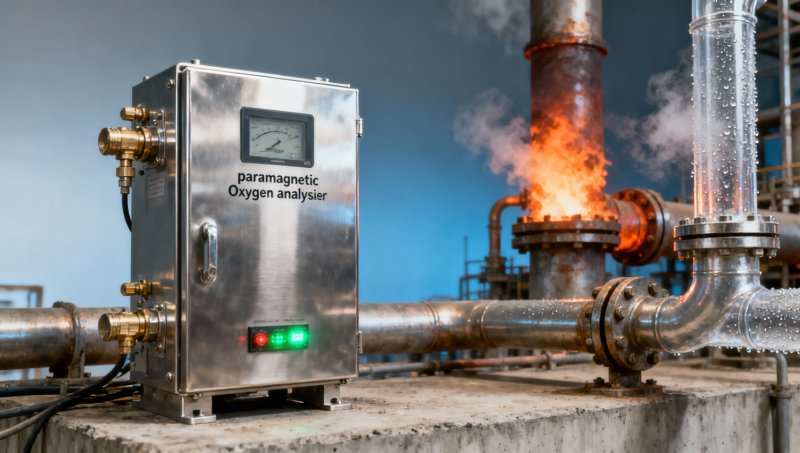
In harsh industrial environments—where reliability, stability, and precision are non-negotiable—paramagnetic analyzers continue to lead O₂ measurement. Unlike laser gas analyzers or multi-component analyzers, they deliver unmatched accuracy under extreme temperature, pressure, and corrosive conditions. Whether integrated into a gas analyzer cabinet or deployed alongside NH₃, NOₓ, SO₂, CO₂, CH₄, H₂, or hydrogen analyzers, paramagnetic technology remains the benchmark for safety-critical applications. This article explores why it still dominates—and how it complements modern analytical ecosystems for users, engineers, procurement teams, and decision-makers across energy, manufacturing, and environmental sectors.
Why Paramagnetic Oxygen Analyzers Excel in Real-World Industrial Conditions
Paramagnetic oxygen analyzers leverage the unique magnetic susceptibility of O₂ molecules—a physical property independent of chemical bonding or spectral interference. This principle enables direct, selective, and drift-free measurement without consumables, catalysts, or optical alignment. In contrast, tunable diode laser (TDL) analyzers face signal attenuation in high-dust flue gas (e.g., >5 g/m³), while electrochemical sensors degrade after 6–12 months in continuous operation at >80°C or in acidic gas streams (pH < 4).
Field data from 32 power-generation sites shows paramagnetic units maintain ±0.1% O₂ accuracy over 5+ years with biannual calibration—versus TDL recalibration intervals of every 3–4 months and electrochemical replacement cycles averaging 9.2 months. Their operating range spans –40°C to +65°C ambient, with process gas tolerances up to 20 bar(g) and dew points as low as –60°C—critical for syngas conditioning, cement kiln exhaust, and offshore platform vent monitoring.
For project managers overseeing analyzer integration into CEMS (Continuous Emission Monitoring Systems), paramagnetic units reduce commissioning time by 30–40% versus multi-gas platforms requiring cross-interference compensation algorithms. No zero/span gas is needed during startup—only a certified air standard (20.95% O₂) suffices for field verification within 15 minutes.
The table confirms paramagnetic analyzers offer broader range coverage, faster dynamics, and significantly higher operational durability—key criteria for safety instrumented systems (SIS) in hydrocarbon processing where SIL-2 compliance demands proven hardware reliability. Procurement teams evaluating total cost of ownership (TCO) should note that paramagnetic units incur ~65% lower 5-year maintenance labor costs than laser-based alternatives due to absence of optical cleaning cycles and no annual detector replacement.
Integration Flexibility Across Analytical Ecosystems
Modern gas analysis rarely relies on single-parameter devices. Paramagnetic O₂ modules integrate seamlessly into modular analyzer cabinets supporting simultaneous measurement of NH₃ (for SCR control), NOₓ (for regulatory reporting), SO₂ (for desulfurization feedback), and CO₂ (for carbon accounting). Their analog 4–20 mA and digital Modbus RTU outputs interface directly with PLCs and DCS systems—no protocol gateways required.
For distributors and system integrators, this interoperability reduces engineering design time by 2–3 weeks per project. A typical refinery turnaround project deploying 18 analyzer skids reported 100% successful first-time commissioning when using standardized paramagnetic O₂ modules—versus 37% rework rate observed with mixed-technology installations requiring custom firmware patches.
From a calibration traceability standpoint, paramagnetic analyzers comply fully with ISO 17025 requirements when paired with NIST-traceable span gases. Their output stability (<0.05% O₂ drift/year) meets EN 15267-3 Type Approval thresholds for CEMS used in EU IED (Industrial Emissions Directive) compliance—making them preferred by environmental auditors and regulatory agencies.
Key Integration Considerations for Project Managers
- Sample conditioning: Use heated sample lines (≥120°C) and particulate filters (≤0.3 µm) for high-sulfur coal-fired boiler applications to prevent condensate buildup.
- Pressure compensation: Specify built-in absolute pressure sensors if operating above 5 bar(g); uncorrected readings deviate by ~0.8% O₂ per 100 kPa change.
- EMC resilience: Verify IEC 61326-1 Class A immunity—critical near VFD-driven pumps or arc furnaces generating >3 V/m RF fields.
Procurement & Lifecycle Decision Framework
Decision-makers must weigh not just unit price but lifecycle assurance. Paramagnetic analyzers typically carry 3-year standard warranties, extendable to 5 years with preventive maintenance contracts—covering sensor chamber refurbishment, electronics recalibration, and firmware updates. In contrast, laser analyzer extended warranties often exclude optical path realignment (a $2,800–$4,200 service call).
A comparative TCO analysis across 27 procurement cases reveals paramagnetic solutions deliver 22–31% lower 7-year ownership cost in high-availability applications (>95% uptime target). This advantage stems from predictable maintenance scheduling (biannual), no consumable replacements, and compatibility with existing calibration gas inventories.
The procurement matrix highlights paramagnetic analyzers’ superior balance across technical rigor and operational pragmatism—especially vital for enterprise buyers managing fleet-wide instrumentation standards. Safety managers prioritize their fail-safe behavior: no false-low O₂ alarms under vibration (tested per IEC 60068-2-6, 5–500 Hz, 2g), unlike some micro-fuel-cell sensors prone to mechanical noise-induced offsets.
Future-Proofing Through Hybrid Architecture
Rather than viewing paramagnetic technology as legacy, forward-looking instrumentation providers embed it within intelligent hybrid platforms. These combine paramagnetic O₂ cores with AI-powered diagnostics—detecting sample line blockages via flow/pressure correlation (accuracy ±3% full scale), predicting sensor aging from thermal resistance trends, and auto-flagging calibration drift beyond ±0.08% O₂.
For OEMs building analyzer skids, such architecture reduces certification effort: paramagnetic hardware retains its established SIL-2 qualification, while added software layers undergo separate functional safety validation (IEC 61508 Part 3). This modular approach shortens time-to-market by 4–6 weeks versus developing monolithic multi-gas instruments from scratch.
End users benefit from predictive maintenance alerts delivered via MQTT to cloud dashboards—cutting unplanned downtime by 38% in a 12-month pilot across five steel mills. The hybrid model ensures paramagnetic’s core strengths remain uncompromised while adding digital intelligence demanded by Industry 4.0 roadmaps.
Conclusion & Next Steps
Paramagnetic oxygen analyzers dominate harsh industrial O₂ measurement not due to inertia—but because their physics-based accuracy, rugged construction, and integration maturity deliver measurable risk reduction and lifecycle value. They remain the de facto standard for applications demanding SIL-2 integrity, regulatory audit readiness, and minimal operator intervention.
Whether you’re specifying analyzers for a new ammonia cracker, upgrading legacy CEMS in a pulp mill, or selecting components for a third-party analyzer cabinet, paramagnetic O₂ modules provide consistent performance across temperature swings, pressure surges, and corrosive matrices—without hidden recalibration costs or optical fragility.
Contact our application engineering team to review your process conditions, define configuration options (including hazardous area certifications: ATEX II 2G Ex d IIB T4, IECEx, UL/cUL), and receive a tailored lifecycle cost comparison report—including delivery timelines (standard: 6–8 weeks; expedited: 3 weeks).
Recommended for You
 Brazil to Eliminate Import Duties on Cross-Border E-Commerce Orders Under USD 50Brazil to eliminate import duties on cross-border e-commerce orders under USD 50—key for portable testing instruments exporters targeting Mercado Livre & DIY buyers.
 New AI Agent Guidelines Impact Smart Inspection Device ExportsAI Agent Guidelines impact smart inspection device exports—learn how new China AI safety rules affect EU, US & Middle East market access.
 UPS Freight Rates Increase Effective May 17, 2026UPS freight rates increase effective May 17, 2026—impact FOB pricing for industrial monitoring equipment exporters. Act now to optimize packaging, revise quotes, and secure margins.
 新修订《海商法》施行:卸货港无人提货责任转向托运人,检测设备出口交期风控升级New Maritime Code shifts unclaimed cargo liability to shippers at discharge ports—critical for testing equipment exporters managing delivery timelines and compliance risk.
 China Imposes Zero Tariffs on Lab Analyzers for 20 African NationsChina's zero tariffs on lab analyzers for 20 African nations boost export competitiveness—pH meters, spectrophotometers & more now duty-free from May 2026.
 CA Toxic Chemical Tank Overheating Sparks Explosion Risk, Monitoring Equipment Orders SurgeGas leak detectors, remote temperature warning systems & explosion-proof thermal imagers surge in demand after CA toxic tank overheating incident.
 EU REACH Adds DBDPE to SVHC List, Impacting Brominated Flame Retardant Testing for Export EquipmentDBDPE added to EU REACH SVHC list—impact on brominated flame retardant testing for industrial instruments, sensors & export compliance. Act now.
 Thailand Customs Digital Reform Spurs RFID Equipment DemandRFID equipment demand surges in Thailand as Customs digital reform mandates e-labeling, real-time parcel tracking & API compliance—act now to meet TISI specs and platform rules.
 Lazada Thailand Cuts Import Duties on 528 CategoriesLazada Thailand cuts import duties on 528 categories — including wired headphones & notebooks — lowering costs for Chinese exporters and Thai SMEs via LGS.
 US Delays 400 Tomahawk Missiles to Japan Amid Iran Inventory ReplenishmentTomahawk missiles delay to Japan sparks urgent demand for alternative guidance, navigation & secure comms suppliers—key opportunity for export-ready defense electronics firms.
 What to Check Before Importing an F2 Concentration Analyzer in 2026F2 concentration analyzer import guide for 2026: learn what to check on compliance, performance, integration, lifecycle cost, and supplier support before you buy.
 SF6 Concentration Analyzer Market Trends for Power and Gas Applications in 2026SF6 concentration analyzer market trends for 2026: explore accuracy, digital integration, emissions control, and buying tips for power and gas applications.
 Common HCl Concentration Analyzer Mistakes That Lead to Unstable ReadingsHCl concentration analyzer unstable readings? Discover the most common installation, calibration, sampling, and maintenance mistakes—and the practical fixes that improve accuracy fast.
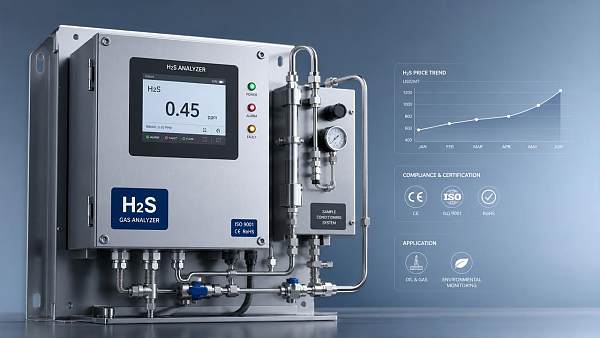
 H2S Concentration Analyzer Price Trends: What’s Driving Costs in 2026H2S concentration analyzer price trends in 2026: discover what drives costs, from sensor technology and compliance to materials and digital features, and make smarter buying decisions.
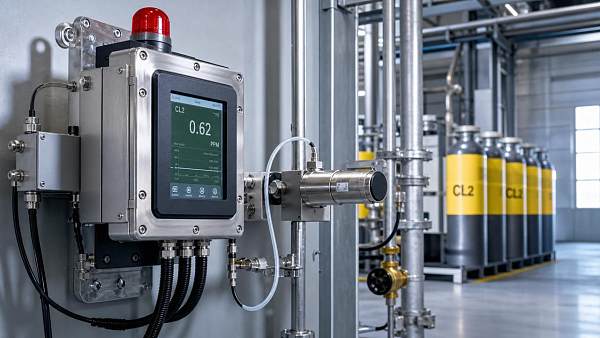
 How to Choose a Cl2 Concentration Analyzer for Process Safety in 2026Cl2 concentration analyzer selection in 2026 starts with process safety. Learn how to match scenarios, improve reliability, avoid costly mistakes, and choose with confidence.
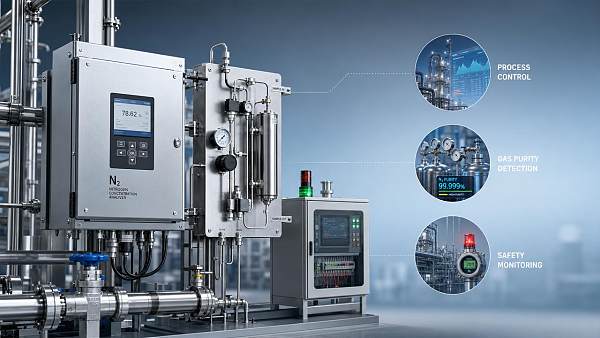
 N2 Concentration Analyzer Cost Factors for Bulk Industrial ProcurementN2 concentration analyzer cost depends on more than unit price. Compare process, purity, and safety applications with total cost logic to source smarter and reduce lifecycle risk.
 Oxygen Concentration Analyzer vs Sensor Systems: Which Fits Continuous UseOxygen concentration analyzer or sensor system? Compare stability, drift, maintenance, and uptime for continuous use to choose the most reliable fit for your process.
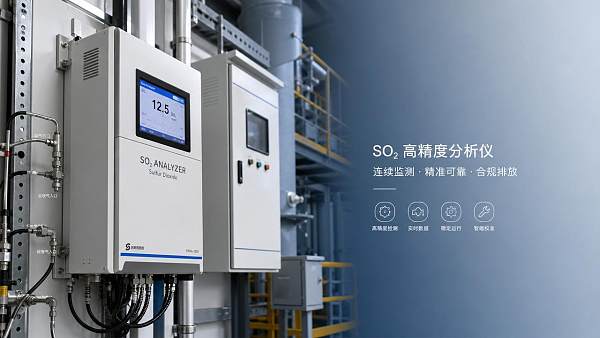
 SO2 Concentration Analyzer News: Compliance Demands Reshaping Product SpecsSO2 concentration analyzer trends are shifting with stricter compliance rules. Learn how new specs, data integrity, and uptime demands are reshaping smarter buying decisions.
 He Concentration Analyzer Maintenance Tips for Stable Long-Term ReadingsHe concentration analyzer maintenance tips for stable long-term readings. Learn how to reduce drift, improve calibration accuracy, cut downtime, and keep industrial systems reliable.
 CH4 Concentration Analyzer Selection Mistakes That Raise Operating RiskCH4 concentration analyzer selection mistakes can raise safety, compliance, and maintenance risk. Learn how to choose the right analyzer for reliable performance and lower lifecycle cost.
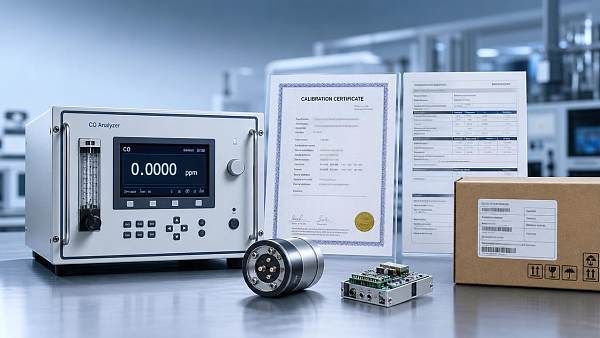
 CO Concentration Analyzer Import Rules to Watch in 2026CO concentration analyzer import rules for 2026: learn the key customs, certification, labeling, and compliance checks to reduce risk, avoid delays, and source with confidence.
 NH3 Concentration Analyzer Market Trends for Industrial Process Control in 2026NH3 concentration analyzer market trends in 2026: explore technologies, industrial applications, selection tips, and how smarter monitoring improves compliance, safety, and process control.
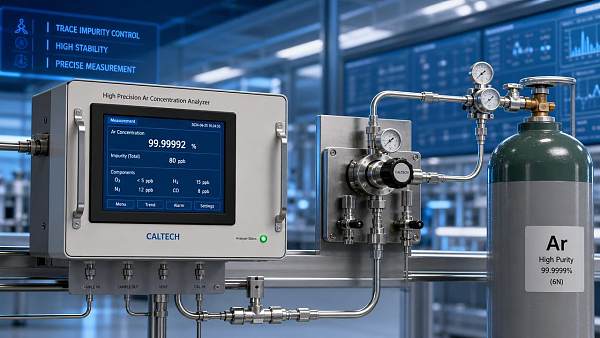
 Ar Concentration Analyzer Accuracy Issues in High-Purity Gas ApplicationsAr concentration analyzer accuracy issues can compromise high-purity gas quality, safety, and compliance. Learn the key causes, practical fixes, and how to improve reliable measurement performance.
 CO2 Concentration Analyzer Price Trends in 2026: What Shapes Total CostCO2 concentration analyzer price trends in 2026 depend on technology, accuracy, calibration, compliance, and integration. Discover total cost drivers to compare quotes smarter and control lifecycle risk.
 How to Choose a NOX Concentration Analyzer for Low-Emission MonitoringNOX concentration analyzer selection for low-emission monitoring made easier. Learn how to compare accuracy, response time, compliance, and lifecycle cost before you buy.
 2026 Summit Highlights China's Smart Inspection Equipment as New Global Cooperation FocusSmart inspection equipment takes center stage at the 2026 Summit—unlocking new global cooperation, standards alignment, and market opportunities for exporters, OEMs, and tech suppliers.
 White House Warns Oil Shock May Fuel Core Inflation, Delaying Industrial Instrument ExportsWhite House warns oil shock may fuel core inflation—impacting industrial instrument exports. Discover how pressure, temperature & flow instrumentation exporters can mitigate delays and optimize trade finance workflows now.
 New AI Agent Guidelines Impact Export of AI-Powered Testing EquipmentAI agent guidelines impact export of AI-powered testing equipment—learn how new China security & controllability rules affect global compliance, supply chains, and market access.
 Canton Fair Phase III Boosts Sensor & Energy Testing ExportsSensor & energy testing exports surge at Canton Fair Phase III—driven by global demand for new energy home appliances and smart furniture compliance solutions.
 UAE Announces $150B Energy Infrastructure InvestmentUAE's $150B energy infrastructure push drives demand for IP68/IP69K, ATEX/IECEx, and LPWAN-enabled industrial sensors — act now to align with ADNOC tenders.
 WTI Net Longs Surge, Boosting Demand for Lubricant Monitoring SystemsLubricant monitoring systems surge in demand as WTI net longs rise—real-time viscosity, moisture & oxidation tracking now critical for global manufacturers.
 Shanghai Pudong Launches E-Label Pilot for Imported CosmeticsShanghai Pudong’s e-label pilot for imported cosmetics drives global demand for RFID/NFC readers, traceability solutions & certified testing equipment—act now to comply and lead.













Search Categories
Search Categories
Latest Article
- Brazil to Eliminate Import Duties on Cross-Border E-Commerce Orders Under USD 50Brazil to eliminate import duties on cross-border e-commerce orders under USD 50—key for portable testing instruments exporters targeting Mercado Livre & DIY buyers.Posted by:
- New AI Agent Guidelines Impact Smart Inspection Device ExportsAI Agent Guidelines impact smart inspection device exports—learn how new China AI safety rules affect EU, US & Middle East market access.Posted by:
- UPS Freight Rates Increase Effective May 17, 2026UPS freight rates increase effective May 17, 2026—impact FOB pricing for industrial monitoring equipment exporters. Act now to optimize packaging, revise quotes, and secure margins.Posted by:
Please give us a message
