
2026 Trends in Emission Analyzer Shelter Design


In 2026, emission analyzer shelter design is shifting toward smarter integration, stronger compliance support, and lower lifecycle cost. For buyers, engineers, operators, and decision-makers, choosing the right emission control shelter, process control shelter, or industrial control shelter now directly affects monitoring accuracy, safety, and project efficiency. This article explores the key trends shaping gas quality monitoring equipment, flue gas monitoring equipment, and next-generation emission monitoring equipment solutions.
If you are evaluating a new shelter in 2026, the main question is no longer just “Can it house the analyzer?” The real question is whether the shelter can improve data reliability, reduce downtime, simplify compliance, and control long-term operating cost. For most organizations, the best design is one that balances environmental protection, maintainability, digital integration, safety, and expansion flexibility from day one.
What buyers and project teams should focus on first in 2026
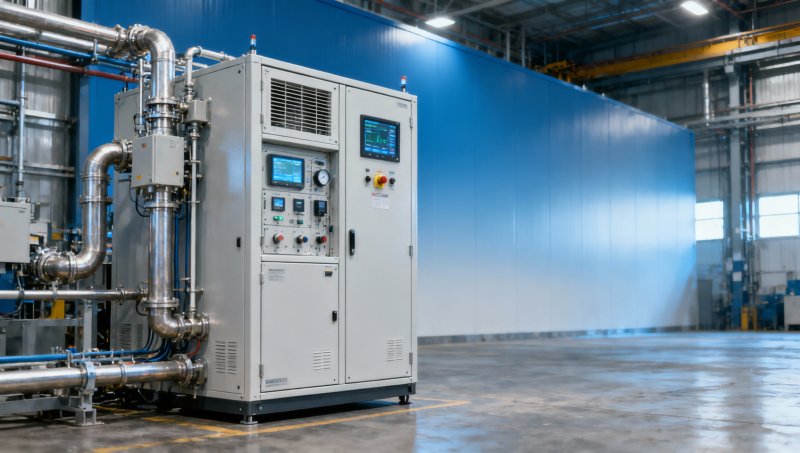
The core search intent behind this topic is practical decision support. Readers are not only looking for a list of design trends. They want to know which trends matter, why they matter, and how those trends affect procurement decisions, operating results, and project risk.
For operators, the biggest concern is stable analyzer performance in real-world conditions such as high heat, dust, humidity, vibration, and corrosive gas exposure. For technical evaluators, the focus is system compatibility, installation standards, calibration access, sample conditioning integration, and future upgrade potential. Procurement teams care about price transparency, delivery scope, maintenance cost, and supplier reliability. Business decision-makers and finance approvers want to see lifecycle value, risk reduction, compliance protection, and whether the design supports long-term plant modernization.
Because of that, the most useful way to assess an emission analyzer shelter, process control shelter, or industrial control shelter in 2026 is to start with five questions:
- Will it protect measurement accuracy under site-specific environmental conditions?
- Does it support faster maintenance and lower unplanned downtime?
- Can it help meet environmental and safety compliance requirements more easily?
- Is it ready for digital monitoring, remote diagnostics, and plant data integration?
- Will the total cost over 5 to 10 years justify the initial investment?
Smarter integrated shelter design is replacing simple enclosure thinking
One of the clearest 2026 trends is the move from basic protective enclosures to fully integrated analyzer shelter systems. In the past, some projects treated the shelter as a box around instruments. That approach often led to poor cable routing, difficult service access, unstable internal temperature control, and inefficient analyzer layout.
Today, better shelter design begins with the complete measurement process. This includes analyzer placement, sample pretreatment units, calibration gas routing, electrical distribution, ventilation, HVAC, fire and gas detection, communication networks, and maintenance pathways. This system-level thinking matters because poor integration can directly reduce the performance of gas quality monitoring equipment and flue gas monitoring equipment.
Modern integrated designs increasingly include:
- Pre-engineered analyzer rack layouts for easier maintenance
- Separated zones for electrical systems and gas handling components
- Built-in cable trays and clearly planned tubing paths
- Remote health monitoring for HVAC, power, and analyzer status
- Modular expansion space for future measurement channels
For project managers, this trend reduces late-stage redesign. For operators, it makes troubleshooting easier. For owners, it lowers the chance of performance loss caused by poor installation practice.
Environmental control is becoming a performance issue, not just a comfort feature
In 2026, temperature and environmental stability inside the shelter are being treated as critical to measurement quality. This is especially important for emission monitoring equipment used in harsh outdoor or industrial environments. Analyzer drift, condensation problems, electronic instability, and shortened component life are often linked to shelter climate issues rather than analyzer technology itself.
As a result, more buyers are demanding shelter designs that are engineered for site conditions instead of relying on generic cooling or heating solutions. This means selecting insulation, HVAC sizing, airflow design, and internal heat-load management based on the actual analyzer package and location.
Key design improvements include:
- More precise thermal load calculation during engineering
- Redundant HVAC for critical applications
- Anti-condensation design for humid and coastal environments
- Positive pressure or filtered ventilation for dusty sites
- Corrosion-resistant materials for aggressive process areas
For quality and safety managers, these features reduce the risk of hidden performance failure. For financial approvers, they can prevent repeated repair costs and lost production caused by unstable analyzer operation.
Compliance-ready shelter design is gaining priority
Another major trend is that shelters are increasingly expected to support compliance directly. Buyers are paying more attention to whether the design helps meet environmental reporting obligations, electrical standards, hazardous area requirements, and internal safety policies.
This is especially relevant in projects involving continuous emissions monitoring, process gas analysis, or regulated flue gas monitoring equipment. A shelter that complicates calibration access, makes maintenance unsafe, or does not properly manage ventilation and hazardous gas handling can create both regulatory and operational risk.
In practical terms, compliance-ready design in 2026 often means:
- Clear support for calibration and span check workflows
- Safe access for maintenance personnel
- Proper hazardous area design consideration where required
- Integrated fire, gas detection, and emergency shutdown strategies
- Documentation packages that support validation and inspection
For decision-makers, this trend matters because non-compliance cost is often much higher than design improvement cost. A shelter that makes audits, inspections, and routine maintenance easier has real business value beyond technical performance.
Lifecycle cost is becoming more important than initial purchase price
In earlier procurement models, many buyers compared shelters mainly by upfront price. In 2026, that approach is proving less effective, especially for large industrial and environmental monitoring projects. The more mature buying strategy is to evaluate total lifecycle cost.
A lower-priced shelter may create higher cost later through poor access, higher HVAC energy demand, premature corrosion, difficult analyzer replacement, and repeated field modification. By contrast, a well-designed emission control shelter can reduce service hours, lower spare parts use, and improve analyzer uptime over many years.
When comparing options, buyers should assess:
- Expected maintenance labor hours
- Energy consumption of HVAC and auxiliary systems
- Material durability in the project environment
- Ease of replacing analyzers or adding new channels
- Downtime risk linked to design limitations
This is particularly important for enterprise managers and finance teams. A shelter that supports stable operation and easier maintenance often produces stronger return on investment than a lower-cost unit with weaker engineering detail.
Digital connectivity and remote diagnostics are moving into the standard requirement list
As industrial automation and digital transformation continue to expand, analyzer shelters are being expected to connect more effectively with plant control systems, maintenance platforms, and asset monitoring tools. In 2026, remote visibility is no longer a premium-only feature in many projects. It is becoming part of the baseline evaluation.
This trend is driven by practical needs. Operators want faster fault detection. Project owners want fewer site visits. Technical teams want access to analyzer alarms, shelter temperature, humidity, power health, and equipment status without waiting for manual inspection.
For industrial control shelter design, this often includes:
- Remote monitoring of environmental conditions inside the shelter
- Communication support for SCADA, DCS, or plant historian systems
- Alarm integration for HVAC, power, and analyzer faults
- Optional predictive maintenance support
- Cybersecurity-conscious network architecture
For distributors and system integrators, digitally ready shelter platforms can also improve standardization across multiple projects. For end users, they make troubleshooting and performance management much more efficient.
Modular and scalable design is helping reduce future project risk
Many organizations are now planning with more uncertainty than before. Emission limits may change. Monitoring points may increase. Process conditions may evolve. Because of this, modular shelter design is becoming a major advantage.
A modular approach gives users more flexibility to expand analyzer capacity, reconfigure internal layout, or adapt communication architecture without replacing the entire shelter. This trend is especially valuable in phased projects, plant upgrades, and multi-site standardization programs.
Scalable shelter design can include:
- Reserved rack space and utility connections
- Expandable cable and tubing routes
- Flexible mounting systems
- Standardized panel design for easier upgrades
- Transport-friendly modular sections for remote installation sites
For procurement teams, scalability protects the investment. For project leaders, it reduces redesign pressure later. For decision-makers, it lowers the risk of early obsolescence.
How to evaluate whether a shelter design is actually good for your application
Not every trend applies equally to every project. The right choice depends on process conditions, compliance requirements, site environment, staffing model, and operational priorities. The most effective evaluation method is to score each shelter option against your actual use case rather than using a generic checklist alone.
A practical evaluation framework should include:
- Application fit: Does the design match your gas analysis type, analyzer count, and sample system complexity?
- Environmental suitability: Is it engineered for your temperature, humidity, dust, corrosion, and vibration conditions?
- Maintenance efficiency: Can technicians access key components safely and quickly?
- Compliance support: Does the design simplify inspection, calibration, and safe operation?
- Integration capability: Can it connect smoothly with your control and monitoring systems?
- Lifecycle economics: What will it cost to own, run, and maintain over time?
This kind of structured review helps all stakeholder groups speak the same language. Operators can raise usability concerns, engineers can review technical fit, procurement can compare commercial scope, and finance can see long-term cost implications more clearly.
Conclusion: the best 2026 shelter designs combine reliability, compliance, and long-term value
The most important trend in emission analyzer shelter design for 2026 is not a single technology feature. It is the shift toward shelters being treated as performance-critical systems rather than simple housings. The strongest solutions now combine smart integration, stable environmental control, compliance readiness, digital connectivity, and lifecycle-focused engineering.
For buyers and project teams, this means the right emission control shelter, process control shelter, or industrial control shelter should be judged by how well it protects analyzer accuracy, reduces operational risk, supports maintenance, and delivers long-term value. If a design can do those things well, it is far more likely to support reliable gas quality monitoring equipment, flue gas monitoring equipment, and broader emission monitoring equipment goals in the years ahead.
In short, 2026 is rewarding buyers who look beyond enclosure size and initial price. The better decision is to choose a shelter designed for real operating conditions, real compliance demands, and real lifecycle performance.
Recommended for You
 First Global White Paper on Humanoid Robot Industrial Calibration ReleasedHumanoid robot industrial calibration: First global white paper released—key for sensor makers, integrators & metrology labs. Learn impact & action steps.
 FDA Updates IVD Import Guidance: CNAS Calibration Chain RequiredFDA mandates CNAS calibration chain with NIST traceability for IVD instruments from China—act now to avoid U.S. import rejection starting July 1, 2026.
 IEC TC65 Releases Cybersecurity Validation Guidance for Industrial InstrumentsIEC TC65 releases cybersecurity validation guidance for industrial instruments—key for exporters, OEMs & integrators targeting EU/NA markets. Act now.
 ASEAN Green Corridor for Measuring Instruments Fully LaunchedASEAN Green Corridor for Measuring Instruments is live—unlock 3.8-hour customs clearance for CNAS-calibrated instruments across all 10 ASEAN nations. Act now!
 PTB Opens Direct VDA/ISO 17025 Report Portal for CNAS LabsPTB opens direct VDA/ISO 17025 report portal for CNAS labs — enabling dual-compliant calibration reports in <72h. Boost automotive audit readiness now!
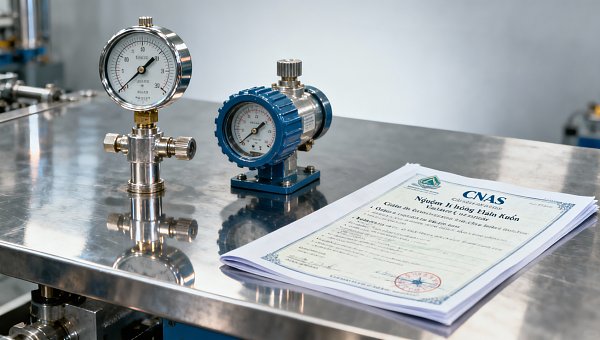
 Vietnam Enforces Dual CNAS + Vietnamese Language Requirement for Industrial InstrumentsVietnam enforces dual CNAS + Vietnamese language requirement for industrial instruments (HS 9026/9027/9030) — avoid customs rejection. Act now!
 Red Sea Crisis Escalates: Gulf of Aden No-Sail Zone Extended to June 15, 2026Red Sea Crisis escalates: Gulf of Aden no-sail zone extended to June 15, 2026 — impacting industrial instrumentation trade, airfreight costs (+452%), and supply chain resilience between China and the Middle East.
 SASO Mandates AI-Driven Energy Simulation for Industrial Transmitters from June 2026SASO mandates AI-driven energy simulation for industrial transmitters from June 2026 — ensure compliance with NAIEC-certified testing now to avoid delays & rejections.
 BIS Adds 3 High-Precision Process Calibrators to EAR Supplement No. 4BIS Adds 3 High-Precision Process Calibrators to EAR Supplement No. 4—urgent compliance insights for semiconductor, nuclear, and calibration service providers operating with China.
 EU PEF Carbon Footprint Database Mandatory Integration CountdownEU PEF Carbon Footprint Database integration is mandatory for industrial instrument exporters by Jan 2027—act now to secure market access, customs clearance & B2B tenders.
 FDA Updates IVD Import Guidance: CNAS Calibration Traceability to NIST Required for Chinese ManufacturersFDA now requires CNAS calibration traceability to NIST for Chinese IVD manufacturers — critical for 510(k)/De Novo submissions. Act now to avoid RTA delays!
 ASEAN's Green Clearance Corridor Fully LaunchedGreen Clearance Corridor now live: CNAS calibration reports auto-verified for ASEAN customs clearance in under 4 hours — boost your China–ASEAN trade efficiency today!
 First Global Cybersecurity Verification Guide for Industrial Instruments ReleasedFirst global cybersecurity verification guide for industrial instruments launched—featuring a 5-level maturity model & standardized pentest library. Essential for exporters, OEMs, and critical infrastructure suppliers.
 SASO Shortens Energy Labeling for Industrial Transmitters to 7 Days, Adds AI Power Simulation RequirementSASO energy labeling for industrial transmitters now takes just 7 days — but requires AI power simulation. Learn how to comply fast and avoid delays.
 PTB Launches AI Calibration Cloud Platform 2.0PTB AI Calibration Cloud Platform 2.0 launches with CNAS-VDA 5/ISO/IEC 17025 dual-compliance reporting — streamline cross-border calibration for auto suppliers, labs & equipment makers.
 EU Mandates Carbon Footprint Labels on Industrial Instruments from 2027EU mandates carbon footprint labels on industrial instruments from 2027—key for pressure, temperature & flow meter exporters. Act now to ensure PEF compliance and market access.
 Red Sea Crisis Worsens: Gulf of Aden Ban Extends to 3 Weeks, Air Freight Premiums for Industrial Instruments Surge 420%Red Sea crisis deepens: Gulf of Aden ban hits 3 weeks, spiking air freight premiums for industrial instruments by 420%—urgent insights for exporters & EPC contractors.
 Vietnam Enforces CNAS + Vietnamese Dual Requirement for Industrial InstrumentsVietnam Enforces CNAS + Vietnamese Dual Requirement for Industrial Instruments: Key compliance update for exporters, labs & documentation teams ahead of June 2026.
 U.S. BIS Adds 5 High-Precision Pressure/Flow Calibration Sources to EAR ListU.S. BIS adds 5 high-precision pressure/flow calibration sources to EAR list — critical for exporters, instrument makers & supply chain teams. Act now.
 IEC 61508-3:2026 Published: Functional Safety Certification UpgradedIEC 61508-3:2026 is live—discover what the upgraded functional safety certification means for your industrial software, AI diagnostics & global market access.
 FDA Updates IVD Import Guidance: CNAS Calibration Chain Required for China-Made DevicesFDA now requires CNAS calibration chain reports for China-made IVD analyzers—pH, ion & clinical chemistry devices entering via 510(k)/De Novo. Act now to avoid U.S. port rejections.
 EN 61000-6-4:2026 Enters Force: Stricter EMC Requirements for Industrial Field InstrumentsEN 61000-6-4:2026 enforces stricter EMC requirements for industrial field instruments—key for AI edge controllers, sensors & exporters. Act now to ensure CE-EMC compliance by Nov 2026.
 Global Methanol Electric Alliance Launches Cross-Border Energy Efficiency Recognition RoadmapGlobal Methanol Electric Alliance launches cross-border energy efficiency recognition roadmap—key for exporters, cal labs & methanol-instrument manufacturers.
 Red Sea Crisis Escalates: Air Freight Premiums for China–Middle East Industrial Instruments Hit 390%Red Sea Crisis hits industrial instruments: China–Middle East air freight premiums surge 390%. Act now to secure Q3 capacity, avoid delays & optimize LCL alternatives.
 IEC TC65 Mandates Cybersecurity Certification for Industrial Field Instruments from 2027IEC TC65 mandates cybersecurity certification for industrial field instruments by 2027 — pressure, flow & analytical devices must meet IEC 62443-4-2:2026 and display SL1–SL3 labels. Act now to ensure market access.
 SASO Cuts Energy Labeling Turnaround for Industrial Transmitters to 7 Working DaysSASO Energy Labeling now takes just 7 working days for industrial transmitters — faster market access, CNAS reports accepted. Act now!
 PTB Launches CalCloud 2.0 with Direct CNAS Lab IntegrationCalCloud 2.0 now integrates directly with CNAS labs—enabling automated VDA 5 & ISO/IEC 17025 dual-compliant calibration reports for automotive and industrial exporters. Boost compliance efficiency today!
 ASEAN's Green Clearance Corridor for CNAS Calibration Reports LaunchesASEAN's Green Clearance Corridor now verifies CNAS calibration reports via blockchain—cut customs clearance to <48h for flow meters, analyzers & more. Act now!
 Vietnam Mandates CNAS Calibration Certificates & Vietnamese Manuals for Industrial Meters from June 1, 2026CNAS calibration certificates & Vietnamese manuals now mandatory for industrial meters entering Vietnam from June 1, 2026—avoid customs delays and ensure seamless market access.
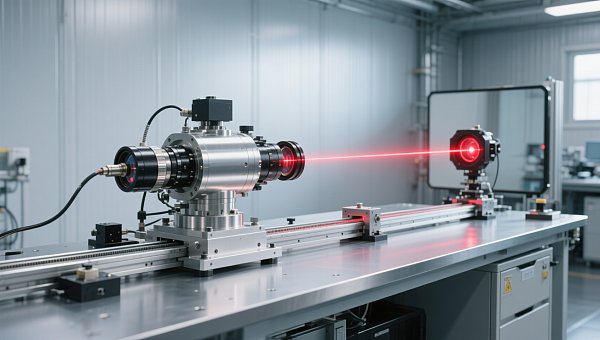
 U.S. BIS Tightens Export Controls on High-Precision Laser InterferometersU.S. BIS tightens export controls on high-precision laser interferometers—critical for semiconductor metrology & ISO/IEC 17025 calibration. Act now to ensure compliance.
 Paramagnetic Monitor Calibration Tips for Stable OutputParamagnetic monitor calibration tips for stable output: learn how to reduce drift, improve accuracy, cut downtime, and keep oxygen measurement reliable in demanding industrial applications.
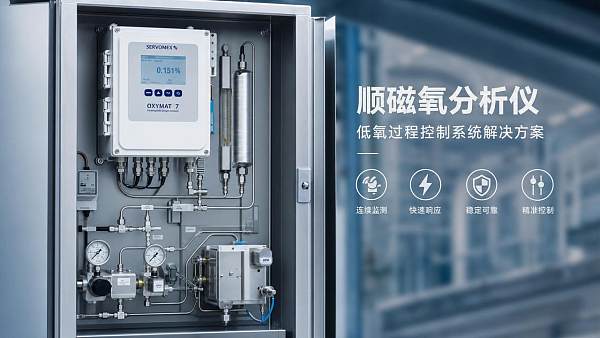
 Paramagnetic Measurement in Low-Oxygen Process ControlParamagnetic measurement enables accurate low-oxygen process control with fast response and stable oxygen analysis. Learn how it improves safety, consistency, and system performance.









Search Categories
Search Categories
Latest Article
- First Global White Paper on Humanoid Robot Industrial Calibration ReleasedHumanoid robot industrial calibration: First global white paper released—key for sensor makers, integrators & metrology labs. Learn impact & action steps.Posted by:
- FDA Updates IVD Import Guidance: CNAS Calibration Chain RequiredFDA mandates CNAS calibration chain with NIST traceability for IVD instruments from China—act now to avoid U.S. import rejection starting July 1, 2026.Posted by:
- IEC TC65 Releases Cybersecurity Validation Guidance for Industrial InstrumentsIEC TC65 releases cybersecurity validation guidance for industrial instruments—key for exporters, OEMs & integrators targeting EU/NA markets. Act now.Posted by:
Please give us a message
