
C4H10 Concentration Analyzer Buying Cycle: Price Changes and Supply Outlook


For procurement teams evaluating a C4H10 concentration analyzer, understanding the buying cycle is critical to balancing cost, availability, and long-term performance. As market prices shift with component supply, compliance demands, and industrial investment trends, buyers need clear insight before making sourcing decisions. This article explores current price changes, supply outlook, and key purchasing factors to help you plan smarter and reduce procurement risk.
What a C4H10 Concentration Analyzer Is and Why It Matters
A C4H10 concentration analyzer is an instrument used to detect, measure, and monitor the concentration of butane in a gas stream or process environment. In practical industrial settings, this type of analyzer supports safety management, process control, emissions monitoring, quality assurance, and regulatory compliance. Because C4H10 is flammable and often handled in environments where precision and rapid response are important, analyzer selection affects both operational continuity and risk control.
In the broader instrumentation industry, gas analysis equipment occupies a critical role. It connects field sensing, digital monitoring, alarm systems, and automated control decisions. For procurement teams, the value of a C4H10 concentration analyzer is not limited to its purchase price. It also includes measurement stability, calibration interval, sensor life, integration capability, certification readiness, service availability, and total lifecycle cost.
This is why buying-cycle timing matters. A buyer that understands price patterns, supply conditions, and project scheduling can avoid rushed purchases, reduce the risk of incompatible specifications, and negotiate more effectively with suppliers.
Why the Market Is Paying More Attention to This Equipment
Demand for a C4H10 concentration analyzer has become more visible as industrial operators face tighter safety requirements, more digitalized plants, and stronger expectations around traceable measurement data. Facilities involved in petrochemicals, LPG storage, gas blending, energy systems, environmental supervision, and industrial automation increasingly rely on continuous or semi-continuous gas analysis.
At the same time, the instrumentation sector is being shaped by several structural forces. Semiconductor availability influences detector modules and embedded electronics. Certification and hazardous-area requirements affect manufacturing lead time. Logistics conditions alter delivery predictability. In addition, many buyers now prefer analyzers that can connect with PLC, DCS, SCADA, or cloud-based maintenance platforms. These shifts make the sourcing process more strategic than a simple product comparison exercise.
For procurement personnel, this means the market is no longer driven only by catalog pricing. It is influenced by specification complexity, compliance scope, after-sales support depth, and the availability of critical components.
Current Price Changes in the C4H10 Concentration Analyzer Market
Recent price changes for a C4H10 concentration analyzer have generally followed the broader trend seen in industrial analysis instruments: moderate upward pressure on configured systems, mixed pricing on standard models, and stronger volatility on imported or highly certified units. Buyers may still find stable pricing in basic portable or fixed-point products, but costs rise quickly when the requirement includes explosion-proof design, advanced communication protocols, low detection limits, high accuracy, or custom sample-conditioning systems.
Several factors explain these changes. First, electronic components and sensing elements remain sensitive to global supply fluctuations. Second, labor and compliance costs have increased for manufacturers that offer factory calibration, third-party testing, or documentation packages. Third, exchange-rate movement can significantly affect imported analyzers and spare parts. Fourth, shorter project schedules often lead to premium pricing for fast delivery.
Procurement teams should therefore interpret price not as a single market number, but as a result of technical configuration. A low base quote may exclude alarms, display modules, communication interfaces, mounting accessories, calibration kits, or commissioning support. A realistic comparison should evaluate the delivered system, not only the headline unit price.
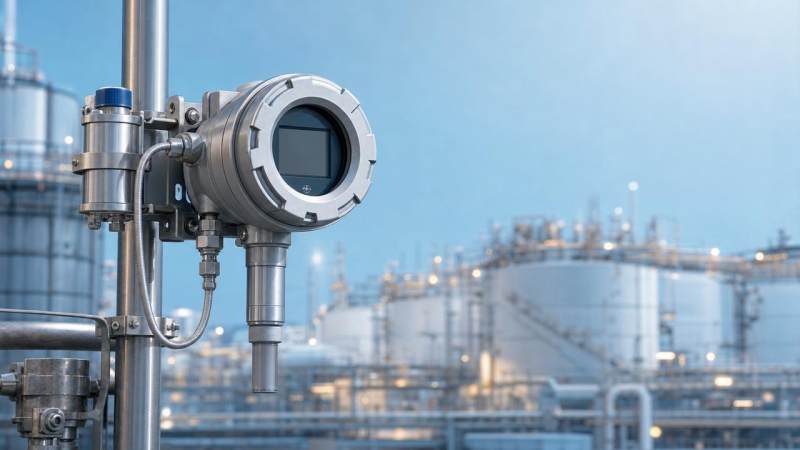
Key Supply Outlook Factors for the Next Buying Cycle
The supply outlook for a C4H10 concentration analyzer is broadly stable, but not uniform across all categories. Standard industrial analyzers with common ranges and conventional outputs are usually easier to source. However, analyzers requiring special enclosures, hazardous-area certifications, custom gas paths, heated systems, or integration with plant-specific controls can face longer lead times.
Buyers should watch five supply indicators. The first is sensor and detector availability, especially for products based on specialized technologies. The second is certification capacity, since compliance documentation may delay shipment even when hardware is assembled. The third is regional logistics reliability for imported systems or spare parts. The fourth is supplier service bandwidth, which influences installation and commissioning timing. The fifth is demand concentration in energy, chemical, and environmental sectors, where large projects can temporarily tighten supply.
In practical terms, the best supply outlook often belongs to products with standardized designs, localized support, and established production lines. The highest procurement risk usually appears in customized projects where analyzer performance is tightly linked to process conditions and engineering coordination.
Industry Overview: Main Buying Influences
The following overview helps procurement teams understand how common market factors influence the buying cycle for a C4H10 concentration analyzer.
Application Value Across Industrial Settings
A C4H10 concentration analyzer brings value across multiple industrial environments because it links measurement data to operational decisions. In storage and handling applications, it supports leak monitoring and area safety. In process plants, it helps maintain product consistency and combustion or mixing efficiency. In environmental and compliance applications, it contributes to reporting accuracy and control of potentially hazardous releases. In laboratories and pilot systems, it helps verify process assumptions and validate equipment performance.
This broad utility explains why procurement teams from general industry must assess the analyzer in relation to both plant needs and organizational goals. A safety-driven purchase may prioritize fast response and alarm reliability. A process-driven purchase may prioritize measurement repeatability and integration with automation systems. A compliance-driven purchase may focus on traceability, calibration records, and documentation quality.
Typical Use Scenarios and Selection Priorities
Not every C4H10 concentration analyzer is designed for the same operating context. Understanding the main scenario categories helps buyers align technical specifications with business needs.
How Procurement Teams Should Evaluate Offers
A strong buying decision starts with a clear technical and commercial framework. When comparing offers for a C4H10 concentration analyzer, buyers should confirm the measurement range, accuracy, repeatability, response time, operating environment, certification level, output signals, maintenance interval, and calibration method. They should also ask whether the quoted configuration includes accessories, software, sample-conditioning components, and site support.
Equally important is supplier capability. A reliable supplier should be able to explain analyzer technology, expected sensor life, spare-parts strategy, and local service process. Documentation quality is another indicator. Detailed manuals, wiring diagrams, calibration procedures, and test records reduce project risk and simplify commissioning. Procurement should also verify whether lead times are based on stocked components or future sourcing assumptions.
From a commercial perspective, the most useful comparison model includes initial price, warranty terms, maintenance cost, calibration consumables, replacement part availability, training support, and upgrade path. This approach protects buyers from selecting a low-cost instrument that later creates operational expense or downtime.
Practical Advice for Managing the Buying Cycle
For most organizations, the best time to source a C4H10 concentration analyzer is before a project enters its most time-sensitive phase. Early specification review gives engineering, safety, and procurement teams time to align on process conditions, installation method, and compliance needs. It also improves bargaining power because suppliers can quote without urgent delivery pressure.
A practical buying-cycle strategy usually includes four steps. First, define the use case in operational terms rather than generic instrument language. Second, shortlist suppliers with proven experience in industrial gas analysis. Third, compare complete delivered packages instead of base units only. Fourth, build contingency into the schedule for certification, factory testing, and commissioning. These steps reduce the chance of hidden cost and delivery disruption.
If market uncertainty is high, buyers may also consider phased procurement. For example, locking in key analyzer units early while scheduling accessories or service packages later can help control both budget and supply risk. Where plant uptime is critical, adding recommended spare parts to the initial order may be more economical than emergency replenishment later.
Conclusion and Next-Step Planning
A C4H10 concentration analyzer is more than a measurement device; it is part of a wider instrumentation framework that supports safety, process control, compliance, and digital operations. For procurement teams, the buying cycle should be shaped by both market timing and application fit. Price changes are influenced by configuration complexity, component supply, certification demands, and service scope. Supply outlook is generally manageable, but customized systems and high-specification units require earlier planning.
The smartest sourcing decisions come from understanding the instrument’s role, matching technical requirements to real operating conditions, and evaluating suppliers on lifecycle value rather than purchase price alone. If your team is preparing to source a C4H10 concentration analyzer, now is the right time to clarify specifications, review lead-time assumptions, and request complete proposals that support both project delivery and long-term reliability.
Recommended for You
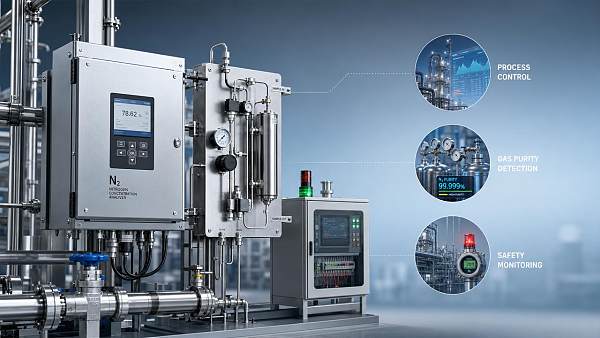
 N2 Concentration Analyzer Cost Factors for Bulk Industrial ProcurementN2 concentration analyzer cost depends on more than unit price. Compare process, purity, and safety applications with total cost logic to source smarter and reduce lifecycle risk.
 Oxygen Concentration Analyzer vs Sensor Systems: Which Fits Continuous UseOxygen concentration analyzer or sensor system? Compare stability, drift, maintenance, and uptime for continuous use to choose the most reliable fit for your process.
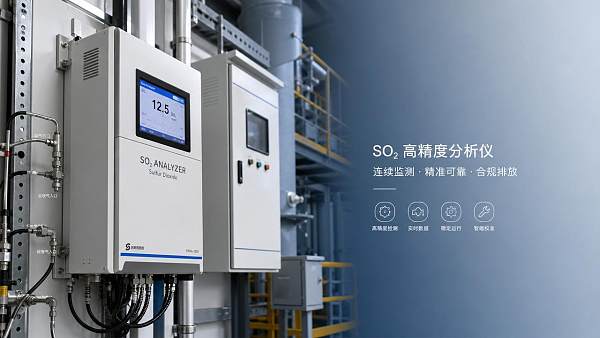
 SO2 Concentration Analyzer News: Compliance Demands Reshaping Product SpecsSO2 concentration analyzer trends are shifting with stricter compliance rules. Learn how new specs, data integrity, and uptime demands are reshaping smarter buying decisions.
 He Concentration Analyzer Maintenance Tips for Stable Long-Term ReadingsHe concentration analyzer maintenance tips for stable long-term readings. Learn how to reduce drift, improve calibration accuracy, cut downtime, and keep industrial systems reliable.
 CH4 Concentration Analyzer Selection Mistakes That Raise Operating RiskCH4 concentration analyzer selection mistakes can raise safety, compliance, and maintenance risk. Learn how to choose the right analyzer for reliable performance and lower lifecycle cost.
 CO Concentration Analyzer Import Rules to Watch in 2026CO concentration analyzer import rules for 2026: learn the key customs, certification, labeling, and compliance checks to reduce risk, avoid delays, and source with confidence.
 NH3 Concentration Analyzer Market Trends for Industrial Process Control in 2026NH3 concentration analyzer market trends in 2026: explore technologies, industrial applications, selection tips, and how smarter monitoring improves compliance, safety, and process control.
 Ar Concentration Analyzer Accuracy Issues in High-Purity Gas ApplicationsAr concentration analyzer accuracy issues can compromise high-purity gas quality, safety, and compliance. Learn the key causes, practical fixes, and how to improve reliable measurement performance.
 CO2 Concentration Analyzer Price Trends in 2026: What Shapes Total CostCO2 concentration analyzer price trends in 2026 depend on technology, accuracy, calibration, compliance, and integration. Discover total cost drivers to compare quotes smarter and control lifecycle risk.
 How to Choose a NOX Concentration Analyzer for Low-Emission MonitoringNOX concentration analyzer selection for low-emission monitoring made easier. Learn how to compare accuracy, response time, compliance, and lifecycle cost before you buy.
 2026 Summit Highlights China's Smart Inspection Equipment as New Global Cooperation FocusSmart inspection equipment takes center stage at the 2026 Summit—unlocking new global cooperation, standards alignment, and market opportunities for exporters, OEMs, and tech suppliers.
 White House Warns Oil Shock May Fuel Core Inflation, Delaying Industrial Instrument ExportsWhite House warns oil shock may fuel core inflation—impacting industrial instrument exports. Discover how pressure, temperature & flow instrumentation exporters can mitigate delays and optimize trade finance workflows now.
 New AI Agent Guidelines Impact Export of AI-Powered Testing EquipmentAI agent guidelines impact export of AI-powered testing equipment—learn how new China security & controllability rules affect global compliance, supply chains, and market access.
 Canton Fair Phase III Boosts Sensor & Energy Testing ExportsSensor & energy testing exports surge at Canton Fair Phase III—driven by global demand for new energy home appliances and smart furniture compliance solutions.
 UAE Announces $150B Energy Infrastructure InvestmentUAE's $150B energy infrastructure push drives demand for IP68/IP69K, ATEX/IECEx, and LPWAN-enabled industrial sensors — act now to align with ADNOC tenders.
 WTI Net Longs Surge, Boosting Demand for Lubricant Monitoring SystemsLubricant monitoring systems surge in demand as WTI net longs rise—real-time viscosity, moisture & oxidation tracking now critical for global manufacturers.
 Shanghai Pudong Launches E-Label Pilot for Imported CosmeticsShanghai Pudong’s e-label pilot for imported cosmetics drives global demand for RFID/NFC readers, traceability solutions & certified testing equipment—act now to comply and lead.
 G7 Prioritizes Critical Mineral Supply Chain SecurityCritical mineral supply chain security takes center stage at G7 Paris meeting—impacting industrial sensors, rare-earth magnets & global procurement strategies.
 US-China Talks Yield Breakthrough on Agricultural NTBs for Testing EquipmentUS-China talks break ground on agricultural NTBs—key win for makers of residue detection, mycotoxin & spectral testing equipment targeting USDA/FDA markets.
 Fruit Attraction 2026 Booth Bookings Exceed 90%Fruit Attraction 2026 booth bookings exceed 90% — a strong signal for food safety instrumentation, cold-chain monitoring & EU compliance solution providers to secure visibility and drive qualified leads.
 Kuwait Bans HCFC Air Conditioners, Boosts IR Camera ExportsKuwait bans HCFC air conditioners—boosting demand for IR cameras, leak detectors & refrigerant analyzers. Discover GCC compliance insights and export opportunities.
 China's IC Exports Surge 78.3% in First Four Months of 2026China's IC exports surge 78.3% in early 2026 — driven by soaring global demand for AI chip test equipment, SMUs, and parametric analyzers. Discover the supply chain shift.
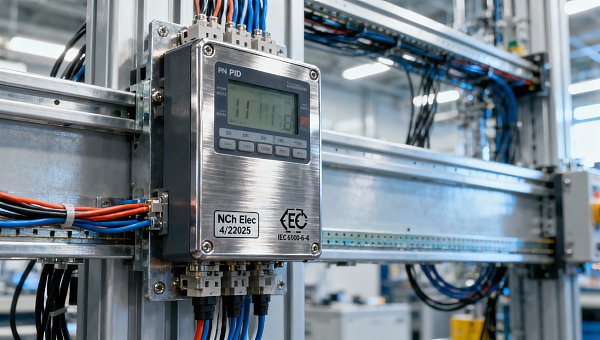
 Chile Enforces Mandatory INN Safety Certification for Industrial Temperature ControllersChile mandates INN safety certification (NCh Elec 4/2025) for industrial temperature controllers starting Aug 1, 2026—act now to avoid shipment delays & market bans.
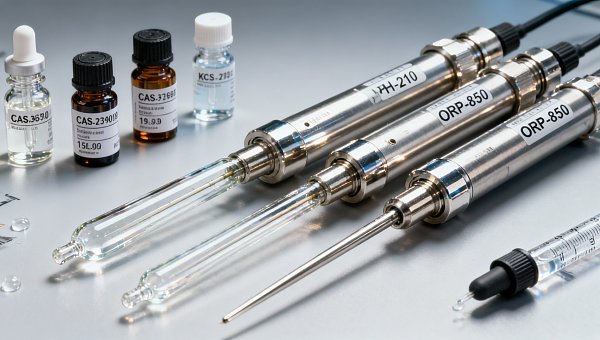
 K-REACH Supply-Shortage Exemption Launches for pH/ORP ElectrodesK-REACH Supply-Shortage Exemption now applies to pH/ORP electrodes—act before June 30, 2026 to avoid customs delays & penalties. Key for exporters & manufacturers.
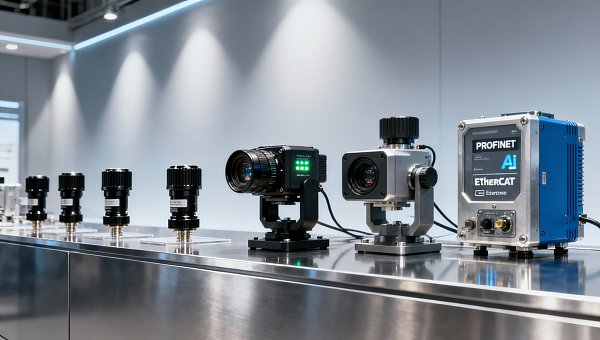
 4th China International Supply Chain Expo to Focus on Smart Sensing & In-Process InspectionSmart Sensing & In-Process Inspection take center stage at the 4th China International Supply Chain Expo in Beijing, Nov 26–30, 2026 — discover next-gen inspection tech, AI vision modules, and calibrated sensing solutions for global industrial buyers.
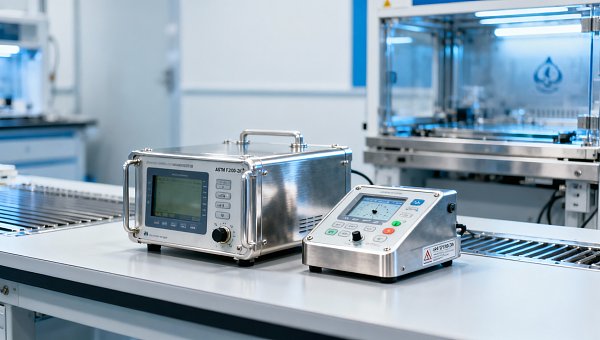
 ASTM F2100-26 Medical Mask Standard Takes Effect in USASTM F2100-26 medical mask standard is now in force—driving global demand for biosafety cabinets, particle counters & air velocity calibrators, especially China-made instruments.
 South Africa Enforces SABS Certification for IoT Monitoring DevicesSABS certification now mandatory for IoT monitoring devices entering South Africa via e-commerce—act before 1 June 2026 to avoid customs rejection and ensure market access.
 EU REACH Adds Fluorinated Substances; SVHC Reporting Required for Gas AnalyzersEU REACH now restricts fluorinated substances in gas analyzers—SVHC reporting is mandatory by 30 Nov 2026. Ensure compliance for sensors, membranes & monitoring systems.
 Revised Maritime Code Takes Effect May 1, 2026: Shift in Unclaimed Cargo LiabilityRevised Maritime Code (2026): Shippers now liable for unclaimed cargo—critical for industrial instrument exporters, logistics providers & cross-border supply chains. Act now.
 China Imposes Zero Tariffs on Goods from All African Diplomatic Partners Starting May 1, 2026China’s zero-tariff policy for African instrumentation & automation exports starts May 1, 2026—boosting competitiveness in EPC tenders and market access for exporters.
 Import and Export Shifts in the PPM Gas Analyzer Marketppm gas analyzer market insights: discover how import tariffs, export controls, and compliance shifts impact cost, supply stability, and growth opportunities across key applications.
 Single Gas Analyzer Maintenance Issues That Raise DowntimeSingle gas analyzer maintenance issues can quietly increase downtime. Learn how to spot drift, calibration errors, and sample path faults early to improve uptime and field efficiency.



Search Categories
Search Categories
Latest Article
- N2 Concentration Analyzer Cost Factors for Bulk Industrial ProcurementN2 concentration analyzer cost depends on more than unit price. Compare process, purity, and safety applications with total cost logic to source smarter and reduce lifecycle risk.Posted by:
- Oxygen Concentration Analyzer vs Sensor Systems: Which Fits Continuous UseOxygen concentration analyzer or sensor system? Compare stability, drift, maintenance, and uptime for continuous use to choose the most reliable fit for your process.Posted by:
- SO2 Concentration Analyzer News: Compliance Demands Reshaping Product SpecsSO2 concentration analyzer trends are shifting with stricter compliance rules. Learn how new specs, data integrity, and uptime demands are reshaping smarter buying decisions.Posted by:
Please give us a message
