
What makes custom analysis projects run over budget


Custom analysis projects usually run over budget for one simple reason: the real operating environment is more complex than the original specification. In instrumentation work, cost overruns rarely come from one large mistake. They are more often caused by a chain of small gaps—unclear process data, late changes in online measurement targets, underestimated explosion proof requirements, sample conditioning complexity, integration issues, and testing demands that were not defined early enough. When projects involve fixed analysis, portable analysis, or continuous analysis systems, even minor mismatches in gas composition, response time, installation conditions, or calibration strategy can trigger expensive redesign, procurement changes, and commissioning delays.
For buyers, engineers, project managers, and decision-makers, the practical question is not only why budgets fail, but how to identify the risk points before purchasing and implementation. The most effective way to control spending is to align process conditions, measurement purpose, safety classification, analyzer technology, and lifecycle support at the front end of the project.
Why custom analysis projects exceed budget more often than standard instrument purchases
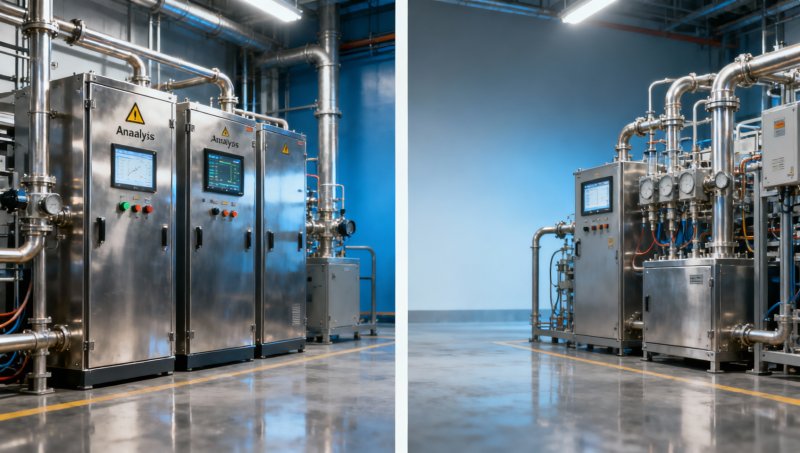
Custom analysis projects are different from buying a standard pressure transmitter or temperature sensor. A custom analyzer package often depends on multiple layers working together: sensing technology, sampling system, enclosure design, hazardous area compliance, control integration, calibration strategy, environmental protection, and site commissioning. If any one of these is defined too late or based on assumptions, the project cost rises quickly.
This is especially true in applications such as multi gas detection, paramagnetic oxygen measurement, laser measurement, and thermal measurement. These technologies can perform extremely well, but only when they are matched to the actual process. A device that looks suitable on paper may require additional filtration, heating, pressure reduction, purge systems, special materials, or software changes once field conditions become clear. Those changes increase engineering hours, delivery time, and installation cost.
In many cases, the initial budget covers the analyzer itself but underestimates the full project scope. The result is that teams approve a number that reflects equipment price, while the real spend includes design revisions, compliance upgrades, skids, shelters, wiring, communication interfaces, factory testing, site acceptance, operator training, and maintenance preparation.
What are the most common hidden cost drivers in custom analyzer projects?
The most common budget overruns usually come from five areas.
1. Incomplete process data at the specification stage.
If the vendor or engineering team does not receive complete information on pressure, temperature, flow variability, contaminants, moisture, corrosive compounds, and expected concentration range, the selected analysis method may be wrong or only partially suitable. Once the real process condition is known, redesign becomes unavoidable.
2. Underestimating sample handling requirements.
In many continuous analysis and online measurement applications, the analyzer is only one part of the solution. The sample conditioning system may include filters, coolers, regulators, pumps, valves, fast loop arrangements, heated lines, condensate removal, or dilution systems. For harsh industrial environments, sample handling can become a major portion of the total cost.
3. Late discovery of hazardous area or explosion proof needs.
Explosion proof, flameproof, intrinsically safe, purge-protected, and other hazardous area design requirements can significantly affect enclosure type, wiring method, certification, and installation cost. If these needs are identified after the equipment design is underway, the budget impact can be substantial.
4. Technology selection based on theory rather than application fit.
A paramagnetic oxygen analyzer may be excellent for one process but less suitable where vibration, contaminants, or maintenance conditions are challenging. Laser measurement can deliver fast and selective monitoring, but optical path conditions, dust load, alignment, and installation geometry may increase project complexity. Thermal measurement methods may be economical in some cases, but not if process composition changes reduce accuracy. A technically advanced option is not always the lowest total-cost option.
5. Poor definition of integration and acceptance requirements.
Projects often overlook PLC or DCS communication, alarm logic, data logging, cybersecurity expectations, reporting outputs, and factory or site acceptance protocols. When these are added late, engineering and commissioning costs rise quickly.
How fixed analysis, portable analysis, and continuous analysis affect project cost differently
Not all custom analysis projects fail for the same reason. The budget risk depends heavily on the analysis mode.
Fixed analysis systems usually carry higher installation and integration costs. They often need mounting structures, shelters, utility connections, hazardous area compliance, and communication with plant systems. Their risk is driven by site conditions and long-term reliability expectations.
Portable analysis solutions may look lower cost at first, but overruns happen when users expect laboratory-level performance in field conditions without accounting for ruggedization, battery management, operator training, calibration accessories, or environmental compensation. In portable gas detection or field testing, usability and maintenance can strongly influence total cost.
Continuous analysis systems often have the highest lifecycle sensitivity. Even if the initial analyzer purchase is reasonable, online measurement systems can become expensive if they require frequent calibration, complex sample handling, repeated cleaning, or unexpected shutdown support. For process plants, the cost of unstable continuous analysis is not limited to the instrument budget—it can affect production quality, energy efficiency, emissions compliance, and safety performance.
Understanding which category the project belongs to helps teams budget correctly. It also prevents the common error of comparing unlike solutions only by purchase price.
Where specification gaps usually begin—and why they become expensive later
Most overruns begin before procurement. They start when project teams define the measurement task too broadly, such as “monitor oxygen,” “measure multi gas composition,” or “install online analysis,” without clearly stating the operating objective.
A useful custom analysis specification should answer questions such as:
- What process decision will this measurement support?
- Is the goal safety, quality control, emissions compliance, process optimization, custody relevance, or troubleshooting?
- What accuracy, repeatability, and response time are truly required?
- What is the normal range and upset range of the sample?
- What interferents or contaminants are present?
- What maintenance interval is acceptable?
- Will the system operate in a hazardous, corrosive, dusty, outdoor, or vibrating environment?
- What output, communication, and system integration are necessary?
If these questions are not settled early, teams often approve a solution that later needs upgraded materials, a different sensor principle, additional conditioning, or a different installation concept. That is when a manageable analyzer budget becomes a project overrun.
How to evaluate analyzer technology without creating budget risk
Technology evaluation should focus on application fit, not only instrument capability. This is especially important in the instrumentation industry, where multiple measurement principles may appear suitable for the same target parameter.
For example, when evaluating oxygen analysis, teams should compare not only accuracy but also maintenance burden, pressure sensitivity, contamination tolerance, calibration frequency, and lifecycle support. In gas analysis, a multi gas detection requirement may be served by one integrated platform or by multiple dedicated channels, but the best choice depends on selectivity, cross-sensitivity, serviceability, and cost of downtime.
Decision-makers should ask these practical questions:
- What process conditions can cause drift, fouling, or false readings?
- How often will calibration or consumable replacement be needed?
- Can operators maintain the system with available skills?
- What spare parts and service support are required locally?
- What is the expected cost of poor measurement performance?
This approach shifts the conversation from “Which analyzer is cheapest?” to “Which solution best controls total project and operating cost?” That is usually the more accurate budget question.
How procurement, engineering, and finance teams can prevent custom analysis cost overruns
The best prevention method is cross-functional planning. Cost overruns often happen because each department sees only part of the project. Engineering focuses on technical feasibility, procurement negotiates equipment price, operations think about usability, and finance reviews the approved budget. But custom analysis success depends on how well those views are aligned.
A stronger project process typically includes:
- Early confirmation of process conditions and measurement purpose
- Clear classification of hazardous area and explosion proof requirements
- Front-end review of sample conditioning and installation method
- Comparison of fixed, portable, and continuous analysis options based on use case
- Defined acceptance testing, documentation, and integration scope
- Lifecycle cost review, including calibration, maintenance, consumables, and downtime risk
- Vendor clarification on exclusions, assumptions, and service boundaries
For procurement and finance teams, one of the most valuable actions is to challenge unusually low quotations. A low initial quote may exclude critical items that later appear as change orders. A more complete proposal may look higher at first but reduce the total delivered cost.
What a realistic budget should include in a custom analysis project
A realistic budget should go beyond analyzer purchase price and cover the full delivery model. This often includes:
- Analyzer hardware and sensing technology
- Sample conditioning components
- Cabinets, shelters, or panels
- Hazardous area compliance and certification needs
- Mechanical and electrical installation
- Control system integration
- Factory acceptance and site acceptance testing
- Commissioning and performance verification
- Operator and maintenance training
- Spare parts, calibration gases, and service planning
Including these elements early helps project owners compare suppliers on a more realistic basis. It also makes internal approval easier because finance and management can see the total cost structure, not just the equipment line item.
Conclusion: budget overruns are usually a specification and alignment problem, not just a pricing problem
What makes custom analysis projects run over budget is rarely just the analyzer price. In most cases, the root cause is misalignment between the measurement objective and the real process environment. When fixed analysis, portable analysis, or continuous analysis requirements are defined without enough attention to online measurement goals, hazardous area needs, sample handling, or lifecycle maintenance, costs rise later through redesign, delays, and added scope.
For technical evaluators, buyers, operators, and decision-makers, the key lesson is clear: define the application in detail before comparing products. Review technology fit, explosion proof requirements, integration scope, and long-term operating burden as early as possible. In the instrumentation industry, the projects that stay on budget are usually not the simplest ones—they are the ones that were specified more accurately from the start.
Recommended for You
 Brazil INMETRO to Require Portuguese UI and Local Units for Industrial Instruments by 2026Brazil INMETRO mandates Portuguese UI & local units (mbar, kPa, °C) for industrial instruments by Dec 2026—key for exporters, integrators & service providers.
 STMicroelectronics 200mm Line Eases Industrial Sensor Chip ShortageSTMicroelectronics 200mm line eases industrial sensor chip shortage — MCUs & signal-conditioning ICs now ship in 12 weeks. Secure allocation today.
 Southeast Asia Manufacturing Re-shoring Accelerates: Vietnam/Indonesia Industrial Instrument Imports Up 37% YoYSoutheast Asia manufacturing re-shoring accelerates: Vietnam & Indonesia industrial instrument imports up 37% YoY — key insights for suppliers, OEMs & procurement teams.
 First Global White Paper on Humanoid Robot Sensor Calibration ReleasedHumanoid robot sensor calibration: First global white paper released—key for ISO/IEC JWG 23 compliance, export readiness & dynamic torque accuracy. Act now.
 SAMR to Upgrade EV Battery Recycling Standard to MandatorySAMR to upgrade EV battery recycling standard GB/T 34015—202X to mandatory by Dec 2026 — critical for exporters, BMS makers & cert labs.
 Saudi SASO Accelerates AI Energy Efficiency Rules for TransmittersSASO AI energy efficiency rules for transmitters take effect 1 June 2026 — mandatory AI simulation, Saudi climate data, and authorized lab validation required. Act now to avoid export delays.
 IEC 63278:2026 Released for Industrial Instrument CybersecurityIEC 63278:2026 is live — the first global standard mandating cybersecurity verification for industrial instruments. Discover compliance impacts, deadlines, and actionable steps for OT/IT convergence.
 Red Sea Crisis Escalates: Gulf of Aden Navigation Ban Extended to June 15, 2026Red Sea Crisis escalates: Gulf of Aden navigation ban extended to June 15, 2026—disrupting industrial instrumentation shipments to the Middle East with 458% air freight spikes and 12–18 day delays.
 US DOE Updates Efficiency Rules for Industrial SensorsUS DOE updates industrial sensor efficiency rules: AI-driven dynamic calibration required by Sept 2026. Ensure AI-Cal Verified compliance now.
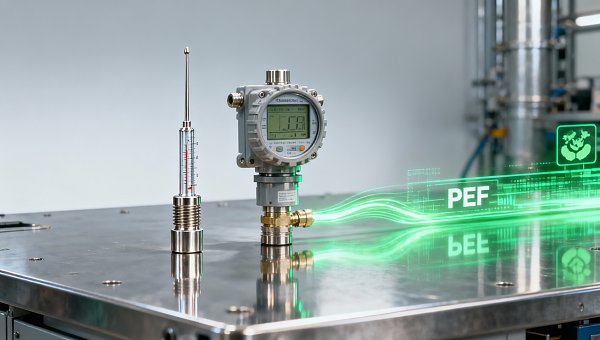
 EU Mandates PEF Carbon Footprint Module for Industrial Instruments from June 2026EU mandates PEF carbon footprint module for industrial instruments from June 2026—key for exporters, OEMs & certifiers. Act now to ensure compliance.
 Explosion-Proof Instruments: Compliance Risks Before You OrderExplosion-proof instruments can trigger delays, failed inspections, and safety risks if compliance is overlooked. Learn what to verify before ordering and make safer, smarter purchasing decisions.
 Gas Quality Monitoring Equipment Import Rules to Watch in 2026Gas quality monitoring equipment import rules for 2026 are tightening. Learn the key compliance, certification, and customs risks distributors must manage to avoid delays and protect margins.
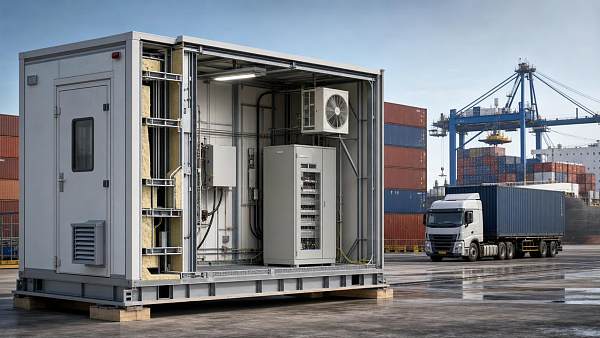
 Emission Control Shelter Demand Shifts Across Industrial ProjectsEmission control shelter demand is rising across industrial projects as buyers seek faster deployment, reliable monitoring, and compliance-ready designs. Explore key evaluation factors.
 Temperature Measurement Instruments: Selection Mistakes That Raise DowntimeTemperature measurement instruments selection mistakes can drive downtime, unstable control, and higher costs. Discover 5 common errors and practical fixes to improve reliability.
 Thermal Conductivity Analyzers: When Are They the Right Choice?Thermal conductivity analyzers are ideal for binary and high-contrast gas mixtures. Learn when they deliver reliable, low-maintenance online monitoring and smarter project value.
 Level Measurement Instruments for Tanks: What Affects ReliabilityLevel measurement instruments reliability depends on media, installation, and diagnostics. Discover what causes tank reading failures and how to improve safety, uptime, and control.
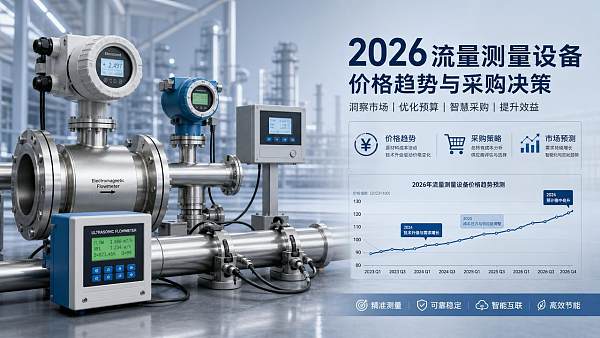
 Flow Measurement Equipment Price Trends in 2026Flow measurement equipment price trends in 2026: learn key cost drivers, budgeting risks, and smart buying strategies to improve ROI and make better procurement decisions.
 Flue Gas Monitoring Equipment: Common Accuracy Issues and FixesFlue gas monitoring equipment accuracy issues can lead to drift, false readings, and compliance risks. Discover common causes, practical fixes, and smarter maintenance tips.
 Process Control Shelter vs Control Room: Key Cost and Deployment DifferencesProcess control shelter vs control room: compare cost, deployment speed, integration, and lifecycle value to choose the smarter solution for industrial automation projects.
 How to Select an Industrial Control Shelter for Harsh Site ConditionsIndustrial control shelter selection for harsh sites: learn how to compare materials, HVAC, safety, and lifecycle cost to protect equipment, reduce downtime, and improve reliability.
 SAMR to Finalize 1,800+ Standards by 2026, Including EV Battery RecyclingSAMR to finalize 1,800+ standards by 2026—including EV battery recycling, hazardous chemical packaging & EMC immunity. Stay ahead of mandatory GB shifts and global export compliance.
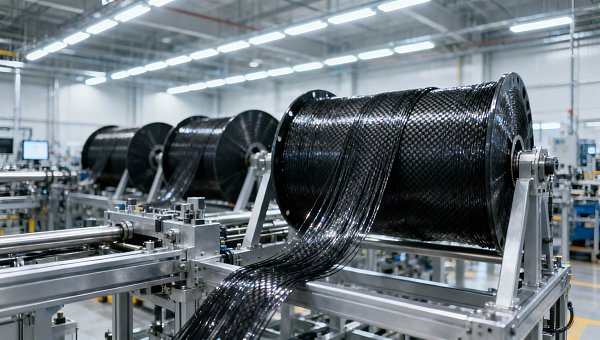
 China's Largest Single-Line Large-Tow Carbon Fiber Line Starts OperationChina's largest single-line large-tow carbon fiber line is live—30,000 tons/year capacity, ASME-certified, 22% cheaper & 6-week lead time. Boost your industrial instrumentation supply chain now.
 China Mobile Unveils National Integrated Computing Power NetworkChina Mobile's National Integrated Computing Power Network accelerates AI quality inspection for global manufacturers—cutting model training time by 68% and enabling cross-border industrial AI development.
 World's First Humanoid Robot Industrial Calibration White Paper ReleasedWorld's First Humanoid Robot Industrial Calibration White Paper released—setting new global benchmarks for dynamic sensor calibration in robotics. Discover how ABB, Yaskawa & metrology leaders are reshaping industry trust.
 Red Sea Crisis Escalates: Aden Gulf Ban Extended to June 15Red Sea Crisis escalates: Aden Gulf ban extended to June 15 — disrupting industrial instrumentation trade between China and the Middle East with 452% air freight spikes and 7–12 day delays.
 Saudi SASO Introduces AI-Based Energy Validation for Industrial TransmittersAI-based energy validation for industrial transmitters is now mandatory in Saudi Arabia—learn how SASO’s new AI regulation impacts global exporters, compliance timelines, and supply chains.
 IEC TC65 Releases Cybersecurity Validation Guide for Industrial InstrumentsIEC TC65’s new Cybersecurity Validation Guide for Industrial Instruments mandates SDL certification & firmware signing—key for EU/US market access. Act now to align with GB/T 42278-2026 and avoid export delays.
 EU PEF Carbon Footprint Database Mandatory Access for Industrial InstrumentsEU PEF Carbon Footprint Database mandatory access starts June 2026 for industrial instruments—pressure, temperature & flow meters. Ensure compliance now to avoid EU customs delays and market exclusion.
 Gas Quality Analyzer Shelter Price Trends and Specification Gaps to WatchGas quality analyzer shelter price trends vary with materials, HVAC, safety, integration, and compliance. See key specification gaps before shortlisting suppliers or approving budget.
 Process Measurement Equipment: Key Accuracy Risks in Harsh EnvironmentsProcess measurement equipment in harsh environments can drift before failing. Discover key accuracy risks, warning signs, and practical controls to protect quality, safety, and compliance.
 Industrial Analyzer Shelter Export Factors Affecting Lead Times This YearIndustrial analyzer shelter export lead times vary with sourcing, engineering, compliance, packing, and logistics. Learn the key factors to quote smarter and deliver with confidence.
 What to Check Before Buying a Process Analyzer ShelterProcess analyzer shelter buying guide: learn what to check before purchase, from compliance and HVAC to utilities, durability, and maintenance access.
















Search Categories
Search Categories
Latest Article
- Brazil INMETRO to Require Portuguese UI and Local Units for Industrial Instruments by 2026Brazil INMETRO mandates Portuguese UI & local units (mbar, kPa, °C) for industrial instruments by Dec 2026—key for exporters, integrators & service providers.Posted by:
- STMicroelectronics 200mm Line Eases Industrial Sensor Chip ShortageSTMicroelectronics 200mm line eases industrial sensor chip shortage — MCUs & signal-conditioning ICs now ship in 12 weeks. Secure allocation today.Posted by:
- Southeast Asia Manufacturing Re-shoring Accelerates: Vietnam/Indonesia Industrial Instrument Imports Up 37% YoYSoutheast Asia manufacturing re-shoring accelerates: Vietnam & Indonesia industrial instrument imports up 37% YoY — key insights for suppliers, OEMs & procurement teams.Posted by:
Please give us a message
