
CH3OH Concentration Analyzer: A Practical Guide to Stable Measurements


A CH3OH concentration analyzer is essential for users and operators who need stable, accurate measurements in industrial and laboratory processes. From routine monitoring to quality control, reliable methanol analysis helps reduce errors, improve safety, and support efficient operations. This practical guide explains the key factors that affect measurement stability and how to achieve dependable results in daily use.
In the instrumentation industry, stable methanol measurement is not only a laboratory concern. It also affects process consistency, operator safety, solvent recovery, blending accuracy, emissions control, and product compliance across manufacturing, energy, environmental monitoring, and automation systems. For users and operators, the goal is practical: keep readings trustworthy shift after shift, reduce manual rechecks, and avoid process drift caused by unstable data.
A well-selected CH3OH concentration analyzer can support online monitoring, batch verification, and routine sampling in applications where methanol concentration may vary from trace levels to high-percentage solutions. However, even a capable instrument can produce unstable readings if sampling conditions, temperature control, calibration routines, or maintenance discipline are weak. Understanding those factors is the fastest way to improve measurement confidence.
Why Stable CH3OH Measurement Matters in Daily Operation
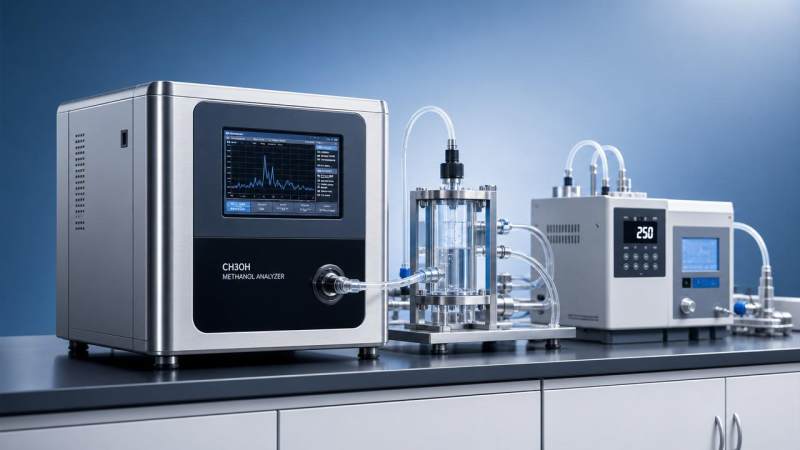
For operators, a CH3OH concentration analyzer is often expected to deliver repeatable data within minutes, sometimes in continuous service for 8, 16, or 24 hours per day. In real operating environments, methanol concentration readings can be influenced by temperature swings of 5°C to 15°C, sample contamination, air bubbles, flow fluctuation, or delayed calibration. If these conditions are ignored, small errors can accumulate into larger process losses.
Stable measurement matters because methanol is widely used as a solvent, feedstock, cleaning medium, and process component. In mixing, dilution, extraction, and recovery tasks, a deviation of even 0.5% to 2.0% may affect downstream quality, equipment settings, or waste treatment load. In safety-sensitive areas, poor concentration control can also increase handling risk and create unnecessary alarms or shutdowns.
Typical operating scenarios
- Inline concentration monitoring in blending or dosing systems
- Batch confirmation before transfer, filling, or packaging
- Laboratory verification for quality control and incoming inspection
- Solvent recovery process checks in industrial recycling loops
- Environmental and waste stream screening where methanol content must be tracked
Operational consequences of unstable readings
When a CH3OH concentration analyzer becomes unstable, operators usually see 3 common symptoms: drifting values over time, inconsistent results between repeated tests, and mismatch between process readings and laboratory checks. These symptoms often lead to extra sampling, delayed decisions, and unnecessary corrective actions. In plants with tight cycle times, losing 10 to 20 minutes per batch for verification can become a significant productivity issue.
In addition, false confidence is more dangerous than visible instability. A reading that appears stable but is biased by contamination, wrong calibration, or uncorrected temperature effects can cause off-spec output to continue unnoticed for several hours. That is why operators should evaluate not just whether the analyzer is running, but whether it is producing valid and traceable measurement results.
Key stability indicators to watch
- Repeatability over 3 to 5 consecutive tests
- Drift between start-of-shift and end-of-shift readings
- Response time after sample change, often within 30 seconds to 3 minutes depending on method
- Difference between analyzer result and reference method result
- Frequency of recalibration needed within a 7-day or 30-day period
Main Factors That Affect Measurement Stability
Most stability problems come from a limited number of causes. For users of a CH3OH concentration analyzer, the most important are sample condition, measurement principle, temperature management, calibration discipline, and hardware cleanliness. Addressing these 5 areas usually solves the majority of day-to-day reading issues without requiring a full instrument replacement.
1. Sample quality and representativeness
If the sample does not represent the actual process stream, no analyzer can deliver meaningful data. Suspended solids, phase separation, foam, microbubbles, or carryover from previous samples can all distort methanol readings. In fast-changing processes, a delayed or dead-leg sample line may create a lag of 1 to 5 minutes, making the displayed concentration look unstable when the real issue is sample transport delay.
Operators should check whether the sample is homogeneous, fresh, and free from avoidable contamination. For inline systems, stable flow and proper flushing are critical. For grab sampling, using clean containers and consistent sampling points can reduce variability significantly.
2. Temperature effects
Methanol concentration measurement is often temperature-sensitive, especially when the analyzer works through density, refractive index, conductivity, or other indirect physical properties. A temperature change of 1°C may cause a measurable shift in result, depending on solution composition and method. In environments where ambient temperature moves from 18°C in the morning to 32°C in the afternoon, compensation or thermal control becomes essential.
A practical target is to keep sample temperature variation within ±1°C during measurement whenever possible. If that is not realistic, the analyzer should have reliable temperature compensation and the operator should confirm that compensation settings match the actual process matrix.
3. Calibration and verification routine
Even a high-quality CH3OH concentration analyzer will drift over time if calibration is neglected. Operators should separate 2 tasks: calibration, which adjusts the instrument, and verification, which confirms that current readings remain within tolerance. In many facilities, verification may be done daily or weekly, while full calibration may be scheduled every 30, 60, or 90 days depending on workload and criticality.
Using standards that are too old, contaminated, or poorly prepared is a common mistake. Another issue is calibrating at only one concentration point when the real operating range spans a much wider interval. If the process commonly runs between 10% and 60% methanol, a multi-point check is generally more reliable than a single-point adjustment.
The table below shows common causes of unstable CH3OH concentration analyzer performance and the practical checks operators can apply during routine work.
The key point is that instability rarely comes from one cause alone. In many plants, a 1% reading error may result from the combined effect of sample lag, temperature variation, and incomplete maintenance. A structured troubleshooting sequence is more effective than repeated guesswork.
How to Choose the Right CH3OH Concentration Analyzer
Selection should be based on operating reality, not only on headline accuracy. A CH3OH concentration analyzer that performs well in a clean laboratory may not be the best choice for a dusty plant floor, a vibrating skid, or a corrosive utility area. Users and buyers should compare measurement range, matrix compatibility, response time, maintenance burden, and integration needs before making a decision.
Core selection criteria
- Expected methanol concentration range, such as 0% to 10%, 10% to 60%, or 60% to 100%
- Required accuracy and repeatability for process control or quality release
- Sample condition: clear liquid, mixed solvent, viscous stream, or contaminated process fluid
- Installation mode: portable, benchtop, at-line, or continuous inline
- Maintenance interval, spare parts availability, and operator skill level
Practical fit matters more than specification alone
For example, a process that needs a result every 60 seconds may value fast response and easy cleaning over extremely high laboratory precision. A site with one operator covering several instruments may prefer an analyzer with a simpler interface, fewer manual steps, and clear alarm logic. In B2B instrumentation environments, lifetime operating effort often matters as much as the purchase price.
It is also wise to evaluate support requirements. Ask whether commissioning normally takes 1 day or 3 days, whether routine consumables are required monthly or quarterly, and whether calibration can be done on site by trained staff. These details have a direct effect on uptime and total operating cost.
The comparison below helps users assess which analyzer configuration is more suitable for different methanol monitoring tasks.
There is no single best CH3OH concentration analyzer for every site. The right choice depends on whether the priority is mobility, traceability, continuous control, lower maintenance, or easier integration into existing instrumentation systems such as PLC, DCS, or SCADA platforms.
Best Practices for Installation, Calibration, and Routine Use
Once the analyzer is selected, stable performance depends on execution. Many measurement problems appear during the first 2 to 4 weeks after installation because sample routing, operator habits, and cleaning frequency have not yet been optimized. A standard operating routine can prevent avoidable instability and shorten the time needed to reach dependable performance.
Installation basics
- Install the analyzer where vibration, heat radiation, and chemical splash are controlled.
- Keep sample lines as short as practical to reduce lag and carryover.
- Provide stable power and confirm grounding quality for electronic reliability.
- Make sure drains, vents, and flushing paths are clearly defined before startup.
- Document the target operating range and alarm thresholds from day 1.
Routine calibration workflow
A practical workflow for a CH3OH concentration analyzer usually includes 4 steps: warm-up, zero or baseline check, verification with one or more standards, and final confirmation using a real or reference sample. Depending on the technology, warm-up may take 10 to 30 minutes. Rushing this step can create false instability that disappears later, which wastes time and confuses operators.
It is useful to define acceptance limits in advance. For example, if repeatability over 3 tests exceeds the internal tolerance, operators should inspect temperature, sample condition, and cleanliness before recalibrating. Recalibrating too quickly without finding the root cause may temporarily hide the problem while leaving the real issue unresolved.
Daily operator checklist
- Check analyzer status, alarms, and last calibration date at the start of each shift
- Inspect sample path for leaks, residue, or trapped gas
- Confirm temperature reading and process tag consistency
- Run a verification sample at a defined frequency, such as once per shift or once per day
- Record any drift, cleaning action, or abnormal response time in the log
Cleaning and preventive maintenance
Maintenance frequency depends on sample cleanliness and duty cycle. In relatively clean service, weekly inspection and monthly cleaning may be enough. In heavy-duty or contaminated streams, a visual check every shift and cleaning every 3 to 7 days may be more realistic. A blocked flow cell, coated sensor surface, or degraded seal can easily reduce reading stability before a total failure occurs.
Operators should also monitor response time. If the analyzer normally stabilizes within 90 seconds but gradually starts taking 4 to 5 minutes, that is often an early sign of fouling, flow restriction, or sensor aging. Tracking this trend is more useful than waiting for a hard fault.
Common Mistakes, Troubleshooting, and Operator FAQs
In many industrial and laboratory settings, unstable methanol measurements come from repeatable operating mistakes rather than rare hardware defects. Users can often restore stable CH3OH concentration analyzer performance by reviewing a short list of practical failure points.
Frequent mistakes to avoid
- Using old standards or poorly sealed reference solutions
- Skipping adequate flushing between different concentration samples
- Ignoring ambient or sample temperature changes during the shift
- Assuming laboratory and process samples are directly comparable without checking timing and sampling point
- Cleaning with incompatible solvents or tools that damage sensitive surfaces
Quick troubleshooting sequence
If the CH3OH concentration analyzer shows unstable readings, start with the simplest checks first. Verify the sample, check for bubbles, confirm temperature, inspect recent calibration history, and then compare with a known standard. This 5-step sequence can solve many issues in less than 15 minutes. Moving directly to deep adjustments without these checks often increases downtime.
Operator FAQ
Why does the analyzer disagree with the lab result? The most common reasons are different sample timing, temperature mismatch, sample contamination, or use of different analytical methods. Check whether both results came from the same sample condition within the same time window.
How often should verification be performed? For critical processes, once per shift is common. For stable and low-risk applications, daily or weekly verification may be sufficient. The right interval depends on process impact, historical drift, and internal quality procedures.
When should recalibration be done? Recalibrate when verification fails, after maintenance affecting the measurement path, after major environmental changes, or according to the planned service interval such as every 30 to 90 days.
Can one analyzer cover all methanol ranges? Not always. Some technologies perform best in narrow or medium ranges, while others are more flexible. Users should match analyzer capability to the real operating window instead of assuming universal suitability.
Building a Reliable Measurement Strategy
A stable CH3OH concentration analyzer is the result of good selection, correct installation, disciplined calibration, and consistent operator practice. For most users, the biggest gains come from 3 improvements: better sample handling, tighter temperature control, and a documented verification routine. These steps reduce drift, improve repeatability, and make process decisions more dependable.
Whether your application is inline process monitoring, laboratory quality control, solvent recovery, or automated dosing, a measurement system should be easy to operate, easy to verify, and appropriate for the real conditions of use. If you are reviewing analyzer options or trying to improve current methanol measurement stability, now is a good time to assess your process range, maintenance workload, and calibration practice in detail.
To discuss a suitable CH3OH concentration analyzer for your operation, get a tailored solution, consult product details, or learn more about practical instrumentation options for stable methanol measurement, contact us today.
Recommended for You
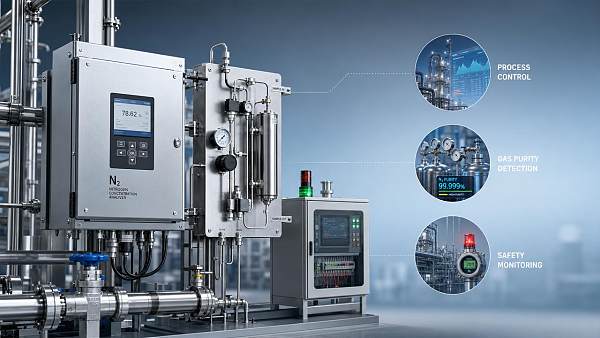
 N2 Concentration Analyzer Cost Factors for Bulk Industrial ProcurementN2 concentration analyzer cost depends on more than unit price. Compare process, purity, and safety applications with total cost logic to source smarter and reduce lifecycle risk.
 Oxygen Concentration Analyzer vs Sensor Systems: Which Fits Continuous UseOxygen concentration analyzer or sensor system? Compare stability, drift, maintenance, and uptime for continuous use to choose the most reliable fit for your process.
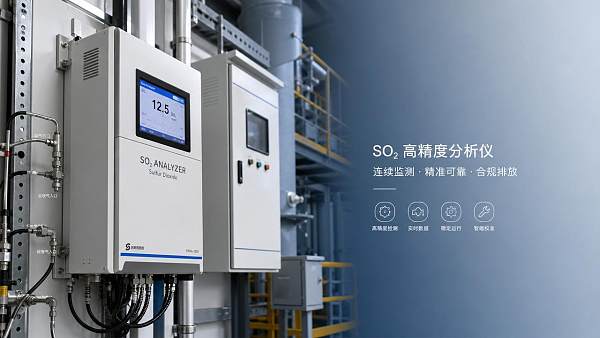
 SO2 Concentration Analyzer News: Compliance Demands Reshaping Product SpecsSO2 concentration analyzer trends are shifting with stricter compliance rules. Learn how new specs, data integrity, and uptime demands are reshaping smarter buying decisions.
 He Concentration Analyzer Maintenance Tips for Stable Long-Term ReadingsHe concentration analyzer maintenance tips for stable long-term readings. Learn how to reduce drift, improve calibration accuracy, cut downtime, and keep industrial systems reliable.
 CH4 Concentration Analyzer Selection Mistakes That Raise Operating RiskCH4 concentration analyzer selection mistakes can raise safety, compliance, and maintenance risk. Learn how to choose the right analyzer for reliable performance and lower lifecycle cost.
 CO Concentration Analyzer Import Rules to Watch in 2026CO concentration analyzer import rules for 2026: learn the key customs, certification, labeling, and compliance checks to reduce risk, avoid delays, and source with confidence.
 NH3 Concentration Analyzer Market Trends for Industrial Process Control in 2026NH3 concentration analyzer market trends in 2026: explore technologies, industrial applications, selection tips, and how smarter monitoring improves compliance, safety, and process control.
 Ar Concentration Analyzer Accuracy Issues in High-Purity Gas ApplicationsAr concentration analyzer accuracy issues can compromise high-purity gas quality, safety, and compliance. Learn the key causes, practical fixes, and how to improve reliable measurement performance.
 CO2 Concentration Analyzer Price Trends in 2026: What Shapes Total CostCO2 concentration analyzer price trends in 2026 depend on technology, accuracy, calibration, compliance, and integration. Discover total cost drivers to compare quotes smarter and control lifecycle risk.
 How to Choose a NOX Concentration Analyzer for Low-Emission MonitoringNOX concentration analyzer selection for low-emission monitoring made easier. Learn how to compare accuracy, response time, compliance, and lifecycle cost before you buy.
 2026 Summit Highlights China's Smart Inspection Equipment as New Global Cooperation FocusSmart inspection equipment takes center stage at the 2026 Summit—unlocking new global cooperation, standards alignment, and market opportunities for exporters, OEMs, and tech suppliers.
 White House Warns Oil Shock May Fuel Core Inflation, Delaying Industrial Instrument ExportsWhite House warns oil shock may fuel core inflation—impacting industrial instrument exports. Discover how pressure, temperature & flow instrumentation exporters can mitigate delays and optimize trade finance workflows now.
 New AI Agent Guidelines Impact Export of AI-Powered Testing EquipmentAI agent guidelines impact export of AI-powered testing equipment—learn how new China security & controllability rules affect global compliance, supply chains, and market access.
 Canton Fair Phase III Boosts Sensor & Energy Testing ExportsSensor & energy testing exports surge at Canton Fair Phase III—driven by global demand for new energy home appliances and smart furniture compliance solutions.
 UAE Announces $150B Energy Infrastructure InvestmentUAE's $150B energy infrastructure push drives demand for IP68/IP69K, ATEX/IECEx, and LPWAN-enabled industrial sensors — act now to align with ADNOC tenders.
 WTI Net Longs Surge, Boosting Demand for Lubricant Monitoring SystemsLubricant monitoring systems surge in demand as WTI net longs rise—real-time viscosity, moisture & oxidation tracking now critical for global manufacturers.
 Shanghai Pudong Launches E-Label Pilot for Imported CosmeticsShanghai Pudong’s e-label pilot for imported cosmetics drives global demand for RFID/NFC readers, traceability solutions & certified testing equipment—act now to comply and lead.
 G7 Prioritizes Critical Mineral Supply Chain SecurityCritical mineral supply chain security takes center stage at G7 Paris meeting—impacting industrial sensors, rare-earth magnets & global procurement strategies.
 US-China Talks Yield Breakthrough on Agricultural NTBs for Testing EquipmentUS-China talks break ground on agricultural NTBs—key win for makers of residue detection, mycotoxin & spectral testing equipment targeting USDA/FDA markets.
 Fruit Attraction 2026 Booth Bookings Exceed 90%Fruit Attraction 2026 booth bookings exceed 90% — a strong signal for food safety instrumentation, cold-chain monitoring & EU compliance solution providers to secure visibility and drive qualified leads.
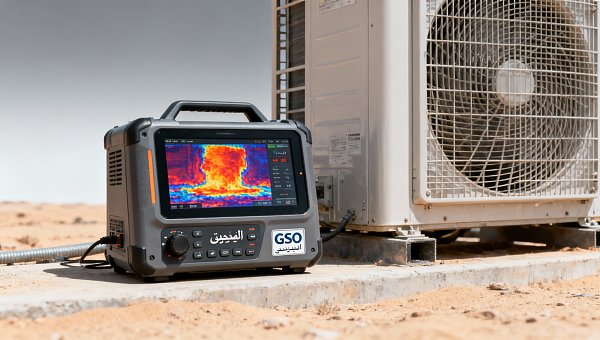
 Kuwait Bans HCFC Air Conditioners, Boosts IR Camera ExportsKuwait bans HCFC air conditioners—boosting demand for IR cameras, leak detectors & refrigerant analyzers. Discover GCC compliance insights and export opportunities.
 China's IC Exports Surge 78.3% in First Four Months of 2026China's IC exports surge 78.3% in early 2026 — driven by soaring global demand for AI chip test equipment, SMUs, and parametric analyzers. Discover the supply chain shift.
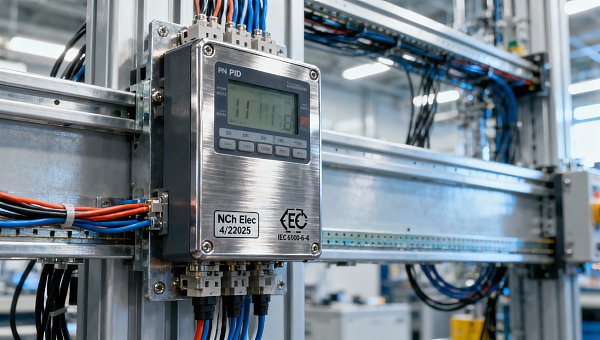
 Chile Enforces Mandatory INN Safety Certification for Industrial Temperature ControllersChile mandates INN safety certification (NCh Elec 4/2025) for industrial temperature controllers starting Aug 1, 2026—act now to avoid shipment delays & market bans.
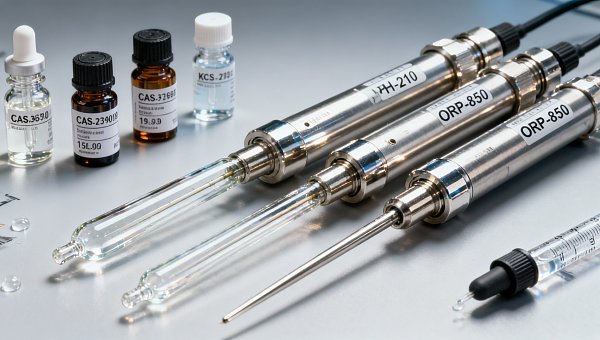
 K-REACH Supply-Shortage Exemption Launches for pH/ORP ElectrodesK-REACH Supply-Shortage Exemption now applies to pH/ORP electrodes—act before June 30, 2026 to avoid customs delays & penalties. Key for exporters & manufacturers.
 4th China International Supply Chain Expo to Focus on Smart Sensing & In-Process InspectionSmart Sensing & In-Process Inspection take center stage at the 4th China International Supply Chain Expo in Beijing, Nov 26–30, 2026 — discover next-gen inspection tech, AI vision modules, and calibrated sensing solutions for global industrial buyers.
 ASTM F2100-26 Medical Mask Standard Takes Effect in USASTM F2100-26 medical mask standard is now in force—driving global demand for biosafety cabinets, particle counters & air velocity calibrators, especially China-made instruments.
 South Africa Enforces SABS Certification for IoT Monitoring DevicesSABS certification now mandatory for IoT monitoring devices entering South Africa via e-commerce—act before 1 June 2026 to avoid customs rejection and ensure market access.
 EU REACH Adds Fluorinated Substances; SVHC Reporting Required for Gas AnalyzersEU REACH now restricts fluorinated substances in gas analyzers—SVHC reporting is mandatory by 30 Nov 2026. Ensure compliance for sensors, membranes & monitoring systems.
 Revised Maritime Code Takes Effect May 1, 2026: Shift in Unclaimed Cargo LiabilityRevised Maritime Code (2026): Shippers now liable for unclaimed cargo—critical for industrial instrument exporters, logistics providers & cross-border supply chains. Act now.
 China Imposes Zero Tariffs on Goods from All African Diplomatic Partners Starting May 1, 2026China’s zero-tariff policy for African instrumentation & automation exports starts May 1, 2026—boosting competitiveness in EPC tenders and market access for exporters.
 Import and Export Shifts in the PPM Gas Analyzer Marketppm gas analyzer market insights: discover how import tariffs, export controls, and compliance shifts impact cost, supply stability, and growth opportunities across key applications.
 Single Gas Analyzer Maintenance Issues That Raise DowntimeSingle gas analyzer maintenance issues can quietly increase downtime. Learn how to spot drift, calibration errors, and sample path faults early to improve uptime and field efficiency.

Search Categories
Search Categories
Latest Article
- N2 Concentration Analyzer Cost Factors for Bulk Industrial ProcurementN2 concentration analyzer cost depends on more than unit price. Compare process, purity, and safety applications with total cost logic to source smarter and reduce lifecycle risk.Posted by:
- Oxygen Concentration Analyzer vs Sensor Systems: Which Fits Continuous UseOxygen concentration analyzer or sensor system? Compare stability, drift, maintenance, and uptime for continuous use to choose the most reliable fit for your process.Posted by:
- SO2 Concentration Analyzer News: Compliance Demands Reshaping Product SpecsSO2 concentration analyzer trends are shifting with stricter compliance rules. Learn how new specs, data integrity, and uptime demands are reshaping smarter buying decisions.Posted by:
Please give us a message
