
Industrial Analyzer Maintenance Checklist


Reliable performance starts with disciplined upkeep. Whether you operate a combustion analyzer, gas concentration analyzer, emission analyzer, or process gas analyzer, a practical maintenance checklist helps protect oxygen measurement accuracy, reduce downtime, and support safety compliance. From industrial analyzer routines to analyzer shelter and Multi Component Gas Analyzer care, this guide helps operators, buyers, and project teams maintain stable monitoring analyzer performance.
In instrumentation-driven industries, analyzer maintenance is not only a service issue but also a production, compliance, and budgeting concern. Operators need stable readings, maintenance teams need predictable service intervals, procurement teams need lifecycle visibility, and decision-makers need lower risk per asset over 3 to 5 years of operation. A well-structured checklist turns maintenance from a reactive expense into a controlled operating practice.
This article explains what should be checked daily, weekly, monthly, and annually for industrial analyzers used in manufacturing, energy, environmental monitoring, laboratories, and automation systems. It also covers shelter conditions, sampling system reliability, spare parts planning, and common selection criteria for buyers comparing service-friendly analyzer platforms.
Why Analyzer Maintenance Matters in Industrial Operations
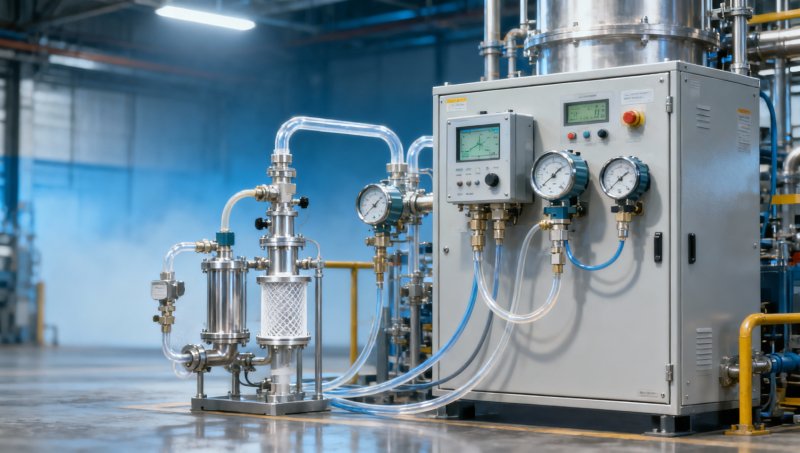
Industrial analyzers work in demanding conditions: high dust loads, vibration, temperature swings, corrosive gases, and continuous duty cycles that can run 24/7. In these environments, even a small drift in oxygen measurement or gas concentration accuracy can affect combustion efficiency, emissions reporting, process control, and product quality. A disciplined checklist helps identify issues before they become calibration failures or unplanned shutdowns.
For process teams, maintenance directly influences uptime. A blocked sample line, aged filter, leaking fitting, or contaminated sensor can create false readings within hours, while recovery may take 4 to 12 hours depending on purge time, calibration gas availability, and access conditions. For safety managers, poor analyzer upkeep can also weaken alarm integrity in hazardous areas where fast gas detection is critical.
From a commercial perspective, procurement and finance teams should view maintenance as a lifecycle variable, not just a service event. The purchase price of an analyzer is only one part of ownership cost. Consumables, calibration gas usage, service labor, shelter conditioning, and replacement intervals often define the true 36-month or 60-month operating cost.
Key Business Risks of Poor Maintenance
When maintenance is delayed, the impact usually spreads across multiple departments. The analyzer may still power on, but signal quality, response time, and repeatability start to degrade. In many plants, this leads to unnecessary manual sampling, additional quality checks, production slowdowns, or corrective reports for environmental and safety records.
- Measurement drift beyond typical acceptable ranges such as ±1% of span or application-specific tolerance limits.
- Higher downtime caused by missed replacement of filters, pumps, sample tubing, and moisture traps.
- Increased maintenance cost when minor issues become board-level, sensor-level, or complete subsystem failures.
- Compliance exposure in emissions monitoring, combustion control, or hazardous gas monitoring applications.
A maintenance checklist helps standardize field actions across operators, service engineers, and project managers. This is especially valuable for multi-site companies that manage 10, 50, or even 100 analyzer points and need consistent maintenance records.
Typical Failure Points Across Analyzer Types
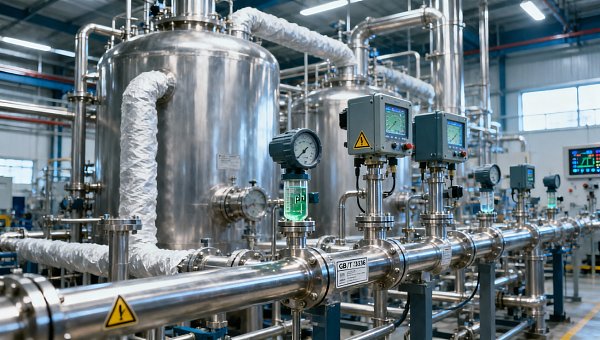
Although analyzer technologies differ, several failure points appear repeatedly in industrial use. Sample conditioning units, pumps, flow controls, electrochemical cells, paramagnetic modules, optical windows, and electronics enclosures all require scheduled inspection. Multi Component Gas Analyzer systems usually have more interfaces, so they often need a broader checklist than a single-gas unit.
The table below shows common failure areas and their operational consequences in typical instrumentation environments.
The main takeaway is simple: maintenance should cover both the analyzer core and the surrounding infrastructure. In many cases, sample system neglect causes failure before the analyzer itself reaches end of life.
Core Maintenance Checklist by Frequency
A practical analyzer maintenance program should be built around frequency-based tasks. This improves accountability and makes it easier to align work orders with plant shutdown windows, calibration gas delivery, and service labor availability. For most industrial sites, the best structure is daily, weekly, monthly, quarterly, and annual maintenance.
The checklist should also reflect analyzer duty. A continuous emission analyzer running full-time in a dusty stack environment may need weekly filter checks, while a lab-adjacent process gas analyzer in a cleaner enclosure may only need biweekly attention. The maintenance interval should follow real contamination load, not only manual recommendations.
Daily and Weekly Tasks
Daily checks are mainly about condition awareness. Operators should verify power status, alarm history, displayed concentration trends, flow indication, analyzer shelter temperature, and visible leaks. A 5-minute inspection can catch issues early, especially where oxygen measurement or toxic gas monitoring affects safety decisions.
- Review alarm and fault logs once per shift or at least every 24 hours.
- Check sample flow, pressure indication, and pump noise for abnormalities.
- Inspect drains, moisture traps, and tubing connections for condensate or leakage.
- Confirm shelter or cabinet temperature remains within the common operating range, often 15°C to 30°C unless otherwise specified.
Weekly tasks should include basic cleaning, filter inspection, and zero or span stability review. If readings begin to drift more than expected between calibrations, service teams should investigate sample contamination, gas quality, or sensor aging before simply repeating adjustment.
Monthly, Quarterly, and Annual Tasks
Monthly maintenance usually includes replacement of high-load consumables, leak testing, response verification, and review of trend consistency against process conditions. In systems with heated sample lines or preconditioners, monthly checks should also include heater function and condensate management.
Quarterly service is a good interval for calibration performance review, pump capacity checks, valve operation checks, and inspection of wiring terminals. Annual maintenance should be more comprehensive and may involve sensor replacement, deeper internal cleaning, software backup, signal validation, and verification of interlocks or communication outputs.
Recommended Checklist Matrix
The matrix below provides a usable baseline for most industrial analyzer systems. Actual frequency should be adjusted according to gas cleanliness, ambient conditions, and criticality.
This checklist matrix helps align field work with maintenance software, spare parts planning, and service contracts. It also gives procurement teams a useful benchmark when comparing products with different consumable loads and service intervals.
Critical Maintenance Points for Analyzer Shelter and Sampling Systems
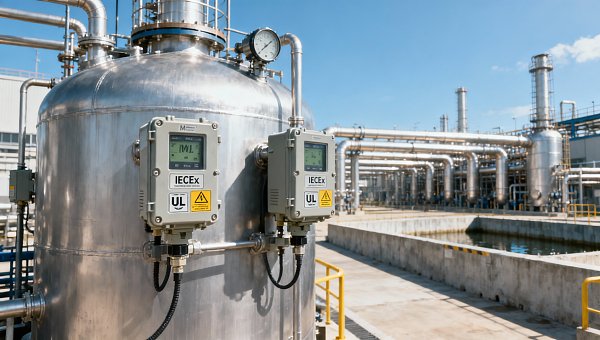
Many analyzer performance problems originate outside the analyzer housing. The analyzer shelter, cabinet environment, and sample conditioning system often determine whether the measurement remains stable over 6 months or starts drifting after a few weeks. For outdoor or harsh-process installations, environmental control is a maintenance item, not just an installation detail.
Analyzer shelters should be inspected for temperature stability, air conditioning function, door seals, dust ingress, and internal condensation. If the ambient site temperature ranges from -10°C to 45°C, shelter thermal control becomes especially important for electronics and calibration consistency. Stable housing conditions help reduce premature failure of boards, displays, relays, and sensors.
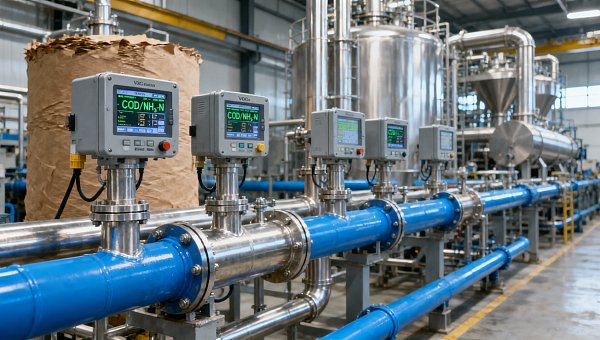
Sampling systems require equal attention. Filters, regulators, flowmeters, sample probes, heated lines, knock-out pots, and pumps all influence whether the analyzer receives representative gas. A perfect sensor cannot compensate for a wet, delayed, leaking, or particle-heavy sample path.
Analyzer Shelter Inspection Priorities
- Check shelter temperature and humidity records at least once per week in critical applications.
- Inspect HVAC filters every 30 to 90 days depending on site dust level.
- Verify door gaskets, cable glands, and panel seals to limit moisture and dust intrusion.
- Confirm internal lighting, emergency outlets, and maintenance access remain functional and safe.
For buyers and project managers, these items should be evaluated before purchase. A lower-cost analyzer may require more environmental support, while a better-protected unit can reduce service burden over the full project lifecycle.
Sampling System Warning Signs
Field teams should treat slow response, noisy readings, and repeated recalibration needs as symptoms of sample path issues until proven otherwise. A response time that grows from 20 seconds to 90 seconds often points to restriction, leakage, or moisture accumulation rather than a failed analyzer core.
Below is a practical reference for diagnosing shelter and sampling issues during routine maintenance.
The operational lesson is that analyzer maintenance should be system-based. Service records should capture not just calibration outcomes but also shelter status, sample flow condition, and environmental anomalies.
How Buyers and Decision-Makers Should Evaluate Maintenance Burden
For procurement teams, analyzer selection should include maintenance burden as a formal evaluation category. Two analyzers with similar measurement ranges may differ significantly in service hours per quarter, consumable turnover, spare part cost, and required technician skill level. These differences become more important when the project includes multiple analyzer shelters or distributed monitoring points.
A good maintenance-oriented buying decision should review at least 4 dimensions: consumable replacement interval, calibration frequency, spare part availability, and field service accessibility. If the analyzer is planned for remote or hazardous locations, remote diagnostics and modular replacement design can reduce intervention time by 20% to 40% compared with systems that require extensive disassembly.
Finance approvers also benefit from a lifecycle comparison. Instead of asking only for unit price, they should request a 1-year, 3-year, and 5-year estimate covering maintenance kits, calibration gases, routine labor, and likely wear components. This makes budget approval more accurate and helps avoid hidden operating costs after commissioning.
Maintenance-Focused Procurement Questions
- How often do filters, pumps, cells, or optical parts require replacement in a normal industrial duty cycle?
- Can routine calibration be completed in less than 30 minutes by trained plant staff?
- Are spare parts stocked regionally, and what is the typical lead time: 7 days, 15 days, or longer?
- Does the analyzer support clear diagnostics for flow faults, zero drift, and component aging?
These questions help project owners compare analyzers beyond specification sheets. They also support better contract terms for after-sales service and planned maintenance support.
Procurement Comparison Framework
The following framework is useful when comparing industrial analyzer options for maintenance efficiency and total operating value.
A maintenance-friendly analyzer is often the better investment even when the initial purchase price is higher. In plants where downtime costs are measured by the hour, easier serviceability frequently delivers faster payback than small savings at the buying stage.
Implementation Tips, Common Mistakes, and FAQ
The best checklist only works when it is tied to roles, records, and follow-up actions. Operators should manage daily observations, maintenance technicians should own periodic replacement tasks, and project or plant managers should review trends monthly. A simple 3-level accountability model reduces skipped work and improves traceability during audits or shutdown reviews.
Common mistakes include calibrating too often without fixing contamination, replacing sensors before checking sample integrity, ignoring analyzer shelter climate control, and keeping no minimum spare stock. In most plants, holding 1 critical spare set per analyzer type or per defined analyzer group is a safer approach than waiting for emergency ordering.
Digital maintenance records are also valuable. Recording drift trend, calibration result, filter replacement date, and failure mode over 6 to 12 months helps teams move from reactive service to predictive planning. This is especially useful for enterprises rolling out intelligent upgrading and connected instrumentation systems.
FAQ: How often should an industrial analyzer be calibrated?
The correct interval depends on application criticality, gas cleanliness, and analyzer technology. In many industrial settings, zero/span verification may be done weekly or monthly, while full calibration review may be scheduled quarterly. If drift repeatedly exceeds the plant’s accepted tolerance band, the sample system should be inspected before shortening the calibration interval.
FAQ: What spare parts should be kept on site?
For most continuous monitoring systems, keep routine filters, seals, tubing, moisture trap components, and at least one critical wear part such as a pump kit or sensor module. Sites with 24/7 duty or remote access challenges should consider a 3- to 6-month spare plan based on replacement frequency and supplier lead time.
FAQ: When is analyzer shelter maintenance essential?
Shelter maintenance is essential whenever analyzers are exposed to outdoor weather, dusty process areas, corrosive air, or large temperature variation. If enclosure temperature control is unstable, electronics reliability and calibration consistency can decline quickly. Weekly environmental checks and seasonal HVAC inspection are strongly recommended.
FAQ: What is the most overlooked cause of unstable readings?
In many industrial analyzer systems, the most overlooked cause is poor sample conditioning rather than sensor failure. Leaks, moisture, particulate loading, and weak pump performance can all distort readings. Troubleshooting should start from the sample source and move step by step to the analyzer inlet and measurement cell.
A strong industrial analyzer maintenance checklist protects measurement accuracy, extends equipment life, and supports safer, more predictable operations. For operators, it reduces daily uncertainty. For procurement and finance teams, it clarifies lifecycle cost. For project leaders and service teams, it creates a repeatable framework for uptime, compliance, and maintenance planning.
If you are evaluating analyzers, planning a new monitoring project, or improving maintenance performance across existing installations, now is the right time to review your checklist, spare strategy, and shelter conditions. Contact us to get a tailored maintenance plan, discuss product details, or explore more industrial instrumentation solutions for your application.
Recommended for You
 C2H5OH Concentration Analyzer: Key Checks Before Import OrdersC2H5OH concentration analyzer import guide: check specs, calibration, compliance, and supplier support before ordering to reduce risk and choose the right analyzer with confidence.
 2026 Market Trends for C4H10 Concentration Analyzers in Process IndustriesC4H10 concentration analyzer market trends for 2026: discover how smarter, connected analyzers help process industries improve safety, compliance, uptime, and ROI.
 Common Safety Gaps When Using a C6H6 Concentration AnalyzerC6H6 concentration analyzer safety gaps can distort readings and delay hazard response. Learn the most common risks, practical fixes, and smarter deployment tips across industrial, lab, and environmental use.
 C7H8 Concentration Analyzer Price Trends in 2026: What Shapes CostC7H8 concentration analyzer price trends in 2026 depend on sensors, compliance, calibration, integration, and service. See what really shapes total cost before you approve a budget.
 How to Choose a C8H10 Concentration Analyzer for Stable VOC MonitoringC8H10 concentration analyzer selection guide for stable VOC monitoring. Learn how to compare performance, technology, drift, and application fit for reliable results.
 Guangdong Launches 3-Year Service Trade Plan to Boost Instrument Exports via AI and HarmonyOSGuangdong's 3-year service trade plan boosts instrument exports via AI optimization & HarmonyOS—key for ASEAN/Latin America market access. Act now.
 China-Pakistan MOU Opens Faster Certification Path for Instruments in South AsiaChina-Pakistan MOU accelerates instrument certification in South Asia—faster CCC acceptance, mutual lab recognition & Islamabad testing hub for pressure gauges, flow meters, environmental monitors.
 Gold Futures Surge 1.1%; Overseas Orders for Precious Metals Analyzers Rise 35%Gold futures surge 1.1% — driving 35% rise in overseas orders for precious metals analyzers like XRF & ICP-MS. Discover key market impacts & compliance insights.
 EU Industrial Accelerator Act Enforces 70% Local Sourcing for InstrumentsEU Industrial Accelerator Act enforces 70% local sourcing for instruments—key implications for exporters, suppliers & integrators. Act now.
 China Imposes Full Export Ban on Dual-Use Items to Japanese Military End UsersChina's dual-use export ban to Japanese military users takes effect Jan 6, 2026—impacting rare earth, semiconductor & precision manufacturing supply chains. Act now.
 Where C3H8 Concentration Analyzers Fit in 2026 Industrial Emissions MonitoringC3H8 concentration analyzer solutions are reshaping 2026 industrial emissions monitoring with better compliance, safer propane control, and smarter efficiency insights. Learn where they fit.
 B2H6 Concentration Analyzer Import and Export Updates for 2026 Compliance PlanningB2H6 concentration analyzer import and export updates for 2026: explore compliance risks, documentation priorities, and planning tips to reduce delays and support smarter cross-border decisions.
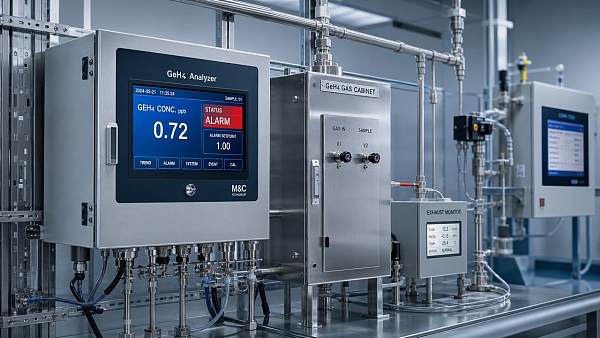
 GeH4 Concentration Analyzer Safety Risks and Detection Limits in Semiconductor UseGeH4 concentration analyzer safety risks, alarm strategy, and detection limits for semiconductor use. Learn how to reduce exposure risk, improve process stability, and choose the right monitoring solution.
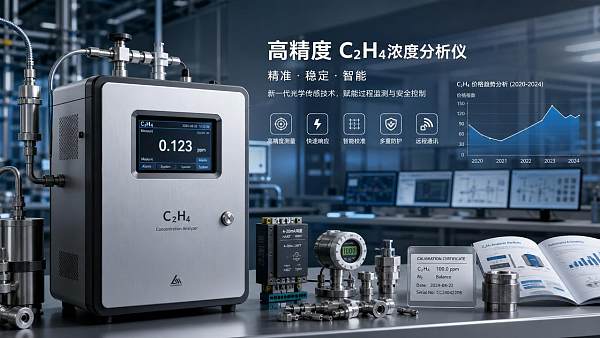
 C2H4 Concentration Analyzer Price Trends in 2026: What Is Driving Cost ChangesC2H4 concentration analyzer price trends in 2026 explained: discover key cost drivers, procurement risks, and smart buying tips to balance budget, compliance, and long-term value.
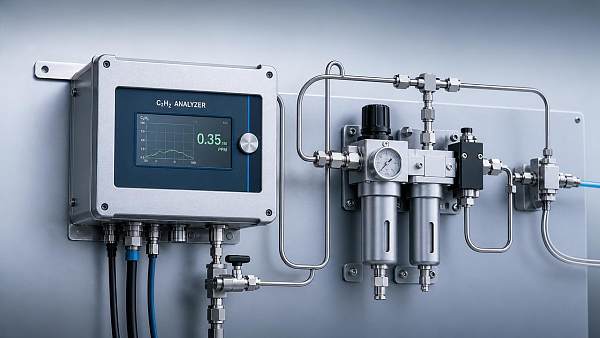
 How to Compare C2H2 Concentration Analyzer Accuracy in Industrial Gas MonitoringC2H2 concentration analyzer accuracy matters beyond the datasheet. Learn how to compare drift, calibration, interference, and field reliability for safer industrial gas monitoring.
![]() SiH4 Concentration Analyzer Import Rules to Watch in 2026SiH4 concentration analyzer import rules are tightening in 2026. Learn the key documents, compliance checks, and procurement tips to avoid delays and speed project delivery.
SiH4 Concentration Analyzer Import Rules to Watch in 2026SiH4 concentration analyzer import rules are tightening in 2026. Learn the key documents, compliance checks, and procurement tips to avoid delays and speed project delivery. HF Concentration Analyzer Demand Shifts Across Key IndustriesHF concentration analyzer demand is shifting across chemical, refining, environmental, and advanced manufacturing sectors—learn what drives safer control, compliance, and precision upgrades.
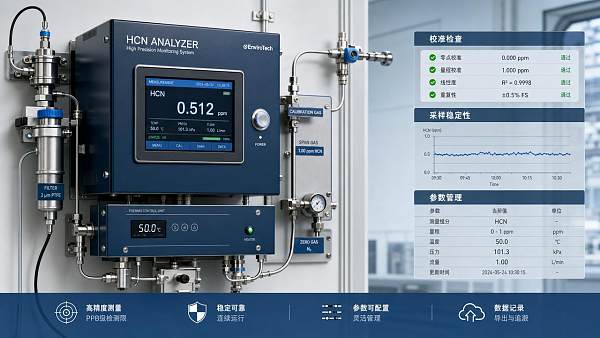
 Common HCN Concentration Analyzer Mistakes in Daily OperationHCN concentration analyzer daily mistakes can quietly damage accuracy and uptime. Learn common errors, practical checks, and smart operating tips to improve reliability.
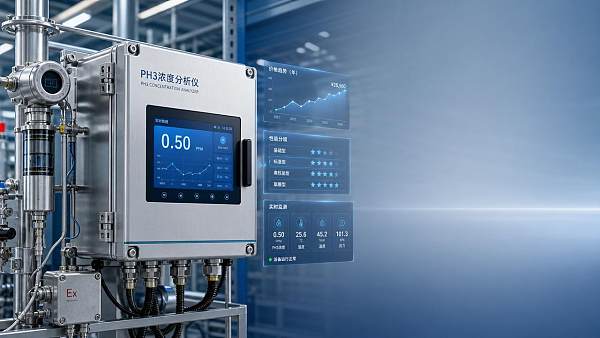
 PH3 Concentration Analyzer Price Trends in 2026PH3 concentration analyzer price trends in 2026 reveal what really drives cost, compliance, and performance. Explore key buying factors to compare quotes smarter and reduce total ownership risk.
 How to Choose an AsH3 Concentration Analyzer for Trace Gas SafetyAsH3 concentration analyzer selection starts with the right application context. Learn how to compare response, interference, integration, and lifecycle fit for safer trace gas monitoring.
 Released") China's Business Environment Report (2026) ReleasedChina's Business Environment Report (2026) reveals 92% digital CMA/CNAS coverage—cutting export test report time to 15 days. Boost CE, UKCA & UL certification for pressure gauges, thermostats & analyzers.
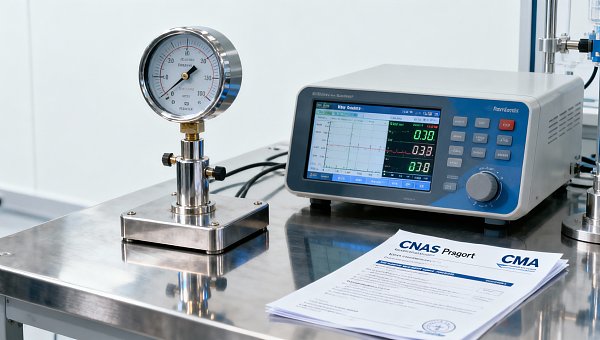
China's Business Environment Report (2026) ReleasedChina's Business Environment Report (2026) reveals 92% digital CMA/CNAS coverage—cutting export test report time to 15 days. Boost CE, UKCA & UL certification for pressure gauges, thermostats & analyzers. US MMA Tank Incident Triggers Regional Safety UpgradesUS MMA tank incident sparks urgent demand for VOCs monitoring, toxic gas modeling & intrinsically safe transmitters across LATAM and SEA.
 NDRC Expands Energy-Saving and Carbon-Reduction Oversight to Dyeing, Chemical Fibers, and PapermakingNDRC expands energy-saving & carbon-reduction oversight to dyeing, chemical fibers, and papermaking—boosting demand for COD/NH₃-N analyzers, VOCs monitors, and CEMS systems.
 MIIT Sets 2026 Energy-Saving Inspection Targets for High-Energy ChemicalsMIIT Sets 2026 Energy-Saving Inspection Targets for High-Energy Chemicals—urgent demand surges for certified pH meters, gas analyzers & explosion-proof controllers.
 MOFCOM: FDI in China Down 10.3% Jan–Apr 2026, but Manufacturing Up 12.1%FDI in China fell 10.3% Jan–Apr 2026—but manufacturing FDI surged 12.1%, led by high-tech sectors. Discover what this means for precision metrology, sensors & calibration providers.
 PBOC Conducts 600-Billion-Yuan MLF Operation, Boosting RMB Stability for Testing Equipment ExportsPBOC's 600-billion-yuan MLF operation boosts RMB stability—key for NDT equipment exporters using LC/DA terms. Reduce FX risk, optimize hedging & improve cash flow planning now.
 EU Steel Strategy Upgrade: CBAM Expansion to Machinery & InstrumentsEU Steel Strategy Upgrade expands CBAM to machinery & instruments (HS 84/90) — LCA data mandatory from 1 July 2026. Act now to avoid delays & ensure compliance.
 Global EV Energy Consumption Standard to Take Effect Oct 1, 2026Global EV Energy Consumption Standard (GTR No. 22) takes effect Oct 1, 2026 — learn how it reshapes battery testing, certification & supply chains worldwide.
 WTO Report Shows Strong Global Trade, Easing Export Pressure for Industrial Monitoring DevicesIndustrial monitoring devices exporters benefit as WTO reports 4.2% global trade growth—easing export pressure, improving delivery predictability & cash flow.
 South Korea MFDS Revises Food Contact Materials StandardsSouth Korea MFDS revises food contact materials standards: new nickel/chromium migration limits & NIAS verification—critical for lab instrument exporters and compliance providers.
 Brazil to Eliminate Import Duties on Cross-Border E-Commerce Orders Under USD 50Brazil to eliminate import duties on cross-border e-commerce orders under USD 50—key for portable testing instruments exporters targeting Mercado Livre & DIY buyers.
 New AI Agent Guidelines Impact Smart Inspection Device ExportsAI Agent Guidelines impact smart inspection device exports—learn how new China AI safety rules affect EU, US & Middle East market access.



Search Categories
Search Categories
Latest Article
- C2H5OH Concentration Analyzer: Key Checks Before Import OrdersC2H5OH concentration analyzer import guide: check specs, calibration, compliance, and supplier support before ordering to reduce risk and choose the right analyzer with confidence.Posted by:
- 2026 Market Trends for C4H10 Concentration Analyzers in Process IndustriesC4H10 concentration analyzer market trends for 2026: discover how smarter, connected analyzers help process industries improve safety, compliance, uptime, and ROI.Posted by:
- Common Safety Gaps When Using a C6H6 Concentration AnalyzerC6H6 concentration analyzer safety gaps can distort readings and delay hazard response. Learn the most common risks, practical fixes, and smarter deployment tips across industrial, lab, and environmental use.Posted by:
Please give us a message
