
When Does an Air Quality Analyzer Need Recalibration?


Whether you use an air quality analyzer in a lab, plant, or hazardous site, recalibration is essential to keep data accurate, compliant, and actionable. From an environmental gas analyzer and combustion gas analyzer to a stack gas analyzer or continuous gas analyzer, knowing when performance starts to drift can help operators, engineers, and decision-makers avoid costly errors and safety risks.
In instrumentation-driven industries, calibration is not a one-time event completed at commissioning. It is an ongoing control process that supports measurement integrity across environmental monitoring, industrial emissions, process safety, laboratory testing, and quality assurance. For buyers, users, and project stakeholders, the key question is not whether recalibration is needed, but when it becomes necessary.
The answer depends on analyzer type, sensor technology, duty cycle, gas concentration range, operating environment, and regulatory obligations. A portable unit used 2 times per week in a clean lab may need a different schedule from a continuous gas analyzer operating 24/7 in a dusty stack monitoring application. Understanding the warning signs, intervals, and risk factors helps organizations plan maintenance, control lifecycle cost, and avoid invalid data.
Why Recalibration Matters in Real Operating Conditions
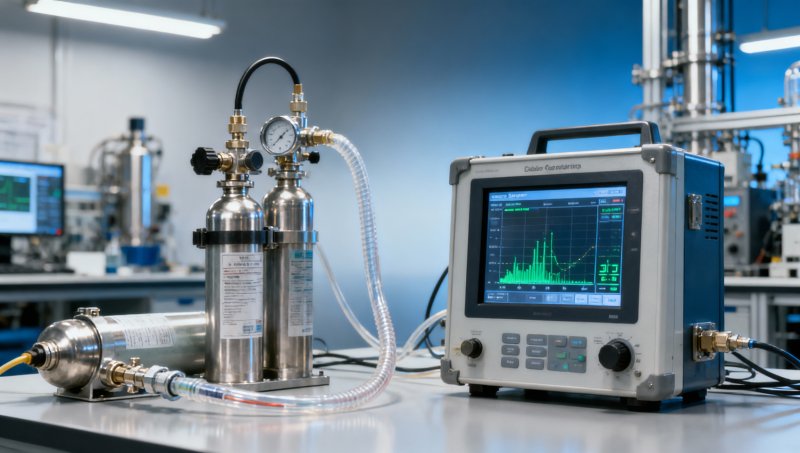
Air quality analyzers work by detecting specific gases or particulate-related parameters through electrochemical, NDIR, PID, paramagnetic, zirconia, or other sensing principles. Over time, even a well-designed analyzer can drift due to sensor aging, contamination, temperature cycling, pressure fluctuation, or exposure to high gas loads. That drift may be small at first, such as 1% to 2% of span, but it can become operationally significant very quickly.
For operators, drift means readings that no longer match actual site conditions. For safety and quality teams, it means alarms may trigger too late, emissions records may become questionable, and process adjustments may be based on incorrect data. For management, the consequence is broader: downtime, failed audits, wasted fuel, non-compliance penalties, and avoidable maintenance visits can all follow from poor calibration discipline.
A combustion gas analyzer used to tune burners, for example, may influence efficiency by several percentage points. If oxygen or CO readings are biased, air-fuel adjustment can move away from optimum combustion. In stack monitoring, a small zero shift may create a large reporting issue over 30 days of continuous logged data. In laboratory and validation work, repeatability and traceability are equally critical.
Recalibration is therefore not just a maintenance task. It is a control measure that protects the value of the instrument and the credibility of the measurement result. In many facilities, the cost of one missed deviation can exceed the cost of 6 to 12 months of scheduled calibration service.
Common consequences of delayed recalibration
- False low readings that hide exposure or emission events.
- False high readings that trigger unnecessary shutdowns or troubleshooting.
- Process tuning errors in boilers, furnaces, incinerators, and engines.
- Audit findings when records show overdue calibration intervals.
- Higher ownership cost because neglected drift often leads to early sensor replacement.
Typical sources of analyzer drift
The most common causes include sensor poisoning, condensation, particulate ingress, vibration, unstable sample conditioning, and exposure to gas levels near the upper end of range. In outdoor or industrial settings, temperature swings of 10°C to 25°C within a shift can also affect stability, especially if warm-up procedures are inconsistent or the enclosure protection is inadequate.
The table below summarizes common drift factors across different analyzer applications.
The key takeaway is simple: the more severe the environment and the higher the consequence of wrong data, the shorter and more disciplined the recalibration interval should be. This is especially true for analyzers tied to compliance reporting, safety alarms, or process control loops.
When an Air Quality Analyzer Usually Needs Recalibration
There is no single universal recalibration interval. However, most organizations can build a practical schedule using four triggers: elapsed time, usage intensity, performance change, and regulatory requirement. In many standard applications, a monthly bump check, quarterly verification, and full recalibration every 6 or 12 months form a reasonable starting framework. Critical applications may require weekly or even daily checks.
Elapsed time is the easiest trigger to manage. If the manufacturer recommends recalibration every 180 or 365 days, that interval should be treated as a maximum, not a guarantee. Harsh field conditions, high humidity, corrosive gases, or repeated transport can shorten that period considerably. Portable units used across multiple job sites often need more frequent verification than fixed instruments mounted in controlled shelters.
Usage intensity is equally important. An analyzer running 24 hours a day, 7 days a week accumulates stress far faster than one used for spot checks. Repeated exposure to high concentrations, such as near combustion exhaust or stack sampling points, can accelerate span drift and sensor wear. If an instrument is routinely exposed to concentrations above 70% of its full-scale range, calibration checks should generally be tightened.
Performance change is the most practical field trigger. If response time slows, zero becomes unstable, span error grows, or readings no longer agree with a reference instrument, recalibration should not wait for the next scheduled date. A deviation of more than the site’s acceptance limit, such as ±2% of reading or ±5% of span depending on the application, is a clear signal for action.
Typical recalibration triggers
- Scheduled interval reached, such as 3 months, 6 months, or 12 months.
- Sensor, filter, pump, or sample conditioning component has been replaced.
- Analyzer has experienced shock, transport damage, flooding, or power instability.
- Zero or span check falls outside site tolerance.
- Readings differ materially from a certified reference or parallel instrument.
A practical interval guide for different conditions
The table below does not replace manufacturer guidance, but it offers a realistic framework for industrial and laboratory users comparing operating conditions and maintenance risk.
What matters most is documented logic. Technical evaluators and quality managers should define acceptance limits, verification methods, and escalation thresholds in advance. That makes calibration decisions auditable and prevents inconsistent practices across shifts, projects, or multiple facilities.
Field Signs That Performance Is Drifting Before Failure Occurs
Many analyzers give warning signals before they fully fail, but these clues are often missed because the instrument is still producing a number. A reading is not the same as a reliable reading. Teams that rely on trend interpretation should watch for small but persistent anomalies, especially after maintenance, site relocation, or changes in process conditions.
One of the earliest signs is unstable zero. If the analyzer does not return consistently to baseline during clean air or zero gas exposure, contamination, reference drift, or sensor aging may be present. Another sign is slower response time. If T90 response stretches from a typical 20 to 30 seconds to 60 seconds or more, the sensor path, pump, filter, or sample conditioning system should be checked and the unit should be recalibrated.
Frequent offset compared with a handheld reference or lab result is also important. If two instruments measuring the same point repeatedly differ beyond the accepted tolerance band, the issue should be investigated rather than normalized as “instrument variation.” In process environments, repeated operator compensation is another hidden symptom. If staff keep manually adjusting settings to “make the data look right,” the analyzer may no longer be trustworthy.
Physical symptoms matter as well. Condensation in sampling lines, blocked filters, damaged tubing, exhausted desiccants, and pump instability can all create calibration error. In a stack gas analyzer, sample handling problems may distort readings even when the sensing module itself remains functional. Recalibration should therefore be tied to the entire measurement chain, not just the sensor head.
High-risk warning signs
- Zero drift visible across 2 to 3 consecutive checks.
- Span recovery requires repeated adjustment or exceeds site tolerance.
- Alarm thresholds trigger inconsistently under similar conditions.
- Warm-up time becomes noticeably longer than the historical norm.
- Service logs show repeated filter or sensor issues within 30 to 60 days.
Why waiting for total failure is expensive
A failed analyzer is obvious. A drifting analyzer is more dangerous because it can remain in service while quietly degrading data quality. This creates a false sense of control. For financial approvers and operations leaders, that means the hidden cost often appears elsewhere: extra fuel use, rejected reports, emergency callouts, or delayed project acceptance. Preventive recalibration is usually cheaper than reactive investigation.
A simple rule helps: if analyzer behavior changes in more than one way at the same time, such as slower response plus baseline instability, treat recalibration as urgent rather than optional. This approach reduces the chance of compounding errors across quality, safety, and environmental records.
How to Build a Recalibration Plan for Different Users and Facilities
A useful recalibration plan should match the analyzer’s business role, not just its technical specification. A facility may own the same model in three different contexts: one for routine checks, one for regulated emissions monitoring, and one for hazardous area verification. Each may require a different interval, approval flow, and record-keeping standard. This is where project managers, quality teams, and procurement staff need a shared framework.
Start by classifying instruments into at least 3 categories: critical, important, and general-use. Critical analyzers influence compliance, safety shutdowns, or release decisions. Important analyzers support process optimization or product quality. General-use analyzers are used for trend checking, troubleshooting, or non-critical spot measurement. This classification directly affects how much downtime, spare stock, and service budget should be allocated.
Next, define the recalibration workflow. In most organizations, a 5-step process is practical: verification, evaluation against tolerance, recalibration if needed, documentation, and review of recurring causes. If service is outsourced, the turnaround time should be considered in production planning. Typical off-site recalibration may take 5 to 10 working days, while on-site service may be completed in 1 day if gases, standards, and trained technicians are available.
Finally, align technical needs with procurement and lifecycle cost. A cheaper analyzer with unstable drift performance can create higher annual service cost than a better-supported platform. Decision-makers should evaluate not only purchase price, but also sensor replacement frequency, calibration gas requirements, documentation capability, and whether the supplier can support multi-site deployment.
Recommended planning checklist
- Identify the gas type, measuring range, and criticality of each analyzer.
- Set pass/fail tolerance, such as ±2% of full scale or site-defined limits.
- Decide on bump check, zero/span verification, and full recalibration frequency.
- Assign responsibility across operator, quality, maintenance, and external service roles.
- Keep records for traceability, audit readiness, and trend-based interval adjustment.
Procurement and service factors to compare
For buyers and distributors, the following comparison can help distinguish a technically acceptable analyzer from one that is operationally sustainable.
A strong recalibration plan reduces both technical and commercial risk. It helps users maintain reliable data, while giving management a clearer basis for budgeting service contracts, spare analyzers, and site support arrangements.
Common Mistakes, FAQs, and Practical Next Steps
Many recalibration problems come from process gaps rather than instrument defects. One common mistake is treating all analyzers the same, even when application severity differs sharply. Another is skipping verification because the analyzer “was calibrated recently.” Time alone does not guarantee validity if the instrument has been moved, overloaded, exposed to moisture, or repaired. A third mistake is failing to document drift trends, which prevents interval optimization.
Another frequent issue is focusing only on the analyzer body while ignoring the sample path, regulator, tubing, filters, and calibration gas quality. In practice, poor gas delivery and contaminated sampling components can create errors large enough to mimic sensor failure. For critical industrial systems, calibration integrity depends on the full chain from gas source to displayed result.
The right next step depends on your role. Operators should check daily function and note changes in response behavior. Technical evaluators should define tolerance and interval logic. Procurement and management teams should assess serviceability, support response, and long-term ownership cost. Distributors and project contractors should ensure end users receive clear recalibration procedures and realistic maintenance expectations.
FAQ: How often should a continuous gas analyzer be recalibrated?
For a continuous gas analyzer running 24/7, verification may be needed daily, weekly, or monthly depending on regulatory criticality and environmental severity. Full recalibration is often scheduled every 1 to 6 months in harsher industrial applications, but the correct interval should be confirmed by observed drift, site procedure, and manufacturer recommendations.
FAQ: Is a bump test the same as recalibration?
No. A bump test confirms that the analyzer responds to gas and that alarms or channels function. Recalibration adjusts the instrument against known standards to restore measurement accuracy. A unit can pass a bump test and still require recalibration if its readings fall outside the allowed tolerance.
FAQ: What events should trigger immediate recalibration?
Immediate recalibration is advisable after sensor replacement, major maintenance, impact or transport damage, prolonged storage, exposure to unusually high gas concentrations, water ingress, or any failed zero/span verification. If the analyzer is used in a hazardous or compliance-sensitive area, the threshold for recalibration should be stricter.
Practical steps for the next 30 days
- Review all analyzer assets and classify them by criticality.
- Check whether any unit is past a 3-month, 6-month, or 12-month calibration milestone.
- Compare service records for repeated drift, sensor replacement, or delayed verification.
- Confirm availability of calibration gas, trained staff, and backup analyzers.
- Standardize recalibration criteria across plant, lab, and field teams.
An air quality analyzer needs recalibration whenever elapsed time, field conditions, performance drift, or compliance requirements indicate that accuracy can no longer be assumed. In modern instrumentation environments, that decision should be based on documented evidence, application severity, and the real business consequence of wrong data. If you are evaluating analyzers, building a maintenance plan, or improving emissions and safety reliability, now is the right time to review your calibration strategy. Contact us to discuss your application, get a tailored recommendation, or learn more about analyzer selection, service planning, and long-term support options.
Recommended for You
 C2H5OH Concentration Analyzer: Key Checks Before Import OrdersC2H5OH concentration analyzer import guide: check specs, calibration, compliance, and supplier support before ordering to reduce risk and choose the right analyzer with confidence.
 2026 Market Trends for C4H10 Concentration Analyzers in Process IndustriesC4H10 concentration analyzer market trends for 2026: discover how smarter, connected analyzers help process industries improve safety, compliance, uptime, and ROI.
 Common Safety Gaps When Using a C6H6 Concentration AnalyzerC6H6 concentration analyzer safety gaps can distort readings and delay hazard response. Learn the most common risks, practical fixes, and smarter deployment tips across industrial, lab, and environmental use.
 C7H8 Concentration Analyzer Price Trends in 2026: What Shapes CostC7H8 concentration analyzer price trends in 2026 depend on sensors, compliance, calibration, integration, and service. See what really shapes total cost before you approve a budget.
 How to Choose a C8H10 Concentration Analyzer for Stable VOC MonitoringC8H10 concentration analyzer selection guide for stable VOC monitoring. Learn how to compare performance, technology, drift, and application fit for reliable results.
 Guangdong Launches 3-Year Service Trade Plan to Boost Instrument Exports via AI and HarmonyOSGuangdong's 3-year service trade plan boosts instrument exports via AI optimization & HarmonyOS—key for ASEAN/Latin America market access. Act now.
 China-Pakistan MOU Opens Faster Certification Path for Instruments in South AsiaChina-Pakistan MOU accelerates instrument certification in South Asia—faster CCC acceptance, mutual lab recognition & Islamabad testing hub for pressure gauges, flow meters, environmental monitors.
 Gold Futures Surge 1.1%; Overseas Orders for Precious Metals Analyzers Rise 35%Gold futures surge 1.1% — driving 35% rise in overseas orders for precious metals analyzers like XRF & ICP-MS. Discover key market impacts & compliance insights.
 EU Industrial Accelerator Act Enforces 70% Local Sourcing for InstrumentsEU Industrial Accelerator Act enforces 70% local sourcing for instruments—key implications for exporters, suppliers & integrators. Act now.
 China Imposes Full Export Ban on Dual-Use Items to Japanese Military End UsersChina's dual-use export ban to Japanese military users takes effect Jan 6, 2026—impacting rare earth, semiconductor & precision manufacturing supply chains. Act now.
 Where C3H8 Concentration Analyzers Fit in 2026 Industrial Emissions MonitoringC3H8 concentration analyzer solutions are reshaping 2026 industrial emissions monitoring with better compliance, safer propane control, and smarter efficiency insights. Learn where they fit.
 B2H6 Concentration Analyzer Import and Export Updates for 2026 Compliance PlanningB2H6 concentration analyzer import and export updates for 2026: explore compliance risks, documentation priorities, and planning tips to reduce delays and support smarter cross-border decisions.
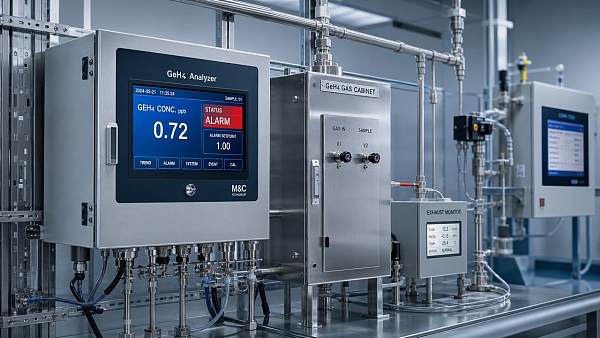
 GeH4 Concentration Analyzer Safety Risks and Detection Limits in Semiconductor UseGeH4 concentration analyzer safety risks, alarm strategy, and detection limits for semiconductor use. Learn how to reduce exposure risk, improve process stability, and choose the right monitoring solution.
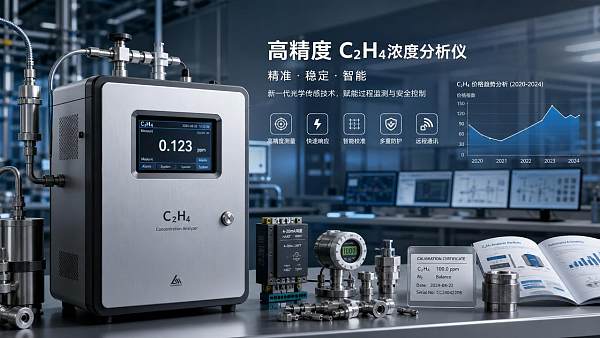
 C2H4 Concentration Analyzer Price Trends in 2026: What Is Driving Cost ChangesC2H4 concentration analyzer price trends in 2026 explained: discover key cost drivers, procurement risks, and smart buying tips to balance budget, compliance, and long-term value.
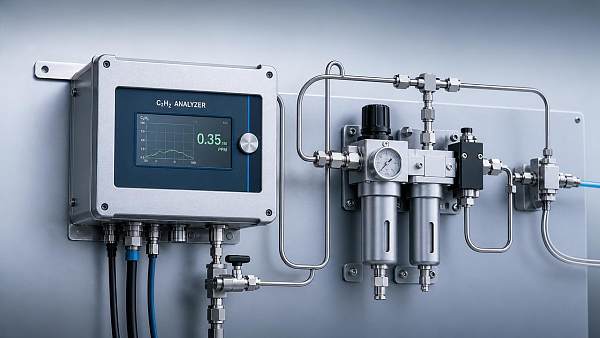
 How to Compare C2H2 Concentration Analyzer Accuracy in Industrial Gas MonitoringC2H2 concentration analyzer accuracy matters beyond the datasheet. Learn how to compare drift, calibration, interference, and field reliability for safer industrial gas monitoring.
![]() SiH4 Concentration Analyzer Import Rules to Watch in 2026SiH4 concentration analyzer import rules are tightening in 2026. Learn the key documents, compliance checks, and procurement tips to avoid delays and speed project delivery.
SiH4 Concentration Analyzer Import Rules to Watch in 2026SiH4 concentration analyzer import rules are tightening in 2026. Learn the key documents, compliance checks, and procurement tips to avoid delays and speed project delivery. HF Concentration Analyzer Demand Shifts Across Key IndustriesHF concentration analyzer demand is shifting across chemical, refining, environmental, and advanced manufacturing sectors—learn what drives safer control, compliance, and precision upgrades.
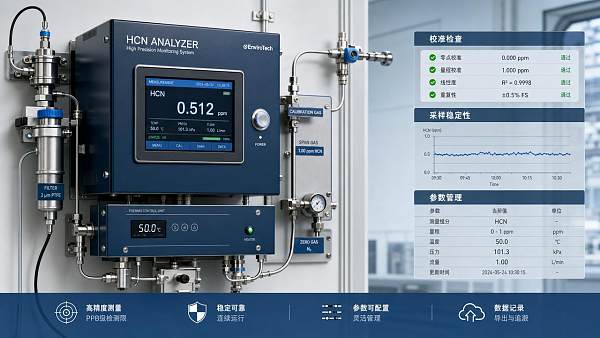
 Common HCN Concentration Analyzer Mistakes in Daily OperationHCN concentration analyzer daily mistakes can quietly damage accuracy and uptime. Learn common errors, practical checks, and smart operating tips to improve reliability.
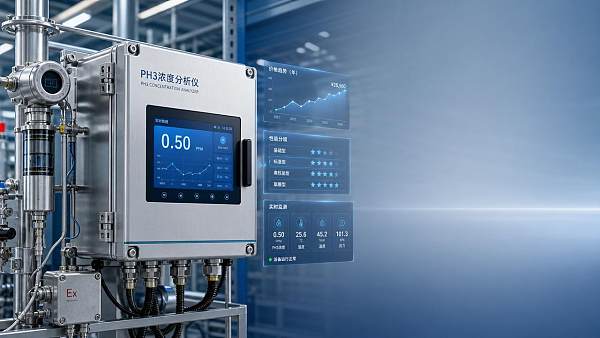
 PH3 Concentration Analyzer Price Trends in 2026PH3 concentration analyzer price trends in 2026 reveal what really drives cost, compliance, and performance. Explore key buying factors to compare quotes smarter and reduce total ownership risk.
 How to Choose an AsH3 Concentration Analyzer for Trace Gas SafetyAsH3 concentration analyzer selection starts with the right application context. Learn how to compare response, interference, integration, and lifecycle fit for safer trace gas monitoring.
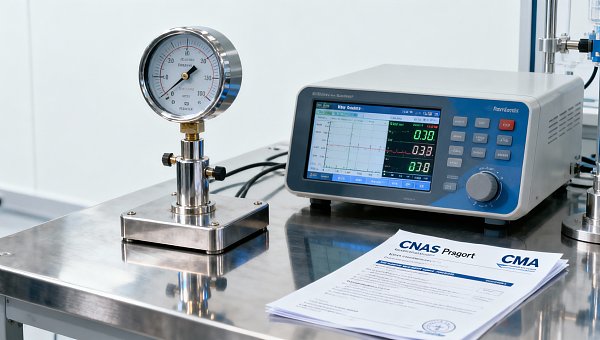
 Released") China's Business Environment Report (2026) ReleasedChina's Business Environment Report (2026) reveals 92% digital CMA/CNAS coverage—cutting export test report time to 15 days. Boost CE, UKCA & UL certification for pressure gauges, thermostats & analyzers.
China's Business Environment Report (2026) ReleasedChina's Business Environment Report (2026) reveals 92% digital CMA/CNAS coverage—cutting export test report time to 15 days. Boost CE, UKCA & UL certification for pressure gauges, thermostats & analyzers. US MMA Tank Incident Triggers Regional Safety UpgradesUS MMA tank incident sparks urgent demand for VOCs monitoring, toxic gas modeling & intrinsically safe transmitters across LATAM and SEA.
 NDRC Expands Energy-Saving and Carbon-Reduction Oversight to Dyeing, Chemical Fibers, and PapermakingNDRC expands energy-saving & carbon-reduction oversight to dyeing, chemical fibers, and papermaking—boosting demand for COD/NH₃-N analyzers, VOCs monitors, and CEMS systems.
 MIIT Sets 2026 Energy-Saving Inspection Targets for High-Energy ChemicalsMIIT Sets 2026 Energy-Saving Inspection Targets for High-Energy Chemicals—urgent demand surges for certified pH meters, gas analyzers & explosion-proof controllers.
 MOFCOM: FDI in China Down 10.3% Jan–Apr 2026, but Manufacturing Up 12.1%FDI in China fell 10.3% Jan–Apr 2026—but manufacturing FDI surged 12.1%, led by high-tech sectors. Discover what this means for precision metrology, sensors & calibration providers.
 PBOC Conducts 600-Billion-Yuan MLF Operation, Boosting RMB Stability for Testing Equipment ExportsPBOC's 600-billion-yuan MLF operation boosts RMB stability—key for NDT equipment exporters using LC/DA terms. Reduce FX risk, optimize hedging & improve cash flow planning now.
 EU Steel Strategy Upgrade: CBAM Expansion to Machinery & InstrumentsEU Steel Strategy Upgrade expands CBAM to machinery & instruments (HS 84/90) — LCA data mandatory from 1 July 2026. Act now to avoid delays & ensure compliance.
 Global EV Energy Consumption Standard to Take Effect Oct 1, 2026Global EV Energy Consumption Standard (GTR No. 22) takes effect Oct 1, 2026 — learn how it reshapes battery testing, certification & supply chains worldwide.
 WTO Report Shows Strong Global Trade, Easing Export Pressure for Industrial Monitoring DevicesIndustrial monitoring devices exporters benefit as WTO reports 4.2% global trade growth—easing export pressure, improving delivery predictability & cash flow.
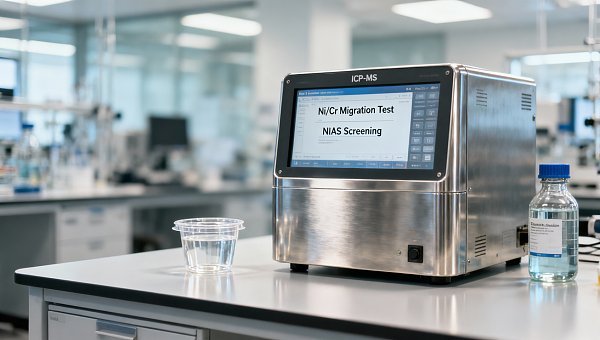
 South Korea MFDS Revises Food Contact Materials StandardsSouth Korea MFDS revises food contact materials standards: new nickel/chromium migration limits & NIAS verification—critical for lab instrument exporters and compliance providers.
 Brazil to Eliminate Import Duties on Cross-Border E-Commerce Orders Under USD 50Brazil to eliminate import duties on cross-border e-commerce orders under USD 50—key for portable testing instruments exporters targeting Mercado Livre & DIY buyers.
 New AI Agent Guidelines Impact Smart Inspection Device ExportsAI Agent Guidelines impact smart inspection device exports—learn how new China AI safety rules affect EU, US & Middle East market access.



Search Categories
Search Categories
Latest Article
- C2H5OH Concentration Analyzer: Key Checks Before Import OrdersC2H5OH concentration analyzer import guide: check specs, calibration, compliance, and supplier support before ordering to reduce risk and choose the right analyzer with confidence.Posted by:
- 2026 Market Trends for C4H10 Concentration Analyzers in Process IndustriesC4H10 concentration analyzer market trends for 2026: discover how smarter, connected analyzers help process industries improve safety, compliance, uptime, and ROI.Posted by:
- Common Safety Gaps When Using a C6H6 Concentration AnalyzerC6H6 concentration analyzer safety gaps can distort readings and delay hazard response. Learn the most common risks, practical fixes, and smarter deployment tips across industrial, lab, and environmental use.Posted by:
Please give us a message
